Celebrating 125 Years: The Past
RECORD’s Top 125 Buildings: 51-75
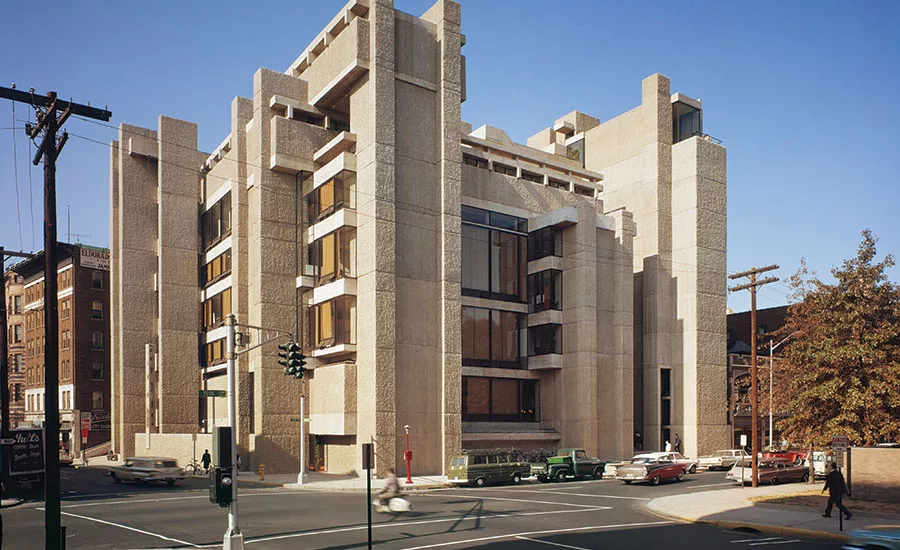
Yale Art and Architecture Building | 1963 | New Haven | Paul Rudolph
Frank Lloyd Wright, an inspiration to Paul Rudolph, broke the box, but he broke it horizontally. It was Rudolph, a master of space and the section, who broke it vertically: the section of the A + A building is a Robie House plan turned vertically, its 36 levels making the building a stepladder through interlocking volumes. Space is vectorial and experiential, and, once Postmodernism was dispatched, the building proved to be an exciting lesson for generations of architecture students.
—Joseph Giovannini
Photo © Ezra Stoller/ ESTO
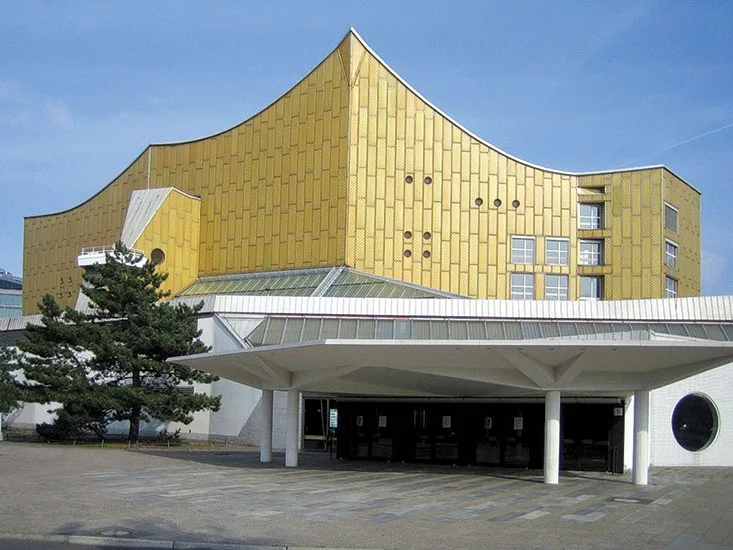
Berlin Philharmonic Concert Hall | 1963 | Berlin | Hans Scharoun
Photo © Manfred Brückels/Creative Commons
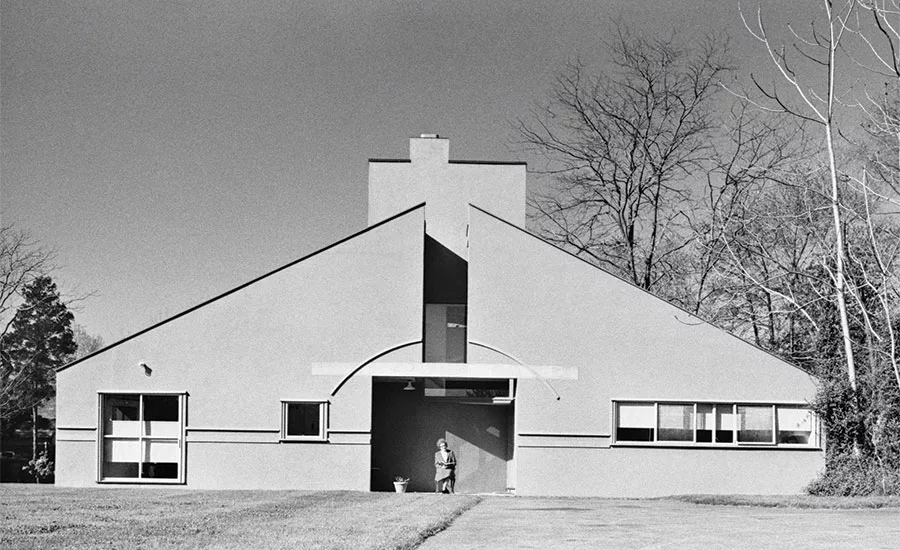
Vanna Venturi House | 1964 | Philadelphia | Venturi & Short
Photo courtesy VSBA Architects
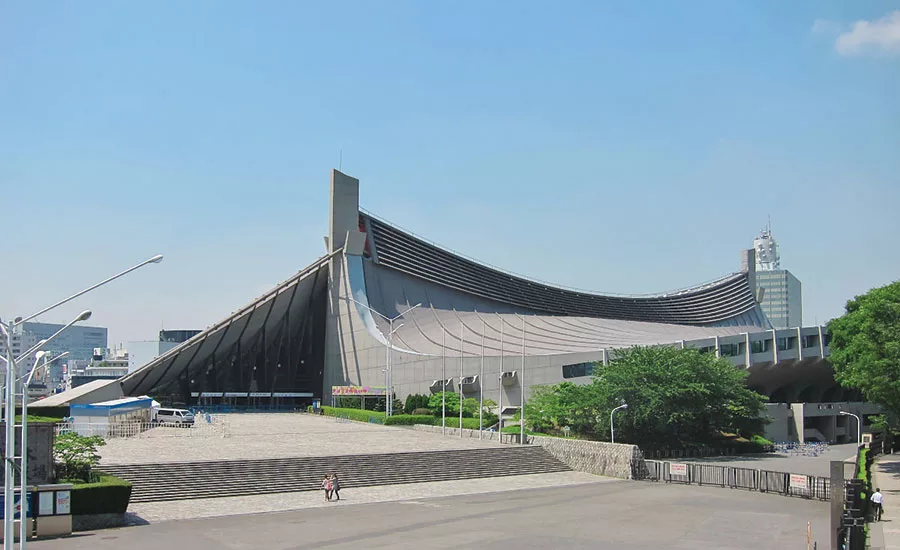
Yoyogi National Gymnasia | 1964 | Tokyo | Kenzo Tange
Photo © Wikimedia user Rs1421/Creative Commons
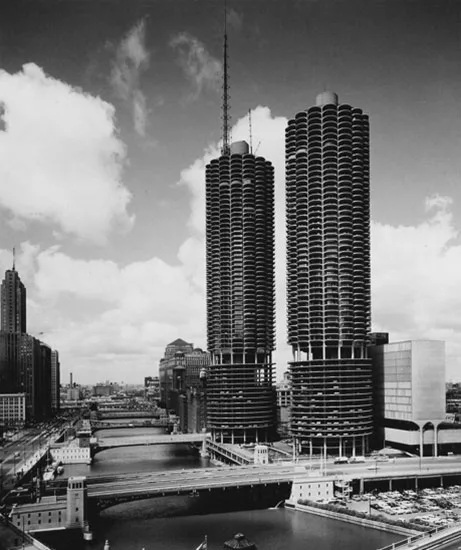
Marina City | 1964 | Chicago | Bertrand Goldberg
Photo courtesy Geoffery Goldberg
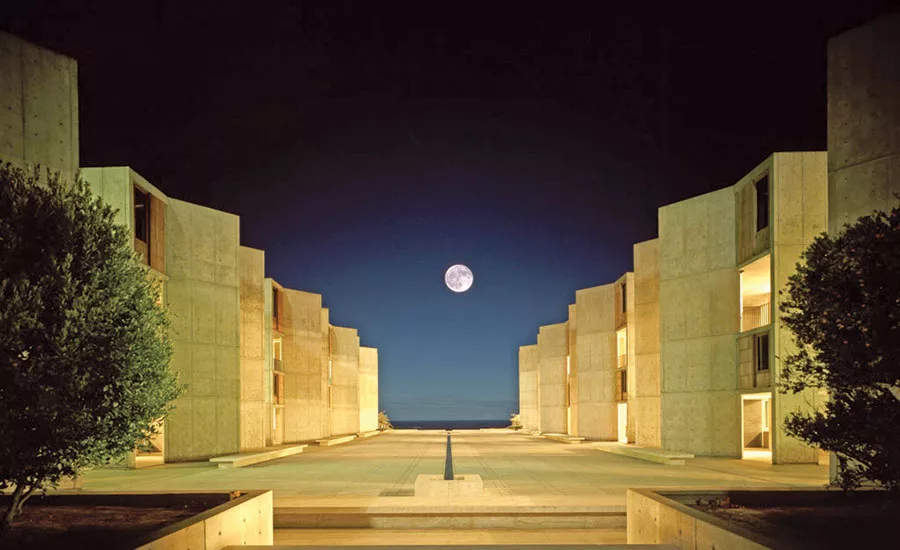
Salk Institute for Biological Studies | 1965 | La Jolla, California | Louis Kahn
This is Kahn’s answer to the urbanistic vision of Renaissance Italy, combined with a magical fountain channeling water across the space to the ocean in a move that recalls gardens of Mughal India and Renaissance villas like Tivoli and the Villa Lante. It is an inspired synthesis and reformulation that never disappoints, no matter how many times you visit. The Salk is arguably the defining work of the greatest American architect. —Marvin Trachtenberg
Photo courtesy Salk Institute for Biological Studies
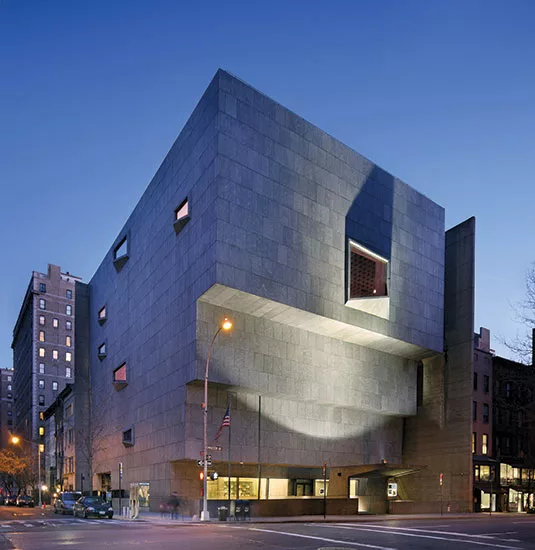
Whitney Museum of American Art | 1966 | New York | Marcel Breuer and Associates
Photo courtesy the Metropolitan Museum of Art/Ed Lederman
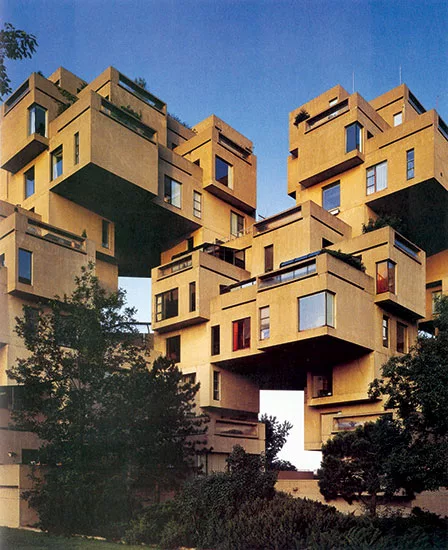
Habitat 67 | 1967 | Montreal | Moshe Safdie
Photo © Timothy Hursley/courtesy Safdie Architects
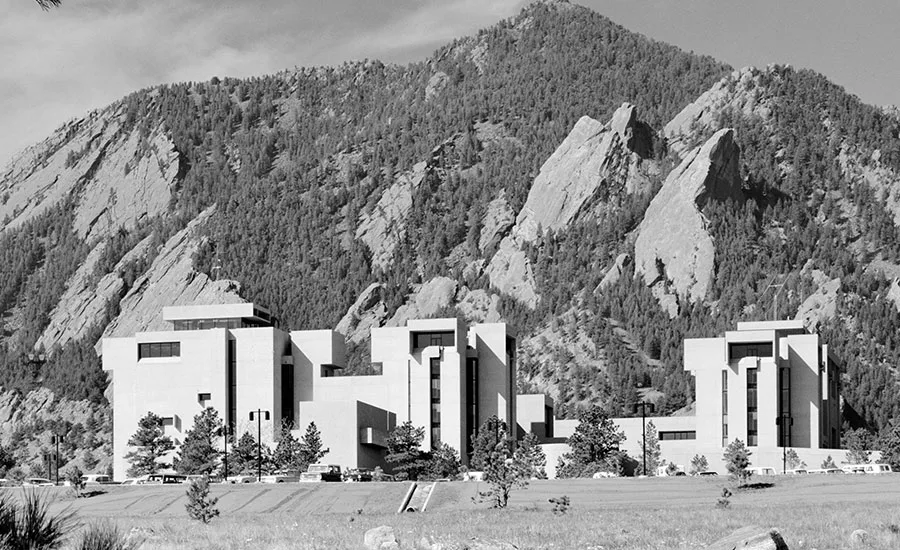
National Center for Atmospheric Research | 1967 | Boulder, Colorado | I.M. Pei & Partners
Photo © Ezra Stoller/ESTO
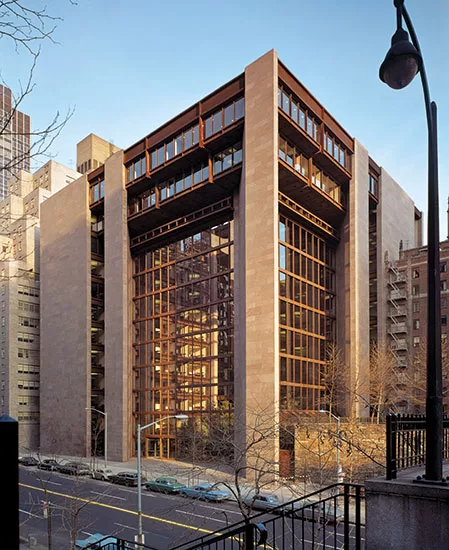
Ford Foundation Building | 1967 | New York | Kevin Roche John Dinkeloo & Associates
Photo © Ezra Stoller/ESTO
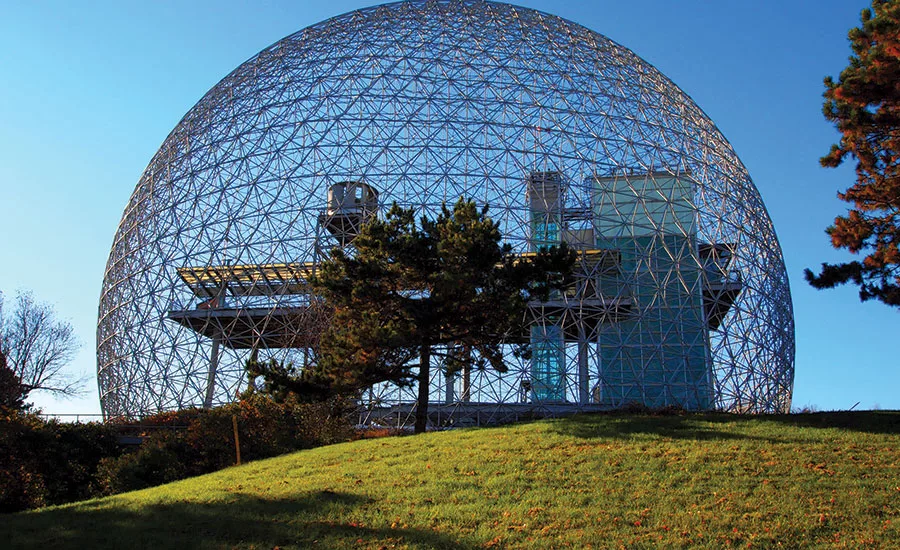
Montreal Biosphere | 1967 | Montreal | Buckminister Fuller
Photo © Leo Gonzales/Creative Commons
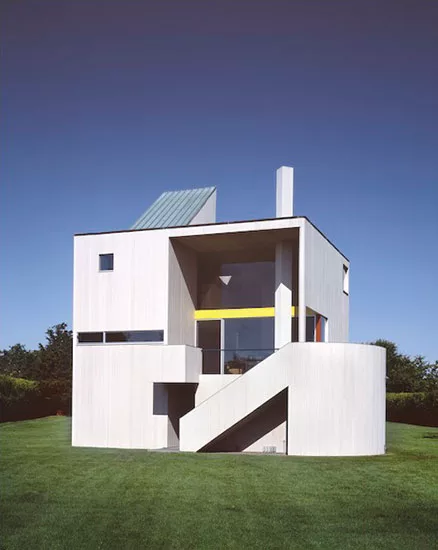
Gwathmey Residence and Studio | 1967 | Amagansett, New York | Charley Gwathmey
Photo © Scott Frances/OTTO
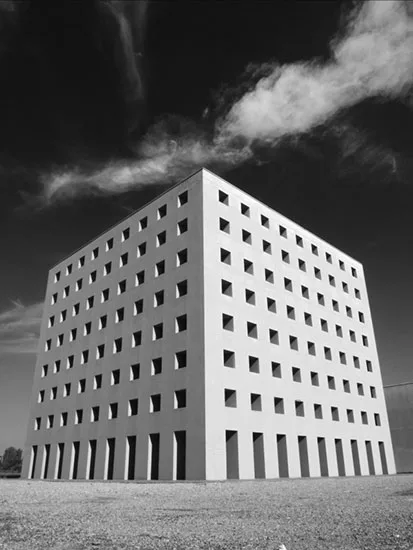
San Cataldo Cemetery | 1971 | Modena, Italy | Aldo Rossi
Photo © Maria Lucia Lucetti & Paolo Tedeschi/courtesy Visit Modena
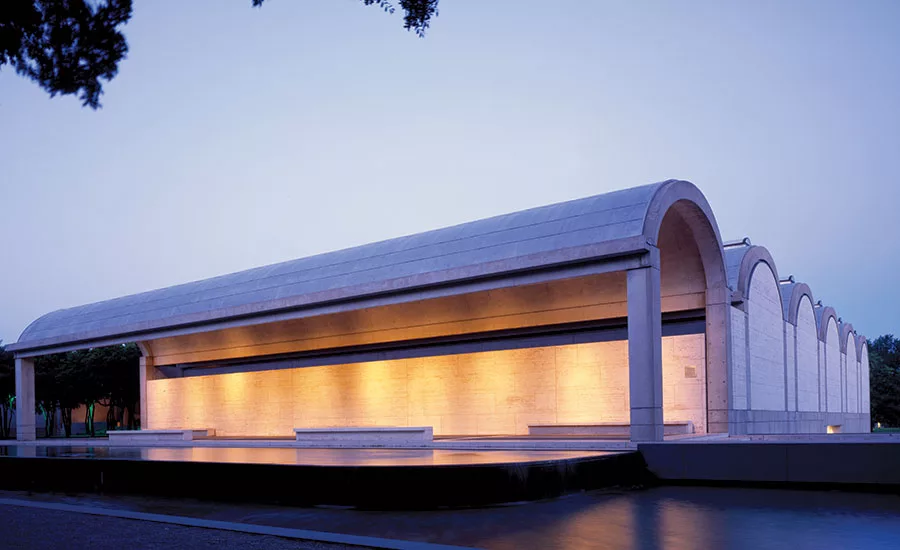
Kimbell Art Museum | 1972 | Fort Worth | Louis Kahn
At the Kimbell, Kahn has achieved a magical synthesis between the calm order of the museum’s naves and the heroism of the concrete roof, merging vault and beam in order to convey both natural and artificial light. The diagonal movement between the galleries takes you from one painting to the next in the smoothest manner possible, the rigid order of architecture being totally dissolved on the way.
—Jean-Louis Cohen
Photo courtesy Library of Congress
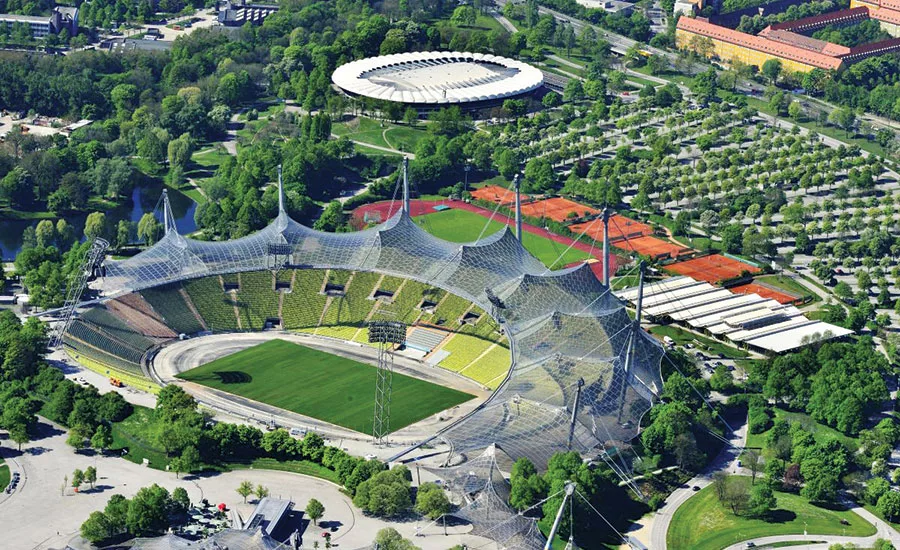
Munich Olympic Stadium | 1972 | Munich | Frei Otto and Günter Behnisch
Photo courtesy Olympiapark München
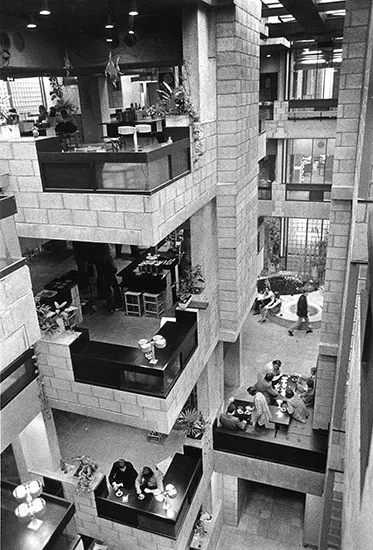
Centraal Beheer | 1972 | Apeldoorn, Netherlands | Herman Hertzberger
Photo courtesy Architectuurstudio Herman Hertzberger
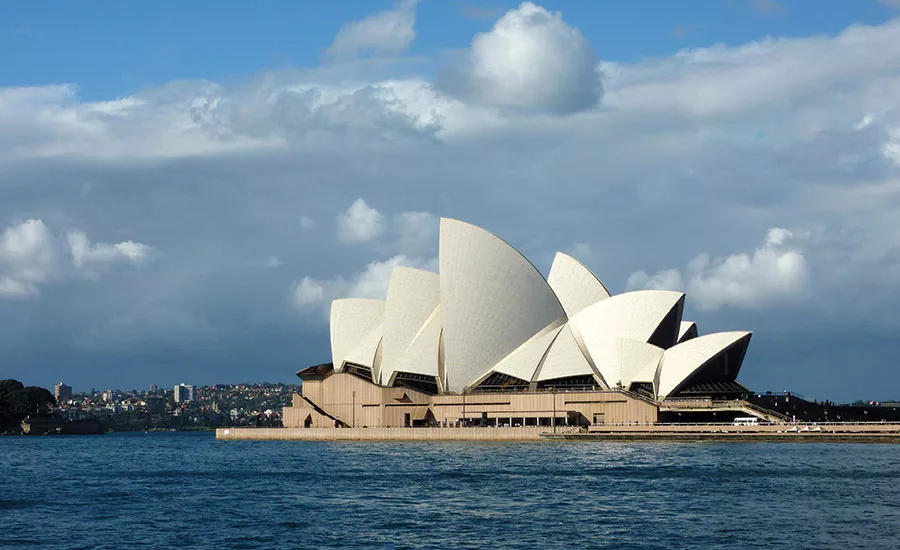
Sydney Opera House | 1973 | Sydney | Jørn Utzon
Photo © Flickr user Simone.Brunozzi/Creative Commons
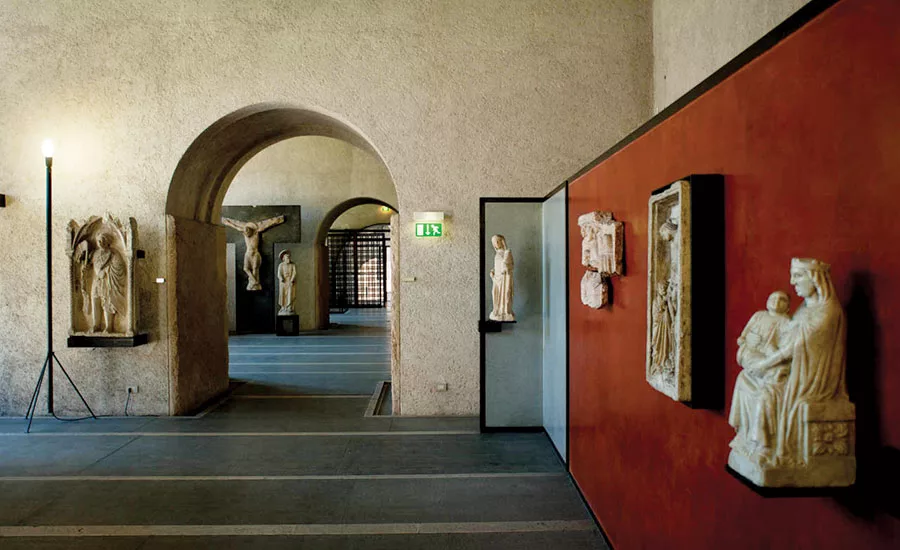
Museo di Castelvecchio | 1973 | Verona, Italy | Carlo Scarpa
Photo © Flickr user Leon/Creative Commons
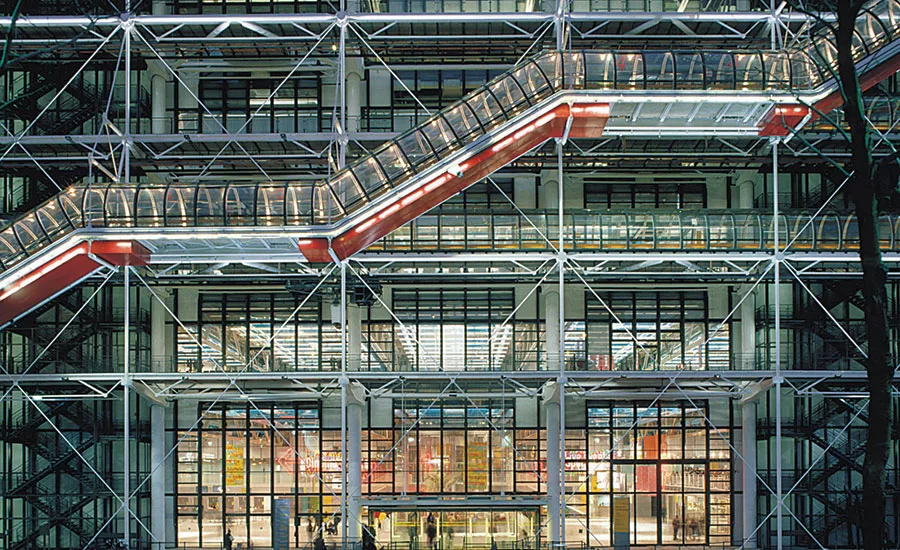
Centre Georges Pompidou | 1977 | Paris | Studio Piano & Rogers
Photo © Denancé Michel/ courtesy Renzo Piano Building Workshop
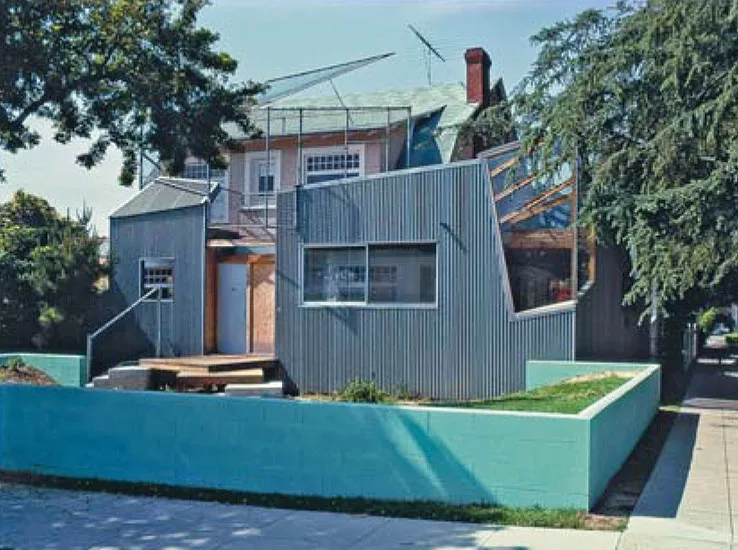
Gehry Residence | 1978 | Santa Monica, California | Frank Gehry
Photo © Tim Street-Porter/OTTO
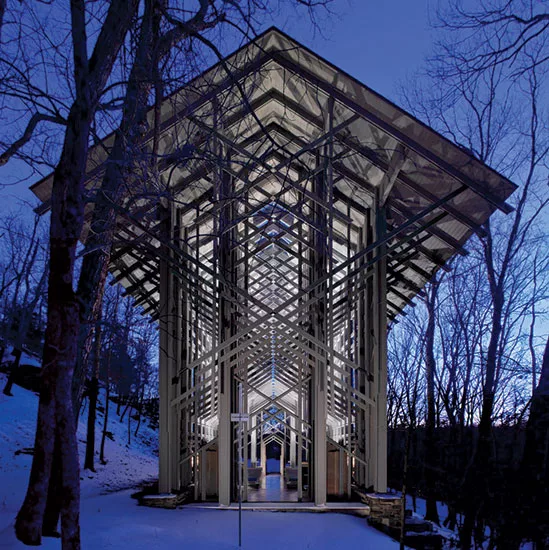
Thorncrown Chapel | 1980 | Eureka Springs, Arkansas | E. Fay Jones
Photo © Randall Connaughton/courtesy Thorncrown Chapel
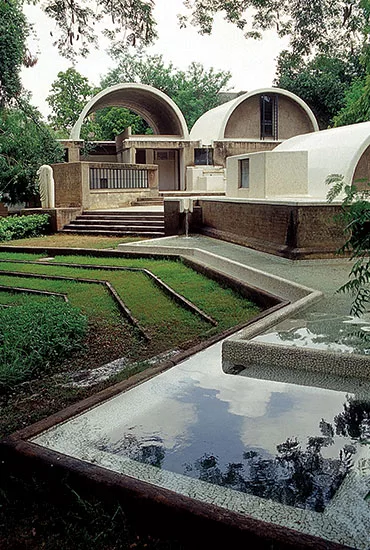
Sangath | 1981 | Ahedabad, India | Balkrishna Doshi
Photo courtesy Vastushilpa Foundation
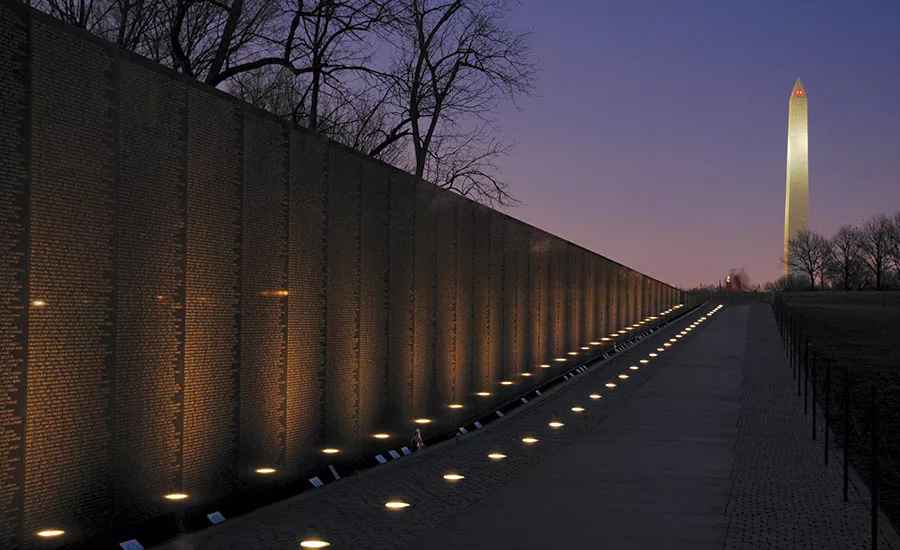
Vietnam Veterans Memorial | 1982 | Washington, D.C. | Maya Lin Studio
Photo courtesy National Park Service
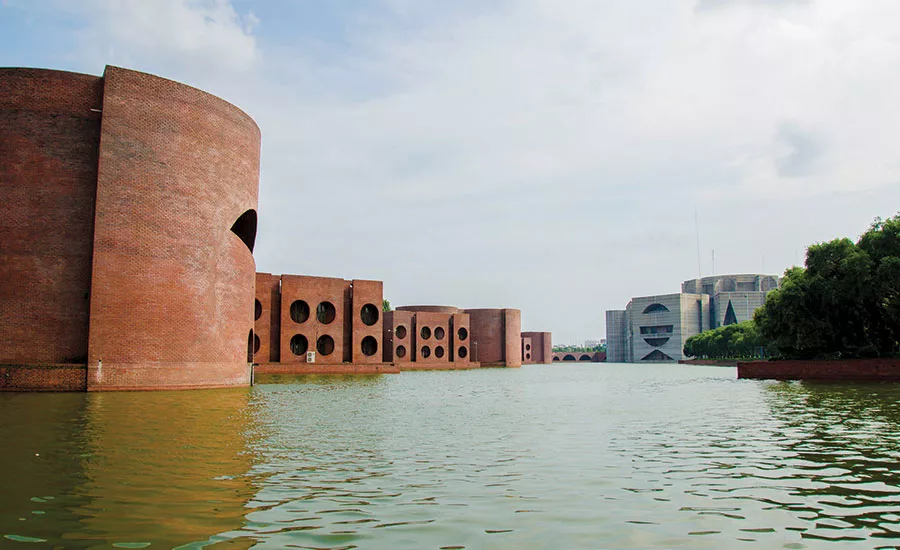
National Assembly Building of Bangladesh | 1982 | Dhaka, Bangladesh | Louis Kahn
Photo © Nahid Sultan & Saiful Aopu/Creative Commons
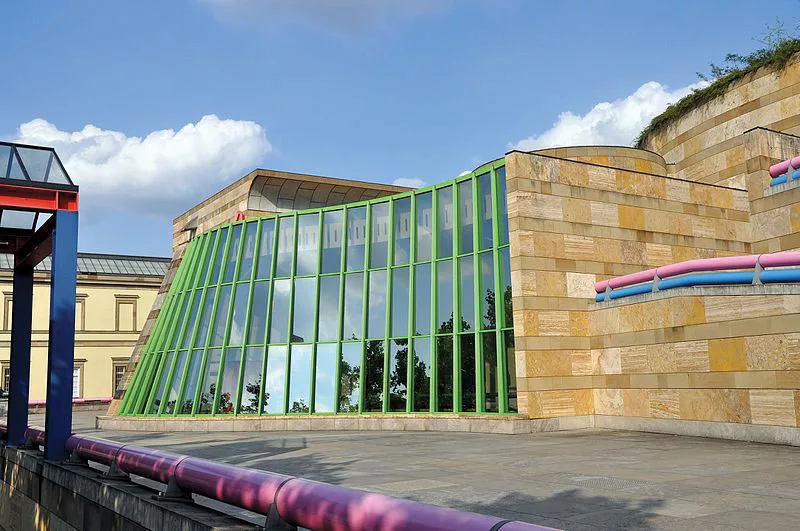
Neue Staatsgalerie | 1984 | Stuttgart, Germany | James Stirling, Michael Wilford & Associates
Photo © Wikimedia user Jaimrsilva/ Creative Commons
To commemorate Architectural Record’s 125th anniversary, our editors have chosen to honor 125 of the most important works of architecture built since the magazine’s founding in 1891. This was not an easy task. We started by polling a group of distinguished critics and scholars for nominations, but the final list is ours. While many inclusions are obvious, others may be surprising, or a little controversial—as are some omissions. And, we know, all 125 might not make the list at RECORD's next big birthday: time inevitably changes not only our tastes, but how we understand history.
Click through the slideshow above, and visit the pages below, to see all the buildings on our list.
Looking for quick answers on architecture and design topics?
Try Ask RECORD, our new smart AI search tool.
Ask RECORD →
Looking for a reprint of this article?
From high-res PDFs to custom plaques, order your copy today!


