.webp?t=1782502160)


How DoorBird’s 3D Configurator Is Redefining Customization Across Residential and Commercial Design
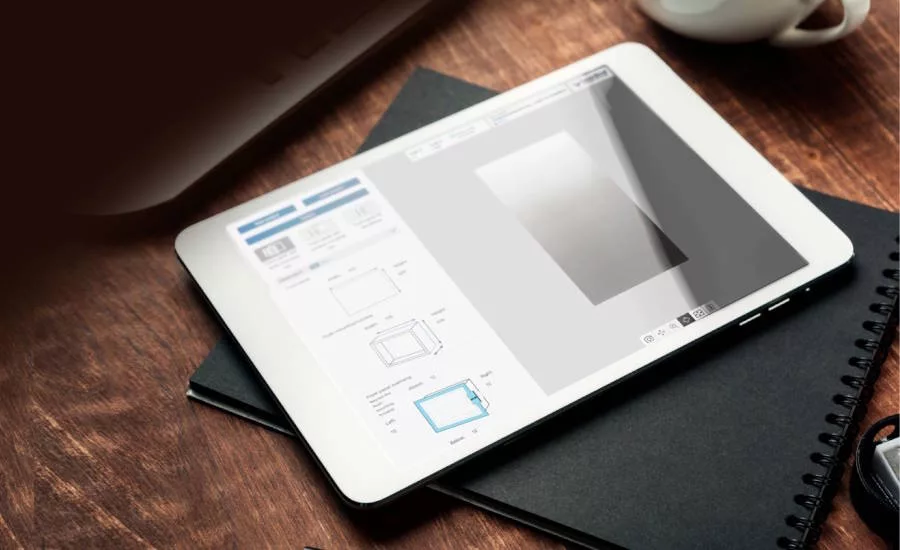
In contemporary architectural practice, the challenge is no longer just how to design—but how to translate design intent into a fully coordinated, buildable reality.
While digital tools have transformed visualization, a gap often remains between what is specified and what is ultimately delivered. This is particularly true for building components that combine technical complexity with high visibility—such as access control and intercom systems.
Today, a new category of tools is helping to bridge this gap: 3D configurators.
Among them, DoorBird is introducing a fundamentally different approach—not only by digitizing the specification process, but by enabling a level of true customization previously unavailable in the intercom category.
From Product Selection to Product Design
Traditionally, specifying intercom systems has been a constrained process. Architects and planners select from a limited range of predefined models, often compromising between technical requirements and design intent.
DoorBird’s 3D configurator redefines this approach.
Rather than choosing from fixed options, architects can:
- Configure intercom systems visually in real time
- Adapt materials, finishes, layouts, and features
- Instantly see how each decision affects the final product
- Ensure that every configuration is technically validated
This transforms the intercom from a standardized product into a configurable design element.
Critically, DoorBird remains the only intercom manufacturer currently offering this level of customizable configuration through a dedicated 3D tool in a single seamless workflow—a distinction that signals a broader shift in how building technology is specified.
Customization at Scale: A Response to Modern Architecture
As architectural projects become more individualized, the limitations of standardized products become increasingly apparent.
Across sectors—from high-end residential developments to large-scale commercial buildings—designers are expected to deliver:
- Cohesive material palettes
- Integrated technology
- Consistent user experiences
At the same time, building systems such as intercoms have grown more complex, integrating with:
- Smart home platforms
- Access control systems
- Security infrastructure
- Mobile applications
The result is a need for solutions that are both technically robust and architecturally adaptable.
DoorBird’s 3D configurator addresses both dimensions simultaneously, enabling customization without sacrificing reliability or feasibility.
Designed for Real Applications: Key Architectural Verticals
The impact of customizable intercom systems becomes especially evident when viewed through the lens of specific building types.
Single-Family Homes: Personalization as an Expectation
In custom residential design, personalization is not a luxury—it is a baseline expectation.
Homeowners increasingly expect every visible element to align with their architectural vision, from facade materials to interior finishes.
DoorBird’s configurator allows architects to:
- Match intercom finishes to entrance materials (metal, glass, or custom tones)
- Tailor layouts to specific functional requirements
- Align product design with the overall aesthetic of the home
At the same time, the new indoor station series introduces a refined, minimalist presence inside the home—combining intuitive touchscreen operation with a form factor designed to integrate seamlessly into contemporary interiors.
Here, customization extends beyond appearance. It becomes part of the daily experience of the home, shaping how residents interact with visitors, deliveries, and security.
Office Environments: Brand and Functionality Aligned
In office buildings, access and communication systems are part of the first impression—both for visitors and employees.
The design of entry systems must balance:
- Corporate identity
- Security requirements
- Ease of use
DoorBird’s 3D configurator enables architects and developers to create intercom solutions that reflect a company’s brand while maintaining full technical functionality.
This includes:
- Custom finishes that align with lobby materials or corporate color schemes
- Configurations adapted to multi-tenant environments
- Integration with broader access control systems
The indoor station, in this context, becomes more than a utility—it acts as a user interface for workplace interaction, combining communication, access, and control in a single device.
School Campuses: Clarity, Durability, and Ease of Use
Educational environments introduce a different set of priorities. Systems must be intuitive, robust, and capable of supporting high user volumes while maintaining clear access management.
3D configurability offers tangible benefits here as well.
Architects can design intercom solutions that:
- School branding embedded
- Provide clear, user-friendly interfaces for staff and visitors
- Integrate seamlessly into both new construction and retrofit projects
At the interior level, indoor stations serve as centralized communication points, enabling staff to manage access efficiently while maintaining oversight of building security.
In these settings, the combination of clarity in design and flexibility in configuration becomes critical to successful implementation.
Mixed-Use Developments: Flexibility Across Multiple Use Cases
Mixed-use projects represent one of the most complex application areas for building systems.
Residential units, commercial spaces, and shared amenities each impose different requirements—yet the overall system must remain consistent and integrated.
DoorBird’s configurable approach allows architects to:
- Adapt intercom designs across different zones within the same development
- Maintain a consistent design language while addressing varied functional needs
- Ensure compatibility across all system components
This flexibility is particularly valuable in developments where architectural identity and operational efficiency must coexist.
The result is a more cohesive user experience—where technology supports, rather than disrupts, the architectural vision.
The Role of Design: Introducing the New Indoor Station Series
While digital tools are transforming specification workflows, the physical design of products remains equally important.
Indoor stations are among the most frequently used touchpoints within a building. Positioned within living spaces, offices, or common areas, they must combine:
- Functional clarity
- Intuitive user interaction
- Architectural integration
DoorBird’s new indoor station series responds to these expectations with:
- A clean, contemporary design language
- Touch-based, user-friendly interfaces
- Seamless integration into connected environments
Modern intercom design increasingly emphasizes simplicity, minimalism, and integration within the interior architecture rather than visual dominance.
By aligning these design principles with a configurable digital workflow, DoorBird ensures that what architects define during the planning process is reflected accurately in the final installed product.
Bridging the Gap Between Digital and Built
The combination of 3D configurators and customizable product systems represents a broader transformation in architectural workflows.
Instead of separating:
- Design
- Specification
- Validation
these processes are becoming unified.
DoorBird’s platform illustrates how this integration can work in practice:
- Architects configure the product visually
- Technical requirements are validated automatically
- The final output reflects a buildable, precise solution
This reduces uncertainty, accelerates decision-making, and improves coordination across stakeholders.
It also elevates the role of building technology—positioning it as an integral part of the architectural design process rather than a late-stage technical addition.
A Shift in Expectation
The introduction of 3D configurators into architecture signals more than just a technological evolution.
It reflects a shift in expectation:
- From standardized products to customizable systems
- From abstract specification to interactive design
- From isolated components to fully integrated experiences
DoorBird’s leadership in this space—particularly as the only intercom brand offering a fully customizable 3D configurator workflow—highlights how even highly technical product categories can evolve to meet architectural demands.
Conclusion
As architecture continues to embrace complexity, the tools used to manage that complexity must evolve accordingly.
3D configurators offer a powerful way to align design intent with technical reality, transforming how architects engage with building components.
DoorBird’s approach takes this one step further by combining configurator technology with true product customization—enabling architects to design intercom systems that are not only functional but fully aligned with the project’s architectural vision.
Across residential, commercial, educational, and mixed-use environments, this capability redefines what is possible—turning a once-standardized system into a flexible, integrated, and design-driven element of the built environment.
By Susanne Hesse, Head of Marketing & PR Americas, AU, NZ
Looking for a reprint of this article?
From high-res PDFs to custom plaques, order your copy today!