San Francisco Museum of Modern Art
Rising Art Scene: Like its predecessor, an addition to SFMOMA asserts itself in a rapidly developing neighborhood.
San Francisco Museum of Modern Art
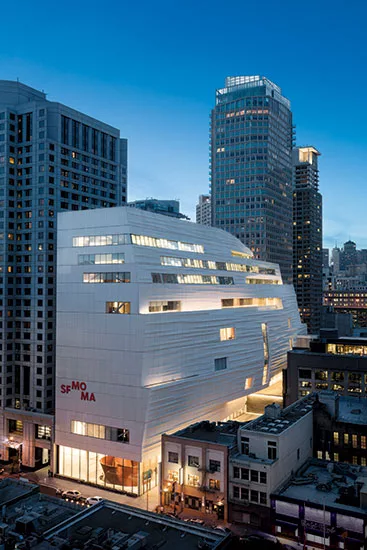
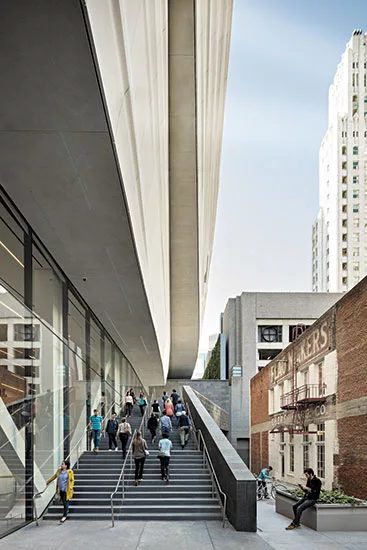
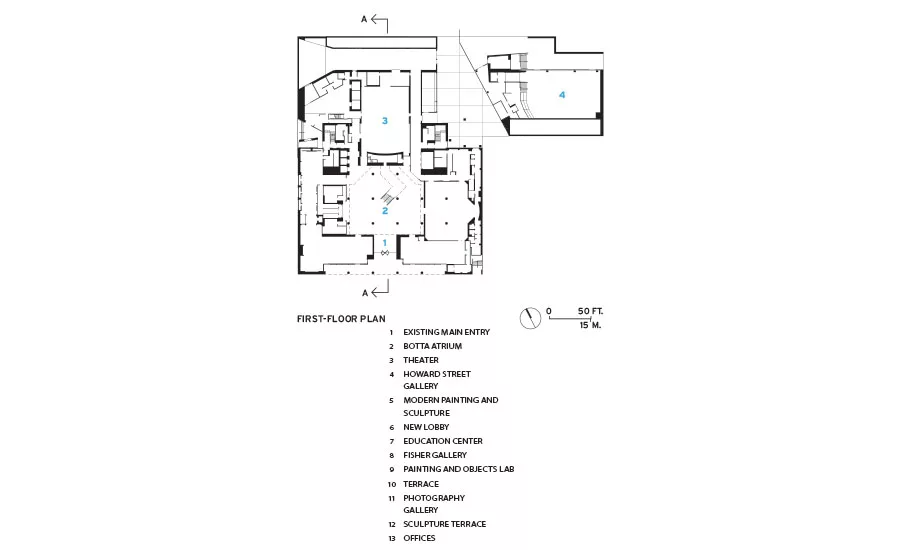
The new structure offers an additional entrance from busy Howard Street and the quiet alley facing its pristine white undulating facade.
Photo © Henrik Kam
San Francisco Museum of Modern Art
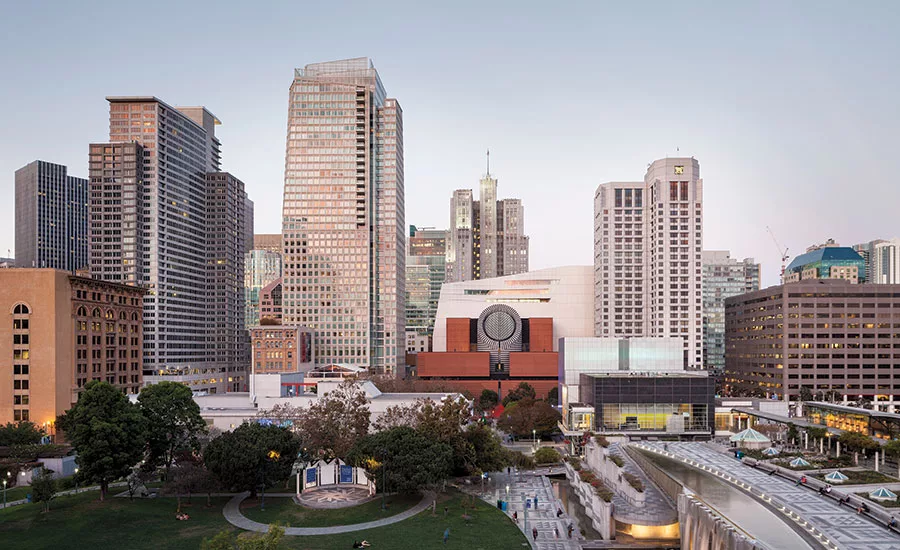
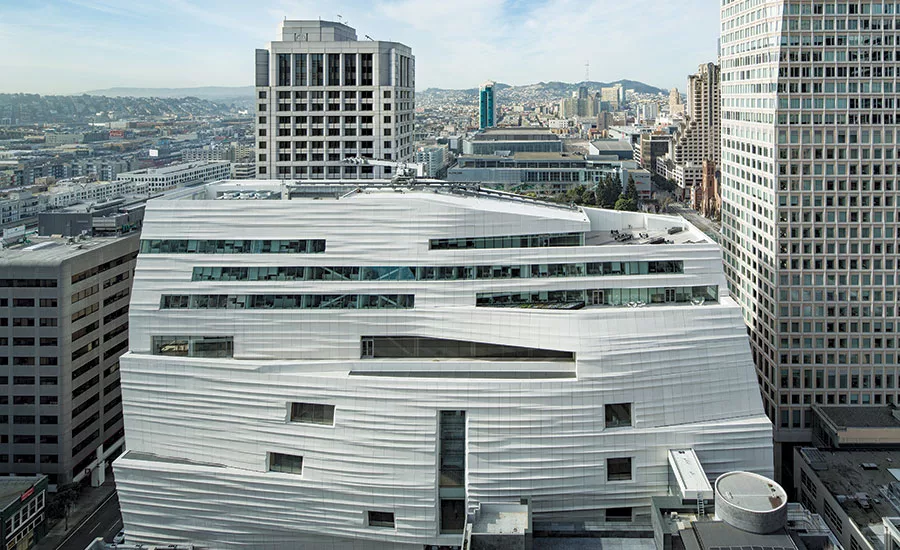
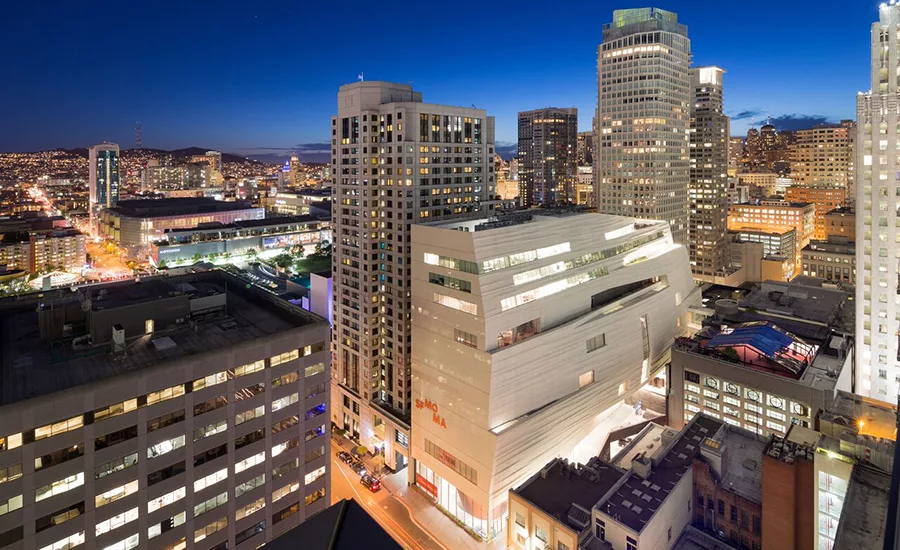
The 200-foot-tall addition is sandwiched between the museum’s original red-brick building fronting Yerba Buena Gardens and the PacBell Building behind it.
Photo © Henrik Kam
San Francisco Museum of Modern Art
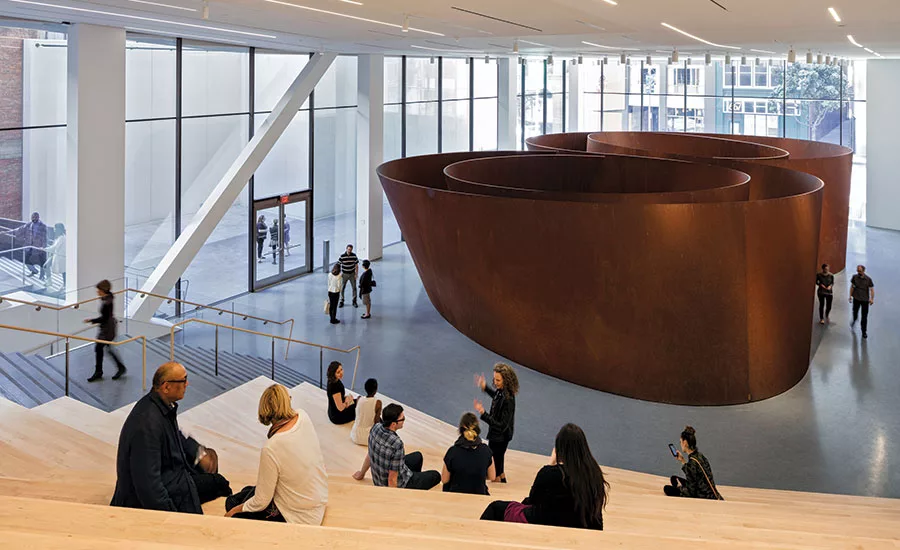
The addition’s undulating facade tops the glazed Howard Street gallery, free to the public, whose opening exhibit is Richard Serra’s 2006 Sequence.
Photo © Henrik Kam
San Francisco Museum of Modern Art
Visitors can gather on the stepped seating.
Photo © Henrik Kam
San Francisco Museum of Modern Art
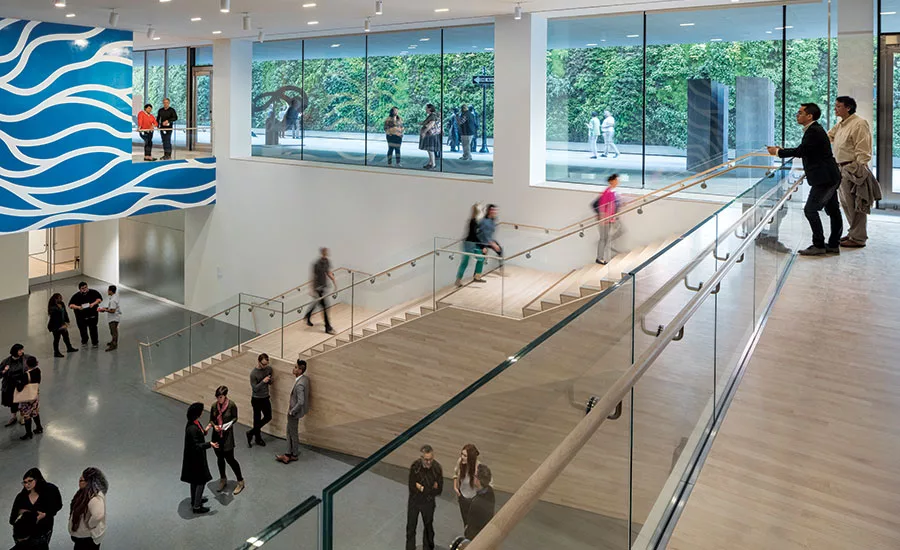
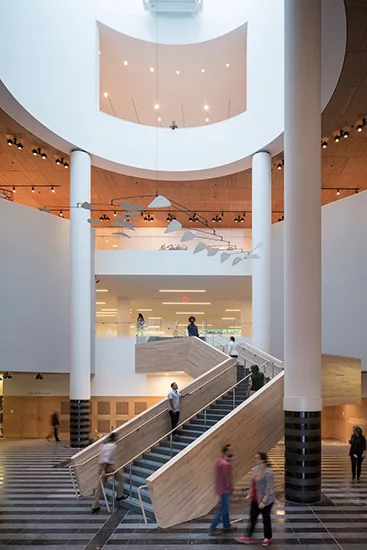
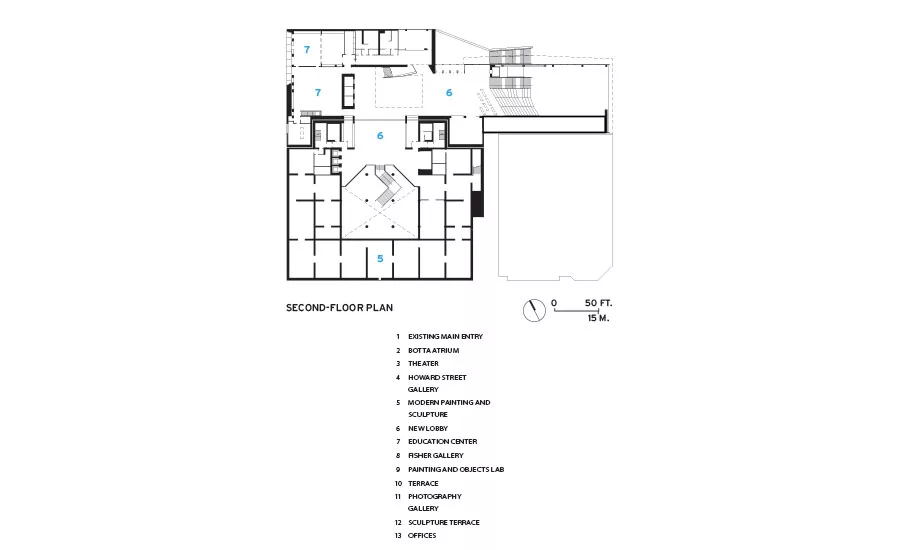
A Sol LeWitt drawing blankets the upper wall of the new lobby, which is accessed from the Howard Street gallery and the outdoor staircase perpendicular to a narrow alleyway.
Photo © Henrik Kam
San Francisco Museum of Modern Art
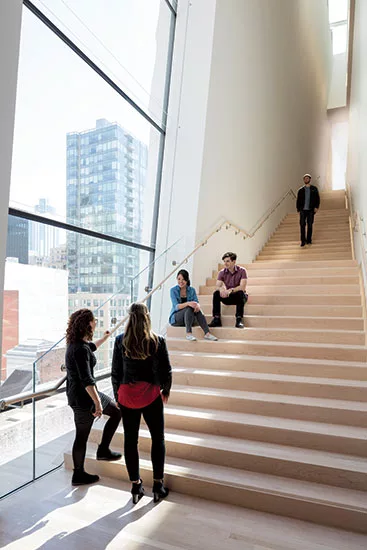
Circulation along the bowed facade, with windows overlooking the city in places, encourages taking the stairs.
Photo © Henrik Kam
San Francisco Museum of Modern Art
A Sol LeWitt drawing blankets the upper wall of the new lobby, which is accessed from the Howard Street gallery and the outdoor staircase perpendicular to a narrow alleyway.
Photo © Henrik Kam
San Francisco Museum of Modern Art
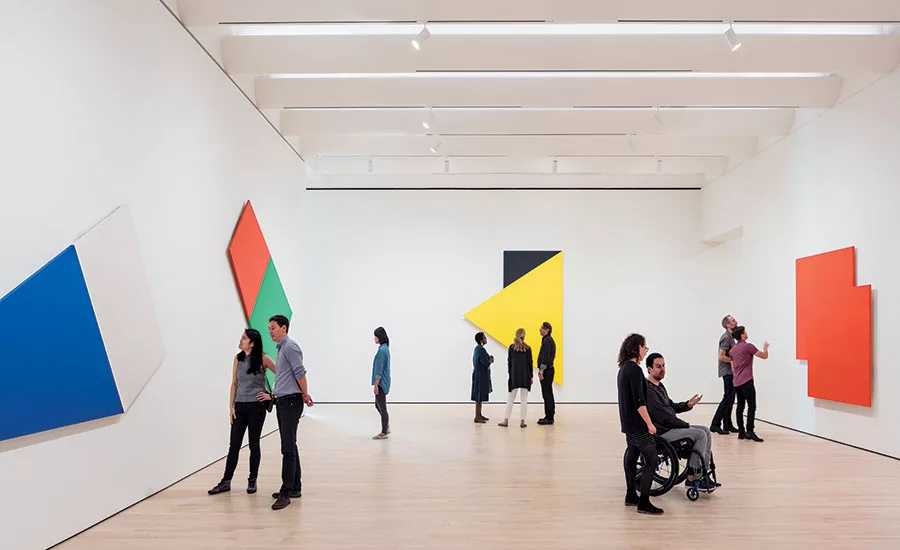
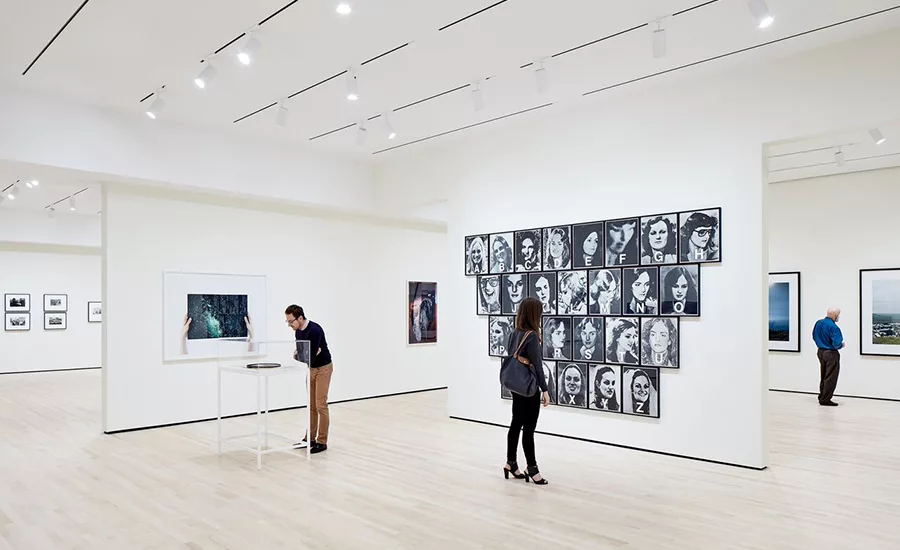
Several galleries on the fourth floor highlight the work of Ellsworth Kelly. The modular, coved ceiling system evenly diffuses ambient light.
Photo © Henrik Kam
San Francisco Museum of Modern Art
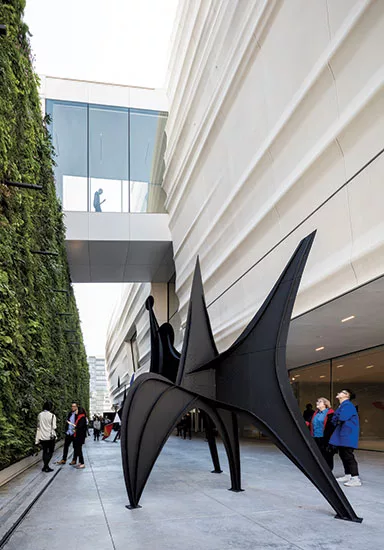
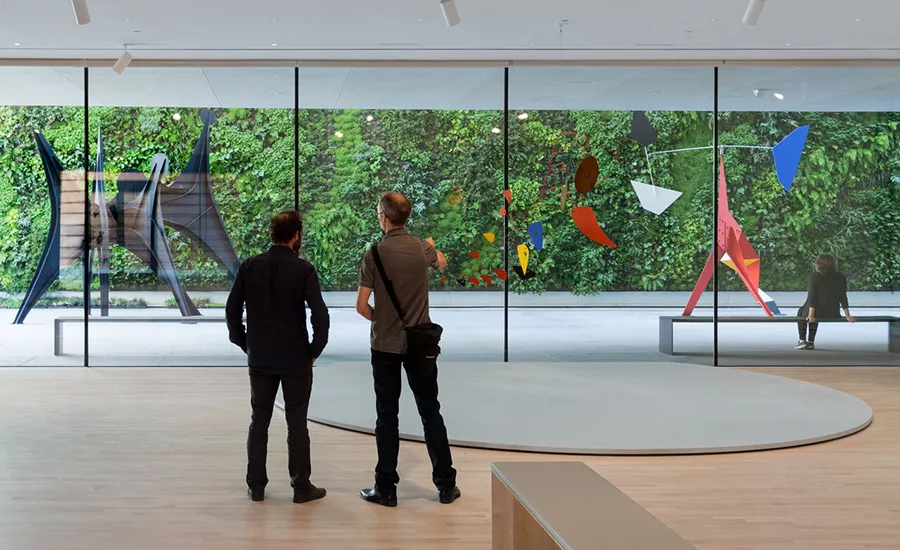
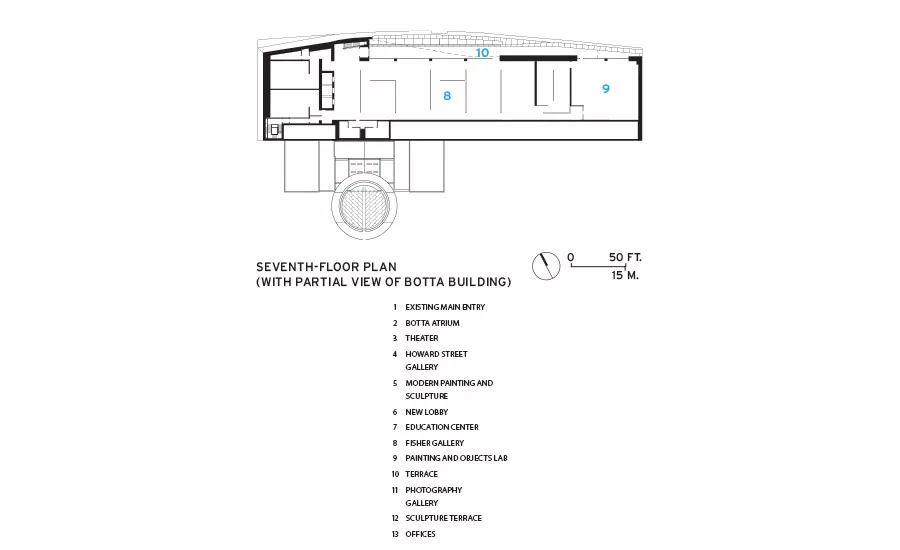
Visitors can access a terrace from the dedicated Alexander Calder gallery for close-up views of the living wall, which contains 15,000 plants. The bridge above it leads to a café and sculpture terrace.
Photo © Henrik Kam
San Francisco Museum of Modern Art
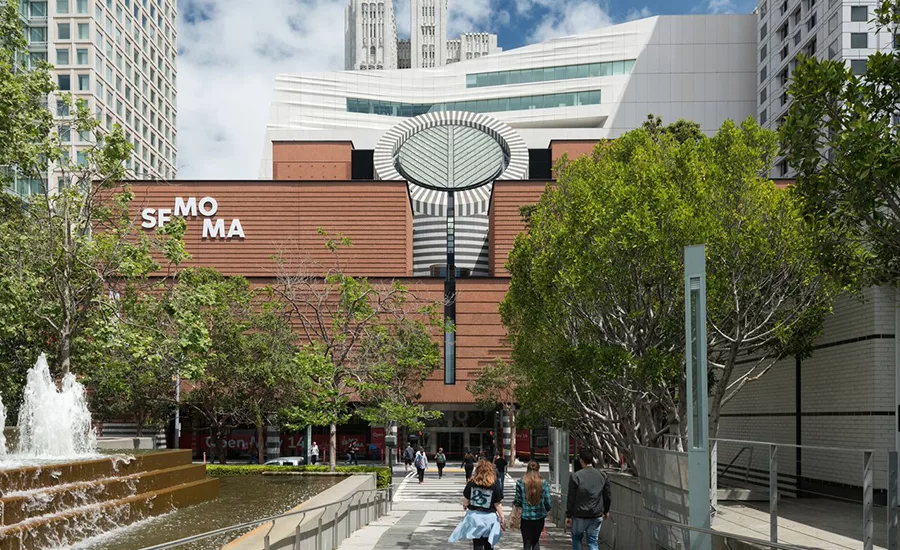
View from Yerba Buena Garden.
Photo © Iwan Baan
San Francisco Museum of Modern Art
Photo © Iwan Baan
San Francisco Museum of Modern Art
Photo © Iwan Baan
San Francisco Museum of Modern Art
Photo © Iwan Baan
San Francisco Museum of Modern Art
California and the West Photography.
Photo © Iwan Baan
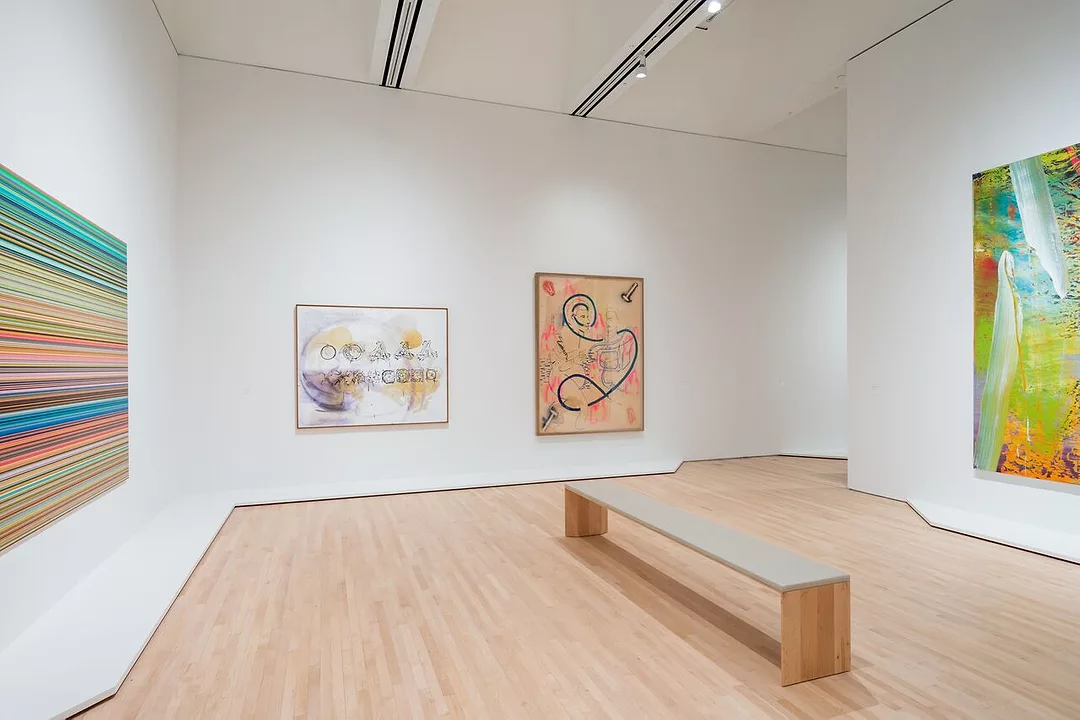
San Francisco Museum of Modern Art
The Campaign for Art.
Photo © Iwan Baan
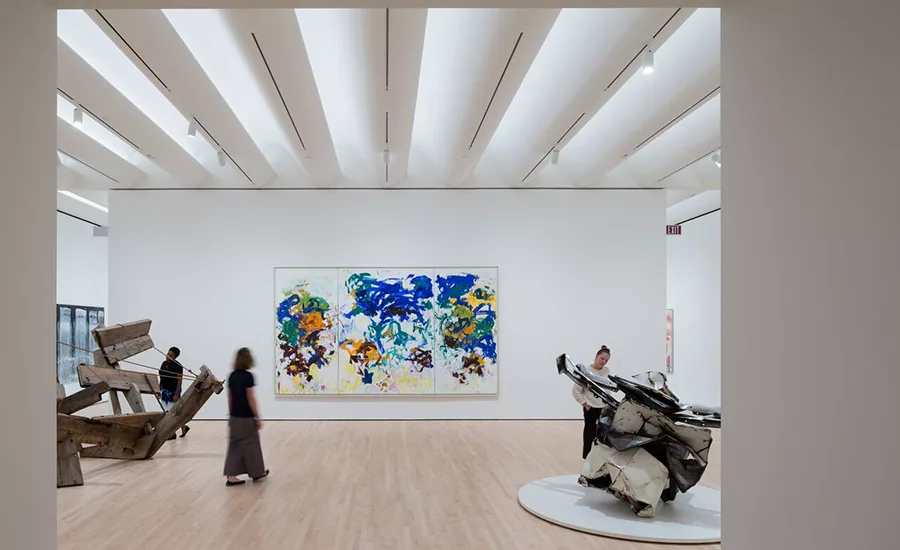
San Francisco Museum of Modern Art
Approaching American Abstraction.
Photo © Iwan Baan
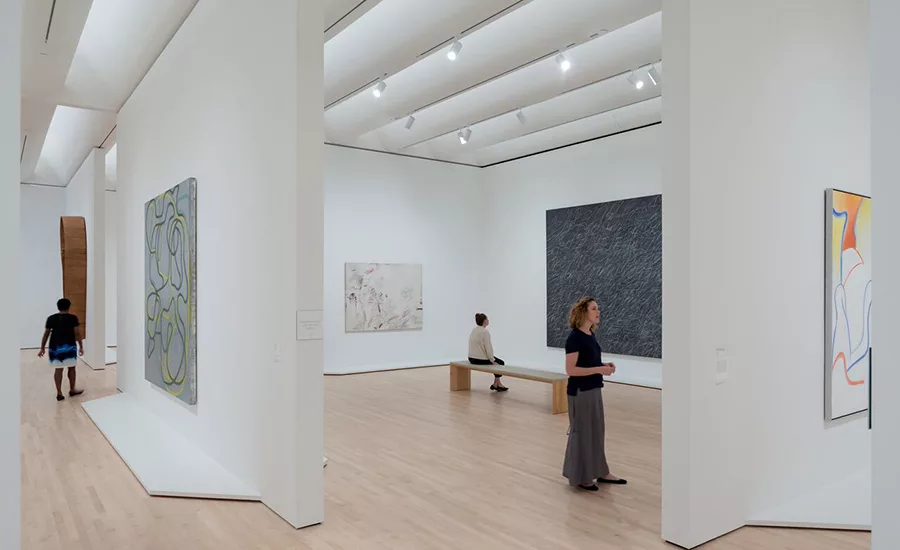
San Francisco Museum of Modern Art
Approaching American Abstraction.
Photo © Iwan Baan
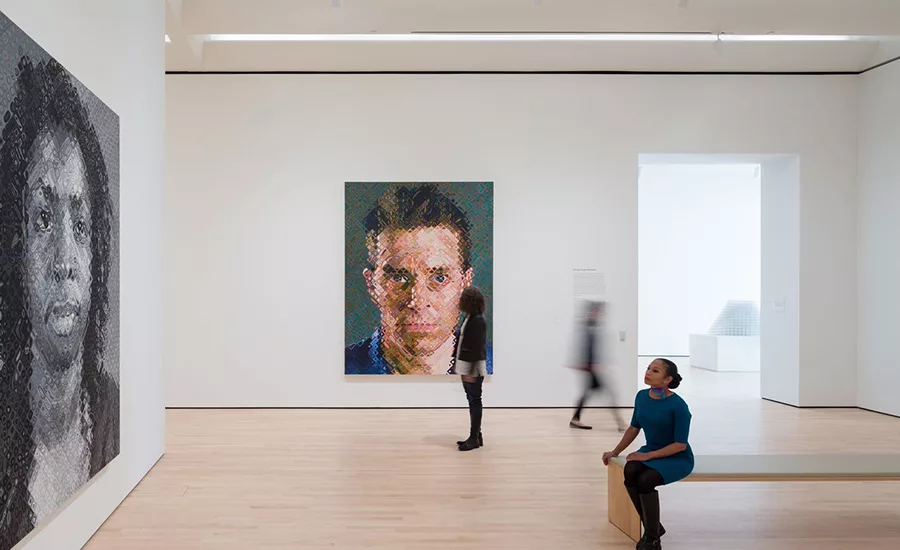
San Francisco Museum of Modern Art
Pop, Minimal and Figurative Art.
Photo © Iwan Baan
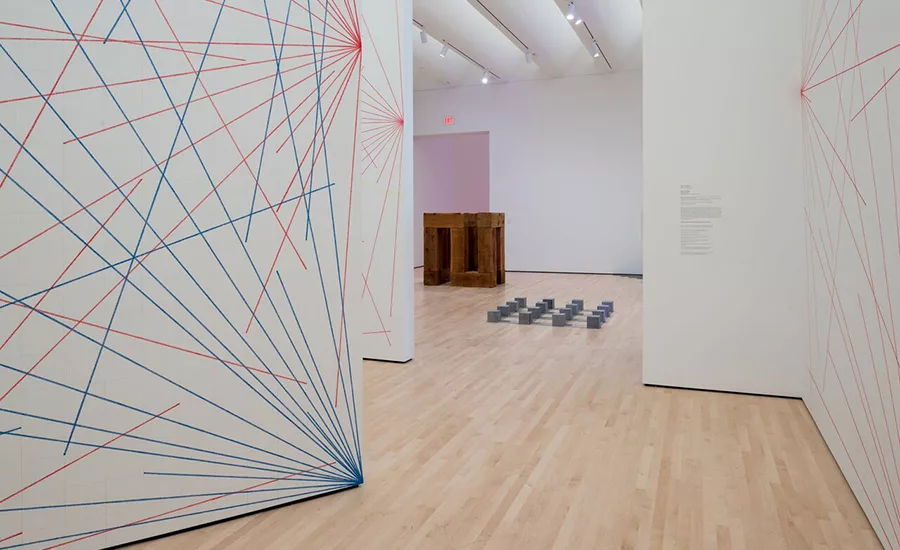
San Francisco Museum of Modern Art
Pop, Minimal and Figurative Art.
Photo © Iwan Baan
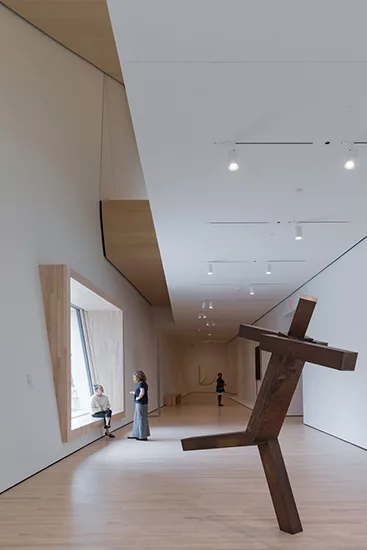
San Francisco Museum of Modern Art
A City Gallery at SFMOMA.
Photo © Iwan Baan
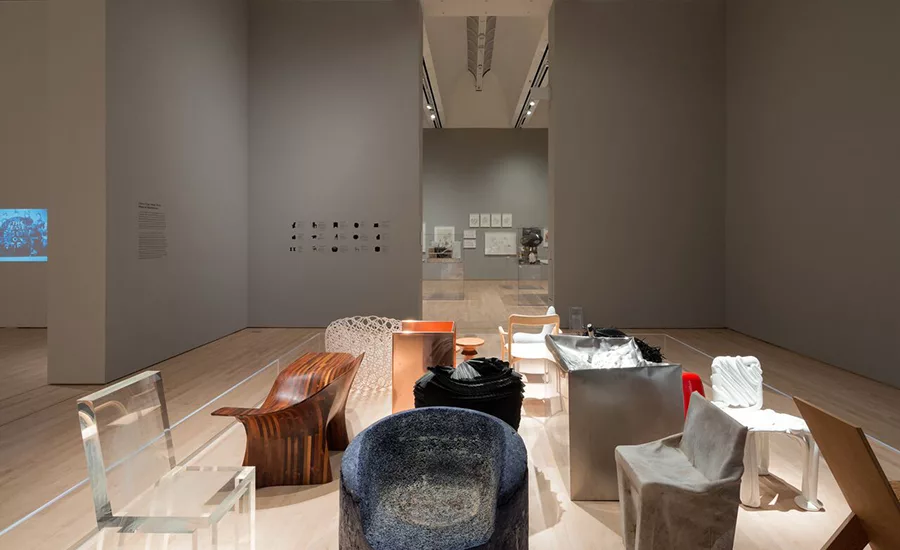
San Francisco Museum of Modern Art
The Campaign for Art.
Photo © Iwan Baan
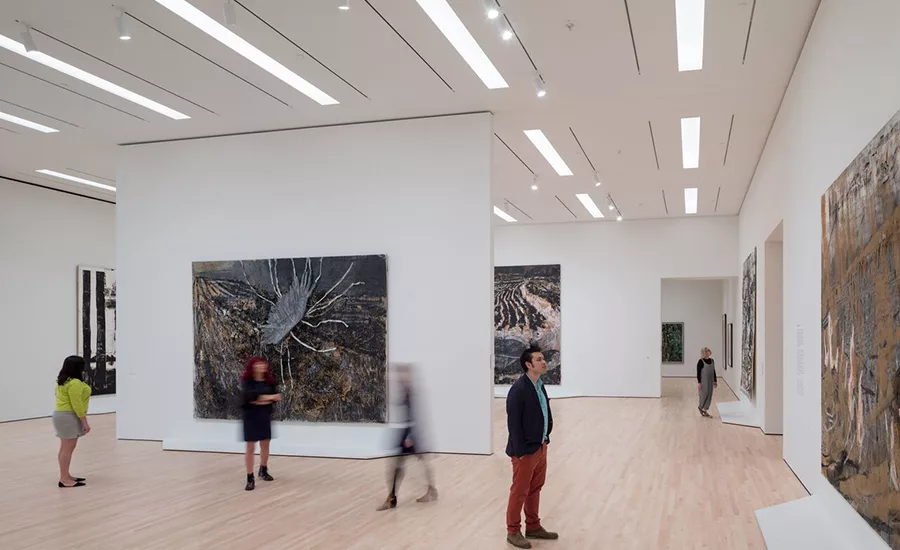
San Francisco Museum of Modern Art
German Art after 1960.
Photo © Iwan Baan
San Francisco Museum of Modern Art
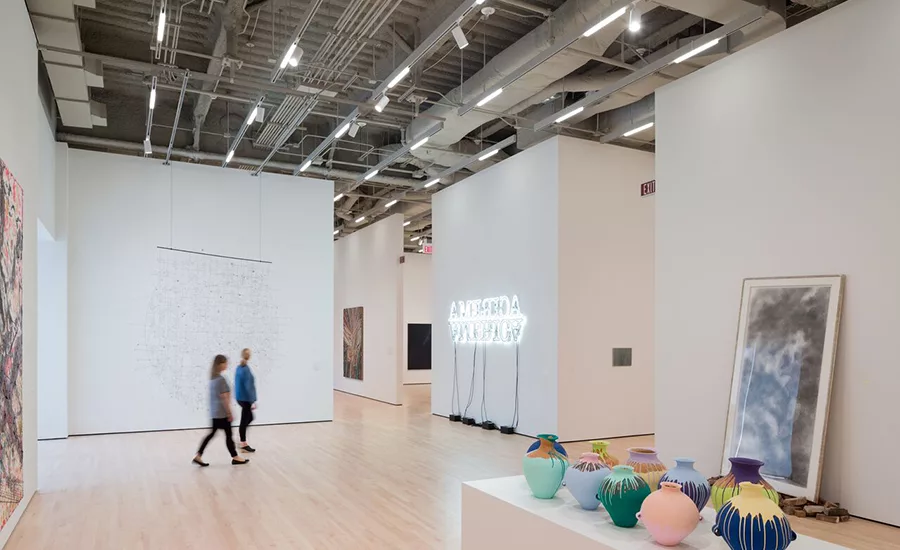
The Campaign for Art.
Photo © Iwan Baan
San Francisco Museum of Modern Art
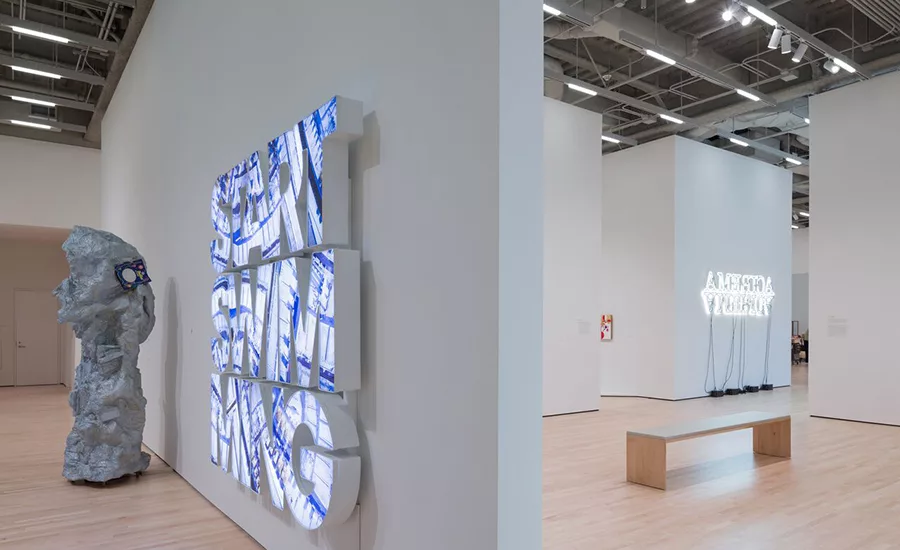
The Campaign for Art.
Photo © Iwan Baan
San Francisco Museum of Modern Art
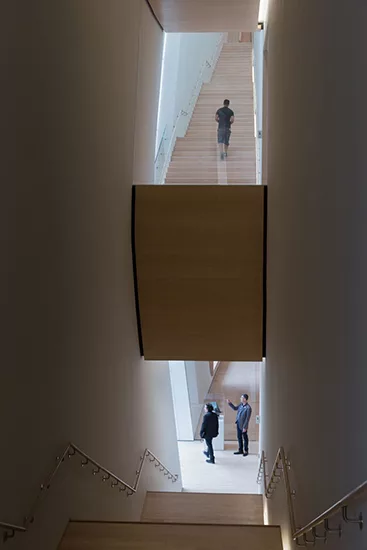
City Gallery stairs.
Photo © Iwan Baan
San Francisco Museum of Modern Art
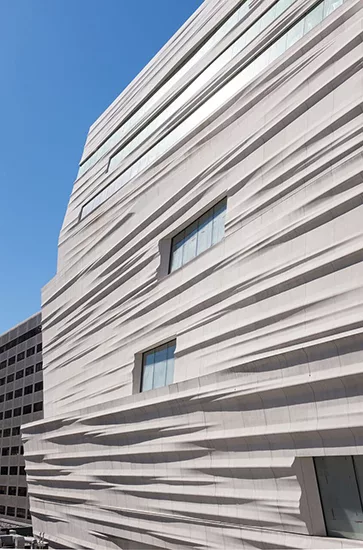
SFMOMA facade.
Photo © Iwan Baan
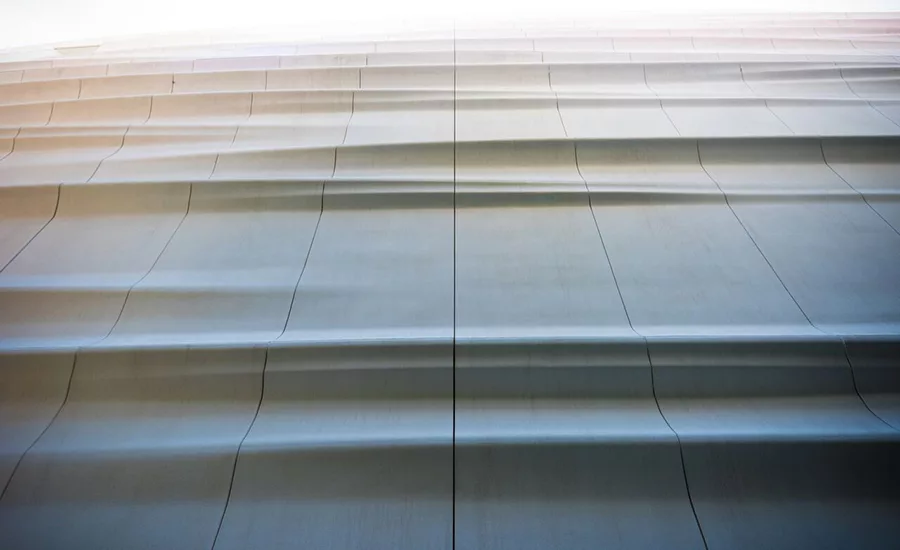
San Francisco Museum of Modern Art
SFMOMA facade.
Photo © Iwan Baan
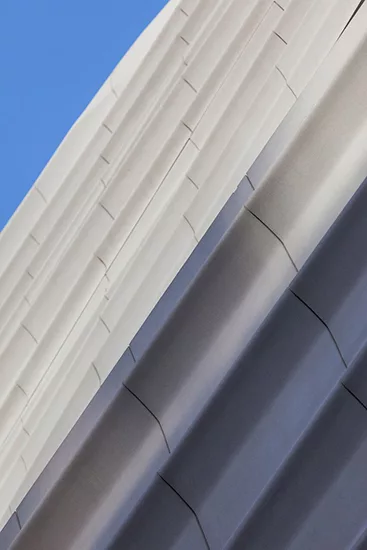
San Francisco Museum of Modern Art
SFMOMA facade.
Photo © Iwan Baan
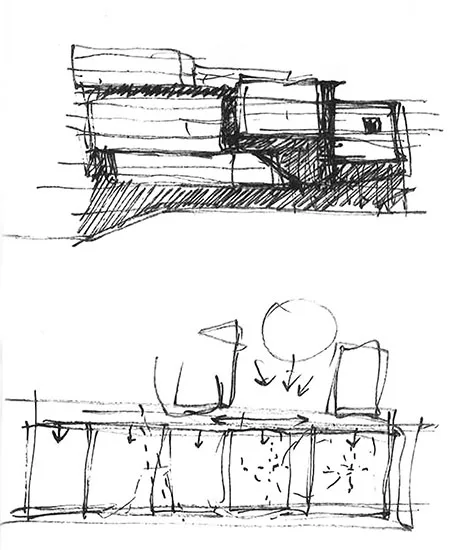
San Francisco Museum of Modern Art
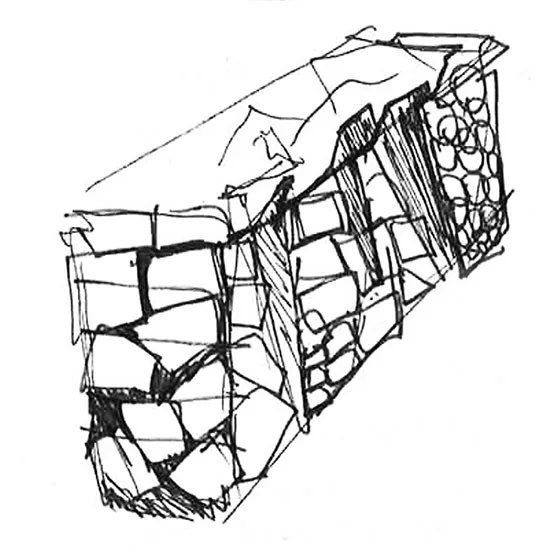
Early sketches and massing studies for the building’s skin, galleries, and landscape.
Image courtesy Craig Dykers
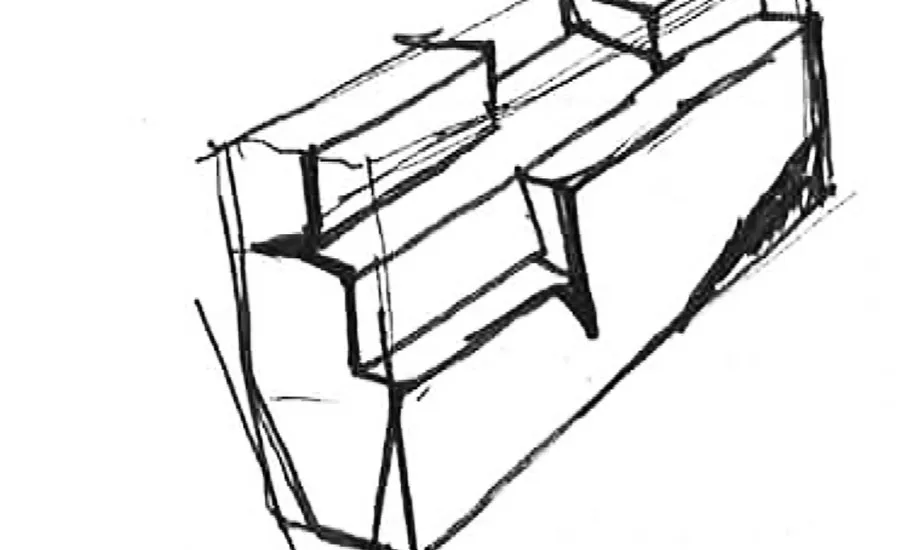
San Francisco Museum of Modern Art
Early sketches and massing studies for the building’s skin, galleries, and landscape.
Image courtesy Craig Dykers
San Francisco Museum of Modern Art
Early sketches and massing studies for the building’s skin, galleries, and landscape.
Image courtesy Craig Dykers
San Francisco Museum of Modern Art
Image courtesy Snøhetta
San Francisco Museum of Modern Art
Image courtesy Snøhetta
San Francisco Museum of Modern Art
Image courtesy Snøhetta
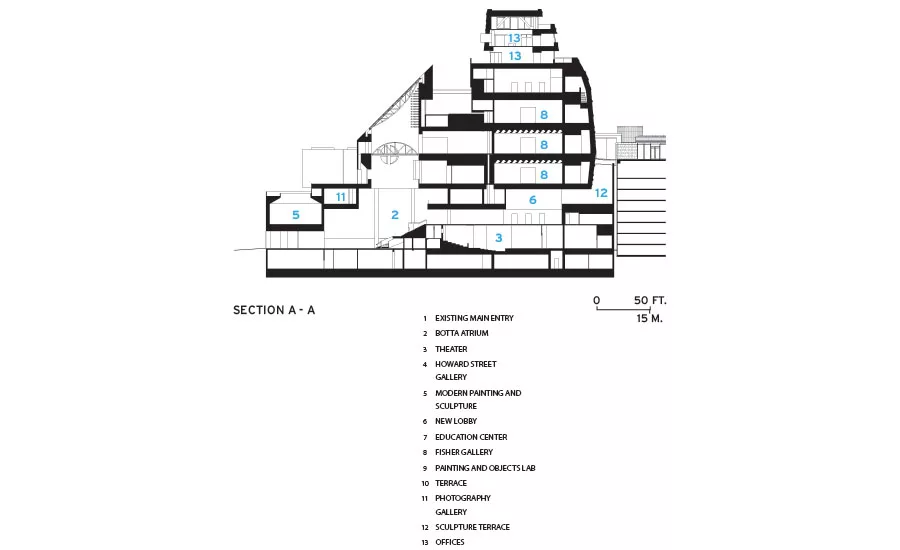
San Francisco Museum of Modern Art
Image courtesy Snøhetta
Architects & Firms
San Francisco
When it was founded in 1935, the San Francisco Museum of Modern Art (SFMOMA) occupied one, then two floors of the War Memorial Veterans Building in the Hayes Valley neighborhood before moving into its purpose-built, Mario Botta–designed home in nearby SoMa in 1995. That building was almost immediately maligned for looking dated in its Postmodern imagery and for not functioning well in terms of circulation. This month, the museum unveils its newly expanded facility, designed by Snøhetta. With the $305 million addition, which increases gallery space to 170,000 square feet, SFMOMA now has more exhibition space, if only temporarily, than the still-inflating MoMA in New York. That astronomical growth in just over 20 years may be the result of dramatic changes in the city itself— its population and economy boosted by the tech industry—but it also speaks to a spirit of innovation, both curatorial and architectural, in the institution.
On the outside, the New York– and Oslo-based Snøhetta has found more success than most in adding to an iconic, or idiosyncratic, building. Rather than adjoining a quiet box, as minimalist David Chipperfield did at Cass Gilbert’s classical St. Louis Art Museum, Snøhetta designed an addition that asserts itself as a work of architecture in its own right, while showing the appropriate amount of deference to Botta’s aggressive pile. It does so by turning its back on Botta.
The most dramatic facade of Snøhetta’s building—a bowed wall composed of over 700 unique sculptural panels of glass-fiber reinforced polymer—faces in the opposite direction from Botta’s terraced red brick frontage along the open area of Yerba Buena Gardens. In fact, views of Snøhetta’s 10-story undulating screen, inspired by the rippling water of San Francisco Bay and the Art Deco ornament of the PacBell tower behind it, are partially obstructed by lower buildings. It only comes into full view when approached from the narrow Natoma Street. The effect evokes similar experiences walking around San Francisco, as fanciful facades or public art— Union Square’s Dewey Monument, for instance—appear, almost as surprises, where the city’s many alleyways come to an end.
At the heart of the new expansion is a groundbreaking partnership with the family of Doris and Donald Fisher, who together founded the Gap in San Francisco in 1969. After they lost their battle to build a museum designed by Richard Gluckman at the Presidio, they entered into an agreement with SFMOMA that gives the museum access to more than 1,100 works in their collection for 100 years. Dedicated galleries in the new building are currently showcasing 260 of these paintings and sculptures.
For those exhibition spaces, Snøhetta took as a starting point the existing ceiling heights and maple floors of Botta’s galleries to create a seamless internal transition from old to new. Air handling is also seamless, with displacement grilles discreetly located above gallery walls rather than on floors. Ambient lighting, acoustic treatments, and electrical and plumbing hardware are hidden within ceilings, which are coved on lower levels.
Offices occupy the upper portion of the building. “In terms of museum design, the highest, most distant area from the entrance is not prime real estate—you have to get people there,” explains Snøhetta founding partner Craig Dykers. “Placing the staff on the top floors was a win-win for everybody. They need views and daylight; the art does not.”
In fact, there are few precedents for such a tall urban museum. (The addition reaches 200 feet. By comparison, SANAA’s New Museum in New York is about 175 feet.) Snøhetta has designed a series of exquisite, elongated stairwells with views above and across and out to the city along the bowed facade, to move visitors naturally through the building. Curiously though, the firm’s biggest intervention in the original museum was to remove Botta’s monumental staircase from beneath his iconic oculus—in order, it seems, to allow more daylight in from that strange circular skylight and open up the atrium space. In other areas, however, Snøhetta enhanced Botta’s design—for instance, uncovering select gallery windows to allow 360-degree views of the city as you make your way through both buildings.
The expansion dramatically increases amenities, including free public-access areas, rooms for education, and performance and event venues. Restaurant space increased more than threefold, while only a few hundred square feet were added to the museum store—a clear indication of where revenue comes from, or is expected to, these days, as more and more museums become entertainment centers in addition to places for viewing art. In Situ, the museum’s ground-floor restaurant set to open in June, will feature a rotating menu curated by three-Michelin-star chef Corey Lee, with contributions from over 80 other world-renowned cooks.
The greatest achievement of the project is the way it is rooted within place, with its grand white facade of silicate crystals from Monterey Bay embedded in its panels’ surfaces catching the city’s dramatically changing light. It is one more voice in the cacophony of singular buildings, its own predecessor not the least of these. But orienting the addition toward the alley means that the more visible face, and new entrance, along busy Howard Street, suffers for its positioning— its wall is rather bland, as if it were the plain side of a slice of frosted cake, with the many layers, or floors in this case, clearly delineated. The other odd thing about directing the “frosted” side away from the main street is that it runs the risk of one day being almost completely obscured. In this rapidly developing neighborhood— prominent modern art dealers Larry Gagosian and John Berggruen are opening galleries across the street, and the huge Trans Bay Center, now under construction, is visible from the museum’s upper floors—the three- and four-story buildings directly adjacent to SFMOMA are likely to be turned into towers by developers.
Turning inward allows Snøhetta’s building to be distinct from Botta’s, but, in a sense, just as eccentric. By taking as many cues as it does from the city, and its neighbors, Snøhetta’s addition is pure San Francisco, quirks and all.
Video courtesy EarthCam
The Creative Process
Craig Dykers
"I sketch all the time," explains Craig Dykers. He and his team at Snøhetta move back and forth between analog and digital ways of working when developing a design. “The passage between those two worlds is important.” For the design of SFMOMA, some of the most important models were handmade ones that were not very precise, including a small concrete model made using paper formwork. “It was their imprecision that helped us see new ways of thinking about the project,” Dykers says. “That’s the challenge often with computer aided design—there’s a great deal of information required to render the design.” Dykers says that another key aspect of the design process, particularly for SFMOMA, is conversation. “Before anything was drawn or we had any physical models or ideas of what the building should look like, we talked a lot about the maritime climate and how unusual it is in San Francisco.” The team decided that whatever the design ended up being, it needed to emphasize that unique character. “We recognized that, if we pulled the building back from the property line, it would allow more light to hit the surface of the building and more light to illuminate the ground plane,” recalls Dykers. “And that’s when the building started to take shape.”
PeopleArchitect: Snøhetta
Associate Architect: EHDD
Engineers: Magnusson Klemencic Associates (structural); Taylor Engineering (mechanical/plumbing); The Engineering Enterprise (electrical); KPFF (civil)
Consultants: Arup (Lighting, acoustical, AV, facade); Atelier Ten (sustainability); Enclos (facade); Habitat Horticulture/Hyphae Design Lab (living wall); SOM Graphics in collaboration with the SFMOMA Design Studio (building identification and wayfinding graphics); Turk Technologies (security)
General contractor: Webcor Builders
Construction Camera & Marketing: EarthCam
Size: 235,000 square feet (expansion)
Cost: $305 million
Completion Date: May 2016 |
ProductsFRP Rainscreen Panels Kreysler & Associates
Entrances Ellison, Dorma
Interior Glazing Silicon Valley Glass
Fire-Control Doors/Security Grilles Smoke guard
Acoustical Ceilings StarSilent by Pyrok, Rockfon, Geometrik
Suspension Grid Armstrong
Interior Ambient Lighting Cooper Industries, Feelux
Track Lighting LSI Industries
Exterior Lighting BK Lighting, ACDC
Lighting Controls Lutron
|
Looking for a reprint of this article?
From high-res PDFs to custom plaques, order your copy today!