Architectural Record
search
cart
facebook twitter linkedin youtube
  • Sign In
  • Subscribe
  • Sign Out
  • My Account
Architectural Record
  • NEWS
    • Latest News
    • Awards
    • Interviews
    • Obituaries
    • Podcasts
      • Design:Ed Podcast
      • Sponsored Podcasts
  • OPINION
    • Book Reviews / Excerpts
    • Exhibition Reviews
    • Forum
  • EXCLUSIVES
    • Videos
    • Design Vanguard
    • Top 300 Firms
    • Sponsored Content
    • Sponsored eBooks
    • From the Archives
  • CONTINUING ED
    • Editorial Continuing Ed
    • CE Center
    • CE Academies
  • PROJECTS
    • Buildings By Type
    • Reuse & Renovation
    • Museums & Arts Centers
    • Colleges & Universities
    • Multifamily Housing
    • Interiors
    • Lighting
    • Kitchen & Bath
  • HOUSES
    • Record Houses
    • House of the Month
    • Featured Houses
  • PRODUCTS
    • Products by Category
    • Record Products of the Year
    • Latest Products
  • EVENTS
    • Dates & Events
    • Record on the Road
    • Innovation Conference
    • Sustainability in Practice
    • Women In Architecture
    • Webinars
    • Ad Excellence Awards
    • Submit an Event
  • CONNECT
    • Ask RECORD AI
    • Newsletters
    • Contact
    • Advertise
    • Editorial Calendar
    • Store
    • Customer Service
  • SUBMIT
    • Submission Guidelines
    • RECORD Competitions
  • MAGAZINE
    • Subscribe
    • My Account
    • Digital Edition
    • Current Issue
    • Firm Pass
    • Historic Archive
Architecture News

Cities Court Creatives with Micro-Units
By Fred A. Bernstein
In July, New York City’s Department of Housing Preservation and Development launched a competition to develop micro-unit apartments in the Kips Bay neighborhood of Manhattan. Called adAPT NYC, t
Cities Court Creatives with Micro-Units
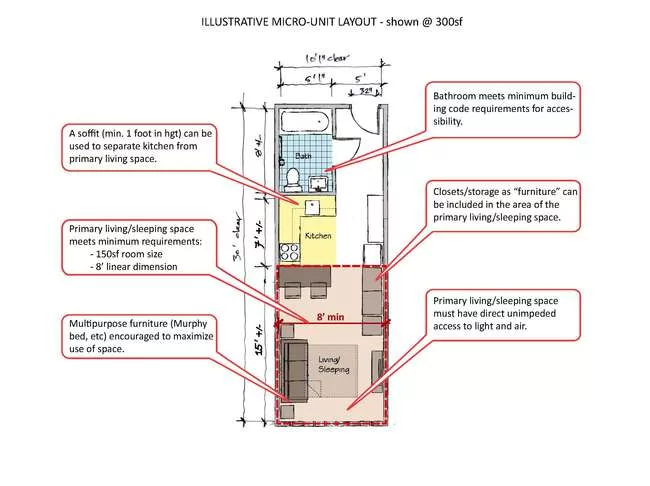
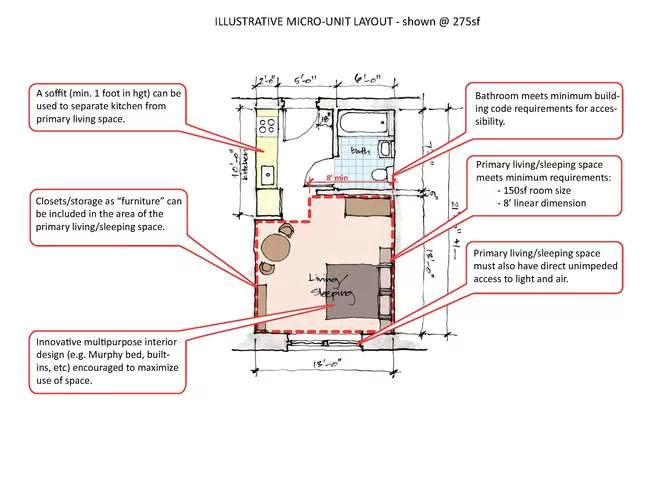
In July, New York City’s Department of Housing Preservation and Development launched a competition to develop micro-unit apartments in the Kips Bay neighborhood of Manhattan. Called adAPT NYC, the program developed illustrations for visual reference and inspiration.
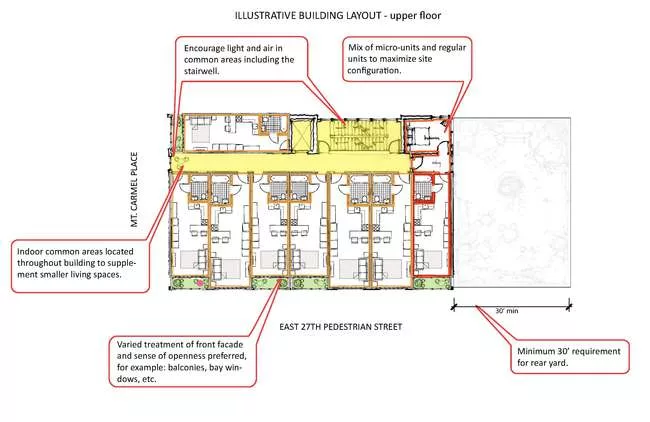
Image courtesy NYC Department of Housing Preservation and Development
<p><strong>adAPT NYC</strong></p><p>In July, New York City&#8217;s Department of Housing Preservation and  Development launched a competition to develop micro-unit apartments in  the Kips Bay neighbor
Cities Court Creatives with Micro-Units

adAPT NYC

In July, New York City’s Department of Housing Preservation and Development launched a competition to develop micro-unit apartments in the Kips Bay neighborhood of Manhattan. Called adAPT NYC, the program developed illustrations for visual reference and inspiration.
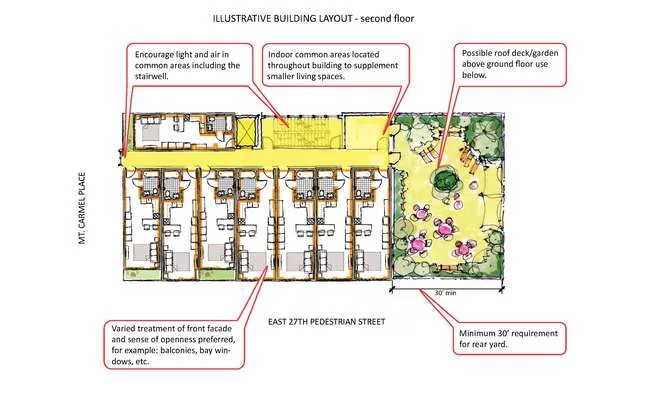
Image courtesy NYC Department of Housing Preservation and Development
<p><strong>adAPT NYC</strong></p><p>In July, New York City&#8217;s Department of Housing Preservation and  Development launched a competition to develop micro-unit apartments in  the Kips Bay neighbor
Cities Court Creatives with Micro-Units

adAPT NYC

In July, New York City’s Department of Housing Preservation and Development launched a competition to develop micro-unit apartments in the Kips Bay neighborhood of Manhattan. Called adAPT NYC, the program developed illustrations for visual reference and inspiration.
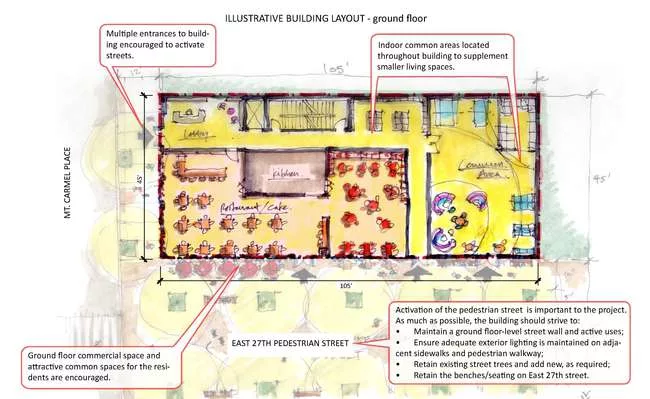
Image courtesy NYC Department of Housing Preservation and Development
<p><strong>adAPT NYC</strong></p><p>In July, New York City&#8217;s Department of Housing Preservation and  Development launched a competition to develop micro-unit apartments in  the Kips Bay neighbor
Cities Court Creatives with Micro-Units

adAPT NYC

In July, New York City’s Department of Housing Preservation and Development launched a competition to develop micro-unit apartments in the Kips Bay neighborhood of Manhattan. Called adAPT NYC, the program developed illustrations for visual reference and inspiration.
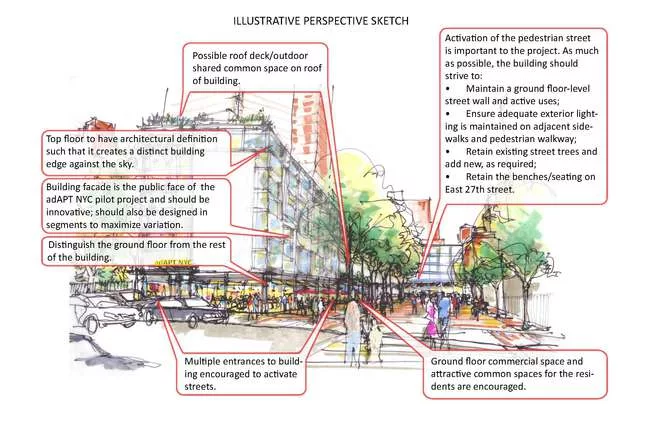
Image courtesy NYC Department of Housing Preservation and Development
<p><strong>adAPT NYC</strong></p><p>In July, New York City&#8217;s Department of Housing Preservation and  Development launched a competition to develop micro-unit apartments in  the Kips Bay neighbor
Cities Court Creatives with Micro-Units

adAPT NYC

In July, New York City’s Department of Housing Preservation and Development launched a competition to develop micro-unit apartments in the Kips Bay neighborhood of Manhattan. Called adAPT NYC, the program developed illustrations for visual reference and inspiration.
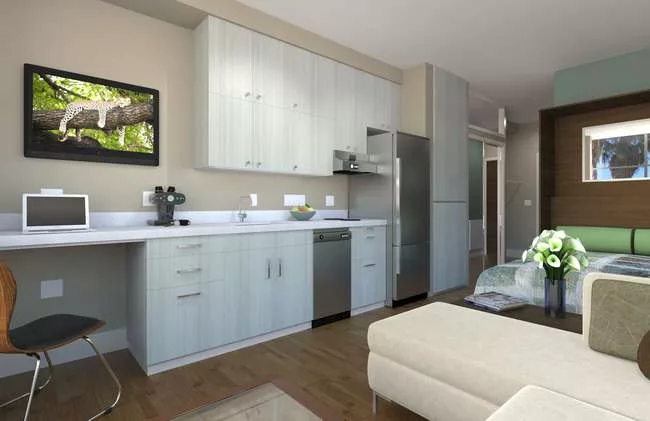
Image courtesy NYC Department of Housing Preservation and Development
<p><strong>adAPT NYC</strong></p><p>In July, New York City&#8217;s Department of Housing Preservation and  Development launched a competition to develop micro-unit apartments in  the Kips Bay neighbor
Cities Court Creatives with Micro-Units

adAPT NYC

In July, New York City’s Department of Housing Preservation and Development launched a competition to develop micro-unit apartments in the Kips Bay neighborhood of Manhattan. Called adAPT NYC, the program developed illustrations for visual reference and inspiration.

Image courtesy NYC Department of Housing Preservation and Development
<strong>SoMA: 38 Harriet Street</strong><br /><br />Patrick Kennedy, of Berkeley developer Panoramic Interests, is creating twenty-three 300-square-foot units in San Francisco&#8217;s SoMa neighborhoo
Cities Court Creatives with Micro-Units
SoMA: 38 Harriet Street

Patrick Kennedy, of Berkeley developer Panoramic Interests, is creating twenty-three 300-square-foot units in San Francisco’s SoMa neighborhood, prefabricated in a factory in Sacramento. The building is expected to be complete in time for the Greenbuild convention in San Francisco in November.
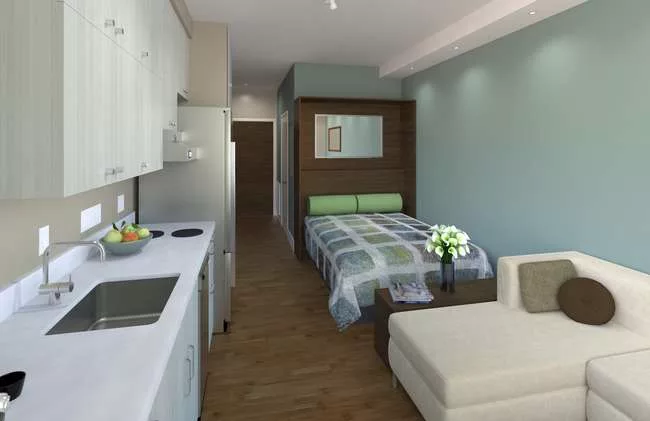
Image courtesy Panoramic Interests
<strong>SoMA: 38 Harriet Street</strong><br /><br />Patrick Kennedy, of Berkeley  developer Panoramic Interests, is creating twenty-three 300-square-foot  units in San Francisco&#8217;s SoMa neighborh
Cities Court Creatives with Micro-Units
SoMA: 38 Harriet Street

Patrick Kennedy, of Berkeley developer Panoramic Interests, is creating twenty-three 300-square-foot units in San Francisco’s SoMa neighborhood, prefabricated in a factory in Sacramento. The building is expected to be complete in time for the Greenbuild convention in San Francisco in November.
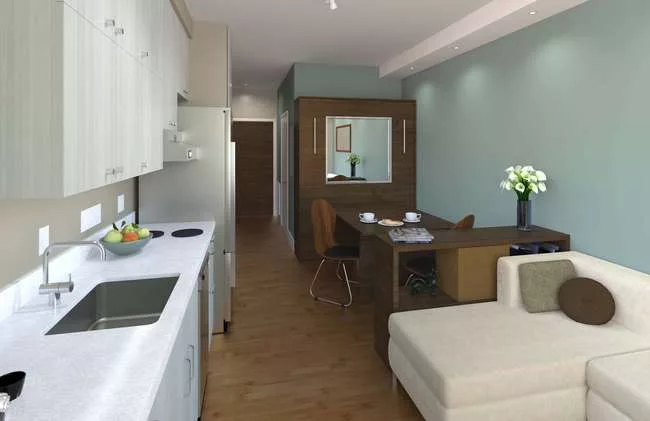
Image courtesy Panoramic Interests
<strong>SoMA: 38 Harriet Street</strong><br /><br />Patrick Kennedy, of Berkeley  developer Panoramic Interests, is creating twenty-three 300-square-foot  units in San Francisco&#8217;s SoMa neighborh
Cities Court Creatives with Micro-Units
SoMA: 38 Harriet Street

Patrick Kennedy, of Berkeley developer Panoramic Interests, is creating twenty-three 300-square-foot units in San Francisco’s SoMa neighborhood, prefabricated in a factory in Sacramento. The building is expected to be complete in time for the Greenbuild convention in San Francisco in November.
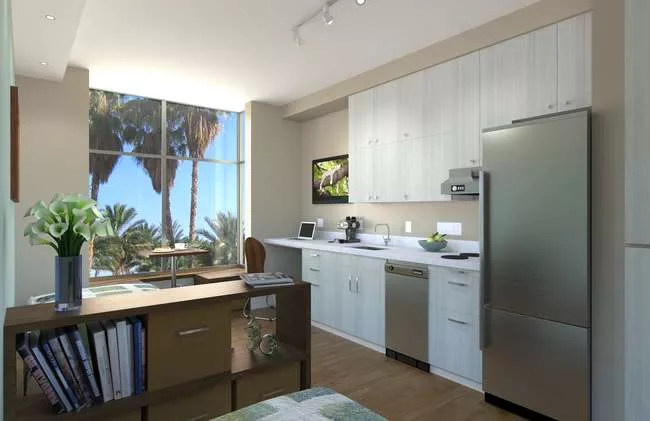
Image courtesy Panoramic Interests
Patrick Kennedy, of Berkeley  developer Panoramic Interests, is creating twenty-three 300-square-foot  units in San Francisco&#8217;s SoMa neighborhood.
Cities Court Creatives with Micro-Units
Patrick Kennedy, of Berkeley developer Panoramic Interests, is creating twenty-three 300-square-foot units in San Francisco’s SoMa neighborhood.
Image courtesy Panoramic Interests
<strong>SoMA: 38 Harriet Street</strong><br /><br />Patrick Kennedy, of Berkeley  developer Panoramic Interests, is creating twenty-three 300-square-foot  units in San Francisco&#8217;s SoMa neighborh
Cities Court Creatives with Micro-Units
SoMA: 38 Harriet Street

Patrick Kennedy, of Berkeley developer Panoramic Interests, is creating twenty-three 300-square-foot units in San Francisco’s SoMa neighborhood, prefabricated in a factory in Sacramento. The building is expected to be complete in time for the Greenbuild convention in San Francisco in November.
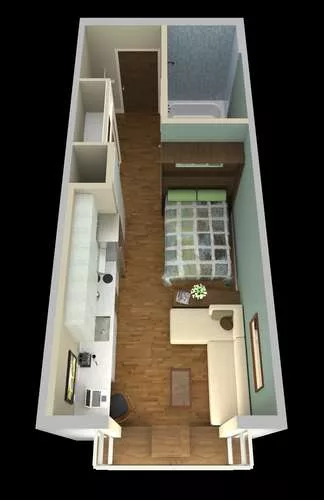
Image courtesy Panoramic Interests
<strong>SoMA: 38 Harriet Street</strong><br /><br />Patrick Kennedy, of Berkeley  developer Panoramic Interests, is creating twenty-three 300-square-foot  units in San Francisco&#8217;s SoMa neighborh
Cities Court Creatives with Micro-Units
SoMA: 38 Harriet Street

Patrick Kennedy, of Berkeley developer Panoramic Interests, is creating twenty-three 300-square-foot units in San Francisco’s SoMa neighborhood, prefabricated in a factory in Sacramento. The building is expected to be complete in time for the Greenbuild convention in San Francisco in November.
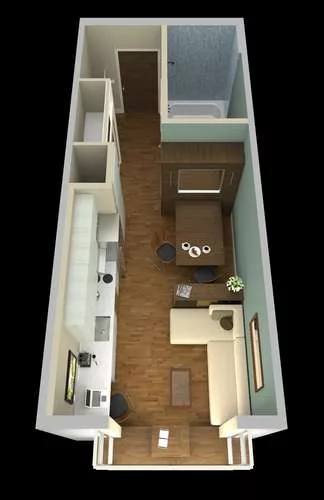
Image courtesy Panoramic Interests
<strong>SoMA: 38 Harriet Street</strong><br /><br />Patrick Kennedy, of Berkeley  developer Panoramic Interests, is creating twenty-three 300-square-foot  units in San Francisco&#8217;s SoMa neighborh
Cities Court Creatives with Micro-Units
SoMA: 38 Harriet Street

Patrick Kennedy, of Berkeley developer Panoramic Interests, is creating twenty-three 300-square-foot units in San Francisco’s SoMa neighborhood, prefabricated in a factory in Sacramento. The building is expected to be complete in time for the Greenbuild convention in San Francisco in November.
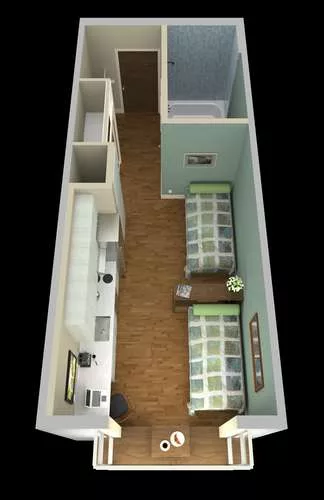
Image courtesy Panoramic Interests
In July, New York City&#8217;s Department of Housing Preservation and Development launched a competition to develop micro-unit apartments in the Kips Bay neighborhood of Manhattan. Called adAPT NYC, t
<p><strong>adAPT NYC</strong></p><p>In July, New York City&#8217;s Department of Housing Preservation and  Development launched a competition to develop micro-unit apartments in  the Kips Bay neighbor
<strong>SoMA: 38 Harriet Street</strong><br /><br />Patrick Kennedy, of Berkeley developer Panoramic Interests, is creating twenty-three 300-square-foot units in San Francisco&#8217;s SoMa neighborhoo
<strong>SoMA: 38 Harriet Street</strong><br /><br />Patrick Kennedy, of Berkeley  developer Panoramic Interests, is creating twenty-three 300-square-foot  units in San Francisco&#8217;s SoMa neighborh
Patrick Kennedy, of Berkeley  developer Panoramic Interests, is creating twenty-three 300-square-foot  units in San Francisco&#8217;s SoMa neighborhood.
<strong>SoMA: 38 Harriet Street</strong><br /><br />Patrick Kennedy, of Berkeley  developer Panoramic Interests, is creating twenty-three 300-square-foot  units in San Francisco&#8217;s SoMa neighborh
September 13, 2012

Patrick Kennedy, of Berkeley developer Panoramic Interests, is creating twenty-three 300-square-foot units in San Francisco’s SoMa neighborhood.

As wealth disparities in the United States have reached Dickensian proportions, housing disparities have followed. Condo developers are creating increasingly lavish apartments for the super-rich, while those with modest budgets find themselves priced out of city centers.

That’s an issue not only for housing advocates, who lament the human toll of housing stratification, but also for mayors who believe their cities’ futures depend on attracting “young creatives.” One solution is to encourage the building of micro-units, apartments of about 300 square feet or less.

Developers see a profitable niche in these tiny units, which can command higher prices per square foot than conventional studio apartments, especially if they come with amenities aimed at tech-savvy 20-somethings (a group that seems willing to trade bedwidth for bandwidth). But to permit such units, cities have to ease minimum square footage requirements, well-intentioned vestiges of an era when eliminating tenement conditions was important.

In San Francisco, supervisor Scott Wiener has introduced a proposal that would reduce the city’s minimum apartment size from 290 to 220 square feet. The change, expected to come to a vote in late September, would pertain only to new construction, so landlords don’t chop up existing rentals.

But even 220 square feet may not be the limit. Patrick Kennedy of Berkeley developer Panoramic Interests has created a 160-square-foot prototype apartment in a Berkeley warehouse. In San Francisco’s SoMa (South of Market Street) neighborhood, Panoramic is creating twenty-three 300-square-foot units, prefabricated in a factory in Sacramento. (The building is expected to be complete in time for the Greenbuild convention in San Francisco in November.) Panoramic has been looking at several other markets—including Washington, D.C., Chicago, Santa Monica, California, and Portland, Oregon, Kennedy said.

In Boston, Mayor Thomas Menino has been promoting the Seaport Square neighborhood as an “innovation district”; small apartments, he has said, are “a crucial part of the equation.” With his support, Portland-based developer Gerding Edlen is turning a former warehouse building at 63 Melcher Street into 27 small (if not micro) apartments, each 400 to 500 square feet, that the company is marketing as “innovation units.” Principal Matt Edlen says the building will have meeting and office facilities meant to help its residents build new businesses.

New York has gone even farther by setting aside a publicly owned lot in the Kips Bay neighborhood for some 80 micro-units. Developer-led teams had until September 14 to respond to the city’s request for proposals. But detailed renderings on the city’s website suggest it had already decided what the building should look like. That’s one reason several architects interviewed said that, while initially interested in the project, called adAPT NYC, they chose not to participate. And there were others. “New York City designers relish the opportunity to re-think anything, especially housing,” says Henry Smith-Miller, of Smith-Miller and Hawkinson Architects. “So we wanted to enter the competition. But we approached a number of residential developers, who all decided to pass, saying the project was too small, meaning not very profitable.”

Celia Imrey, principal of Manhattan-based Imrey Studio, gave a different reason for sitting this one out: She believes small units should be integrated into buildings that contain a variety of unit types. “The micro-unit is a great idea, but not as a building typology,” she says. (And there’s no sign the city would consider anything as radical as designer Aaron Cheng’s plan for micro-units that fold up into parking spaces when the owners aren’t home, a project he submitted for the James Dyson Award.)

Not everyone is on the micro-bandwagon. Sara Shortt, executive director of the Housing Rights Committee of San Francisco, worries that allowing tiny units could start cities down a “slippery slope” of undoing zoning regulations that protect the public. But that seems unlikely—even the smallest micro-units are bigger than dorm rooms, and safety requirements aren’t being relaxed. In New York, for example, a developer who proposes sleeping lofts above kitchenettes will have to ensure that both the upper and lower “levels” are within the reach of sprinklers.

A more legitimate concern is that the current crop of micro-units aren’t exactly affordable housing, just, in Shortt’s view, another way for the creative class to enjoy city centers. Traditionally, young innovators have moved to urban edges, where they have helped depressed neighborhoods rise. By creating micro-units in places like New York’s Kips Bay and San Francisco’s SoMa, the cities may be doing nothing more than increasing the concentration of the privileged in already-desirable enclaves—not the most enlightened urban planning goal.

Share This Story

Looking for a reprint of this article?
From high-res PDFs to custom plaques, order your copy today!

Fred Bernstein studied architecture at Princeton and law at NYU and writes about both subjects.

Post a comment to this article

Report Abusive Comment

Subscription Center
  • Create an Account
  • Start a Subscription
  • Manage My Account
  • Sign Up for Newsletters
  • Visit Customer Service
  • Update Preferences

More Videos

Sponsored Content

Sponsored Content is a special paid section where industry companies provide high quality, objective, non-commercial content around topics of interest to the Architectural Record audience. All Sponsored Content is supplied by the advertising company and any opinions expressed in this article are those of the author and not necessarily reflect the views of Architectural Record or its parent company, BNP Media. Interested in participating in our Sponsored Content section? Contact your local rep!

close
  • TAMLYN XtremeTrim Exterior Trim
    Sponsored byTamlyn

    Designing Cleaner Panel Facades: Why Exterior Trim Details Matter

  • Building with Vapor Barriers
    Sponsored byReef Industries, Inc.

    Vapor Barriers Help Control Moisture in Tighter Building Designs

  • Duct Interior with Prodeq System
    Sponsored byHenry, a Carlisle Company

    Designing Resilient Water Containment Systems

DESIGN:ED Podcast
Listen to Architectural Record’s DESIGN:ED Podcast

Events

June 10, 2026

Rethinking Stormwater – The Power of Porous Paving

Credits: 1 AIA LU/HSW; 1 AIBD P-CE; 0.1 ICC CEU

Learn how porous paving systems support stormwater management, reduce heat island effects, and enhance sustainable site design performance.

June 11, 2026

Very Early Warning Fire Detection for Mission-Critical Facilities

Credits: 1 AIA LU/HSW; 1 AIBD P-CE; 0.1 ICC CEU

Examine advanced fire detection strategies that support uptime and enhance safety in data centers and other mission-critical facilities.

View All Submit An Event

Products

2026 Architect's Square Foot Costbook

2026 Architect's Square Foot Costbook

See More Products

Popular Stories

Coronado Bridge

The Architect’s Guide to San Diego

Practice Matters illustration

What’s in a (Firm’s) Name? Thinking About Succession and Legacy

Practice Matters illustration

By the Numbers: Counting America's Architects

Inward House

Inward House by VeeV Design Studio

Riverdale House by Studio Lau

Riverdale House by Studio Lau

Broader Sustainability of CMU - Free Webinar - May 21, 2026

Related Articles

  • Backyard Community Club

    Snapshot: In Accra, DeRoche Projects Surrounds a Tennis Court with Wedge-Shaped Earthen Walls

    See More
  • The Big Squeeze

    See More
  • Cities Juggle New Condos with Industrial Base

    See More

Related Products

See More Products
  • superlux.jpg

    SuperLux: Smart Light Art, Design & Architecture for Cities

  • 047177751X.gif

    Sustainable Urbanism: Urban Design With Nature

  • 1118978811.gif

    Architectural Design with SketchUp: 3D Modeling, Extensions, BIM, Rendering, Making, and Scripting, 2nd Edition

See More Products
×

The latest news and information

#1 Source for Architectural Design, News and Products

SUBSCRIBE
  • RESOURCES
    • Advertise
    • Contact Us
    • Submit
    • Store
  • ACCOUNT CENTER
    • Create an Account
    • Start a Subscription
    • Manage My Account
    • Sign Up for Newsletters
    • Visit Customer Service
    • Update Preferences
  • PRIVACY
    • PRIVACY POLICY
    • TERMS & CONDITIONS
    • DO NOT SELL MY PERSONAL INFORMATION
    • PRIVACY REQUEST
    • ACCESSIBILITY
  • SERVICES
    • Marketing Services
    • Reprints
    • Market Research
    • List Rental
    • Survey/Respondent Access
  • STAY CONNECTED
    • Linkedin
    • Facebook
    • Instagram
    • YouTube
    • X (Twitter)

Copyright ©2026. All Rights Reserved BNP Media, Inc. and BNP Media II, LLC.

Design, CMS, Hosting & Web Development :: ePublishing