Aga Khan Awards Go to Projects that Build Community
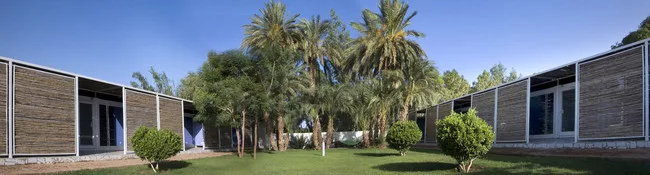
The Salam Centre for Cardiac Surgery
This 63-bed hospital and surgical center was designed with sustainable features by Studio Tamassociati, including the re-use of containers that brought materials to the site, and the extensive use of solar panels and natural light and ventilation.
Photo © AKAA / Raul Pantaleo
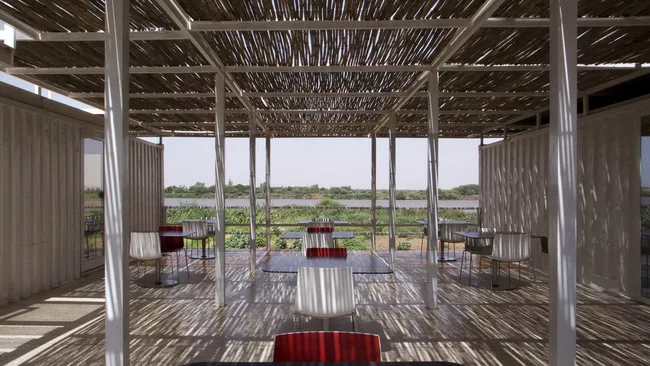
The Salam Centre for Cardiac Surgery
This 63-bed hospital and surgical center was designed with sustainable features by Studio Tamassociati, including the re-use of containers that brought materials to the site, and the extensive use of solar panels and natural light and ventilation.
Photo © AKAA / Raul Pantaleo
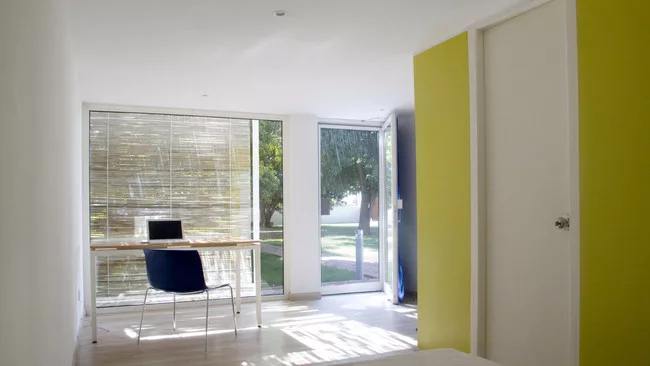
The Salam Centre for Cardiac Surgery
This 63-bed hospital and surgical center was designed with sustainable features by Studio Tamassociati, including the re-use of containers that brought materials to the site, and the extensive use of solar panels and natural light and ventilation.
Photo © AKAA / Raul Pantaleo
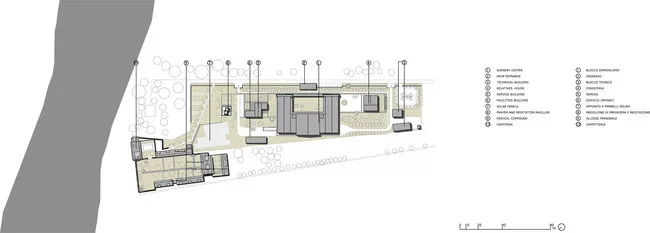
The Salam Centre for Cardiac Surgery
This 63-bed hospital and surgical center was designed with sustainable features by Studio Tamassociati, including the re-use of containers that brought materials to the site, and the extensive use of solar panels and natural light and ventilation.
Photo © AKAA / Image courtesy Studio Tamassociati
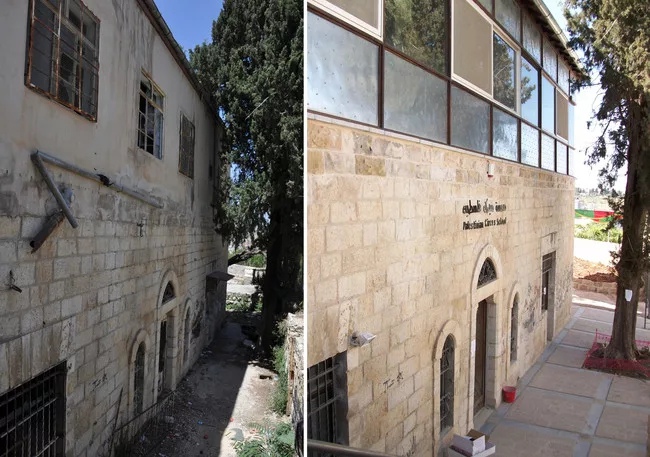
Revitalization of Birzeit Historic Centre
A project of the Riwaq Centre for Architectural Preservation, the restoration of the decaying core of a rural Palestinian village engaged the community in creating public spaces out of aging structures and provided employment for local workers and craftsmen.
Photo © AKAA / RIWAQ
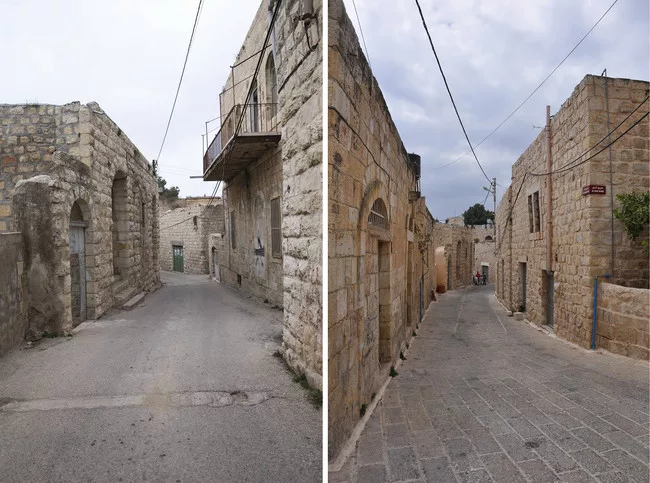
Revitalization of Birzeit Historic Centre
A project of the Riwaq Centre for Architectural Preservation, the restoration of the decaying core of a rural Palestinian village engaged the community in creating public spaces out of aging structures and provided employment for local workers and craftsmen.
Photo © AKAA / RIWAQ
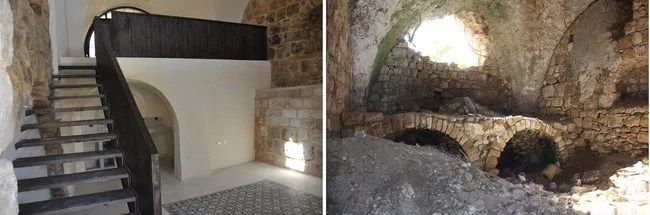
Revitalization of Birzeit Historic Centre
A project of the Riwaq Centre for Architectural Preservation, the restoration of the decaying core of a rural Palestinian village engaged the community in creating public spaces out of aging structures and provided employment for local workers and craftsmen.
Photo © AKAA / RIWAQ
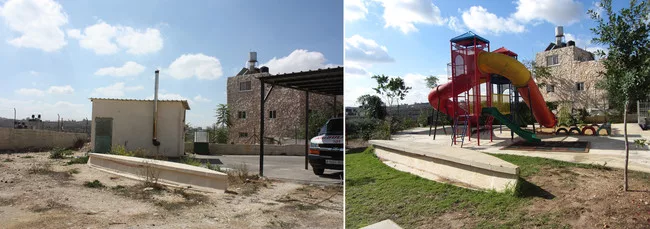
Revitalization of Birzeit Historic Centre
A project of the Riwaq Centre for Architectural Preservation, the restoration of the decaying core of a rural Palestinian village engaged the community in creating public spaces out of aging structures and provided employment for local workers and craftsmen.
Photo © AKAA / RIWAQ
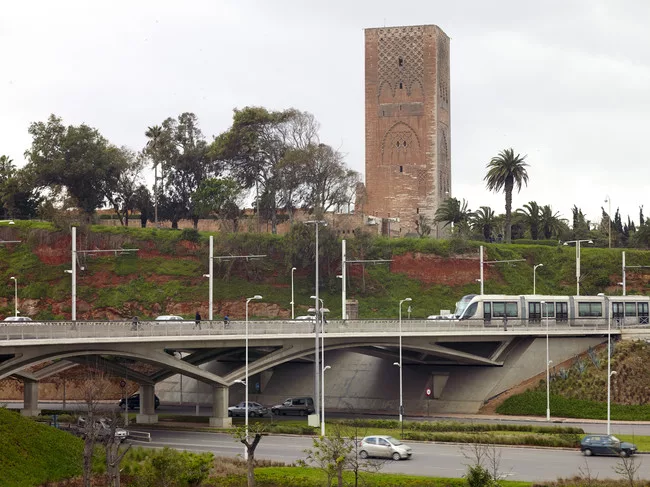
Rabat-Salé Urban Infrastructure Project
The Hassan II Bridge, designed by Marc Mimran Architecture of Paris, united two cities, one much more prosperous than the other, allowing free mobility for the communities by car, bicycle, foot, or public tramway.
Photo © AKAA / Cemal Emden
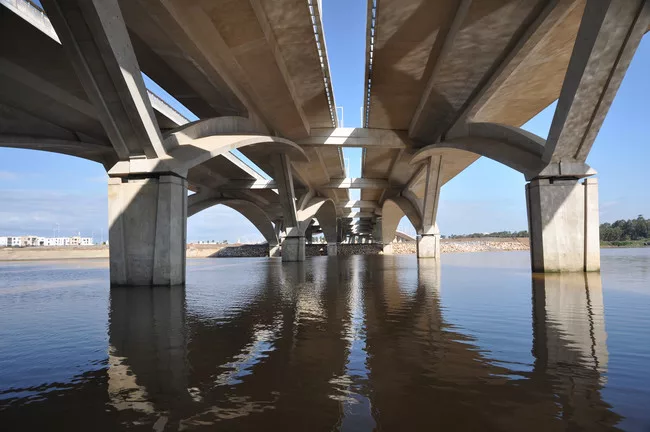
Rabat-Salé Urban Infrastructure Project
The Hassan II Bridge, designed by Marc Mimran Architecture of Paris, united two cities, one much more prosperous than the other, allowing free mobility for the communities by car, bicycle, foot, or public tramway.
Photo © AKAA / Marc Mimram
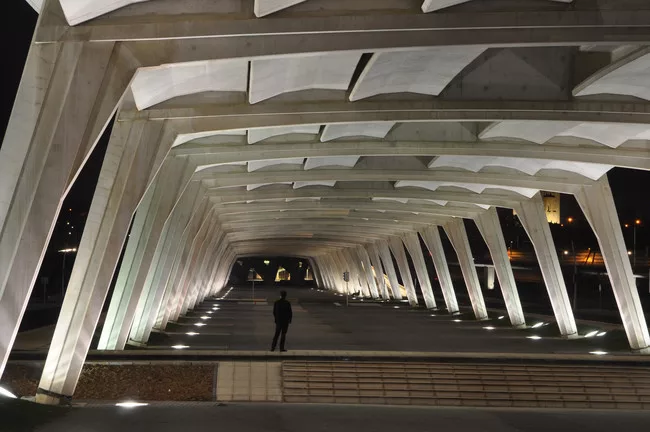
Rabat-Salé Urban Infrastructure Project
The Hassan II Bridge, designed by Marc Mimran Architecture of Paris, united two cities, one much more prosperous than the other, allowing free mobility for the communities by car, bicycle, foot, or public tramway.
Photo © AKAA / Marc Mimram
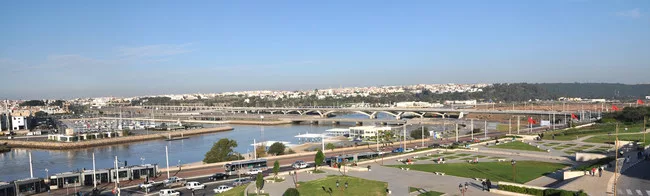
Rabat-Salé Urban Infrastructure Project
The Hassan II Bridge, designed by Marc Mimran Architecture of Paris, united two cities, one much more prosperous than the other, allowing free mobility for the communities by car, bicycle, foot, or public tramway.
Photo © AKAA / Marc Mimram
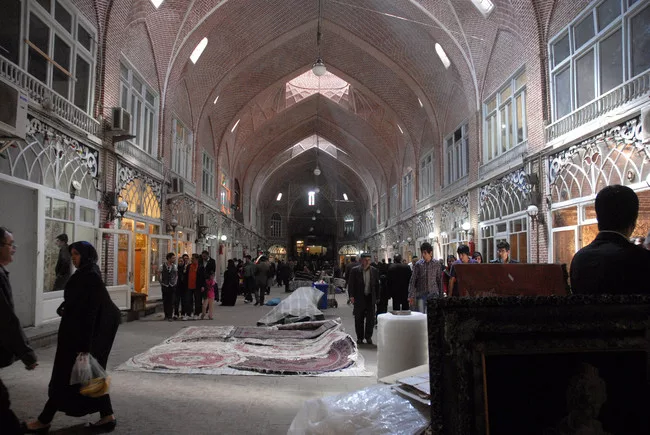
Rehabilitation of the Tabriz Bazaar
Under the guidance of the Cultural Heritage, Handicrafts, and Tourism Organisation of East Azerbaijan Province, the historic bazaar—a World Heritage site dating from the 10th century that includes 3.5 miles of covered marketplace—has been undergoing a long-term renovation. The project is the result of a unique arrangement between the local government and the tenants.
Photo © AKAA / Amir Anoushfar
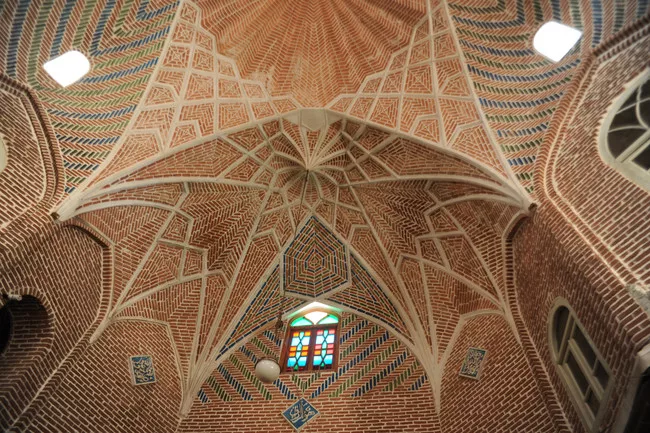
Rehabilitation of the Tabriz Bazaar
Under the guidance of the Cultural Heritage, Handicrafts, and Tourism Organisation of East Azerbaijan Province, the historic bazaar—a World Heritage site dating from the 10th century that includes 3.5 miles of covered marketplace—has been undergoing a long-term renovation. The project is the result of a unique arrangement between the local government and the tenants.
Photo © AKAA / Amir Anoushfar
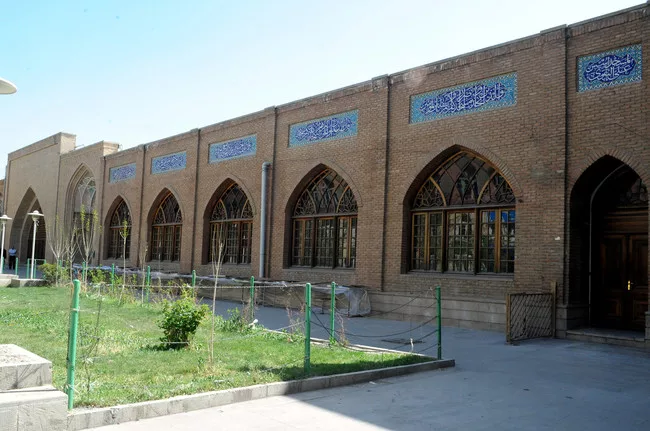
Rehabilitation of the Tabriz Bazaar
Under the guidance of the Cultural Heritage, Handicrafts, and Tourism Organisation of East Azerbaijan Province, the historic bazaar—a World Heritage site dating from the 10th century that includes 3.5 miles of covered marketplace—has been undergoing a long-term renovation. The project is the result of a unique arrangement between the local government and the tenants.
Photo © AKAA / Amir Anoushfar
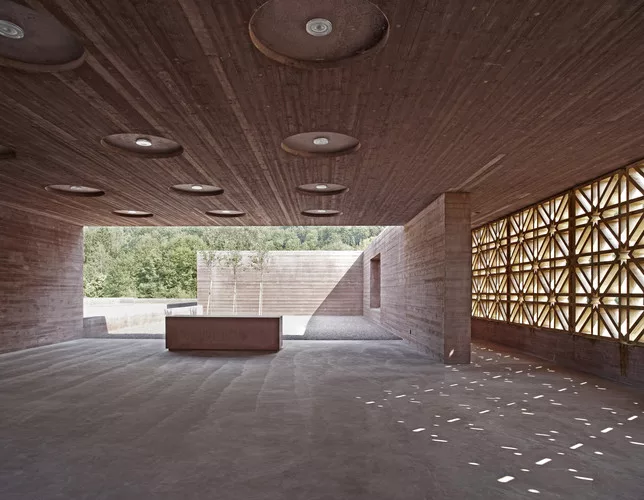
Islamic Cemetery
Designed by Bernardo Bader Architects, the new cemetery serves the local Muslim community in industrialized western Austria, where the younger descendents of immigrants wanted a community burial place, rather than following the tradition of returning the dead to former homelands.
Photo © AKAA / Adolf Bereuter
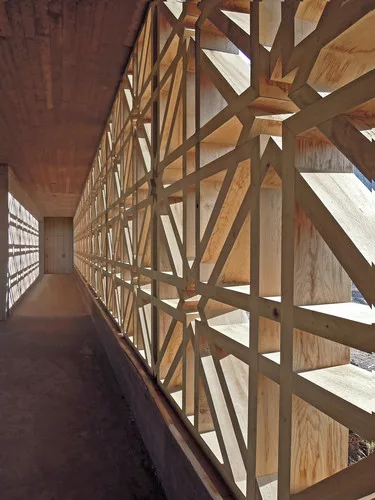
Islamic Cemetery
Designed by Bernardo Bader Architects, the new cemetery serves the local Muslim community in industrialized western Austria, where the younger descendents of immigrants wanted a community burial place, rather than following the tradition of returning the dead to former homelands.
Photo © AKAA / Bernardo Bader
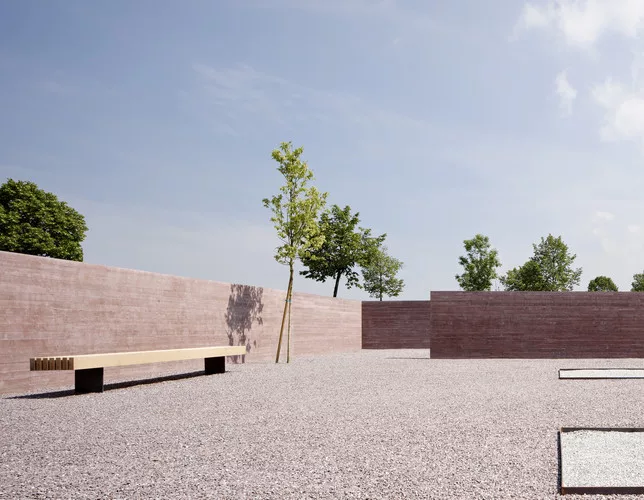
Islamic Cemetery
Designed by Bernardo Bader Architects, the new cemetery serves the local Muslim community in industrialized western Austria, where the younger descendents of immigrants wanted a community burial place, rather than following the tradition of returning the dead to former homelands.
Photo © AKAA / Adolf Bereuter
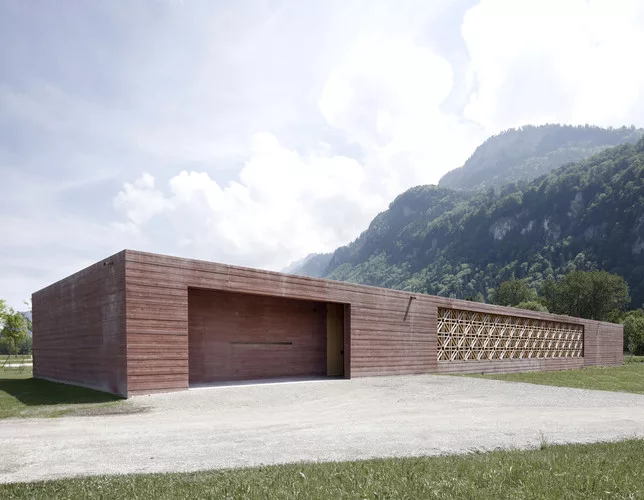
Islamic Cemetery
Designed by Bernardo Bader Architects, the new cemetery serves the local Muslim community in industrialized western Austria, where the younger descendents of immigrants wanted a community burial place, rather than following the tradition of returning the dead to former homelands.
Photo © AKAA / Adolf Bereuter
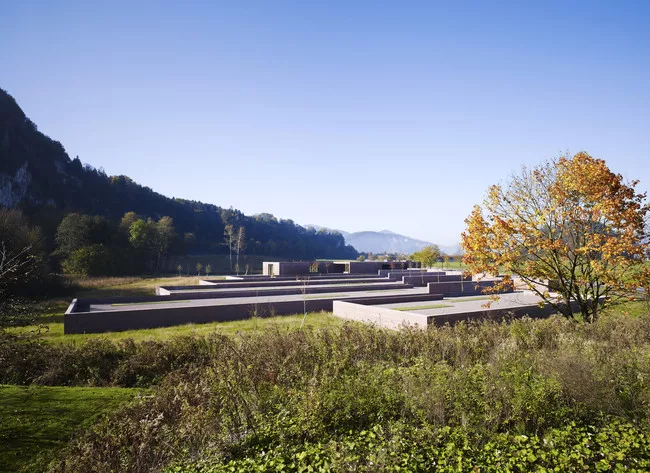
Islamic Cemetery
Designed by Bernardo Bader Architects, the new cemetery serves the local Muslim community in industrialized western Austria, where the younger descendents of immigrants wanted a community burial place, rather than following the tradition of returning the dead to former homelands.
Photo © AKAA / Marc Lins
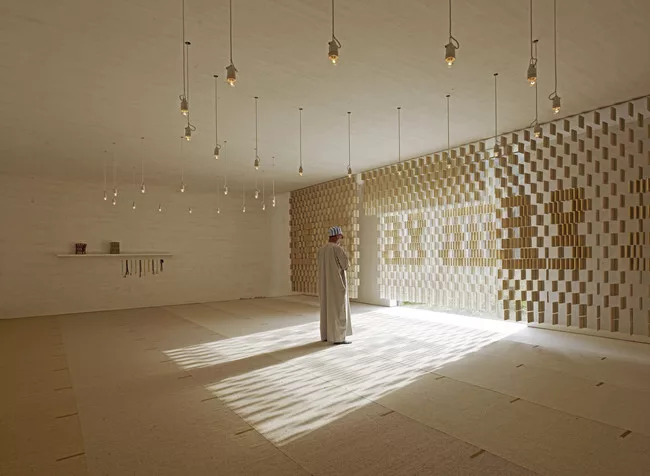
Islamic Cemetery
Designed by Bernardo Bader Architects, the new cemetery serves the local Muslim community in industrialized western Austria, where the younger descendents of immigrants wanted a community burial place, rather than following the tradition of returning the dead to former homelands.
Photo © AKAA / Marc Lins
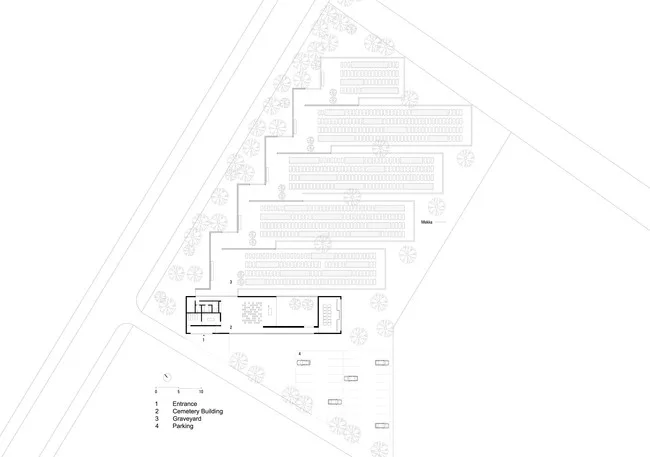
Islamic Cemetery
Designed by Bernardo Bader Architects, the new cemetery serves the local Muslim community in industrialized western Austria, where the younger descendents of immigrants wanted a community burial place, rather than following the tradition of returning the dead to former homelands.
Drawing courtesy AKAA / Bernardo Bader
Designed by Bernardo Bader Architects, the new cemetery serves the local Muslim community in industrialized western Austria, where the younger descendents of immigrants wanted a community burial place, rather than following the tradition of returning the dead to former homelands.
Unlike most big design prizes, the Aga Khan Award for Architecture, since its inception in 1977, has always focused more on projects than on the architects who build them. Given every three years as recognition of design excellence in the Muslim world, the awards don’t distinguish among building types or scale—historic restoration, new construction, or urban design are all eligible. Of course, high-profile projects by famous architects have grabbed top honors in years past, such as the Petronas Towers in Kuala Lumpur by Pelli Clark Pelli Architects, the Institut du Monde Arab in Paris by Jean Nouvel, and the Bibliotheca Alexandrina, Egypt by Snøhetta Hamza Consortium.
But the award’s greatest significance has been in spotlighting projects of social consequence by little-known designers, such as a primary school in Burkina Faso by Diébédo Francis Kéré or another school in Bangladesh by Anna Heringer and Eike Roswag, that have gone on to become models for activist architects.
With the latest round of awards, presented at a ceremony in Lisbon this month, social concerns were paramount. Community impact was a central theme of all five winning projects: the Salam Center for Cardiac Surgery in Khartoum, Sudan; the revitalization of the historic center of Birzeit, Palestine; the Rabat-Salé Urban Infrastructure Project in Morocco; the rehabilitation of the bazaar in Tabriz, Iran; and the Islamic cemetery in Altach, Austria. While the Tabriz bazaar is a major historic landmark—originating in the 10th century,
it contains 3.5 miles of covered markets—the jury zeroed in on the key role played by its tradesmen tenants in the success of its restoration. In the village of Birzeit, what caught the jury’s attention was not just rebuilding an historic core, but the process that created local jobs and training.
it contains 3.5 miles of covered markets—the jury zeroed in on the key role played by its tradesmen tenants in the success of its restoration. In the village of Birzeit, what caught the jury’s attention was not just rebuilding an historic core, but the process that created local jobs and training.
The best contemporary architecture among the winners is the Austrian cemetery, designed by Bernardo Bader Architects, with its rosy concrete walls, serene spaces, and beautiful siting. But its larger importance is how it reflects the changing community of Muslim immigrants, many of whom now wish for burial in their adopted homeland rather than following a tradition of returning remains to their country of origin.
This year’s Master Jury, which included the architects David Adjaye, Toshiko Mori, and Wang Shu, shortlisted 20 projects out of more than 400 submissions. Technical experts visited each of those projects and reported back to the jury. The jury’s deliberations were described, somewhat jokingly, as “serious debate on the verge of a fist fight.”
One project that reportedly divided the jury was the bridge between Rabat and Salé in Morocco. A plainly utilitarian piece of infrastructure whose impact lies in uniting a poor city with a wealthy one, the bridge incorporates roadways for cars, bikes, pedestrians, and a tram, with a landscape scheme at one end and potential public space beneath. “This year, more than ever, we were dealing holistically,” explained Adjaye, “looking not just at design but at the commitment to the built environment and the public realm.”
The jury’s selections surprised some who serve on the advisory steering committee for the awards, including Glenn Lowry, director of the Museum of Modern Art in New York. “The jury had a strong agenda,” he said, “but that’s okay.” Another member, Mohsen Mostafavi, dean of the Graduate School of Design at Harvard, said, “Personally, I was surprised not to see more ‘architecture as architecture.’ ”
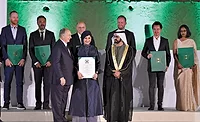
The honored projects share prize money totaling $1 million, allocated among the stakeholders behind each one—NGOs, local governments, community groups—and not necessarily the architects. At the awards ceremony, held just after dusk in a courtyard of the medieval Castle São Jorge, with its spectacular views over Lisbon, the Aga Khan, 76, spoke about the prize’s beginnings. “The Award was designed not only to honor exceptional achievement but also to pose fundamental questions,” he said, including the query, How can Islamic architecture address “the needs and aspirations of rapidly changing societies?” Behind the glamorous celebration that evening was the reality of the conflicts and poverty that roil many of those societies, raising problems that the honored projects try to address—which makes the Aga Khan Award its own kind of bridge, from a world of good fortune to one of deep needs.
Looking for a reprint of this article?
From high-res PDFs to custom plaques, order your copy today!