Architectural Record
search
cart
facebook twitter linkedin youtube
  • Sign In
  • Subscribe
  • Sign Out
  • My Account
Architectural Record
  • NEWS
    • Latest News
    • Awards
    • Interviews
    • Obituaries
    • Podcasts
      • Design:Ed Podcast
      • Sponsored Podcasts
  • OPINION
    • Book Reviews / Excerpts
    • Exhibition Reviews
    • Forum
  • EXCLUSIVES
    • Videos
    • Design Vanguard
    • Top 300 Firms
    • Sponsored Content
    • Sponsored eBooks
    • From the Archives
  • CONTINUING ED
    • Editorial Continuing Ed
    • CE Center
    • CE Academies
  • PROJECTS
    • Buildings By Type
    • Reuse & Renovation
    • Museums & Arts Centers
    • Colleges & Universities
    • Multifamily Housing
    • Interiors
    • Lighting
    • Kitchen & Bath
  • HOUSES
    • Record Houses
    • House of the Month
    • Featured Houses
  • PRODUCTS
    • Products by Category
    • Record Products of the Year
    • Latest Products
  • EVENTS
    • Dates & Events
    • Record on the Road
    • Innovation Conference
    • Sustainability in Practice
    • Women In Architecture
    • Webinars
    • Ad Excellence Awards
    • Submit an Event
  • CONNECT
    • Ask RECORD AI
    • Newsletters
    • Contact
    • Advertise
    • Editorial Calendar
    • Store
    • Customer Service
  • SUBMIT
    • Submission Guidelines
    • RECORD Competitions
  • MAGAZINE
    • Subscribe
    • My Account
    • Digital Edition
    • Current Issue
    • Firm Pass
    • Historic Archive
Architecture News

Obituary: John Belle, 1932-2016

By Fred A. Bernstein
John Belle

Portrait © Chia Messina

John Belle

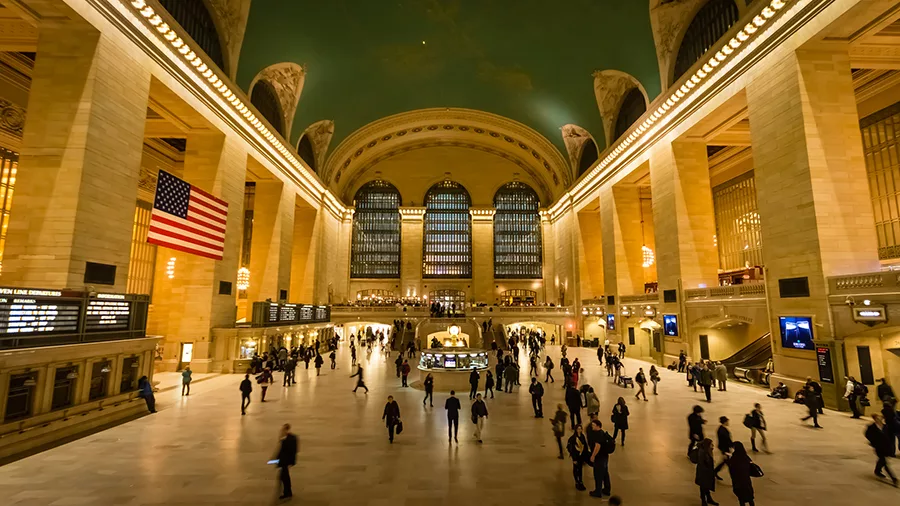
Grand Central Terminal

Photo © Maëlick via Flickr

John Belle
John Belle
September 14, 2016

John Belle, who died this week at 84, helped restore several of New York City’s most important buildings, including Grand Central Terminal and the soaring Enid Haupt Conservatory at the New York Botanical Garden. Those efforts earned Belle and the firm he co-founded, Beyer Blinder Belle, a reputation as guardians of the city’s architectural treasures. But when the same firm answered a call for conceptual designs for the World Trade Center site, it was broadsided by criticism from the public and the profession.

Born in Cardiff, Wales, and educated in England, Belle moved to the United States in 1959, just in time to witness the destruction of cities by proponents of “urban renewal.” “I was determined to find a different way,” Belle later wrote. In 1968, after working for Jose Luis Sert and Victor Gruen, he started a firm with Richard L. Blinder and John Beyer. Inspired by the writings of Jane Jacobs, they focused not on “urban renewal” but on the actual renewal of historic buildings. But, Beyer said in a 2014 interview, many architects “thought we were crazy. The profession came to preservation very, very slowly.”

The firm’s first projects were tenement renovations in Brooklyn and the Bronx. But its careful approach to restoration gradually led to higher-profile commissions. Its acclaimed 1990 renovation of the abandoned Main Building of the Ellis Island Immigration Station turned the structure into the Ellis Island National Museum of Immigration. The firm’s next triumph was the renovation of Grand Central Terminal, which included the creation of an all-new marble stairway on the east side of the building. With the new stairway, Belle proved that he was capable of making buildings not just good-as-new, but better. Writing in the New York Times, Herbert Muschamp said the firm’s greatest accomplishment was “to reveal that Grand Central is above all a monument to movement.” Other projects included the restoration of the South Street Seaport and the creation of a landscaped mall that brought lawns, fountains, and colorful plantings to the campus of the State University of New York at Stony Brook.

In May 2002, the Lower Manhattan Development Corporation and the Port Authority of New York and New Jersey selected Beyer Blinder Belle to present “concept plans” for the rebuilding of the World Trade Center site. But the firm, known for historically inflected architecture, never had a chance — and not just because it was given an overly ambitious program and an absurdly tight deadline. Muschamp wrote that the selection of Beyer Blinder Belle “confirms once again that architecture will play no more than a marginal role in the redevelopment of Lower Manhattan.” When the plans were released, Ada Louise Huxtable, writing in The Wall Street Journal, dubbed them "six cookie-cutter losers.” In August, the LMDC started from scratch, announcing the competition that eventually led to the selection of Daniel Libeskind as master planner. That Libeskind’s plan was very similar to one of BBB’s proposals, called Memorial Plaza, was beside the point. In 2003, Belle told the New York Times, “We were so heavily criticized by everybody for the blandness of the schemes,” a reaction he blamed in part on the whiteness of the firm’s presentation models. “If those had only been some glassy, shimmering material,” he said.

It’s true that what were meant as conceptual studies were viewed by some observers as architectural pitches. “He was being judged on buildings he hadn’t designed and had no intention of designing,” said Margaret Pine, a longtime friend. “Someone would say, ‘I don’t like that top,’ and people who should have known better went along.” She said Belle was devastated by the response.

Paul Goldberger, in his book Up from Zero: Politics, Architecture, and the Rebuilding of New York, quotes Belle as saying, “We were the first line of soldiers over the trenches, and you know what happens to them in wartime.”

Belle is survived by two sons, three daughters, and eight grandchildren, as well as the scores of buildings he helped bring back to life.

Looking for quick answers on architecture and design topics?
Try Ask RECORD, our new smart AI search tool.
Ask RECORD →

KEYWORDS: obituary

Share This Story

Looking for a reprint of this article?
From high-res PDFs to custom plaques, order your copy today!


Fred Bernstein studied architecture at Princeton and law at NYU and writes about both subjects.

Post a comment to this article

Report Abusive Comment

Subscription Center
  • Create an Account
  • Start a Subscription
  • Manage My Account
  • Sign Up for Newsletters
  • Visit Customer Service
  • Update Preferences

More Videos

Sponsored Content

Sponsored Content is a special paid section where industry companies provide high quality, objective, non-commercial content around topics of interest to the Architectural Record audience. All Sponsored Content is supplied by the advertising company and any opinions expressed in this article are those of the author and not necessarily reflect the views of Architectural Record or its parent company, BNP Media. Interested in participating in our Sponsored Content section? Contact your local rep!

close
  • cold storage facility
    Sponsored byCarlisle SynTec Systems

    How Architects Can Design More Continuous Cold Storage Envelopes

  • TAMLYN XtremeTrim Exterior Trim
    Sponsored byTamlyn

    Designing Cleaner Panel Facades: Why Exterior Trim Details Matter

  • Building with Vapor Barriers
    Sponsored byReef Industries, Inc.

    Vapor Barriers Help Control Moisture in Tighter Building Designs

DESIGN:ED Podcast
Listen to Architectural Record’s DESIGN:ED Podcast

Events

June 18, 2026

Rebooting the Aging Office Building

Credits: 1 AIA LU/HSW; 1 AIBD P-CE; 0.1 ICC CEU; 1 PDH

Explore façade retrofit strategies and award-winning design concepts that can transform aging office buildings into healthier, higher-performing workplaces for today’s hybrid workforce.

June 23, 2026

Enhancing Fire Resistance with Advanced PVC Solutions

Credits: 1 AIA LU/HSW; 1 AIBD P-CE; 0.1 ICC CEU; 1 IIBEC CEH

Evaluate advanced PVC solutions that improve fire resistance, support WUI compliance, and enhance resilience in residential and commercial building design.

View All Submit An Event

Products

2026 Architect's Square Foot Costbook

2026 Architect's Square Foot Costbook

See More Products

Popular Stories

SanDiegoAirport

Top 300 Architecture Firms of 2026

Lorcan O' Herilhy

California Architect Lorcan O’Herlihy Has Died, Age 66

Coronado Bridge

The Architect’s Guide to San Diego

CCA, Studio Gang

The Winners of the AIA’s 2026 Architecture Award Range from Collegiate Rowing Hubs to Housing for the Homeless

Dusk House

Design Vanguard 2026: ONO

Rebooting the Aging Office Building - Free Webinar - June 18, 2026

Related Articles

  • Obituary: Yukio Futagawa, 1932-2013

    See More
  • Terence Riley

    Obituary: Terence Riley, 1954–2021

    See More
  • Fletcher Residence

    Obituary: Hugh Newell Jacobsen, 1929–2021

    See More
×

The latest news and information

#1 Source for Architectural Design, News and Products

SUBSCRIBE
  • RESOURCES
    • Advertise
    • Contact Us
    • Submit
    • Store
  • ACCOUNT CENTER
    • Create an Account
    • Start a Subscription
    • Manage My Account
    • Sign Up for Newsletters
    • Visit Customer Service
    • Update Preferences
  • PRIVACY
    • PRIVACY POLICY
    • TERMS & CONDITIONS
    • DO NOT SELL MY PERSONAL INFORMATION
    • PRIVACY REQUEST
    • ACCESSIBILITY
  • SERVICES
    • Marketing Services
    • Reprints
    • Market Research
    • List Rental
    • Survey/Respondent Access
  • STAY CONNECTED
    • Linkedin
    • Facebook
    • Instagram
    • YouTube
    • X (Twitter)

Copyright ©2026. All Rights Reserved BNP Media, Inc. and BNP Media II, LLC.

Design, CMS, Hosting & Web Development :: ePublishing