Architectural Record
search
Search
search
close search
cart
facebook
twitter
linkedin
youtube
Sign In
Subscribe
Sign Out
My Account
Architectural Record
NEWS
Latest News
Awards
Interviews
Obituaries
Podcasts
Design:Ed Podcast
Sponsored Podcasts
OPINION
Book Reviews / Excerpts
Exhibition Reviews
Forum
EXCLUSIVES
Videos
Design Vanguard
Top 300 Firms
Sponsored Content
Sponsored eBooks
From the Archives
CONTINUING ED
Editorial Continuing Ed
CE Center
CE Academies
PROJECTS
Buildings By Type
Reuse & Renovation
Museums & Arts Centers
Colleges & Universities
Multifamily Housing
Interiors
Lighting
Kitchen & Bath
HOUSES
Record Houses
House of the Month
Featured Houses
PRODUCTS
Products by Category
Record Products of the Year
Latest Products
EVENTS
Dates & Events
Record on the Road
Innovation Conference
Sustainability in Practice
Women In Architecture
Webinars
Ad Excellence Awards
Submit an Event
CONNECT
Ask RECORD AI
Newsletters
Contact
Advertise
Editorial Calendar
Store
Customer Service
SUBMIT
Submission Guidelines
RECORD Competitions
MAGAZINE
Subscribe
My Account
Digital Edition
Current Issue
Firm Pass
Historic Archive
Home
»
Topics
»
Articles
» Template
Template
Used for items used as templates to create other items
RSS
Articles
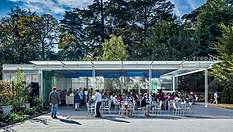
The Terrace, California Academy of Sciences
By:
Lydia Lee
MoMA Takes the Bauhaus Back to School
More Articles
The latest news and information
#1 Source for Architectural Design, News and Products
SUBSCRIBE
 RSS
RSS