Tribute: James Stewart Polshek (1930–2022)


Architects & Firms
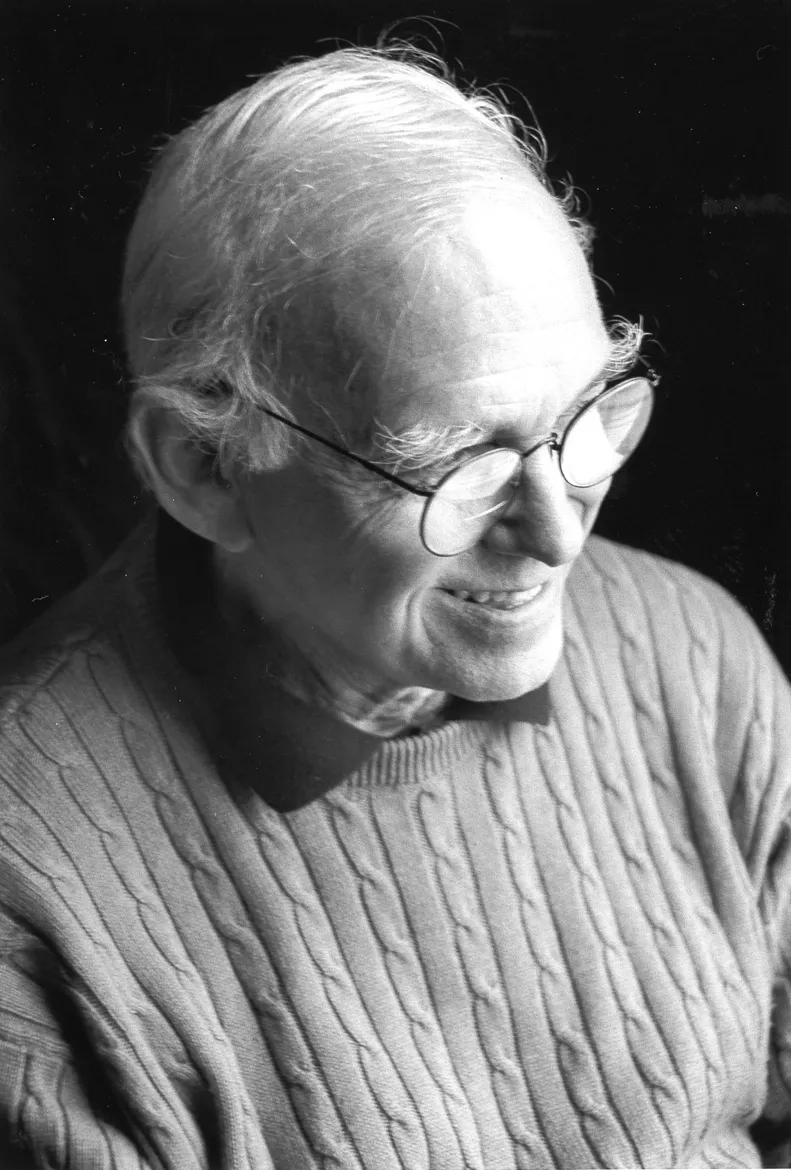
James Stewart Polshek. Photo © Michelle Leong/Ennead Architects, click to enlarge
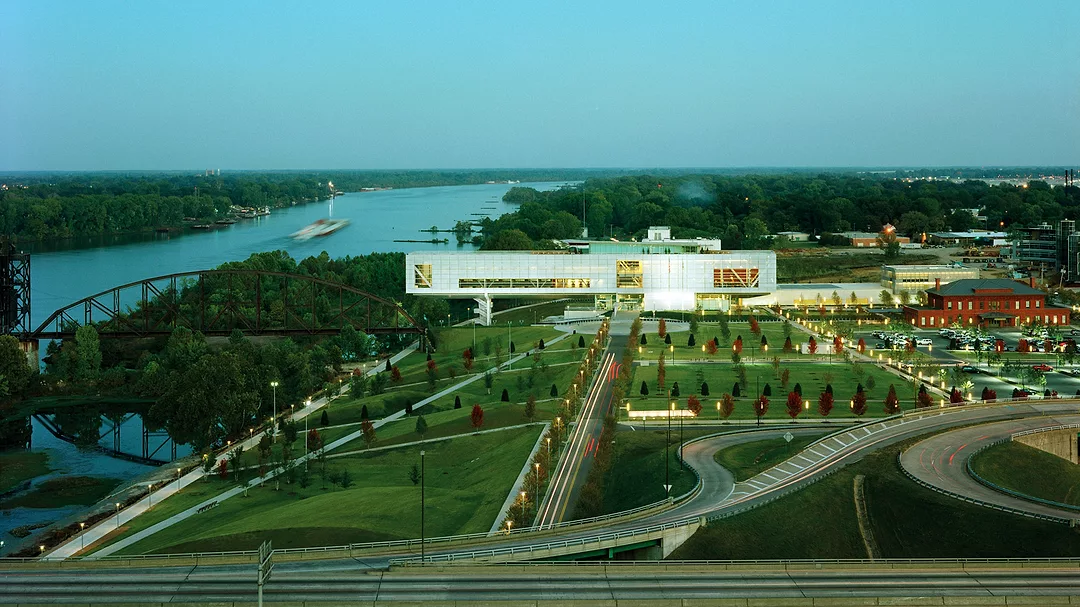
Almost alone among his peers—the dominant male architects of the second half of the 20th century—James Stewart Polshek rarely worked for private clients. He devoted himself to public buildings, ranging from the Rose Center for Earth and Space at the Museum of Natural History in New York to the Clinton Presidential Library in Little Rock, Arkansas. Equally rare, Polshek, who died last week at 92, chose commissions that were consistent with his politics. Asked by RECORD in 2014 if he would have designed the George W. Bush presidential library, he answered, “I just couldn’t. I would have been embarrassed to have my name associated with the policies of that administration."
Richard Olcott, who, along with his Cornell classmate Todd Schliemann, went to work for Polshek more than 40 years ago, said, “We were lucky to stumble into that office. We all learned from Jim that architecture can be a catalyst for social change. He talked about that from the start.”
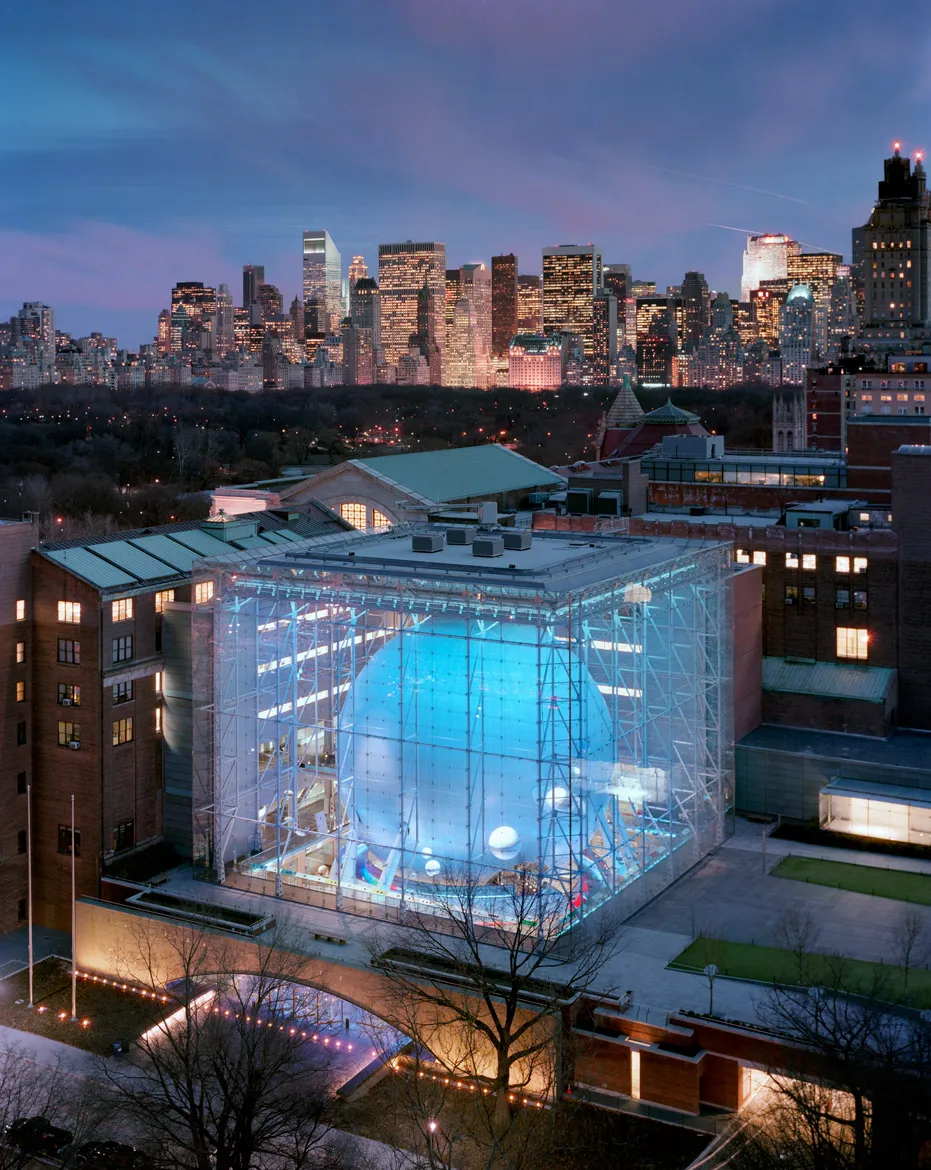
The Rose Center for Earth and Space at the Museum of Natural History in New York (2000). Photo © Jeff Goldberg/Esto
In those days, Olcott recalls, Polshek divided his time between Columbia University, where from 1972 to 1987 he was dean of the Graduate School of Architecture, Planning and Preservation (GSAPP), and the firm’s office overlooking Union Square. “To make ends meet,” Olcott recalls, “we shared the space with the architect Peter Gluck, and a few other people rented desks, like Michael Sorkin. Grace Jones and Jean-Paul Goude lived in the penthouse right above us, and Farrar Straus and Giroux, the publisher, was below. So, you’d see Grace Jones and Joan Didion in the elevator.”
Both Olcott and Schliemann are still at Ennead, the name given to Polshek Partnership in 2010, five years after the founder retired. The firm's nine remaining partners wanted a fresh start. (In a 2014 interview, Polshek asked this reporter to refer to Ennead in print as the "Polshek Legacy Firm.")
And, in some ways, Columbia’s GSAPP is the Polshek legacy school. When he was appointed dean, he “electrified the place,” says Robert A.M. Stern, who taught there before, during and after Polshek’s tenure. “He brought in new energy and restored a luster to the school that the school had been lacking."
As dean, Polshek was “notably ecumenical in his approach to architectural form-making,” Stern says. “He was tolerant of different points of view. I certainly represented a different point of view, and he gave me a lot of room.”
Stern noted that Polshek oversaw the creation, in 1982, of Columbia’s Temple Hoyne Buell Center for American Architecture, “one of the few institutions devoted to the study of architecture as a cultural phenomenon.” He also advised the University on which architects to hire and supported his own junior faculty, Stern says, steering small commissions to Peter Gluck, Susana Torre and Stern himself.
Looking for quick answers on architecture and design topics?
Try Ask RECORD, our new smart AI search tool.
Ask RECORD →
Polshek’s first book, Context and Responsibility (1986), examined one of his core values. “Context was not a word you heard a lot back then,” remembers Olcott. “But Jim showed that you can reinterpret an existing building in a contemporary way and add to it substantially, without reducing it to an object. In that he was ahead of its time.”
Reviewing Polshek’s second book, Build, Memory (2014), a look back at sixteen of his firm’s projects, Anthony Paletta wrote in Places Journal: “A contemporary of Richard Meier and Frank Gehry and boasting a comparably sized body of work, the 84-year-old Polshek is rarely mentioned in the same breath as these global ‘starchitects.’” Yet “unlike his high-profile peers,” Paletta wrote, “Polshek was willing to adapt to the needs of an unusual range of clients. And if his work never quite hit the aesthetic highs of some of his contemporaries, it also avoided their tendency to produce franchise-like variations on familiar themes.”
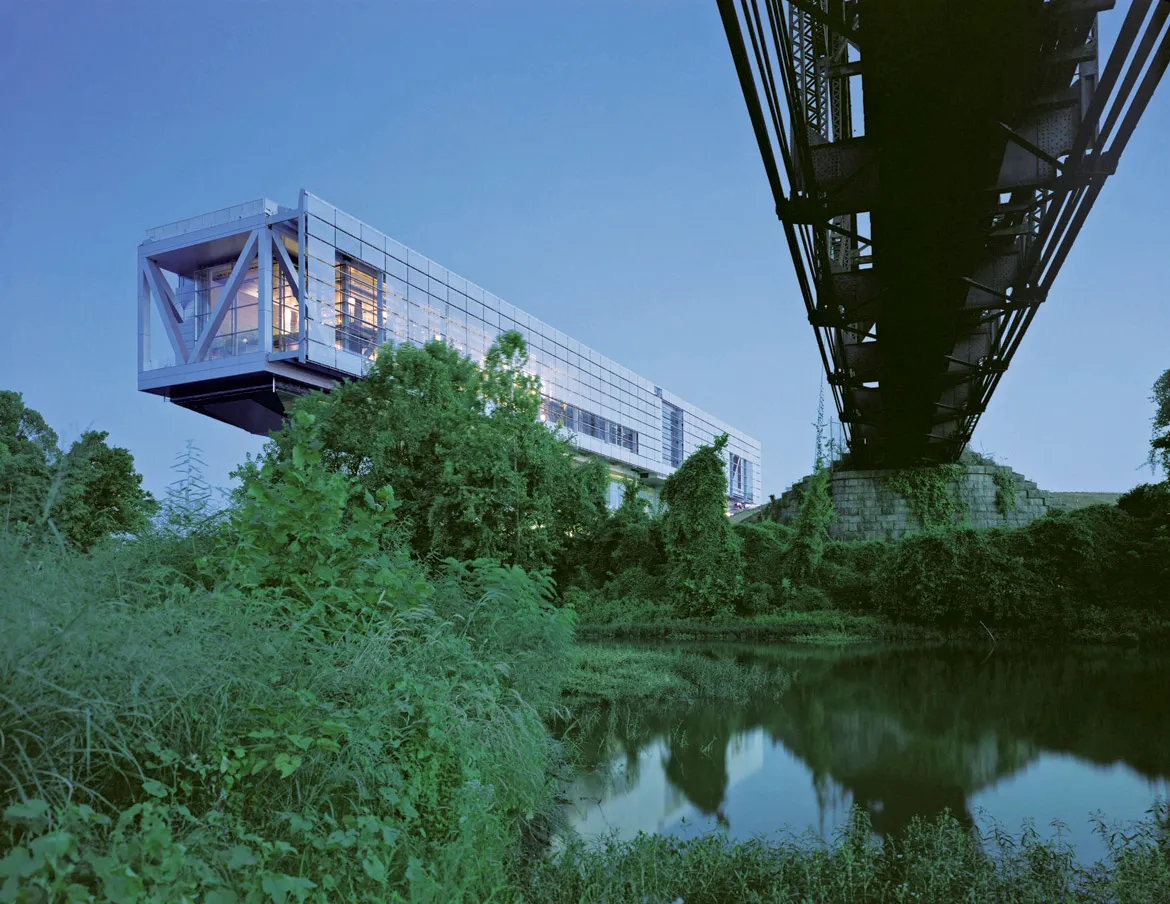
Clinton Presidential Library (2004) in Little Rock, Arkansas. Photo © Tim Hursley
Polshek grew up in Akron, Ohio, hoping to become a physician. But in an elective at Case Western Reserve University called Modern Building, "I instinctively understood the design rationale of the projects we studied,” he told RECORD. “That was the end of my medical career.” To further his architecture education he transferred to Yale, where Louis Kahn taught him, he said, about modesty, both in personal and architectural expression. After graduating, he went to work for I.M. Pei, from whom he learned another important lesson: “Hold out for quality”—even if it means asking for a bigger budget. Clients, Polshek explained, will go along if “you allow them to feel that they are participants in creating the buildings, in ways that go beyond just paying the bills.”
He opened his own office in 1963 and had considerable early success. When Olcott was looking for a job in 1979, during an economic downturn, people told him, “Go see Polshek. He’s the only one in the city with work.”

Newtown Creek, sewage treatment plant in Brooklyn, New York (2014). Photo © Jeff Goldberg/Esto
Polshek avoided specialization. While completing the Clinton Library (2004) he began working on the Newtown Creek sewage treatment plant in Brooklyn (2014). Both buildings are dramatic. The library hovers like a bridge next to the Arkansas River, while the sewage treatment plant drops towering, reflective silver “eggs,” as beautiful as onion domes, into a low-rise neighborhood. The Rose Center (2000) wraps the sphere of a planetarium inside a brilliant glass cube. He could also create excitement on a modest budget: working with industrial materials, he gave the New York Times printing plant in Queens (2001) panache with bright colors, over-scaled windows and supergraphics.
Many of his best projects involved historic preservation. His glass and metal entry pavilion for the Brooklyn Museum (2004) may contain too much hardware for some critics, but he helped give the building’s Beaux-Arts facade new life. At the Albany Bar Center (1970), in New York’s capital, he saved four old rowhouses by putting new construction in a courtyard behind them.
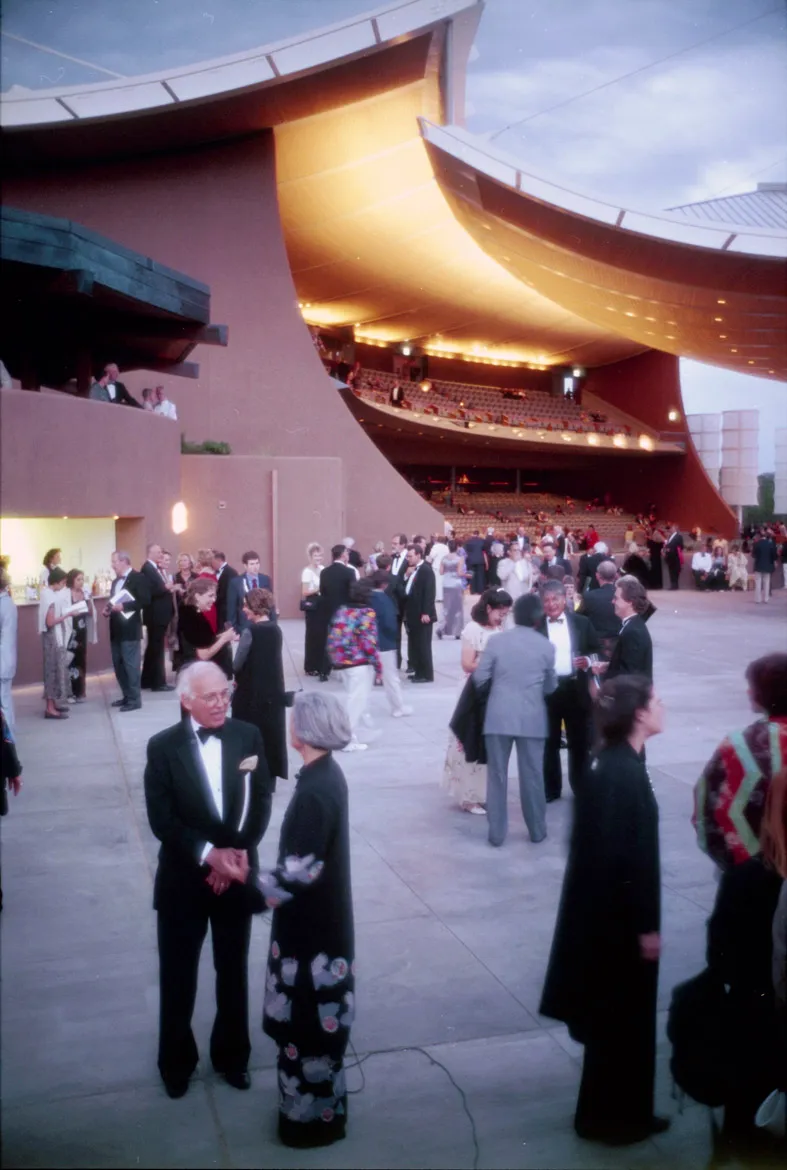
Jim Polshek at The Santa Fe Opera, which opened on July 3, 1998. Photo © Robert Reck
Some found his designs too timid. In 1995, New York Times architecture critic Herbert Muschamp lumped him in with other designers whose work, he wrote, was “Business Class architecture, not world-class architecture. It seldom risks greatness.” But even Muschamp liked several of Polshek’s buildings. He called the Rose Center (designed with Schliemann) “a mature modern building, a structure unafraid of revealing the deep roots from which modern architecture arose.” And he praised Zankel Hall (2003), an underground adjunct to Carnegie Hall (designed with Olcott), as a “serene, grown-up place of brightness and clarity.”
Polshek retained the title of Partner Emeritus at Ennead until his death but, except for winning the AIA Gold Medal in 2018, was largely absent from the architecture scene in recent years. As he told RECORD in 2014: “I didn’t want to be like Niemeyer, doodling, and then giving the doodles to other people to turn into buildings.”
Looking for a reprint of this article?
From high-res PDFs to custom plaques, order your copy today!