Tribute: Ed Feiner, Architect of the Federal Design Excellence Program
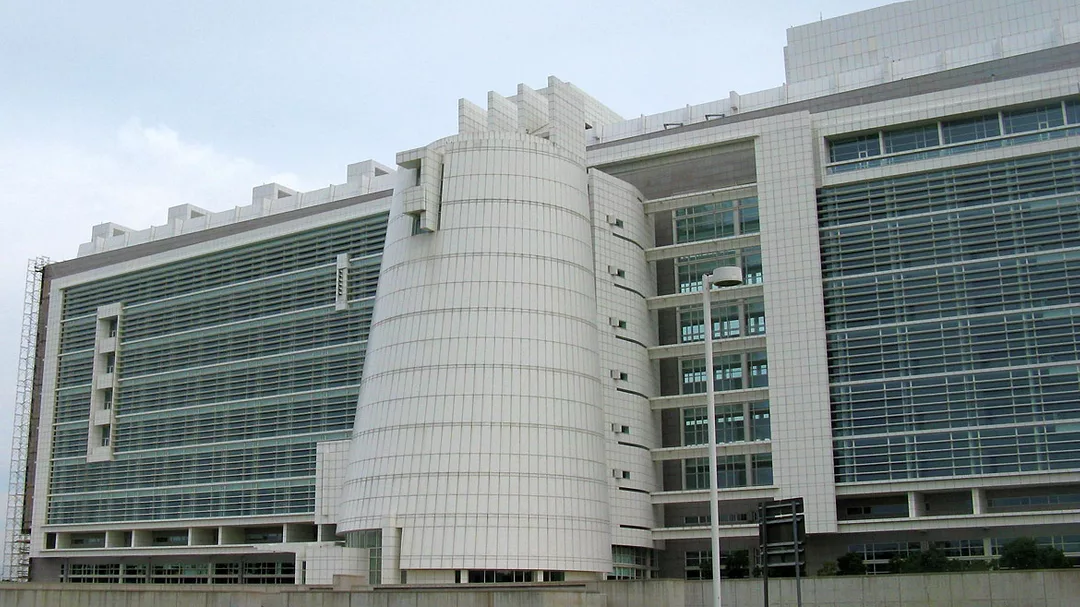
Alfonse M. D'Amato United States Courthouse by Richard Meier in Central Islip, New York. Photo by Americasroof via Wikimedia Commons
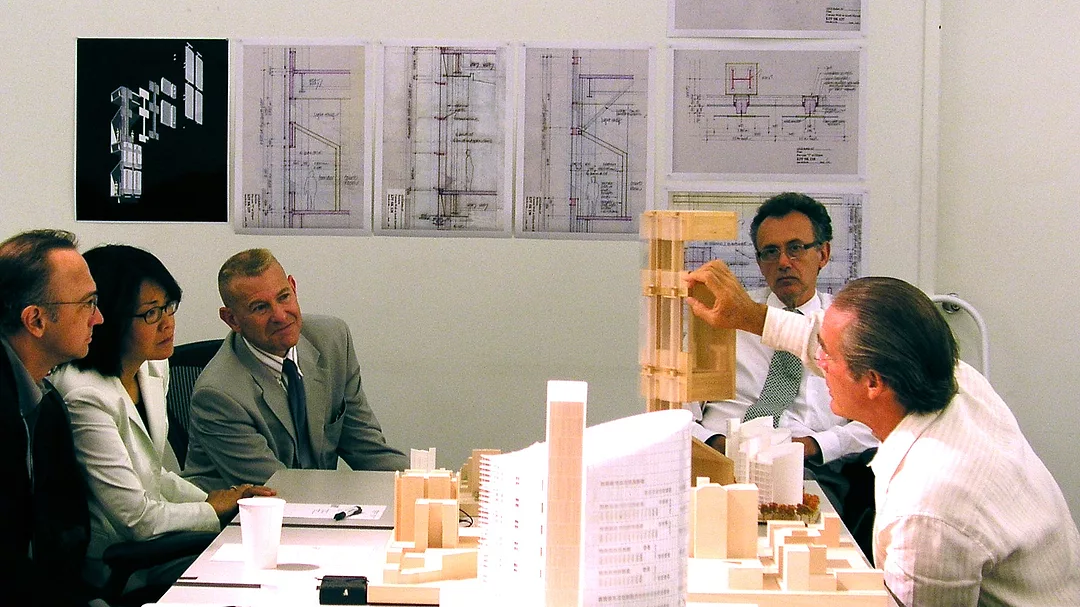
Ed Feiner (third from left) at a peer review for the U.S. District Courthouse in Buffalo, New York by KPF with (from left to right) Rob Rogers, Toshiko Mori, Bob Cioppa, and Bill Pedersen. Photo courtesy GSA
In 2003 Esquire called Ed Feiner the “most powerful architect in America.” Two years later, Robert Ivy wrote in RECORD that Feiner, as chief architect of the General Services Administration (GSA), had created “perhaps the most comprehensive and beneficial federal program for architecture since the New Deal.”
Feiner, who died of brain cancer on July 1 at age 75, ushered in an era of courthouses, federal office buildings, border stations and agency headquarters by Richard Meier, Antoine Predock, Cesar Pelli, Thom Mayne of Morphosis, Moshe Safdie, Laurinda Spear of Arquitectonica, Thomas Phifer, Andrea Leers and Jane Weinzapfel, Robert A.M. Stern, Bill Pedersen, Carol Ross Barney, Julie Snow, Ralph Johnson of Perkins + Will, Merhdad Yazdani of CannonDesign, Joan Goody, Hugh Hardy, Frances Halsband, Peter Bohlin, Craig Hartman of SOM, Laurie Hawkinson and Henry Smith-Miller, Harry Cobb and James Ingo Freed, among many other highly regarded architects. “He was this amazing character who nurtured so many of us,” Mayne told RECORD.
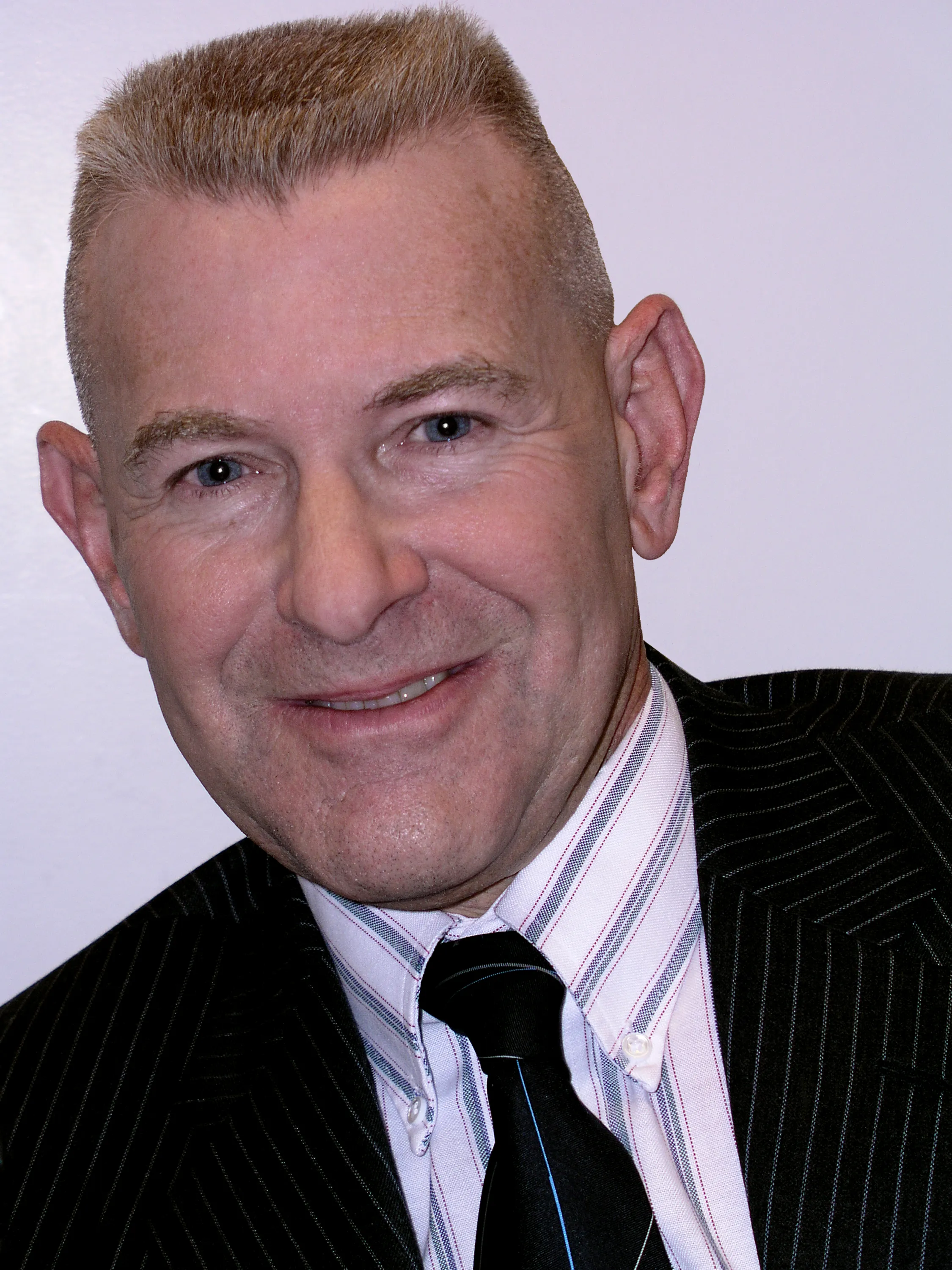
Ed Feiner. Photo © GSA
Before Feiner arrived at the GSA, architects were chosen for reasons unrelated to talent. But under the Design Excellence Program, which he created with his associate Marilyn Farley, architects with strong design portfolios were added to shortlists for projects. The program’s secret sauce was its peers—experts who proffered advice during the architect selection process and then participated in design crits. During his 10 years as chief architect, Feiner is said to have worked with some 500 of those peers on 140 Design Excellence projects.
Feiner, born in the Bronx, was a compelling character. He wore his hair in a bristly flattop and was rarely seen without his snakeskin cowboy boots. So great was his enthusiasm for architecture that he seemed almost to giggle when he talked about it. The Washington Post called him “an irrepressible one-man movement.” Richard Gluckman, who as a peer reviewer helped choose Ennead Architects for a federal courthouse in Harrisburg, Pennsylvania, described Feiner as “a straight shooter. He was clear-headed and clear-spoken and dedicated to raising the bar on design. We could use more like him.”
Feiner didn’t mind spending money to achieve the gravitas he thought federal buildings deserved. But the price tags alarmed conservatives in Congress. Arizona senator John McCain called Henry Cobb’s $220 million, waterfront Moakley Courthouse in Boston, with its spectacular atrium, boat dock and private kitchenettes for judges, "a Taj Mahal" and an "absolutely obscene waste of taxpayers' dollars." (Just-retired Supreme Court justice Stephen Breyer, then an appellate judge in Boston, served as client.) Feiner fought back. "Sure, we could find ways to cheapen the courthouses," he told The Washington Post in 1988, "but in the end, is that really what we want? These buildings are designed to be around for 200 years. Nobody will remember the expense 10 years from now."
During his time at the GSA, he commissioned the first federal courthouse by an African-American architect, Ralph Jackson (in Columbia, South Carolina), and the first federal building by a woman, Carol Ross Barney, whose Oklahoma City Federal Campus rose from the ashes of the 1995 domestic terrorist attack.
President Trump tried to reverse Feiner’s efforts to bring the best contemporary architecture to federal buildings, with an executive order stipulating “classical” design as a preferred “style”—but the order was rescinded in the early days of the Biden administration.
Looking for quick answers on architecture and design topics?
Try Ask RECORD, our new smart AI search tool.
Ask RECORD →
Feiner was a toddler when he first displayed an interest in design. He attended Brooklyn Technical High School—the rare public high school with a robust architecture program—then continued his architecture studies at the Cooper Union. He received a graduate degree in urban design at Catholic University, which is how Feiner and his wife, Fran, ended up in Washington. In 1969, he joined the navy’s planning department, which allowed him to work on very large projects, including hospitals, old age homes and missile bases, while still in his 20s.
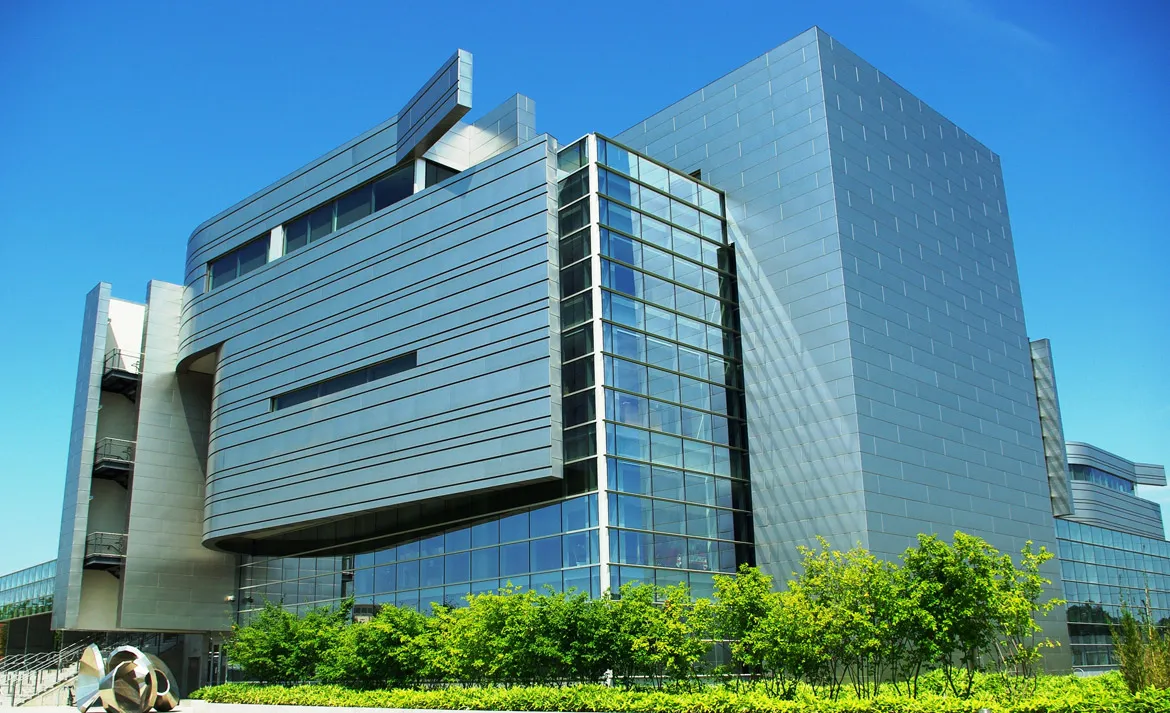
Wayne L. Morse United States Courthouse by Morphosis in Eugene, Oregon. Photo by Aboutmovies; cropped by Beyond My Ken, via Wikimedia Commons
In 1981, he responded to a two-sentence ad in The Washington Post for a job as director of design management for the GSA. The two sentences led to 24 years at the agency, the last decade as chief architect. When he retired in 2005, his skills and contacts made him valuable in the private sector; he joined Skidmore, Owings & Merrill as director of its Washington office. In 2008, he became chief architect for the Las Vegas Sands Corporation as it was building Moshe Safdie’s monumental Marina Bay Sands complex in Singapore. He and chairman Sheldon Adelson weren’t sympatico, and in 2009 Feiner returned to Washington as the design maven at Perkins+Will. Meanwhile, his federal Design Excellence program was widely imitated. David Burney, then New York City’s commissioner of design and construction, created a nearly identical program in 2004. “I shamelessly copied what Ed did at the GSA. He was the pioneer,” he said. Casey Jones, an architect who was so impressed by a speech Feiner gave around 2000 that he went to work for him at the GSA, said, “He was the rare person in government who was able to attract the best of the private sector. He brought together an amazing cast of characters.”
In recent months, Feiner maintained his good cheer as some of those characters stopped by his Washington apartment to pay their respects. Feiner leaves a son and a daughter and another important legacy. As he told the Post in 1998, "I like to think there's a little bit of me in all these courthouses.”
Looking for a reprint of this article?
From high-res PDFs to custom plaques, order your copy today!