Winners of the 2025 Aga Khan Award for Architecture Announced
The winners, seven in total, of the 2025 Aga Khan Award for Architecture (AKAA) have been announced following the July unveiling of the prestigious triennial prize’s 19-project shortlist. The latest cycle of the AKAA is the 16th to be held since the prize program—which is part of the Geneva-headquartered Aga Khan Development Network and offers one of architecture’s most generous rewards with $1 million divided among its winners—was established in 1977 to “identify and encourage building concepts that successfully address the needs and aspirations of communities in which Muslims have a significant presence.” It is the first to take place since the death of its founder, Prince Karim Al-Hussaini Aga Khan IV, in February at the age of 88. His successor, Prince Rahim Aga Khan V, notes that one of the most significant aims of the award is to “inspire younger generations to build with environmental care, knowledge, and empathy.” Including the latest cohort of honorees, 136 projects that help the AKAA to promote this aim have been recognized to date. Works by architects such as Zaha Hadid, Jean Nouvel, Charles Correa, B.V. Doshi, and Louis Kahn are among them.
Per an announcement, the 2025 AKAA awardees, which were required to have been completed between 2018 and 2023 and in use for at least one year to qualify for submission, all “explore architecture’s capacity to serve as a catalyst for pluralism, community resilience, social transformation, and cultural-responsive design. They are Khudi Bari by Marina Tabassum Architects, West Wusutu Village Community Centre by Inner Mongolian Grand Architecture Design Co., Revitalization of Historic Esna by Takween Integrated Community Development, Majara Residence and Community Redevelopment by ZAV Architects, Jahad Metro Plaza by KA Architecture Studio, Vision Pakistan by DB Studios, and Wonder Cabinet by AAU Anastas.
The 2025 AKAA winners were selected by an independent master jury of nine architects and scholars—among them 2020 Pritzker Architecture Prize recipient Yvonne Farrell and past Aga Khan Award laureates Azra Akšamija, Noura Al-Sayeh Holtrop, and Mun Summ Wong. The cycle was led by a steering committee chaired by Prince Rahim Aga Khan V, joined by members Meisa Batayneh, Souleymane Bachir Diagne, Lesley Lokko, Gülru Necipoğlu, Hashim Sarkis, and Sarah M. Whiting. Lokko served as editor of a publication tied to the 2025 prize titled Optimism and Architecture that presents both the shortlisted and awarded projects. Featuring essays and conversations, it “examines how architecture can reinvigorate tradition through innovation, connect local practices with global conversations, and create inclusive spaces where diverse cultures and histories converge.”
A formal prize ceremony recognizing not just the winning architects but the “multiplicity of players who are behind each project” will be held at the Toktogul Satylganov Kyrgyz National Philharmonic in Bishkek, Kyrgyz Republic, on September 15.
A snippet of the jury citation for each 2025 AKAA honoree can be found below. Full descriptions of and citations for the winning projects can be found here.
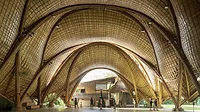
Khudi Bari | Marina Tabassum Architects | Bangladesh, various locations
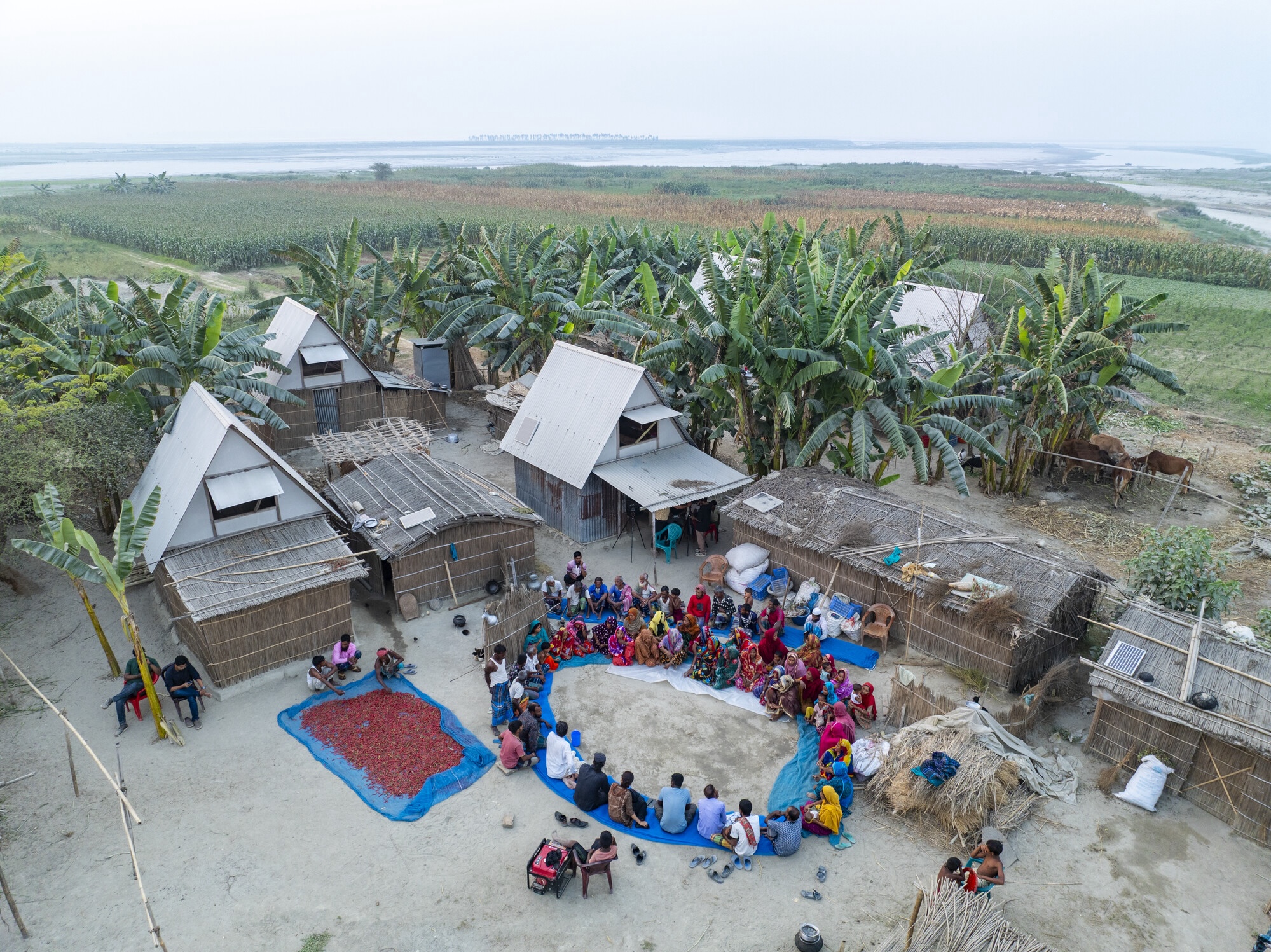
Aerial view of Char Shildaha in the district of Jamalpur, where twenty-three single units have been constructed from 2022 to 2023. Photo © Aga Khan Trust for Culture / City Syntax (F. M. Faruque Abdullah Shawon, H. M. Fozla Rabby Apurbo)
“The Khudi Bari project has been granted the Award for developing a flexible system that addresses global challenges with vernacular solutions, reframed through a contemporary lens to evolve and scale up so as to deliver a wider, regional impact. Based on a module of elementary geometry, its rationalization—paired with the adaptation of vernacular bamboo techniques—puts humanity before aesthetics, and it is humble enough to allow for an open-source use that enables communities to build and localize by themselves. Its easy and rapid deployment and disassembly provide an engaging solution for the nomadic condition of the climate-displaced communities in the floodplains of Bangladesh, for whom it was first designed, already impacting the lives of hundreds of families.”
Looking for quick answers on architecture and design topics?
Try Ask RECORD, our new smart AI search tool.
Ask RECORD →
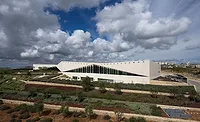
West Wusutu Village Community Centre | Inner Mongolian Grand Architecture Design Co., Ltd. | Hohhot, China
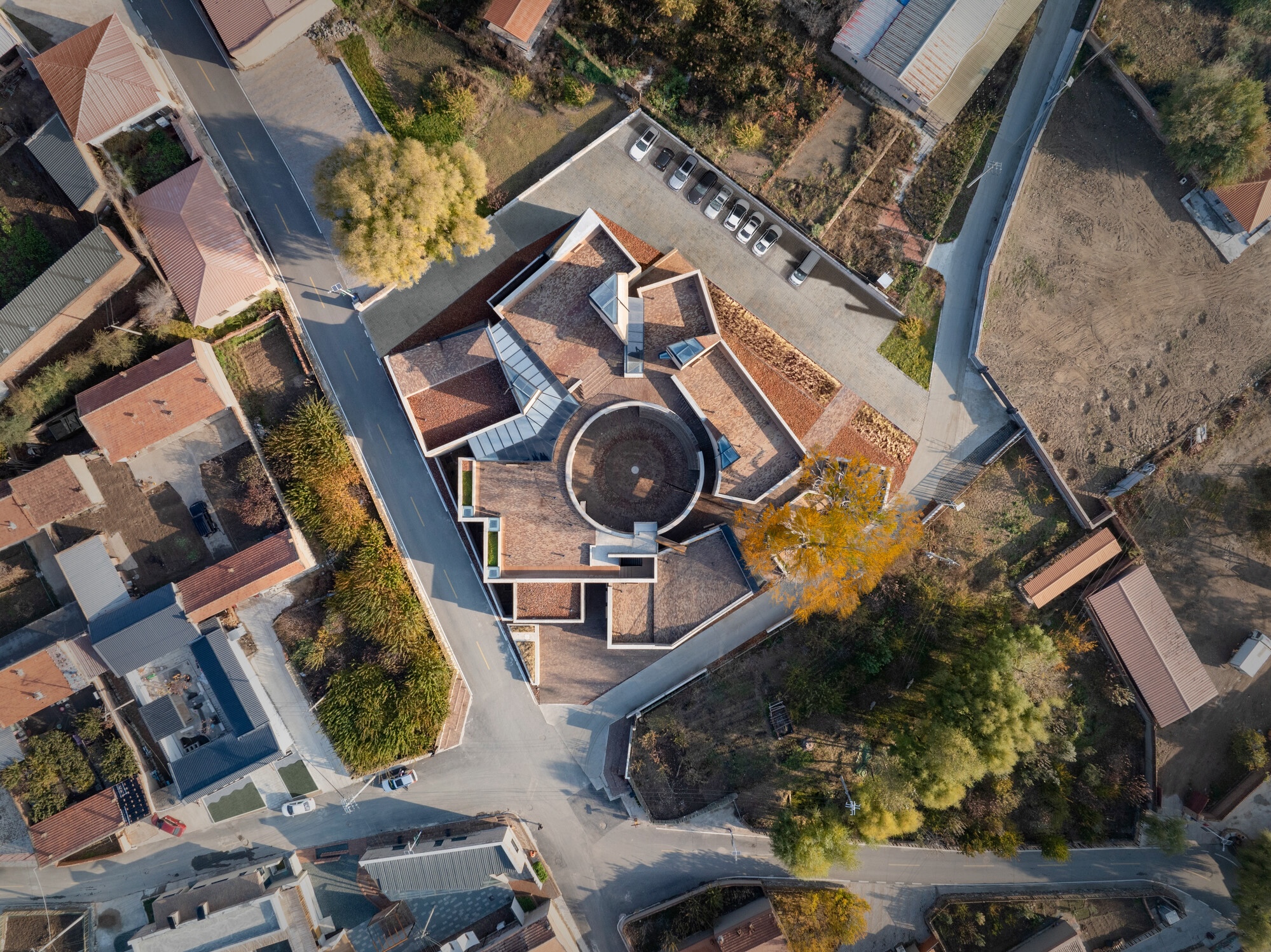
Aeriel view of the community center. Photo © Aga Khan Trust for Culture / Dou Yujun (photographer)
“The West Wusutu Village Community Centre shifts the paradigm of contemporary architectural design beyond object-based and aesthetic end-results, orienting it towards translating users’ daily community needs into a well-conceived architectural vehicle. The dynamics of this project significantly enhance social interaction, cultural experience, and environmental resilience. Thus, by integrating diverse users and embracing a high multifunctional articulation through its fluid spaces, the center has generated a valuable shared and inclusive communal microcosm within a rural human macrocosm.”
Revitalization of Historic Esna | Takween Integrated Community Development | Egypt

General view of a significant building, with al-Qisariyya Traditional Street Market after restoration and upgrading. Initiated in 2016, the project was conceived not only as a response to urban decay, but as a strategic intervention designed to reposition Esna as a model for heritage-led urban regeneration in medium-sized Egyptian cities. Photo © 2021 Takween ICD / Ahmed Mostafa
“The initiative to revitalize historic Esna goes beyond the usual limits of an urban conservation project that is formally framed in advance and instead presents a bottom-up strategy through an inclusive, socially structured program to gradually improve the heritage environment. Hence, residents play a major role in maintaining the urban synergy through its living heritage, sparking sustainable regenerative momentum in what had become dilapidated built fabric.”
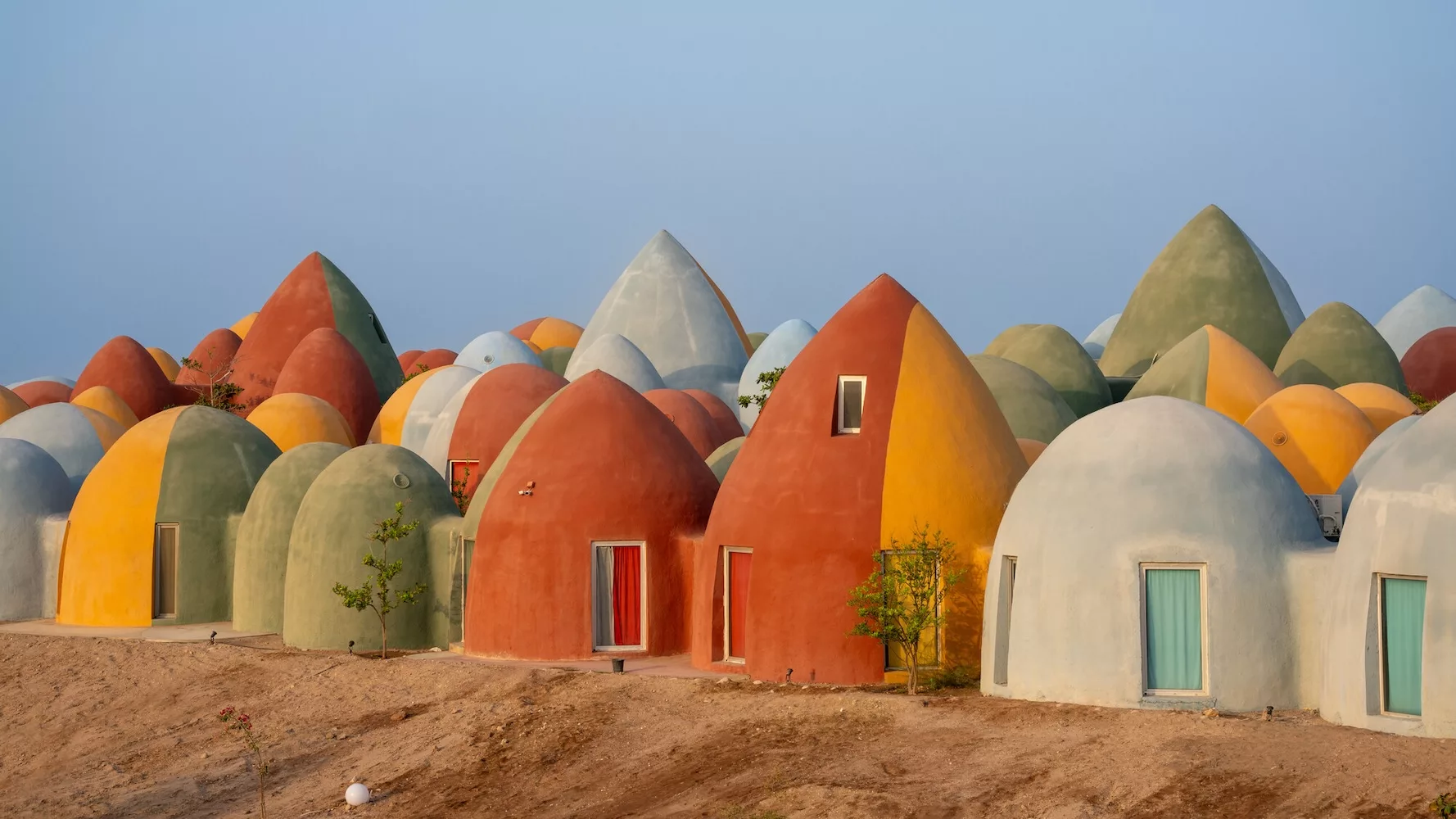
Majara Residence and Community Redevelopment | ZAV Architects | Hormuz Island, Iran
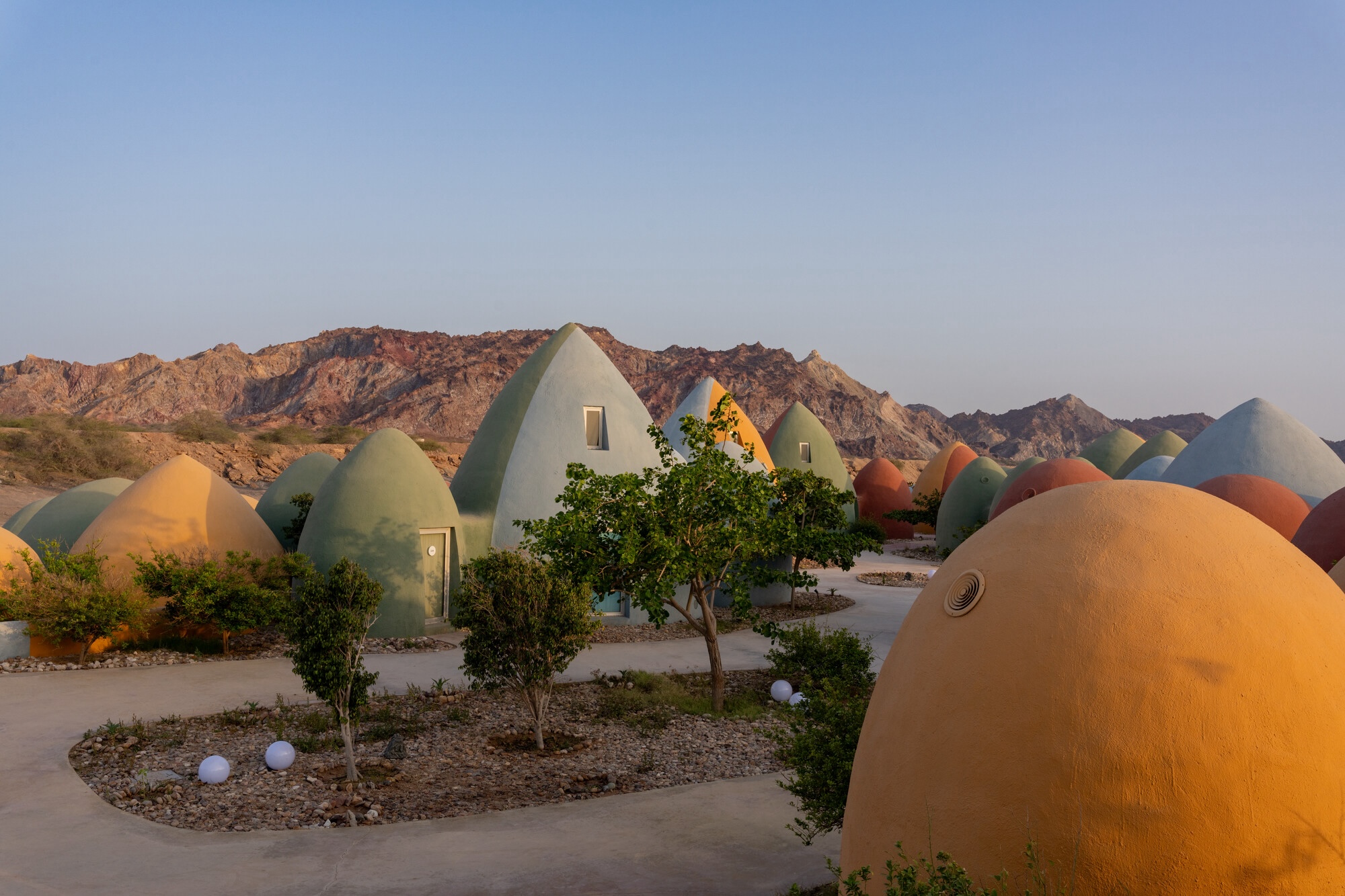
Majara’s landscape design emphasises ecological restoration by replacing invasive vegetation with drought-resistant, regionally adapted species. Photo © Aga Khan Trust for Culture / Deed Studio (photographer)
“Set within a breathtaking geological context that dates back millions of years, these projects on Hormuz Island, Iran, are framed in relation to a vast mountain range typified by colorful mineral and salt deposits. So, while being intricately geo-referenced to the site, they are meaningfully embedded within the social and cultural fabric of the land. The project can be understood as a vibrant and colorful archipelago of varying programs that serve to incrementally define a truly alternative model for tourism in this context and beyond. Following on from its first new structure—the simple viewing and interpretation organization called Rong Cultural Centre—the Majara Residence presents an offer within a growing global industry. Choosing not to follow a hyper-luxurious and resource-demanding typology, it leans instead towards a pluralist and inclusive framework that counters excess and becomes part of a community-driven evolutionary process of growth.”
Jahad Metro Plaza | KA Architecture Studio | Tehran, Iran
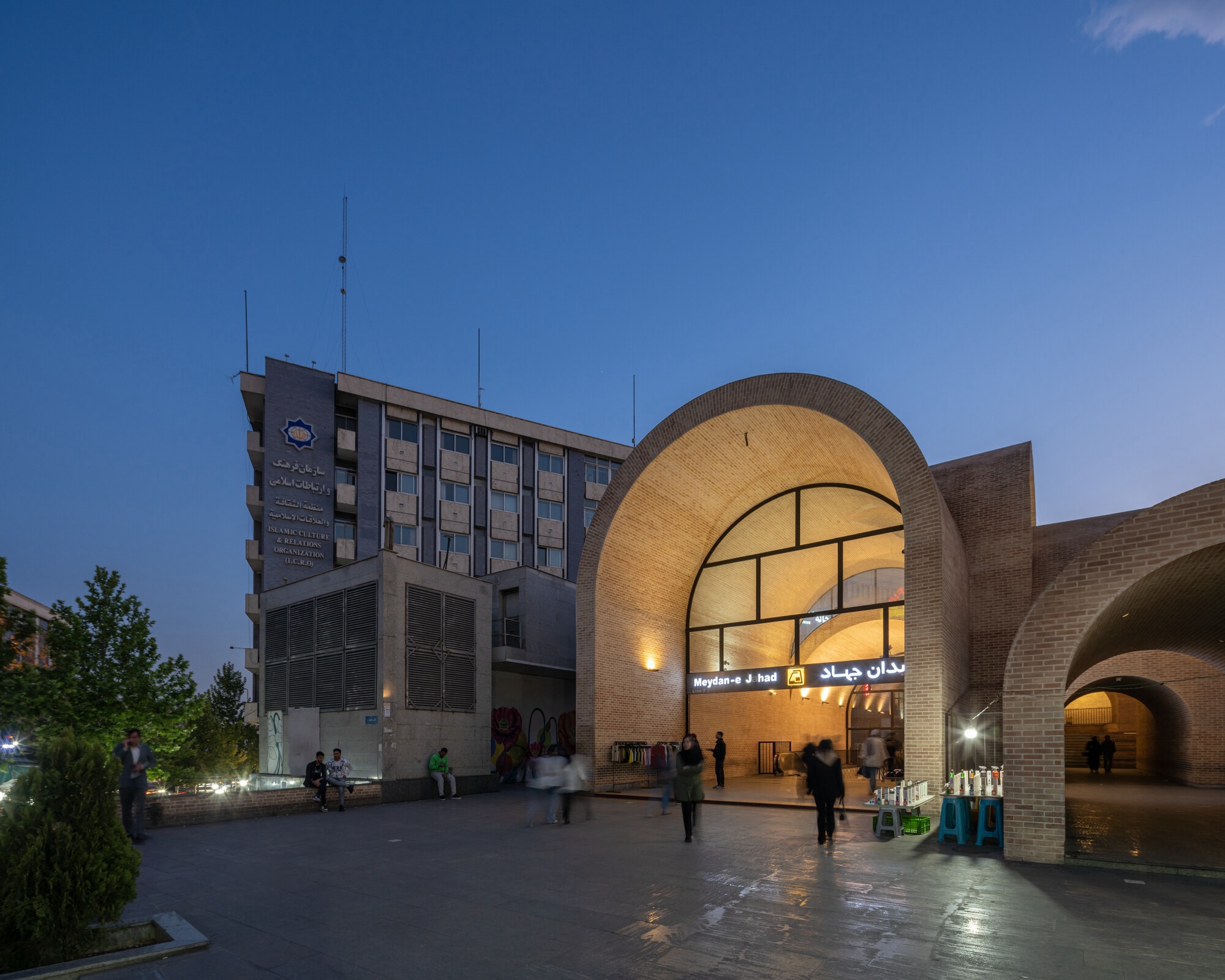
The site's strategic location along a major traffic intersection enhances its role as a sociable public landmark, integrating transit infrastructure with the city's evolving pedestrian-focused urban strategy. Photo © Aga Khan Trust for Culture / Deed Studio (photographer)
“With 159 stations and a length of over 250 kilometers, the Tehran Metro is one of the most extensive in the world, carrying millions of passengers every day. As critical urban infrastructure, the functionality and appeal of the Metro are central concerns for the municipality, the client for this project. The redevelopment of the station entrance transformed a once conventional and modest access point into an open public space: a plaza that encourages passage, encounters and events. Unlike the former structure, which closed off stairways at ground level, the new design opens the station to the sky and neighborhood, converting former stair areas into a pedestrian zone with direct street access and improving accessibility.”
Vision Pakistan | DB Studios | Islamabad
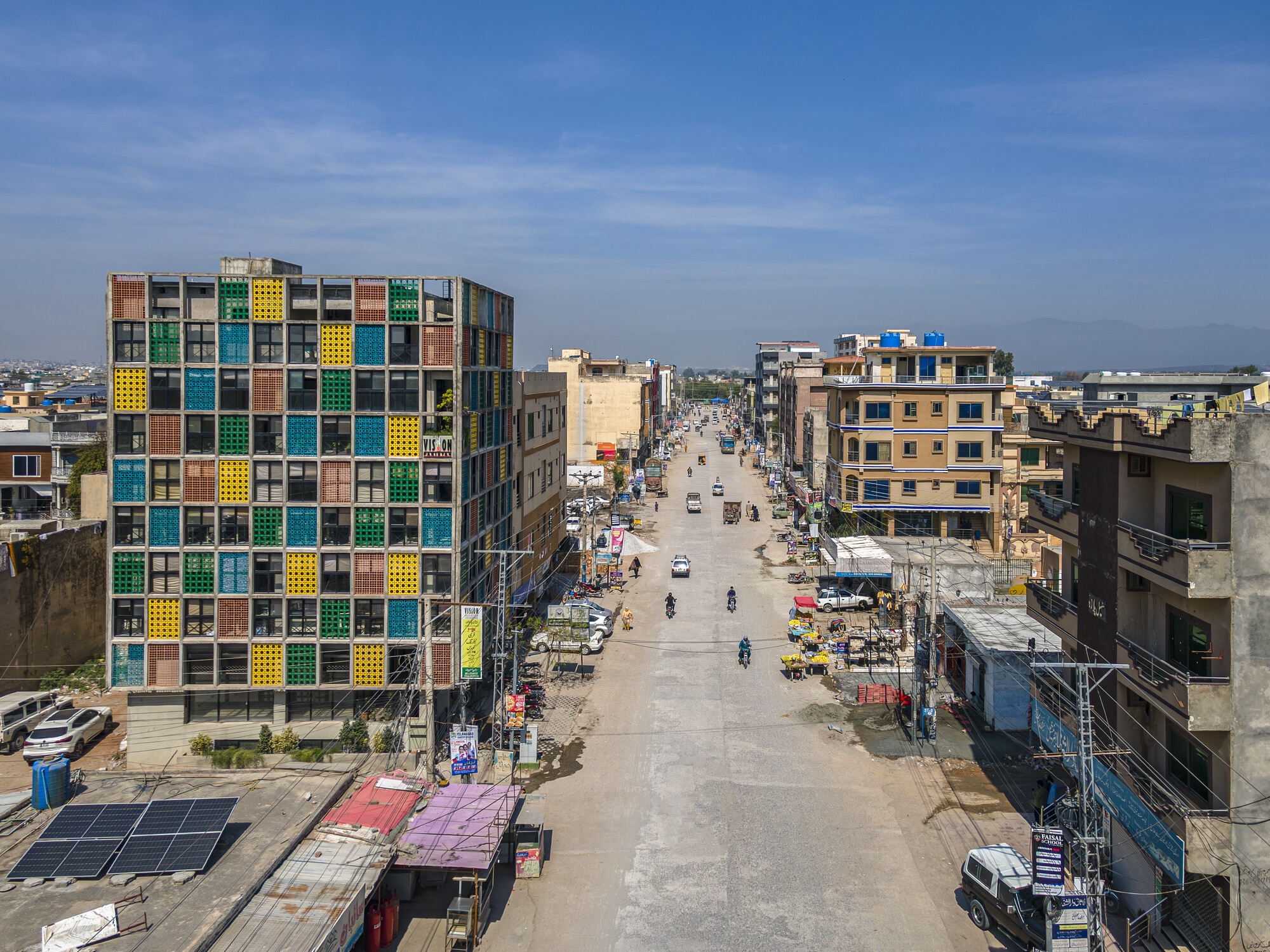
Located on the side of a busy road, the site was chosen for its ease of access using public transportation. The client wanted to ensure that all students coming to the school would be able to come by their own means. Photo © Aga Khan Trust for Culture / Usman Saqib Zuberi (photographer)
“Two people—one an experienced educator, the other a young practicing architect–work together and invent a new wellspring of respect, a new skills training center, a place where young people feel that they matter, where not-yet-discovered talents will be trained and encouraged. The educator, Rushda Tariq Qureshi, had a vision: to educate, to involve the youth, and to form a community where students will feel useful and valued. The architect, Mohammad Saifullah Siddiqui of DB Studios, was trusted with the task of understanding Rushda’s vision. Together they transformed a plot of land close to public transport and invented a building that would not only contain a new type of education, but be full of light, spatially interesting, economically efficient, and highly distinct.”
Wonder Cabinet | AAU Anastas | Bethlehem, Palestine
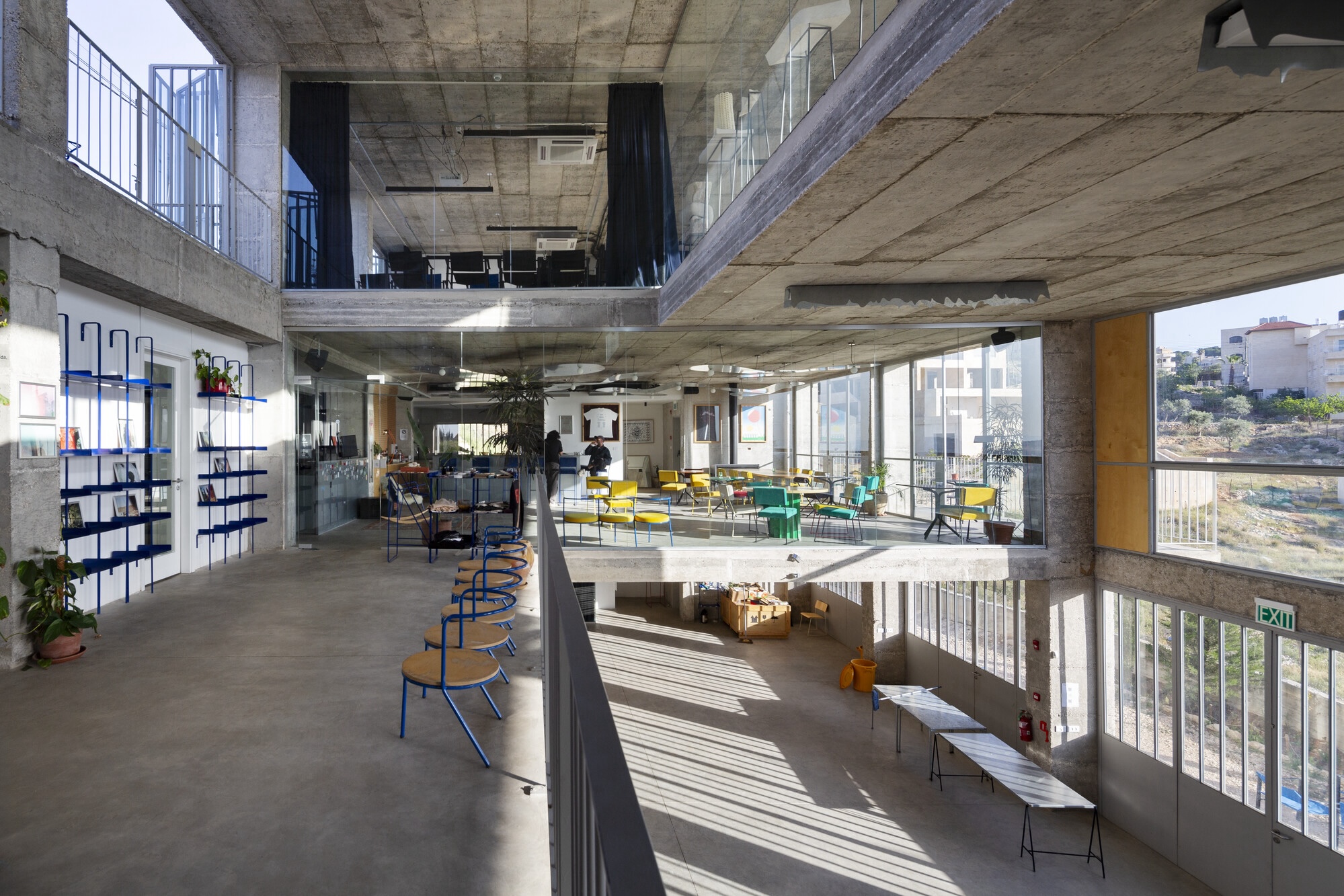
View of the mezzanine level and central void connecting all stories. Photo © Aga Khan Trust for Culture / Mikaela Burstow (photographer)
“Initiated by the architects to fill a gap in the cultural offerings for youth in the city, this project expands the agency of architects to the roles of client, designer, cultural practitioner, and activist. Designed as an open, flexible, and transparent beacon of cultural production and resilience in the Al-Karkafeh Valley, the spatial organization of the building facilitates exchange, dialogue, and community-building. With a mixed program of artists’ studios, production spaces, a radio station, a restaurant, and the architects’ offices spread over different platforms, the cross-sectional void traversing its three floors encourages physical and visual connections, both within the building and towards the surrounding landscape.”
Video © Aga Khan Trust for Culture
Looking for a reprint of this article?
From high-res PDFs to custom plaques, order your copy today!