Newsmaker
Smiljan Radić Wins the 2026 Pritzker Prize

2026 Pritzker Architecture Prize laureate Smiljan Radić Clarke of Chile.
Smiljan Radić Clarke is the 2026 laureate of the Pritzker Architecture Prize. A statement from the jury reads, “Through a body of work positioned at the crossroads of uncertainty, material experimentation, and cultural memory, Smiljan Radić favors fragility over any unwarranted claim to certainty. His buildings appear temporary, unstable, or deliberately unfinished—almost on the point of disappearance—yet they provide a structured, optimistic, and quietly joyful shelter, embracing vulnerability as an intrinsic condition of lived experience.”
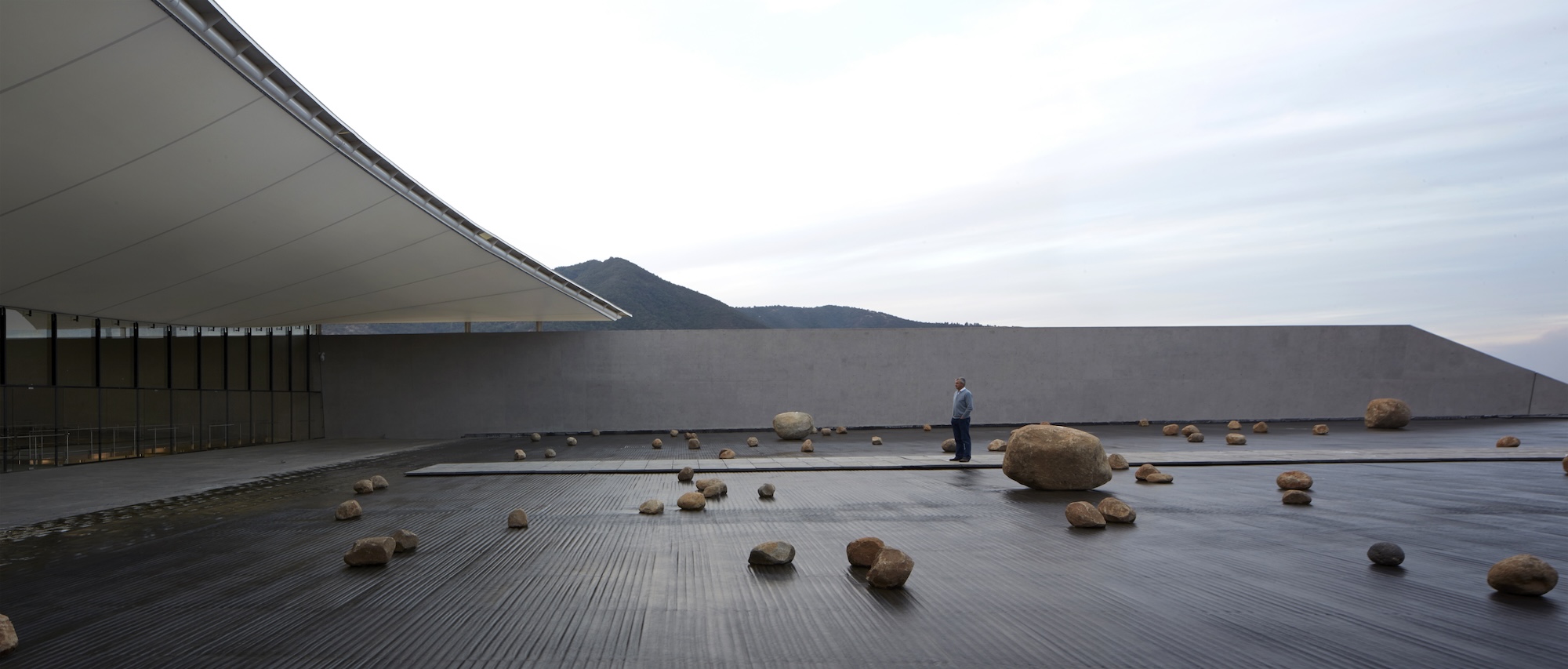
Vik Winery expansion (2013), Millahue, Chile. Photo © Cristobal Palma
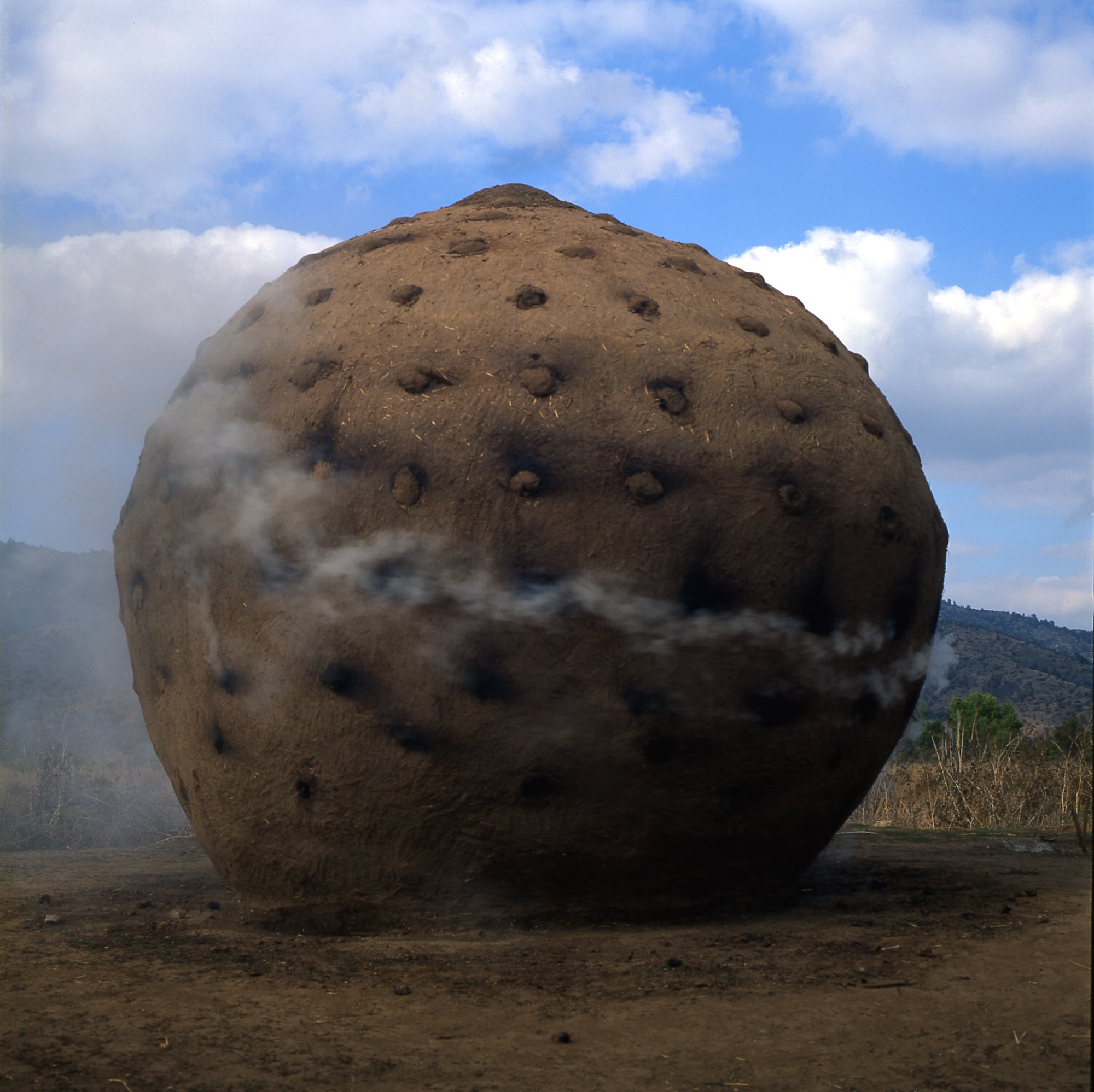
Charcoal Burner’s Hut (1998), Melipilla, Chile. Photo courtesy Smiljan Radić
The 55th Pritzker laureate, Radić established his practice in 1995 in Santiago, Chile, the city in which he was born to parents of Croatian and English descent. The vast majority of his work—which spans cultural institutions, civic spaces, commercial buildings, private residences, and installations—lies within his coastal homeland. In 2008, Radić was selected as a Design Vanguard. He is the second Vanguard to go on to win the Pritzker Prize (the first was his compatriot, 2016 laureate Alejandro Aravena, who received the honor from RECORD in 2004 and now serves as the Pritzker jury chair). Writing about Radić for his Vanguard profile, I noted, “While it appears that the hand of an outsider is at play, Radić’s alien forms indicate the keen eye of a native who masterfully translates local phenomena into new and unexpected experiences.”
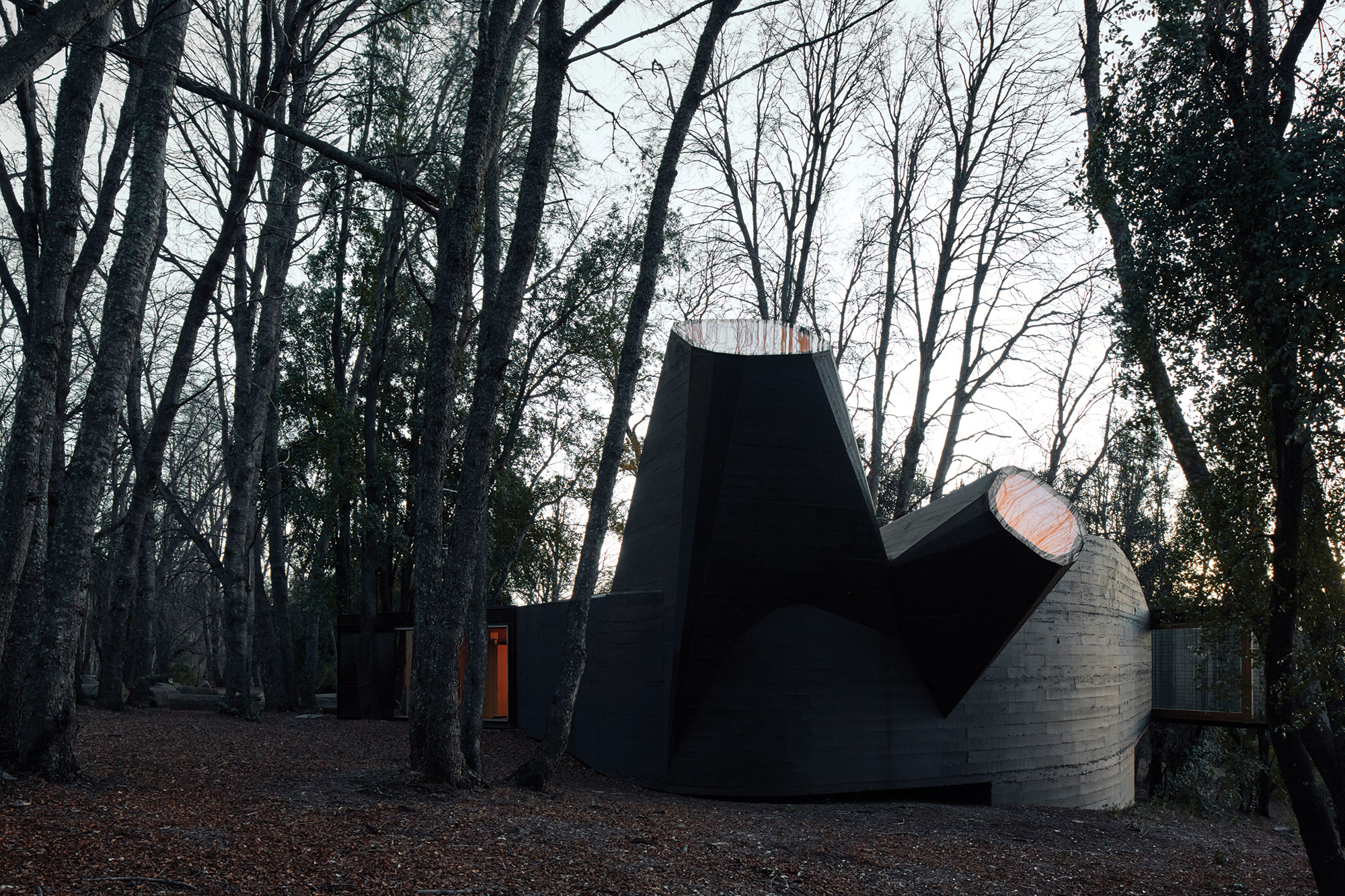
House for the Poem of the Right Angle (2013), Vilches, Chile. Photo courtesy Smiljan Radić
The repeated use of boulders in many of his projects—giant pieces of granite that, like caryatids, support the roof of a pavilion, or tall solitary rocks that convey the look of ruins—reference antiquity and lend an otherworldly feel to his work.
The idea of ruins was a central one in his design for London’s Serpentine Pavilion in 2014, which he saw as a folly and that likewise incorporated boulders. “Follies appear as ruins or worn away by time, displaying an extravagant, surprising, and often primitive nature. These characteristics artificially dissolve the temporal and physical limits of the constructions themselves with their natural surroundings,” he told me at the time.
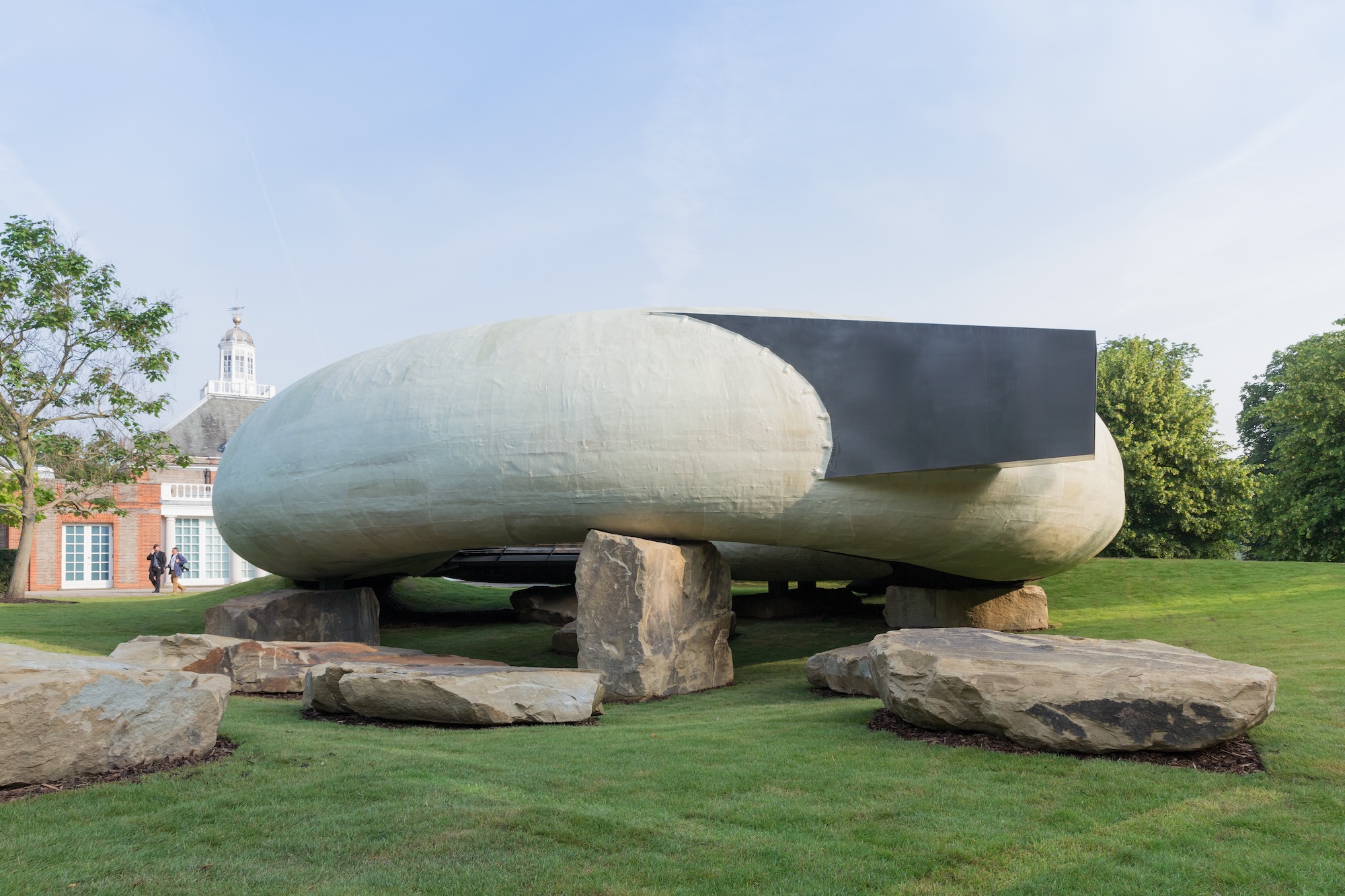
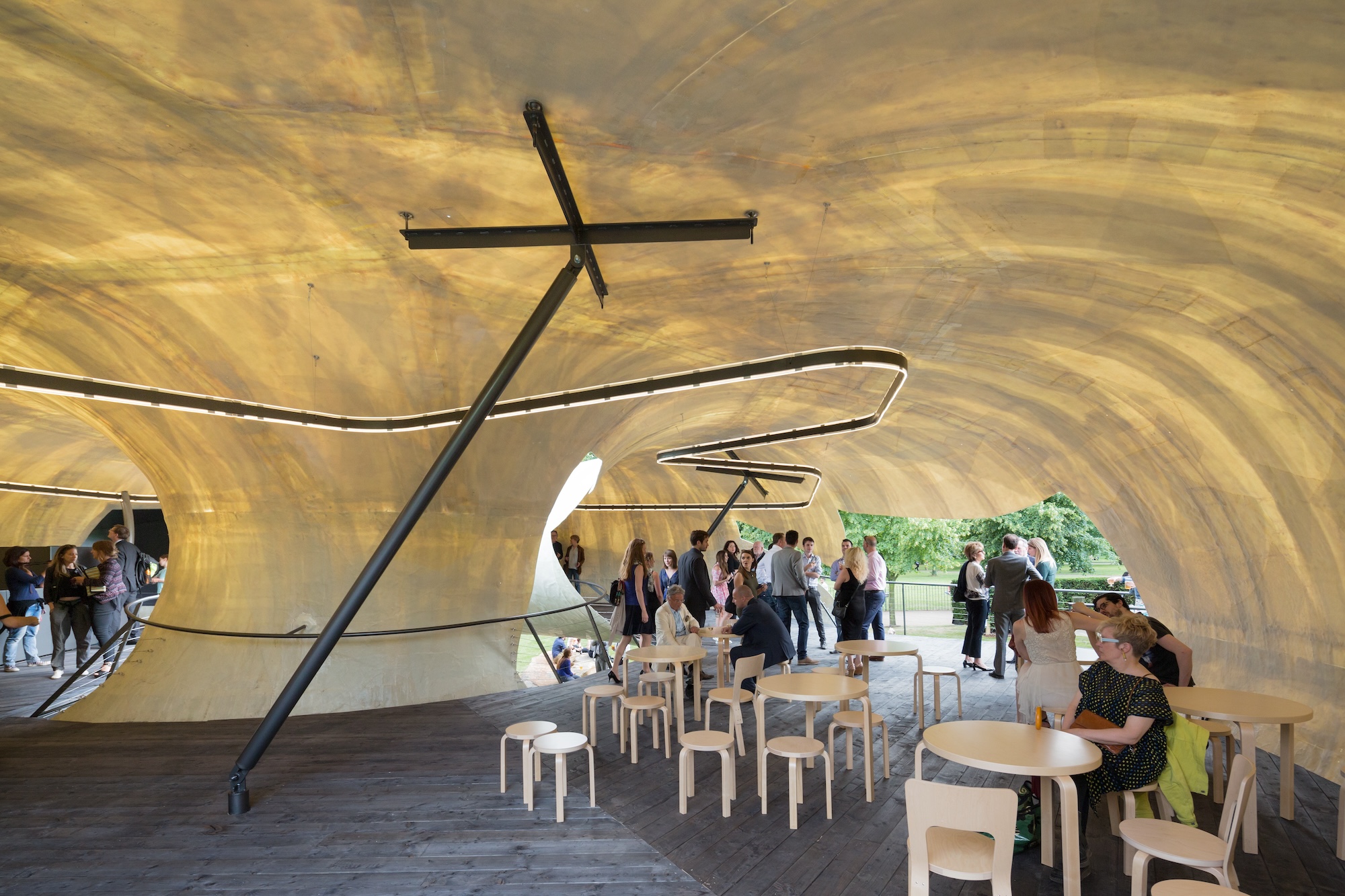
The 2014 Serpentine Pavilion rested on boulders and was sheathed in fiberglass. Photos © Iwan Baan
Back then, Radić—while “a key protagonist of an amazing architectural explosion in Chile,” as the curators noted—was an unusual choice for the high-profile Serpentine commission. His selection, however, may well have been a bellwether of his current honor, as almost all of the previous Serpentine Pavilions had been designed by Pritzker Prize winners, including Rem Koolhaas, Frank Gehry, Peter Zumthor, and Alvaro Siza. When asked what that meant for him, he answered simply, “It means I must be myself.”
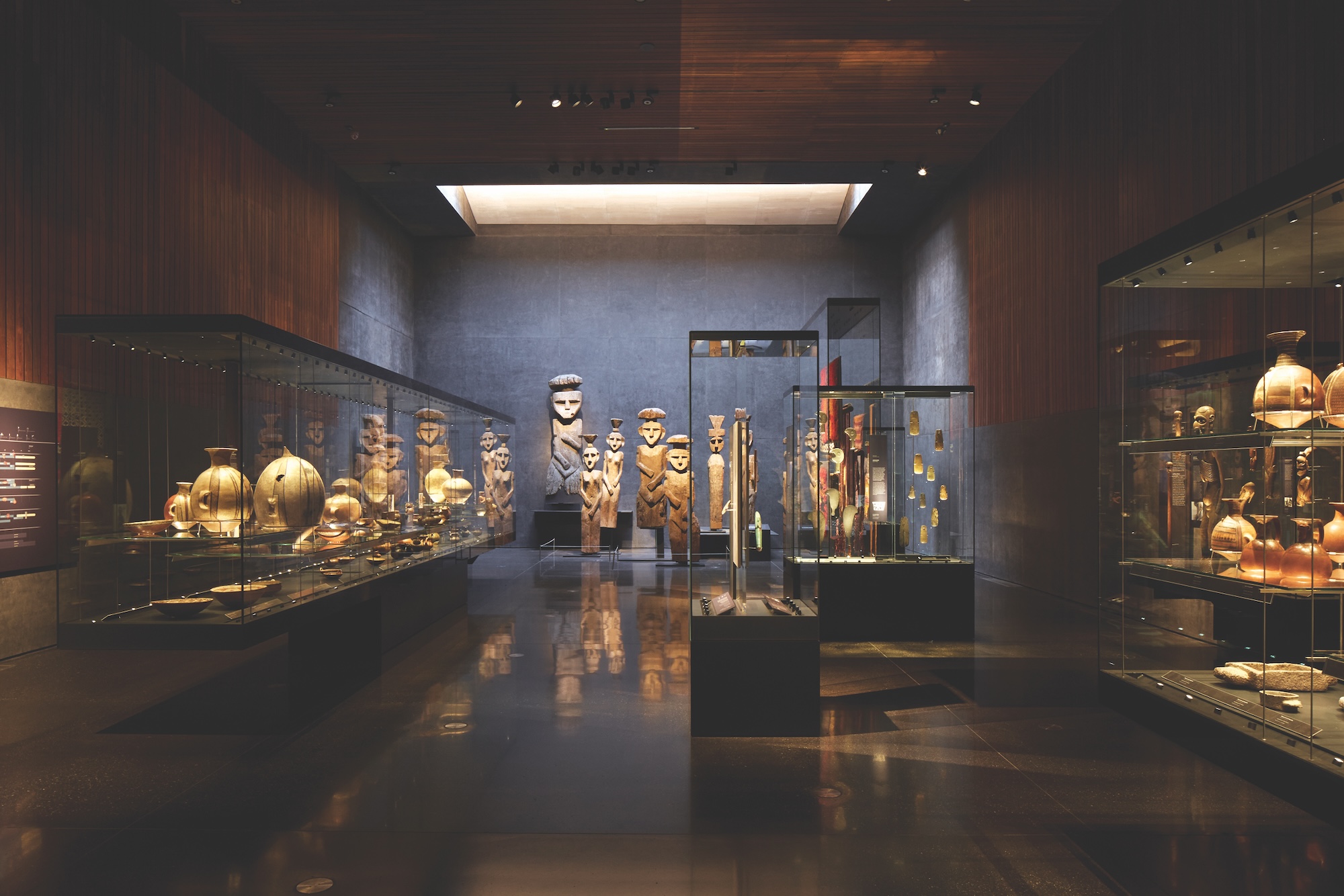
Expansion of the Chilean Museum of Precolumbian Art (2013), Santiago. Photo © Cristobal Palma
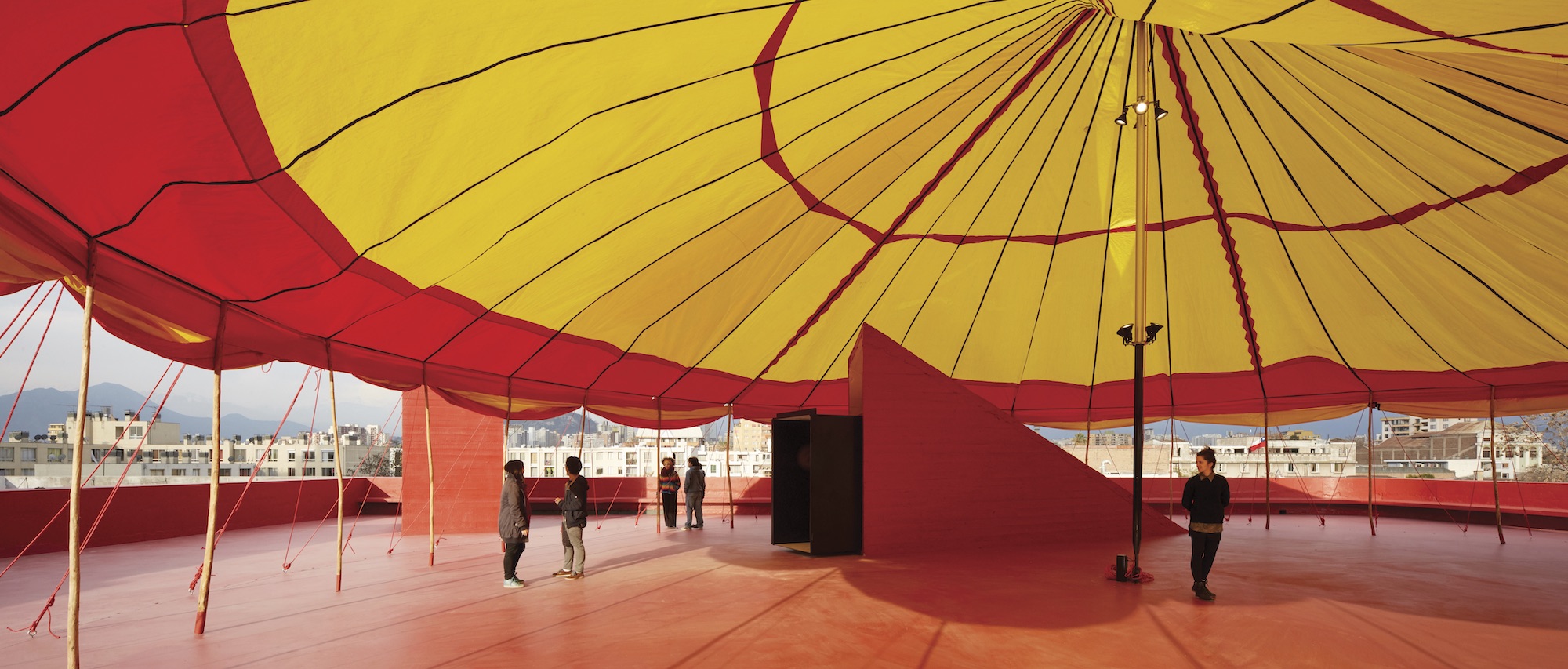
NAVE a framework for contemporary performance (2015), Santiago. Photo © Cristobal Palma
Indeed, across the iconoclast language of his work, site-specific strategies recur in varied forms, allowing each building to emerge from its particular conditions. The spaces he creates are often ambiguous, at times even disquieting. “What excites me most about practicing architecture is when you can finally build something and test how wrong or right you are,” Radić told RECORD.
Radić employs materials—whether industrial or natural, refined or traditionally regarded as marginal—in ways that are neither nostalgic nor merely pragmatic. “Instead, they unsettle established hierarchies of value: high and low, refined and crude, permanent and provisional coexist without clear distinction,” according to the Pritzker jury. Teatro Regional del Bío-Bío, for instance, is a disciplined composition of volume and skin. The envelope is layered with carefully engineered semi-translucent polycarbonate cladding, mounted over a steel frame, that modulates light and supports acoustic performance.
Looking for quick answers on architecture and design topics?
Try Ask RECORD, our new smart AI search tool.
Ask RECORD →
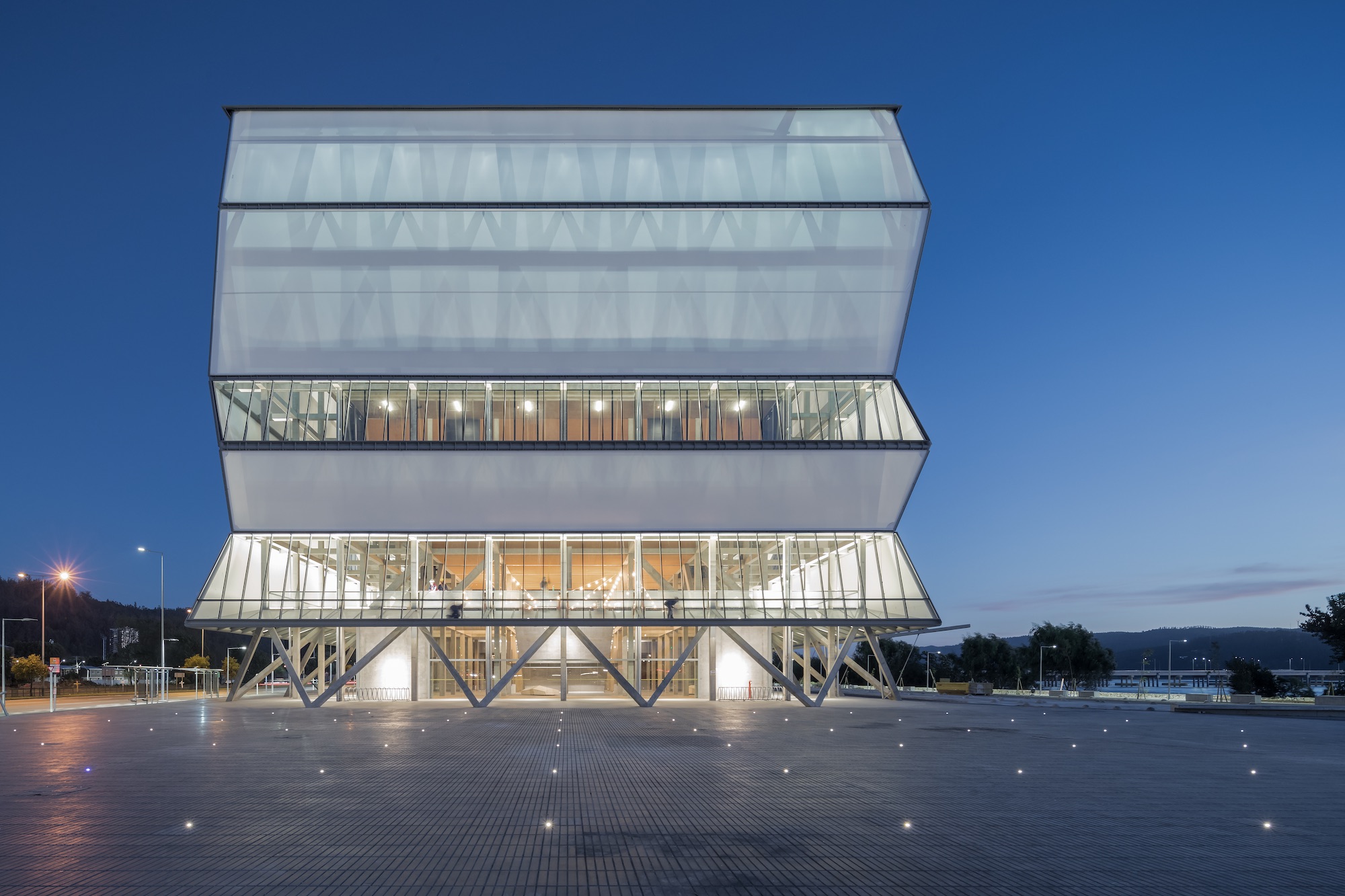
Teatro Regional del Bío-Bío (2018), Concepción, Chile. Photo © Iwan Baan
The office is currently working on several projects, including international ones. “Some of them are really small and others are huge for our lean office,” Radić says. “But both scales permit you to test and link your work to people in a really different way, and that is great.”
Radić studied architecture at Pontificia Universidad Católica de Chile, where he failed his initial attempt at the final examination before graduating in 1989. The setback proved formative, compelling him to study history at Italy’s Istituto Universitario di Architettura di Venezia, and travel extensively, which he regards as the most essential course of his education. He has worked frequently with sculptor Marcela Correa, who would become his client, and later his wife. Together they designed her first house, Casa Chica (Vilches, Chile, 1997), a roughly 260-square-foot structure, which they built by hand in the Andes Mountains.


Guatero was a pneumatic form created for the XXII Chilean Architecture Biennial in 2023. Photos courtesy Smiljan Radić
In 2017, Radić founded the Fundación de Arquitectura Frágil, housed in his studio, to support experimental architecture that challenges disciplinary boundaries.
Radić’s work has been recognized with numerous international honors, including being named Best Architect Under 35 by the Colegio de Arquitectos de Chile (Chile, 2001), the Oris Award (Croatia, 2015), the Arnold W. Brunner Memorial Prize from the American Academy of Arts and Letters (United States, 2018), and the Grand Prize at the Pan-American Architecture Biennial of Quito (Ecuador, 2022). He is an Honorary Member of the American Institute of Architects and an Honorary Fellow of the Croatian Academy of Sciences and Arts, since 2009 and 2020, respectively.
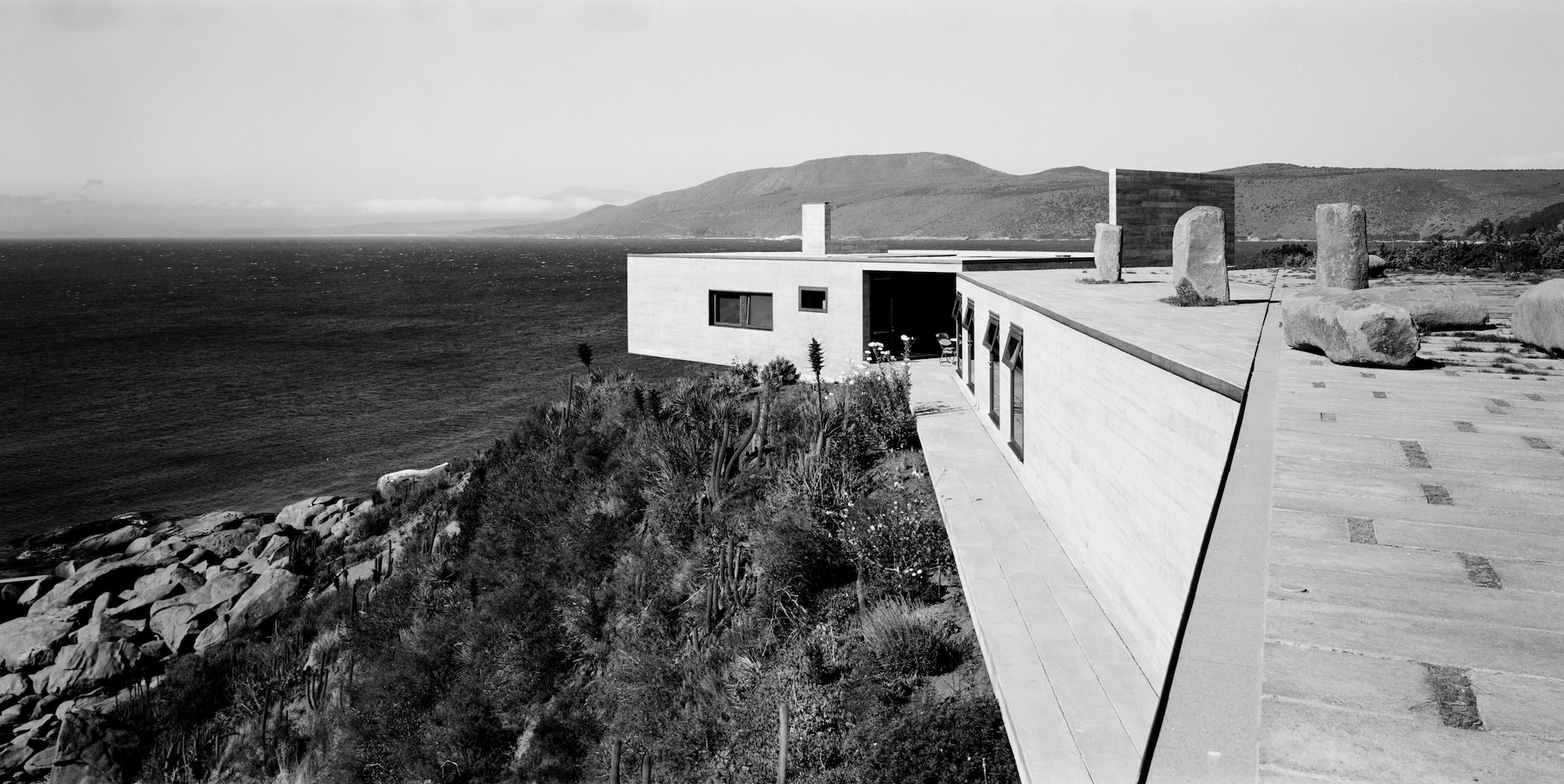
Pite House (2005), Papudo, Chile. Photo © Cristobal Palma
The Pritzker Architecture Prize, considered architecture’s highest honor, is awarded in recognition of exceptional talent, vision, and commitment that, over time, have given rise to profound and enduring contributions to humanity and the built environment. “For reminding us that architecture is an art,” is, notably, first among the many reasons the jury cited for selecting Smiljan Radić as this year’s Pritzker laureate.
Looking for a reprint of this article?
From high-res PDFs to custom plaques, order your copy today!