Design Vanguard 2026: Santiago Valdivieso
Santiago, Chile
Architects & Firms
Santiago Valdivieso does not come from a family of architects. This was not true of his first client, a lawyer intent on building a weekend retreat. “He really wanted to buy something prefabricated, I think to avoid any obligation of hiring a relative,” Valdivieso says with a laugh. The eager young architect was only commissioned to design an outdoor patio space, but he drew up plans for a house anyway—and sold his client on the idea too.
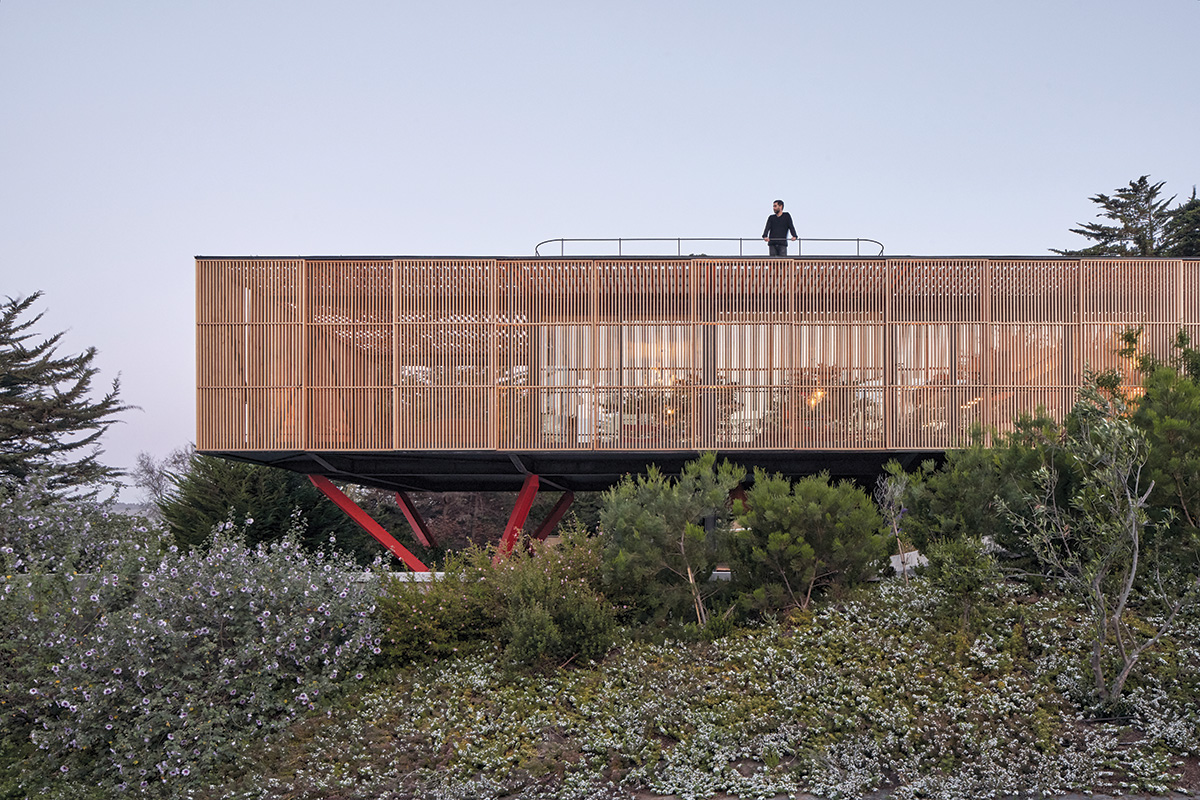
The lawyer had sought a refuge, a place to focus and write in solitude. But the views from the half-acre plot on Punta Pite, a craggy peninsula on the Chilean coast, could be distractingly beautiful. Valdivieso thus proposed wrapping the house—a simple glazed volume, held up on one end by a cherry-red steel armature—with retractable rauli wood lattices. The shape-shifting Engawa House (2019) offers both isolation from, and immersion in, its dramatic surroundings.
Engawa House
North of the popular seaside town of Zapallar, Chile, this weekend retreat designed with Stefano Rolla is wrapped by sliding wood screens that can encourage deep concentration. Photo © Cristobal Palma
Before setting out on his own, Valdivieso cut his teeth in the office of Max Núñez (a 2017 Design Vanguard). The solo practitioner, now 39, attributes the many stacks of books strewn about his studio to Núñez, who instilled in him an intellectual rigor not taught in school. “Books were always arriving and the worktables were always covered by them—it was an integral part of the process,” he says. Valdivieso also draws obsessively, and contemplatively, carefully moving from one project to the next with intense focus, leaning on collaborators only when necessary.
However, when the designer relocated to Barcelona for a few years to attend graduate school and take a break from the hustle of early work, his thinking began to change. “This is when the limits of architecture as a closed discipline became evident to me,” he recalls, a revelation made while pursuing a master’s in landscape architecture. Rather than abandon the profession in which he started, he instead used the training to recalibrate his approach to building. Valdivieso now begins every project with a site-oriented concept that then drives architectural form-making and technique.
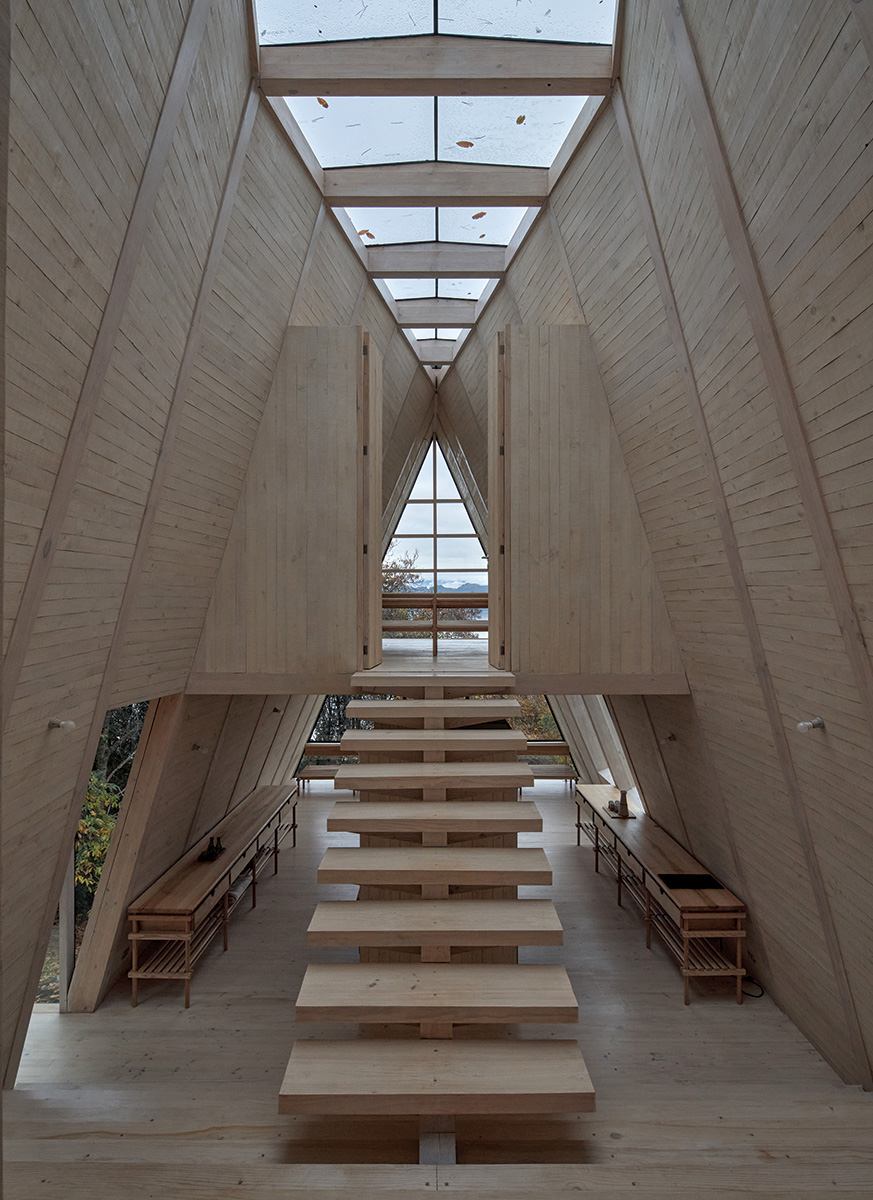
House A on a Slope
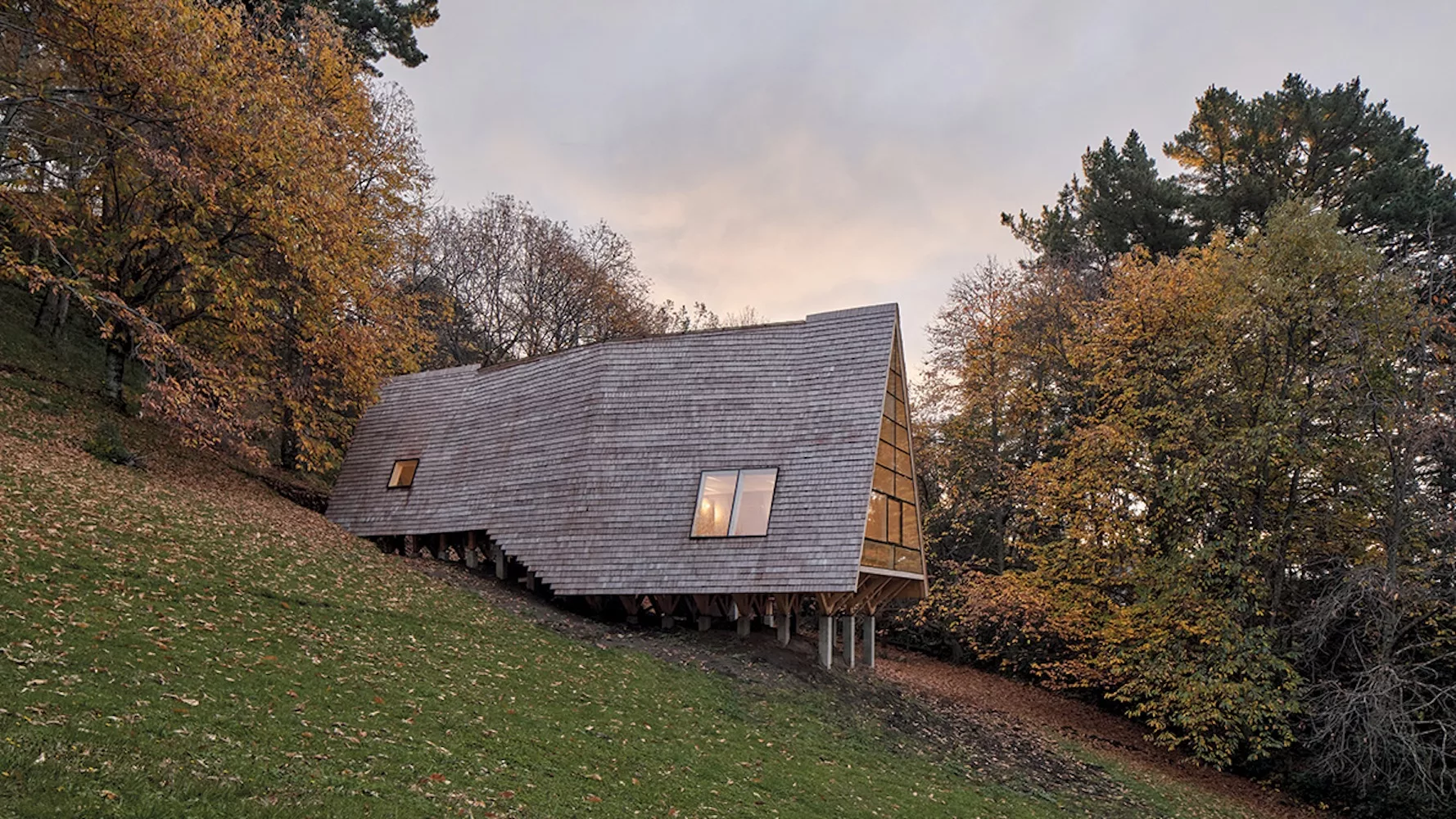
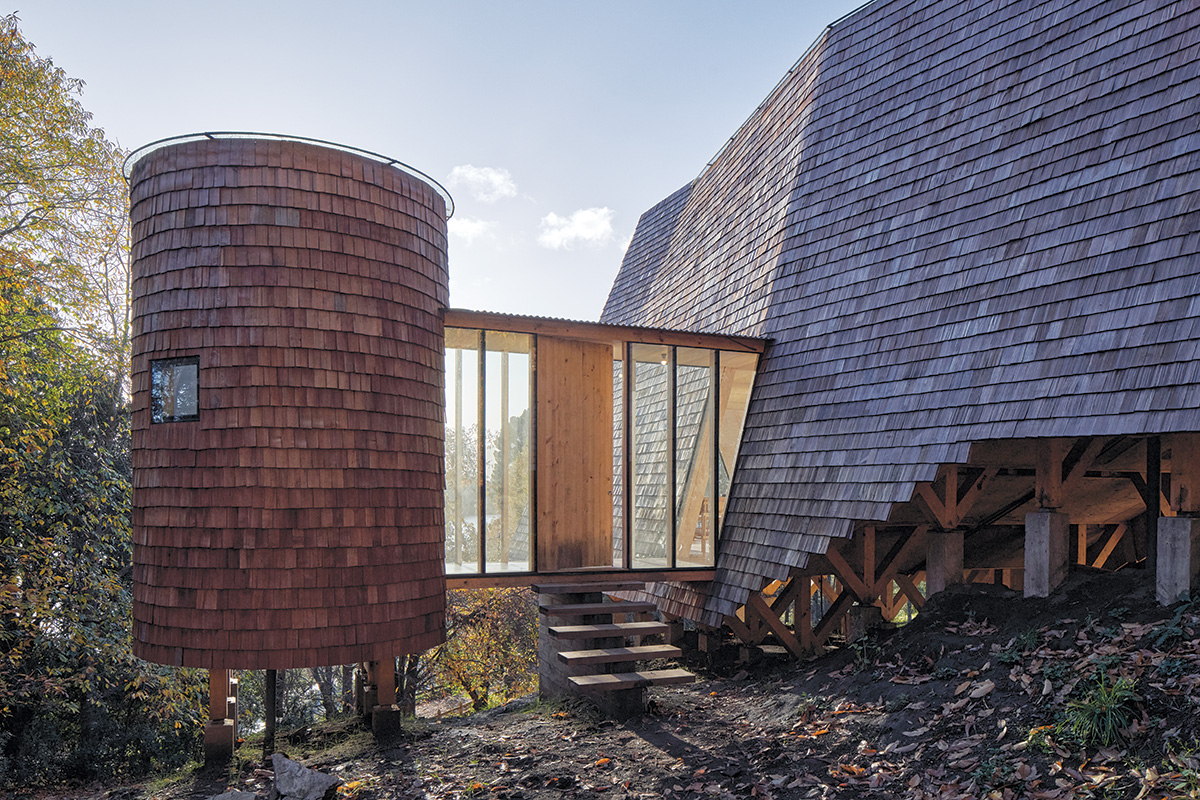
With this project, Valdivieso subtly manipulates a classic A-frame, creating deflections and facets that adapt to the terrain beneath it. A dramatic rhomboidal skylight splits the roof’s eave, opening it to the sky, and shingles of Patagonian cypress wrap the many different geometries, including a cylindrical bathroom. Photos © Cristobal Palma
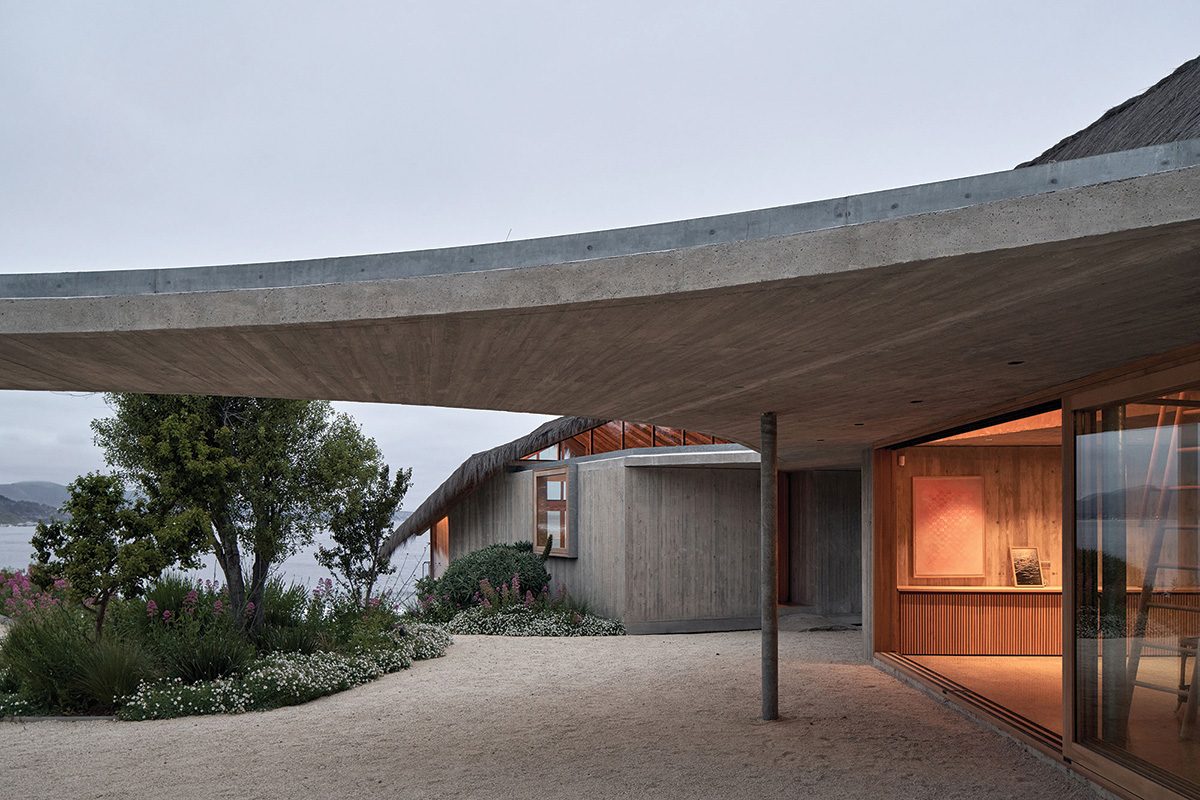
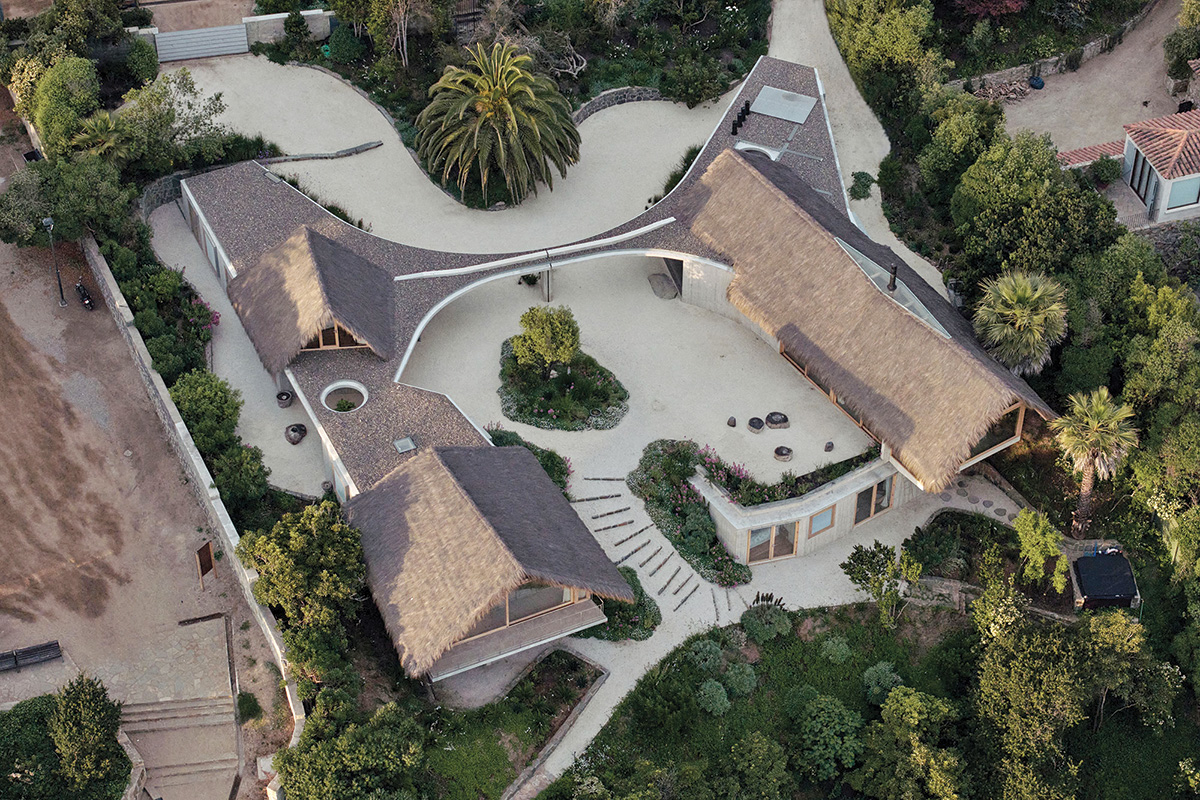
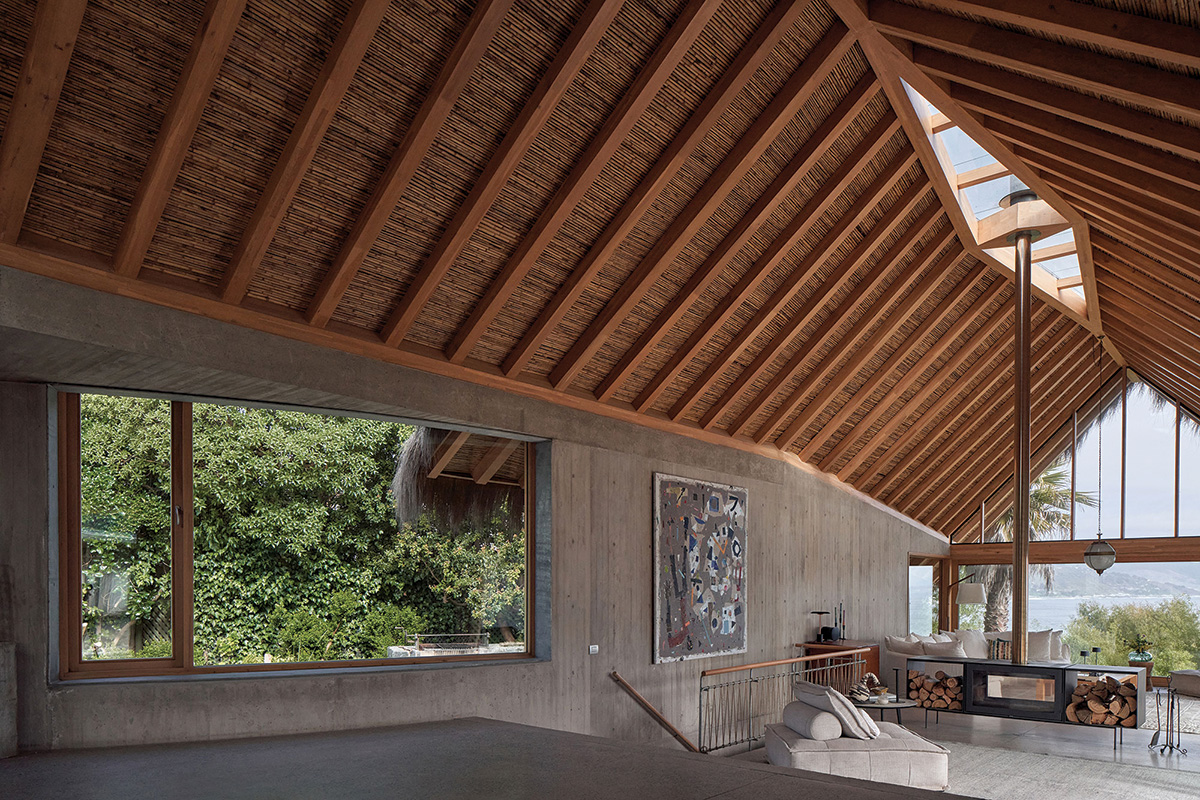
For example, back in his native Chile, in the coastal village of Cachagua, rather than design Pal House (2024) to be a single volume oriented toward the ocean, as he did with his first commission, he broke it up into three smaller masses. Together, they shape a loose courtyard, which Valdivieso visually reinforces with a curvilinear canopy overhead. Doubly curved roofs capping various living spaces are thatched with malleable coirón grass, a technique borrowed from local traditions.
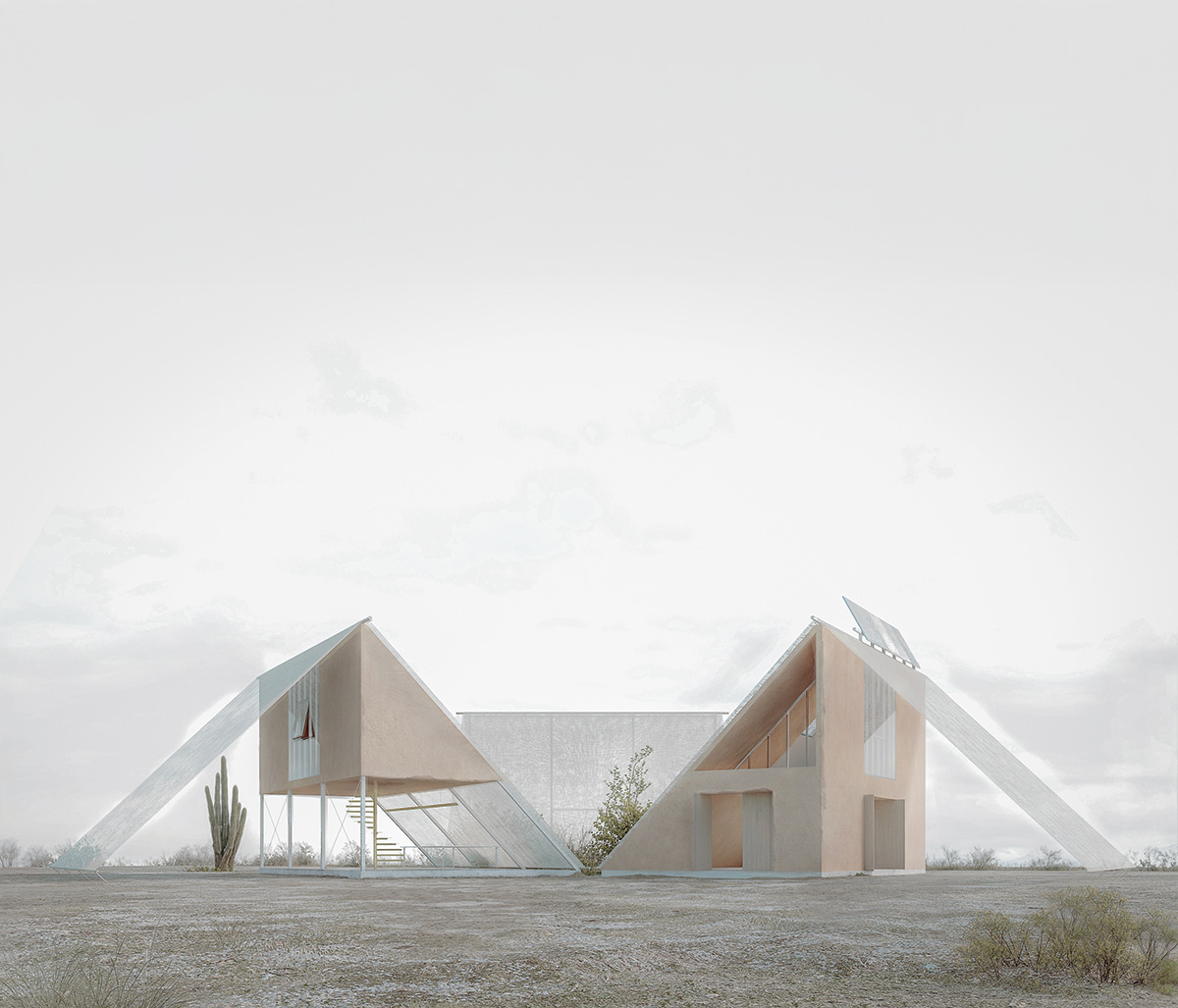
Wayaka Center
Drawing inspiration from pitched tents, this center will accommodate artist residencies in the Chilean town of Tongoy. Beneath diaphanous roof structures, the main enclosures are built using quincha, a traditional earthen construction technique widely seen in rural areas. Image © Santiago Valdivieso
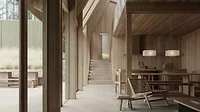
At the Echo House (2025), perched high on a cliff, the architect hides the vast horizon behind a sunken, barrel-vaulted hall. Residents approach by descending a sloped garden flanked by bedroom wings, while the ocean in the distance gradually comes into view through the building. “I tend to think of the Chilean landscape not through the frame of abundance, but of constraint,” he says, lending his work a meticulousness.
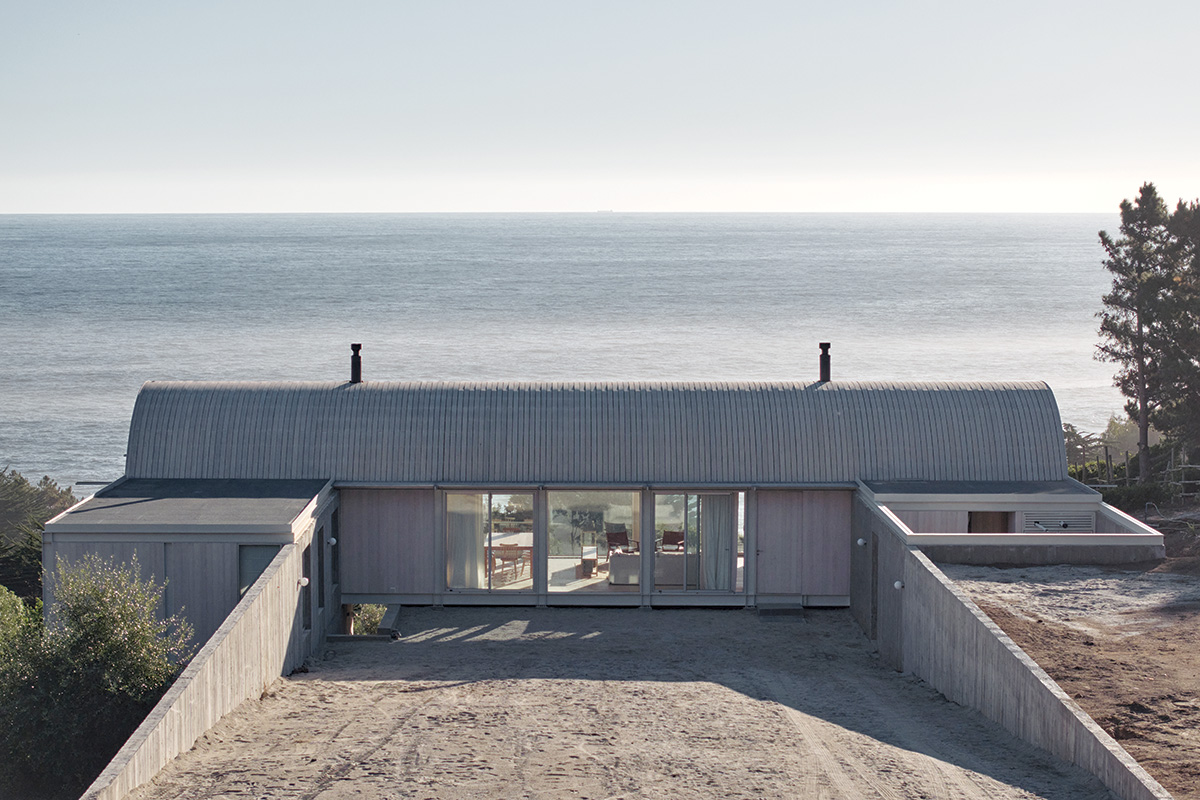
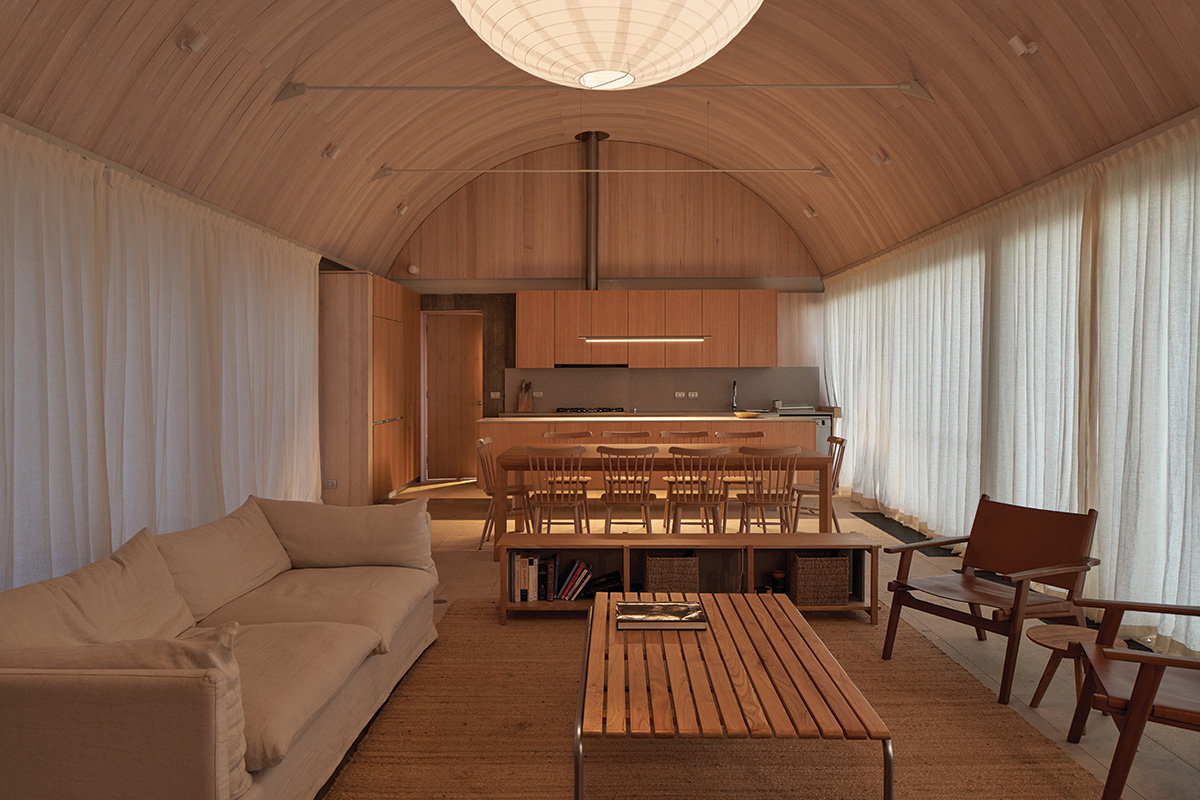
Echo House
Residents approach a wood-lined, barrel-vaulted hall, set parallel to Chile’s coastline, via an inclined plane flanked by two bedroom wings. The move hides the horizon, until one descends the terrain, where it then comes into view through glazed walls. Photo © Cristobal Palma
He is now embarking on infrastructure-scale projects, such as his competition-winning observation decks along the scenic Carretera Austral (now under construction) and a visitor center at El Puquén nature preserve. In Chile’s arid north, Valdivieso is also developing the Wayaka Center for Artist Residencies, using prefabricated assemblies and ground screws, with complete disassembly in mind for the future.
Valdivieso may not come from a family of architects, but he certainly belongs to an impressive lineage of Chilean practitioners operating at the forefront of the profession. “Enjoying architecture while also being involved in every detail requires a lot of commitment and time,” he says. “You have to put your entirety into a project.” And, for the time being, that’s exactly how he wants to practice.
Pal House
For this project, Valdivieso broke the program up into different volumes to shape an outdoor space, which is visually reinforced with a curving plane overhead. Roofs are thatched with grasses, while interior ceilings are lined with colihue, or Chilean bamboo. Photos © Cristobal Palma
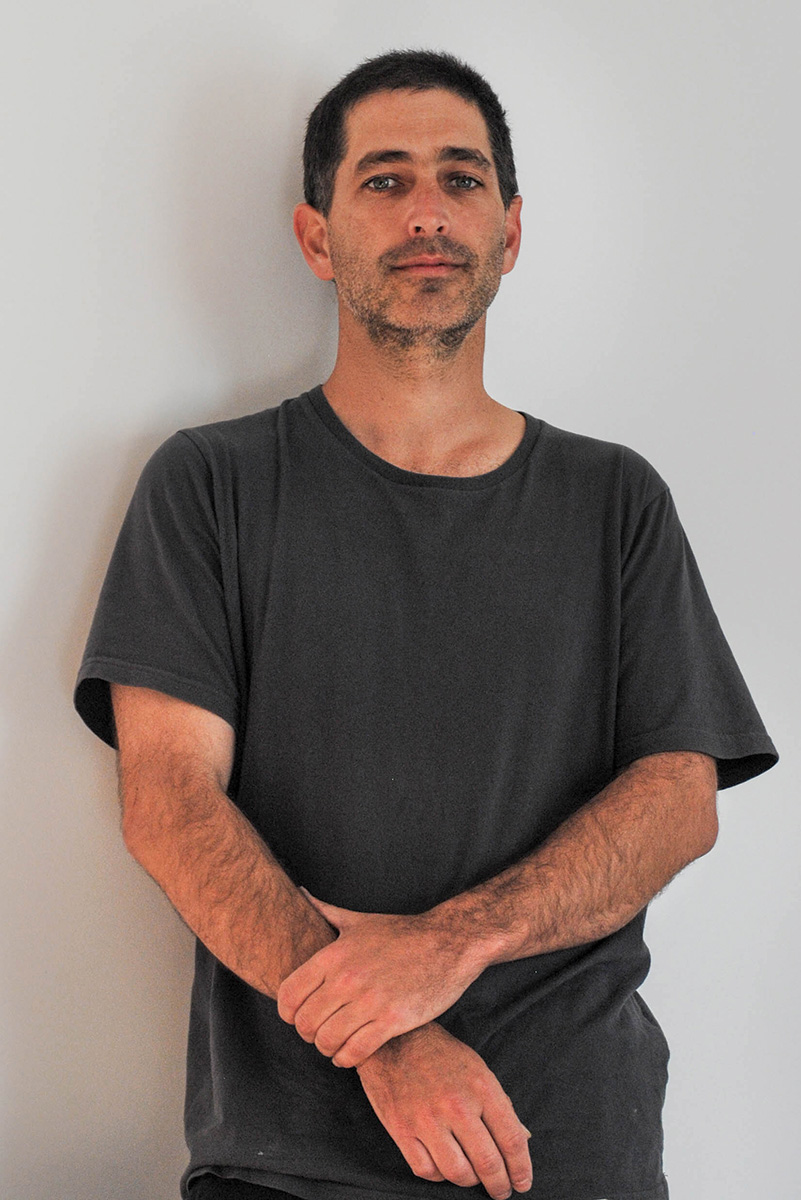
Santiago Valdivieso. Photo © Asunción Mena
PRINCIPAL: Santiago Valdivieso
EDUCATION:
Universidad Politécnica de Cataluña, MLA, 2018; Pontificia Universidad Católica de Chile, B.S. in architecture, 2011
WORK HISTORY:
Max Núñez Arquitectos, 2011–13
LOCATION:
Santiago, Chile
FOUNDED:
2016
DESIGN STAFF:
1
UPCOMING PROJECTS:
Sal House, Salinas; Lightweight Infrastructure for El Puquén nature preserve, Los Molles; Wayaka Center for Artistic Residencies, Tongoy; Nine Lookouts and Observation Parks, Patagonia; Conguillío National Park Infrastructure (all in Chile)
Looking for quick answers on architecture and design topics?
Try Ask RECORD, our new smart AI search tool.
Ask RECORD →
Looking for a reprint of this article?
From high-res PDFs to custom plaques, order your copy today!