At Cosentino’s Factory in Spain, Macael Marble Gives Way to Engineered Stone
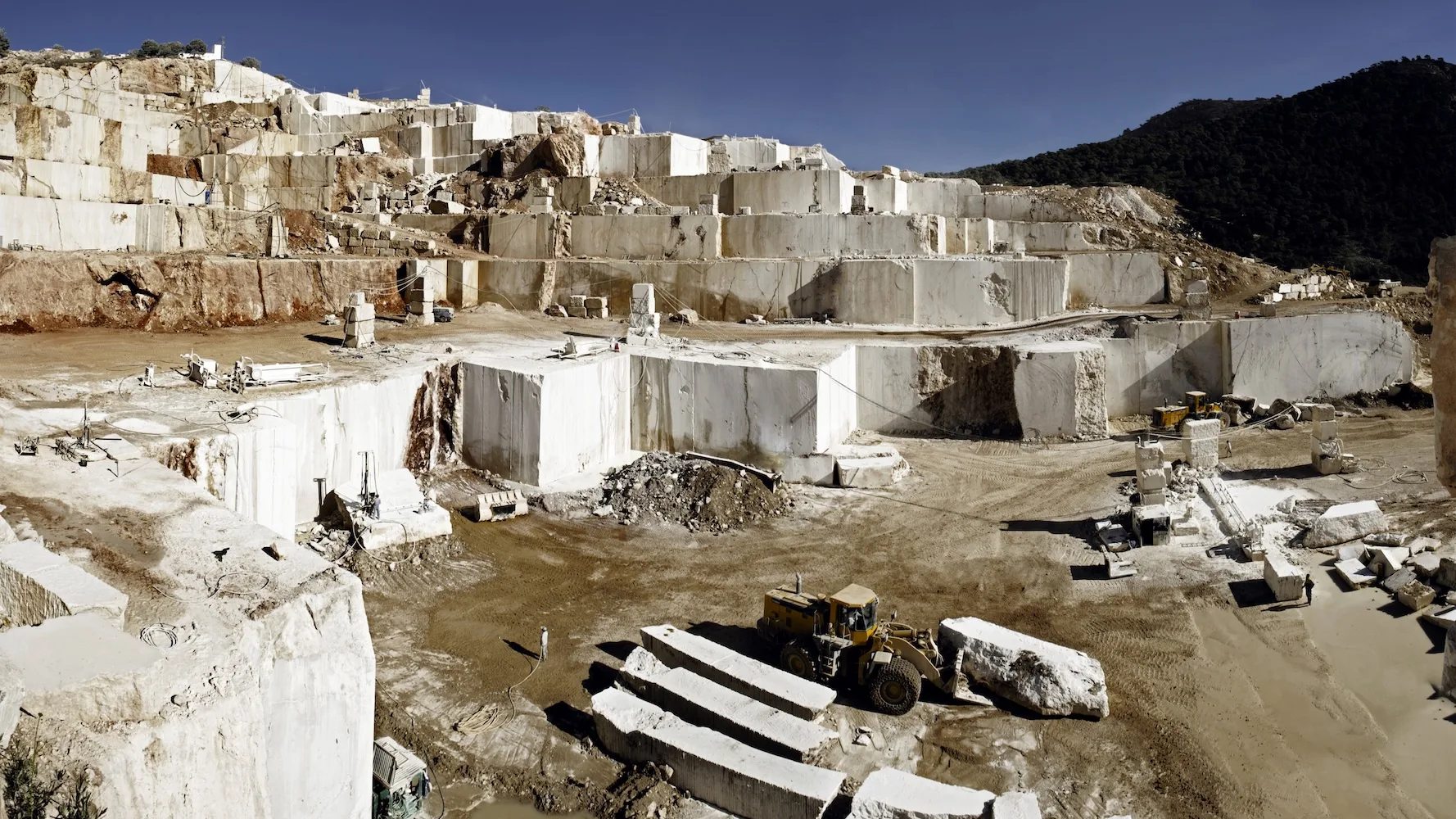
When Eduarda Justo and Eduardo Martínez Cosentino founded their family business in 1945, the work was difficult and dirty, processing stone that had been quarried out of the dusty hillsides of Macael, Spain. According to archaeologists, people have been mining in the Almanzora Valley, in the Almería region, for nearly 5,000 years, and its white marble can be found in historic sites throughout the Mediterranean—including, perhaps most notably, paving the Court of the Lions at the Alhambra, a UNESCO World Heritage Site. Since the turn of the millennium, however, marble manufacturing in Macael has declined by nearly 50 percent, according to representatives for Cosentino. But for the now-global architectural surfaces manufacturer, that’s not bad news.
Cosentino started as a stone quarrier and processor. Photo © Cosentino
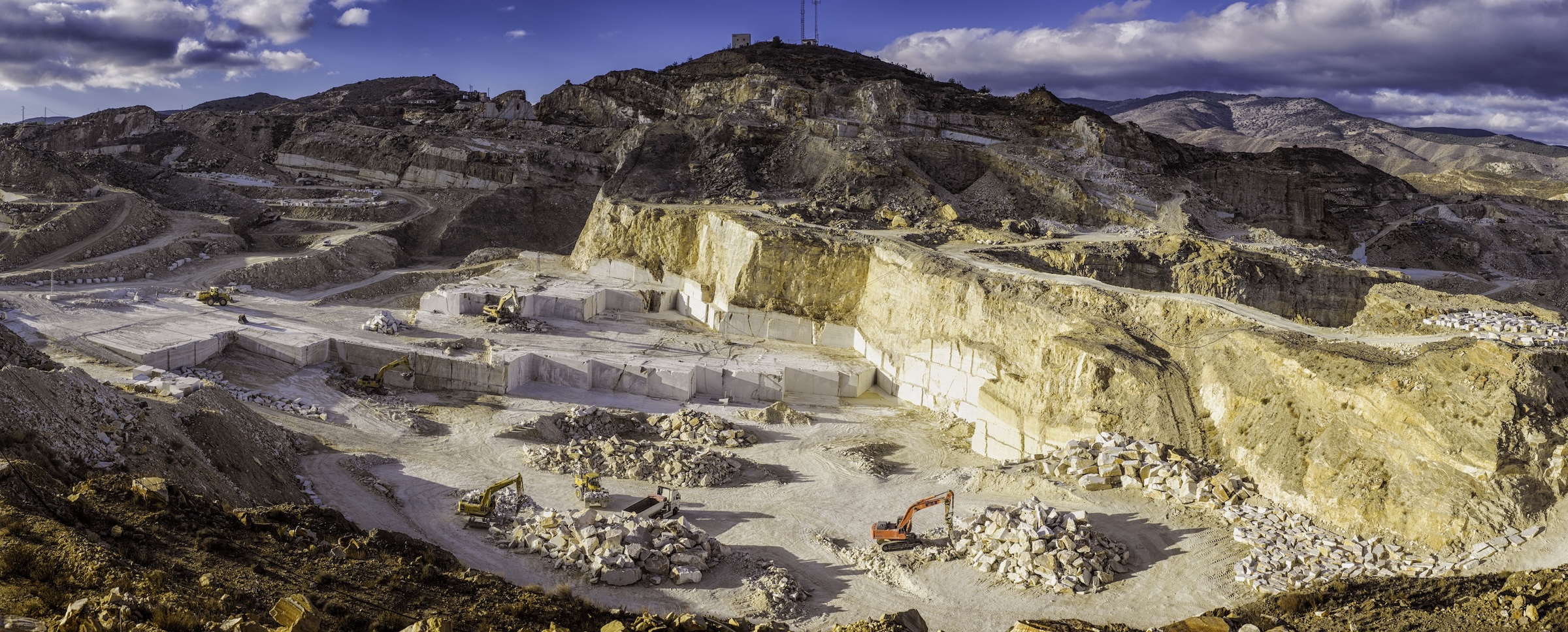
The quarry, like others in the Almanzora Valley, is known for its white marble. Photo © Patrick Templeton
Even for those who’ve never set foot in southern Spain, the scrubby sun-kissed landscape will look familiar. The 1966 movie The Good, the Bad and the Ugly, among other spaghetti Westerns, was shot nearby. Visiting the Macael quarry, one can almost hear the film’s iconic whistle over the din and clanking of excavators, loaders, and other earthmovers. But a trip to the Cosentino processing facilities today, on the other hand, reminds one more of Star Wars. In the nearly 43-million-square-foot Cosentino Industrial Park—where the few human workers ride bicycles to get from one end of a building to the other—a fleet of autonomous vehicles, researched and developed in-house, silently carry payloads of slabs stacked more than 10 feet high and weighing tens of thousands of pounds. Thanks to sensors, a towering vehicle comes to a gentle stop just inches away from an oblivious visitor, and politely beeps, waiting to continue on its preprogrammed path.
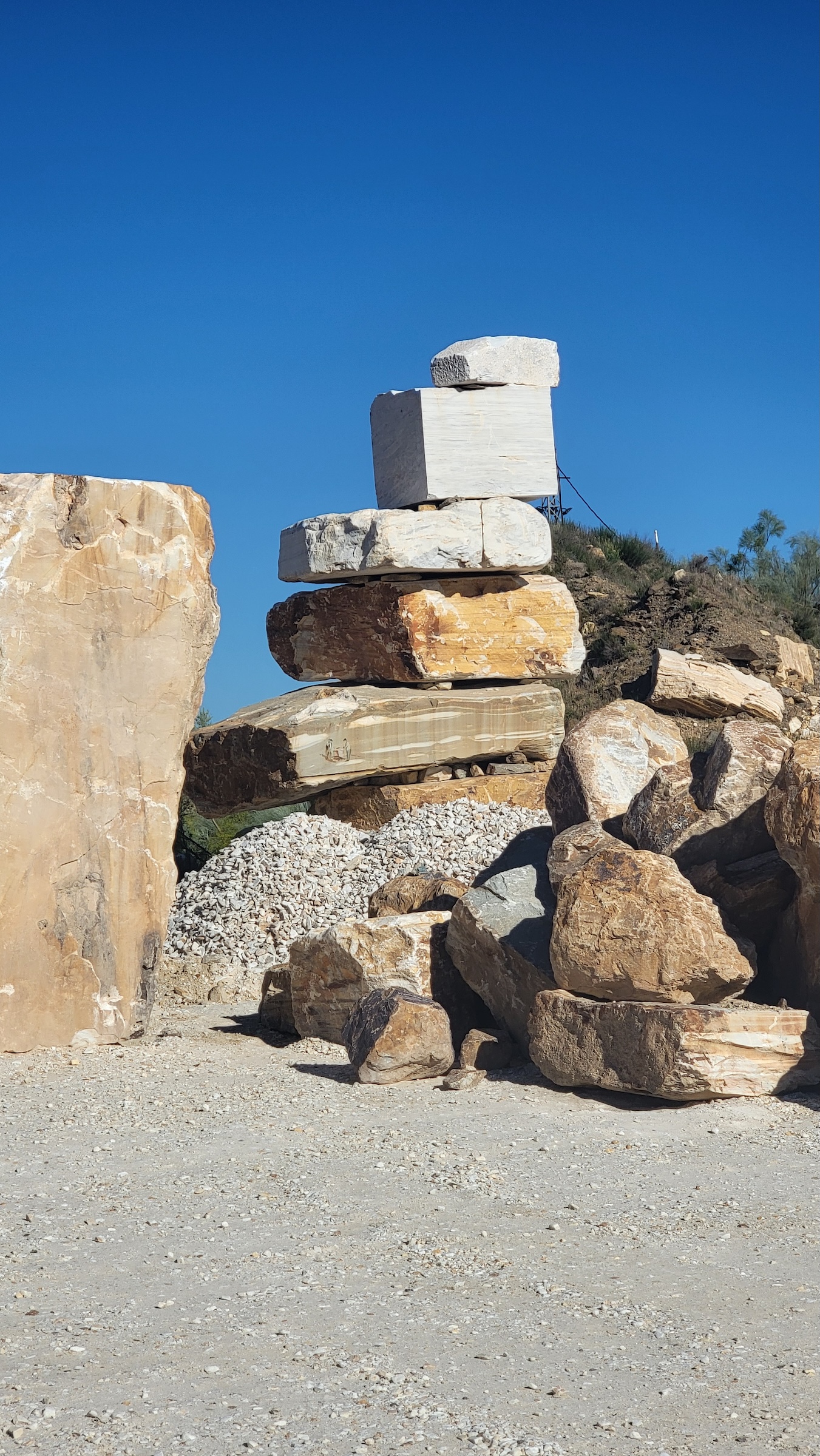
These robots are not moving local marble. According to Santiago Alfonso Rodríguez, vice president of strategic communications, Macael marble accounts for no more than two percent of Cosentino’s sales. Of that small amount, roughly 60 percent goes to decorative architectural elements such as ornamental columns, balustrades, and fireplace mantels, with about 30 percent going to what were once its traditional applications such as countertops, wall cladding, and flooring. The rest, which represents a growing share of Cosentino’s marble sales, goes to unconventional markets, namely third-party manufacturers who use powdered white marble in paper alternatives, toothpastes, and even shoes.
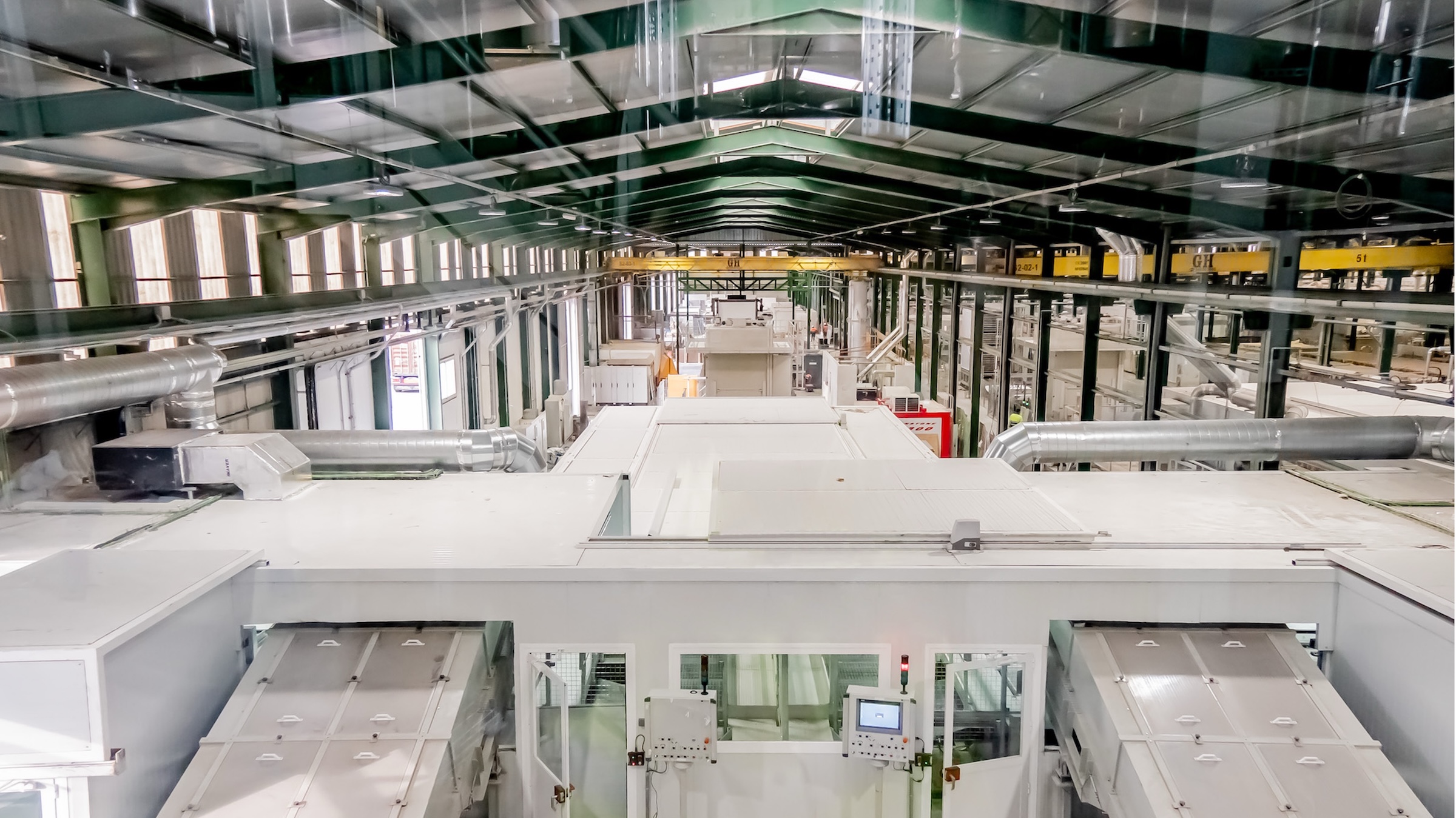
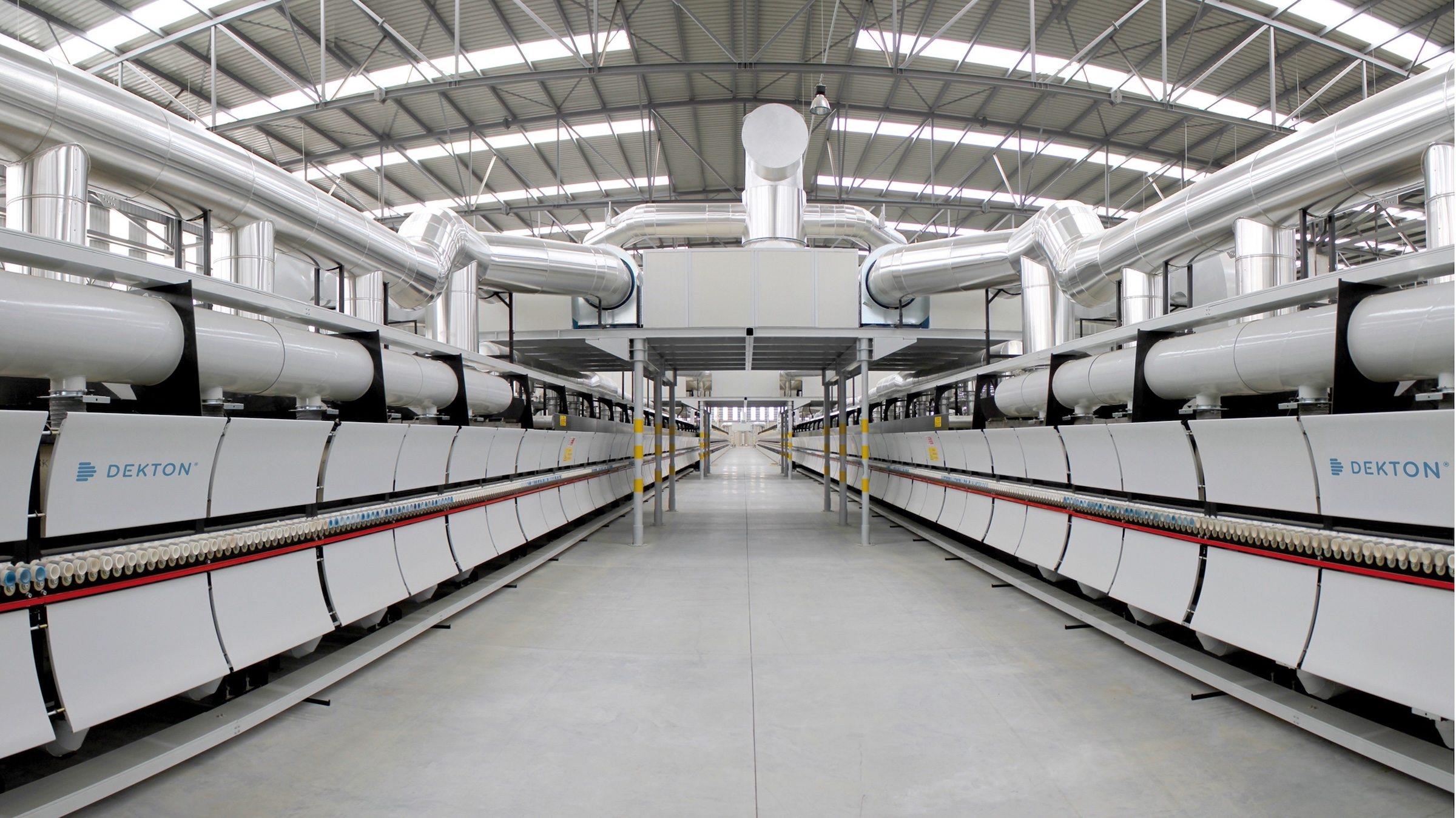
Cosentino's 43-million-square-foot industrial park is largely automated. Photos © Cosentino
The company’s sales now consist almost entirely of its engineered-stone products Silestone and Dekton. In 2025, Cosentino also launched a highly durable 3D-layered surface, consisting of 88 percent recycled material, called Éclos. While Cosentino keeps somewhere between 500 and 600 blocks of Macael marble in stock, these engineered-stone products make up the bulk of the 300,000 slabs stored in its automated warehouse.
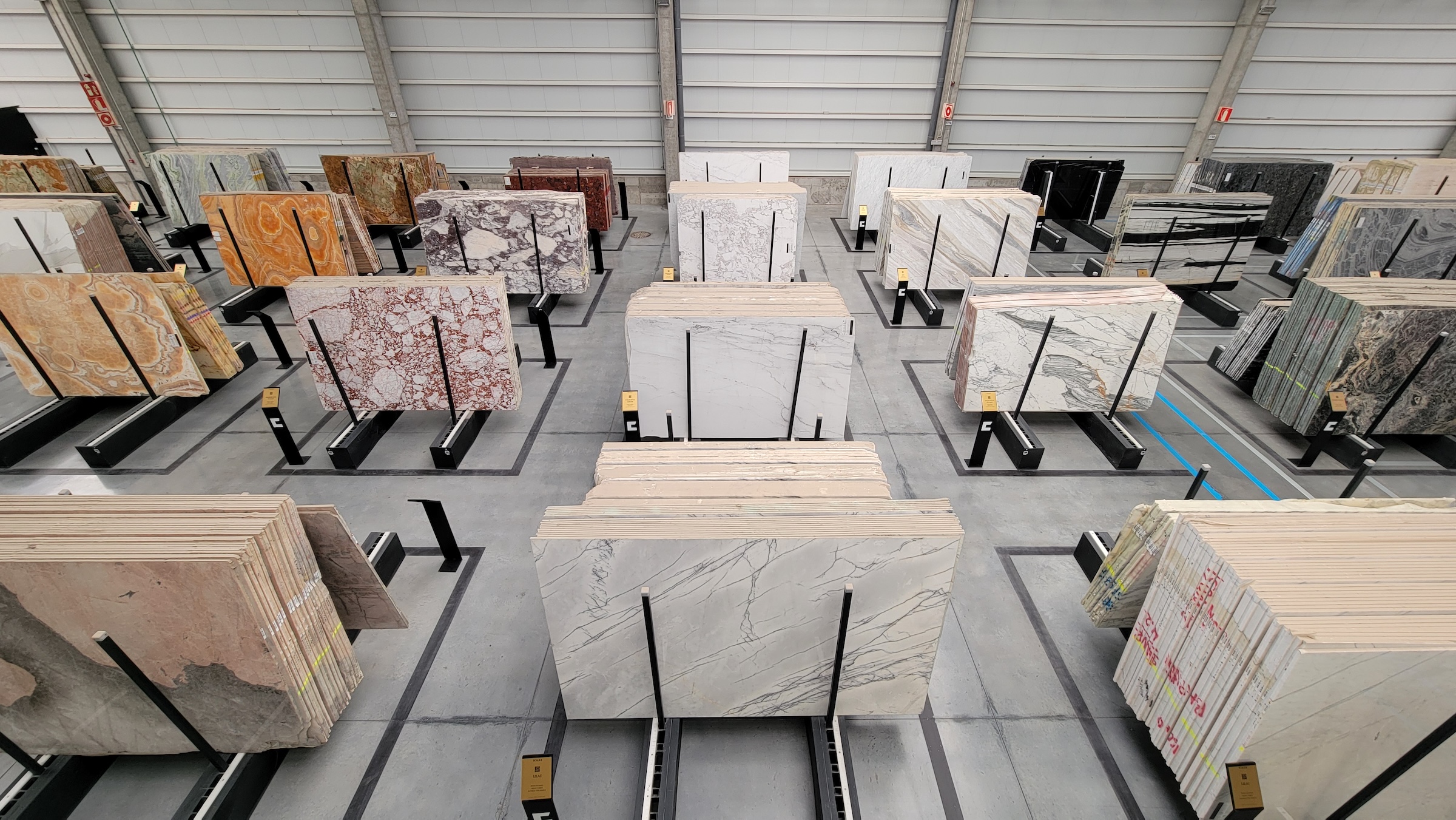
Hundreds of thousands of slabs are stored in Cosentino's warehouse. Photo by Patrick Templeton, Architectural Record
Cosentino launched Silestone, its flagship quartz and resin countertops, in 1990. Today, the industrial park has two factories dedicated to producing Dekton, the ultracompact porcelain product launched in 2013 that is highly resistant to abrasion, UV rays, water, and thermal shock, making it well-suited for both indoor and outdoor applications. Because of its versatility, Cosentino is experimenting with ventilated Dekton facade systems as well as preassembled and fully outfitted Dekton-lined bathrooms that are meant to be plugged into designs for hotels, dormitories, or large residential blocks.
“In reality, the quarry is now mostly sentimental,” says Alfonso Rodríguez. “There’s no business reason for it, but it’s the origin of Cosentino.” While daily operations at the Macael quarry are sputtering, it seems unlikely to close completely, and the company is continuing to expand its production of engineered-stone products. Because North America represents 56 percent of its global business, Cosentino is completing a $500 million factory in Jacksonville, Florida, which is expected to open by the end of 2028 and will employ approximately 180 American workers.
Looking for quick answers on architecture and design topics?
Try Ask RECORD, our new smart AI search tool.
Ask RECORD →
Looking for a reprint of this article?
From high-res PDFs to custom plaques, order your copy today!