Architectural Record
search
cart
facebook twitter linkedin youtube
  • Sign In
  • Subscribe
  • Sign Out
  • My Account
Architectural Record
  • NEWS
    • Latest News
    • Awards
    • Interviews
    • Obituaries
    • Podcasts
      • Design:Ed Podcast
      • Sponsored Podcasts
  • OPINION
    • Book Reviews / Excerpts
    • Exhibition Reviews
    • Forum
  • EXCLUSIVES
    • Videos
    • Design Vanguard
    • Top 300 Firms
    • Sponsored Content
    • Sponsored eBooks
    • From the Archives
  • CONTINUING ED
    • Editorial Continuing Ed
    • CE Center
    • CE Academies
  • PROJECTS
    • Buildings By Type
    • Reuse & Renovation
    • Museums & Arts Centers
    • Colleges & Universities
    • Multifamily Housing
    • Interiors
    • Lighting
    • Kitchen & Bath
  • HOUSES
    • Record Houses
    • House of the Month
    • Featured Houses
  • PRODUCTS
    • Products by Category
    • Record Products of the Year
    • Latest Products
  • EVENTS
    • Dates & Events
    • Record on the Road
    • Innovation Conference
    • Sustainability in Practice
    • Women In Architecture
    • Webinars
    • Ad Excellence Awards
    • Submit an Event
  • CONNECT
    • Ask RECORD AI
    • Newsletters
    • Contact
    • Advertise
    • Editorial Calendar
    • Store
    • Customer Service
  • SUBMIT
    • Submission Guidelines
    • RECORD Competitions
  • MAGAZINE
    • Subscribe
    • My Account
    • Digital Edition
    • Current Issue
    • Firm Pass
    • Historic Archive
Architecture NewsInterviews

Newsmaker: Charles Jencks
By David Hill
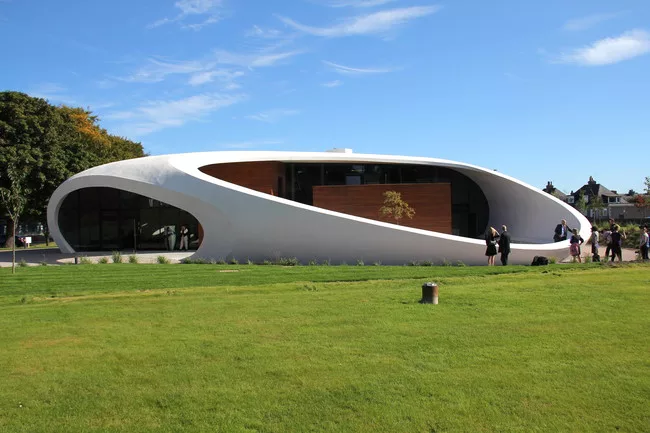
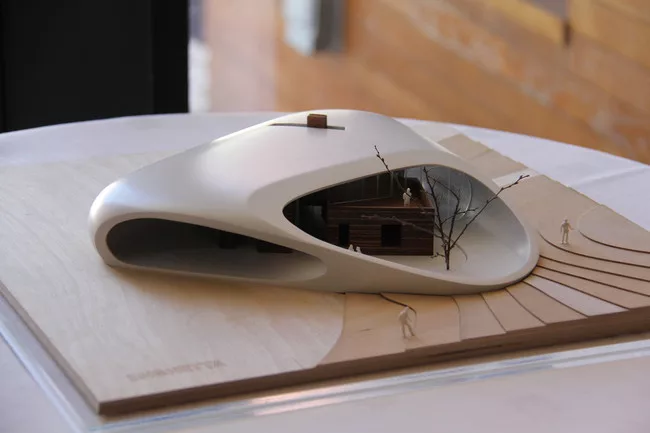
A Maggie's Centre, designed by Snøhetta, opened in Aberdeen, Scotland, on September 23.
Newsmaker: Charles Jencks
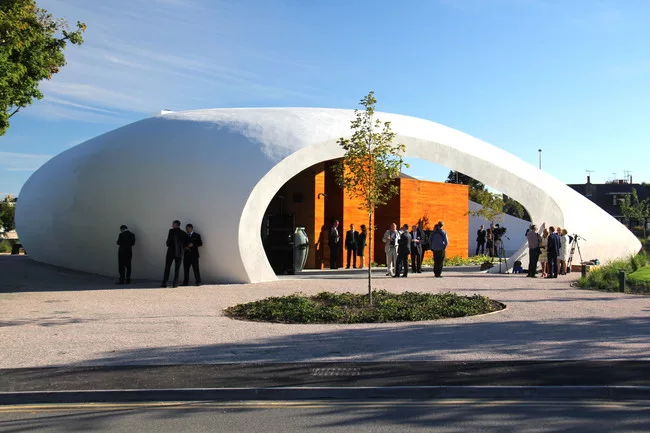
A Maggie's Centre, designed by Snøhetta, opened in Aberdeen, Scotland, on September 23.
Photo © Charles Jencks
A Maggie's Centre, designed by Snøhetta, opened in Aberdeen, Scotland, on September 23.
Newsmaker: Charles Jencks
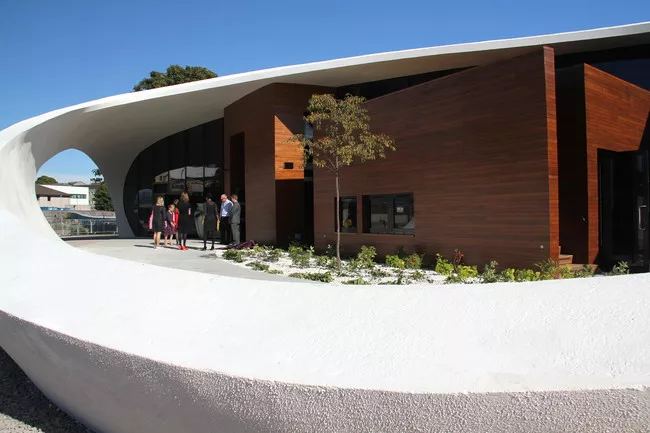
A Maggie's Centre, designed by Snøhetta, opened in Aberdeen, Scotland, on September 23.
Photo © Charles Jencks
A Maggie's Centre, designed by Snøhetta, opened in Aberdeen, Scotland, on September 23.
Newsmaker: Charles Jencks
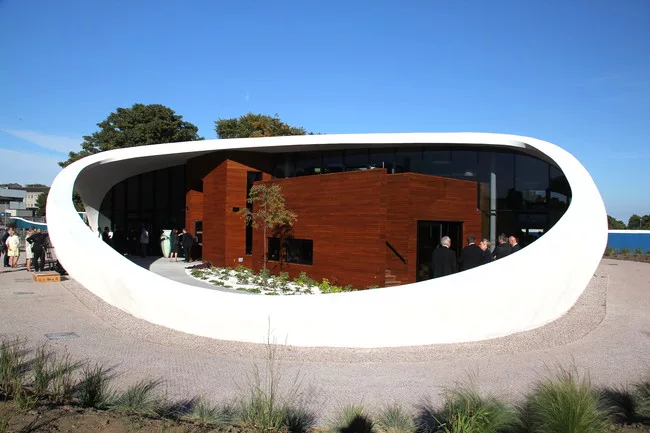
A Maggie's Centre, designed by Snøhetta, opened in Aberdeen, Scotland, on September 23.
Photo © Charles Jencks
A Maggie's Centre, designed by Snøhetta, opened in Aberdeen, Scotland, on September 23.
Newsmaker: Charles Jencks
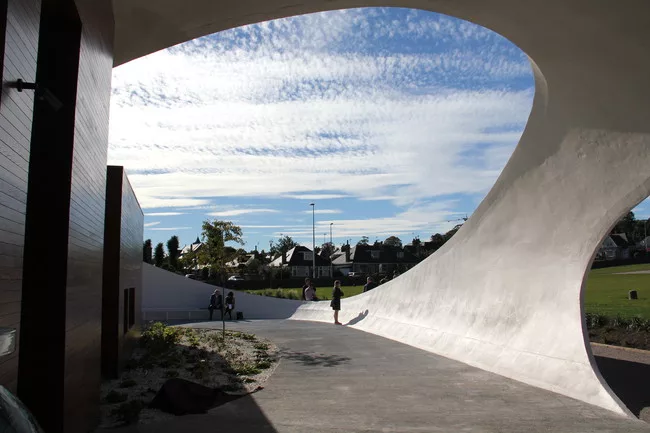
A Maggie's Centre, designed by Snøhetta, opened in Aberdeen, Scotland, on September 23.
Photo © Charles Jencks
A Maggie's Centre, designed by Snøhetta, opened in Aberdeen, Scotland, on September 23.
Newsmaker: Charles Jencks
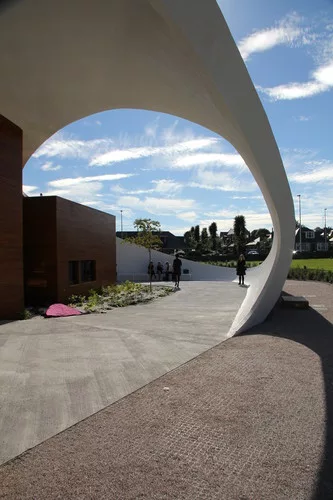
A Maggie's Centre, designed by Snøhetta, opened in Aberdeen, Scotland, on September 23.
Photo © Charles Jencks
A Maggie's Centre, designed by Snøhetta, opened in Aberdeen, Scotland, on September 23.
Newsmaker: Charles Jencks
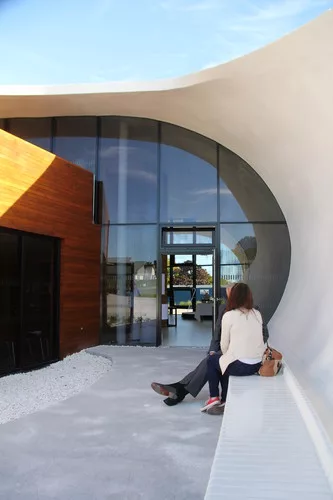
A Maggie's Centre, designed by Snøhetta, opened in Aberdeen, Scotland, on September 23.
Photo © Charles Jencks
A Maggie's Centre, designed by Snøhetta, opened in Aberdeen, Scotland, on September 23.
Newsmaker: Charles Jencks
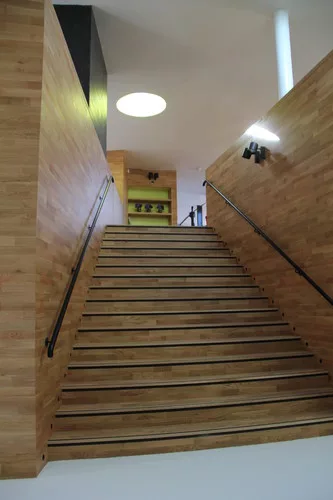
A Maggie's Centre, designed by Snøhetta, opened in Aberdeen, Scotland, on September 23.
Photo © Charles Jencks
A Maggie's Centre, designed by Snøhetta, opened in Aberdeen, Scotland, on September 23.
Newsmaker: Charles Jencks
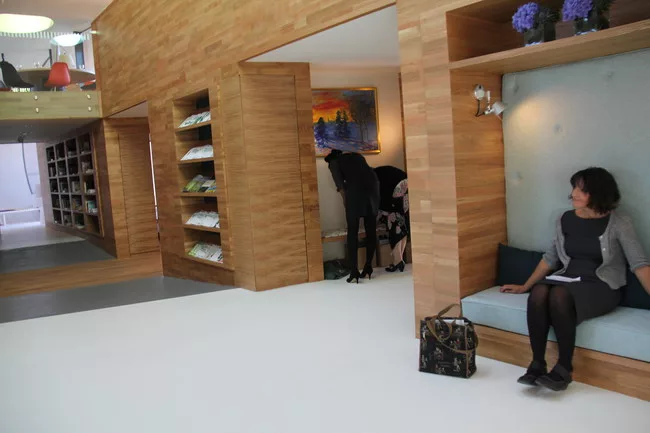
A Maggie's Centre, designed by Snøhetta, opened in Aberdeen, Scotland, on September 23.
Photo © Charles Jencks
A Maggie's Centre, designed by Snøhetta, opened in Aberdeen, Scotland, on September 23.
Newsmaker: Charles Jencks
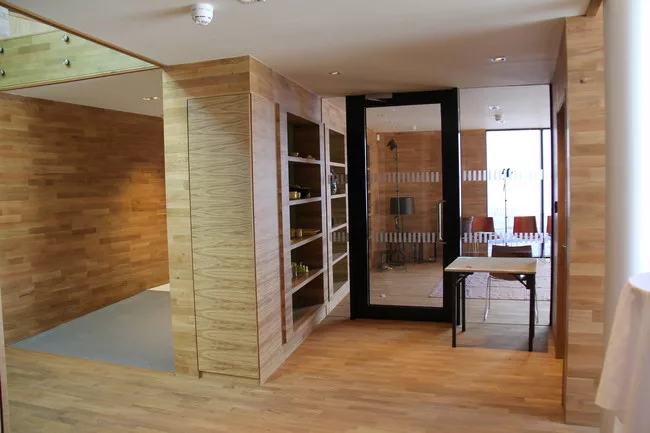
A Maggie's Centre, designed by Snøhetta, opened in Aberdeen, Scotland, on September 23.
Photo © Charles Jencks
A Maggie's Centre, designed by Snøhetta, opened in Aberdeen, Scotland, on September 23.
Newsmaker: Charles Jencks
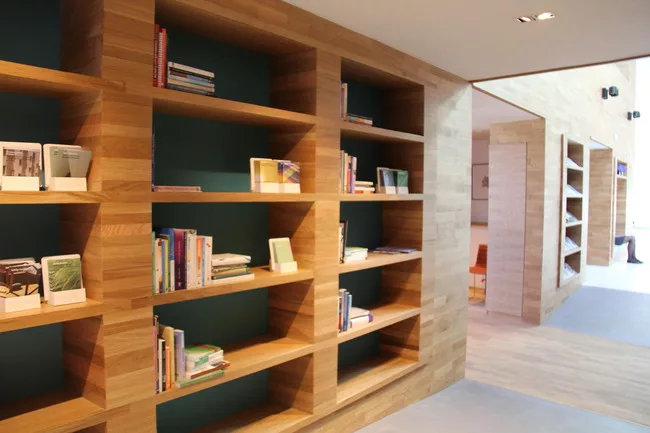
A Maggie's Centre, designed by Snøhetta, opened in Aberdeen, Scotland, on September 23.
Photo © Charles Jencks
A Maggie's Centre, designed by Snøhetta, opened in Aberdeen, Scotland, on September 23.
Newsmaker: Charles Jencks
A Maggie's Centre, designed by Snøhetta, opened in Aberdeen, Scotland, on September 23.
Photo © Charles Jencks
A Maggie's Centre, designed by Snøhetta, opened in Aberdeen, Scotland, on September 23.
Newsmaker: Charles Jencks
A Maggie's Centre, designed by Snøhetta, opened in Aberdeen, Scotland, on September 23.
Photo © Charles Jencks
A Maggie's Centre, designed by Snøhetta, opened in Aberdeen, Scotland, on September 23.
October 4, 2013

A Maggie's Centre, designed by Snøhetta, opened in Aberdeen, Scotland, on September 23.

Architecture can’t cure cancer, but good design has the power to heal. That’s the philosophy behind Maggie’s Cancer Caring Centres, a network of drop-in facilities in Great Britain. The centers—17 and growing—are named for writer and landscape architect Maggie Keswick Jencks, who died of breast cancer in 1995. Married to the influential American architecture critic and landscape architect Charles Jencks, Maggie spent the last two years of her life conceiving a warm, inviting place where cancer patients could spend time learning how to cope with their disease and meeting with friends and family members. The first Maggie’s Centre opened in 1996 in Edinburgh, Scotland, on the grounds of Western General Hospital, where Maggie received treatment. Designed by Richard Murphy Architects, it was built (and later expanded) from a converted stable. Homey, light-filled, and colorful, the center is a deliberate contrast to the hospital, which, like most National Health Service buildings, is institutional and impersonal.

Since then, some of the world’s best-known architects—including Frank Gehry, Zaha Hadid, Richard Rogers, and Rem Koolhaas—have designed more Maggie’s Centres. The latest, by the Oslo-based firm Snøhetta, opened in Aberdeen, Scotland, on September 23. “It looks kind of like an egg that’s cracking open,” says Charles Jencks, who co-founded Maggie’s Centres with his late wife and continues to serve as a board member. “In the center of the egg is a wooden element, like a geode.” Jencks spoke with Record by phone from his home in London.

How do you like the new center in Aberdeen?

I think it works very well. In a few years, it will nestle into the grounds and the landscape that the architects have designed, and it will seem less like a brash piece of sculptural late modernism. There’s a nice contrast between the building’s interior and exterior. It has this wonderful mixture of contrasts and moods. The geode that breaks out of the egg—this wooden, small-scale furniture, or you could say “furni-tecture”—is made out of dark wood. So, immediately it sets up a dialogue between two different scales and two different types of buildings. One, which is open and organic in shape, and white, and the other one, which is small and intimate and dark and friendly to touch.

Maggie’s Centres are all different architecturally. Why is that important?

We thought at one point that we might franchise Maggie’s and have every building be the same, like McDonald's. But we decided against that very early on. An important question for us is how we relate to the local hospital and the local people, because we have to raise all the money to build the center. And in that, architecture plays an extremely important role.

What do the centers have in common?

There’s an open door policy, so anyone can come to a center at anytime. They all have small little inglenooks, and places to read books. There are areas to have intimate conversations. Patients can have a one-on-one meeting with a psychologist, or with someone who can tell you how to get a loan from the state, which is always a problem if you have cancer, or maybe someone who can talk about how to get a wig if you’ve lost your hair from chemotherapy. And there are semi-open spaces for exercise and group meetings. And a kitchen, where everybody makes tea. So every Maggie’s Centre has all of these mixtures of public and private spaces. They work extremely well functionally.

The centers have been designed by some pretty well-known architects, like Frank Gehry, Zaha Hadid, Rem Koolhaas, and others. How do you select the architects?

Rem was my student. Zaha, too. And I’ve known Frank since 1972—he’s a close friend. Every architect we’ve commissioned, maybe 90 percent were friends of mine, and maybe 70 percent were friends of Maggie’s. So it goes way back. What’s exciting is the way this building type inspires the architects we work with. We have high stakes. We’re not a religion or a church, but there are spiritual issues that we pose, and architects are challenged by that. We’re not a museum or an art gallery, but we use art throughout, and we use landscape designers. A Maggie’s Centre has to be friendly, cheerful, and uplifting. And yet, it can’t just be designed using a simple “architecture of happiness.” It’s about facing dark times. These people are facing death, at least a certain percentage of them. They don’t just want to be coddled the whole time, but the building has to be warm and friendly. Some of these buildings are little icons, but they’re complex and contradictory icons. We don’t prescribe a style or an approach.

What’s the connection between architecture and health?

I was born a skeptic about how architecture can change society, having taught in the 60s and seen the pretentious nonsense written by Le Corbusier. Many philosophers, sociologists, and scientists have shown that architecture doesn’t have any influence, and can’t. I’ve always thought, “Support good architecture for other cultural reasons, not because it’s going to change society.” But I was debating a doctor from the National Health Service on the BBC, and when I said architecture can’t change society, he said, “You’re completely wrong.” I said, “What do you mean?” He said, “Well, if it’s a bad building, we don’t show up for work.” And I’d never thought of the negative effects of architecture. But, when he said that, I suddenly realized you could prove the negative very clearly. And with Maggie’s Centres, I’ve come to a more nuanced position. I think that if you’re talking about hospital design, architecture matters. And for us, it matters a great deal, because design supports the carers. One third of the people who come through Maggie’s are carers, that is, family members and friends of the patients.

You’ve called Maggie’s Centres “architectural placebos.” What do you mean by that?

The placebo effect is a well-known scientific measure of a phony cure that works. And it works for psychogenic reasons. You can get an enormous healing rate with a placebo. So, the architectural placebo is a building, which we know can’t cure anything. And I can’t say this enough, it’s the carers who count. Architecture creates the ambiance and frame of mind for the carers, who then pass it on to the patients. And in that sense, architecture is key. But it doesn’t cure cancer, and it’s an obscenity to even suggest that it does. I believe that cancer patients who come to Maggie’s Centres have higher survival rates, and I hope someday to be able to prove that. But I would never say to anyone that we can cure cancer.

What’s next?

We have some really good ones on the horizon. Norman Foster, who is an old friend and sparring partner, is doing one in Manchester, where he was born. This is the first building he’s ever done in Manchester.

Any plans to bring Maggie’s Centres to the United Sates?

We hope to. There’s definitely a glimmer of possibility there, but we have no immediate plans. We’re focused on reproducing Maggie’s Centres on by one, and we have to go slowly.

Share This Story

Looking for a reprint of this article?
From high-res PDFs to custom plaques, order your copy today!

David Hill, a journalist based in Denver, writes frequently about architecture, design, and urban planning.

Post a comment to this article

Report Abusive Comment

Subscription Center
  • Create an Account
  • Start a Subscription
  • Manage My Account
  • Sign Up for Newsletters
  • Visit Customer Service
  • Update Preferences

More Videos

Sponsored Content

Sponsored Content is a special paid section where industry companies provide high quality, objective, non-commercial content around topics of interest to the Architectural Record audience. All Sponsored Content is supplied by the advertising company and any opinions expressed in this article are those of the author and not necessarily reflect the views of Architectural Record or its parent company, BNP Media. Interested in participating in our Sponsored Content section? Contact your local rep!

close
  • TAMLYN XtremeTrim Exterior Trim
    Sponsored byTamlyn

    Designing Cleaner Panel Facades: Why Exterior Trim Details Matter

  • Building with Vapor Barriers
    Sponsored byReef Industries, Inc.

    Vapor Barriers Help Control Moisture in Tighter Building Designs

  • Duct Interior with Prodeq System
    Sponsored byHenry, a Carlisle Company

    Designing Resilient Water Containment Systems

DESIGN:ED Podcast
Listen to Architectural Record’s DESIGN:ED Podcast

Events

June 10, 2026

Rethinking Stormwater – The Power of Porous Paving

Credits: 1 AIA LU/HSW; 1 AIBD P-CE; 0.1 ICC CEU

Learn how porous paving systems support stormwater management, reduce heat island effects, and enhance sustainable site design performance.

June 11, 2026

Very Early Warning Fire Detection for Mission-Critical Facilities

Credits: 1 AIA LU/HSW; 1 AIBD P-CE; 0.1 ICC CEU

Examine advanced fire detection strategies that support uptime and enhance safety in data centers and other mission-critical facilities.

View All Submit An Event

Products

2026 Architect's Square Foot Costbook

2026 Architect's Square Foot Costbook

See More Products

Popular Stories

Practice Matters illustration

What’s in a (Firm’s) Name? Thinking About Succession and Legacy

Coronado Bridge

The Architect’s Guide to San Diego

Practice Matters illustration

By the Numbers: Counting America's Architects

House on a Hill

Design Vanguard 2026: Forma

Crane Cove, ONO

Design Vanguard 2026 Winners

Broader Sustainability of CMU - Free Webinar - May 21, 2026

Related Articles

  • Charles Jencks

    Remembering Charles Jencks, 1939-2019

    See More
  • The_Cosmic_House_Sue_Barr_archrecord_1170_ss_0.jpg

    Charles Jencks’s Eclectic “The Cosmic House” Opens in London

    See More
  • Machine in the Garden: Charles Jencks's Garden of Scottish Worthies

    See More

Related Products

See More Products
  • postmodern design.jpg

    Postmodern Design Complete

See More Products
×

The latest news and information

#1 Source for Architectural Design, News and Products

SUBSCRIBE
  • RESOURCES
    • Advertise
    • Contact Us
    • Submit
    • Store
  • ACCOUNT CENTER
    • Create an Account
    • Start a Subscription
    • Manage My Account
    • Sign Up for Newsletters
    • Visit Customer Service
    • Update Preferences
  • PRIVACY
    • PRIVACY POLICY
    • TERMS & CONDITIONS
    • DO NOT SELL MY PERSONAL INFORMATION
    • PRIVACY REQUEST
    • ACCESSIBILITY
  • SERVICES
    • Marketing Services
    • Reprints
    • Market Research
    • List Rental
    • Survey/Respondent Access
  • STAY CONNECTED
    • Linkedin
    • Facebook
    • Instagram
    • YouTube
    • X (Twitter)

Copyright ©2026. All Rights Reserved BNP Media, Inc. and BNP Media II, LLC.

Design, CMS, Hosting & Web Development :: ePublishing