Architectural Record
search
cart
facebook twitter linkedin youtube
  • Sign In
  • Subscribe
  • Sign Out
  • My Account
Architectural Record
  • NEWS
    • Latest News
    • Awards
    • Interviews
    • Obituaries
    • Podcasts
      • Design:Ed Podcast
      • Sponsored Podcasts
  • OPINION
    • Book Reviews / Excerpts
    • Exhibition Reviews
    • Forum
  • EXCLUSIVES
    • Videos
    • Design Vanguard
    • Top 300 Firms
    • Sponsored Content
    • Sponsored eBooks
    • From the Archives
  • CONTINUING ED
    • Editorial Continuing Ed
    • CE Center
    • CE Academies
  • PROJECTS
    • Buildings By Type
    • Reuse & Renovation
    • Museums & Arts Centers
    • Colleges & Universities
    • Multifamily Housing
    • Interiors
    • Lighting
    • Kitchen & Bath
  • HOUSES
    • Record Houses
    • House of the Month
    • Featured Houses
  • PRODUCTS
    • Products by Category
    • Record Products of the Year
    • Latest Products
  • EVENTS
    • Dates & Events
    • Record on the Road
    • Innovation Conference
    • Sustainability in Practice
    • Women In Architecture
    • Webinars
    • Ad Excellence Awards
    • Submit an Event
  • CONNECT
    • Ask RECORD AI
    • Newsletters
    • Contact
    • Advertise
    • Editorial Calendar
    • Store
    • Customer Service
  • SUBMIT
    • Submission Guidelines
    • RECORD Competitions
  • MAGAZINE
    • Subscribe
    • My Account
    • Digital Edition
    • Current Issue
    • Firm Pass
    • Historic Archive
Architecture News

Letter from Havana

By Clifford A. Pearson
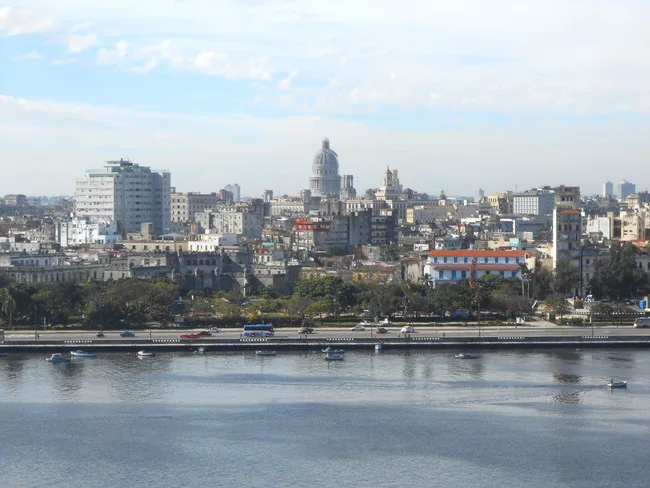
View of old city and Centro district from the Fortaleza de San Carlos de la Cabaña.
Letter from Havana
View of old city and Centro district from the Fortaleza de San Carlos de la Cabaña.
Photo © Architectural Record
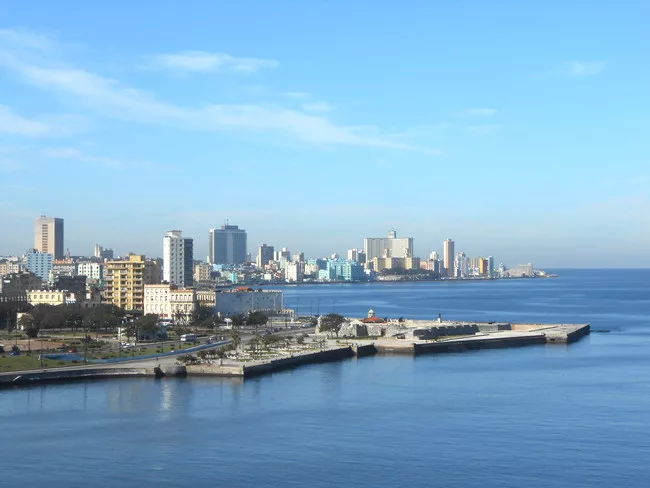
View of the Vedado district from the Fortaleza de San Carlos de la Cabaña.
Letter from Havana
View of the Vedado district from the Fortaleza de San Carlos de la Cabaña.
Photo © Architectural Record
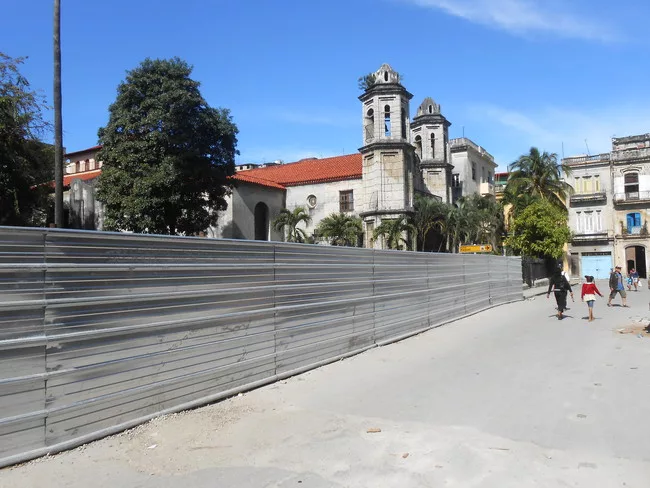
Old Havana plaza under renovation.
Letter from Havana
Old Havana plaza under renovation.
Photo © Architectural Record
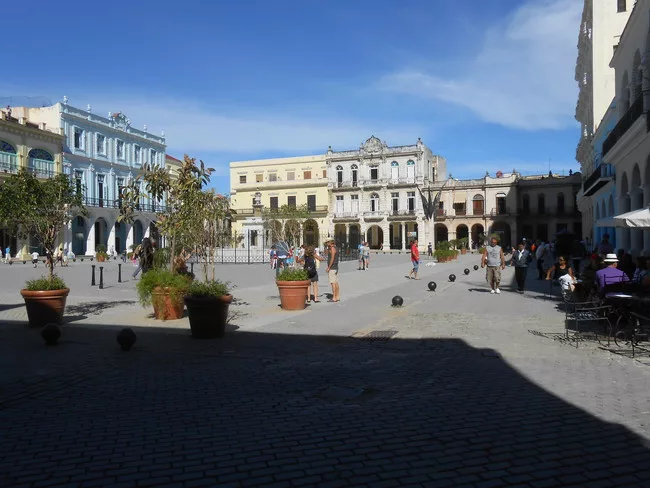
Plaza Vieja in Old Havana.
Letter from Havana
Plaza Vieja in Old Havana.
Photo © Architectural Record
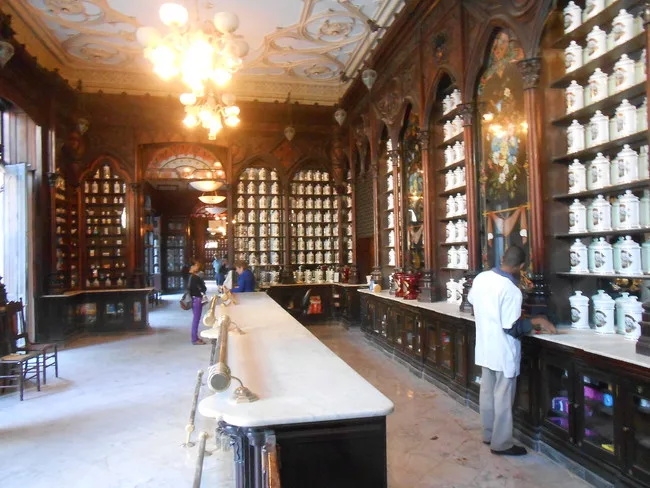
Old pharmacy after restoration.
Letter from Havana
Old pharmacy after restoration.
Photo © Architectural Record
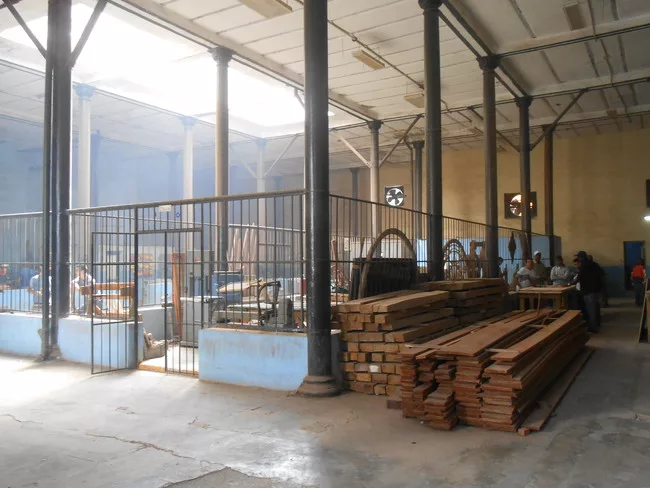
Wood workshop operated by the Office of the City Historian.
Letter from Havana
Wood workshop operated by the Office of the City Historian.
Photo © Architectural Record
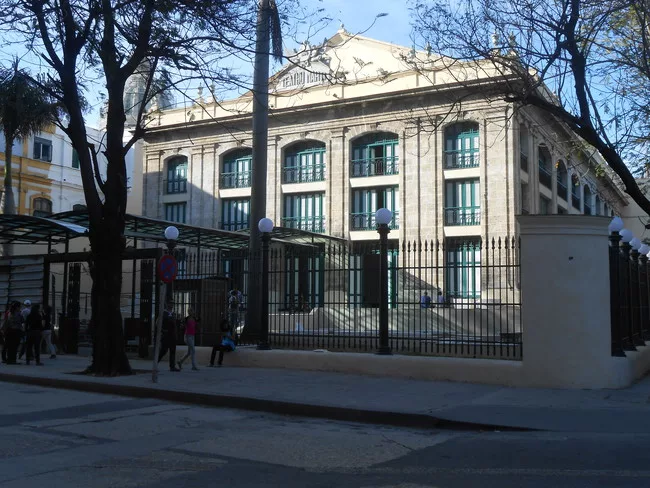
Teatro Marti just before re-opening.
Letter from Havana
Teatro Marti just before re-opening.
Photo © Architectural Record
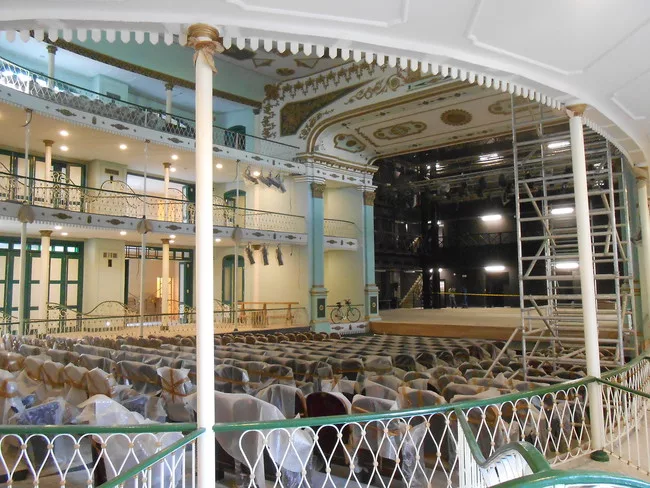
Teatro Marti just before re-opening.
Letter from Havana
Teatro Marti just before re-opening.
Photo © Architectural Record
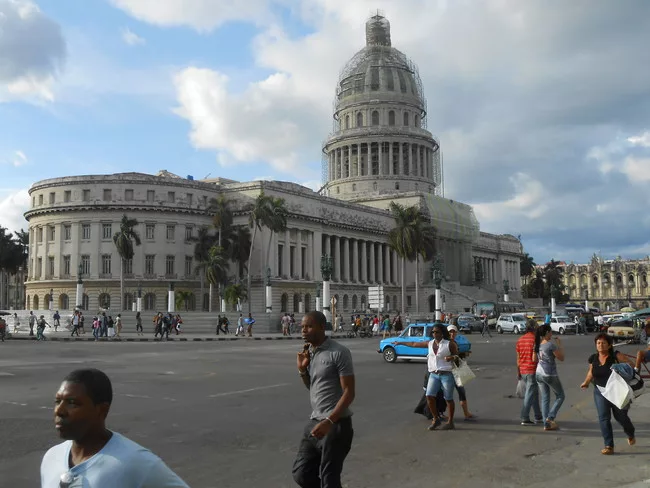
National Capitol under renovation.
Letter from Havana
National Capitol under renovation.
Photo © Architectural Record
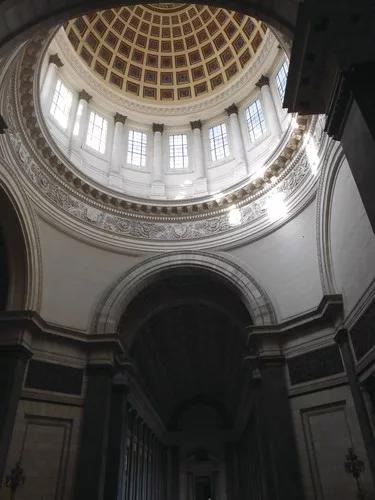
National Capitol, interior of dome.
Letter from Havana
National Capitol, interior of dome.
Photo © Architectural Record
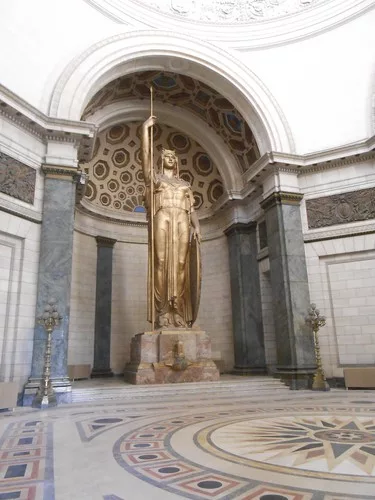
National Capitol, Statue of the Republic.
Letter from Havana
National Capitol, Statue of the Republic.
Photo © Architectural Record
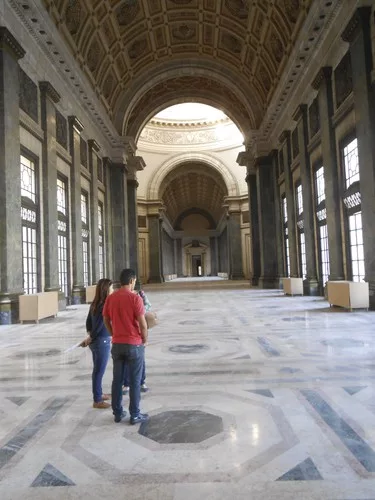
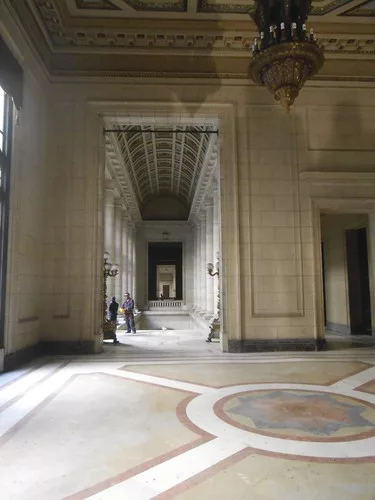
National Capitol, first floor.
Letter from Havana
National Capitol, first floor.
Photo © Architectural Record
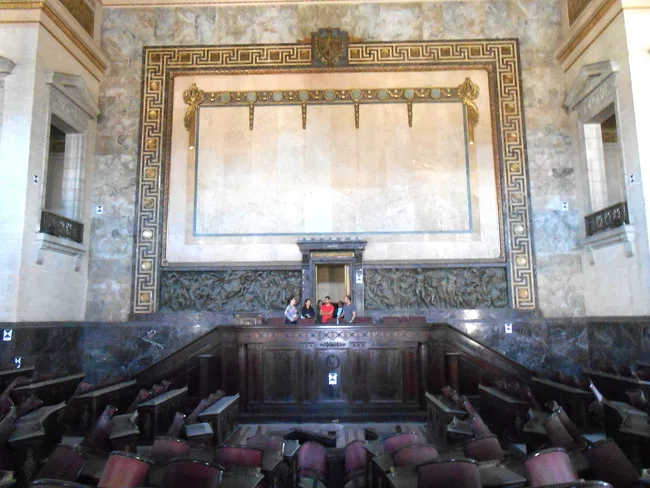
National Capitol, one of two assembly halls.
Letter from Havana
National Capitol, one of two assembly halls.
Photo © Architectural Record
National Capitol, floor with office.
Letter from Havana
National Capitol, floor with office.
Photo © Architectural Record
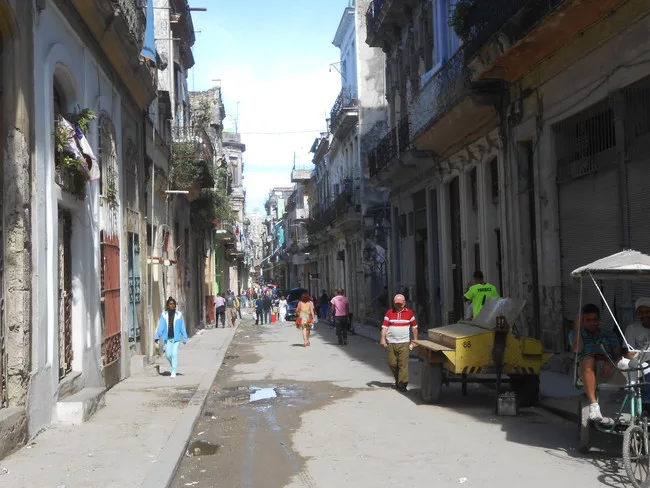
The densely populated Centro district.
Letter from Havana
The densely populated Centro district.
Photo © Architectural Record
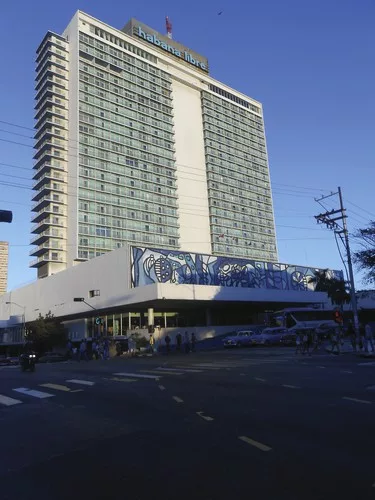
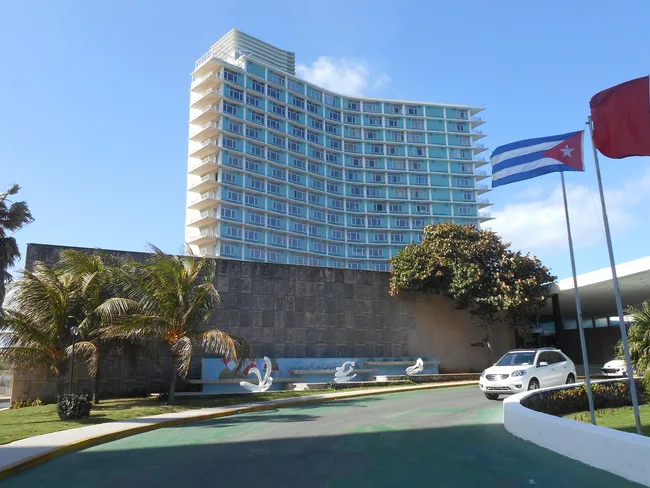
Hotel Habana Libre (1959), originally the Havana Hilton, by Welton Becket and Associates with Nicolás Arroyo y Gabriela Menéndez.
Letter from Havana
Hotel Habana Libre (1959), originally the Havana Hilton, by Welton Becket and Associates with Nicolás Arroyo y Gabriela Menéndez.
Photo © Architectural Record
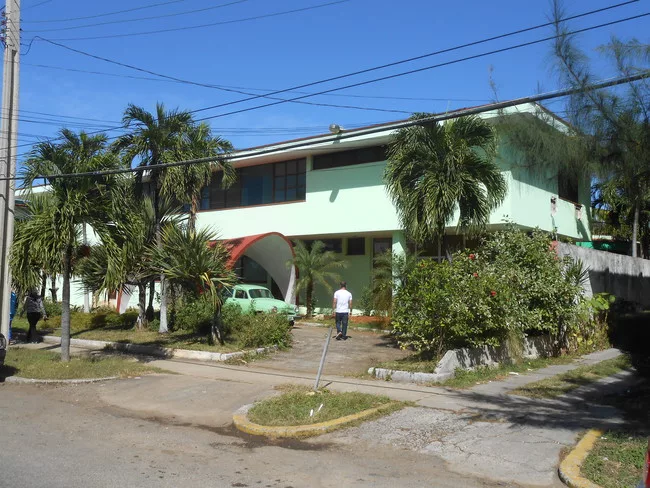
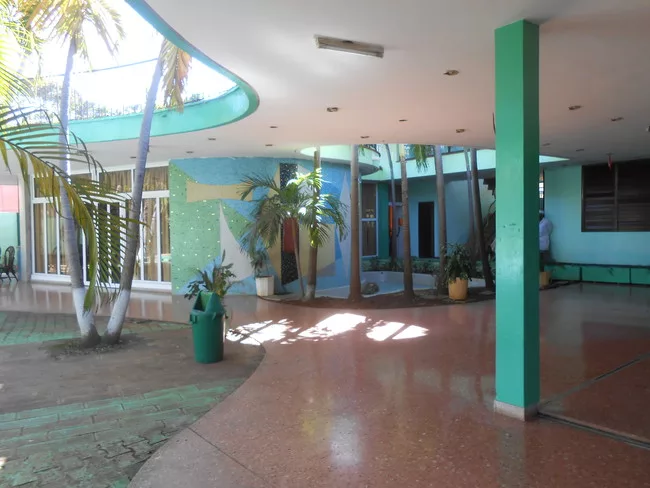
Casa Eugenio Leal Pozo (1957), by Eduardo Cañas Abril y Nujim Nepomechie.
Letter from Havana
Casa Eugenio Leal Pozo (1957), by Eduardo Cañas Abril y Nujim Nepomechie.
Photo © Architectural Record
Casa Eugenio Leal Pozo (1957), by Eduardo Cañas Abril y Nujim Nepomechie.
Letter from Havana
Casa Eugenio Leal Pozo (1957), by Eduardo Cañas Abril y Nujim Nepomechie.
Photo © Architectural Record
Hotel Havana Riviera (1957), by Polevitzky, Johnson and Associates with Manuel Carrerá.
Letter from Havana
Hotel Havana Riviera (1957), by Polevitzky, Johnson and Associates with Manuel Carrerá.
Photo © Architectural Record
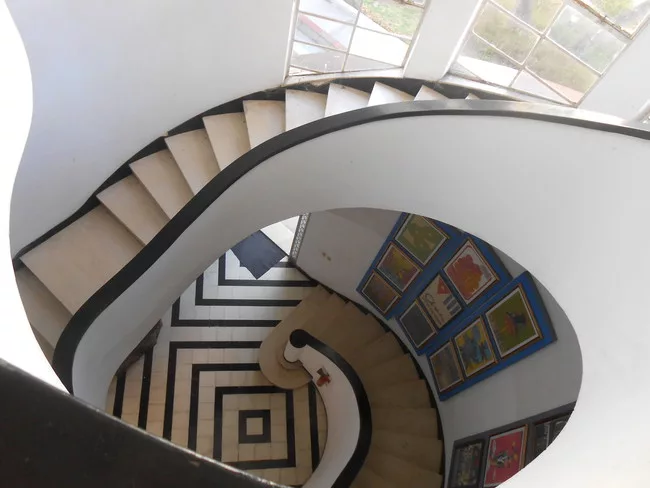
Casa de Hilda Sarrá (1934/1941), by Rafael de Cárdenas.
Letter from Havana
Casa de Hilda Sarrá (1934/1941), by Rafael de Cárdenas.
Photo © Architectural Record
National School of Plastic Arts (1961-5), by Ricardo Porro.
Letter from Havana
National School of Plastic Arts (1961-5), by Ricardo Porro.
Photo © Architectural Record
National School of Plastic Arts (1961-5), by Ricardo Porro.
Letter from Havana
National School of Plastic Arts (1961-5), by Ricardo Porro.
Photo © Architectural Record
National School of Plastic Arts (1961-5), by Ricardo Porro.
Letter from Havana
National School of Plastic Arts (1961-5), by Ricardo Porro.
Photo © Architectural Record
National School of Plastic Arts (1961-5), by Ricardo Porro.
Letter from Havana
National School of Plastic Arts (1961-5), by Ricardo Porro.
Photo © Architectural Record
National School of Plastic Arts (1961-5), by Ricardo Porro.
Letter from Havana
National School of Plastic Arts (1961-5), by Ricardo Porro.
Photo © Architectural Record
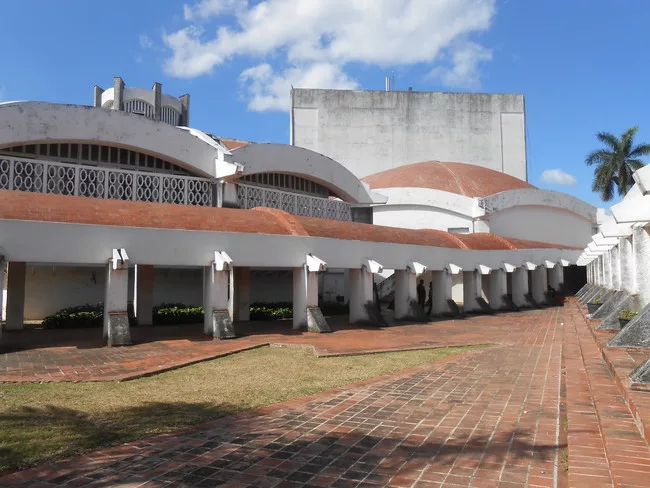
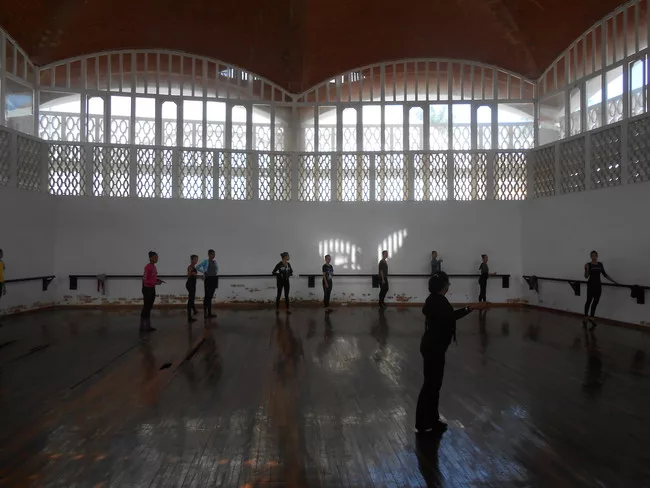
National School of Modern Dance (1961-5), by Ricardo Porro.
Letter from Havana
National School of Modern Dance (1961-5), by Ricardo Porro.
Photo © Architectural Record
National School of Modern Dance (1961-5), by Ricardo Porro.
Letter from Havana
National School of Modern Dance (1961-5), by Ricardo Porro.
Photo © Architectural Record
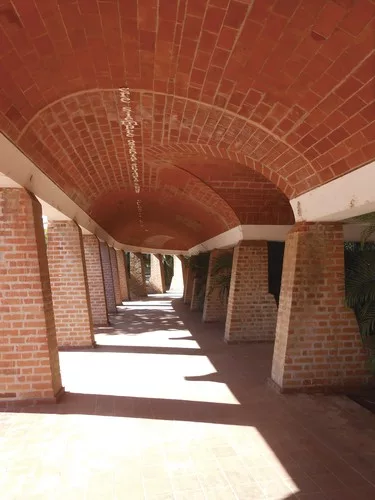
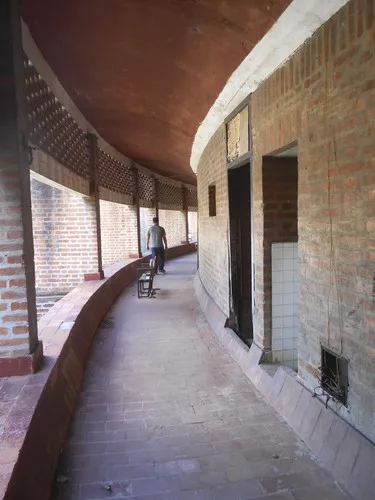
National School of Ballet (1961-5), by Vittorio Garatti.
Letter from Havana
National School of Ballet (1961-5), by Vittorio Garatti.
Photo © Architectural Record
National School of Ballet (1961-5), by Vittorio Garatti.
Letter from Havana
National School of Ballet (1961-5), by Vittorio Garatti.
Photo © Architectural Record
National School of Ballet (1961-5), by Vittorio Garatti.
Letter from Havana
National School of Ballet (1961-5), by Vittorio Garatti.
Photo © Architectural Record
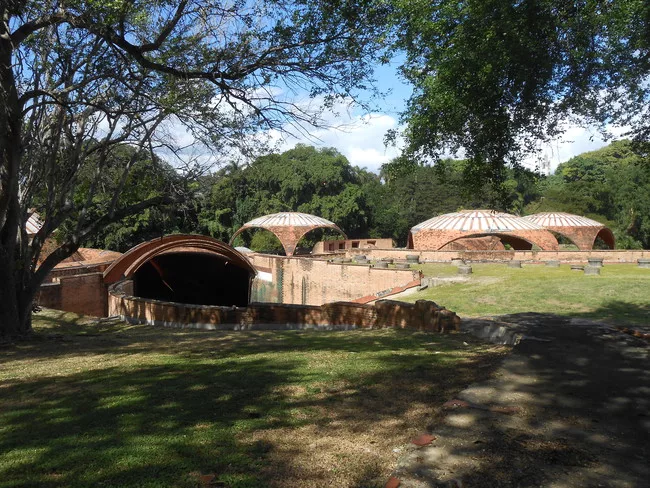
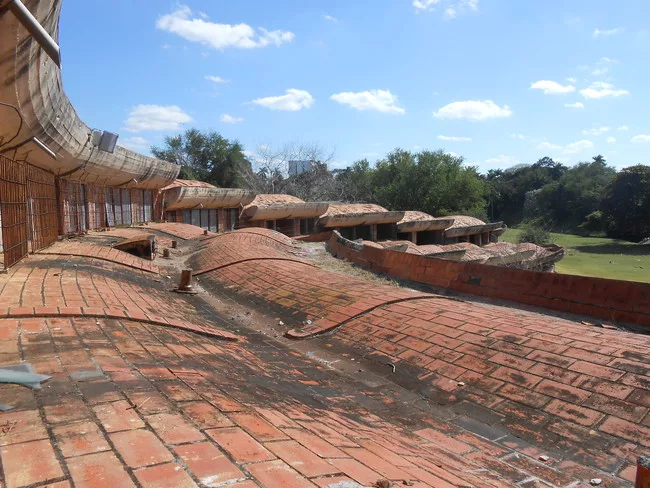
National School of Music (1961-5), by Vittorio Garatti.
Letter from Havana
National School of Music (1961-5), by Vittorio Garatti.
Photo © Architectural Record
National School of Music (1961-5), by Vittorio Garatti.
Letter from Havana
National School of Music (1961-5), by Vittorio Garatti.
Photo © Architectural Record
National School of Music (1961-5), by Vittorio Garatti.
Letter from Havana
National School of Music (1961-5), by Vittorio Garatti.
Photo © Architectural Record
National School of Music (1961-5), by Vittorio Garatti.
Letter from Havana
National School of Music (1961-5), by Vittorio Garatti.
Photo © Architectural Record
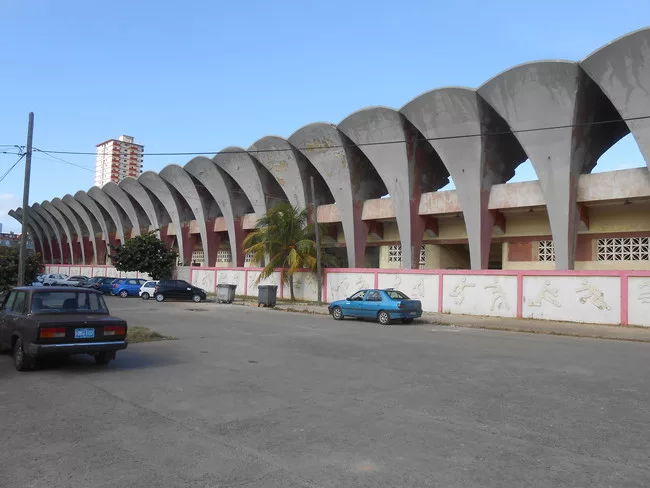
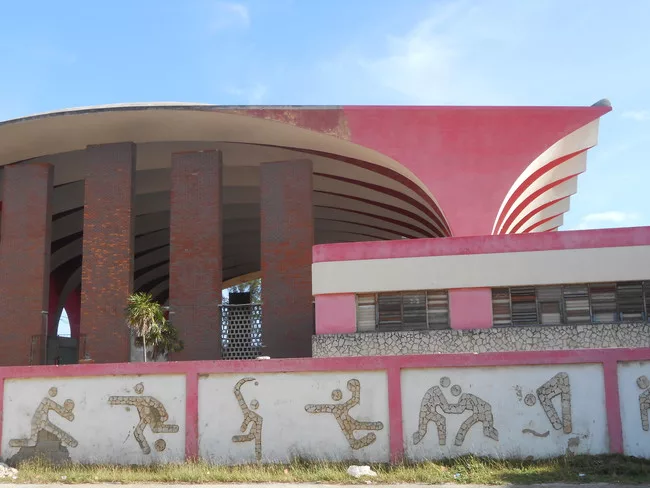
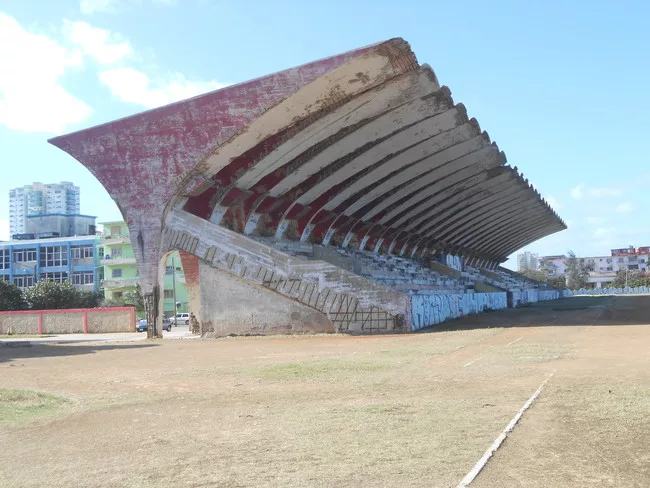
José Martí Sports Park (1960), by Octavio Buigas.
Letter from Havana
José Martí Sports Park (1960), by Octavio Buigas.
Photo © Architectural Record
Letter from Havana
Letter from Havana
Photo © Architectural Record
Letter from Havana
Letter from Havana
Photo © Architectural Record
Letter from Havana
Letter from Havana
Photo © Architectural Record
View of old city and Centro district from the Fortaleza de San Carlos de la Cabaña.
View of the Vedado district from the Fortaleza de San Carlos de la Cabaña.
Old Havana plaza under renovation.
Plaza Vieja in Old Havana.
Old pharmacy after restoration.
Wood workshop operated by the Office of the City Historian.
Teatro Marti just before re-opening.
National Capitol under renovation.
National Capitol, interior of dome.
National Capitol, Statue of the Republic.
National Capitol, first floor.
National Capitol, one of two assembly halls.
National Capitol, floor with office.
The densely populated Centro district.
Hotel Habana Libre (1959), originally the Havana Hilton, by Welton Becket and Associates with Nicolás Arroyo y Gabriela Menéndez.
Casa Eugenio Leal Pozo (1957), by Eduardo Cañas Abril y Nujim Nepomechie.
Hotel Havana Riviera (1957), by Polevitzky, Johnson and Associates with Manuel Carrerá.
Casa de Hilda Sarrá (1934/1941), by Rafael de Cárdenas.
National School of Plastic Arts (1961-5), by Ricardo Porro.
National School of Modern Dance (1961-5), by Ricardo Porro.
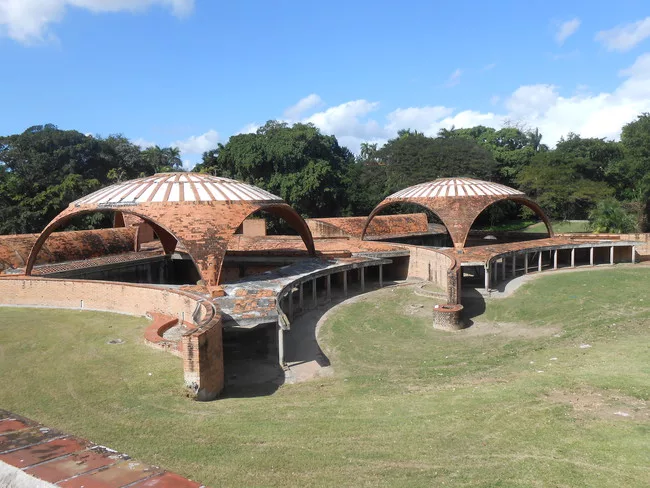
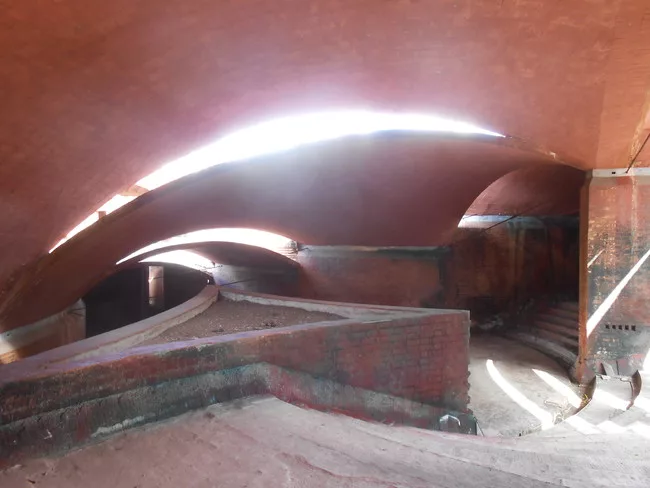
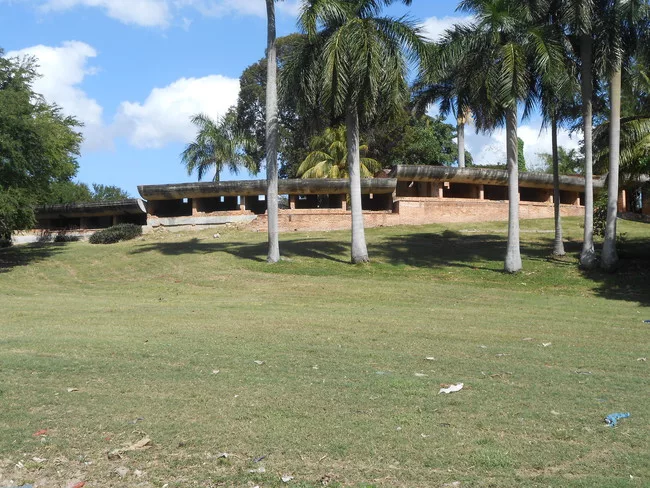
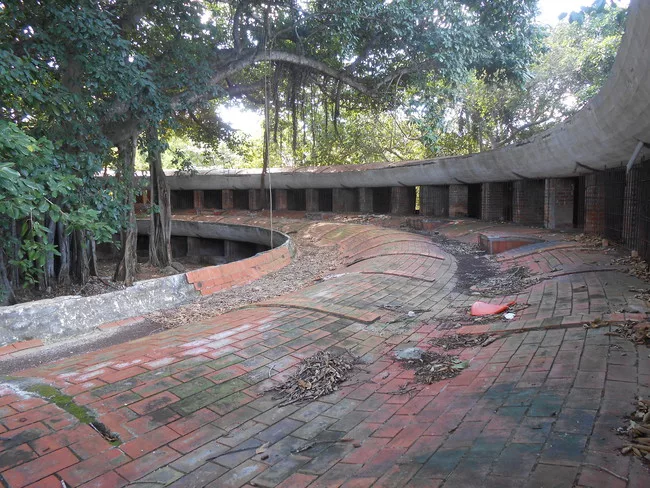
National School of Ballet (1961-5), by Vittorio Garatti.
National School of Music (1961-5), by Vittorio Garatti.
José Martí Sports Park (1960), by Octavio Buigas.
Letter from Havana
Letter from Havana
Letter from Havana
March 21, 2014

National School of Ballet (1961-5), by Vittorio Garatti.

Making a living as an architect is tough anywhere. But in Cuba it is essentially impossible. Although Raúl Castro has loosened state control of the economy a bit, the private sector still barely exists. All legally-sanctioned construction is done by the government. And everyone agrees that a government salary doesn’t cover anyone’s monthly expenses. Cubans, though, are resourceful and somehow find ways to make ends meet. Over coffee at the Habana Libre Hotel (originally the Havana Hilton), I kept asking a respected local architect what he was working on and kept hearing about fascinating research projects, none of which produced any income. I finally gave up all pretense of politeness and bluntly asked, “But how do you make money?” He told me on the condition I don’t reveal his identity: He gives lectures abroad and employs convoluted ways to bring the funds back home.

Six days in Havana earlier this year introduced me to a place where five decades of economic stagnation explain only the surface reality: 1958 Chevies still rumbling down the streets, 19th-century villas holding onto their Neoclassical charms as they fade in the Caribbean sun, and low-rise streetscapes broken only by church spires or the occasional Modern tower the same age as those big-bodied cars. Dig a bit deeper, though, and you find a more complex reality: people like that architect who somehow push forward despite institutional indifference, opposition, and a city that is slowly preparing for the future.

A long history of overcoming adversity and a culture rich in architecture, design, literature, and all kinds of performing arts provides Havana with a strong foundation on which to build its next chapter. And as Fidel Castro’s health continues to deteriorate and a recent survey by the Atlantic Council shows a growing majority of Americans in favor of more direct engagement with Cuba, progress in Havana may happen sooner rather than later.

Ironically, the biggest and most obvious changes are happening in the oldest part of town: La Habana Vieja, where the Office of the City Historian is busy renovating historic structures and rejuvenating the trades needed to accomplish this task. Don’t let the quaint, almost arcane, title deceive you; the City Historian is a powerful agency run by a dynamic leader, Eusebio Leal Spengler, who reports directly to President Castro. In the early 1990s, after the Soviet Union collapsed and its enormous subsidies to Cuba abruptly ended, Leal convinced Fidel to let him operate his agency on an entrepreneurial basis. The country’s economy had come to a standstill and desperate times bred unprecedented experimentation. So the Office of the City Historian was given a small pot of seed money and granted authority to attract foreign capital for renovation projects in Old Havana.

Since then, Leal has found foreign (mostly European) banks and companies to invest in converting decaying buildings into hotels, restaurants, and commercial spaces, which his agency operates. He takes revenues from such enterprises and reinvests them in other projects—some that generate further revenue, but some that provide social services, such as housing, healthcare, and employment training. Today, the Office of the City Historian runs hotels, restaurants, a radio station, a publishing house, a tour company, and an impressive array of cultural facilities. Leal has his own show broadcast on his agency’s radio station. Everybody in Cuba knows him.

Leal has pursued a strategy of self-sustainability for his office as a whole and applied it to various operations within it too. So he has set up a series of workshops to train people in trades such as carpentry, ironwork, and construction, then employs them in the Herculean job of preserving and renovating the city’s crumbling fabric. The Office of the City Historian serves as architect for all of its projects, emplying staff from every design discipline it needs.

The scope of the challenge facing Leal in the early ‘90s was gigantic. Havana was crumbling, the result of decades of neglect as Castro paid more attention to the countryside than the capital. Understanding both the cultural and economic value of the city’s history, Leal focused on La Habana Vieja. To jump start the process and spread its impact around the old district, he tackled the city’s five colonial squares (Plaza de San Francisco, Plaza de Armas, Plaza del Cristo, Plaza Vieja, and Plaza de La Catedral), restoring the public spaces and many of the buildings around them.

“Time has gone by too fast and we still have so much to do,” says Leal, sitting in a graciously restored room in the old villa that serves as offices for him and his staff. Just outside the building, I noticed a cruise ship docked at the city’s old port. Cruise lines are just starting to service Havana and Leal admits the city is not prepared to handle the large numbers of tourists that would descend on it if bigger ships docked here and the U.S. trade embargo were lifted.

Infrastructure is a huge problem for Havana. The city’s system of street cars was scrapped well before the Communists took over, so residents must rely on overcrowded and unreliable buses or 60-year-old American cars called colectivos that serve as shared taxis. Water, electrical, and sewage systems are also ancient and failing. Proper highways don’t exist, so inter-city transport is excruciatingly slow.

Touring Old Havana with Kenia Diaz, the project director in the Office of the City Historian and Ayleen Robainas, an architect in the same agency, I couldn’t help but be impressed by their work. Their knowledge of the city and passion for what they are doing are remarkable. They understand that restoring a city is about touching the people who live there, not just retouching the buildings. They showed me the colonial squares that their agency has used as acupuncture points in healing the urban body and took me to old palacios converted into hotels or apartment buildings, a 19th-century pharmacy lovingly restored, and several of the workshops that produce the crafts and craftsmen needed for these projects.

They also gave me sneak peeks of two much-anticipated projects: the renovations of the Teatro Marti and the National Capitol. The theater, which dates from the late 19th century and had been closed since the 1980s, reopened in February, just a couple of weeks after my visit. Although I wasn’t crazy about the new glass-and-metal canopy that covers the walkway to the main entrance, I was wowed by the lovingly restored interior with its curving iron balconies and rococo proscenium stage. Hidden from sight are new mechanical, electrical, and fire-safety systems, and a new backstage that make the theater work for live theater and musical performances.

Just a block away, El Capitolio is getting a multi-year overhaul that will allow it to serve as the home of the nation’s parliament for the first time since 1959. Modeled after the U.S. Capitol, but injected with architectural steroids, the enormous Neoclassical building most recently served as home base for the Ministry of Science, Technology and Environment. Decades of deferred maintenance, though, took a big toll on the building’s mighty dome and acres of marble.

Now closed and under scaffolding, the Capitol is getting repaired, first from the top (its dome and upper floors of offices) and then the bottom (its grand lobby, hallways, and two assembly halls). Diaz, from the City Historian’s Office, says her agency hopes to open the office floors in a year and a half and compete the entire project in about seven years.

Everyone I spoke with agreed that the work being done in Old Havana has made a significant improvement, even if the buildings in need of repair still greatly outnumber those that have received help. Some important architects, though, bemoan the fact that almost nothing has been done outside the city’s colonial core. Eduardo Luis Rodríguez, who has written books on modern Havana and is serving as an advisor to the Museum of Modern Art on an upcoming exhibition on Latin American Modern architecture, wishes that the same attention being given to La Habana Vieja would be applied to areas such as El Vedado and Miramar, where much of the city’s 20th-century architecture resides. In these newer districts you’ll find wonderful examples of tropical Modernism, such as the Habana Libre (designed by Welton Beckett & Associates in the late 1950s along with the Cuban firm Arroyo y Menendez), the Riviera Hotel (designed by Polevitzky, Johnson and Associates for the gangster Meyer Lansky in 1957), and buildings by talented Cuban architects such as Frank Martinez, Mario Romañach, Max Borges Recio, and Rafael de Cárdenas.

Mario Coyula, a much respected architect, planner, and writer, also sounds the alarm on Havana’s endangered Modern heritage. “Time is critical,” he told me over coffee at his apartment in El Vedado. “Many buildings are near collapse and need to be stabilized.” Part of the problem is that while most Havana residents own their apartments, no one owns—or takes care of—the buildings containing them. He also worries about the soul of Havana. “Back in the 1950s, Miami was a sleepy city, while Havana was a vibrant place.” Though he is concerned that Havana is not prepared for a rapid influx of investment, should the embargo be lifted, he said, “The future of Havana is linked to Miami.”

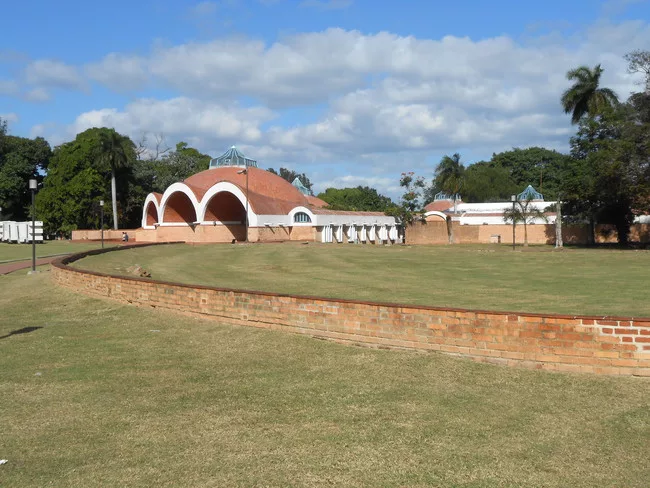
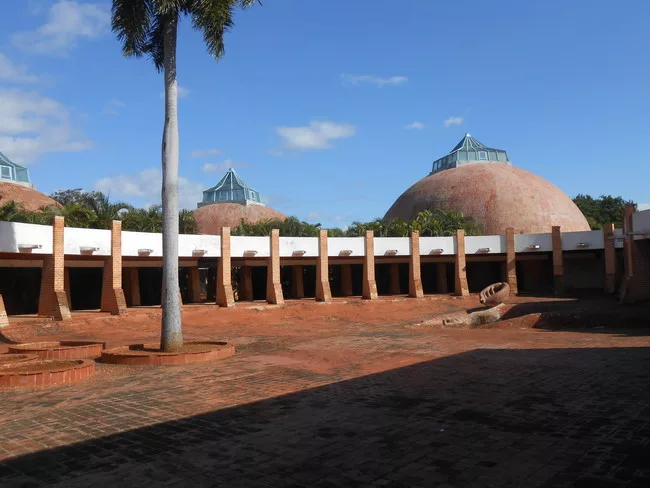
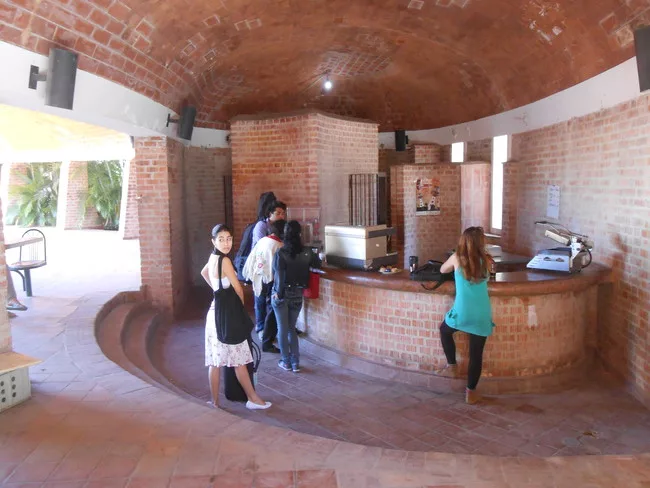
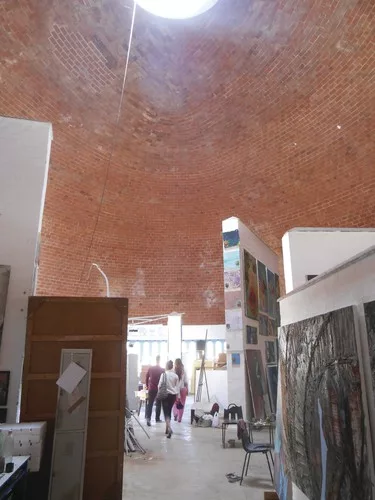
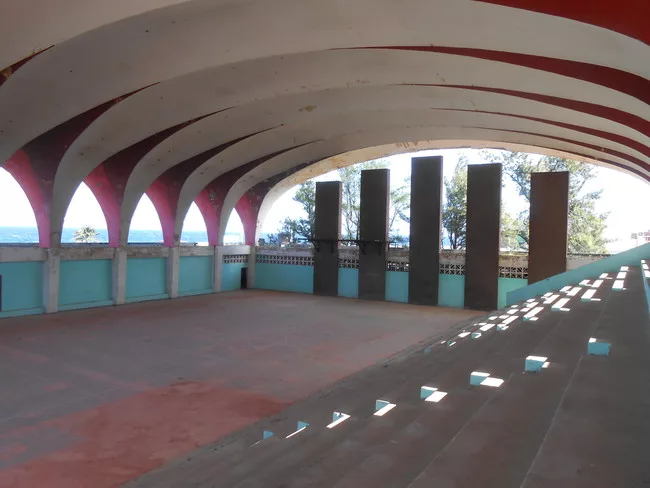
Coyula notes that Modern architecture in Cuba didn’t end with the fall of the Batista regime. For the first six or seven years of Castro’s rule, the government commissioned progressive architects to design housing, sports venues, and schools, and let them pursue innovative strategies. The most prominent of these projects was the set of five national schools of art that were the focus of John Loomis’ 1999 book Revolution of Forms. Orchestrated by Ricardo Porro in 1961 and designed by him, Vittorio Garatti, and Roberto  Gottardi, the schools of plastic arts, modern dance, dramatic arts, music, and ballet leaped off the ground with thin-shelled domes, concrete arches, and undulating Catalan vaults. But as the project moved forward, political backing for it waned. When construction stopped in 1965 only three of the schools were completed, while the other two were just partially built.

In 2012 Cuban dancer Carlos Acosta, who had studied in his homeland and then became a star at the Royal Ballet in London, announced that Norman Foster had agreed to renovate and complete Garatti’s National School of Ballet. The least finished of the five schools, the ballet building had never been used and was abandoned except for the occasional student who wandered over in search of a quiet place to practice his violin or draw. But Garatti is still very much alive and was taken aback that he wasn’t consulted or involved in the project. Most of the Cuban architects I spoke with said Garatti should be the one to renovate his building and that all the outside players in the Foster proposal made it a nonstarter with the Cuban government anyway.

Frustration seems to be a way of life in Cuba. From the lack of political expression to the daily effects of the U.S. trade embargo, Cubans navigate an economic and emotional terrain that presents obstacles at every turn. Talking with architects in Havana, I was charmed by their warmth, intellect, and graciousness. But there was a sadness too, a recognition that despite all the talent on this island, they could point to very little new or daring that had been built in the last four decades.

Share This Story

Looking for a reprint of this article?
From high-res PDFs to custom plaques, order your copy today!

Cliff portrait 2 0t5a1761 0031

Contributing editor Clifford Pearson is the co-author, with A. Eugene Kohn, of The World By Design, and writes about architecture and urbanism.

Post a comment to this article

Report Abusive Comment

Subscription Center
  • Create an Account
  • Start a Subscription
  • Manage My Account
  • Sign Up for Newsletters
  • Visit Customer Service
  • Update Preferences

More Videos

Sponsored Content

Sponsored Content is a special paid section where industry companies provide high quality, objective, non-commercial content around topics of interest to the Architectural Record audience. All Sponsored Content is supplied by the advertising company and any opinions expressed in this article are those of the author and not necessarily reflect the views of Architectural Record or its parent company, BNP Media. Interested in participating in our Sponsored Content section? Contact your local rep!

close
  • TAMLYN XtremeTrim Exterior Trim
    Sponsored byTamlyn

    Designing Cleaner Panel Facades: Why Exterior Trim Details Matter

  • Building with Vapor Barriers
    Sponsored byReef Industries, Inc.

    Vapor Barriers Help Control Moisture in Tighter Building Designs

  • Duct Interior with Prodeq System
    Sponsored byHenry, a Carlisle Company

    Designing Resilient Water Containment Systems

DESIGN:ED Podcast
Listen to Architectural Record’s DESIGN:ED Podcast

Events

June 10, 2026

Rethinking Stormwater – The Power of Porous Paving

Credits: 1 AIA LU/HSW; 1 AIBD P-CE; 0.1 ICC CEU

Learn how porous paving systems support stormwater management, reduce heat island effects, and enhance sustainable site design performance.

June 11, 2026

Very Early Warning Fire Detection for Mission-Critical Facilities

Credits: 1 AIA LU/HSW; 1 AIBD P-CE; 0.1 ICC CEU

Examine advanced fire detection strategies that support uptime and enhance safety in data centers and other mission-critical facilities.

View All Submit An Event

Products

2026 Architect's Square Foot Costbook

2026 Architect's Square Foot Costbook

See More Products

Popular Stories

Practice Matters illustration

What’s in a (Firm’s) Name? Thinking About Succession and Legacy

Coronado Bridge

The Architect’s Guide to San Diego

Practice Matters illustration

By the Numbers: Counting America's Architects

Riverdale House by Studio Lau

Riverdale House by Studio Lau

KRESA by DLR

In Kalamazoo, DLR Group Completes a Mass-Timber Hub for Career and Technical Education Programs

Broader Sustainability of CMU - Free Webinar - May 21, 2026

Related Articles

  • Letter from Rochester: Attempting a Reboot

    See More
  • Letter from London: Peter Wynne Rees's Skyscraper Legacy

    See More
  • Obituary: Ricardo Porro, 1925-2014

    See More

Related Products

See More Products
  • 3dthinking.jpg

    3D Thinking in Design and Architecture: From Antiquity to the Future

  • drawingfrommodel.jpg

    Drawing from the Model: Fundamentals of Digital Drawing, 3D Modeling, and Visual Programming in Architectural Design

See More Products
×

The latest news and information

#1 Source for Architectural Design, News and Products

SUBSCRIBE
  • RESOURCES
    • Advertise
    • Contact Us
    • Submit
    • Store
  • ACCOUNT CENTER
    • Create an Account
    • Start a Subscription
    • Manage My Account
    • Sign Up for Newsletters
    • Visit Customer Service
    • Update Preferences
  • PRIVACY
    • PRIVACY POLICY
    • TERMS & CONDITIONS
    • DO NOT SELL MY PERSONAL INFORMATION
    • PRIVACY REQUEST
    • ACCESSIBILITY
  • SERVICES
    • Marketing Services
    • Reprints
    • Market Research
    • List Rental
    • Survey/Respondent Access
  • STAY CONNECTED
    • Linkedin
    • Facebook
    • Instagram
    • YouTube
    • X (Twitter)

Copyright ©2026. All Rights Reserved BNP Media, Inc. and BNP Media II, LLC.

Design, CMS, Hosting & Web Development :: ePublishing