Architectural Record
search
cart
facebook twitter linkedin youtube
  • Sign In
  • Subscribe
  • Sign Out
  • My Account
Architectural Record
  • NEWS
    • Latest News
    • Awards
    • Interviews
    • Obituaries
    • Podcasts
      • Design:Ed Podcast
      • Sponsored Podcasts
  • OPINION
    • Book Reviews / Excerpts
    • Exhibition Reviews
    • Forum
  • EXCLUSIVES
    • Videos
    • Design Vanguard
    • Top 300 Firms
    • Sponsored Content
    • Sponsored eBooks
    • From the Archives
  • CONTINUING ED
    • Editorial Continuing Ed
    • CE Center
    • CE Academies
  • PROJECTS
    • Buildings By Type
    • Reuse & Renovation
    • Museums & Arts Centers
    • Colleges & Universities
    • Multifamily Housing
    • Interiors
    • Lighting
    • Kitchen & Bath
  • HOUSES
    • Record Houses
    • House of the Month
    • Featured Houses
  • PRODUCTS
    • Products by Category
    • Record Products of the Year
    • Latest Products
  • EVENTS
    • Dates & Events
    • Record on the Road
    • Innovation Conference
    • Sustainability in Practice
    • Women In Architecture
    • Webinars
    • Ad Excellence Awards
    • Submit an Event
  • CONNECT
    • Ask RECORD AI
    • Newsletters
    • Contact
    • Advertise
    • Editorial Calendar
    • Store
    • Customer Service
  • SUBMIT
    • Submission Guidelines
    • RECORD Competitions
  • MAGAZINE
    • Subscribe
    • My Account
    • Digital Edition
    • Current Issue
    • Firm Pass
    • Historic Archive
Architecture News

Should Architects Self-Certify Building Plans?

By Ted Smalley Bowen
October 18, 2007

Just as other cities around the country are experimenting with ways to streamline the plan review and permit process, New York City, a trendsetter in this respect, is clamping down on its practice of allowing architects to self-certify building plans.

In an effort to save architects time, Oregon is taking Portland’s “e-permit” online submission tool statewide. Los Angeles has unveiled the Guaranteed Express Permit Program, which aims to serve walk-in customers with small projects within 30 minutes and issue a permit within 90 minutes, or the application is free. And in Honolulu, the city’s understaffed Department of Planning and Permitting is allowing architects to retain private firms to inspect their building plans and report those plans certified—a system that it calls “third-party review.”

New York City’s Department of Buildings (DOB) initiated self-certification in 1995 to help ease a permit backlog and stimulate development. Officially known as “professional certification,” the practice allows architects and engineers to confirm that their plans are compliant with applicable laws, rather than submit plans to DOB inspectors. Designers contend that inspecting their own plans saves time and is therefore a valuable marketing tool. “It can save three or four months, and these are big numbers,” says Marvin Meltzer, a partner at the firm Meltzer-Mandl. Forty-eight percent of the 7,000 new building applications submitted in 2006 were self-certified.

But the city has learned the hard way that self-certification can make it easier for some people to take liberties with building codes and zoning restrictions. Last year, for instance, it discovered that Brooklyn-based architect Robert Scarano was skirting height restrictions by mislabeling whole floors as mezzanines. Safety concerns, while not necessarily due to the fact that Scarano self-certified his plans, have since prompted the city to halt construction on roughly 60 of his buildings. Scarano proved to be the tip of the iceberg. An audit conducted by the DOB in 2006 revealed that 57 percent of self-certified new building plans that year failed to comply with building codes.

Arguing that Scarano and other scofflaws receive only a slap on the wrist for their offenses, state lawmakers are moving to put the brakes on self-certification. In August, with the backing of New York City mayor Michael Bloomberg and buildings commissioner Patricia Lancaster, governor Eliot Spitzer signed into law the “self-certification bill.” It enables the DOB to prevent architects from self-certifying if they have misrepresented plans in the past.

“When we put this much responsibility in someone’s hands, without oversight, we have an inherent problem,” says the law’s sponsor, assemblyman James Brennan. “This is intuitively obvious.”

Next up is a bill that seeks to limit self-certification by honest architects, too. It would require a full DOB inspection for plans to add vertical extensions onto existing buildings, a common practice in land-starved New York City. “Developers are returning to the roofs of buildings as space becomes more limited,” says Linda Rosenthal, who introduced the bill into the State Assembly. “Most architects are superb professionals, but there are some bad apples and their main concern is not safety but speed.”

Rosenthal’s bill represents the most comprehensive overhaul of self-certification since 1995. It cleared the assembly’s Cities Committee in May and is currently awaiting action from Ways and Means. But some local officials worry that, if passed into law, the measure could have a chilling effect on development.

“It has the potential to slow down the issuance of permits,” Lancaster says, adding that the self-certification law enacted in August is a better tool to combat malpractice and protect the public. “The focus should be on how the city can hold responsible parties accountable and how we can prevent repeat offenders from utilizing the privilege.”

Meltzer, who has certified all of his own buildings during the last 12 years, appears to agree. “The majority of us who know what we’re doing are being punished for the minority who don’t,” he says. “I think the tail is wagging the dog.”

But proponents of curtailing self-certification contend that safety is their main concern. “More eyes on building plans mean more safety,” Rosenthal says. It’s a sentiment that Brennan shares: “In a perfect world, the Buildings Department would review everything.” It remains to be seen whether or not other cities nationwide will agree and, once again, follow New York’s lead.

Share This Story

Looking for a reprint of this article?
From high-res PDFs to custom plaques, order your copy today!


Post a comment to this article

Report Abusive Comment

Subscription Center
  • Create an Account
  • Start a Subscription
  • Manage My Account
  • Sign Up for Newsletters
  • Visit Customer Service
  • Update Preferences

More Videos

Sponsored Content

Sponsored Content is a special paid section where industry companies provide high quality, objective, non-commercial content around topics of interest to the Architectural Record audience. All Sponsored Content is supplied by the advertising company and any opinions expressed in this article are those of the author and not necessarily reflect the views of Architectural Record or its parent company, BNP Media. Interested in participating in our Sponsored Content section? Contact your local rep!

close
  • TAMLYN XtremeTrim Exterior Trim
    Sponsored byTamlyn

    Designing Cleaner Panel Facades: Why Exterior Trim Details Matter

  • Building with Vapor Barriers
    Sponsored byReef Industries, Inc.

    Vapor Barriers Help Control Moisture in Tighter Building Designs

  • Duct Interior with Prodeq System
    Sponsored byHenry, a Carlisle Company

    Designing Resilient Water Containment Systems

DESIGN:ED Podcast
Listen to Architectural Record’s DESIGN:ED Podcast

Events

June 10, 2026

Rethinking Stormwater – The Power of Porous Paving

Credits: 1 AIA LU/HSW; 1 AIBD P-CE; 0.1 ICC CEU

Learn how porous paving systems support stormwater management, reduce heat island effects, and enhance sustainable site design performance.

June 11, 2026

Very Early Warning Fire Detection for Mission-Critical Facilities

Credits: 1 AIA LU/HSW; 1 AIBD P-CE; 0.1 ICC CEU

Examine advanced fire detection strategies that support uptime and enhance safety in data centers and other mission-critical facilities.

View All Submit An Event

Products

2026 Architect's Square Foot Costbook

2026 Architect's Square Foot Costbook

See More Products

Popular Stories

Practice Matters illustration

What’s in a (Firm’s) Name? Thinking About Succession and Legacy

Coronado Bridge

The Architect’s Guide to San Diego

Practice Matters illustration

By the Numbers: Counting America's Architects

Riverdale House by Studio Lau

Riverdale House by Studio Lau

KRESA by DLR

In Kalamazoo, DLR Group Completes a Mass-Timber Hub for Career and Technical Education Programs

Broader Sustainability of CMU - Free Webinar - May 21, 2026

Related Articles

  • Recession Forces Universities to Reconsider Building Plans

    See More
  • 1-Image-courtesy-Juan-Domingo-Santos-IMA4_2015-07-10_Pessoas-red11.jpg

    Dust-Up in Granada Over Building Plans for the Alhambra

    See More
  • Self-Certification Crackdown Sparks NY Turf War

    See More

Related Products

See More Products
  • corp arch.jpg

    Corporate Architecture Building a Brand

  • facade.jpg

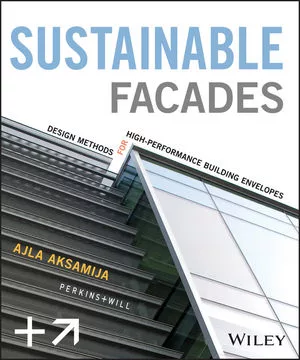
    Sustainable Facades: Design Methods for High-Performance Building Envelopes

  • WC_-SCA.png

    Building Great Schools for a Great City

See More Products
×

The latest news and information

#1 Source for Architectural Design, News and Products

SUBSCRIBE
  • RESOURCES
    • Advertise
    • Contact Us
    • Submit
    • Store
  • ACCOUNT CENTER
    • Create an Account
    • Start a Subscription
    • Manage My Account
    • Sign Up for Newsletters
    • Visit Customer Service
    • Update Preferences
  • PRIVACY
    • PRIVACY POLICY
    • TERMS & CONDITIONS
    • DO NOT SELL MY PERSONAL INFORMATION
    • PRIVACY REQUEST
    • ACCESSIBILITY
  • SERVICES
    • Marketing Services
    • Reprints
    • Market Research
    • List Rental
    • Survey/Respondent Access
  • STAY CONNECTED
    • Linkedin
    • Facebook
    • Instagram
    • YouTube
    • X (Twitter)

Copyright ©2026. All Rights Reserved BNP Media, Inc. and BNP Media II, LLC.

Design, CMS, Hosting & Web Development :: ePublishing