Newsmaker: Cameron Sinclair
Image courtesy Architecture for Humanity
Image courtesy Architecture for Humanity
Image courtesy Architecture for Humanity
Photo © Tracy Nelson / Architecture for Humanity
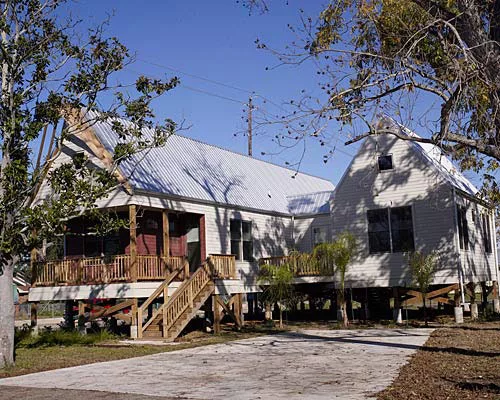
Photo © David Purdy / Architecture for Humanity
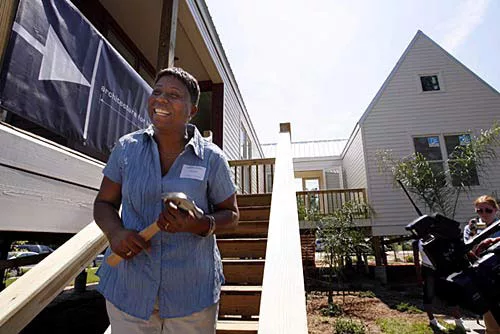
Photo © David Purdy / Architecture for Humanity
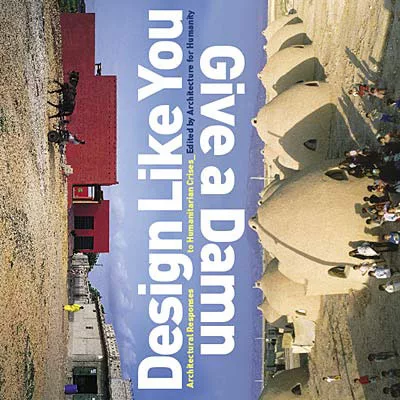
This 2006 look at humanitarian design was edited by Architecture for Humanity.
Image courtesy Architecture for Humanity
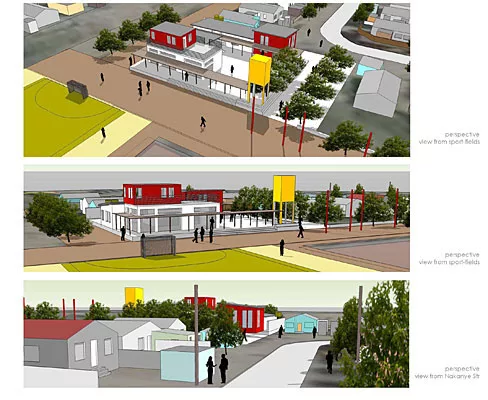
Perspective Views of arG-designed, FIFA-sponsored.
Photo © ARG / Architecture for Humanity
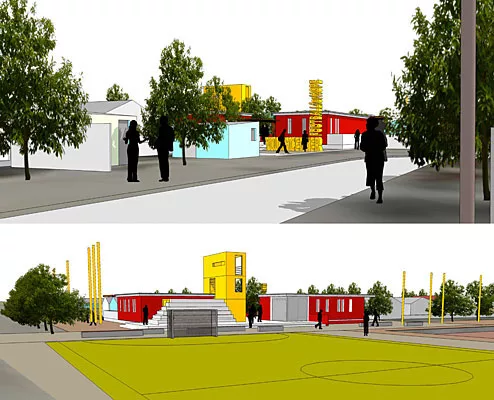
arG-designed, FIFA-sponsored .
Photo © ARG / Architecture for Humanity
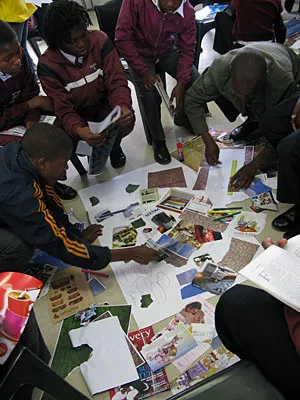
Photo © ARG / Architecture for Humanity
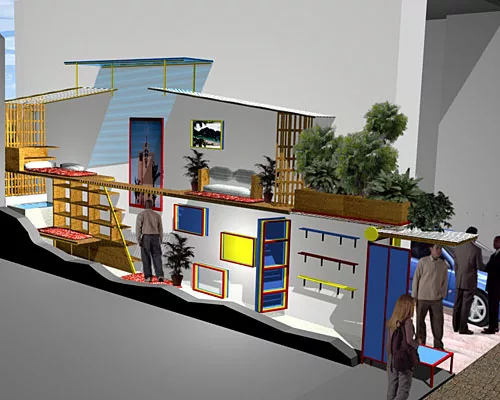
Urban planning projects utilizing unplanned.
Image courtesy Architecture for Humanity
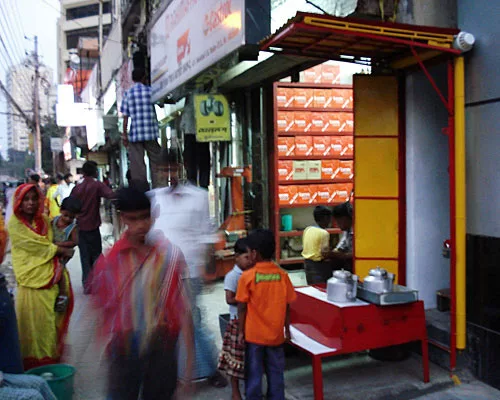
Urban planning projects utilizing unplanned.
Image courtesy Architecture for Humanity
Image courtesy Architecture for Humanity
Image courtesy Architecture for Humanity
Image courtesy Architecture for Humanity

Image courtesy Architecture for Humanity
Cameron Sinclair.
Architects & Firms
Where do you think the profession goes wrong if we’re starting from these goals?
You have the soul of being an architect and then you’ve got the technical mechanisms of being an architect. And those too often don’t see eye to eye. One is very much “this is the way we build,” and I think there’s been a real struggle over the role of the architect in the construction process.
And how does AFH challenge that weakness of the architect in contemporary building culture?
You know, what’s nice is that in our jurisdiction, so to speak, nobody knows that. So there is no perception of the architect as weak, and actually it’s quite the reverse. The general public has the perception of the architect as “master builder.” The original definition of what an architect did. With our clients, you can often be what you were meant to be, and it’s incredibly rewarding.
But are western schools still training architects to be “master builders”?
Well, one of our design fellows is working on an article about how the last generation of architects were taught two forms of architecture: the last vestiges of the master-builder architect, and this kind of new, consultancy-driven specialized, computer-focused version. Now, they’ve all become faculty members and they’re only teaching the latter. You end up, after seven years, really great on Maya.
We’ve even talked about doing a post-professional diploma that’s about the physical building of buildings. The best letters we get are either from clients, or they’re from former design fellows who, after a year of being back in the field, they write us this smitten love-letter, you know, “Please, take me back! I want to get my hands dirty again!”
Looking for quick answers on architecture and design topics?
Try Ask RECORD, our new smart AI search tool.
Ask RECORD →
But in a way, isn’t the only possibility for that essentially going backwards in time, by disregarding recent practice in the developed world?
Absolutely. They’re going back to the heart of what it means to build. And you’re going back to sort of basic, important issues like sanitation and clean water. You begin to see the basic ramifications of what bad building does. A poorly built, poorly maintained building means that a school has to shut down 50 percent of a building because they can’t maintain it. Or, even worse, that there isn’t an adequate water supply or sanitation so that students don’t go to school because it’s not safe for them to use the bathroom.
Is there a way for practice in developed countries to learn from your experience in developing countries?
I think the future of architecture will be a kind of hybrid between the two. In Africa, they refer to America as “the over-developed world.” They see excess and a system that seems impossible to manage. This drive for sustainability has had an incredible effect in the developing world because now they have real examples where they can say, “Yes, this is the right thing to do,” whereas before we were giving out this false ideal of what Modernism is. You go to Kigali and you see these hideous glass tower blocks made from blue Plexiglas, it’s like “when modernism goes bad.” We end up being quite pragmatic by using local materials and, actually, it’s a lot more fun that way.
At the Barbican Centre this year, you said, “Inviting Zaha Hadid to a conference on architectural ethics is like inviting Robert Mugabe to speak about human rights.” Do you think that much of the top level of the profession doesn’t have or doesn’t feel it needs to have an ethical stance?
I think that they [feel that way]. I don’t know why, maybe it was the backlash of the 70s and Pruitt-Igoe and the architects took a lot of blame for failures in social housing. Maybe it’s that the 80s and 90s were so wrapped up in the glamorous approach of architecture that it just wasn’t a great topic of conversation for getting jobs. It’s like survival. When I speak with top architects off the record, they’re very supportive of AFH and our vision.
And how does AFH point to a different approach?
I think we point to the opportunities that are out there. Part of my argument at the Barbican was in reference Nicolai Ouroussoff’s article in December 2008, where he said this recession’s great because suddenly all these star architects can suddenly start doing socially-responsible work.
Our response was: that sort of statement it is ridiculous. For the last decade, while they’ve been doing these skyscrapers in Dubai, there’s a generation of young architects working on socially responsible projects. It’s disingenuous and wrong to overlook their participation and influence in the profession.
My role in the organization is about being a sort of catalyst for this conversation. Those seven or eight words at the Barbican were just part of a much larger one-hour debate about the role of the architect. I think the most important part of that debate was about the ethics of working in the Middle East and doing work knowing that the labor practices are, at times, inhumane and ethically questionable.
That was an exciting conversation because it was about all architects, not just the do-good architects. As architects, we seem to remove ourselves from the building process to such an extent that we don’t feel complicit when these issues arise.
Looking for a reprint of this article?
From high-res PDFs to custom plaques, order your copy today!