Architectural Record
search
cart
facebook twitter linkedin youtube
  • Sign In
  • Subscribe
  • Sign Out
  • My Account
Architectural Record
  • NEWS
    • Latest News
    • Awards
    • Interviews
    • Obituaries
    • Podcasts
      • Design:Ed Podcast
      • Sponsored Podcasts
  • OPINION
    • Book Reviews / Excerpts
    • Exhibition Reviews
    • Forum
  • EXCLUSIVES
    • Videos
    • Design Vanguard
    • Top 300 Firms
    • Sponsored Content
    • Sponsored eBooks
    • From the Archives
  • CONTINUING ED
    • Editorial Continuing Ed
    • CE Center
    • CE Academies
  • PROJECTS
    • Buildings By Type
    • Reuse & Renovation
    • Museums & Arts Centers
    • Colleges & Universities
    • Multifamily Housing
    • Interiors
    • Lighting
    • Kitchen & Bath
  • HOUSES
    • Record Houses
    • House of the Month
    • Featured Houses
  • PRODUCTS
    • Products by Category
    • Record Products of the Year
    • Latest Products
  • EVENTS
    • Dates & Events
    • Record on the Road
    • Innovation Conference
    • Sustainability in Practice
    • Women In Architecture
    • Webinars
    • Ad Excellence Awards
    • Submit an Event
  • CONNECT
    • Ask RECORD AI
    • Newsletters
    • Contact
    • Advertise
    • Editorial Calendar
    • Store
    • Customer Service
  • SUBMIT
    • Submission Guidelines
    • RECORD Competitions
  • MAGAZINE
    • Subscribe
    • My Account
    • Digital Edition
    • Current Issue
    • Firm Pass
    • Historic Archive

Museums

By James Murdock
April 8, 2015
The New England Aquarium is a remarkable, beautiful place to spend an afternoon. Located on a pier in Boston Harbor, the building—designed by Cambridge Seven Architects, is centered around its indoor Giant Ocean Tank. This four-story circular structure, ringed by a pedestrian ramp, contains more than 200,000 gallons of seawater and a man-made reef that teems with 120 different species of tropical fish, sea turtles, and sharks.
 
The Museum of Fine Arts Boston
Image courtesy MFA/Lou Jones
The Museum of Fine Arts Boston, original building designed by Guy Lowell, opened in 1909.

Elsewhere in the aquarium you’ll find penguins, jellyfish, sea lions, and harbor seals. There are plenty of opportunities to get up close and personal with the animals—a special treat for younger visitors—but you probably wouldn’t want to tangle with the electric eels or the piranhas in the Fresh Water Gallery. A word to the wise: if hoards of tourists make you feel predatory, be sure to visit when the aquarium opens at 9:00 a.m.

Boston Children’s Museum

For a museum founded in 1913, the Boston Children’s Museum doesn’t look or act its age. Highlights that even an adult can appreciate include the Japanese House, transported to the museum in its entirety from Kyoto, Japan. This particular house is 100 years old but its style, called Kyo no Machiya, dates back five centuries and, ironically, today is becoming rarer and rarer in Japan.

Another must-see at the museum is The Recycle Shop. In this “exhibit,” $2 buys your kids a bag full of their choice of “overruns,” which are plastic packaging inserts, fabric, ribbon, and other scrap material—aptly described on the museum’s Website as “What the heck is this?”—that didn’t quite measure up to factory standards. Upgrade to a larger bag for just $4 more.

Located near the site of the Boston Tea Party on the Fort Point Channel, the museum has occupied its current digs—a converted warehouse—since 1979. You’ll know you’re in the right place when you come across a larger-than-life Hood milk bottle, adjacent to the museum, which houses an ice-cream stand. Cambridge Seven Architects oversaw a major renovation of the museum completed in 2007.

Peabody Essex Museum

It’s not quite Boston, but a 30-minute ride north on the Newburyport/Rockport Line of the MBTA commuter line brings you to the town of Salem, Massachusetts. Yes, it’s that Salem: site of the infamous witchcraft trials in 1692. But what a difference 100 years makes. Since 1799, Salem has been home to the Peabody Essex Museum, the United States’ oldest museum in continuous operation—and, to boot, one of the nation’s 15 largest art museums.

The PEM boasts an excellent collection of American decorative and maritime art, as well as works from China, Japan, Korea, and India—a reflection of Salem’s days as a port of call for traders in the 18th and 19th centuries. Highlights include Ku, a rare and monumental carving of a Hawaiian war god, and the Chinese Moon Bed, which China brought to the Centennial Exposition in Philadelphia in 1876. Given PEM’s maritime heritage, you’ll also find craft pieces such as scrimshawed whale teeth and model ships.

A fairly recent acquisition has become the real gem in PEM’s collection: Ying Yu Tang house, a late Qing dynasty residence. For most of its 200-year life in Anhui Province, Ying Yu Tang was home to the Huang family. In the late 1990s, the family and local government worked out an agreement with the PEM to dismantle the house, ship it to America, and reassemble it, stone by stone, rafter by rafter, in Salem. It’s the only house like it in this country.

Ying Yu Tang occupies a garden site just off the PEM’s main atrium: a long, curvy glass arcade designed by architect Moshe Safdie in 2003. You’ll need a special ticket to see the house, as well as the museum’s temporary shows, but other features, such as PEM’s Art and Nature Center—a favorite with children—are included in the admission price.

Decordova Museum and Sculpture Park

You’ll need a car to visit the Decordova Museum and Sculpture Park, located in Lincoln, Massachusetts, a half-hour drive west of Boston, but this 35-acre oasis of modern and contemporary sculptures is an ideal place to spend a spring or summer day. Pack a picnic lunch and spend an afternoon strolling through the grounds and you’ll encounter nearly 80 outdoor artworks by the likes of Sol Lewitt and Jim Dine. Some are site-specific creations, others on loan, but the operative words to describe it are “quirky” and “eclectic.”

The Sculpture Park is only half the story. The museum features a small but excellent permanent collection of modern and contemporary works by New England artists, with a special focus on video work. Part of the Decordova’s mission is to nurture local talent by purchasing art through its Art Acquisition Fund. In addition to exhibiting recent purchases, the museum shows rotating exhibitions: everything from hardware tools as art, to Internet art.

KEYWORDS: Boston

Share This Story

Looking for a reprint of this article?
From high-res PDFs to custom plaques, order your copy today!

Post a comment to this article

Report Abusive Comment

Subscription Center
  • Create an Account
  • Start a Subscription
  • Manage My Account
  • Sign Up for Newsletters
  • Visit Customer Service
  • Update Preferences

More Videos

Sponsored Content

Sponsored Content is a special paid section where industry companies provide high quality, objective, non-commercial content around topics of interest to the Architectural Record audience. All Sponsored Content is supplied by the advertising company and any opinions expressed in this article are those of the author and not necessarily reflect the views of Architectural Record or its parent company, BNP Media. Interested in participating in our Sponsored Content section? Contact your local rep!

close
  • TAMLYN XtremeTrim Exterior Trim
    Sponsored byTamlyn

    Designing Cleaner Panel Facades: Why Exterior Trim Details Matter

  • Building with Vapor Barriers
    Sponsored byReef Industries, Inc.

    Vapor Barriers Help Control Moisture in Tighter Building Designs

  • Duct Interior with Prodeq System
    Sponsored byHenry, a Carlisle Company

    Designing Resilient Water Containment Systems

DESIGN:ED Podcast
Listen to Architectural Record’s DESIGN:ED Podcast

Events

June 10, 2026

Rethinking Stormwater – The Power of Porous Paving

Credits: 1 AIA LU/HSW; 1 AIBD P-CE; 0.1 ICC CEU

Learn how porous paving systems support stormwater management, reduce heat island effects, and enhance sustainable site design performance.

June 11, 2026

Very Early Warning Fire Detection for Mission-Critical Facilities

Credits: 1 AIA LU/HSW; 1 AIBD P-CE; 0.1 ICC CEU

Examine advanced fire detection strategies that support uptime and enhance safety in data centers and other mission-critical facilities.

View All Submit An Event

Products

2026 Architect's Square Foot Costbook

2026 Architect's Square Foot Costbook

See More Products

Popular Stories

Practice Matters illustration

What’s in a (Firm’s) Name? Thinking About Succession and Legacy

Coronado Bridge

The Architect’s Guide to San Diego

Practice Matters illustration

By the Numbers: Counting America's Architects

House on a Hill

Design Vanguard 2026: Forma

Crane Cove, ONO

Design Vanguard 2026 Winners

Broader Sustainability of CMU - Free Webinar - May 21, 2026

Related Articles

  • Museums

    See More
  • Museums

    See More
  • Museums

    See More

Related Products

See More Products
  • Architectural Record - March 2026

    Architectural Record March 2026 Issue

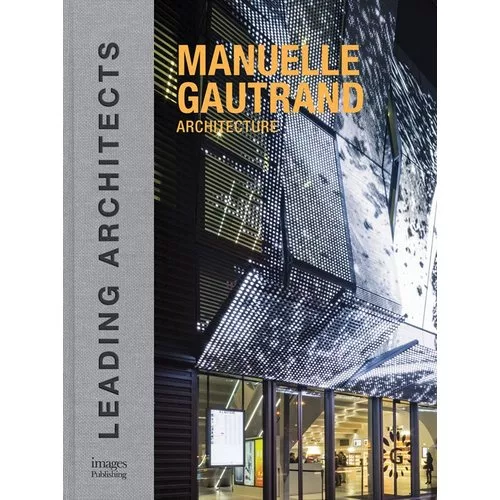
  • manuelle gutrand arch.jpg

    Manuelle Gautrand Architecture

See More Products
×

The latest news and information

#1 Source for Architectural Design, News and Products

SUBSCRIBE
  • RESOURCES
    • Advertise
    • Contact Us
    • Submit
    • Store
  • ACCOUNT CENTER
    • Create an Account
    • Start a Subscription
    • Manage My Account
    • Sign Up for Newsletters
    • Visit Customer Service
    • Update Preferences
  • PRIVACY
    • PRIVACY POLICY
    • TERMS & CONDITIONS
    • DO NOT SELL MY PERSONAL INFORMATION
    • PRIVACY REQUEST
    • ACCESSIBILITY
  • SERVICES
    • Marketing Services
    • Reprints
    • Market Research
    • List Rental
    • Survey/Respondent Access
  • STAY CONNECTED
    • Linkedin
    • Facebook
    • Instagram
    • YouTube
    • X (Twitter)

Copyright ©2026. All Rights Reserved BNP Media, Inc. and BNP Media II, LLC.

Design, CMS, Hosting & Web Development :: ePublishing