Architectural Record
search
cart
facebook twitter linkedin youtube
  • Sign In
  • Subscribe
  • Sign Out
  • My Account
Architectural Record
  • NEWS
    • Latest News
    • Awards
    • Interviews
    • Obituaries
    • Podcasts
      • Design:Ed Podcast
      • Sponsored Podcasts
  • OPINION
    • Book Reviews / Excerpts
    • Exhibition Reviews
    • Forum
  • EXCLUSIVES
    • Videos
    • Design Vanguard
    • Top 300 Firms
    • Sponsored Content
    • Sponsored eBooks
    • From the Archives
  • CONTINUING ED
    • Editorial Continuing Ed
    • CE Center
    • CE Academies
  • PROJECTS
    • Buildings By Type
    • Reuse & Renovation
    • Museums & Arts Centers
    • Colleges & Universities
    • Multifamily Housing
    • Interiors
    • Lighting
    • Kitchen & Bath
  • HOUSES
    • Record Houses
    • House of the Month
    • Featured Houses
  • PRODUCTS
    • Products by Category
    • Record Products of the Year
    • Latest Products
  • EVENTS
    • Dates & Events
    • Record on the Road
    • Innovation Conference
    • Sustainability in Practice
    • Women In Architecture
    • Webinars
    • Ad Excellence Awards
    • Submit an Event
  • CONNECT
    • Ask RECORD AI
    • Newsletters
    • Contact
    • Advertise
    • Editorial Calendar
    • Store
    • Customer Service
  • SUBMIT
    • Submission Guidelines
    • RECORD Competitions
  • MAGAZINE
    • Subscribe
    • My Account
    • Digital Edition
    • Current Issue
    • Firm Pass
    • Historic Archive
Commentary & Criticism

One good fit and one bad in New York City

By Robert Campbell, FAIA
July 16, 2009
What is it that makes the Frank Lloyd Wright show at the Guggenheim Museum such a disappointment?
 
Once you notice, it’s obvious. The contents and the container — the exhibition and the museum — have nothing to do with each other.
 
It would be hard to imagine an exhibition less well suited to the space of the Guggenheim than this display of the architecture of the Guggenheim’s own architect. The work fits the setting the way a hand fits a shoe.
 
What makes this all so poignant is the fact that Wright, of all major architects, was perhaps the one most deeply concerned with harmonizing his architecture with its contents, its interior art and furnishings. As everyone knows, he carried this urge to extremes, as in the famous case where, staying at the house of a former client, he hated the living-room furniture so much that he got up at night and, with the help of his student apprentices, dragged it out to the front yard and drove off.
 
Most of the Guggenheim show consists of big, glass-topped steel tables containing drawings. I feel about these boxy vitrines much as I think Wright would have felt about them. Someone should drag them out to Central Park and restore the Guggenheim to its pristine beauty.
 
I’m not saying don’t see the show. There can never be an unrewarding exhibition of the work of this magical genius. The heart of the show is a collection of more than 200 drawings from the great archive at Taliesin West. The drawings are all from Wright’s studio and most are by his own hand. They range through the whole 60-year history of his work, from the early houses to the late, unbuilt extravaganzas, such as the amazing, sci-fi-like redesign of much of Baghdad. Again and again, I was astonished. Just to name one item: You could spend all afternoon admiring the incredible garden plan and spec for the Darwin Martin House in Buffalo.
 
The drawings are permanently sealed in sleeves of mylar, which certainly makes sense from the point of view of preservation, but that’s where the problems begin. The Guggenheim curators realized that you couldn’t hang them vertically, because the light from the atrium would reflect off the mylar, thus obscuring the drawings. So the drawings are laid horizontally in those steel-and-glass vitrines, either flat or tilted up like old-fashioned drawing boards. A parade of dark boxy vitrines climbs the Guggenheim’s curving ramp like an invading army. The alcoves that line the ramp are largely ignored. An exhibition that might look fine in an orthogonal warehouse feels hopelessly out of place at the Guggenheim.
 
Spaces for art

The failure here raises interesting issues about museum design. It makes you realize, for example, why a museum like the Museum of Modern Art prefers galleries that are totally lacking in architectural character. Such spaces will never conflict with their contents. MoMA’s architect, Yoshio Taniguchi, is reputed to have said that if given enough money he would make the architecture disappear. He pretty much succeeds at that dismal task, creating a series of nonspaces in which the artworks on the wall feel not like physical reality but rather like projections on anonymous white screens. Given no place in which to exist, they float in a white Nowhere.

Well, Frank Lloyd Wright was not about to create a Nowhere space, here or anywhere else. He created one that is itself a work of art. That places a special burden on the curators. They must do something that will resonate with the space. Art and architecture must combine to create something larger than either. When this is done, it’s wonderful. In the work of artists who use bold color — like Kandinsky, Miró, Calder — the artworks seem to signal one another across the space like semaphores. They charge the air with energy. A recent show by David Smith worked well, too, where mostly black silhouettes occupied the white volumes of the building’s bays. In such shows, you felt the art and the architecture needed each other in order to feel complete.

The Guggenheim is a physical place, and MoMA is a spatial abstraction. We’ve heard a lot about the unimportance of place in recent years, with gurus like Rem Koolhaas informing us that it’s one big global culture now, in which we’re all privileged to share in the collective aesthetic of shopping in anonymous airports. Nothing could be further from my own view of architecture. Architecture, for me, is the art of making places, places that are specific and memorable. The Guggenheim may be tough to work in, but it’s worth it.

Share This Story

Looking for a reprint of this article?
From high-res PDFs to custom plaques, order your copy today!
Robert Campbell, FAIA, was architecture critic for the Boston Globe and a longtime RECORD contributor.

Post a comment to this article

Report Abusive Comment

Subscription Center
  • Create an Account
  • Start a Subscription
  • Manage My Account
  • Sign Up for Newsletters
  • Visit Customer Service
  • Update Preferences

More Videos

Sponsored Content

Sponsored Content is a special paid section where industry companies provide high quality, objective, non-commercial content around topics of interest to the Architectural Record audience. All Sponsored Content is supplied by the advertising company and any opinions expressed in this article are those of the author and not necessarily reflect the views of Architectural Record or its parent company, BNP Media. Interested in participating in our Sponsored Content section? Contact your local rep!

close
  • TAMLYN XtremeTrim Exterior Trim
    Sponsored byTamlyn

    Designing Cleaner Panel Facades: Why Exterior Trim Details Matter

  • Building with Vapor Barriers
    Sponsored byReef Industries, Inc.

    Vapor Barriers Help Control Moisture in Tighter Building Designs

  • Duct Interior with Prodeq System
    Sponsored byHenry, a Carlisle Company

    Designing Resilient Water Containment Systems

DESIGN:ED Podcast
Listen to Architectural Record’s DESIGN:ED Podcast

Events

June 10, 2026

Rethinking Stormwater – The Power of Porous Paving

Credits: 1 AIA LU/HSW; 1 AIBD P-CE; 0.1 ICC CEU

Learn how porous paving systems support stormwater management, reduce heat island effects, and enhance sustainable site design performance.

June 11, 2026

Very Early Warning Fire Detection for Mission-Critical Facilities

Credits: 1 AIA LU/HSW; 1 AIBD P-CE; 0.1 ICC CEU

Examine advanced fire detection strategies that support uptime and enhance safety in data centers and other mission-critical facilities.

View All Submit An Event

Products

2026 Architect's Square Foot Costbook

2026 Architect's Square Foot Costbook

See More Products

Popular Stories

Practice Matters illustration

What’s in a (Firm’s) Name? Thinking About Succession and Legacy

Coronado Bridge

The Architect’s Guide to San Diego

Practice Matters illustration

By the Numbers: Counting America's Architects

Riverdale House by Studio Lau

Riverdale House by Studio Lau

KRESA by DLR

In Kalamazoo, DLR Group Completes a Mass-Timber Hub for Career and Technical Education Programs

Broader Sustainability of CMU - Free Webinar - May 21, 2026

Related Articles

  • One good fit and one bad in New York City

    See More
  • The Juilliard School in New York City

    See More
  • 450 West 37th Street in New York City

    See More

Related Products

See More Products
  • WC_-SCA.png

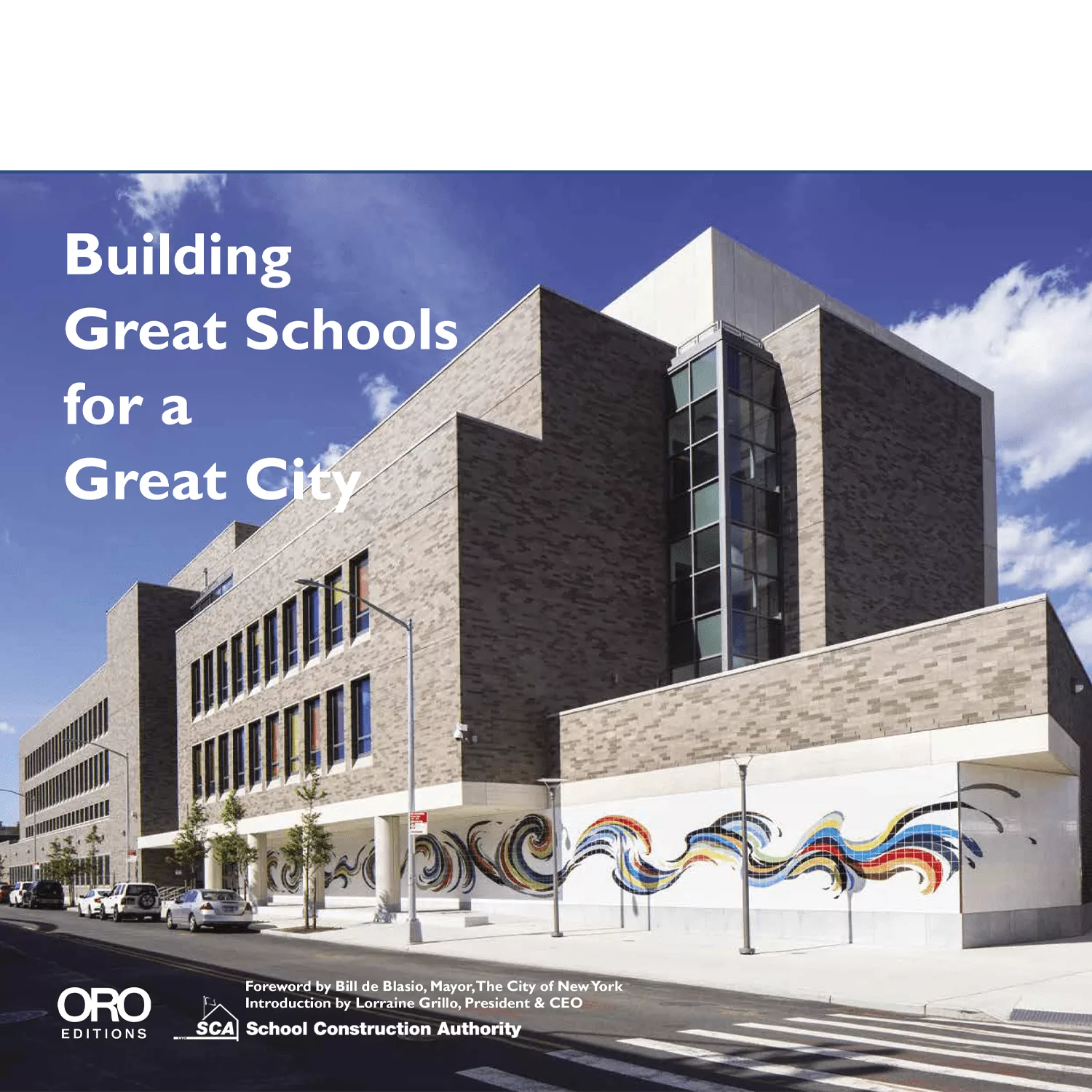
    Building Great Schools for a Great City

See More Products
×

The latest news and information

#1 Source for Architectural Design, News and Products

SUBSCRIBE
  • RESOURCES
    • Advertise
    • Contact Us
    • Submit
    • Store
  • ACCOUNT CENTER
    • Create an Account
    • Start a Subscription
    • Manage My Account
    • Sign Up for Newsletters
    • Visit Customer Service
    • Update Preferences
  • PRIVACY
    • PRIVACY POLICY
    • TERMS & CONDITIONS
    • DO NOT SELL MY PERSONAL INFORMATION
    • PRIVACY REQUEST
    • ACCESSIBILITY
  • SERVICES
    • Marketing Services
    • Reprints
    • Market Research
    • List Rental
    • Survey/Respondent Access
  • STAY CONNECTED
    • Linkedin
    • Facebook
    • Instagram
    • YouTube
    • X (Twitter)

Copyright ©2026. All Rights Reserved BNP Media, Inc. and BNP Media II, LLC.

Design, CMS, Hosting & Web Development :: ePublishing