Architectural Record
search
cart
facebook twitter linkedin youtube
  • Sign In
  • Subscribe
  • Sign Out
  • My Account
Architectural Record
  • NEWS
    • Latest News
    • Awards
    • Interviews
    • Obituaries
    • Podcasts
      • Design:Ed Podcast
      • Sponsored Podcasts
  • OPINION
    • Book Reviews / Excerpts
    • Exhibition Reviews
    • Forum
  • EXCLUSIVES
    • Videos
    • Design Vanguard
    • Top 300 Firms
    • Sponsored Content
    • Sponsored eBooks
    • From the Archives
  • CONTINUING ED
    • Editorial Continuing Ed
    • CE Center
    • CE Academies
  • PROJECTS
    • Buildings By Type
    • Reuse & Renovation
    • Museums & Arts Centers
    • Colleges & Universities
    • Multifamily Housing
    • Interiors
    • Lighting
    • Kitchen & Bath
  • HOUSES
    • Record Houses
    • House of the Month
    • Featured Houses
  • PRODUCTS
    • Products by Category
    • Record Products of the Year
    • Latest Products
  • EVENTS
    • Dates & Events
    • Record on the Road
    • Innovation Conference
    • Sustainability in Practice
    • Women In Architecture
    • Webinars
    • Ad Excellence Awards
    • Submit an Event
  • CONNECT
    • Ask RECORD AI
    • Newsletters
    • Contact
    • Advertise
    • Editorial Calendar
    • Store
    • Customer Service
  • SUBMIT
    • Submission Guidelines
    • RECORD Competitions
  • MAGAZINE
    • Subscribe
    • My Account
    • Digital Edition
    • Current Issue
    • Firm Pass
    • Historic Archive
Editorial

Being There

If you can get inside, houses by great architects usually defy your expectations.

By Cathleen McGuigan
Cathleen McGuigan

Photo © Michel Arnaud

June 1, 2017

When I was small, around 9 or 10 years old, my mother took me to see a house in our neighborhood in Ann Arbor designed by Frank Lloyd Wright. She was friends with the Palmers, who had commissioned the house from the architect in 1950—and it remained in the family for more than half a century. The brick and red cypress structure was beautifully tucked into a wooded rise, so it was hard to see the entire house from the road—its low-slung forms, with a deeply overhanging roof, were revealed as you walked toward it, crunching on the pulverized brick that Wright had specified for the driveway. The house, of course, was dramatically different from the split-level colonial we lived in nearby: inside, the open living room, dominated by wood, exuded a cozy warmth, with windows overlooking the leafy garden. As the guiding motif was the equilateral triangle, there were virtually no 90-degree angles in the place, and that included much of the Wrightdesigned furniture. The dining room table was rhomboid, and even the beds in the modest-sized bedrooms weren’t rectangular. When we left, the first question I asked my mother was how Mrs. Palmer could possibly find sheets that fit.

My design queries have become a little more on point since then, but I learned to expect the unexpected in houses by great architects. Some turn out to be surprisingly small: Philip Johnson’s Glass House in New Canaan, Connecticut, for example, or the Margaret Esherick House in Chestnut Hill, Pennsylvania, by Louis Kahn (one bedroom! tiny kitchen!). Others are embedded with drama. The stunning modernist home in Pacific Palisades, California, that Ray Kappe designed for his family in the 1960s is a light-filled flow of spaces that spill over multiple levels— many open to each other, without railings. Of course, even more vertigo-inducing is Paul Rudolph’s extravagant penthouse on Beekman Place in Manhattan, with a total of 27 different levels, some barely bigger than a stair landing, carved out of a converted townhouse by the architect, beginning in the 1970s.

You have to experience such extraordinary dwellings in person, which is why RECORD, as usual, dispatched writers who went from Santiago to Seattle to report on the projects included in this month’s issue, our annual collection of Record Houses.

One of them has an echo of Wright’s Palmer house. Shigeru Ban’s live/ work dwelling for a client in Tokyo is also based on the triangle—from the shape of the lot to the triangular roof, with exquisitely detailed triangular motifs in ceilings made of both wood and concrete (page 80). For the Pritzker Prize–winner, known for humanitarian projects as well as museums and other building types, tackling residential architecture is a testing ground for new ideas.

A trend seen in several houses in the pages ahead is the design of clustered volumes, an effective device for breaking up mass and separating programmatic components. For Underhill House, a family residence on Long Island by Bates Masi Architects, a collection of mostly one-story shingled structures, planned around courtyards, reduces the impact of its 6,300 square feet, helping it to fit sympathetically into the surrounding village. A weekend getaway in northern California by Envelope A+D is significantly smaller (2,100 square feet) but similarly sensitive to its neighborhood—in this case, a forest. It was carefully constructed as a series of cabins on stilts, so that not a single tree had to be cut down during construction. On the island of Mallorca, a house by OHLAB for an older couple was designed as a loose assemblage of four connected boxes—cozy for the clients when they are alone but expansive when grandchildren come to visit.

These residences of scaled-down volumes are, in a way, in disguise— but no house is more enigmatic than Jakob + MacFarlane’s Connected House: it sits like a deconstructed silo in a suburb of Paris and holds its secrets close to its chest. When deputy editor Suzanne Stephens (who oversaw this issue) visited it, she was astonished at how large the house turned out to be—and how the play of compressed and expanded spaces within a metal structure of planes and tubes made her feel as if she were inside a futuristic bird’s nest. The experience of being there is everything.

Looking for quick answers on architecture and design topics?
Try Ask RECORD, our new smart AI search tool.
Ask RECORD →

KEYWORDS: modern residential architecture

Share This Story

Looking for a reprint of this article?
From high-res PDFs to custom plaques, order your copy today!


Mcguigan

Cathleen McGuigan served as editor in chief of Architectural Record from 2011 to 2022.

Post a comment to this article

Report Abusive Comment

Subscription Center
  • Create an Account
  • Start a Subscription
  • Manage My Account
  • Sign Up for Newsletters
  • Visit Customer Service
  • Update Preferences

More Videos

Sponsored Content

Sponsored Content is a special paid section where industry companies provide high quality, objective, non-commercial content around topics of interest to the Architectural Record audience. All Sponsored Content is supplied by the advertising company and any opinions expressed in this article are those of the author and not necessarily reflect the views of Architectural Record or its parent company, BNP Media. Interested in participating in our Sponsored Content section? Contact your local rep!

close
  • TAMLYN XtremeTrim Exterior Trim
    Sponsored byTamlyn

    Designing Cleaner Panel Facades: Why Exterior Trim Details Matter

  • Building with Vapor Barriers
    Sponsored byReef Industries, Inc.

    Vapor Barriers Help Control Moisture in Tighter Building Designs

  • Duct Interior with Prodeq System
    Sponsored byHenry, a Carlisle Company

    Designing Resilient Water Containment Systems

DESIGN:ED Podcast
Listen to Architectural Record’s DESIGN:ED Podcast

Events

June 11, 2026

Very Early Warning Fire Detection for Mission-Critical Facilities

Credits: 1 AIA LU/HSW; 1 AIBD P-CE; 0.1 ICC CEU

Examine advanced fire detection strategies that support uptime and enhance safety in data centers and other mission-critical facilities.

June 16, 2026

Focus on the Façade: Exploring Steel, Timber & Fire-Rated Curtain Walls and Channel Glass Systems

Credits: 1 AIA LU/HSW; 1 AIBD P-CE; 0.1 ICC CEU

Explore modern façade and glazing systems that enhance daylighting, fire safety, and thermal performance while expanding architectural design possibilities.

View All Submit An Event

Products

2026 Architect's Square Foot Costbook

2026 Architect's Square Foot Costbook

See More Products

Popular Stories

Coronado Bridge

The Architect’s Guide to San Diego

SanDiegoAirport

Top 300 Architecture Firms of 2026

Practice Matters illustration

By the Numbers: Counting America's Architects

Crane Cove, ONO

Design Vanguard 2026 Winners

House on a Hill

Design Vanguard 2026: Forma

Focus on the Facade - Free Webinar - June 16, 2026

Related Articles

  • Being There (Virtually)

    See More
  • There Will Be Tacos, There Will Be Compost

    See More
  • Pollution Fighting Skin

    A Pollution-Fighting Skin? Yes, There’s a Product for That

    See More

Related Products

See More Products
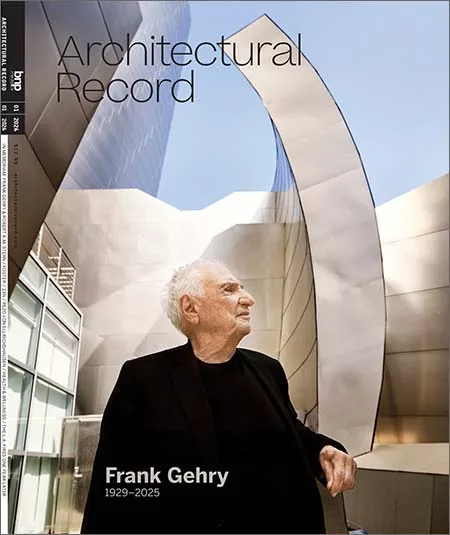
  • Architectural Record - January 2026

    Architectural Record January 2026 Issue

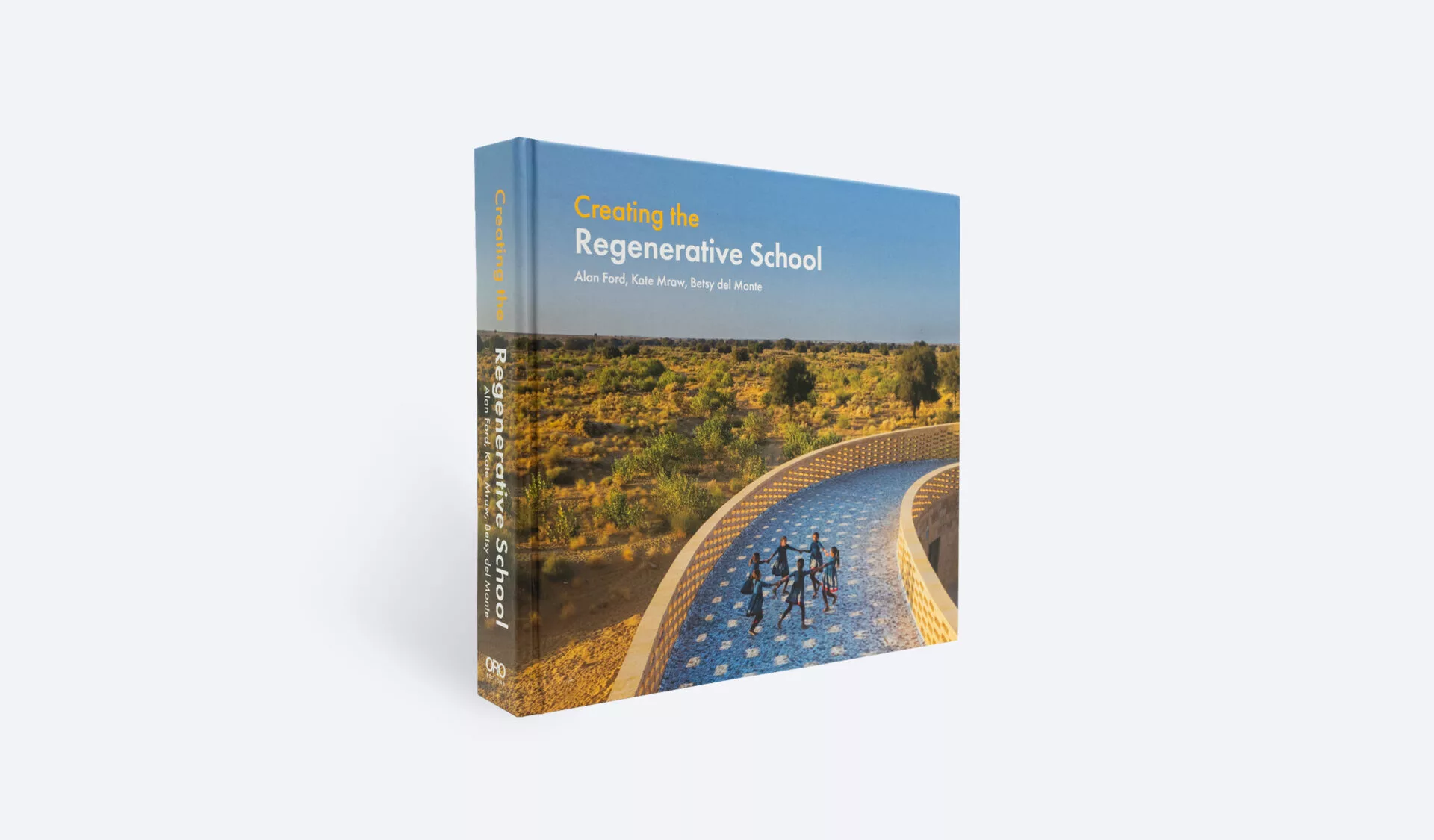
  • Web-Regenerative-school4-1920x1125.jpg

    Creating the Regenerative School

See More Products
×

The latest news and information

#1 Source for Architectural Design, News and Products

SUBSCRIBE
  • RESOURCES
    • Advertise
    • Contact Us
    • Submit
    • Store
  • ACCOUNT CENTER
    • Create an Account
    • Start a Subscription
    • Manage My Account
    • Sign Up for Newsletters
    • Visit Customer Service
    • Update Preferences
  • PRIVACY
    • PRIVACY POLICY
    • TERMS & CONDITIONS
    • DO NOT SELL MY PERSONAL INFORMATION
    • PRIVACY REQUEST
    • ACCESSIBILITY
  • SERVICES
    • Marketing Services
    • Reprints
    • Market Research
    • List Rental
    • Survey/Respondent Access
  • STAY CONNECTED
    • Linkedin
    • Facebook
    • Instagram
    • YouTube
    • X (Twitter)

Copyright ©2026. All Rights Reserved BNP Media, Inc. and BNP Media II, LLC.

Design, CMS, Hosting & Web Development :: ePublishing