Architectural Record
search
cart
facebook twitter linkedin youtube
  • Sign In
  • Subscribe
  • Sign Out
  • My Account
Architectural Record
  • NEWS
    • Latest News
    • Awards
    • Interviews
    • Obituaries
    • Podcasts
      • Design:Ed Podcast
      • Sponsored Podcasts
  • OPINION
    • Book Reviews / Excerpts
    • Exhibition Reviews
    • Forum
  • EXCLUSIVES
    • Videos
    • Design Vanguard
    • Top 300 Firms
    • Sponsored Content
    • Sponsored eBooks
    • From the Archives
  • CONTINUING ED
    • Editorial Continuing Ed
    • CE Center
    • CE Academies
  • PROJECTS
    • Buildings By Type
    • Reuse & Renovation
    • Museums & Arts Centers
    • Colleges & Universities
    • Multifamily Housing
    • Interiors
    • Lighting
    • Kitchen & Bath
  • HOUSES
    • Record Houses
    • House of the Month
    • Featured Houses
  • PRODUCTS
    • Products by Category
    • Record Products of the Year
    • Latest Products
  • EVENTS
    • Dates & Events
    • Record on the Road
    • Innovation Conference
    • Sustainability in Practice
    • Women In Architecture
    • Webinars
    • Ad Excellence Awards
    • Submit an Event
  • CONNECT
    • Ask RECORD AI
    • Newsletters
    • Contact
    • Advertise
    • Editorial Calendar
    • Store
    • Customer Service
  • SUBMIT
    • Submission Guidelines
    • RECORD Competitions
  • MAGAZINE
    • Subscribe
    • My Account
    • Digital Edition
    • Current Issue
    • Firm Pass
    • Historic Archive
Architecture NewsClimate Change & SustainabilityCommentary & CriticismOpinion

Review of 'Modern Architecture and Climate: Design Before Air Conditioning'

By Daniel A. Barber

By Russell Fortmeyer
Modern Architecture and Climate

Modern Architecture and Climate: Design Before Air Conditioning, by Daniel A. Barber. Princeton Architectural Press, 336 pages, $60.

October 8, 2020

The National Weather Service suggests that the 130 degrees Farhrenheit measured in Death Valley on August 16 ranks as the highest temperature ever reliably recorded. Evidence of our environmental crisis surfaces daily, an inconvenience that the architecture profession has largely avoided addressing, and even abetted, through enormous expenditures of energy in buildings.

Architecture’s past could be a key to a more climate-friendly future, which is the case the architectural historian Daniel A. Barber makes in his new book. Barber is not the first historian to note the sustainable design predilections of modern architects in the decades bookending the Second World War, but his book offers perhaps the most comprehensive and concise corrective to the reigning histories of Modernism that have tended to exclude, or at least consider only superficially, environmental context.

Barber makes a detailed study of the building envelope in early Modernism, situating it as both a mediating device and a cultural production, always in the service of a resultant and useful “planetary interior.” Among his “climatic modernists” is Le Corbusier, the great innovator of the brise soleil, and so the author begins with an elegant description of the architect’s unbuilt 1931 project for Barcelona, Lotissement. An apartment block with multiple louvered and dynamic facade expressions, it’s the sort of porous, performative, naturally ventilated project that today would win an AIA COTE award for its innovation, which tells you how little the profession has advanced in response to the climate crisis.

The Corbu example acts as a soft opening for a book that takes some unexpected turns. Barber concludes the first half, which considers the global development of the modern movement, with an analysis of early Brazilian Modernism centered on the intensely articulated facades by the firm MMM Roberto in Rio de Janeiro, followed by an examination of the way Richard Neutra’s work in Los Angeles and on behalf of the U.S. government exported concepts of climatic modernism around the world. These case studies illustrate an architectural agenda that situates the expression of the facade as an integration of cultural, political, scientific, and design forces to advance emerging research and a global economy. It’s a neat trick to suggest that new computational models and diagrams, such as the sun-path diagram, express climatic risk and political power through the integration of shading systems and other facade technologies, but Barber does it.

The second half of the book is for true aficionados, especially if you’ve ever wondered how the magazine House Beautiful and ASHRAE conspired to sell air-conditioning to the insatiable American consumer, or if you find the midcentury development of Victor and Aladar Olgyay’s computational models for a fully integrated, climatic architecture particularly thrilling. Here, the book makes its most compelling argument for a reset and a return to climatic modernism’s original aims after an era of cheap energy and climate-change denial.

We are now faced with an avalanche of new data about climate risk that architecture has been slow to acknowledge, particularly when coupled with race and class divides that have historically limited access to healthy buildings. It’s telling that many of the case studies of early Modernism that Barber selects are social housing, schools, and everyday office buildings.

To date, our response to wildfires, extreme heat, tropical storms, sea-level rise—take your pick—has been reactive, and mostly in terms of engineering. Unlike the architects in Barber’s book, we have armies of specialists, advanced digital fabrication technologies, and terabytes of computational models to inform architecture. Imagining a new “planetary interior,” one divorced from air-conditioning, calls for a reckoning not only for architecture but our entire social and cultural existence. The emptying out of office buildings during the pandemic presents an opportunity to start that revolution, one that architects could be leading again.

Looking for quick answers on architecture and design topics?
Try Ask RECORD, our new smart AI search tool.
Ask RECORD →

KEYWORDS: Book Reviews / Excerpts

Share This Story

Looking for a reprint of this article?
From high-res PDFs to custom plaques, order your copy today!

Russell fortmeyer
Russell Fortmeyer, a contributing editor to RECORD, is a Los Angeles-based sustainability principal at Arup and adjunct professor at the University of Southern California School of Architecture.

Post a comment to this article

Report Abusive Comment

Subscription Center
  • Create an Account
  • Start a Subscription
  • Manage My Account
  • Sign Up for Newsletters
  • Visit Customer Service
  • Update Preferences

More Videos

Sponsored Content

Sponsored Content is a special paid section where industry companies provide high quality, objective, non-commercial content around topics of interest to the Architectural Record audience. All Sponsored Content is supplied by the advertising company and any opinions expressed in this article are those of the author and not necessarily reflect the views of Architectural Record or its parent company, BNP Media. Interested in participating in our Sponsored Content section? Contact your local rep!

close
  • TAMLYN XtremeTrim Exterior Trim
    Sponsored byTamlyn

    Designing Cleaner Panel Facades: Why Exterior Trim Details Matter

  • Building with Vapor Barriers
    Sponsored byReef Industries, Inc.

    Vapor Barriers Help Control Moisture in Tighter Building Designs

  • Duct Interior with Prodeq System
    Sponsored byHenry, a Carlisle Company

    Designing Resilient Water Containment Systems

DESIGN:ED Podcast
Listen to Architectural Record’s DESIGN:ED Podcast

Events

June 16, 2026

Focus on the Façade: Exploring Steel, Timber & Fire-Rated Curtain Walls and Channel Glass Systems

Credits: 1 AIA LU/HSW; 1 AIBD P-CE; 0.1 ICC CEU

Explore modern façade and glazing systems that enhance daylighting, fire safety, and thermal performance while expanding architectural design possibilities.

June 18, 2026

Rebooting the Aging Office Building

Credits: 1 AIA LU/HSW; 1 AIBD P-CE; 0.1 ICC CEU; 1 PDH

Explore façade retrofit strategies and award-winning design concepts that can transform aging office buildings into healthier, higher-performing workplaces for today’s hybrid workforce.

View All Submit An Event

Products

2026 Architect's Square Foot Costbook

2026 Architect's Square Foot Costbook

See More Products

Popular Stories

SanDiegoAirport

Top 300 Architecture Firms of 2026

Coronado Bridge

The Architect’s Guide to San Diego

Crane Cove, ONO

Design Vanguard 2026 Winners

House on a Hill

Design Vanguard 2026: Forma

House A on a Hill

Design Vanguard 2026: Santiago Valdivieso

Focus on the Facade - Free Webinar - June 16, 2026

Related Articles

  • Modern Architecture: A Critical History

    Review of 'Modern Architecture: A Critical History (Fifth Edition)'

    See More
  • Makers of Modern Architecture

    Review of 'Makers of Modern Architecture, Volume III: From Antoni Gaudí to Maya Lin'

    See More
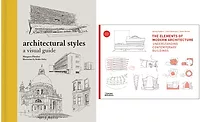
  • Architectural Styles and The Elements of Modern Architecture

    Review of 'Architectural Styles' and 'The Elements of Modern Architecture'

    See More

Related Products

See More Products
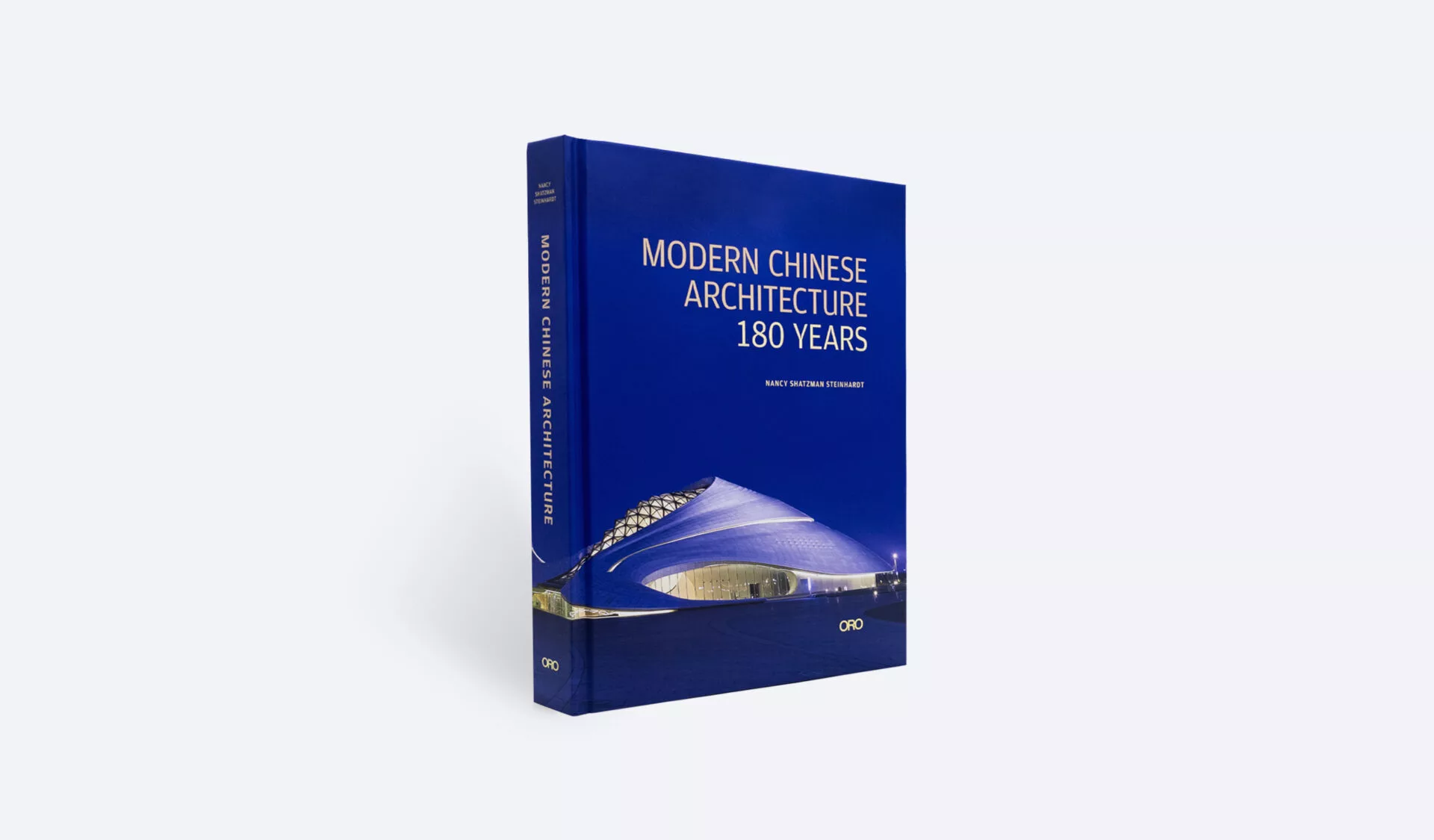
  • Web-Modern-chinese-architecture18-1920x1125.jpg

    Modern Chinese Architecture: 180 Years

  • 0470126736.gif

    Modern Sustainable Residential Design: A Guide for Design Professionals

See More Products
×

The latest news and information

#1 Source for Architectural Design, News and Products

SUBSCRIBE
  • RESOURCES
    • Advertise
    • Contact Us
    • Submit
    • Store
  • ACCOUNT CENTER
    • Create an Account
    • Start a Subscription
    • Manage My Account
    • Sign Up for Newsletters
    • Visit Customer Service
    • Update Preferences
  • PRIVACY
    • PRIVACY POLICY
    • TERMS & CONDITIONS
    • DO NOT SELL MY PERSONAL INFORMATION
    • PRIVACY REQUEST
    • ACCESSIBILITY
  • SERVICES
    • Marketing Services
    • Reprints
    • Market Research
    • List Rental
    • Survey/Respondent Access
  • STAY CONNECTED
    • Linkedin
    • Facebook
    • Instagram
    • YouTube
    • X (Twitter)

Copyright ©2026. All Rights Reserved BNP Media, Inc. and BNP Media II, LLC.

Design, CMS, Hosting & Web Development :: ePublishing