Books
Summer Book Roundup: RECORD Editors Survey New Sustainability Titles
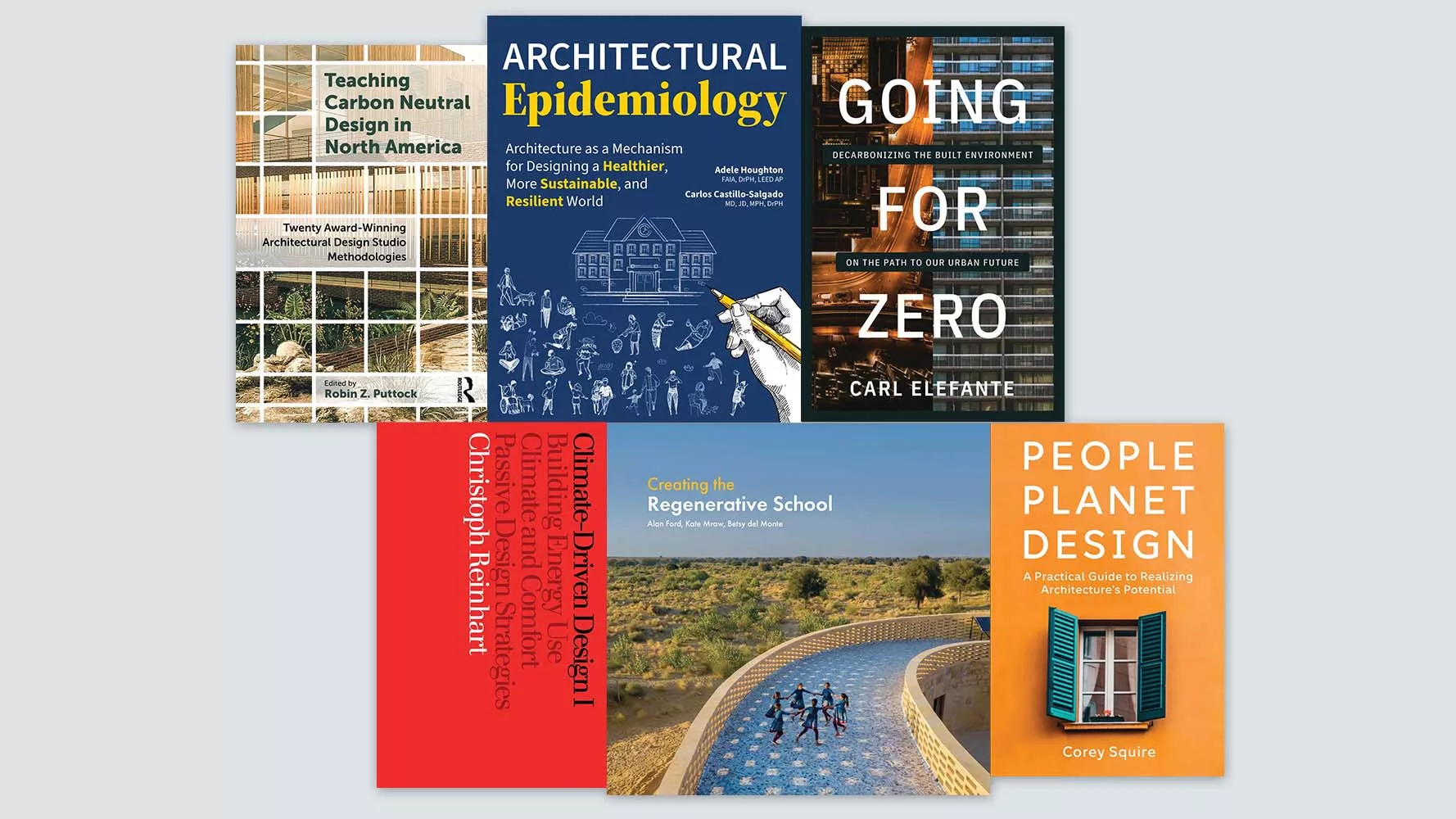
Our picks include a resource on teaching carbon neutral design and the latest from the head of MIT's Sustainable Design Lab.
All cover art courtesy the publishers, click to enlarge.
Teaching Carbon Neutral Design in North America: Twenty Award-Winning Architectural Design Studio Methodologies, edited by Robin Z. Puttock. Routledge, 323 pages, $44.
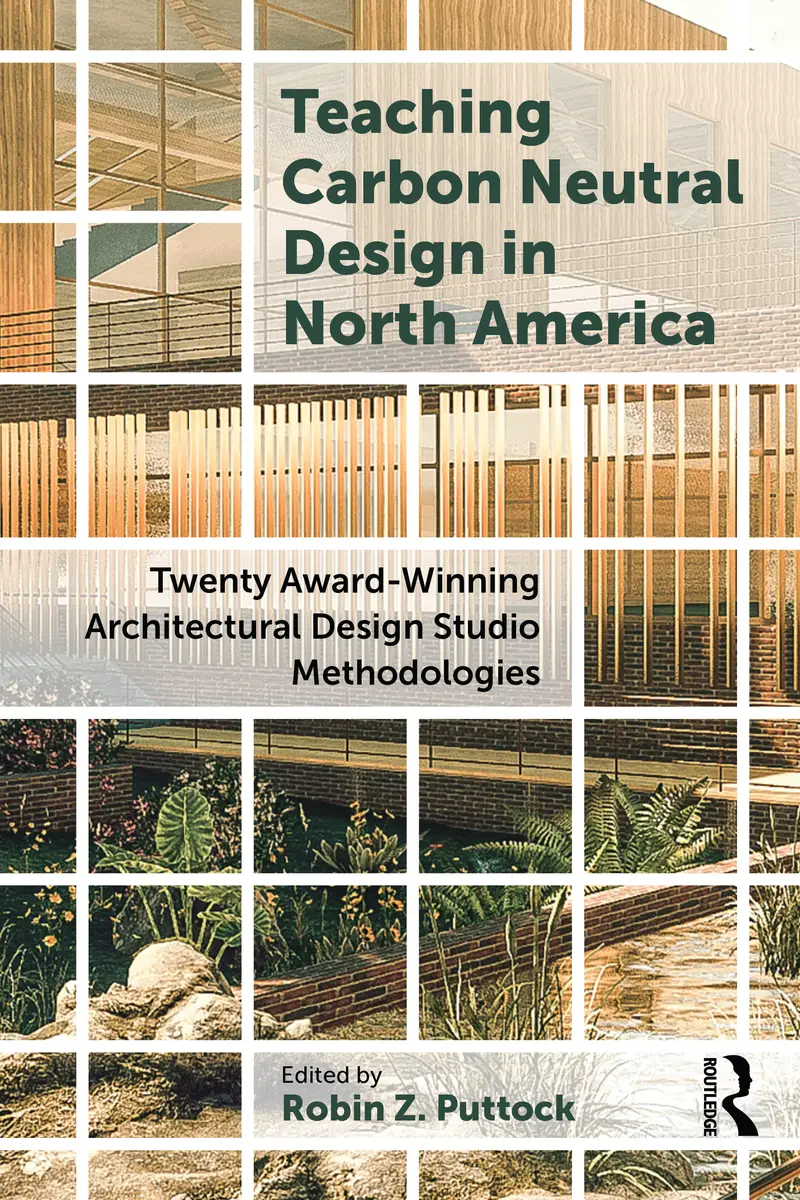
A key strategy in combating the climate crisis is “to educate as many current architecture students as possible about the role of the built environment in carbon emissions,” says Robin Puttock, an assistant professor at Kennesaw State University and a practicing architect, in Teaching Carbon Neutral Design in North America. Toward that end, the book compiles sustainable-design pedagogies from 26 studio instructors at architecture schools in the U.S. and Canada. The collection outlines each course, describing the philosophical rationale, teaching approach, use of analytical tools, and assessment methodology. With its diverse approaches aimed at students at a variety of levels, the book will help prepare the next generation of architects for the climate challenge ahead. Joann Gonchar, FAIA
Architectural Epidemiology: Architecture as a Mechanism for Designing a Healthier, More Sustainable, and Resilient World, by Adele Houghton and Carlos Castillo-Salgado. Johns Hopkins University Press, 282 pages, $100.
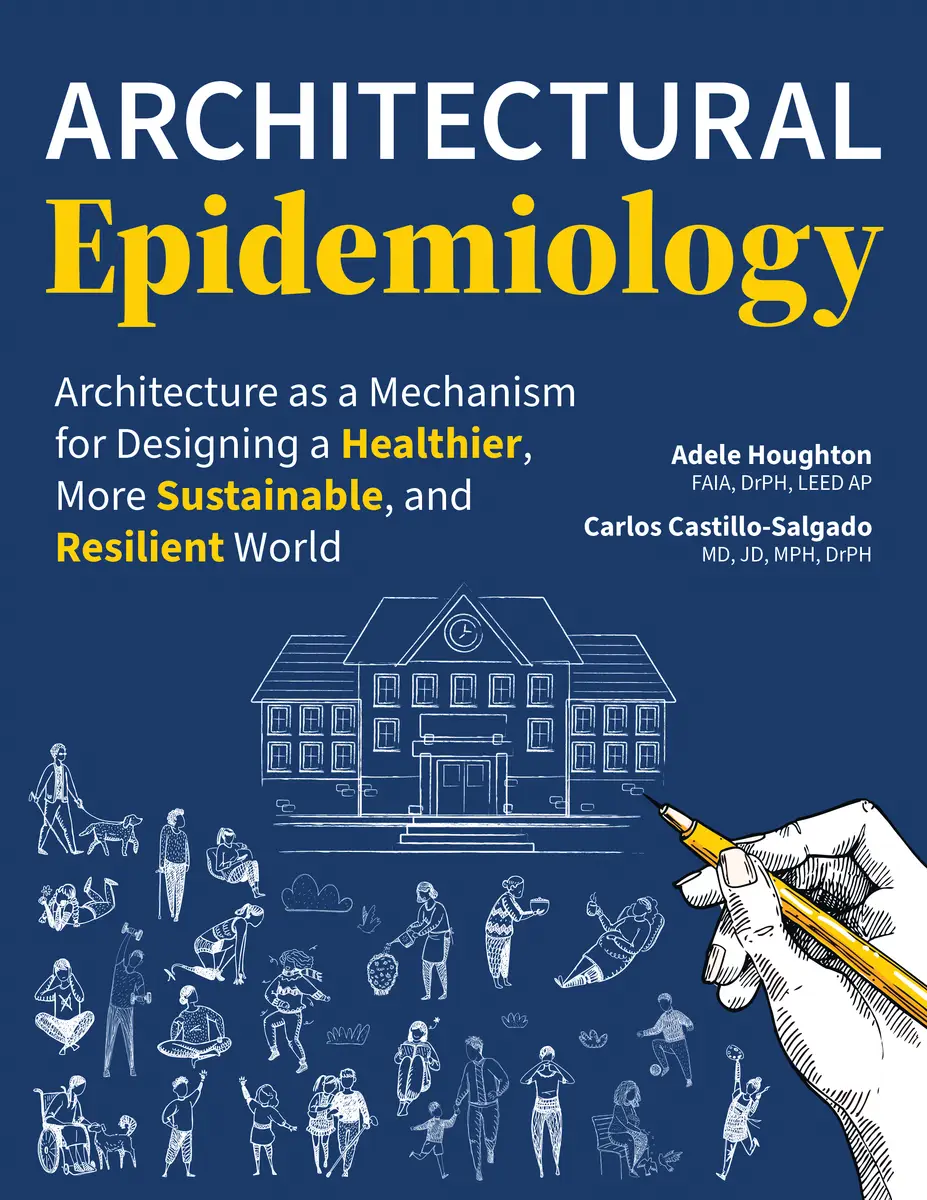
Co-written by an architect with a doctorate in public health and an epidemiologist medical doctor/lawyer, Architectural Epidemiology proposes a new transdisciplinary field encompassing design, real-estate development, and policy to combat the intertwined threats of climate change, chronic disease, and inequity. Intended for practitioners, academics, and researchers, it provides a framework for applying design strategies that can support positive human- and environmental-health outcomes. With a textbook-like format, real-world case studies, and illustrated “toolboxes,” the guide will help professionals from normally siloed disciplines better collaborate. JG
Going for Zero: Decarbonizing the Built Environment on the Path to Our Urban Future, by Carl Elefante. Island Press, 296 pages, $32.
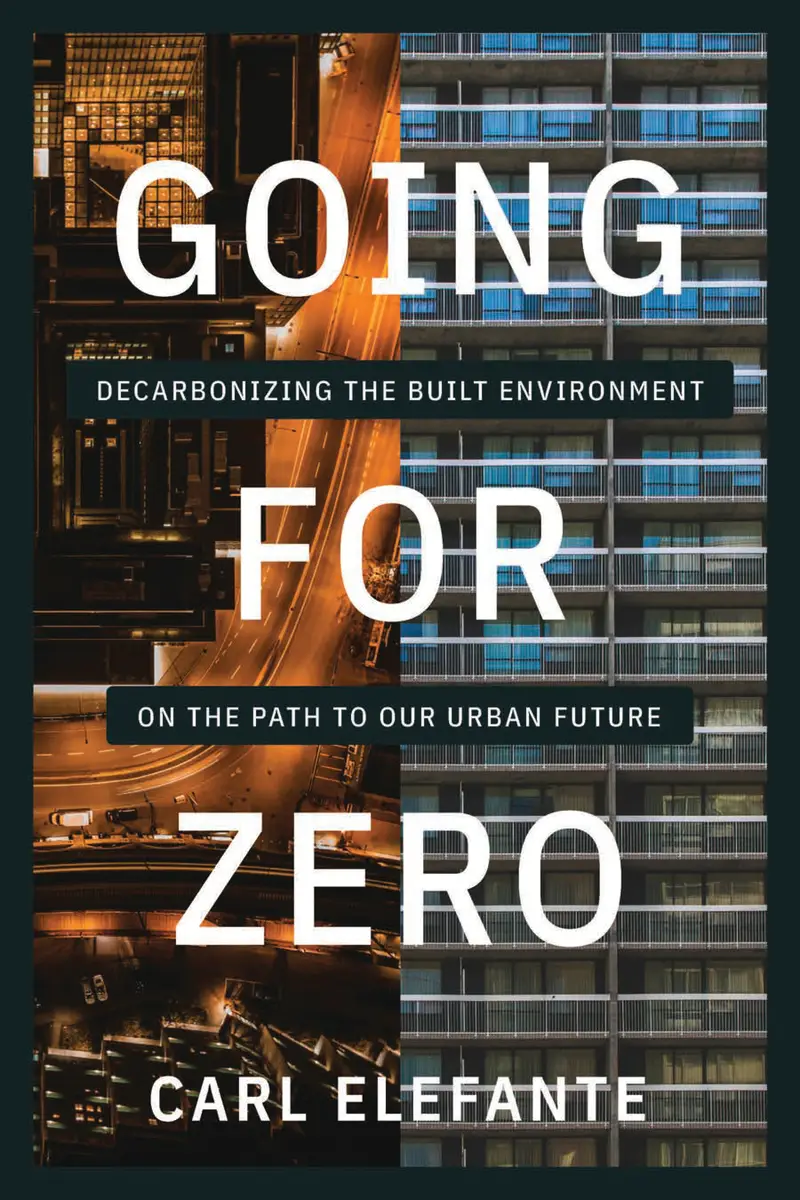
“The greenest building is one that is already built,” architect Carl Elefante proclaimed in 2004—a phrase as prescient then as it is relevant today. In Going for Zero, Elefante, principal emeritus at Quinn Evans, reveals the remark’s origin and takes readers on an international tour of climate case studies, using Detroit’s burgeoning midcentury population and economic collapse, and the subsequent demolition of some 20,000 buildings, as an illustrative opening act. Although adaptive reuse and renovation are increasingly embraced to address the climate crisis, he shows that there are ways to sustainably and responsibly build from the ground up too. Elefante untangles various climate accords, decodes a veritable alphabet soup of regulatory acronyms, and reminds us that centuries of regional knowledge were cast aside during industrialization. Going for Zero isn’t a manual—it’s a call to action for architects and related professionals alike. Leopoldo Villardi
People, Planet, Design: A Practical Guide to Realizing Architecture’s Potential, by Corey Squire. Island Press, 392 pages, $40.

Corey Squire hopes to reinvigorate the current state of architectural practice. Director of sustainability at Bora Architects and a lead author of the AIA Framework for Design Excellence, Squire translates his experience into a prescriptive approach for human-oriented, eco-conscious buildings in this book. A critical diagnosis of the profession lays the groundwork for historically informed, data-driven strategies for 10 building systems and elements—from scale and windows to user behavior. Whether you are a seasoned architect or an aspiring student, this compendium of practical advice will be your go-to for making sustainable choices. Peter Xu
Creating the Regenerative School, by Alan Ford, Kate Mraw, Betsy del Monte. Oro Editions, 376 pages, $50.
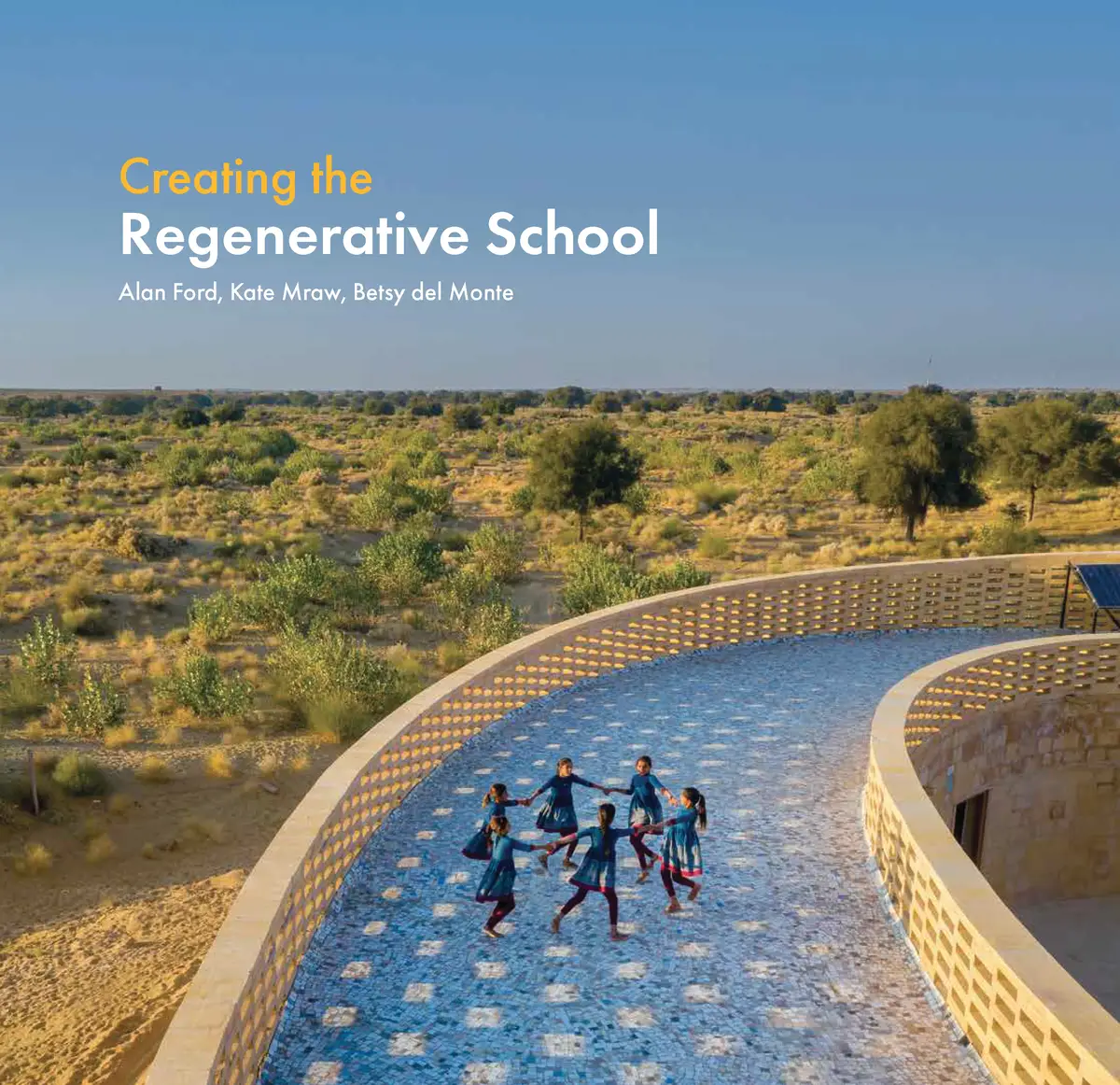
Since Alan Ford’s Designing the Sustainable School debuted in 2007, ecological stewardship has taken center stage in educational architecture—largely propelled by rating systems such as LEED and WELL. But with climate change accelerating, Ford’s new book, co-authored with Kate Mraw and Betsy del Monte, pushes sustainability beyond doing less harm to restoring and revitalizing the environment. Forty-five culturally and contextually diverse case studies—from BCJ’s Frick Environmental Center in Pittsburgh to Rajkumari Ratnavati Girls School in India by Diana Kellogg Architects—gather insights from educators, planners, and designers to chart a regenerative future for the classrooms shaping tomorrow’s generation. PX
Climate-Driven Design I: Building Energy Use, Climate and Comfort, Passive Design Strategies, by Christoph Reinhart. Building Technology Press, 256 pages, $38.
The first volume in a planned series on sustainable strategies for new construction and retrofits, Climate-Driven Design I provides an examination of the conditions and factors affecting building energy use and occupant comfort. The book, by Christoph Reinhart, a professor of building technology at MIT, where he heads the Sustainable Design Lab, is smartly illustrated with diagrams and charts that, for instance, help clarify building-physics concepts, compare the performance of different exterior wall sections, or explain the workings of solar hot-water systems. Geared toward the technically oriented members of the building design and construction team, the book provides readers with the tools to lead the urgently needed transformation of building stock globally. JG
Looking for quick answers on architecture and design topics?
Try Ask RECORD, our new smart AI search tool.
Ask RECORD →
Looking for a reprint of this article?
From high-res PDFs to custom plaques, order your copy today!