Books
Fall Book Roundup: RECORD Editors Survey New Titles on Houses and Residential Architects
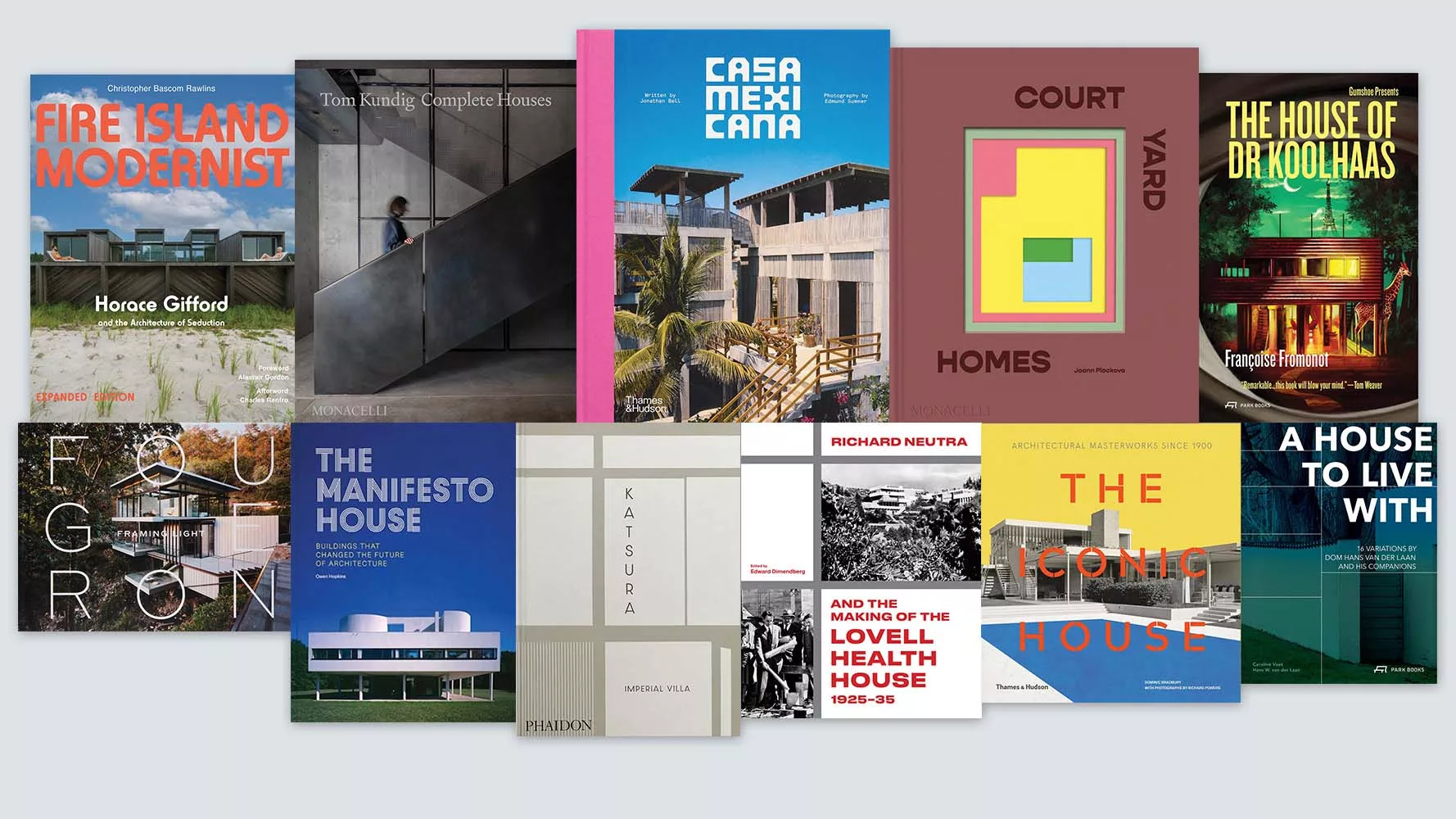
Our dwelling-focused picks include monographs dedicated to Tom Kundig and Anne Fougeron, an expanded edition of the previously out-of-print Fire Island Modernist, and a comprehensive history of Neutra’s Lovell Health House in Los Angeles.
All images courtesy the publishers.
Fire Island Modernist: Horace Gifford and the Architecture of Seduction,
by Christopher Bascom Rawlins; foreword by Alastair Gordon; afterword by Charles Renfro. Metropolis Books and Gordon De Vries Studio, 224 pages, $65.
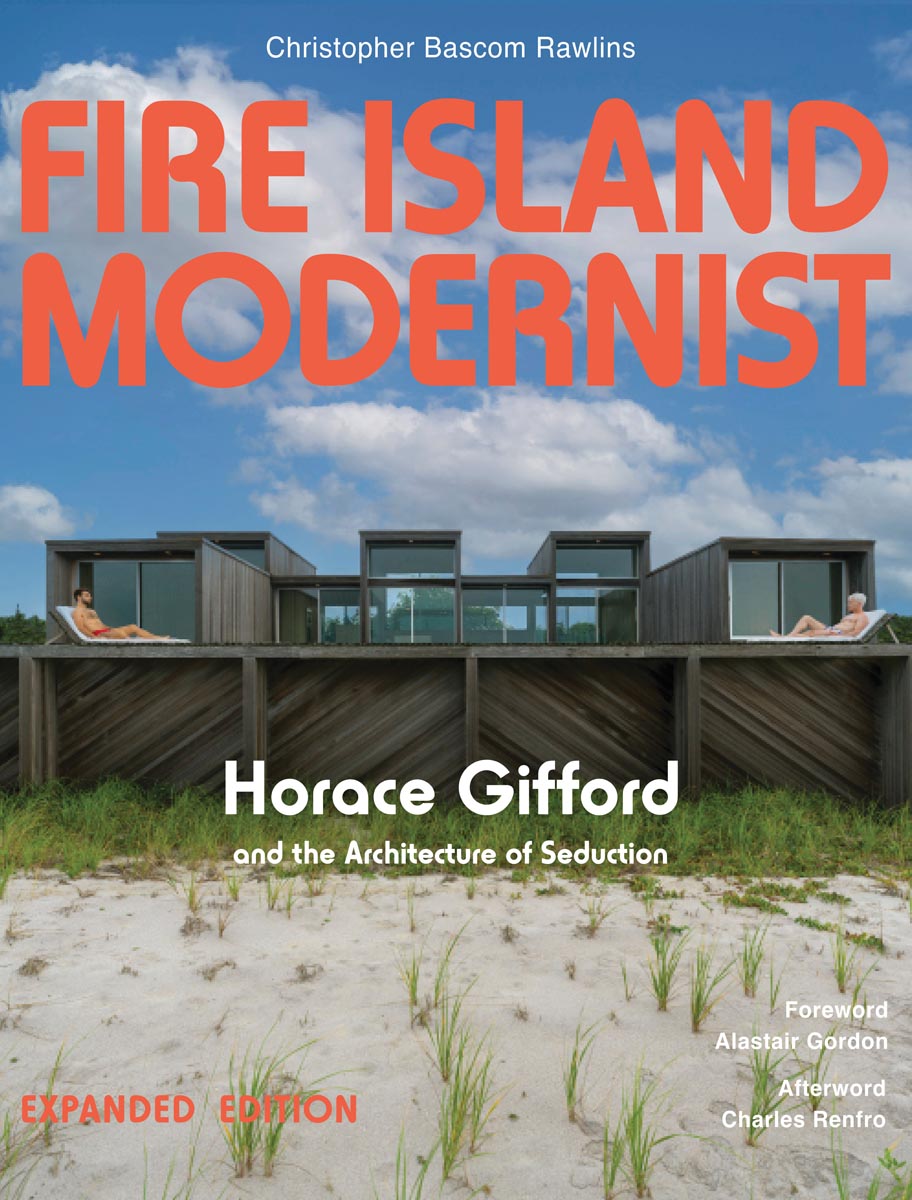
Fire Island has long been a destination for New York’s gay community and—stippled as it is with fabulous Midcentury Modern beach houses—for archi-tourists too. In 2013, Christopher Rawlins published a study of the architect Horace Gifford, who realized more than 60 abodes on this sandy spit of land. It was a welcome piece of scholarship concerning an overlooked and prolific designer; Gifford, like many of his clients, died prematurely of AIDS, in 1992. The deft architect also had a famously wry sense of humor, once telling a patron, “You will now have 20 closets to come out of.” Rawlins’s book quickly went out of print, but this expanded edition includes new photography and drawings, five additional projects, and an afterword by DS+R partner Charles Renfro. Grab a copy before it sells out. Leopoldo Villardi
Tom Kundig: Complete Houses,
edited by Dung Ngo. Monacelli Press, 600 pages, $100.
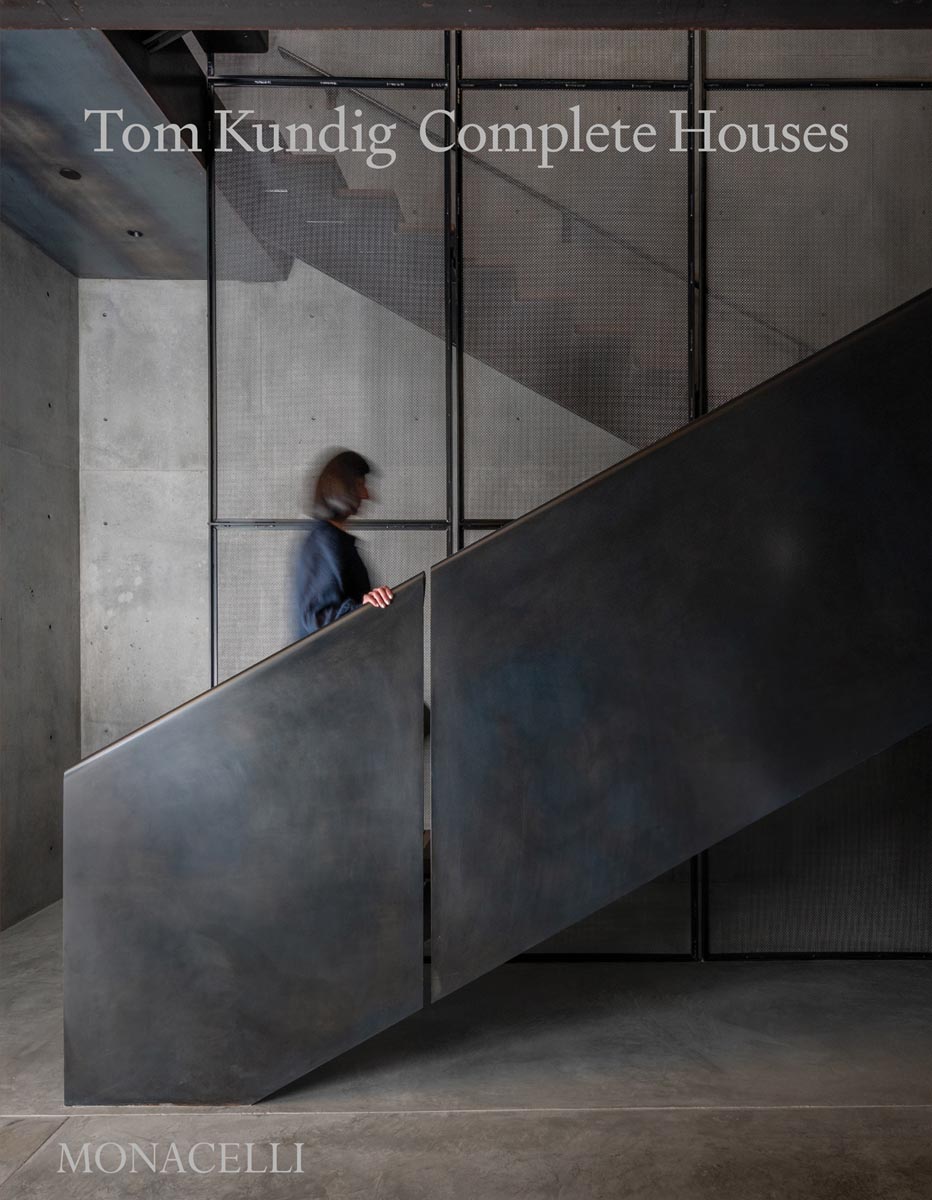
Although Olson Kundig is now large enough to undertake major commissions worldwide, its Seattle-based founding principal, Tom Kundig, still relishes working at an intimate residential scale. “These are the projects that force me to confront what it really means to be a human being,” he writes in the preface to his new monograph. Over his 40-year career, Kundig has designed 462 houses, many set within spectacular landscapes; a number of them have been published in RECORD. Tom Kundig: Complete Houses chronicles them all with arresting photography, evocative drawings, and a candid interview that delves into his formative influences and dynamic ethos. Peter Xu
Casa Mexicana,
by Jonathan Bell. Foreword by Fernanda Canales. Photography by Edmund Sumner. Thames & Hudson, 304 pages, $65.
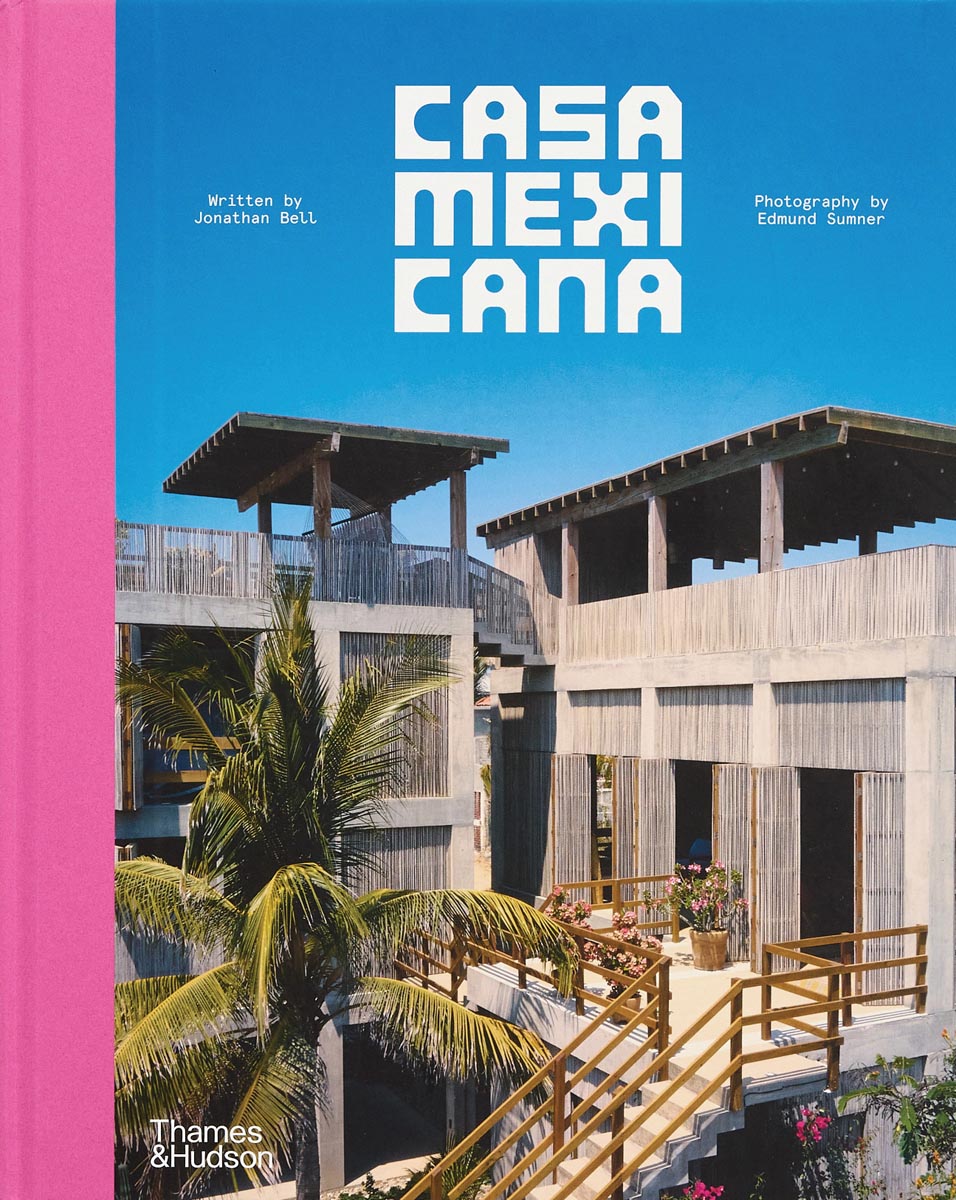
For many years the editors of RECORD have wondered how Mexican architects have produced so many astounding residential designs. One such architect, Fernanda Canales, also asks the question in her foreword to this handsomely produced compendium of recent modern architecture. The answer, according to Canales, includes a strong sense of experimentation and a willingness to explore “daring sculptural staircases, Brutalist volumes, and rough textures, possibly thanks to the benevolent climate, local craft, and wide variety of materials.” Her observation applies to the work of Alberto Kalach, BAAQ’, and Manuel Cervantes, among others—who are no doubt familiar to the readers of RECORD—as well as Canales’s own architecture. (Her Casa 720 appeared on the cover of a Record Houses issue in September 2024.) Other examples convince the reader of this country’s abundant talent, even when author Jonathan Bell has included some architects who are not Mexican but have paid homage to the local materials and techniques when building there. Suzanne Stephens
Courtyard Homes,
by Joann Plockova. Phaidon, 224 pages, $60.
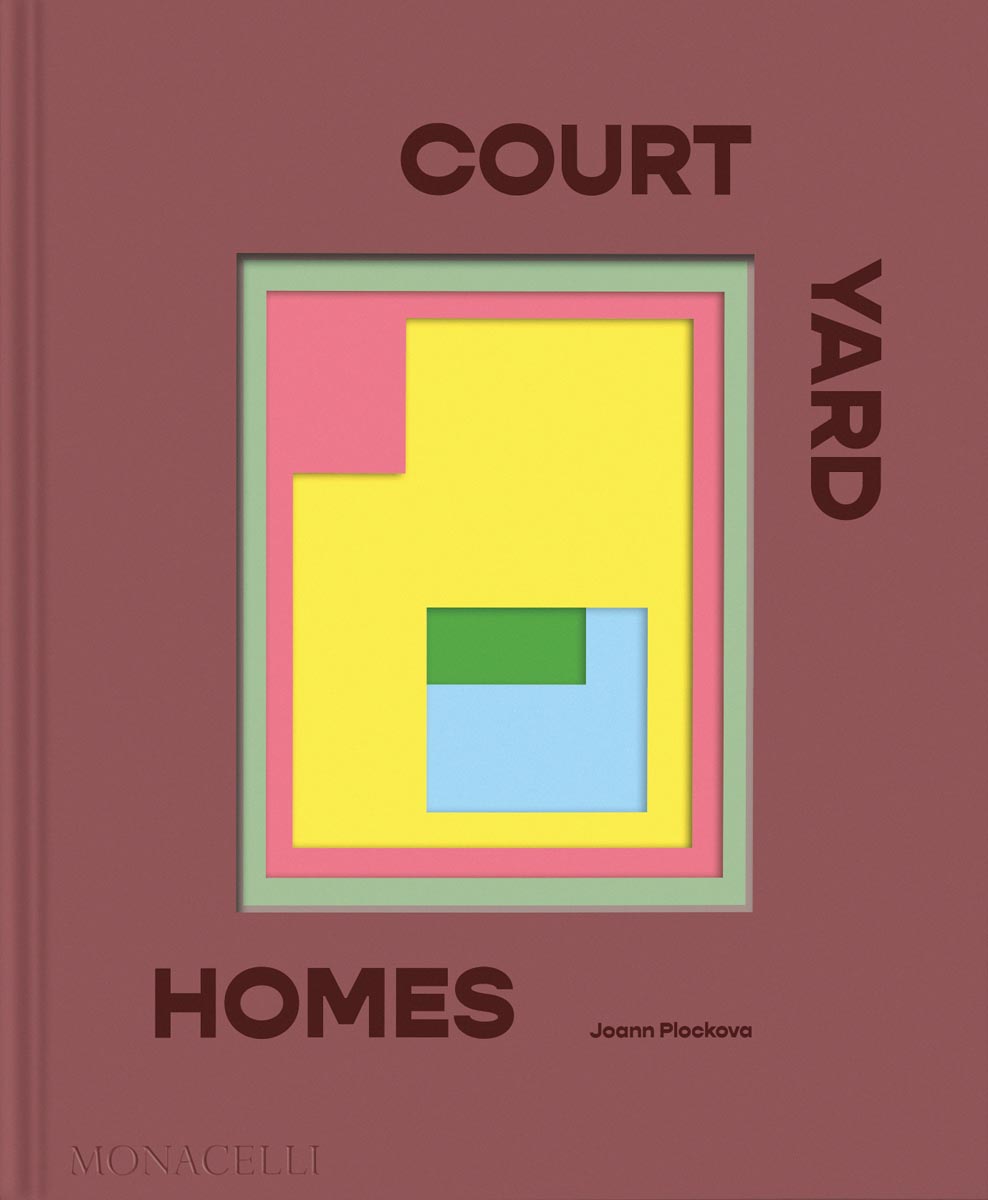
Orienting buildings around a central open-air space is a millennia-old trope in architecture. This globe-hopping survey of contemporary houses focuses on the biophilic appeal—fresh air, sunlight, exposure to greenery—of the courtyard, especially in the post-pandemic era, when the desire for a place to feel connected to the natural world while remaining “protected and comfortable” is even more pronounced, writes Joann Plockova. This richly illustrated book features 20 such modern courtyard dwellings, including works by Craig Steely Architecture, Matharoo Associates, Mwworks, and Leckie Studio, whose Lantern House is a 2025 Record House. Matt Hickman
The House of Dr Koolhaas,
by Françoise Fromonot. Park Books, 224 pages, $19.
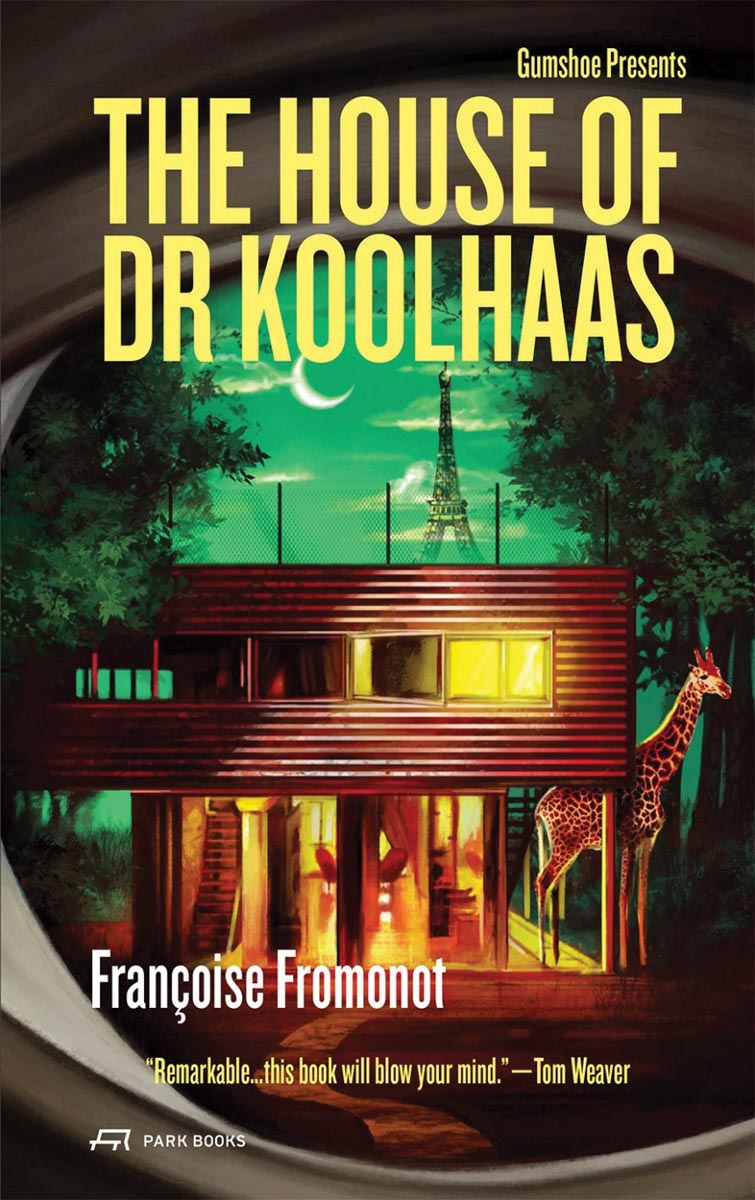
In this profession, large-format coffee-table books and heavy tomes abound. But The House of Dr Koolhaas, the first in a new series aiming to “examine afresh, and often sideways, a panoply of famous or overlooked buildings,” is a pocket-size paperback in the form of a detective story, and a page-turner too. This serious—and seriously fun—architectural read delves into one of Rem Koolhaas’s early commissions: the Villa dall’Ava, an understudied eclectic aerie nestled into the hills of Saint-Cloud overlooking the Bois de Boulogne in Paris. Gone is the theoretical posturing, which allows the book to refreshingly focus on the building itself. Might series editors Françoise Fromonot and Thomas Weaver be onto something? LV
Fougeron Architecture: Framing Light,
by Anne Fougeron. Contributions by Meryati Blackwell, Dana Cuff, Julie Eizenberg, Yvonne Farrell, and Rudabeh Pakravan. Oscar Riera Ojeda Publishers, 288 pages, $65.
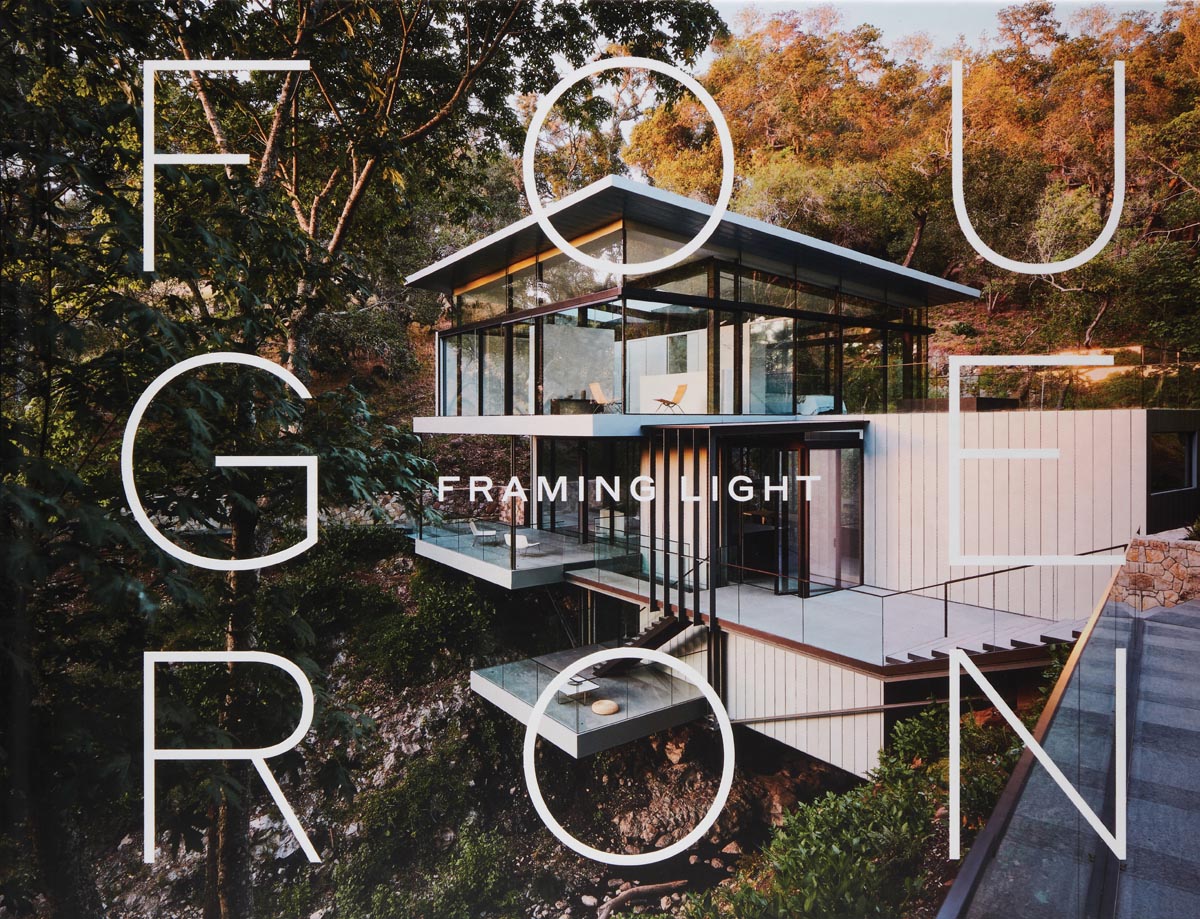
The projects included in this expansive exploration of French-American architect Anne Fougeron’s celebrated career transcend any single typology. Still, there’s plenty to relish for admirers of her Bay Area–based practice’s sizable residential oeuvre—often photographed through the lenses of Joe Fletcher, Bruce Damonte, Jason O’Rear, and others—including a slew of distinctive California abodes such as the transformative remodel of a Victorian rowhouse in San Francisco and Big Sur’s bluff-hugging Fall House (which appeared on the cover of a Record Houses issue in 2014). MH
Looking for quick answers on architecture and design topics?
Try Ask RECORD, our new smart AI search tool.
Ask RECORD →
The Manifesto House: Buildings that Changed the Future of Architecture,
by Owen Hopkins. Yale University Press, 240 pages, $40.
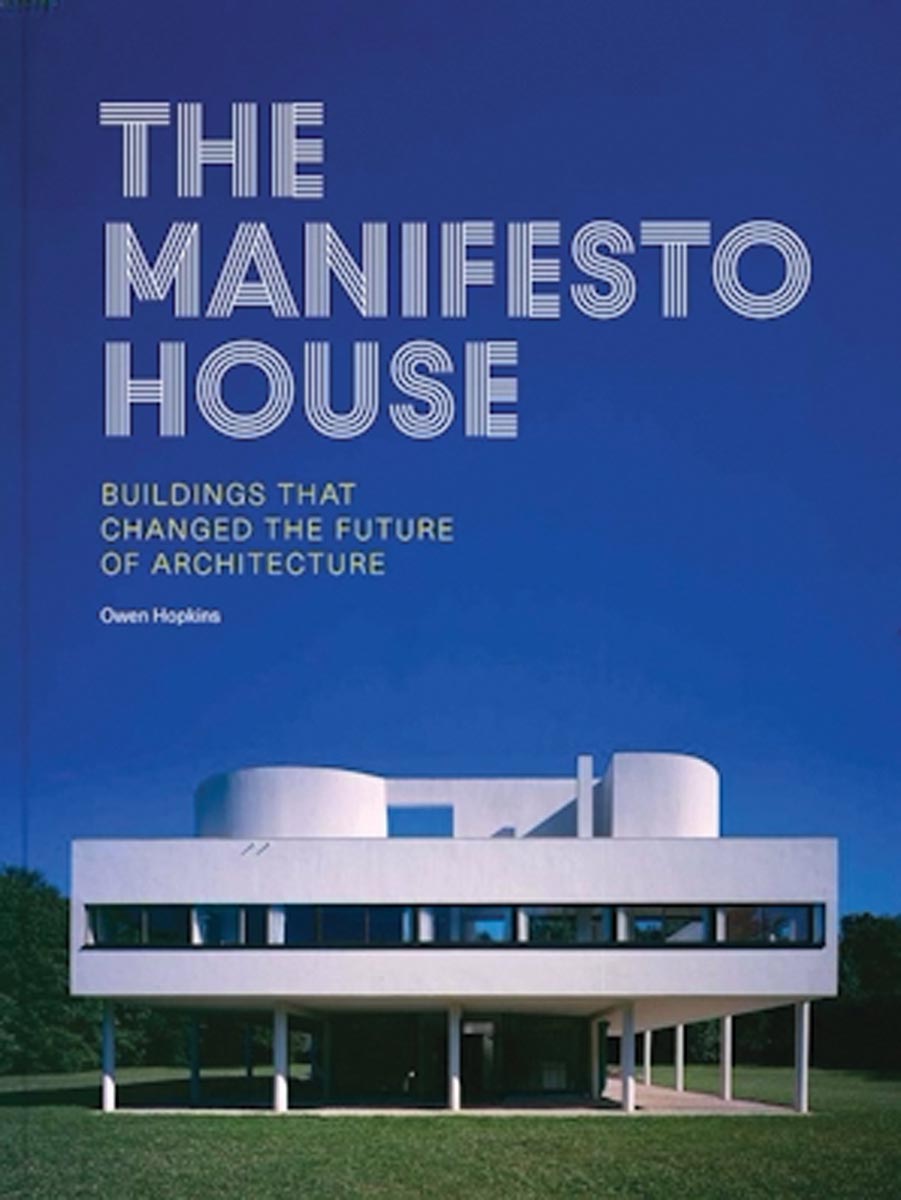
The ideas that shape architecture aren’t just written down; they’re often first manifested as houses. British historian Owen Hopkins takes up what he calls “Manifesto Houses,” or buildings that allow an architect to materialize their innovative visions, as a thread across architectural history, spanning from the Renaissance to the present day, from Palladio’s Villa Rotonda to Krista Kim’s virtual NFT house. While most of the 21 houses discussed at length in terms of their speculative ambitions are familiar—Casa Barragán or Fallingwater, for example—others, such as Worofila’s Keur Mbuubenne, in Senegal, are recent responses to an ever more ecologically uncertain future. Patrick Templeton
Richard Neutra and the Making of the Lovell Health House, 1925–35,
edited by Edward Dimendberg. Getty Publications, 144 pages, $50.

As its title suggests, this book documents the design, construction, and critical reception of Richard Neutra’s Lovell Health House—the residence he designed for physician and naturopath Philip Lovell in the hills of Los Angeles. Organized as five scholarly “portfolios,” it chronicles the house’s history from concept through realization and beyond. With recent essays by Edward Dimendberg, Crosby Doe, and Nicholas Olsberg; a chronology by Thomas Hines; historical writings by Willard D. Morgan and Neutra—as well as contemporaneous black-and-white photographs (taken by Morgan) and recently commissioned ones in color by Grant Mudford—Richard Neutra and the Making of the Lovell Health House helps the reader thoroughly understand why the residence was, and still is, considered a seminal work, central to the global Modern Movement. Joann Gonchar, FAIA
Katsura: Imperial Villa,
with contributions by Arata Isozaki, Yoshiharu Matsumura, Manfred Speidel, Bruno Taut, Walter Gropius, Kenzo Tange, and Francesco Dal Co. Phaidon, 336 pages, $80.
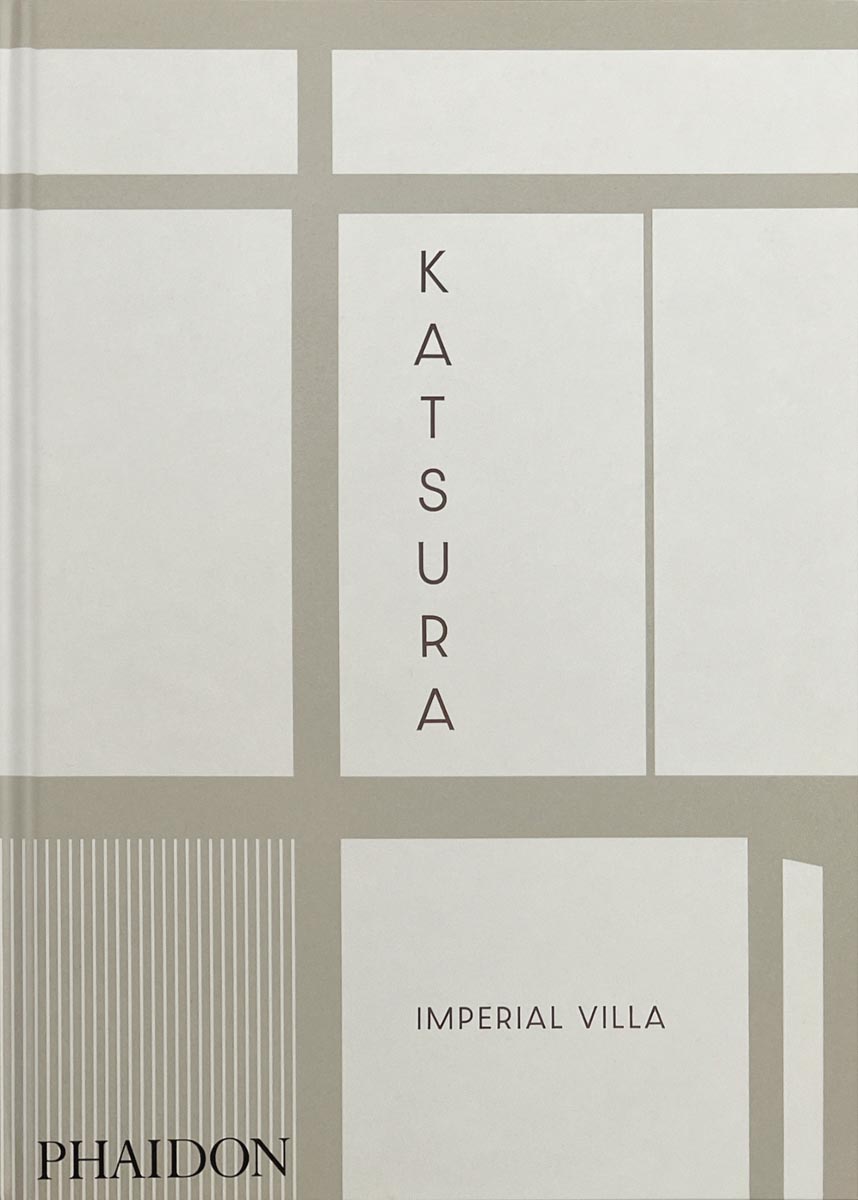
This book is a new edition of the popular study of Katsura, the 17th-century imperial residence in the suburbs of Kyoto, Japan, whose modularity, minimalism, and adaptability have influenced countless architects. Now in hardcover and slightly more compact, the latest release, like the previous one, includes journal entries by Bruno Taut—widely regarded as the first to write about Katsura and its affinities with Modernism—along with essays by Arata Isozaki, Walter Gropius, and Kenzo Tange, among others. Extensive color photographs by Yoshiharu Matsumura, along with detailed line drawings, help to comprehensively document this revered complex. JG
The Iconic House: Architectural Masterworks Since 1900,
by Dominic Bradbury. Thames & Hudson, 376 pages, $30.
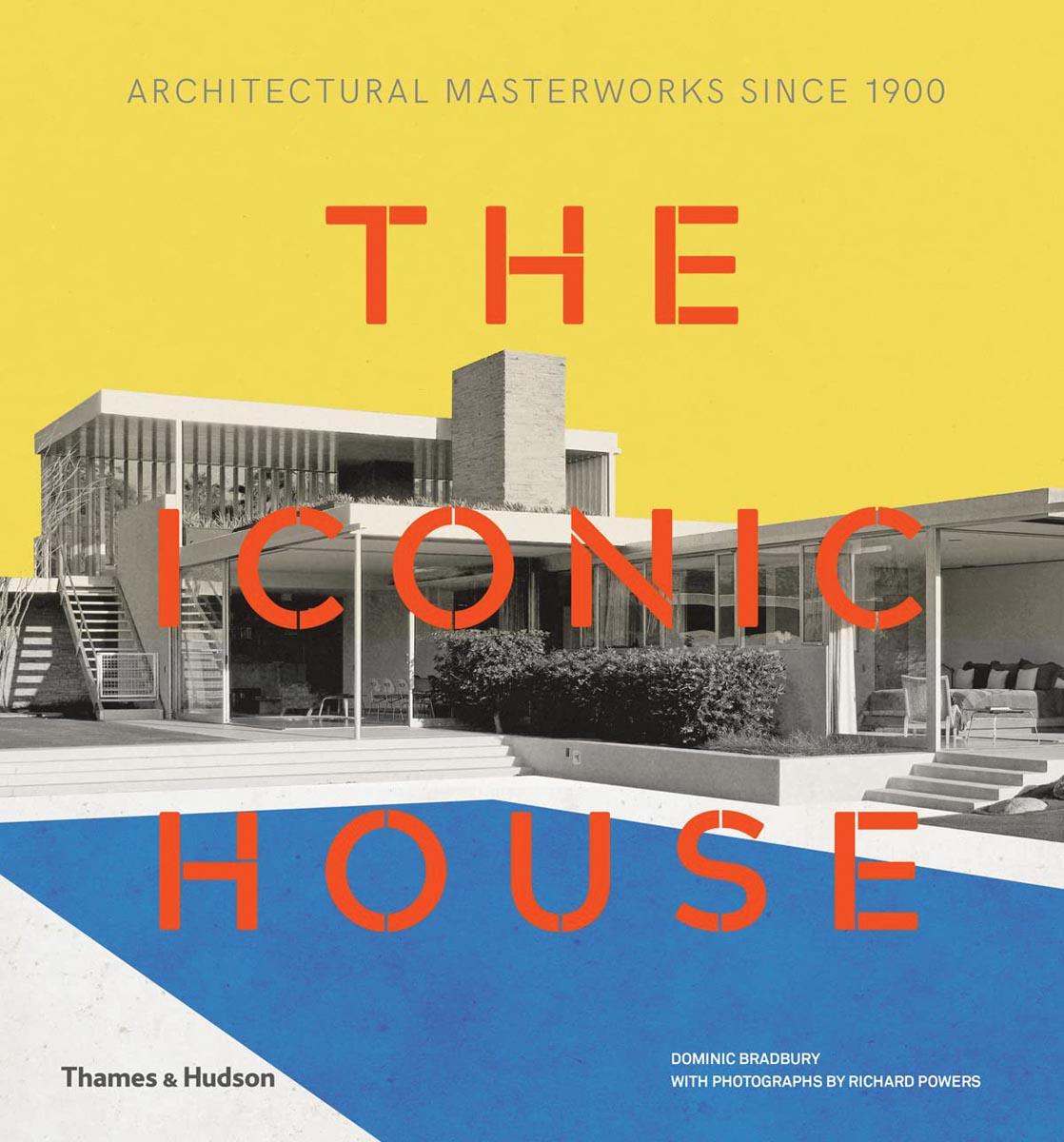
The word iconic is woefully overused in architectural writing nowadays, but The Iconic House is a welcome library addition. Available in paperback for the first time, this survey of modern dwellings authored by seasoned design journalist and book author Dominic Bradbury probes the very idea of iconicity. Over 100 illustrated case studies examine “the great courage and imagination” in redefining what a house should be and ought to do. And for every obvious hit—the Villa Savoye, Fallingwater, and Peter Eisenman’s House VI—there’s a lesser-known hidden gem. PX
A House to Live With: 16 Variations by Dom Hans van der Laan and His Companions,
edited by Caroline Voet and Hans W. van der Laan. Park Books, 420 pages, $75.
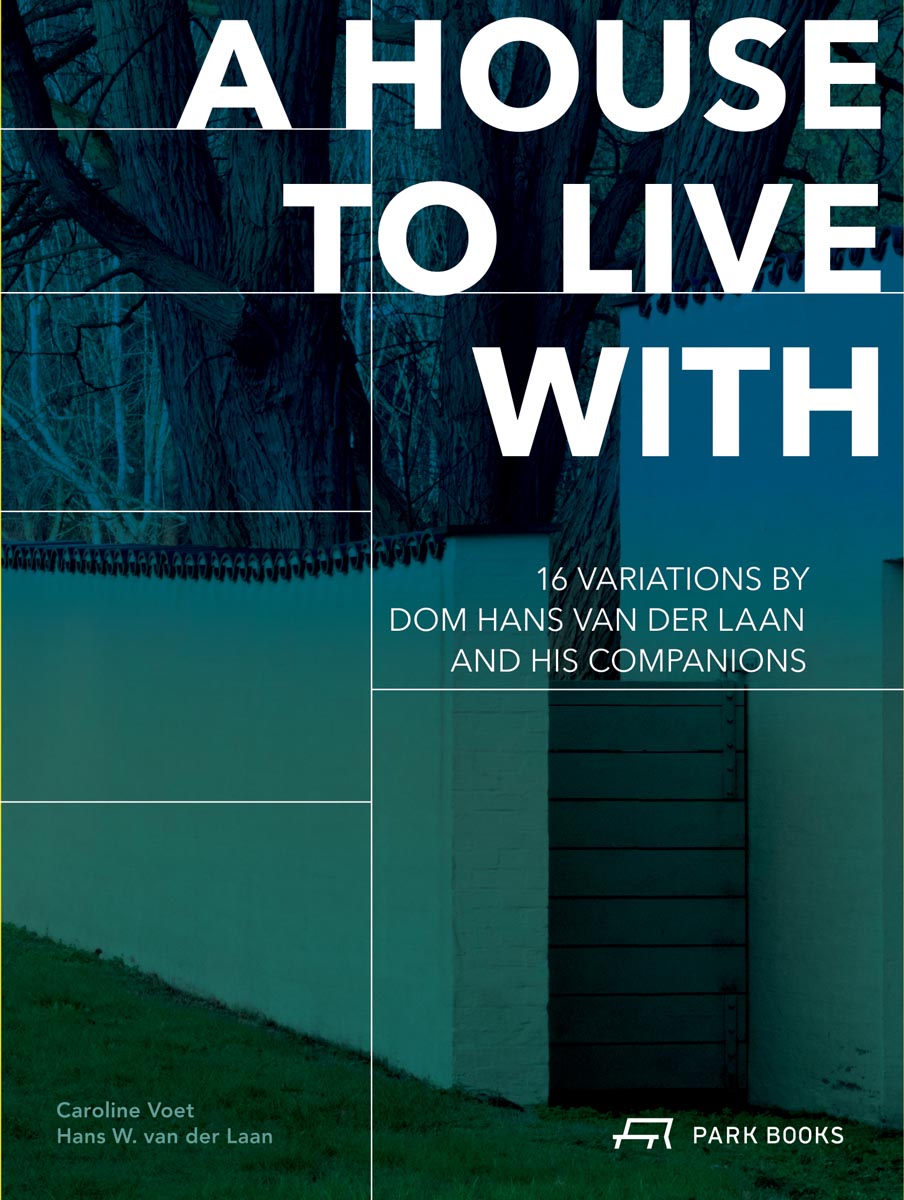
Dutch architect and Benedictine monk Dom Hans van der Laan spent his life examining the fundamental principles of space and form, which he defined using a proportion system based on the “plastic number” (a generalization of the golden ratio). While he and his “Bossche School” disciples are best known for minimalist brick monasteries, it is in single-family houses that their ideas find the fullest expression. A House to Live With illustrates the spatial harmony and materiality of 16 houses built between 1966 and 1985. Essays explicate the geometric order of each project and place them in dialogue with ancient Roman precedents. PX
Looking for a reprint of this article?
From high-res PDFs to custom plaques, order your copy today!