Louisville’s Speed Art Museum Debuts Reed Hilderbrand–Designed Park

Architects & Firms
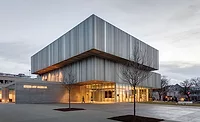
Last month, the Speed Art Museum in Louisville celebrated the public unveiling of the Elizabeth P. and Frederick K. Cressman Art Park, a sculpture-studded public landscape enabling the nearly century-old museum to expand beyond its physical walls and better integrate with the surrounding community.
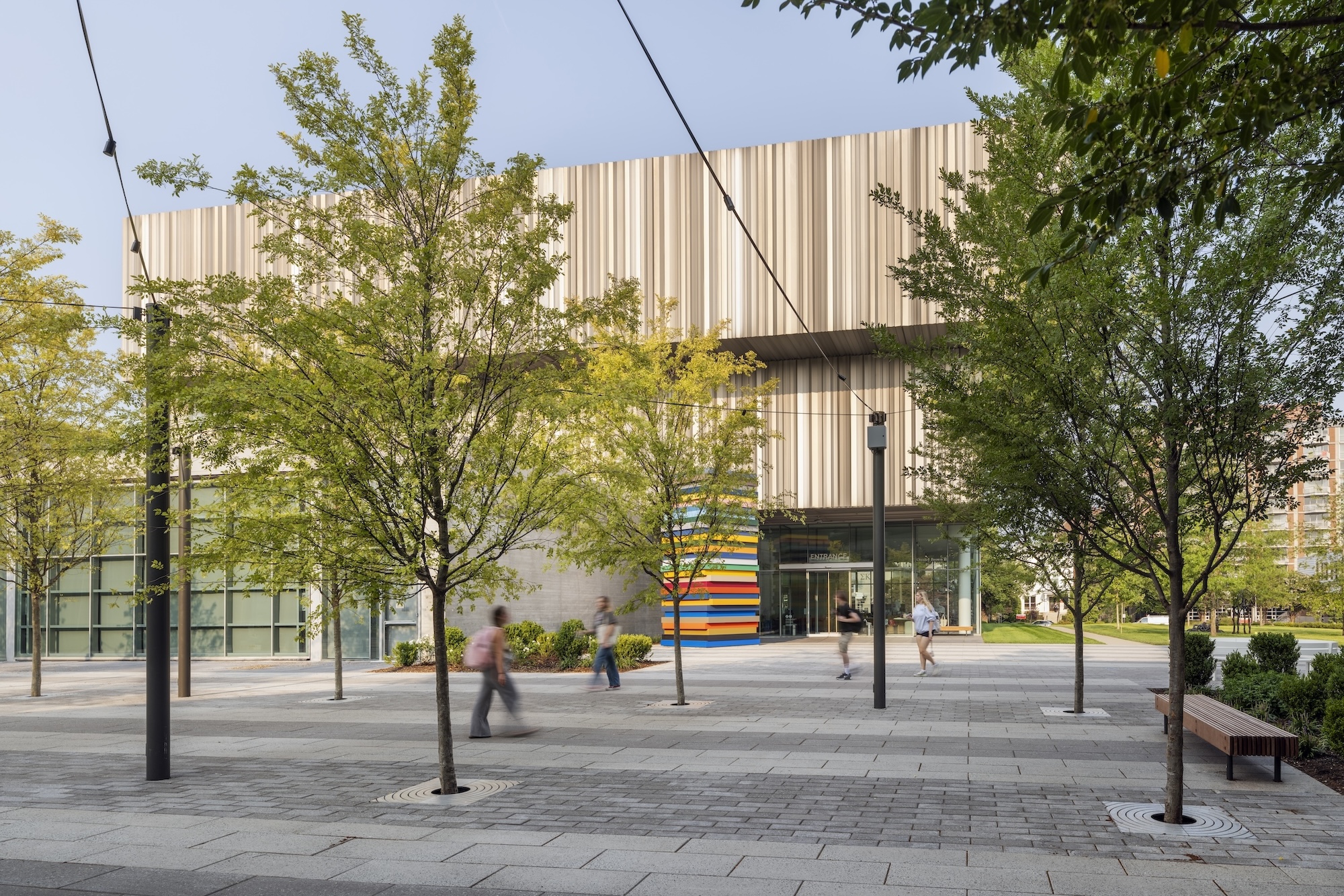
Photo © Saha Coston-Hardy / Esto
Landscape architecture firm Reed Hilderbrand—no stranger to sculpture parks and high-profile cultural campuses—designed the 3-acre space that surrounds the Speed’s existing structures, including the museum’s original, limestone-clad Beaux-Arts building from 1927 and WHY Architecture’s 2016 North Building expansion. Notably, the Art Park is open daily, is free, and ungated. (Adult admission to the museum itself for non-members is $25.) Leslie Carter, senior associate and project manager at Reed Hilderbrand, describes the revamped museum grounds as a civic landscape that was “conceived as a comfortable place to be, to sit, and to feel at home” with a design that “encourages lingering.”
The keystone initiative of the museum’s Speed Outdoors capital campaign was to “expand access to art and landscape while reimagining what a museum can be.” The park features flowering gardens, stormwater infrastructure, walking paths and seating areas, and 150 new trees (oaks, sweet gums, and serviceberry among them) that provide cooling and help to improve air quality. A shaded terrace, complete with outdoor furnishings and charging stations, serves as a natural spot for congregation and a renewed lawn helps to bolster the museum’s presence along Third Street. The grounds feature 13 large-scale sculptures, including works by Deborah Butterfield, Mark Handforth, and Sean Scully.
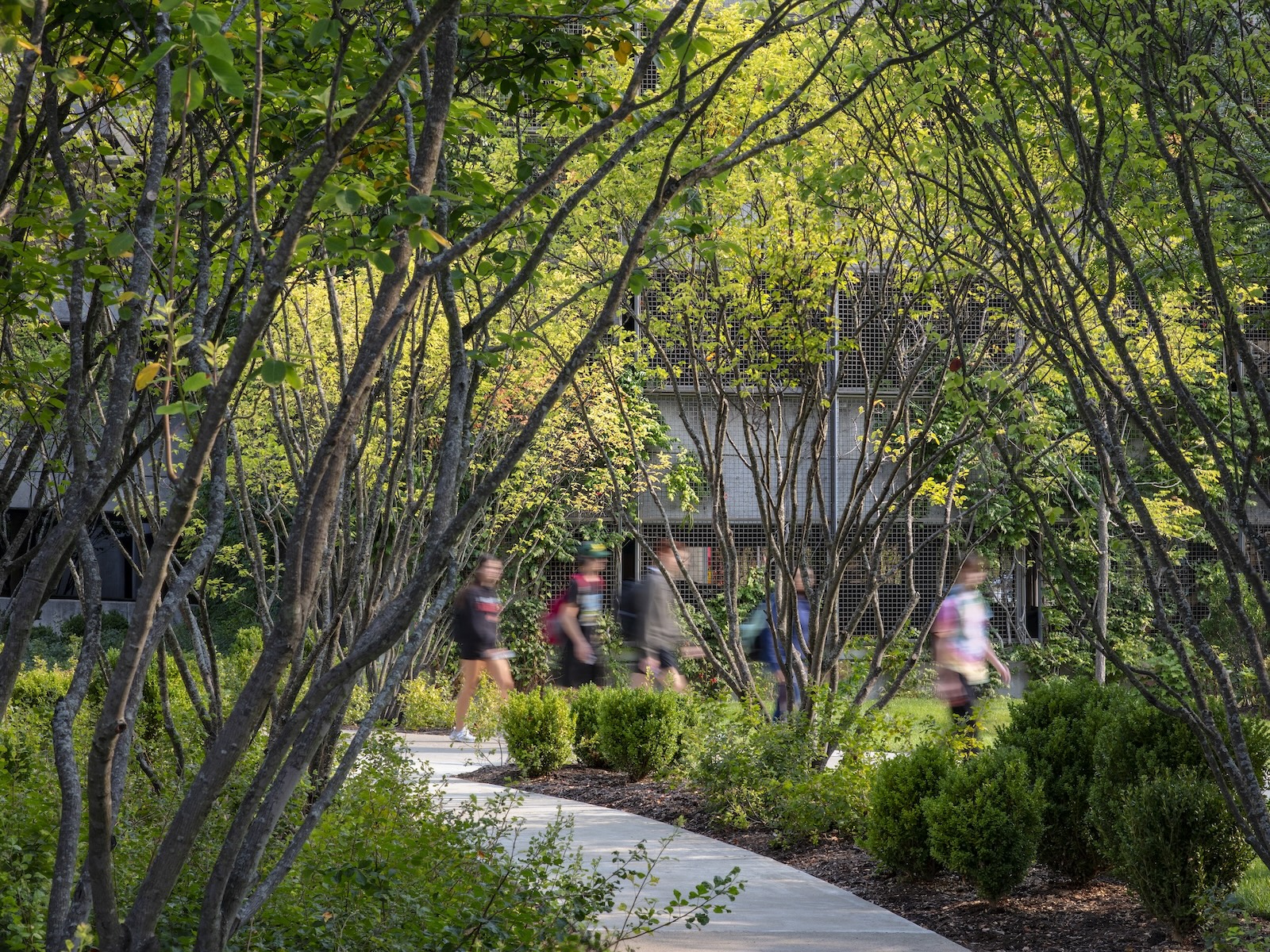
Photo © Saha Coston-Hardy / Esto
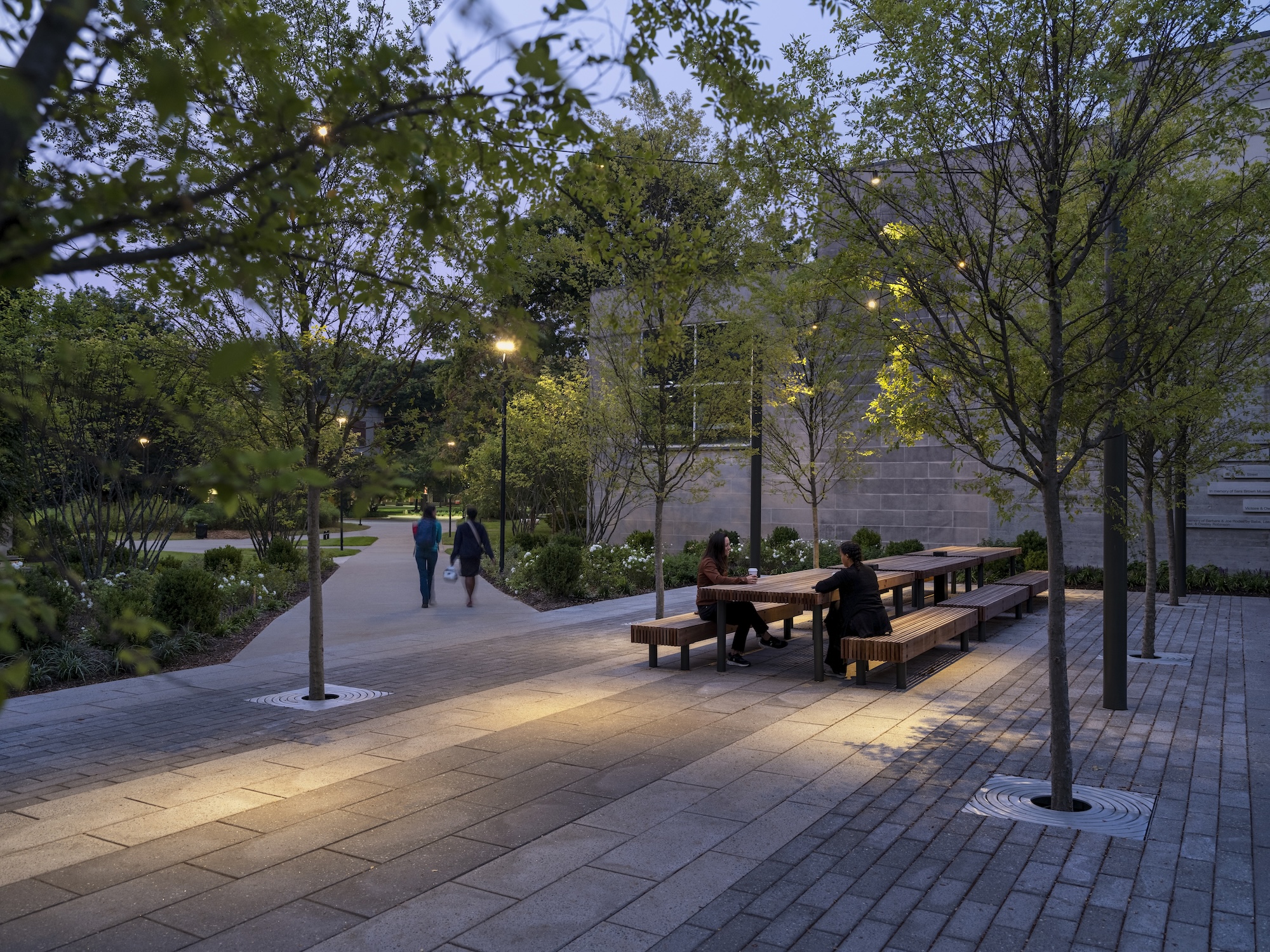
Photo © Saha Coston-Hardy / Esto
John Kett, partner and principal-in-charge at Reed Hilderbrand, describes the project as a “reimagining of the museum grounds as a bridge between the city and the Speed” that complements Louisville’s Frederick Law Olmsted–designed parkway system.
“We have brought definition to the edges, framing the new Art Park,” Kett adds. “A shaded grove defines the center—a court where museum patrons, students, and the broader Louisville community come together in shared support of creative expression.”
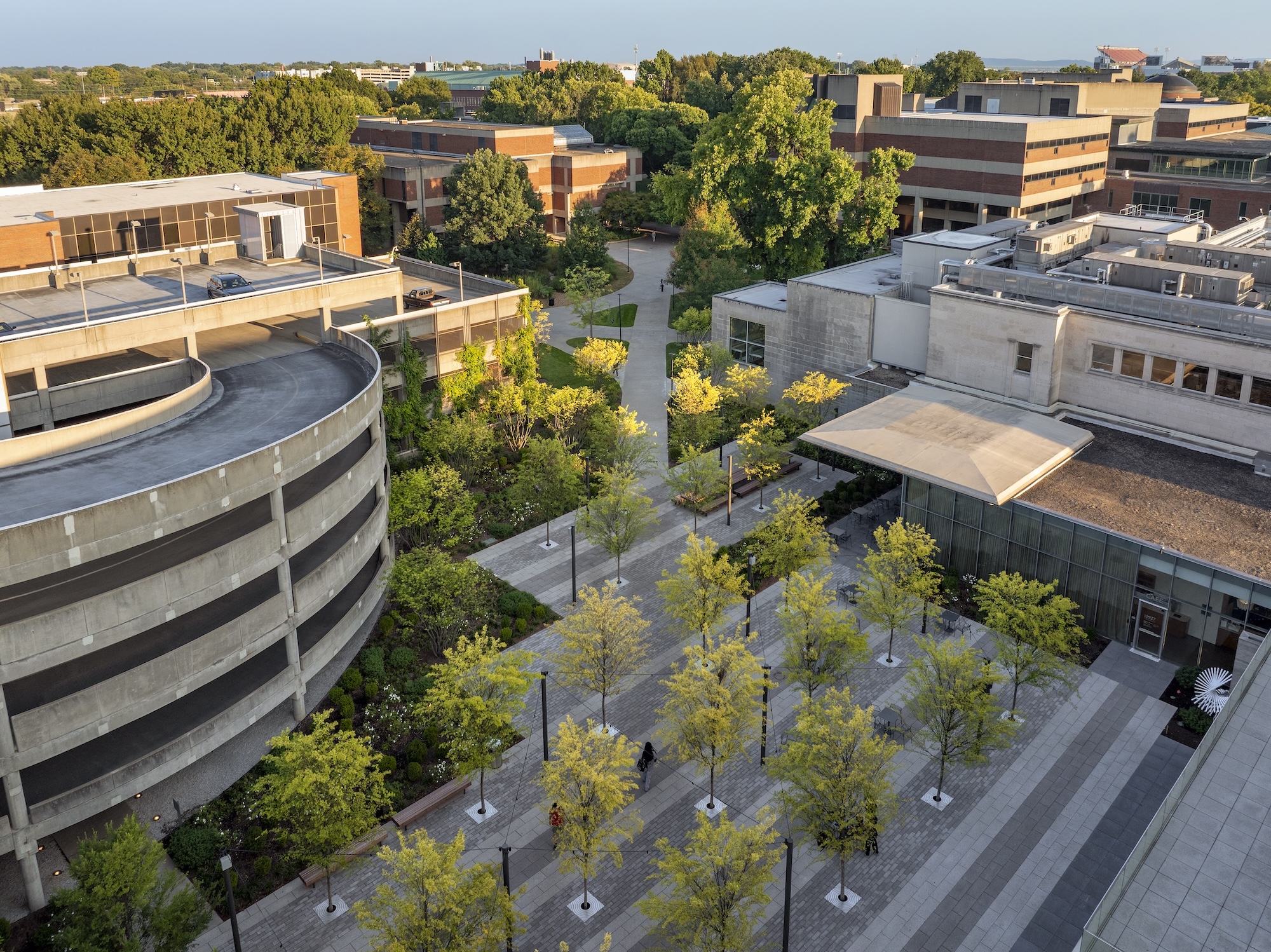
Photo © Saha Coston-Hardy / Esto

Photo © Saha Coston-Hardy / Esto
While the completion and opening of the $22 million Art Park is a celebratory moment for Kentucky’s oldest and largest art museum, the Speed is experiencing tough times. On October 1—the same day as the park’s ribbon-cutting—Louisville Public Media (LPM) published an article detailing the shuttering of the museum’s education-focused department of Engagement, Learning, and Belonging. Nine employees were let go as part of the move, some without severance, as reported by LPM. All school tours have since been paused and other popular programs have been suspended.
In a September 19 statement, museum leadership extended its gratitude to the impacted employees while also making clear that the Speed, like other nonprofit institutions, is “navigating a challenging financial period” but remains confident that it can make it through the rough patch.
Looking for quick answers on architecture and design topics?
Try Ask RECORD, our new smart AI search tool.
Ask RECORD →
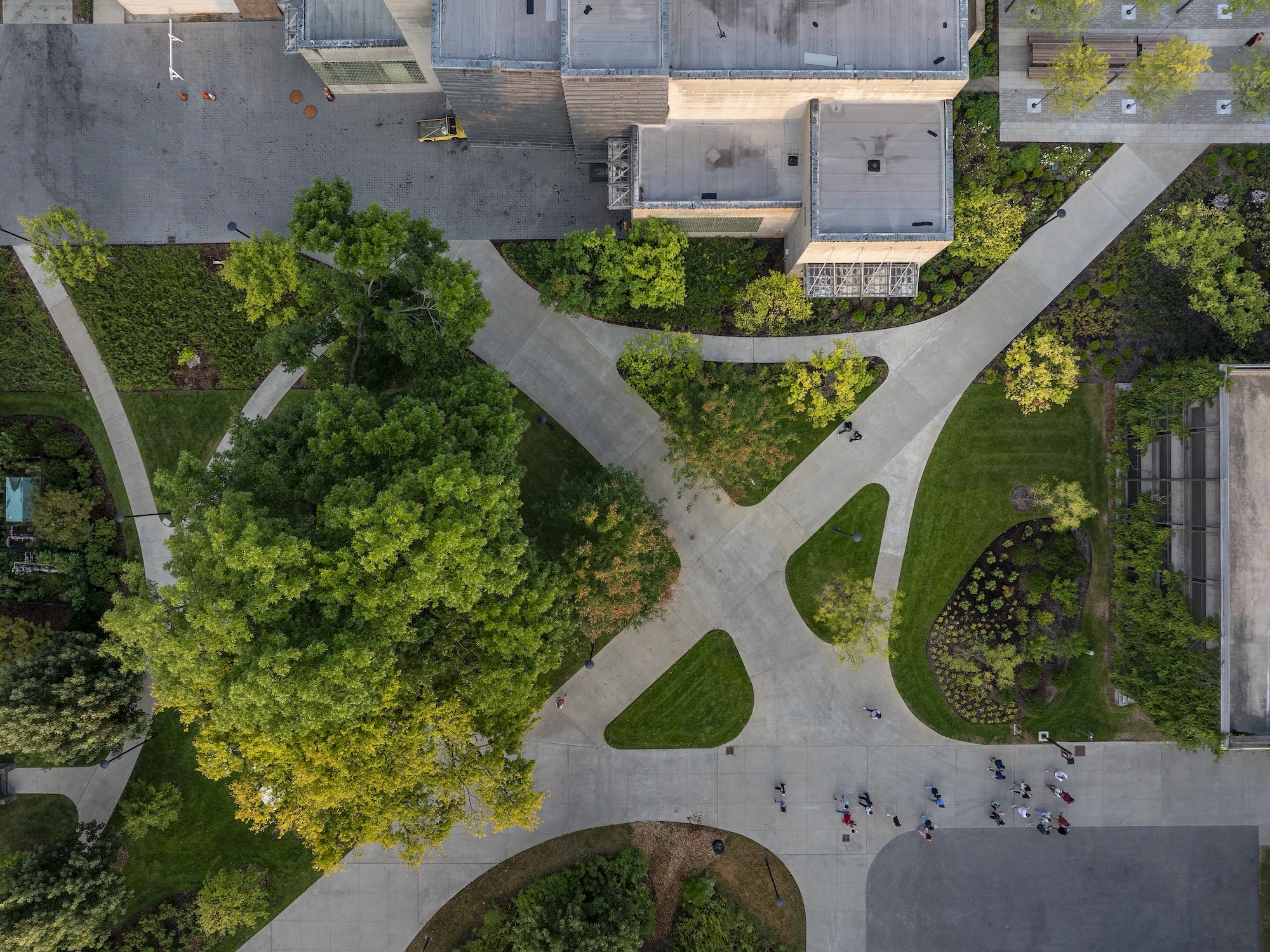
Photo © Saha Coston-Hardy / Esto
“The museum has undertaken unprecedented growth in the past several years. All of this was done to expand the museum’s public service, reach new audiences, and advance its mission. However, this growth has not translated to an increase in revenue,” the statement adds.
One would hope that visitors drawn to the new park are also encouraged to renew or initiate museum memberships so that the Speed can continue its mission of melding art and landscape in the Derby City.
Looking for a reprint of this article?
From high-res PDFs to custom plaques, order your copy today!