Winning Proposal Selected in Competition for a Public Restroom Design at Gropius House Historic Site

Rendering of the winning public bathroom design, next to the existing visitor center, at the Gropius House in Lincoln, Massachusetts.
A commode par excellence has been chosen in an international design competition launched last November that invited architects, students, and related professionals to respond to a rather unique brief: conceive a “creative, contextually sensitive” public bathroom—one that could provide relief for thousands of visitors annually—on the grounds of the Gropius House in Lincoln, Massachusetts. Opened to the public as a modernist house-museum by Historic New England in 1984, the former family residence of Bauhaus founder Walter Gropius, completed in 1938, has long lacked permanent restroom facilities for visitors—a “persistent practical need,” per the nonprofit. “No solution has successfully resolved this functional requirement,” in the decades since Historic New England became the steward of the property.
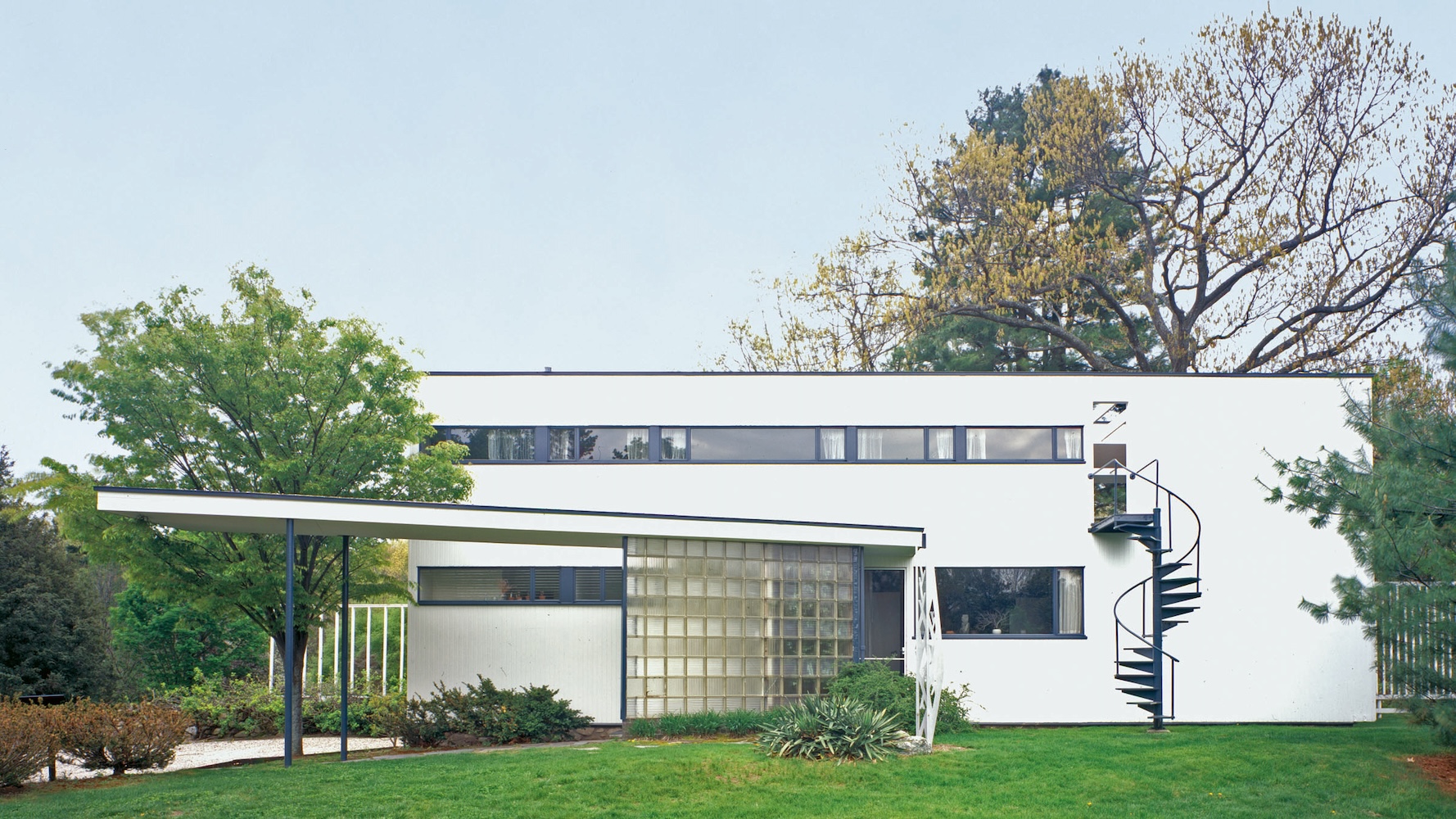
North elevation of the Gropius House. Photo courtesy Historic New England
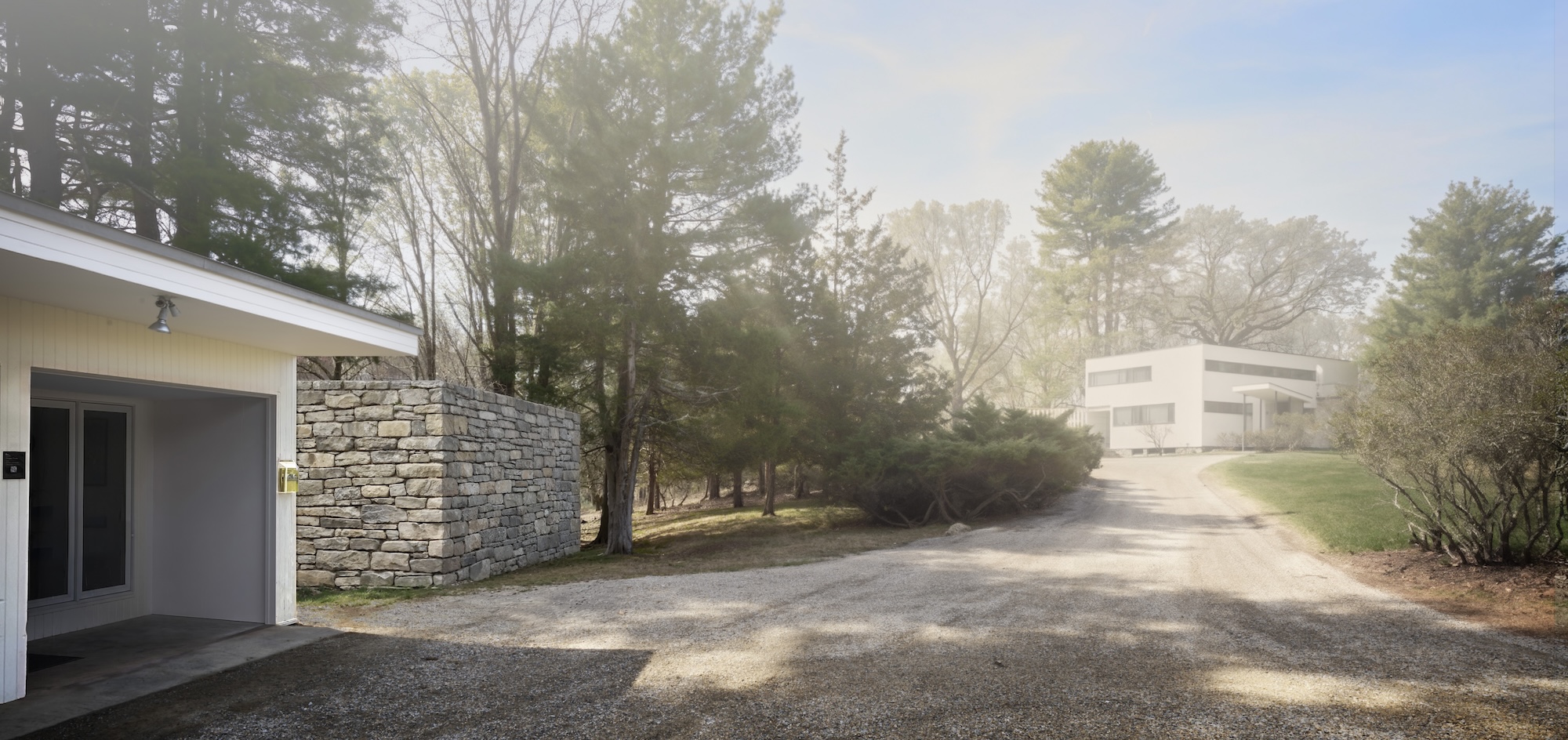
Design by Isabel Strauss; courtesy of Historic New England
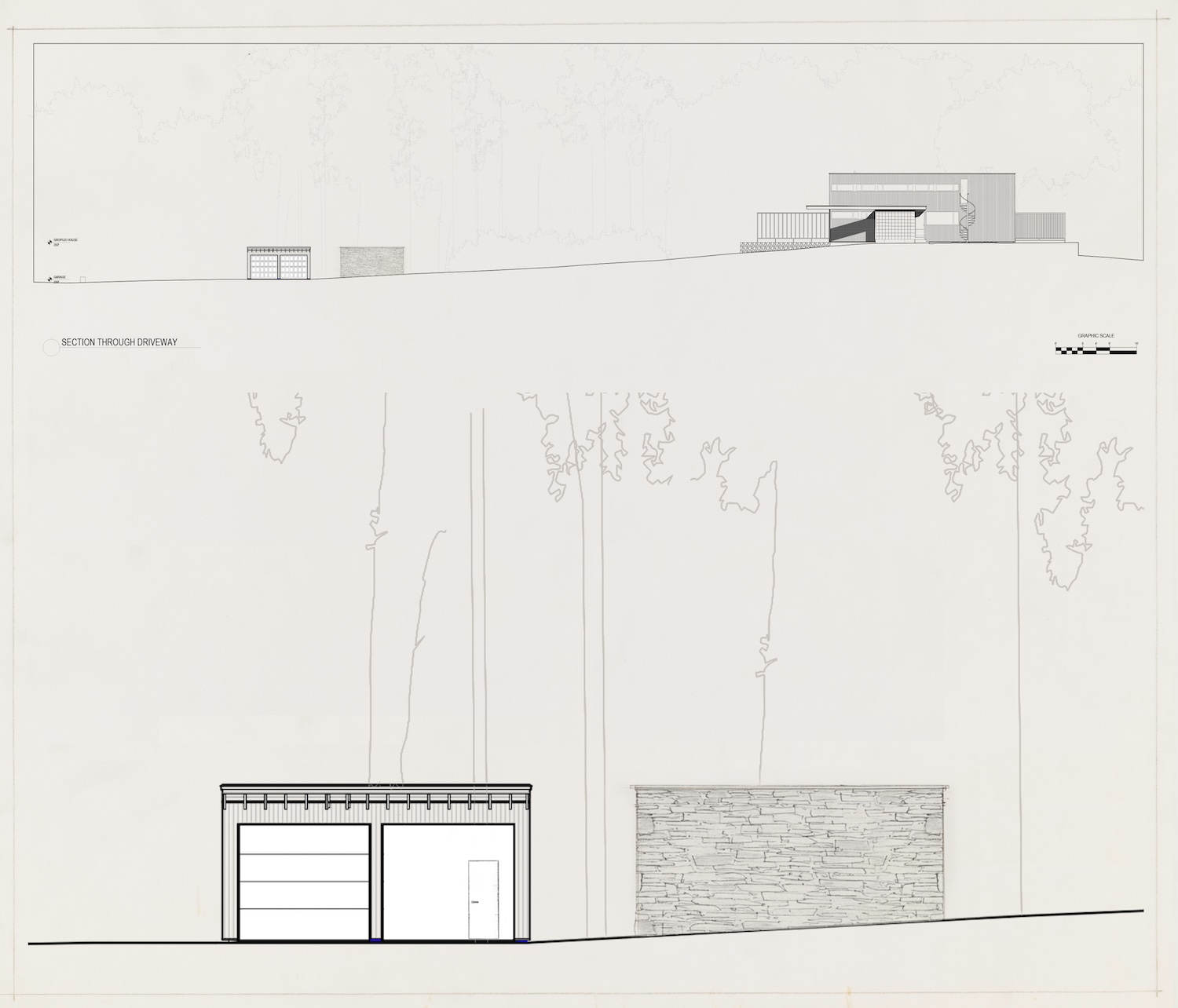
Site section. Design by Isabel Strauss; courtesy of Historic New England
The winning design, One Bathroom After Another, by Isabel Strauss, an architectural designer and curator who serves as assistant professor of architecture at Smith College in Northampton, Massachusetts, was selected from more than 280 submissions received from entrants representing 40 countries—“a testament to the global resonance of Bauhaus ideas and the enduring influence of Walter Gropius on contemporary design,” states Historic New England. Along with Strauss, whose submission comprises a twin volume that references the form of an existing garage on-site while “differentiating it through material and orientation,” were four finalists. Each “reflect a wide range of approaches to design, preservation, and visitor experience.” They are Los Angeles–based architectural office Auyon Bachar/ABLA; Polish architects Tomasz Sachanowicz and Monika Puchala; Tehran, Iran–based Mohsen Laei; and fellow Bay State contender, the Boston-based firm Payette.
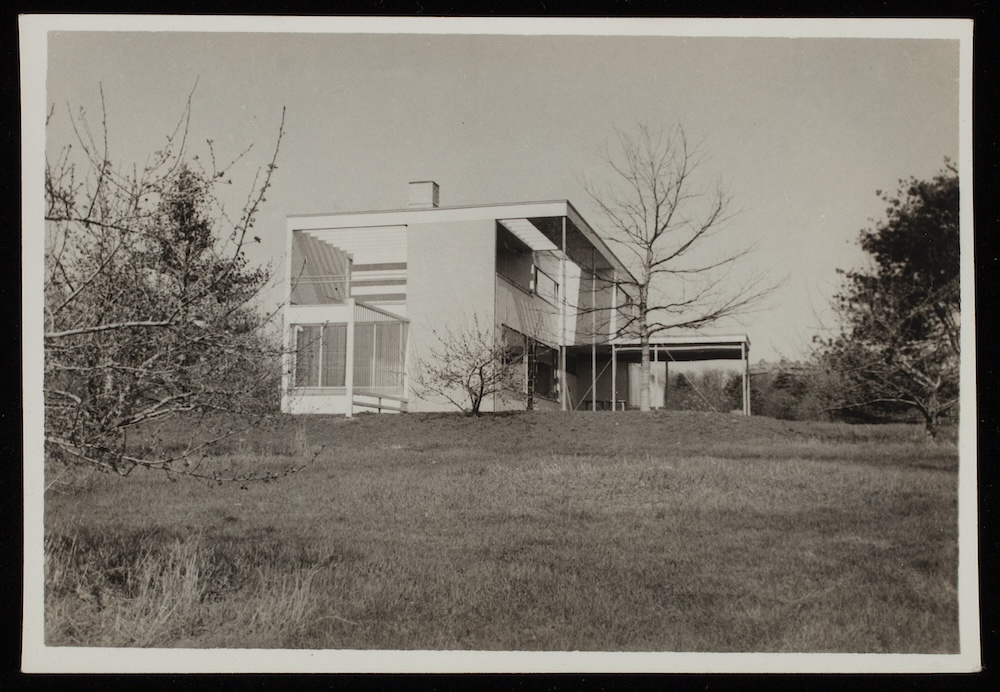
Historic view of the Gropius House. Photo courtesy Historic New England
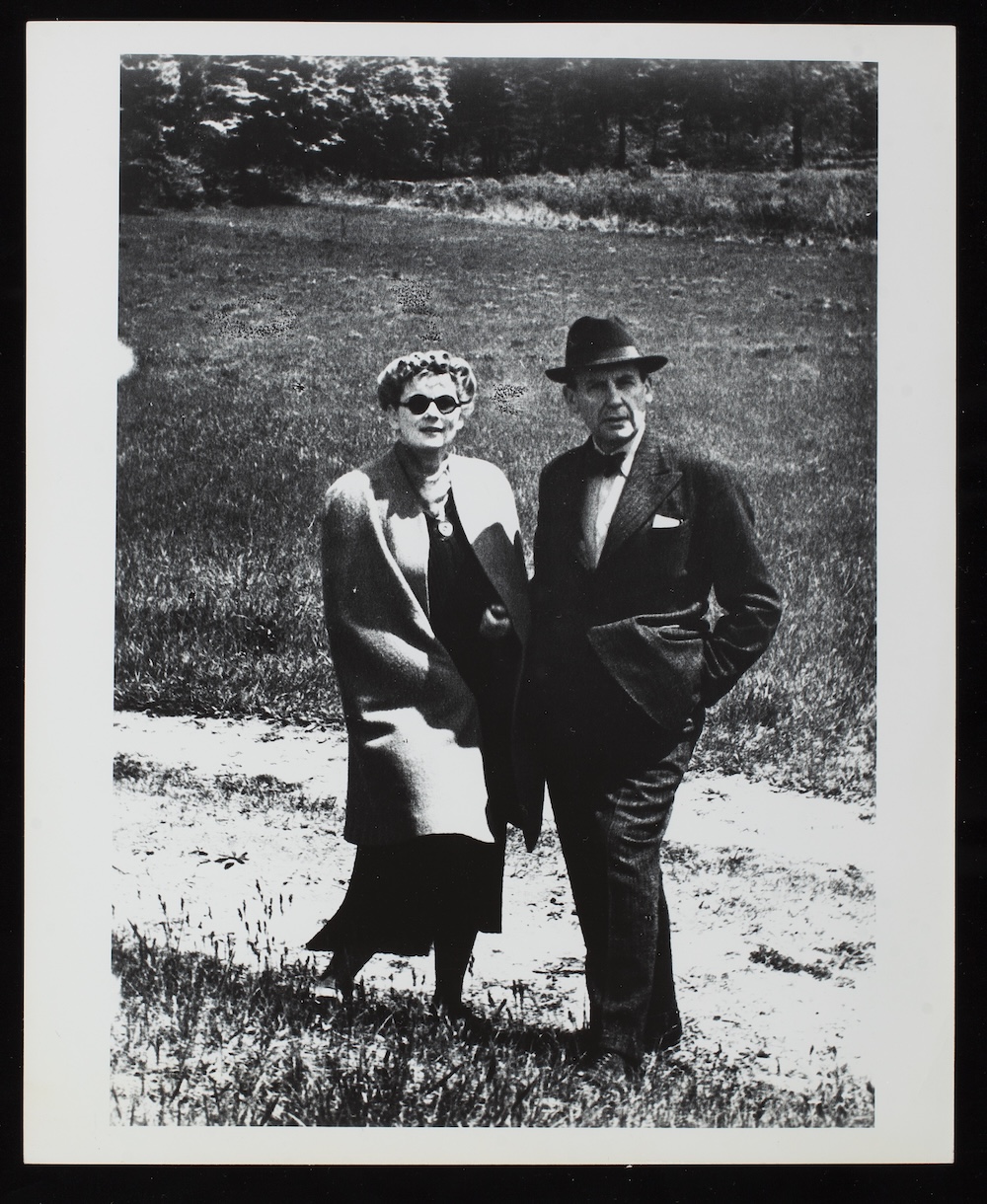
Gropius with his wife, Ise, who donated the property and all of its contents to Historic New England in 1979. Photo courtesy Historic New England
“My design starts with what is already here, rather than imposing a completely new aesthetic, and draws on vernacular materials and reinterprets them through a contemporary lens,” explains Strauss, who, before teaching at Smith, was a curatorial contractor at the Museum of African American History and Culture, in Washington, D.C. Trained as an architect at the Harvard Graduate School of Design, she has also worked at firms including SOM, Johnston Marklee, and MASS.
“This project, in the spirit of the Bauhaus, uses common materials in new ways to create something that feels both of its time and as though it could have always been here,” she adds.
Competition juror Suzanne Stephens, former deputy editor and current contributing editor at RECORD, notes the Harvard connection between Strauss and Berlin-born Gropius, who famously chaired the architecture department from 1937–1952, after fleeing his native Germany. She also acknowledges that Strauss did not have as much professional experience in building as some of the other finalists. Still, her concept for the restroom, “appealed to us because of its scale in relation to the Gropius house, its reliance on natural materials (local fieldstone), and its simplicity in circulation,” says Stephens. “I was attracted to her classical modern composition for its proportions and austerity, nevertheless rendered in a rough-textured fieldstone, which added a vernacular sense to the design.”
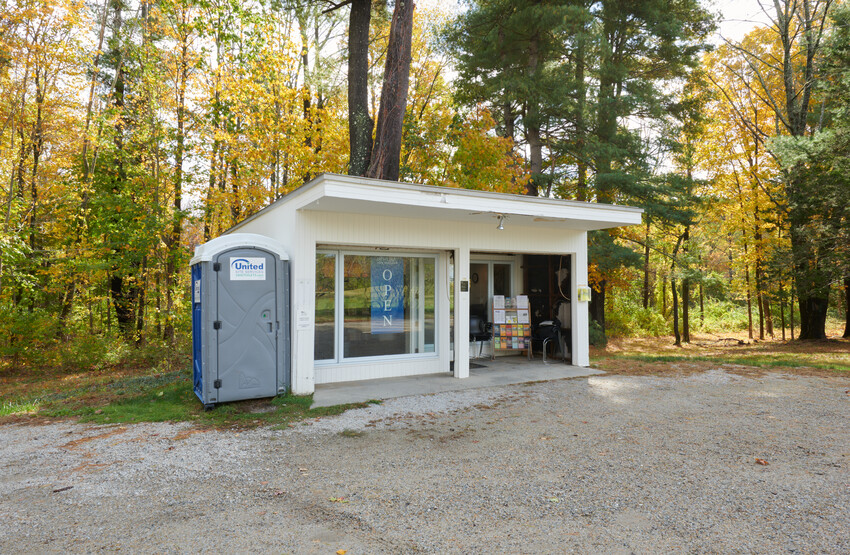
The garage-turned-visitor center and current facilities at the Gropius House. Photo courtesy Historic New England
Adds Stephens: “The jurors were also happy that in presenting her scheme, Strauss showed a willingness to work with a local architect, a flexibility in refining her concept through discussions with the client, and a knowledge of the site. Although the latter was not required for the international competition, Strauss did take advantage of living in the same area and visited the house.”
Joining Stephens as jurors were Nader Tehrani (NADAAA), Antoine Picon (Harvard GSD), Philip Kennicott (the Washington Post), and Tanja Hwang (Museum of Modern Art).
Looking for quick answers on architecture and design topics?
Try Ask RECORD, our new smart AI search tool.
Ask RECORD →
.jpeg "Gropius House Bathroom")
The not-for-public-use primary bathroom inside the Gropius House. Courtesy Historic New England
So, when—if at all—will One Bathroom After Another inaugurate its first flush? Historic New England says it is committed to realizing the project in “the coming years,” with timing dependent on financing. (In a statement, the organization’s president and CEO Vin Cipolla referred to Strauss’s proposal as being “among the most buildable.”)
In the meantime, the competition materials will be on public view this summer at a new exhibition space operated by Historic New England at a former factory building in the city of Haverhill—about an hour’s drive north of the Gropius House near the New Hampshire border. There are also potential plans for presentations in New York City and at the Gropius House.
Looking for a reprint of this article?
From high-res PDFs to custom plaques, order your copy today!