Books
RECORD Recommends 14 Recent Monographs
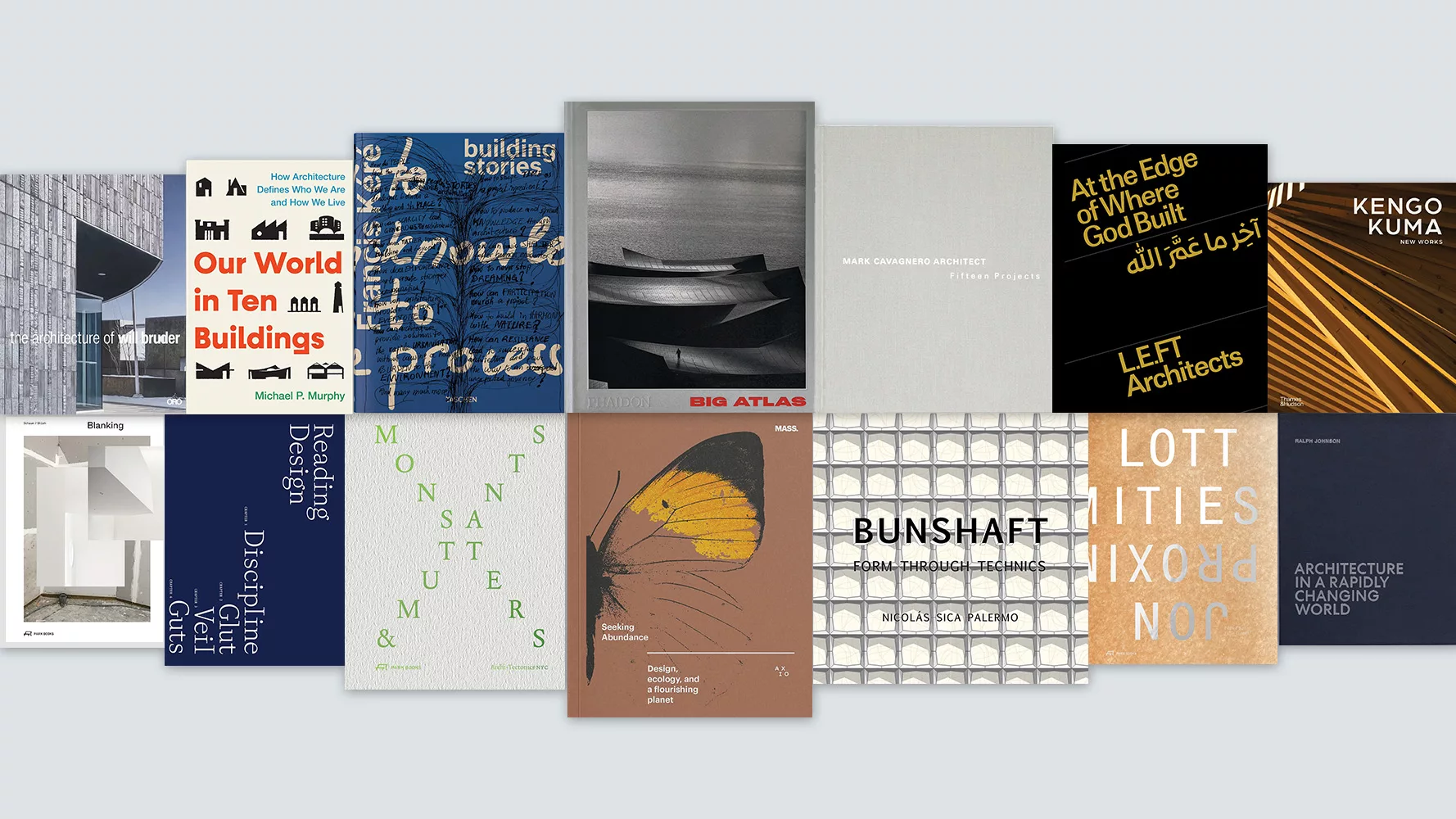
The Architecture of Will Bruder
By Will Bruder, with contributions by Reed Kroloff, Billie Tsien, Robert McCarter, Teresa Rosano, Eric Höweler and Meejin Yoon, and Nader Tehrani. Oro Editions, 320 pages, $50.
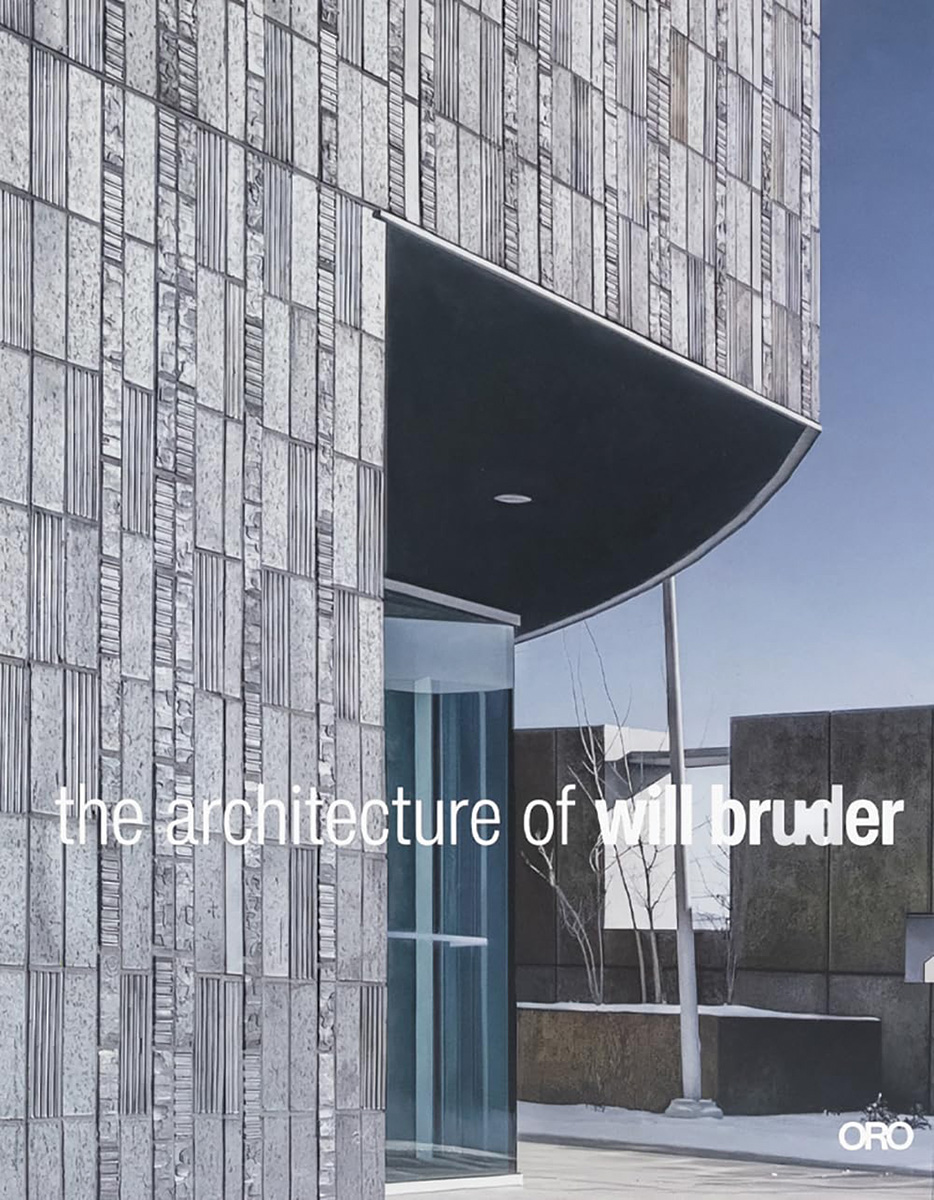
For his first 14 years as an artist-architect, Will Bruder practiced out of a small studio in the unincorporated community of New River, Arizona. The hands-on approach to carpentry and site work that guided so many of his early projects might be traced back to that very out-of-this-world designer Paolo Soleri, under whom Bruder studied as a student. But it could also be attributed to his father, the son of a German cabinetmaker and an accomplished woodworker in his own right. Biographical details like these, explored at length in this comprehensive monograph, help to contextualize the rough and rugged buildings that Bruder has produced in the American Southwest (and beyond) over the last 50 years—including his master class in desert regionalism, the Phoenix Central Library. Leopoldo Villardi
Our World in Ten Buildings: How Architecture Defines Who We Are and How We Live
By Michael P. Murphy. Simon & Schuster, 256 pages, $30.
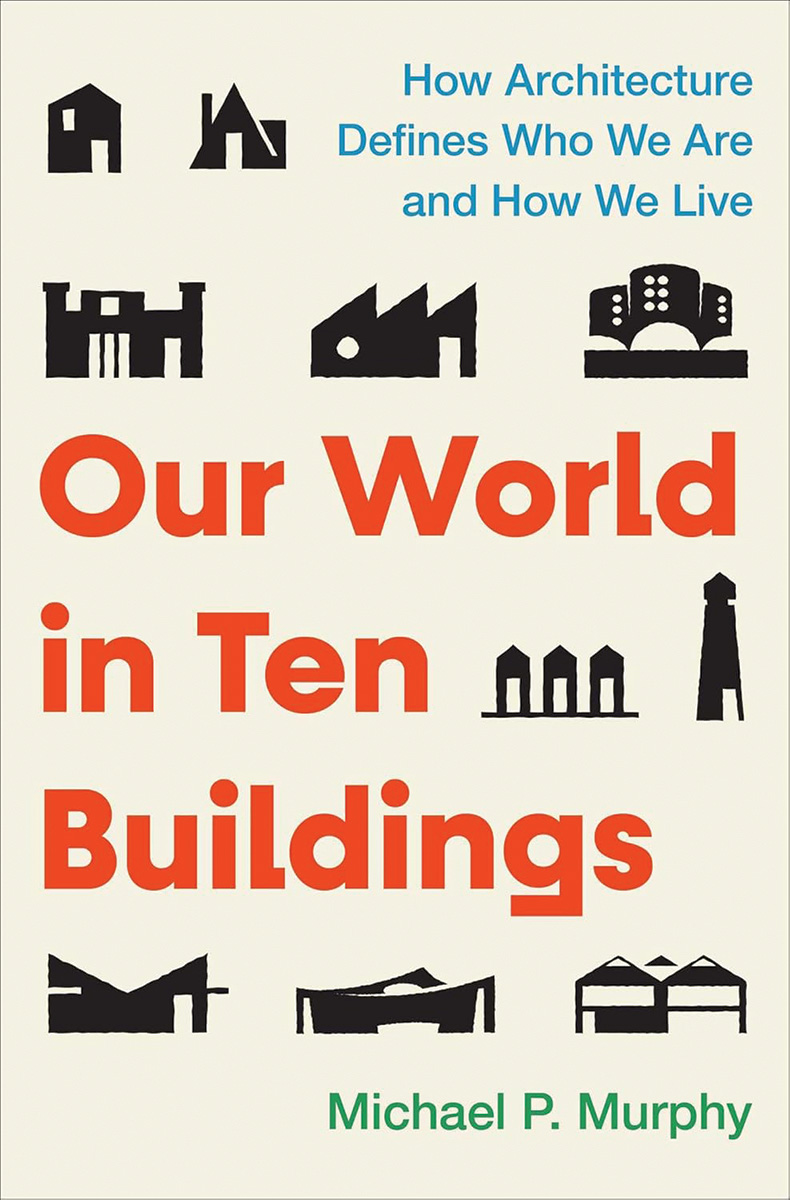
“As seen on TV” isn’t often used to describe architecture publications. But in April, Michael P. Murphy, founder of AMMA and former president of MASS Design Group, joined Morning Joe to promote his new book. He discussed chapter 10, “The Last Room,” and what Murphy learned from the Barbados home where his father died, which was also the topic of his recent Time magazine article. In the book, Murphy unpacks the stories, ideas, and impacts of 10 of his projects in a straightforward yet deeply personal narrative. The media blitz around its release is a testament to the book’s popular resonance and Murphy’s ability to clearly articulate the power of architecture. Patrick Templeton
Francis Kéré: Building Stories
By Francis Kéré. Edited by Nina Tescari. Taschen, 444 pages, $100.
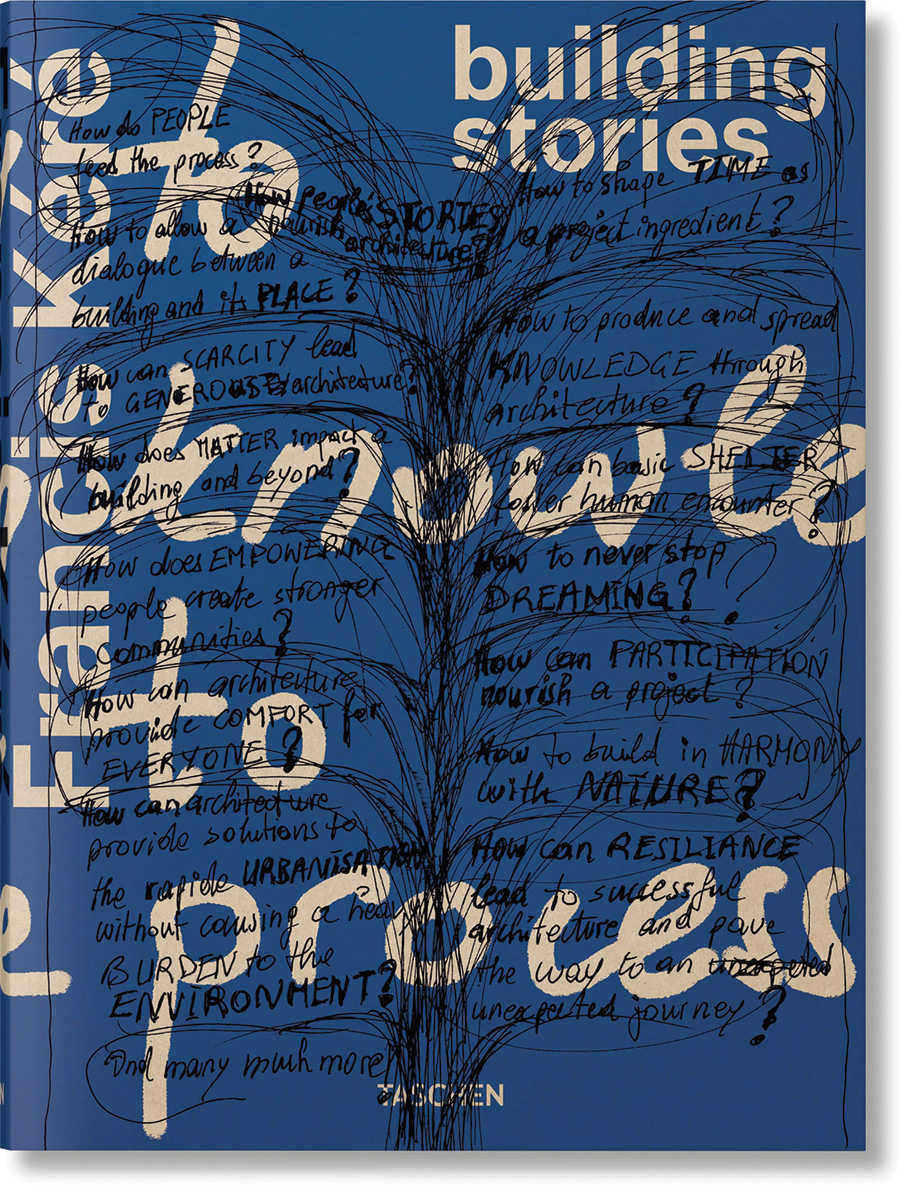
Building Stories may not be a full-fledged autobiography, but this intimate, sketch-rich account by Pritzker Prize–winning architect Diébédo Francis Kéré comes close. Through 26 built and unbuilt projects, the Burkina Faso–born architect recalls his childhood in the sub-Saharan village of Gando and the formation of his present-day office in Berlin, plus much more. Celebrated Dutch graphic designer Irma Boom has carefully woven together the expected drawings and photography with ample documentation of the construction process, which helps to bring each building site to life too. “This is only the first chapter,” Kéré concludes. “I hope there will be plenty more.” LV
BIG Atlas
By Bjarke Ingels Group. Phaidon, 504 pages, $90.
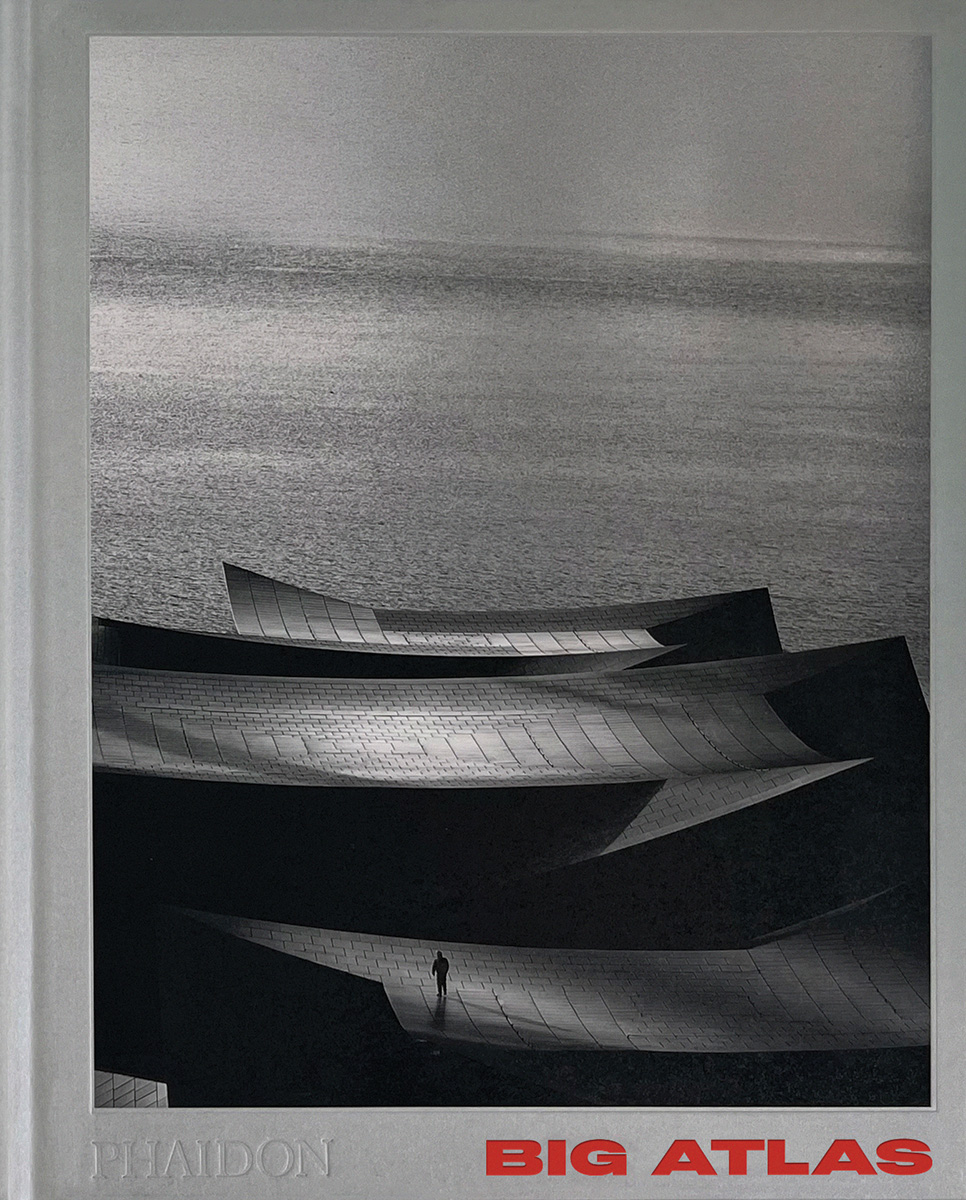
The namesake architectural practice of Bjarke Ingels has produced books before, including a Mies-riffing manifesto presented as an “archicomic.” Topping 500 pages, the appropriately hefty BIG Atlas, however, is the global firm’s first comprehensive monograph of constructed work. (And probably the only pick in this roundup that includes variations of the phrase “game-changing” more than once in its foreword.) The 50-plus featured projects are organized by five-year eras, commencing in 2000–05 with formative endeavors in Ingels’s native Copenhagen and running to 2020–25, with high-profile international undertakings for clients such as Google, San Pellegrino, and the NYPD. Matt Hickman
Mark Cavagnero Architect: Fifteen Projects
By Mark Cavagnero. Oro Editions, 260 pages, $60.
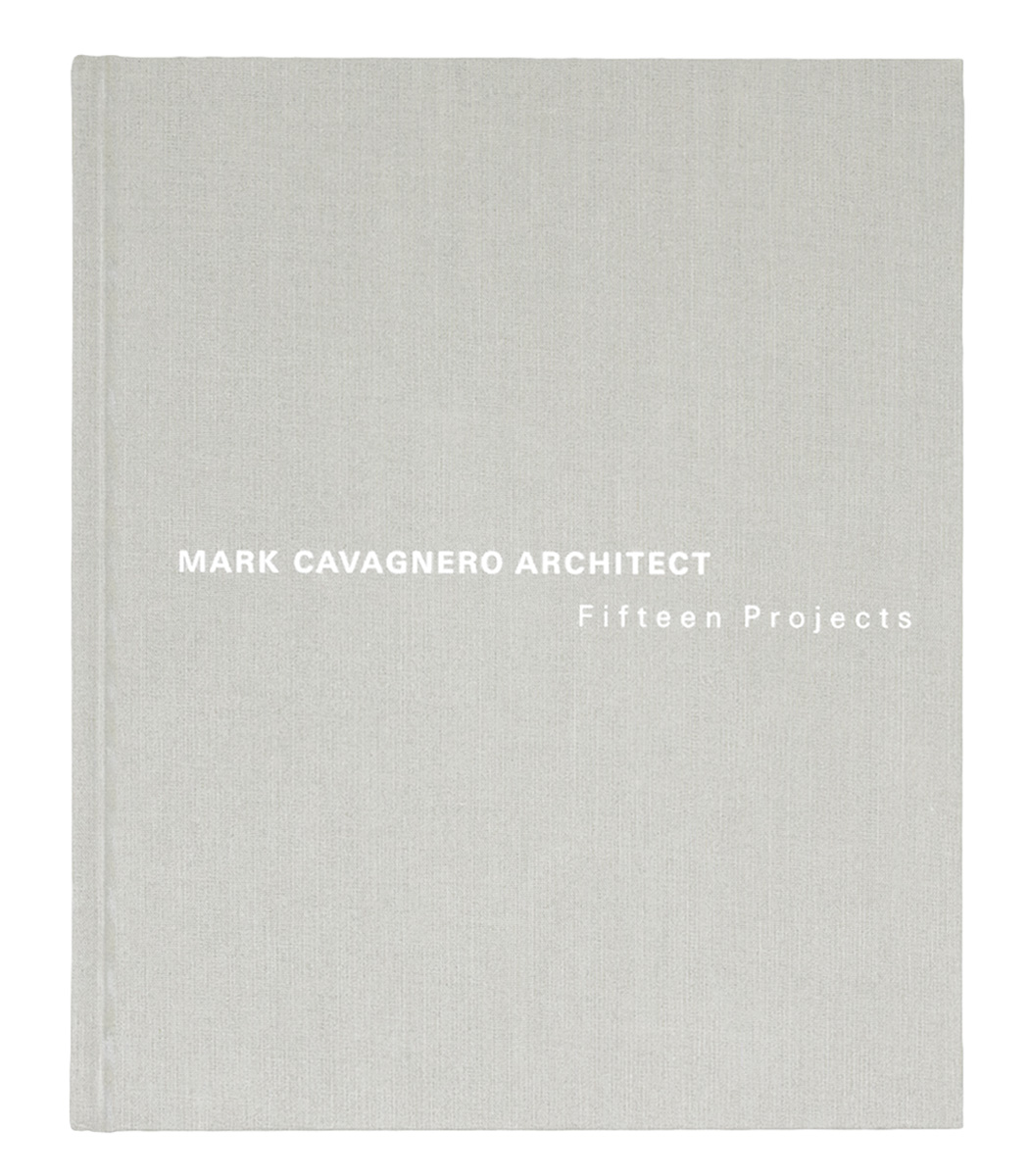
This portfolio documents select projects by Mark Cavagnero, the San Francisco architect known for civic-minded work grounded in modernism. Chronologically organized, the book spans the 2004 Community School of Music and Arts at Finn Center, in Mountain View, California, to a neuroscience building for the University of California, San Francisco, completed in 2021. It encompasses a range of typologies, including performance venues, museums, and government buildings, demonstrating how Cavagnero uses transparency, light, and volumetric clarity to create buildings tailored to program and context. Joann Gonchar, FAIA
At the Edge of Where God Built
By L.E.FT Architects. Actar, 304 pages, $45.
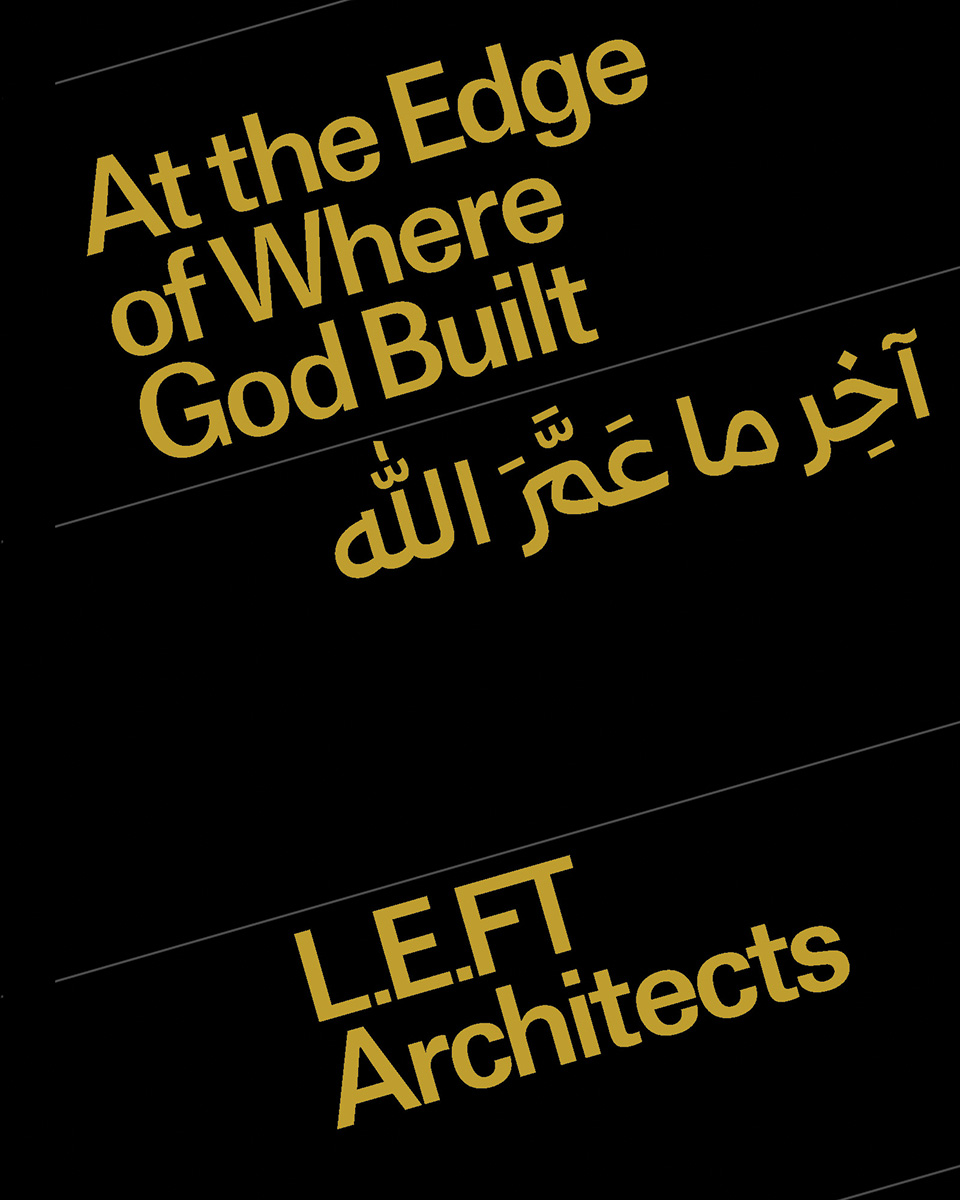
Operating as a partnership between Beirut and New York City, 2010 Design Vanguard firm L.E.FT Architects offers an examination of its recent religious and nonreligious projects through the lens of Islamic architecture—from the rebuilding of a mosque in Lebanon to the first ADA-compliant ablution basin in the United States, a typology currently absent from the ADA code. Faysal Tabbarah writes in an essay, “As a practice, L.E.FT has its feet deeply rooted in the ground and, simultaneously, its head loftily searching in the clouds. Or, to borrow from them . . . somewhere at the edge of where God built.” Josephine Minutillo
Kengo Kuma: New Works
By Kengo Kuma. Thames & Hudson, 352 pages, $75.
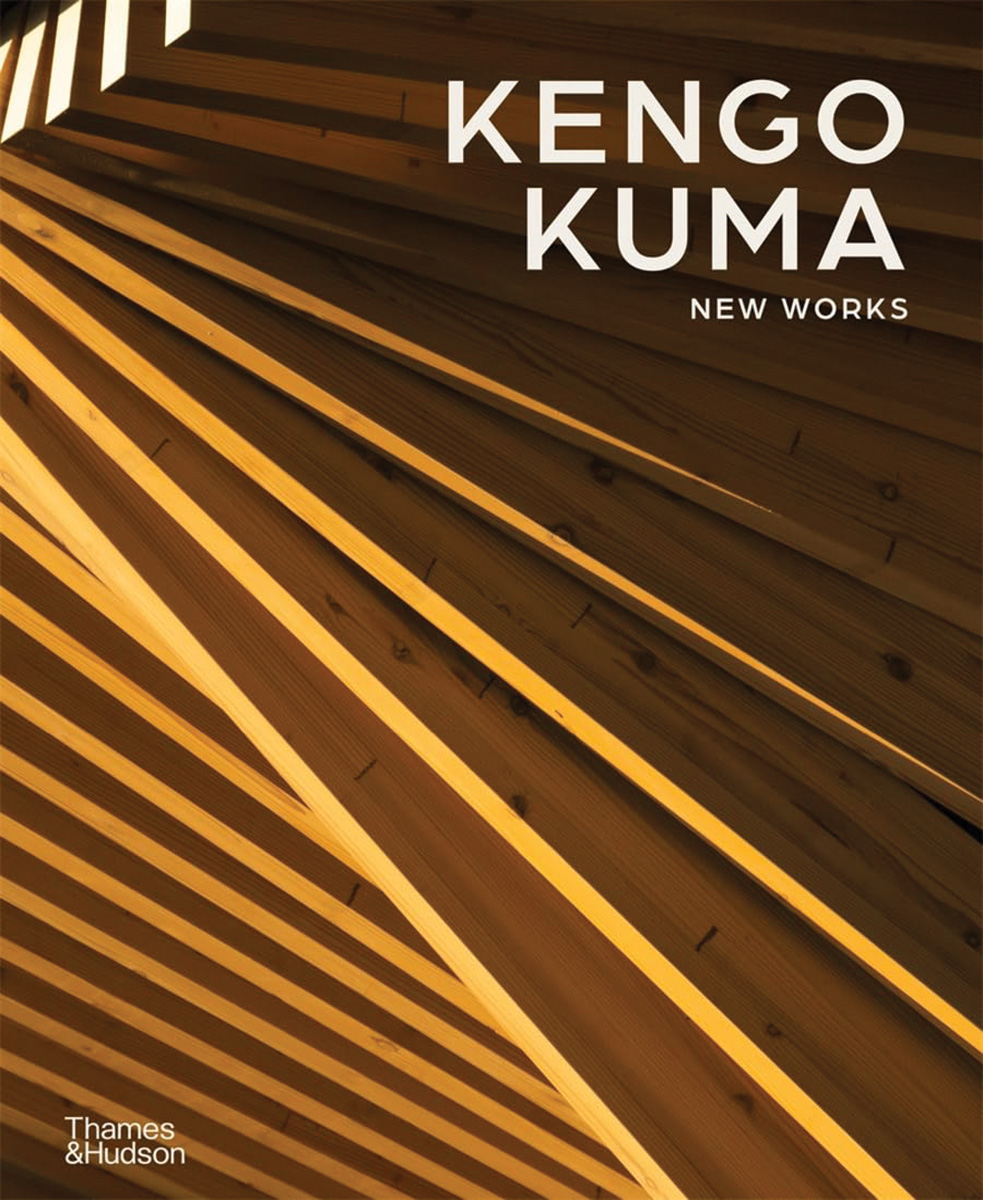
This compendium presents 40 of the Japanese architect’s projects completed within the past 15 years, ranging in scale from the controversial stadium for the 2020 Tokyo Olympics to a diminutive sauna on Naoshima Island. The buildings are grouped under six loose thematic headings, resulting in surprising juxtapositions; for instance, a long and low library, in rural Yusuhara, is placed next to a 43-story residential tower in Vancouver, Canada. Though unconventional, the arrangement, with projects illustrated in copious photos and a smattering of drawings, showcases Kuma’s geographic, formal, and typological range. JG
Blanking: An Annotated Archive of Projects and Thoughts on Architecture
By Troy Schaum and Rosalyne Shieh. Park Books, 336 pages, $50.
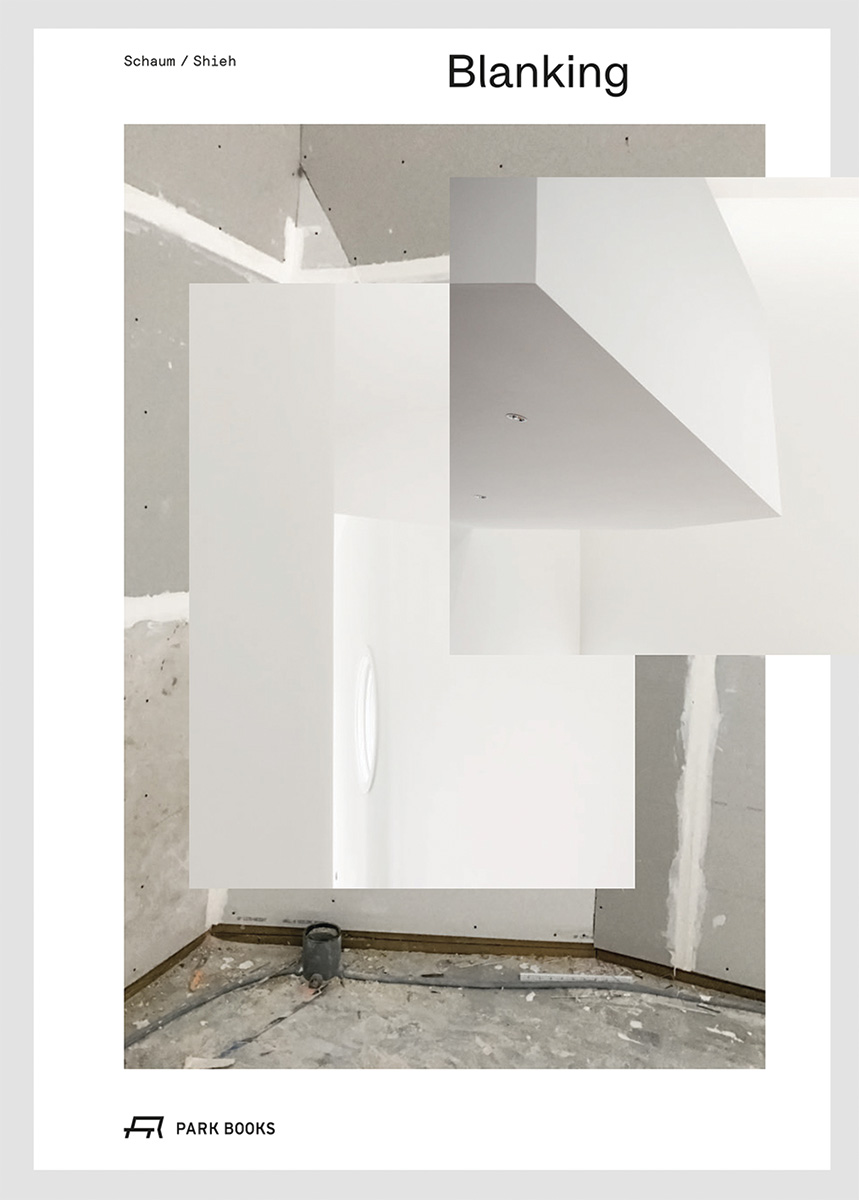
Fabrication blanks are full of potential—pieces of roughly sized material waiting to be stretched, cut, and bent into final form. Blanking, then, as architect Rosalyne Shieh extrapolates, is about learning from and figuring out what’s possible from what is available. This titular term is an apt analogy for the dexterously manipulated volumes and surfaces of Schaum/Shieh’s oeuvre. Wonderfully illustrated with dashes of hot and pastel pink ink, this monograph is the first to document the output of the American firm, as well as a bittersweet capstone. Shieh and cofounder Troy Schaum have since announced that they will practice and teach independently, after 17 years of collaboration. LV
Reading Design: The Visual Language of Common Objects
By Craig Hodgetts. Simon & Schuster, 328 pages, $45.
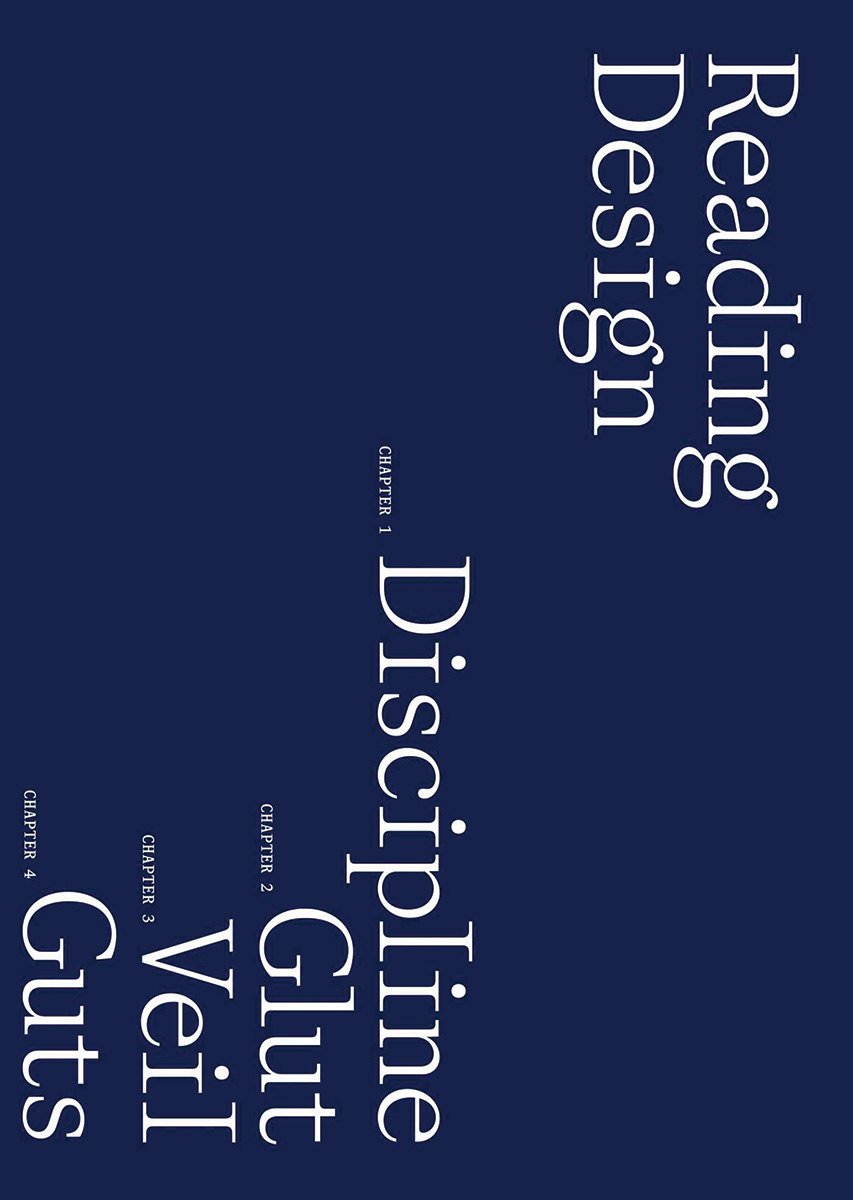
Lounges and teapots and bookshelves, oh my! “Design is always telling us something,” writes Craig Hodgetts, cofounder of Hodgetts + Fung, in the intro to his new book or, as he describes it, a “straitlaced visual encyclopedia.” Organized loosely into 11 categories, including chapters “Guts,” “Élan,” “Jazz,” and “Whimsy,” this compendium gathers 200 sketches of subjects ranging from everyday objects to architectural marvels. Ludwig Mies van der Rohe’s Barcelona Pavilion appears beside a Tsugaru glass vase, Christian Louboutin stiletto pumps, and an Akari Light Sculpture. The sketches are paired with observations, interpreting for the reader what these designs are trying to say. PT
Monsters and Mutants: explorations in the Architecture-Nature Continuum
By Winka Dubbeldam. Park Books, 332 pages, $50.
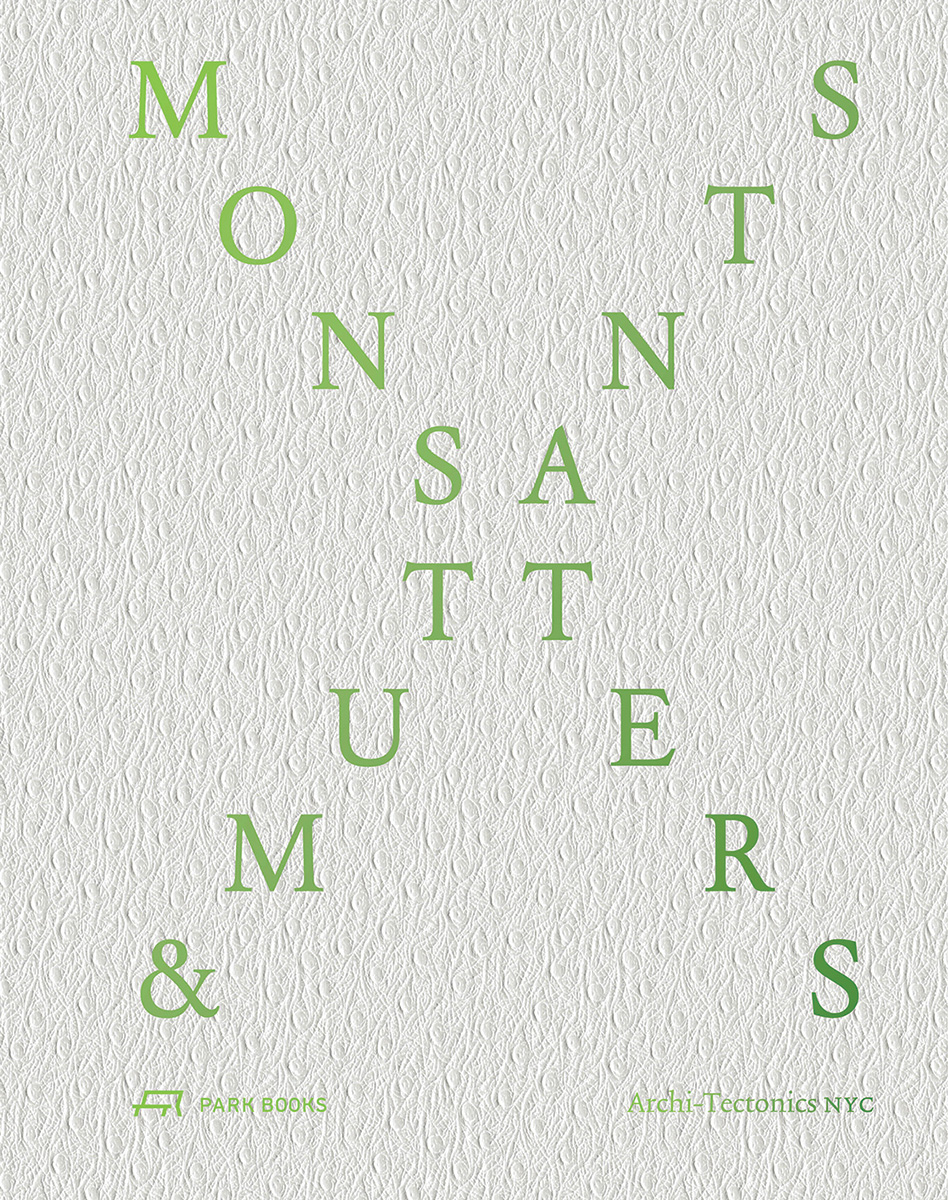
During the research process for the 2023 Hangzhou Asian Games master plan, Winka Dubbeldam—founder of Archi-Tectonics—and her team came across a positive side effect of Anthropogenic impacts: “hopeful monsters,” as she calls them, or plant mutations caused by environmental stress that increased functionality and metabolic efficiency. Out of this research and the subsequent structural forms developed for the site comes Monsters and Mutants, which presents a provocative design approach to counteracting the climate crisis by emulating the resilience of nonhuman intelligence. Grace Kuth
Seeking Abundance: Design, Ecology, and a Flourishing Planet
By Alan Ricks and Sierra Bainbridge. Oro Editions, 360 pages, $50.
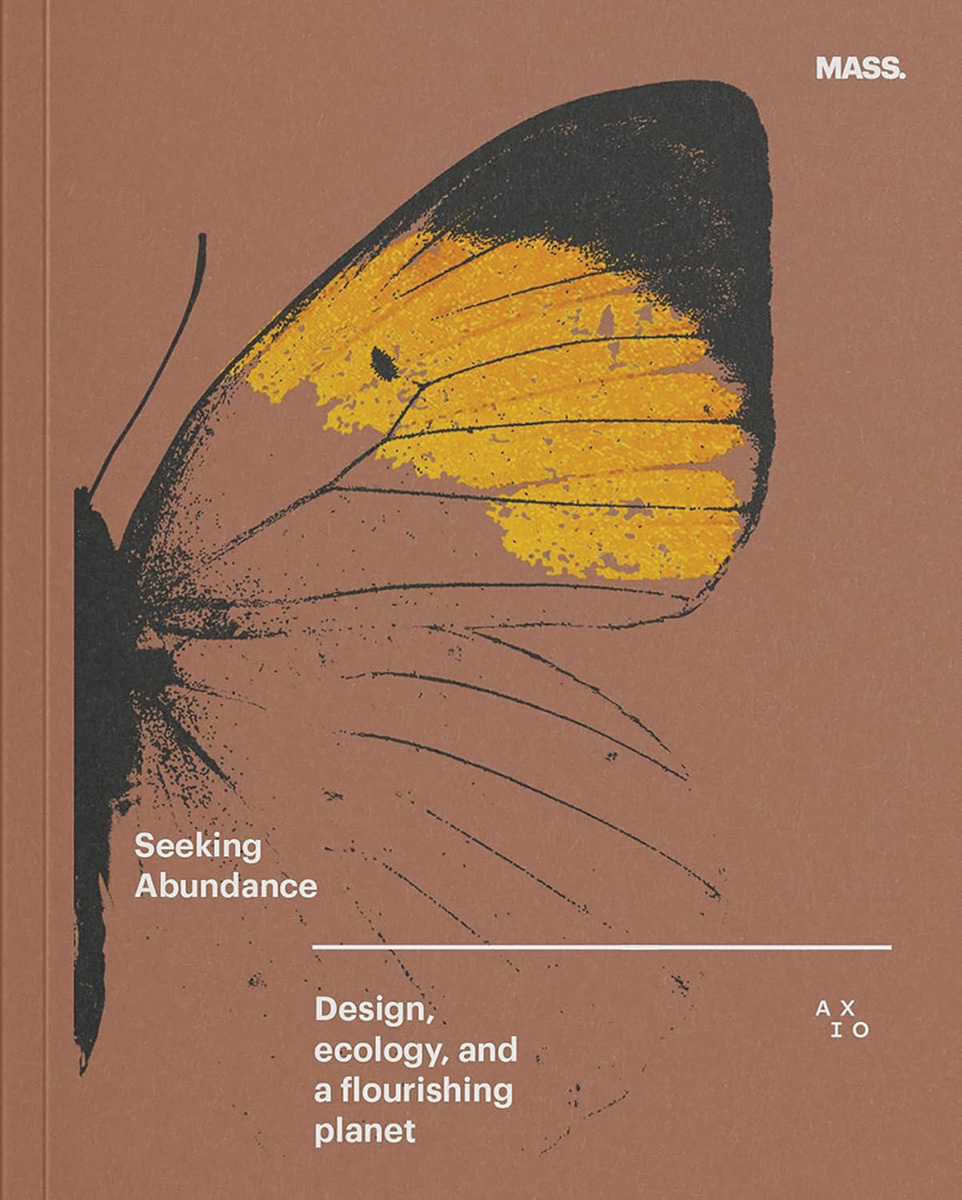
Alan Ricks and Sierra Bainbridge helped found MASS in 2008, to “challenge the status quo of the built world and deliver tangible, lasting impact.” They have realized that ambition around the globe, but perhaps nowhere more effectively than in their African projects. MASS’s primary school in the Democratic Republic of the Congo, Rwanda Institute for Conservation Agriculture, and Dian Fossey Gorilla Fund headquarters are the focus of Ricks and Bainbridge’s new book, which meticulously documents their reparative ecological strategies, along with the social networks that undergird them, with the hope that the projects will serve as a model. PT
Gordon Bunshaft: Form Through Technics
By Nicolás Sica Palermo. Oro Editions, 206 pages, $40.
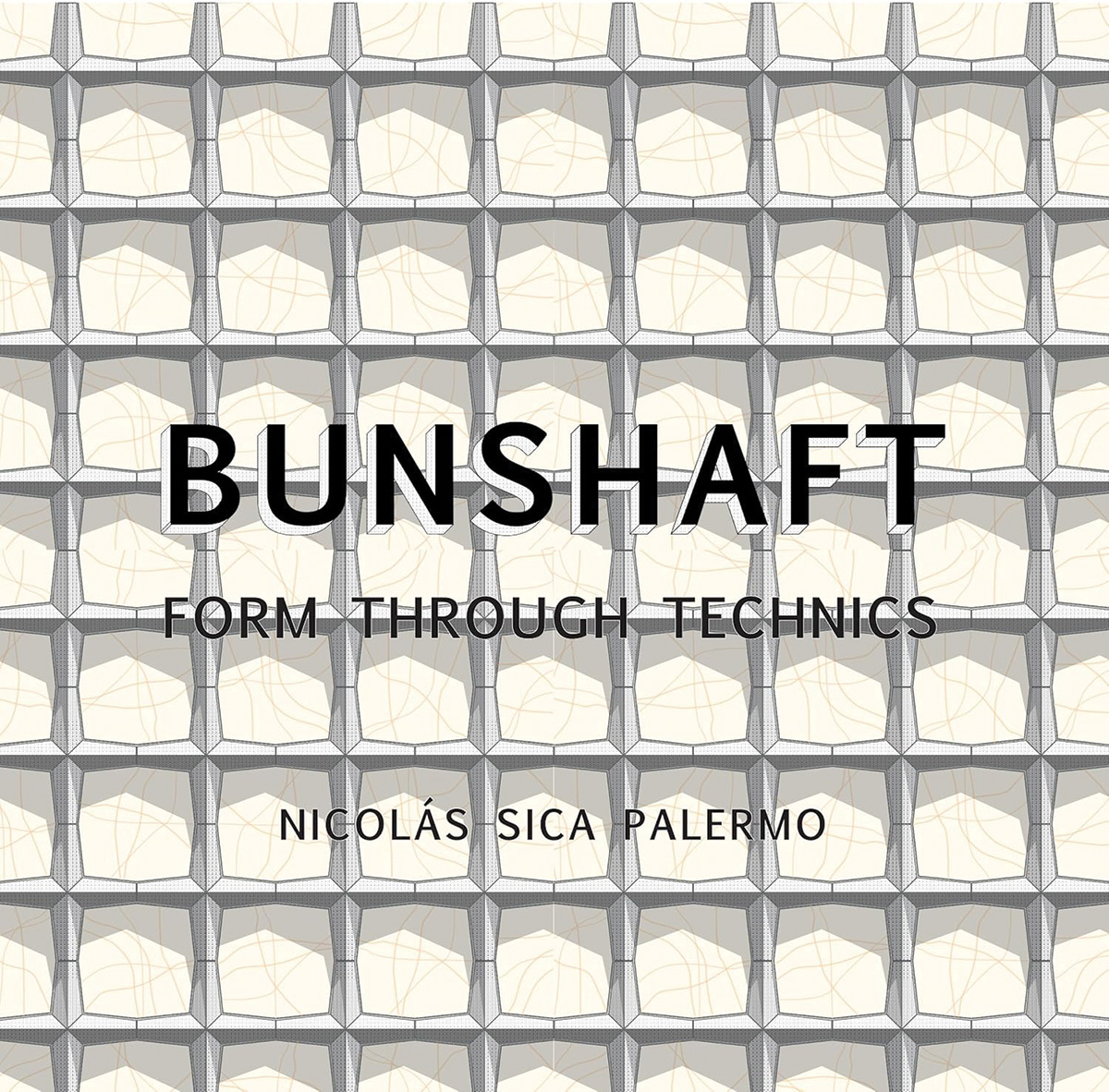
Since its founding in 1936, Skidmore, Owings & Merrill has fostered successive generations of leadership that have built upon the firm’s modernist ethos. Perhaps none have been more consequential than Gordon Bunshaft, who retired in 1983 after serving for over 40 years as design partner. Nicolás Sica Palermo chronicles dozens of Bunshaft’s notable projects—from Lever House to the Beinecke Library—and highlights the innovative construction techniques that were critical to their success. The author’s narrative is supported by a multitude of new and original drawings, including floor plans, structural diagrams, and facade details, displayed alongside contemporary and archival photographs. Matthew Marani
Proximities: The Architecture of Jon Lott
Edited by Julie Cirelli. Park Books, 192 pages, $45.
.jpg "Proximities: The Architecture of Jon Lott")
A traditional monograph, but with a philosophical bent and an emphasis on the provisional in lieu of the final and complete, Proximities explores five key works by architect and educator Jon Lott and his Hudson Valley, New York–based practice, Para Project. Each framed by a “conceptual inquiry into proximity and contingency,” the featured projects include a writer’s studio in suburban Syracuse, an addition to a house in California’s Mojave Desert, and a temporary timber pavilion commissioned for the 2021 Bruges Triennial in Belgium. Joining photography, drawings, notes, and verse penned by Lott are essays by Toshiko Mori and Charles Shafaieh. MH
Architecture in a Rapidly Changing World
By Ralph Johnson. Images Publishing, 392 pages, $95.
This comprehensive two-volume, clothbound monograph surveys Ralph Johnson’s prolific career, starting with architecture school and continuing through the present. The celebrated Chicago-born architect is principal and global design director at the firm Perkins&Will, where he has practiced since the late 1970s. This portfolio showcases the breadth and diversity of Johnson’s work, both built and unbuilt—from the Contemporaine, a residential high-rise in Chicago (2004), to the Shanghai Natural History Museum (2015)—and illuminates his humanist, context-based approach to design, as well as his fidelity to modernist principles. GK
For other notable books, peruse our book reviews on architecturalrecord.com or in previous issues of the magazine.
Looking for quick answers on architecture and design topics?
Try Ask RECORD, our new smart AI search tool.
Ask RECORD →
Looking for a reprint of this article?
From high-res PDFs to custom plaques, order your copy today!
