Architectural Record
search
cart
facebook twitter linkedin youtube
  • Sign In
  • Subscribe
  • Sign Out
  • My Account
Architectural Record
  • NEWS
    • Latest News
    • Awards
    • Interviews
    • Obituaries
    • Podcasts
      • Design:Ed Podcast
      • Sponsored Podcasts
  • OPINION
    • Book Reviews / Excerpts
    • Exhibition Reviews
    • Forum
  • EXCLUSIVES
    • Videos
    • Design Vanguard
    • Top 300 Firms
    • Sponsored Content
    • Sponsored eBooks
    • From the Archives
  • CONTINUING ED
    • Editorial Continuing Ed
    • CE Center
    • CE Academies
  • PROJECTS
    • Buildings By Type
    • Reuse & Renovation
    • Museums & Arts Centers
    • Colleges & Universities
    • Multifamily Housing
    • Interiors
    • Lighting
    • Kitchen & Bath
  • HOUSES
    • Record Houses
    • House of the Month
    • Featured Houses
  • PRODUCTS
    • Products by Category
    • Record Products of the Year
    • Latest Products
  • EVENTS
    • Dates & Events
    • Record on the Road
    • Innovation Conference
    • Sustainability in Practice
    • Women In Architecture
    • Webinars
    • Ad Excellence Awards
    • Submit an Event
  • CONNECT
    • Ask RECORD AI
    • Newsletters
    • Contact
    • Advertise
    • Editorial Calendar
    • Store
    • Customer Service
  • SUBMIT
    • Submission Guidelines
    • RECORD Competitions
  • MAGAZINE
    • Subscribe
    • My Account
    • Digital Edition
    • Current Issue
    • Firm Pass
    • Historic Archive
Architecture NewsInterviews

RECORD Interviews

Surfing with Sert: the Fundació Joan Miró at 50
By Andrew Ayers
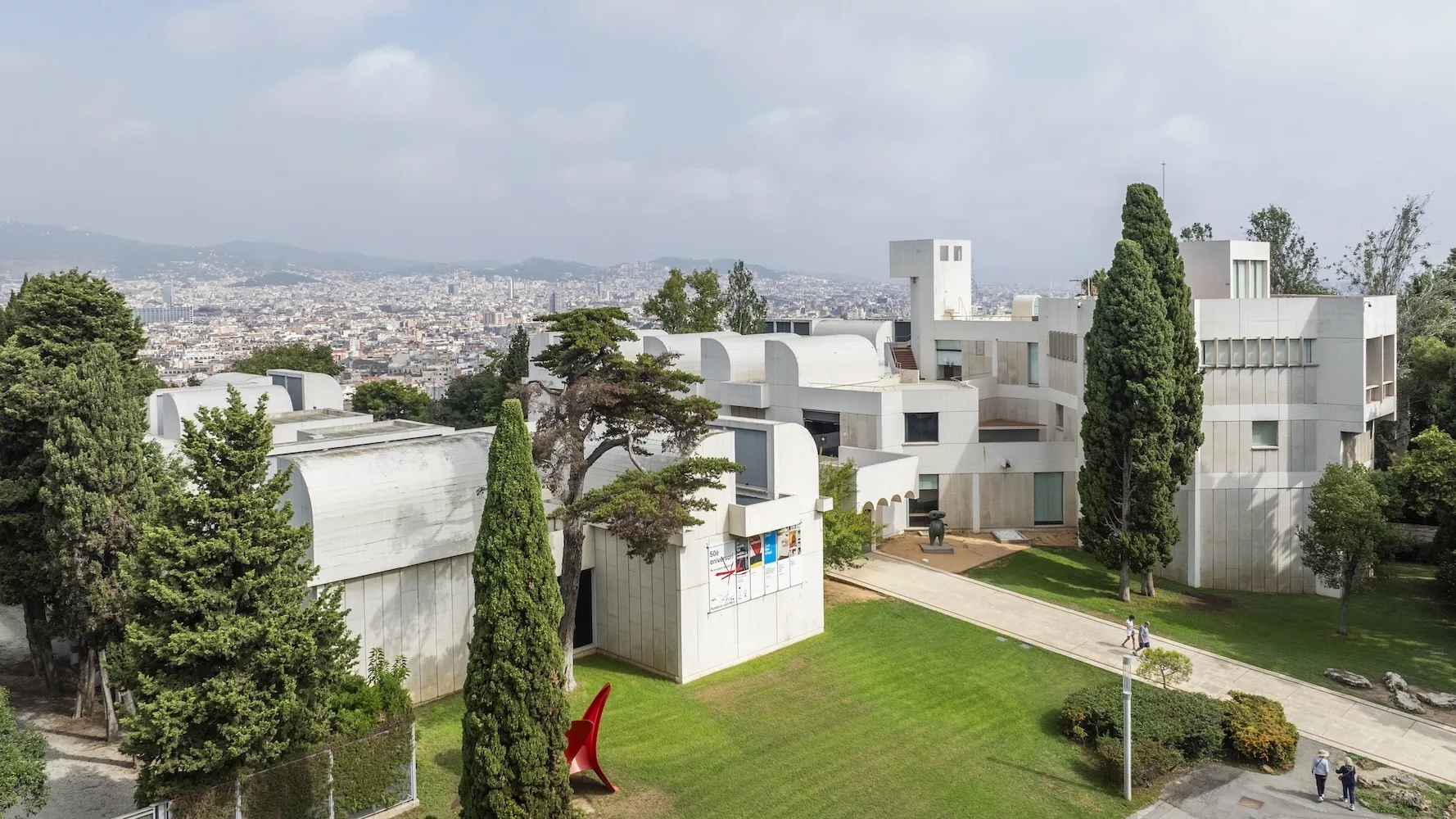
The Fundació Joan Miró by Josep Lluís Sert
Photo © Pep Herrero, courtesy Fundació Joan Miró
The Fundació Joan Miró by Josep Lluís Sert.
June 15, 2026
✕
Image in modal.
After eight years at the helm of Barcelona’s Fundació Joan Miró, curator and art historian Marko Daniel steps down this month. Ahead of his departure, he talked to RECORD about exhibiting art in Josep Lluís Sert’s remarkable building, which turned 50 last year.


RECORD: How did you approach Sert’s legacy when you arrived at the foundation in 2018?

Marko Daniel: It’s important to remember that we have two interrelated but substantially different kinds of cultural property here: artworks and a building. In many museums, the director looks after the collection and someone else looks after the building. Here, the building is part of our collection. And what an extraordinary building it is!
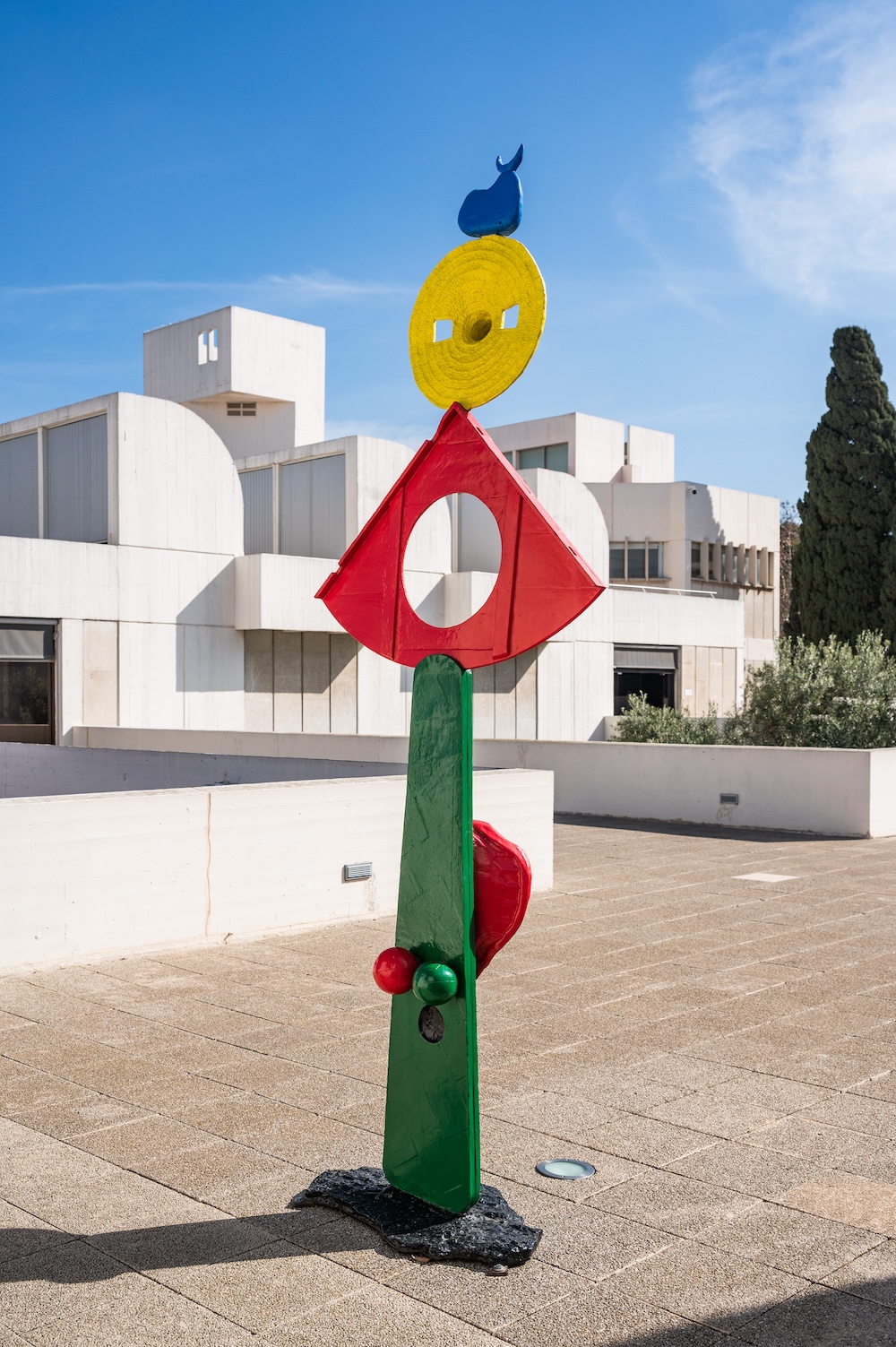

Fundació Joan Miró

Photo © Pep Herrero, courtesy Fundació Joan Miró

What was the relationship between Miró and Sert?

They had a real friendship and creative partnership, which dated back to the Spanish Pavilion at the 1937 Exposition Internationale in Paris. Sert also designed Miró’s studio in Mallorca, in 1955, and it was Miró who introduced Sert to the Maeght family, which led to his building the Fondation Maeght in Saint-Paul-de-Vence in the 1960s. Where this building is concerned, Sert and Miró began the project in 1960 and opened it in 1975, on the day Franco died. Since Sert was in exile in the U.S., he and Miró had to write each other letters to discuss the project. We have the entire correspondence. After reading it, one of the first things I did was to reopen the North Patio, a really beautiful terrace overlooking the city, which for some inexplicable reason had been closed a decade before my arrival. In one letter, Miró said to Sert: “When you get to that part of the building”—we’re talking about gallery ten, roughly halfway through the circuit—“visitors will be tired. You need to have a terrace here where they can sit down, relax, and write postcards.” So for Miró and Sert, there had to be rhythm, but also a sense of democracy, by which I mean that the building tells you enough about itself that you never get lost. There’s a single, continuous circuit, and just the right compactness to allow you to see everything in one visit. I’ve observed many museum expansion projects, including Tate Modern where I worked, and they instilled in me a certain skepticism as to whether every museum really needs to grow. I don’t think so.

Miró and Sert pictured together

Miró and Sert pictured together. Photo: Joaquim Gomis Archive, on loan at the National Archive of Catalonia. © Heirs of Joaquim Gomis. Fundació Joan Miró, Barcelona 2025. National Archive of Catalonia
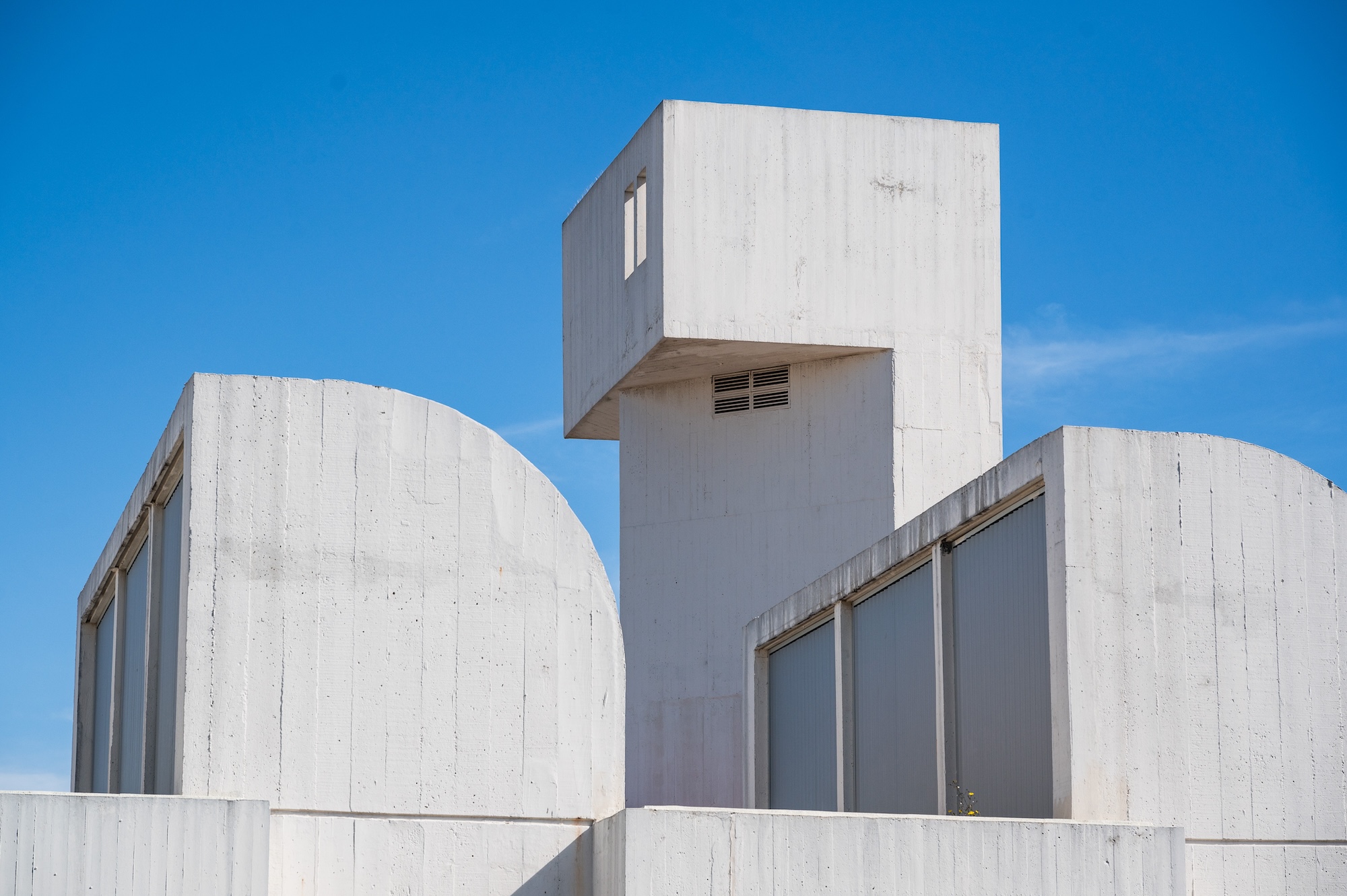
Sert designed a daylight museum for Miró, meaning that it has an extraordinary amount of glazing. How does that sit with modern curatorial practices?

With respect to light damage, it’s about striking the right balance between enjoyment of the works now and in the future. People in conservation sometimes use this sort of magic language where they say, “This work on paper can only be shown for four months and then it needs to rest.” What do they mean “it rests”? It goes to bed, sleeps, and wakes up fit and healthy again? No! It just stops decaying so fast. When you expose works to light for a certain period, you accelerate their decay. It’s something we have to accept. There’s no guarantee that in 300 years people will still want to look at this collection, so why not let people enjoy it in optimal conditions now?


How do you negotiate the balance between optimal conditions and conservation?

One thing I’ve done is to introduce an annual event where we uncover all the glazing as Miró and Sert originally intended. It’s called the Sert Solstice, and takes place on the Sunday nearest June 21. The building is open from 6:00 to 10:00 a.m. with all the windows uncovered and no electric lights. It’s a deal I made with the curators that for four hours a year we’re allowed to do this. And it’s amazing! Another thing I’ve done is to take down the plasterboard walls that had been built to block some of the windows. Our gallery for emerging art, for example, had been turned into a black-box space for video artists, but our take was to uncover the clerestories and say: “This is how the building is—you have to work with it.” We’re also exploring high- and low-tech solutions—contemporary UV filters, for example, which are much better than the old black ones you used to see. But it’s not only UV radiation that’s damaging, we have to control every frequency, and we’re doing that simply by having staff walk around the museum to open and close the blinds, curtains, and louvers. The aim is to use electric light only when daylight isn’t enough. We’re not quite there yet, but we’re working on it.


Fundació Joan Miró

Photo © Pep Herrero, courtesy Fundació Joan Miró
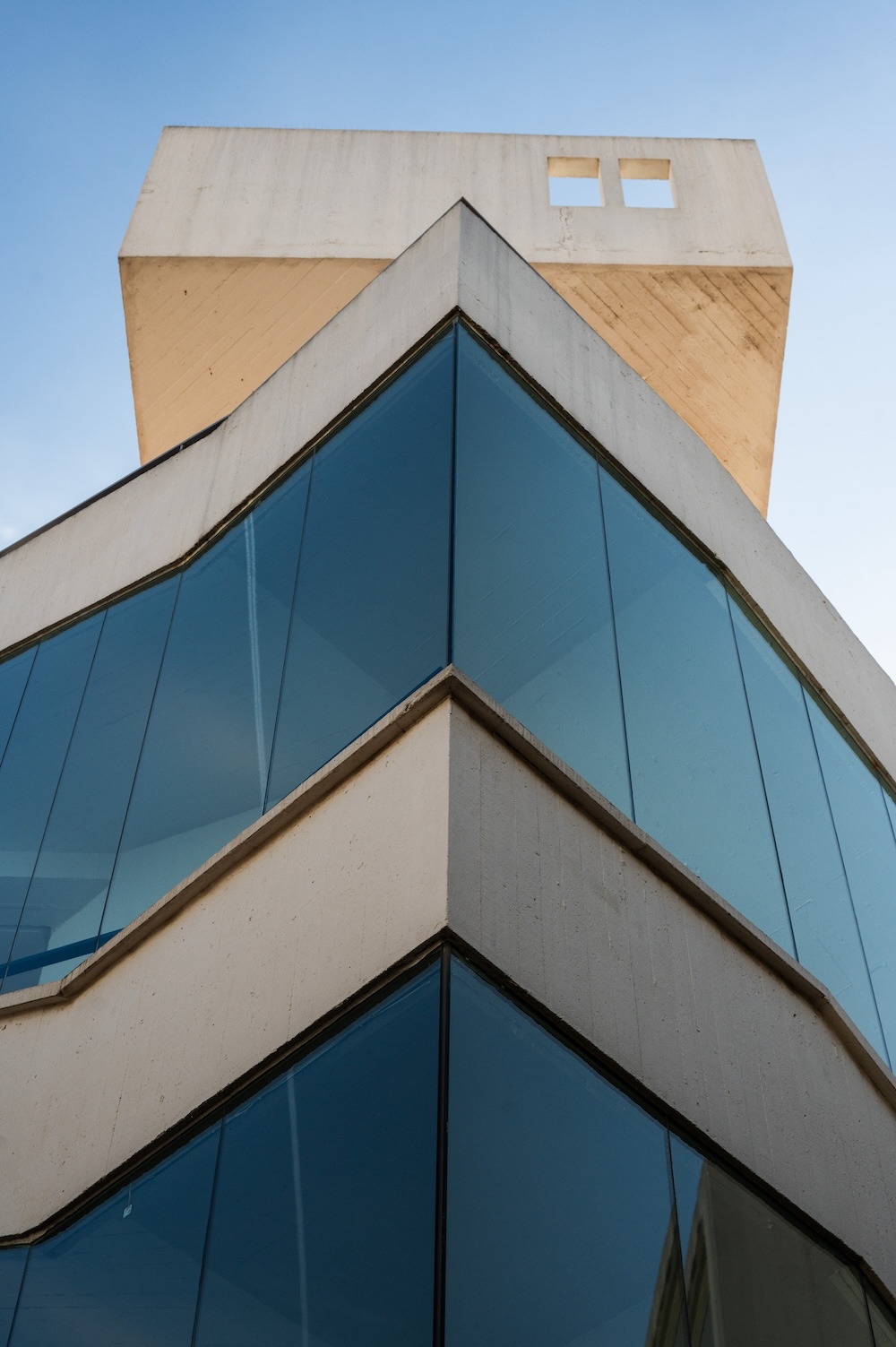
Fundació Joan Miró

Photo © Pep Herrero / Courtesy of the Joan Miró Foundation
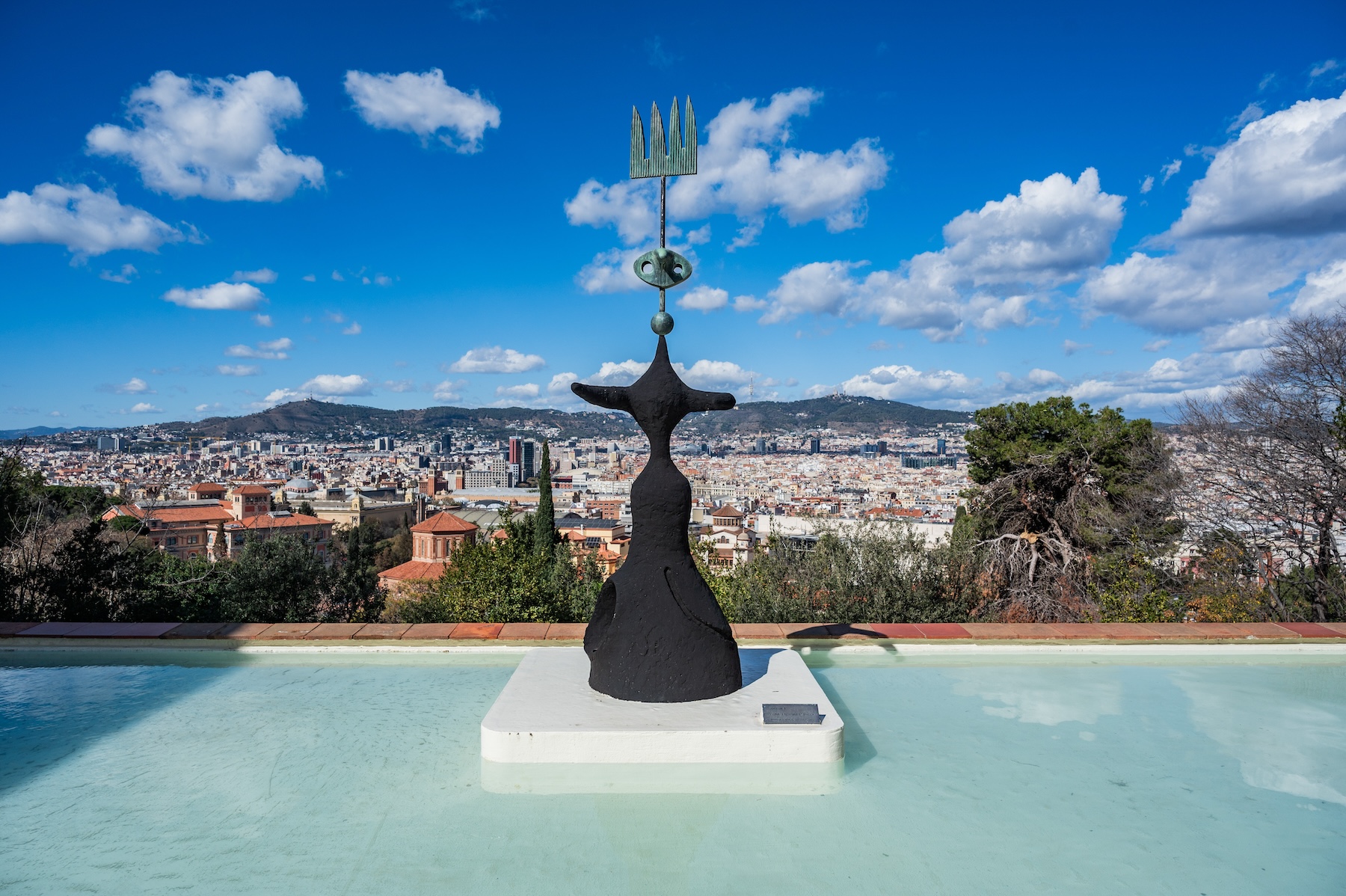
What are the challenges in upgrading the building to meet evolving code and performance requirements?

Accessibility law has undergone radical changes in Spain, particularly in Catalonia. Ours is a landmarked building, which means we have to find a compromise between making it as accessible as possible and preserving its architectural identity. For that we work closely with specialist architects, the municipal and Catalan heritage departments, as well as with ONCE, Spain’s national organization for the blind. Given our thousands of square meters of flat roof, you might think we could install solar panels, but the landmarking means they can’t be visible, so we have just 80 square meters. Instead, we’re working with the “Miró Triangle,” a network of three institutions: ours, the Fundació Mas Miró in Mont-roig del Camp, and the Fundació Pilar i Joan Miró in Mallorca. In Mont-roig del Camp we’re installing a solar farm that will supply all the energy needs both there and here. Already at the 1937 Spanish Pavilion, Sert was working on sustainable climate control. His approach is really anathema to modern museum practices because he used natural ventilation. Look at the gaps between all the glass doors to the exterior—he did that on purpose. It would be so easy to seal everything up, but we don’t. We do have HVAC, since there’s a little bit of heating we have to do in winter and a little cooling in summer, but less than in other institutions.

Fundació Joan Miró

Photo © Pep Herrero, Fundació Joan Miró

What else did you learn from the archives?

This fall we’re doing our first Charlotte Perriand exhibition, in partnership with the Kunstmuseen Krefeld and the Museum der Moderne Salzburg, where it showed initially. In our archives, we found a really beautiful photograph of Perriand sitting between Sert and Miró at the opening of this building. It’s always wonderful to discover these connections.

KEYWORDS: Barcelona Spain

Share This Story

Looking for a reprint of this article?
From high-res PDFs to custom plaques, order your copy today!

Andrew ayers

Andrew Ayers is a Paris-based writer, translator, and educator.

Post a comment to this article

Report Abusive Comment

Subscription Center
  • Create an Account
  • Start a Subscription
  • Manage My Account
  • Sign Up for Newsletters
  • Visit Customer Service
  • Update Preferences

More Videos

Sponsored Content

Sponsored Content is a special paid section where industry companies provide high quality, objective, non-commercial content around topics of interest to the Architectural Record audience. All Sponsored Content is supplied by the advertising company and any opinions expressed in this article are those of the author and not necessarily reflect the views of Architectural Record or its parent company, BNP Media. Interested in participating in our Sponsored Content section? Contact your local rep!

close
  • TAMLYN XtremeTrim Exterior Trim
    Sponsored byTamlyn

    Designing Cleaner Panel Facades: Why Exterior Trim Details Matter

  • Building with Vapor Barriers
    Sponsored byReef Industries, Inc.

    Vapor Barriers Help Control Moisture in Tighter Building Designs

  • Duct Interior with Prodeq System
    Sponsored byHenry, a Carlisle Company

    Designing Resilient Water Containment Systems

DESIGN:ED Podcast
Listen to Architectural Record’s DESIGN:ED Podcast

Events

June 16, 2026

Focus on the Façade: Exploring Steel, Timber & Fire-Rated Curtain Walls and Channel Glass Systems

Credits: 1 AIA LU/HSW; 1 AIBD P-CE; 0.1 ICC CEU

Explore modern façade and glazing systems that enhance daylighting, fire safety, and thermal performance while expanding architectural design possibilities.

June 18, 2026

Rebooting the Aging Office Building

Credits: 1 AIA LU/HSW; 1 AIBD P-CE; 0.1 ICC CEU; 1 PDH

Explore façade retrofit strategies and award-winning design concepts that can transform aging office buildings into healthier, higher-performing workplaces for today’s hybrid workforce.

View All Submit An Event

Products

2026 Architect's Square Foot Costbook

2026 Architect's Square Foot Costbook

See More Products

Popular Stories

SanDiegoAirport

Top 300 Architecture Firms of 2026

Coronado Bridge

The Architect’s Guide to San Diego

Dusk House

Design Vanguard 2026: ONO

West Village Penthouse

Design Vanguard 2026: Brent Buck Architects

Hikma Community Complex

Design Vanguard 2026: Mariam Issoufou Architects

Focus on the Facade - Free Webinar - June 16, 2026

Related Articles

  • The Sea Ranch at 50

    See More
  • Complexity & Contradiction Turns 50

    ‘Complexity and Contradiction in Architecture’ at 50

    See More
  • At Least 50 Tall Buildings Now on Hold

    See More

Related Products

See More Products
  • 047177751X.gif

    Sustainable Urbanism: Urban Design With Nature

  • 1118978811.gif

    Architectural Design with SketchUp: 3D Modeling, Extensions, BIM, Rendering, Making, and Scripting, 2nd Edition

See More Products
×

The latest news and information

#1 Source for Architectural Design, News and Products

SUBSCRIBE
  • RESOURCES
    • Advertise
    • Contact Us
    • Submit
    • Store
  • ACCOUNT CENTER
    • Create an Account
    • Start a Subscription
    • Manage My Account
    • Sign Up for Newsletters
    • Visit Customer Service
    • Update Preferences
  • PRIVACY
    • PRIVACY POLICY
    • TERMS & CONDITIONS
    • DO NOT SELL MY PERSONAL INFORMATION
    • PRIVACY REQUEST
    • ACCESSIBILITY
  • SERVICES
    • Marketing Services
    • Reprints
    • Market Research
    • List Rental
    • Survey/Respondent Access
  • STAY CONNECTED
    • Linkedin
    • Facebook
    • Instagram
    • YouTube
    • X (Twitter)

Copyright ©2026. All Rights Reserved BNP Media, Inc. and BNP Media II, LLC.

Design, CMS, Hosting & Web Development :: ePublishing