Architectural Record
search
cart
facebook twitter linkedin youtube
  • Sign In
  • Subscribe
  • Sign Out
  • My Account
Architectural Record
  • NEWS
    • Latest News
    • Awards
    • Interviews
    • Obituaries
    • Podcasts
      • Design:Ed Podcast
      • Sponsored Podcasts
  • OPINION
    • Book Reviews / Excerpts
    • Exhibition Reviews
    • Forum
  • EXCLUSIVES
    • Videos
    • Design Vanguard
    • Top 300 Firms
    • Sponsored Content
    • Sponsored eBooks
    • From the Archives
  • CONTINUING ED
    • Editorial Continuing Ed
    • CE Center
    • CE Academies
  • PROJECTS
    • Buildings By Type
    • Reuse & Renovation
    • Museums & Arts Centers
    • Colleges & Universities
    • Multifamily Housing
    • Interiors
    • Lighting
    • Kitchen & Bath
  • HOUSES
    • Record Houses
    • House of the Month
    • Featured Houses
  • PRODUCTS
    • Products by Category
    • Record Products of the Year
    • Latest Products
  • EVENTS
    • Dates & Events
    • Record on the Road
    • Innovation Conference
    • Sustainability in Practice
    • Women In Architecture
    • Webinars
    • Ad Excellence Awards
    • Submit an Event
  • CONNECT
    • Ask RECORD AI
    • Newsletters
    • Contact
    • Advertise
    • Editorial Calendar
    • Store
    • Customer Service
  • SUBMIT
    • Submission Guidelines
    • RECORD Competitions
  • MAGAZINE
    • Subscribe
    • My Account
    • Digital Edition
    • Current Issue
    • Firm Pass
    • Historic Archive

The WTC, Then and Now

Formerly known as the Freedom Tower, this building will rise 104 floors (1,776 feet, including its antenna) to become the tallest in the United States.
The WTC, Then and Now
Formerly known as the Freedom Tower, this building will rise 104 floors (1,776 feet, including its antenna) to become the tallest in the United States.
Plans call for a 1,000-seat hall for the Joyce Theater, but funding is still being secured.
The WTC, Then and Now
Plans call for a 1,000-seat hall for the Joyce Theater, but funding is still being secured.
The underground structure for this office tower is under construction, but the rest will wait until demand revives.
The WTC, Then and Now
The underground structure for this office tower is under construction, but the rest will wait until demand revives.
This complex will serve commuters traveling to New Jersey on PATH trains and connect to NYC subways. It will accommodate 250,000 pedestrians per day.
The WTC, Then and Now
This complex will serve commuters traveling to New Jersey on PATH trains and connect to NYC subways. It will accommodate 250,000 pedestrians per day.
Sn'hetta's entry pavilion will bring visitors down to the underground museum by Davis Brody Bond Aedas
The WTC, Then and Now
Sn'hetta's entry pavilion will bring visitors down to the underground museum by Davis Brody Bond Aedas
This competition-winning scheme features a street-level plaza embracing the empty footprints of the Twin Towers.
The WTC, Then and Now
This competition-winning scheme features a street-level plaza embracing the empty footprints of the Twin Towers.
Silverstein Properties, the developer, is currently building the first few floors to be used for retail. The rest of this 80-story office tower will wait until the market dictates.
The WTC, Then and Now
Silverstein Properties, the developer, is currently building the first few floors to be used for retail. The rest of this 80-story office tower will wait until the market dictates.
When done, this 72-story building will offer retail at its base and 2.3 million square feet of office space.
The WTC, Then and Now
When done, this 72-story building will offer retail at its base and 2.3 million square feet of office space.
Cross section through Memorial Fountain and Plaza East-west section showing below-grade levels of transportation infrastructure
The WTC, Then and Now
Cross section through Memorial Fountain and Plaza East-west section showing below-grade levels of transportation infrastructure
Illustration © Michael Newhouse
Formerly known as the Freedom Tower, this building will rise 104 floors (1,776 feet, including its antenna) to become the tallest in the United States.
Plans call for a 1,000-seat hall for the Joyce Theater, but funding is still being secured.
The underground structure for this office tower is under construction, but the rest will wait until demand revives.
This complex will serve commuters traveling to New Jersey on PATH trains and connect to NYC subways. It will accommodate 250,000 pedestrians per day.
Sn'hetta's entry pavilion will bring visitors down to the underground museum by Davis Brody Bond Aedas
This competition-winning scheme features a street-level plaza embracing the empty footprints of the Twin Towers.
Silverstein Properties, the developer, is currently building the first few floors to be used for retail. The rest of this 80-story office tower will wait until the market dictates.
When done, this 72-story building will offer retail at its base and 2.3 million square feet of office space.
Cross section through Memorial Fountain and Plaza East-west section showing below-grade levels of transportation infrastructure
September 19, 2011

Site Plan Illustration: Michael Newhouse

Click the image above to view components of the new World Trade center as well as a section drawing of the site.

To create the original World Trade Center, the Downtown Lower Manhattan Development Association and the Port Authority of New York and New Jersey closed five streets and carved out a 16-acre superblock in the first half of the 1960s. The new WTC is reinserting some of those lost streets in an effort to better connect the complex with the rest of Lower Manhattan. While two towers are rising aboveground and the memorial is open, most of the work so far has been building underground infrastructure and transportation connections.

To make way for the World Trade Center, the public-private agencies developing the site razed 164 buildings from the area of electronics stores known as Radio Row.
Photo © Port of New York Authority/T Sheehan (1972)
The Twin Towers rose 1,368 and 1,362 feet and opened between 1970 and 1973. Contractors used the 1.2 million cubic feet of earth excavated for the complex to create 23.5 acres along the Hudson River that became Battery Park City.

Share This Story

Looking for a reprint of this article?
From high-res PDFs to custom plaques, order your copy today!
Post a comment to this article

Report Abusive Comment

Subscription Center
  • Create an Account
  • Start a Subscription
  • Manage My Account
  • Sign Up for Newsletters
  • Visit Customer Service
  • Update Preferences

More Videos

Sponsored Content

Sponsored Content is a special paid section where industry companies provide high quality, objective, non-commercial content around topics of interest to the Architectural Record audience. All Sponsored Content is supplied by the advertising company and any opinions expressed in this article are those of the author and not necessarily reflect the views of Architectural Record or its parent company, BNP Media. Interested in participating in our Sponsored Content section? Contact your local rep!

close
  • cold storage facility
    Sponsored byCarlisle SynTec Systems

    How Architects Can Design More Continuous Cold Storage Envelopes

  • TAMLYN XtremeTrim Exterior Trim
    Sponsored byTamlyn

    Designing Cleaner Panel Facades: Why Exterior Trim Details Matter

  • Building with Vapor Barriers
    Sponsored byReef Industries, Inc.

    Vapor Barriers Help Control Moisture in Tighter Building Designs

DESIGN:ED Podcast
Listen to Architectural Record’s DESIGN:ED Podcast

Events

June 23, 2026

Enhancing Fire Resistance with Advanced PVC Solutions

Credits: 1 AIA LU/HSW; 1 AIBD P-CE; 0.1 ICC CEU; 1 IIBEC CEH

Evaluate advanced PVC solutions that improve fire resistance, support WUI compliance, and enhance resilience in residential and commercial building design.

June 25, 2026

Designing Glass Railing Systems that Enhance Aesthetics and Meet Code

Credits: 1 AIA LU/HSW; 1 AIBD P-CE; 0.1 ICC CEU

Upon course completion, participants will possess a deeper understanding of glass railings to help ensure that safety, aesthetic, and performance objectives are achieved.

View All Submit An Event

Products

2026 Architect's Square Foot Costbook

2026 Architect's Square Foot Costbook

See More Products

Popular Stories

SanDiegoAirport

Top 300 Architecture Firms of 2026

Lorcan O' Herilhy

California Architect Lorcan O’Herlihy Has Died, Age 66

Coronado Bridge

The Architect’s Guide to San Diego

CCA, Studio Gang

The Winners of the AIA’s 2026 Architecture Award Range from Collegiate Rowing Hubs to Housing for the Homeless

Spoonbill Ranch

Johnsen Schmaling Architects Integrates Spoonbill Ranch into a Pristine Landscape

Enhancing Fire Resistance with Advanced PVC Solutions - Free Webinar - June 23, 2026

Related Articles

  • Sydney Now

    See More
  • Palazzo Citerrio

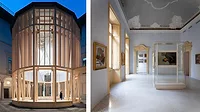
    Milan’s Palazzo Citterio Debuts as an Extension to the Famed Pinacoteca di Brera, Now a New Cultural Hub Fusing the Historic with the Contemporary

    See More
  • Libeskind's Master Plan for WTC Site "Coming to Life"

    See More

Related Products

See More Products
  • book3.jpg

    If Architecture is a Language, Then a Building is a Story

See More Products
×

The latest news and information

#1 Source for Architectural Design, News and Products

SUBSCRIBE
  • RESOURCES
    • Advertise
    • Contact Us
    • Submit
    • Store
  • ACCOUNT CENTER
    • Create an Account
    • Start a Subscription
    • Manage My Account
    • Sign Up for Newsletters
    • Visit Customer Service
    • Update Preferences
  • PRIVACY
    • PRIVACY POLICY
    • TERMS & CONDITIONS
    • DO NOT SELL MY PERSONAL INFORMATION
    • PRIVACY REQUEST
    • ACCESSIBILITY
  • SERVICES
    • Marketing Services
    • Reprints
    • Market Research
    • List Rental
    • Survey/Respondent Access
  • STAY CONNECTED
    • Linkedin
    • Facebook
    • Instagram
    • YouTube
    • X (Twitter)

Copyright ©2026. All Rights Reserved BNP Media, Inc. and BNP Media II, LLC.

Design, CMS, Hosting & Web Development :: ePublishing