Architectural Record
search
cart
facebook twitter linkedin youtube
  • Sign In
  • Subscribe
  • Sign Out
  • My Account
Architectural Record
  • NEWS
    • Latest News
    • Awards
    • Interviews
    • Obituaries
    • Podcasts
      • Design:Ed Podcast
      • Sponsored Podcasts
  • OPINION
    • Book Reviews / Excerpts
    • Exhibition Reviews
    • Forum
  • EXCLUSIVES
    • Videos
    • Design Vanguard
    • Top 300 Firms
    • Sponsored Content
    • Sponsored eBooks
    • From the Archives
  • CONTINUING ED
    • Editorial Continuing Ed
    • CE Center
    • CE Academies
  • PROJECTS
    • Buildings By Type
    • Reuse & Renovation
    • Museums & Arts Centers
    • Colleges & Universities
    • Multifamily Housing
    • Interiors
    • Lighting
    • Kitchen & Bath
  • HOUSES
    • Record Houses
    • House of the Month
    • Featured Houses
  • PRODUCTS
    • Products by Category
    • Record Products of the Year
    • Latest Products
  • EVENTS
    • Dates & Events
    • Record on the Road
    • Innovation Conference
    • Sustainability in Practice
    • Women In Architecture
    • Webinars
    • Ad Excellence Awards
    • Submit an Event
  • CONNECT
    • Ask RECORD AI
    • Newsletters
    • Contact
    • Advertise
    • Editorial Calendar
    • Store
    • Customer Service
  • SUBMIT
    • Submission Guidelines
    • RECORD Competitions
  • MAGAZINE
    • Subscribe
    • My Account
    • Digital Edition
    • Current Issue
    • Firm Pass
    • Historic Archive
Commentary & Criticism

Amanda Burden in the Zone

September 16, 2011
Amanda Burden
Photo © NYC Department of City Planning
City Planning Commissioner Amanda Burden.
 
 
Under Mayor Bloomberg, New York city planners launched an aggressive initiative to compete in the global economy. In an interview with RECORD, City Planning Commissioner Burden discusses key accomplishments over the last nine years.
 
The Effect of 9/11 on city planning
 
Mayor Bloomberg had extraordinary challenges when he took office in 2002 because people had lost confidence in the city after the events of 9/11. He had to regain that confidence in New York as a place for investment.

The first thing he said was that we are a city of five boroughs — Staten Island, the Bronx, Brooklyn, Queens — not just Manhattan. He wanted to see economic opportunity encouraged in each. Since the city is expected to expand to 9.1 million people by 2030, we had to figure out how and where it should grow. Our goal was to direct development to centers of transit in downtown Brooklyn or Jamaica, Queens, or Long Island City — or to 125th Street — by creating mixed-use regional business districts that would provide jobs, new housing, and taxes.

We sought to preserve the DNA and the character of each neighborhood by working with communities to develop plans to accommodate growth. For example, the Coney Island initiative aims to recapture what was so special about the area’s great beach, boardwalk, and amusements. Yet the rides are a seasonal event, and they have been closing one by one. Through zoning we created an indoor and outdoor entertainment and amusement district to last year-round.

At the same time the mayor started the largest affordable housing program in the country both to accommodate existing New Yorkers and arriving New Yorkers. He called for 165,000 new affordable units by 2013.

Our inclusionary housing program gives a bonus within a height limit to a developer providing 20 percent affordable housing.

The High Line
Before 2002, the High Line, a mile-and-a-half elevated former railway, was slated for demolition, but I knew this incredible piece of urban infrastructure could become the defining feature of a new neighborhood. The High Line was owned by the federal government — by CSX Transportation. It was willing to transfer the railroad to the city for nothing, but only if every single property owner in the area approved. People who owned land under and adjacent to the High Line opposed it, since they wouldn’t realize the value for their property. So we used the old zoning tool of a transfer of development rights to create the Special West Chelsea district.

If you owned land within this special district, under or adjacent to the High Line, you could transfer and sell your property rights to a property owner on 10th or 11th Avenues. Property owners were deliriously happy. The city acquired the High Line from CSX.

To protect the integrity of this beautiful garden in the sky, and keep light, air, and its character as a garden, we formed strict design controls — not only height limits, but restrictions on how much of a block could be developed, and how far away from the High Line you had to put your buildings.

Hudson Yards
When Mayor Bloomberg was elected, Midtown Manhattan could really only expand on the west side, from Times Square to 30th Street, Eighth Avenue to the Hudson River. We created an urban design master plan to redefine a mostly industrial area — 59 blocks — as a new central business district, with infrastructure, parks, and public open space next to the waterfront. We even put a new boulevard between 10th and 11th Avenues. And through rezoning from industrial use to residential and commercial ones, we had $2 billion for new infrastructure, especially the extension of the No. 7 subway line from Times Square, west across 41st Street and down 11th Avenue.

A big portion of the district is in fact the rail yards, controlled by the MTA, which awarded Related Companies the right to develop on those yards. And Related Companies hired Kohn Pedersen Fox to do its master plan (see page 138 for details). The Floor Area Ratio (FAR) in the zoning district is very high to encourage development, although there are prescriptive requirements for street walls in certain places. The actual rail yards have an even higher density, since the streets aren’t mapped: some buildings can have a 30 FAR and may be well over 1,000 feet tall.

PLANYC
PlaNYC is an incredibly important legacy of the Bloomberg administration. It’s our blueprint for sustainability — cleaner air and water, with a healthier lifestyle for New Yorkers. We have been focusing on energy efficiency, looking at our zoning code and seeing how we can eliminate impediments to it by using solar or wind sources, or through insulation. We’re looking at ways to incentivize energy efficiency and energy generation. It’s a key initiative of these next 800 days we have here.

Share This Story

Looking for a reprint of this article?
From high-res PDFs to custom plaques, order your copy today!

Post a comment to this article

Report Abusive Comment

Subscription Center
  • Create an Account
  • Start a Subscription
  • Manage My Account
  • Sign Up for Newsletters
  • Visit Customer Service
  • Update Preferences

More Videos

Sponsored Content

Sponsored Content is a special paid section where industry companies provide high quality, objective, non-commercial content around topics of interest to the Architectural Record audience. All Sponsored Content is supplied by the advertising company and any opinions expressed in this article are those of the author and not necessarily reflect the views of Architectural Record or its parent company, BNP Media. Interested in participating in our Sponsored Content section? Contact your local rep!

close
  • TAMLYN XtremeTrim Exterior Trim
    Sponsored byTamlyn

    Designing Cleaner Panel Facades: Why Exterior Trim Details Matter

  • Building with Vapor Barriers
    Sponsored byReef Industries, Inc.

    Vapor Barriers Help Control Moisture in Tighter Building Designs

  • Duct Interior with Prodeq System
    Sponsored byHenry, a Carlisle Company

    Designing Resilient Water Containment Systems

DESIGN:ED Podcast
Listen to Architectural Record’s DESIGN:ED Podcast

Events

June 10, 2026

Rethinking Stormwater – The Power of Porous Paving

Credits: 1 AIA LU/HSW; 1 AIBD P-CE; 0.1 ICC CEU

Learn how porous paving systems support stormwater management, reduce heat island effects, and enhance sustainable site design performance.

June 11, 2026

Very Early Warning Fire Detection for Mission-Critical Facilities

Credits: 1 AIA LU/HSW; 1 AIBD P-CE; 0.1 ICC CEU

Examine advanced fire detection strategies that support uptime and enhance safety in data centers and other mission-critical facilities.

View All Submit An Event

Products

2026 Architect's Square Foot Costbook

2026 Architect's Square Foot Costbook

See More Products

Popular Stories

Practice Matters illustration

What’s in a (Firm’s) Name? Thinking About Succession and Legacy

Coronado Bridge

The Architect’s Guide to San Diego

Practice Matters illustration

By the Numbers: Counting America's Architects

Riverdale House by Studio Lau

Riverdale House by Studio Lau

House on a Hill

Design Vanguard 2026: Forma

Broader Sustainability of CMU - Free Webinar - May 21, 2026

Related Articles

  • The Architecture of Disability

    In 'The Architecture of Disability,' David Gissen Broadsides Ableism in the Built Environment

    See More
  • In-the-Cause-of-Architecture-Frank-Lloyd-Wright-1927-08.jpg

    In the Cause of Architecture, III: Steel

    See More
  • Enso House II

    HW Studio's Mies-Inspired House in the Mexican Desert Draws Lines in the Sand

    See More

Related Products

See More Products
  • GlobalData_logo_blue_header.png

    Construction in the US - Key Trends and Opportunities to 2023

  • 3dthinking.jpg

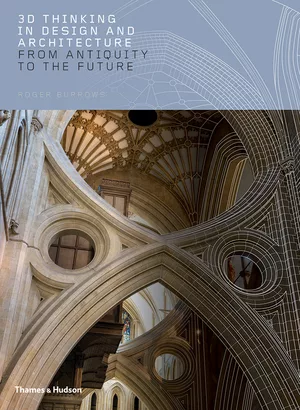
    3D Thinking in Design and Architecture: From Antiquity to the Future

See More Products
×

The latest news and information

#1 Source for Architectural Design, News and Products

SUBSCRIBE
  • RESOURCES
    • Advertise
    • Contact Us
    • Submit
    • Store
  • ACCOUNT CENTER
    • Create an Account
    • Start a Subscription
    • Manage My Account
    • Sign Up for Newsletters
    • Visit Customer Service
    • Update Preferences
  • PRIVACY
    • PRIVACY POLICY
    • TERMS & CONDITIONS
    • DO NOT SELL MY PERSONAL INFORMATION
    • PRIVACY REQUEST
    • ACCESSIBILITY
  • SERVICES
    • Marketing Services
    • Reprints
    • Market Research
    • List Rental
    • Survey/Respondent Access
  • STAY CONNECTED
    • Linkedin
    • Facebook
    • Instagram
    • YouTube
    • X (Twitter)

Copyright ©2026. All Rights Reserved BNP Media, Inc. and BNP Media II, LLC.

Design, CMS, Hosting & Web Development :: ePublishing