This website requires certain cookies to work and uses other cookies to help you have the best experience. By visiting this website, certain cookies have already been set, which you may delete and block. By closing this message or continuing to use our site, you agree to the use of cookies. Visit our updated privacy and cookie policy to learn more.
This Website Uses Cookies By closing this message or continuing to use our site, you agree to our cookie policy. Learn MoreThis website requires certain cookies to work and uses other cookies to help you have the best experience. By visiting this website, certain cookies have already been set, which you may delete and block. By closing this message or continuing to use our site, you agree to the use of cookies. Visit our updated privacy and cookie policy to learn more.
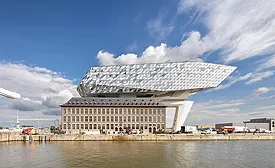
One of the first completed projects from Zaha Hadid’s office since her untimely death, at 65 in March this year, the new Port House on the sprawling docks of Antwerp, Belgium, is a bravura, if distinctly eccentric work.
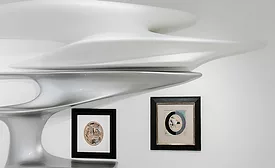
In Zurich, the walls of Galerie Gmurzynska’s latest exhibition, Kurt Schwitters: Merz, ripple and swell with the last art installation designed by Zaha Hadid.
The Salerno Maritime Terminal by Zaha Hadid Architects (ZHA) was inaugurated today in southwestern Italy, marking the first project to be completed since the death of Zaha Hadid on March 31.
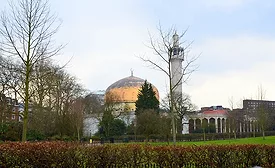
Last Wednesday, just as a thousand people left the prayer service for Zaha Hadid at London’s Grand Mosque, it started to rain—appropriately enough at a dramatic diagonal—and not long after, as her family and friends motored in a caravan of buses to a cemetery in Surrey, the clouds parted and a double rainbow appeared.
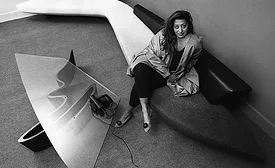
Zaha Hadid, the acclaimed Iraqi-British architect known for her sensuous curvilinear structures that blurred the line between architecture and art, died Thursday morning in a Miami hospital.