California Architect Lorcan O’Herlihy Has Died, Age 66
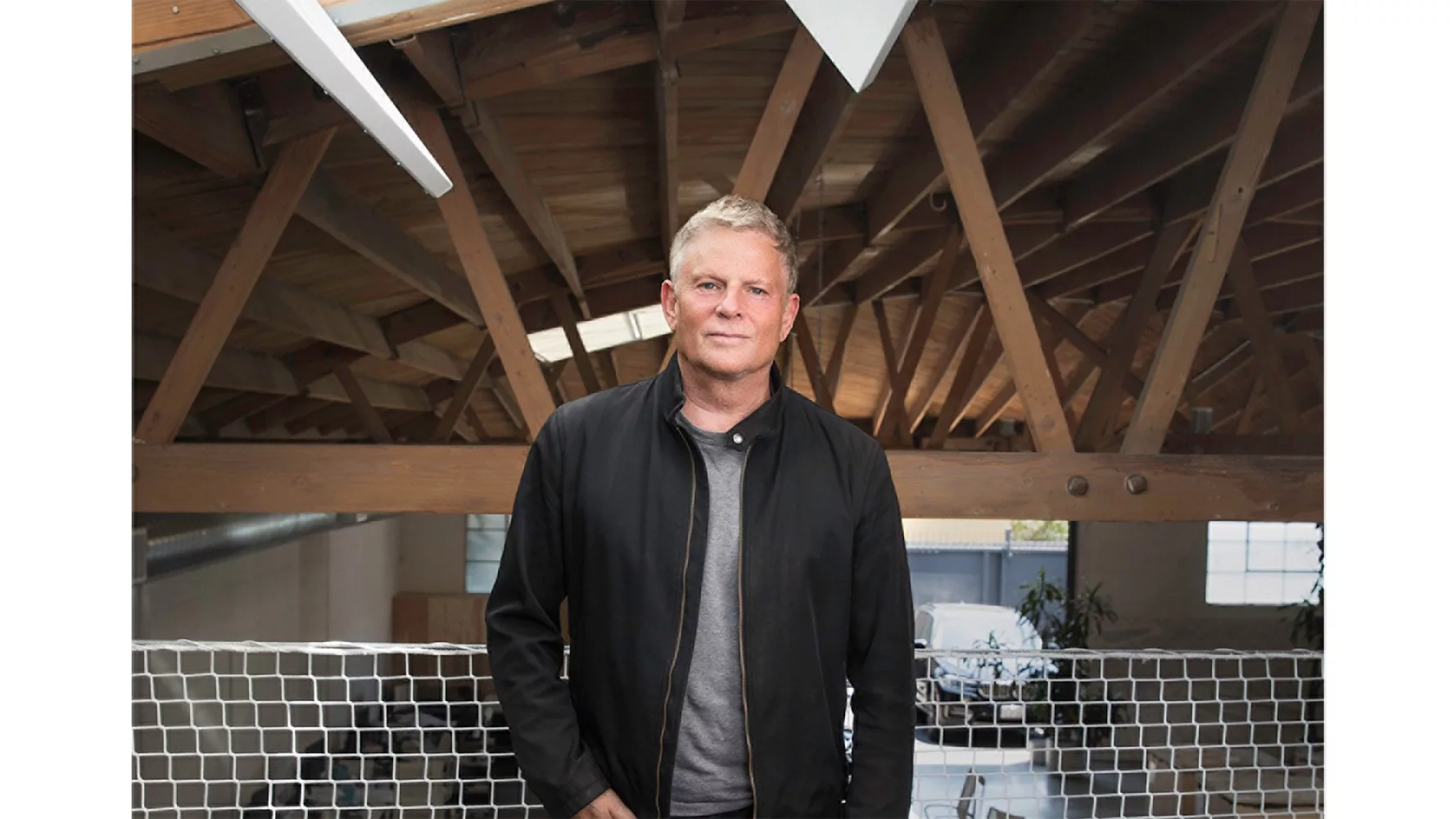
Architect Lorcan O’Herlihy.
Los Angeles–based Irish architect Lorcan O’Herlihy died on June 14 following a battle with glioblastoma. He was 66.
Known for designing innovative multifamily housing—often of the affordable or supportive kind—and exceptional single-family residences, O’Herlihy believed in architecture’s ability to amplify urban landscapes and elevate the human condition.
O’Herlihy was born in Dublin in 1959 but moved to L.A. with his film-business family when he was a toddler. (His father, Oscar-nominated actor Dan O’Herlihy, had previously obtained a degree in architecture, like his father before him.)
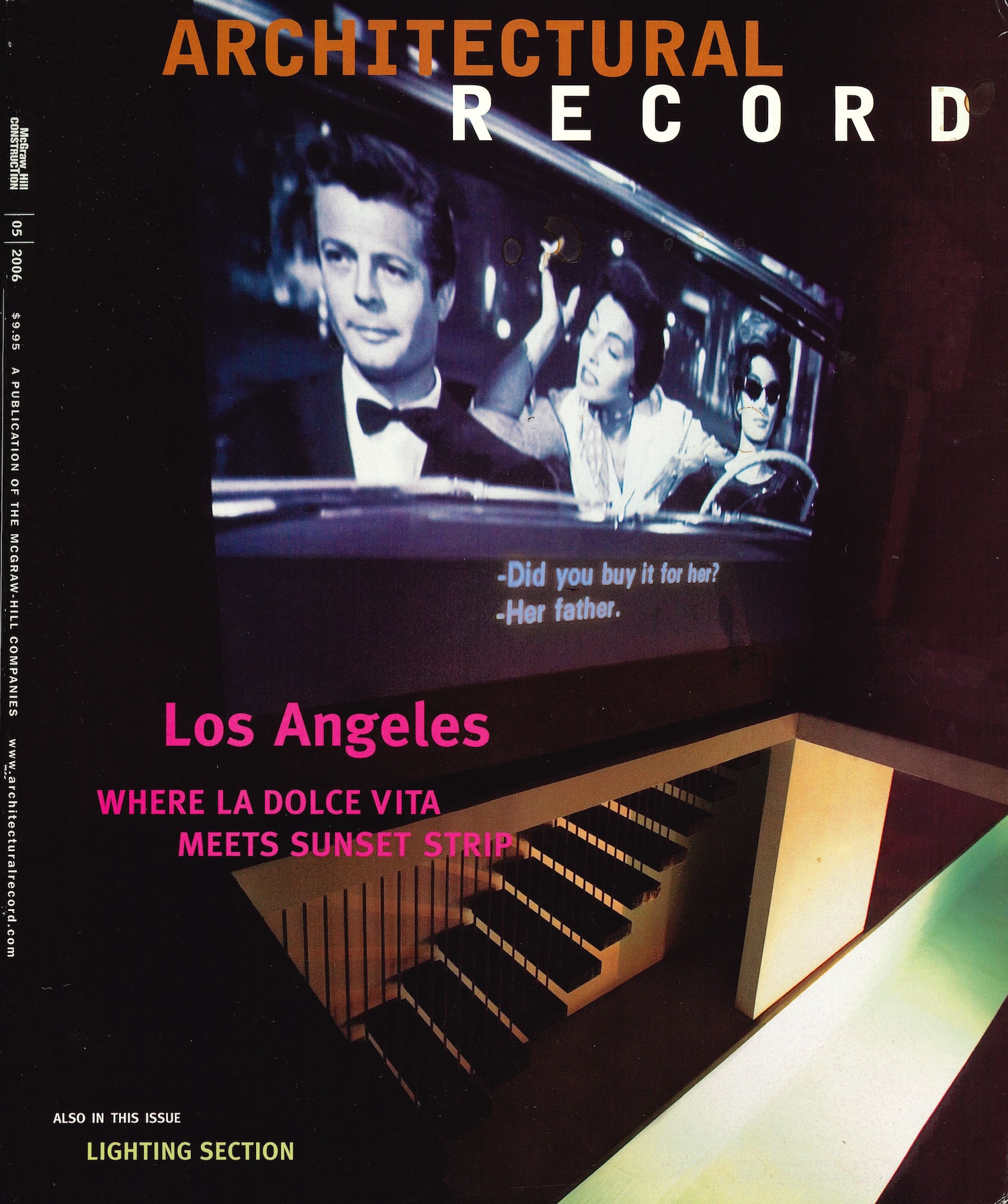
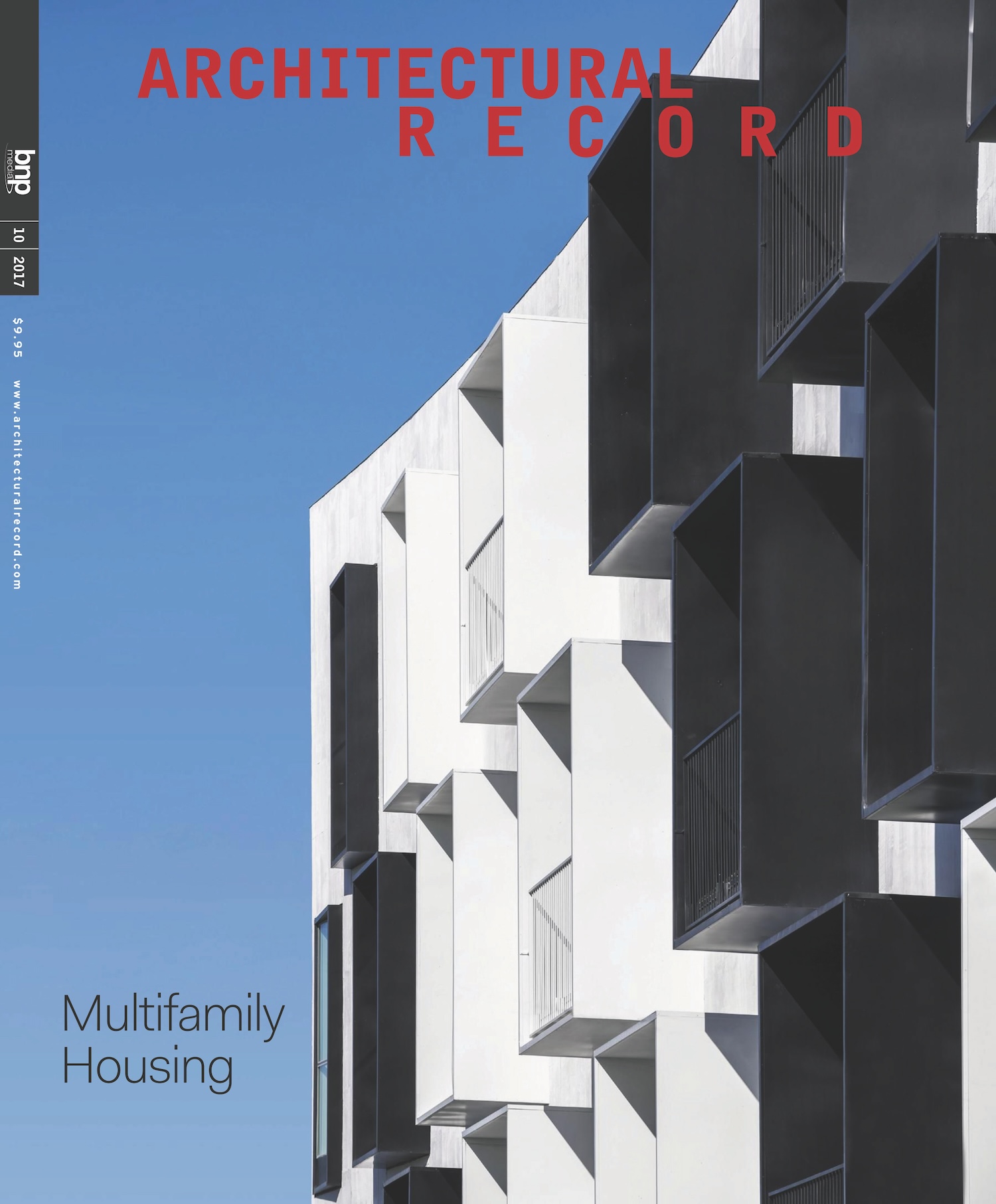
LOHA projects featured on the cover of RECORD in May 2006 and October 2017. Images © Architectural Record
Lorcan returned to the Irish capital for his formative middle- and high-school years, but studied architecture at Cal Poly in San Luis Obispo. He received a Master of Arts in History and Critical Thinking from the Architectural Association in London, where he studied the intersection of film and architecture. His first job was an internship at the office of Kevin Roche, a friend of Lorcan’s father from their days studying architecture together at University College Dublin. Lorcan then went on to work for I.M. Pei, in both New York and Paris, as part of the team designing the Louvre expansion, calling it “a profound experience for me at the beginning of my career.” After several years at large corporate firms and at Steven Holl’s office, and a brief stint trying to make it as an artist, he founded Lorcan O’Herlihy Architects (LOHA) in Los Angeles in 1994. “When I started my practice, I wanted to challenge myself,” O’Herlihy told RECORD’s DESIGN:ED podcast in 2023 when speaking about his book Architecture Is a Social Act. “If the role of the architect is to do work of consequence, that sets a platform to be able to make a contribution to society—meaning we can solve problems. If architecture operates within political, social, and development structures, how can we be a critical component of that?”
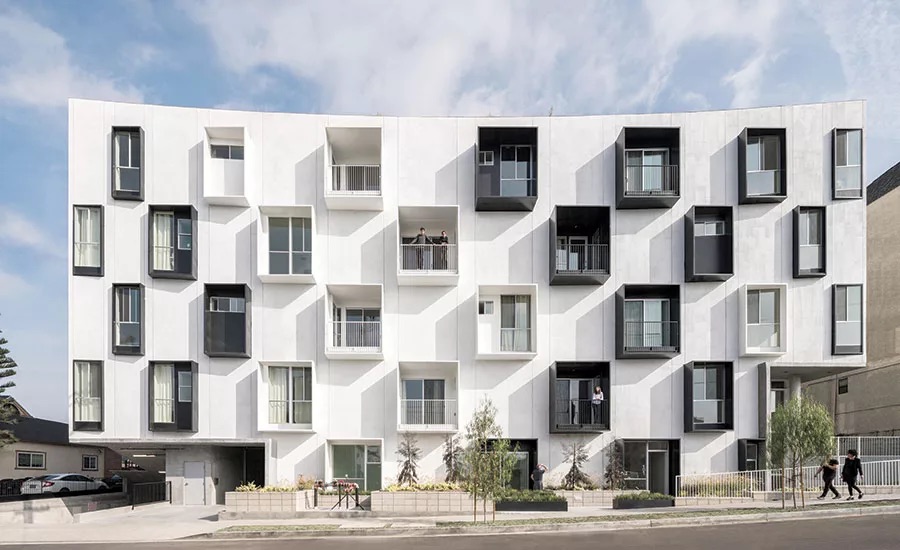
Mariposa 1038, Los Angeles. Photo © Paul Vu
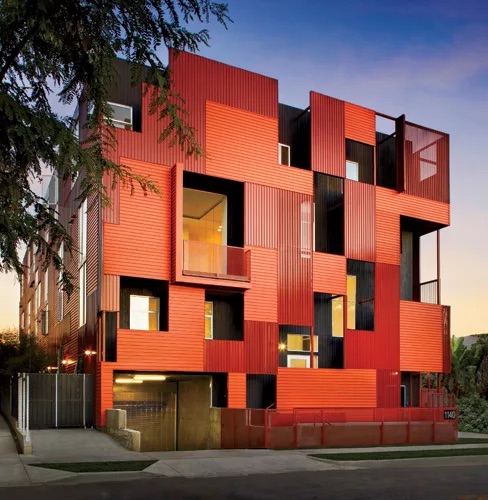
Formosa 1140, West Hollywood. Photo © Lawrence Anderson Photography
O’Herlihy’s architecture responded to those social and economic forces, but also to aesthetic considerations. “Artistry is extremely important.” Housing projects throughout Los Angeles, often on challenging sites or occupying a full city block, were expressive and keenly attuned to their Southern California context. Stark white structures could be as bold as those in unexpected colors, like the deep red Formosa 1140 in West Hollywood. Stacked forms, usually metal clad and sometimes comprising shipping containers, are juxtaposed with large voids—a central courtyard, terraces, outdoor passages, dynamic staircases. “We need to create new models for connecting residents to each other and to the rest of the city,” O’Herlihy told RECORD when discussing Mariposa 1038, a curving residential building in L.A.’s Koreatown, featured on the October 2017 cover, whose main facade is a lively composition of projecting balconies and window frames.
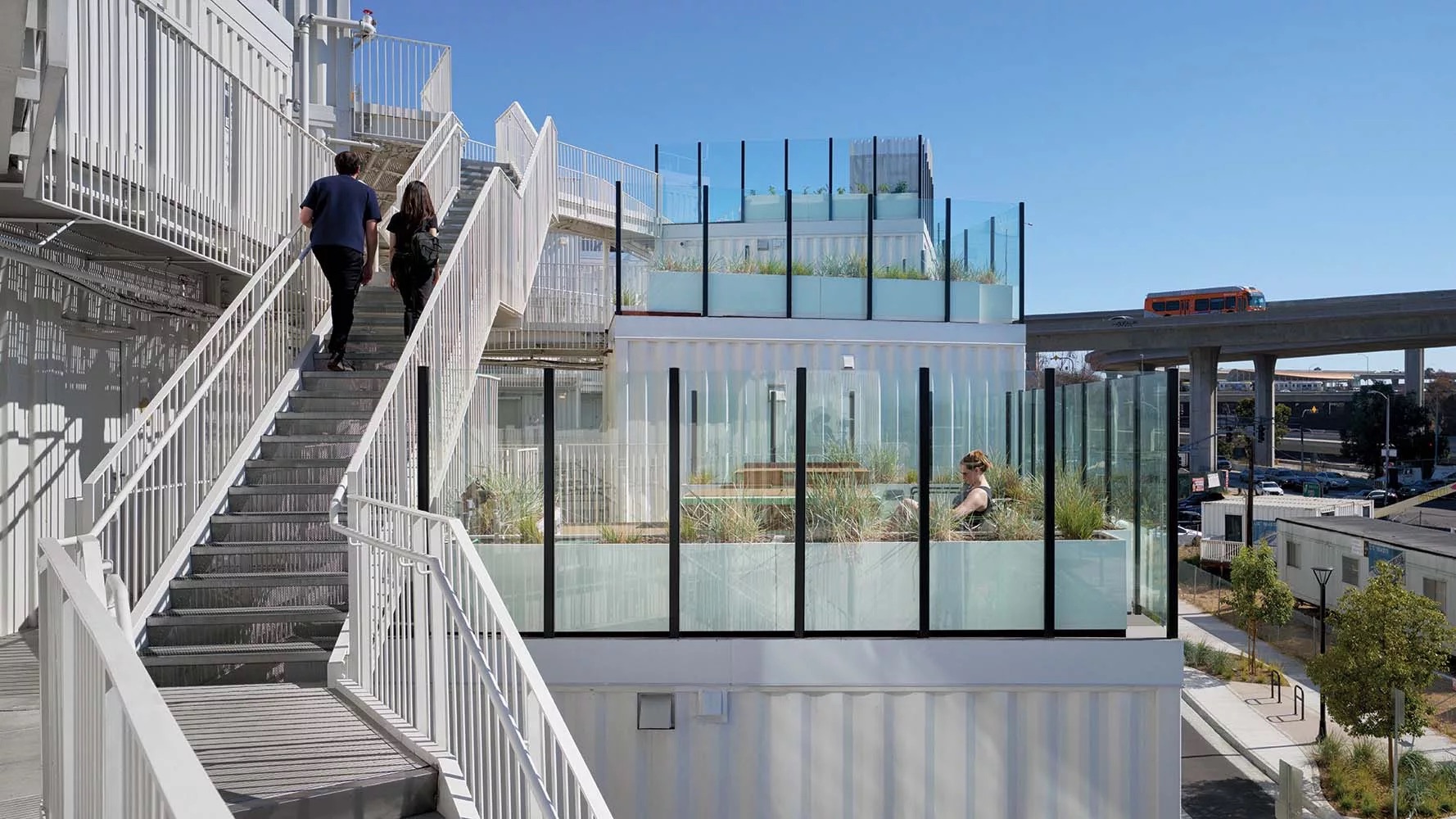
Isla Intersections Supportive Housing, Los Angeles. Photo © Eric Staudenmaier
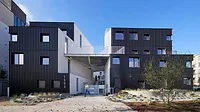
Last year, LOHA’s Isla Intersections won the housing category in the inaugural Record Awards. David Farnsworth, a principal at Arup and member of the awards jury, commented, “Isla Intersections illustrates how prefabricated methods can be harnessed to create unique geometries, far from typical double-loaded corridor bar buildings. Here, the modular units are cleverly arranged to create a courtyard, generating both interest for the exterior as well as shelter from the surrounding traffic on this tricky pie-shaped site.”
“When the spectacle of architecture took hold in the late 1990s, housing was relegated to a background project or a project of little interest,” Neil Denari said in his introduction of O’Herlihy at a 2017 lecture at UCLA. “But Lorcan had been building housing all around the city, and not simply as a good architect but as someone who has taken the legacy of housing as a project of innovation. In a place where only 25 percent of people can afford to own, building the city is a project that Lorcan has contributed to in a very profound way.”
Looking for quick answers on architecture and design topics?
Try Ask RECORD, our new smart AI search tool.
Ask RECORD →
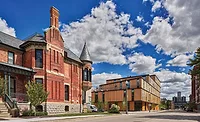
In 2016, O’Herlihy opened a second office in Detroit to support the many ventures his firm had undertaken in the Motor City’s revitalization. These include anchor buildings for the 8.4-acre mixed-use City Modern development in the historic Brush Park neighborhood.
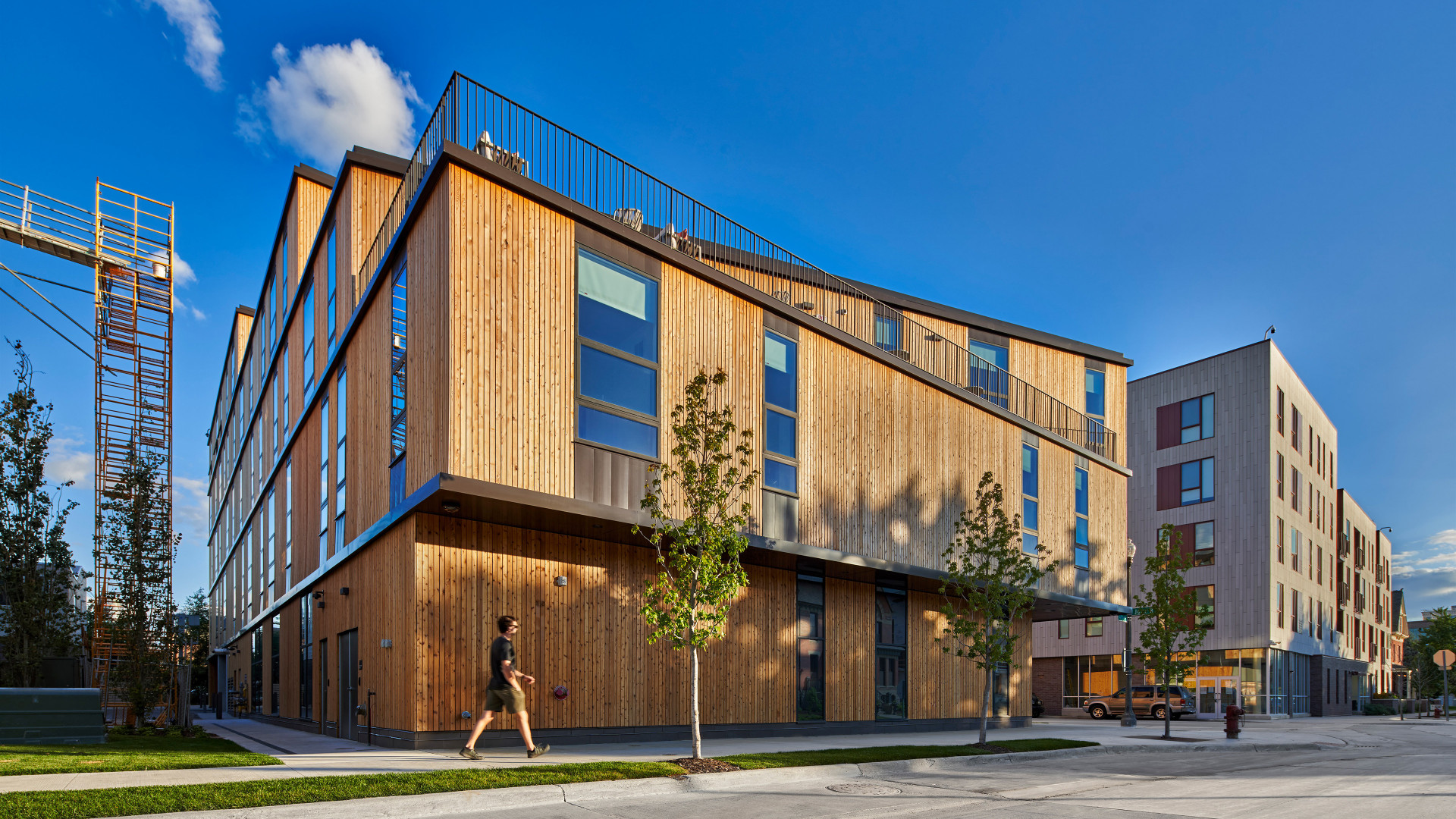
City Modern Detroit. Photo © Jason Keen
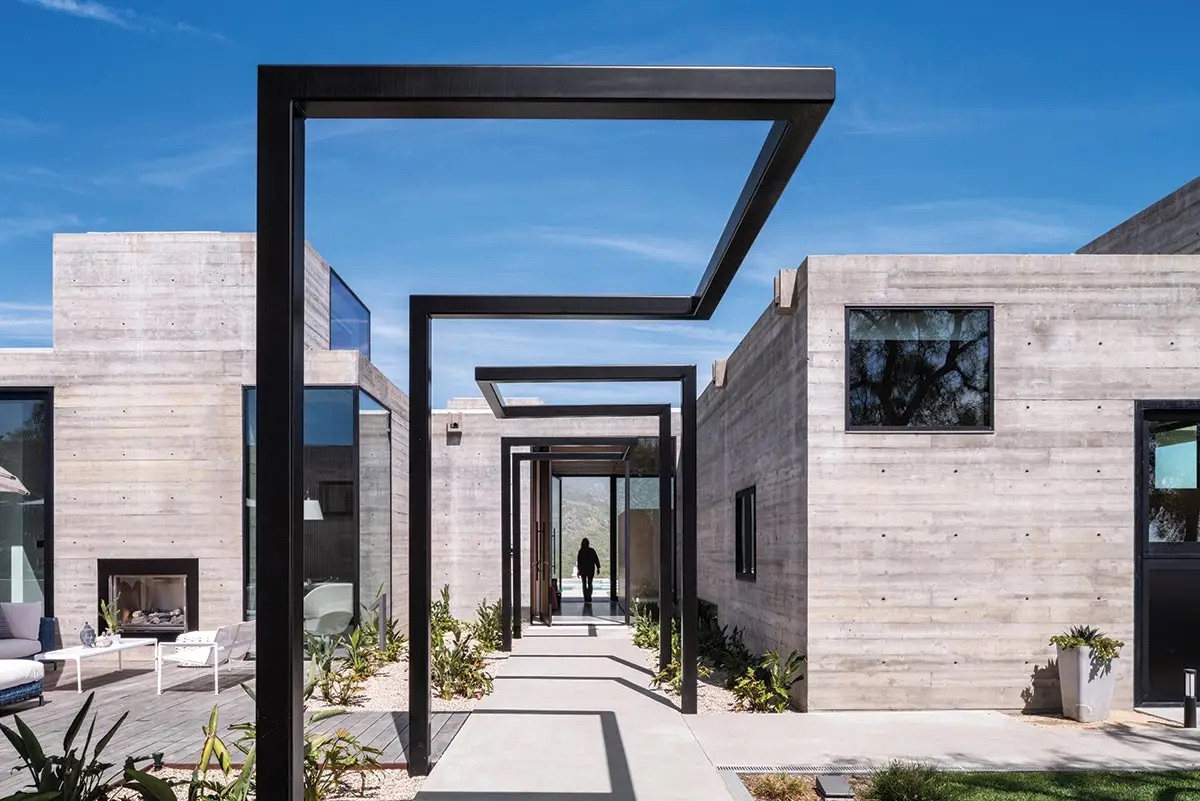
Trancas House 2.0. Photo © Paul Vu
In 1987, while still in his 20s, O’Herlihy’s design of a residence for his parents in Malibu became his first Record House. The redesign of that project, in concrete, for subsequent owners, following its destruction by the Woolsey Fire in 2018, became his third Record House in 2024.
O’Herlihy designed and built Vertical House (2003) for himself and wife Cornelia Hayes O’Herlihy, an actress, in Venice, California. The arrival of their twin sons six years later led them to trade their urban dwelling for a small house on a sloping half acre in Malibu, which the architect completely reenvisioned. That house too would face damage, during the Palisades Fire last year.
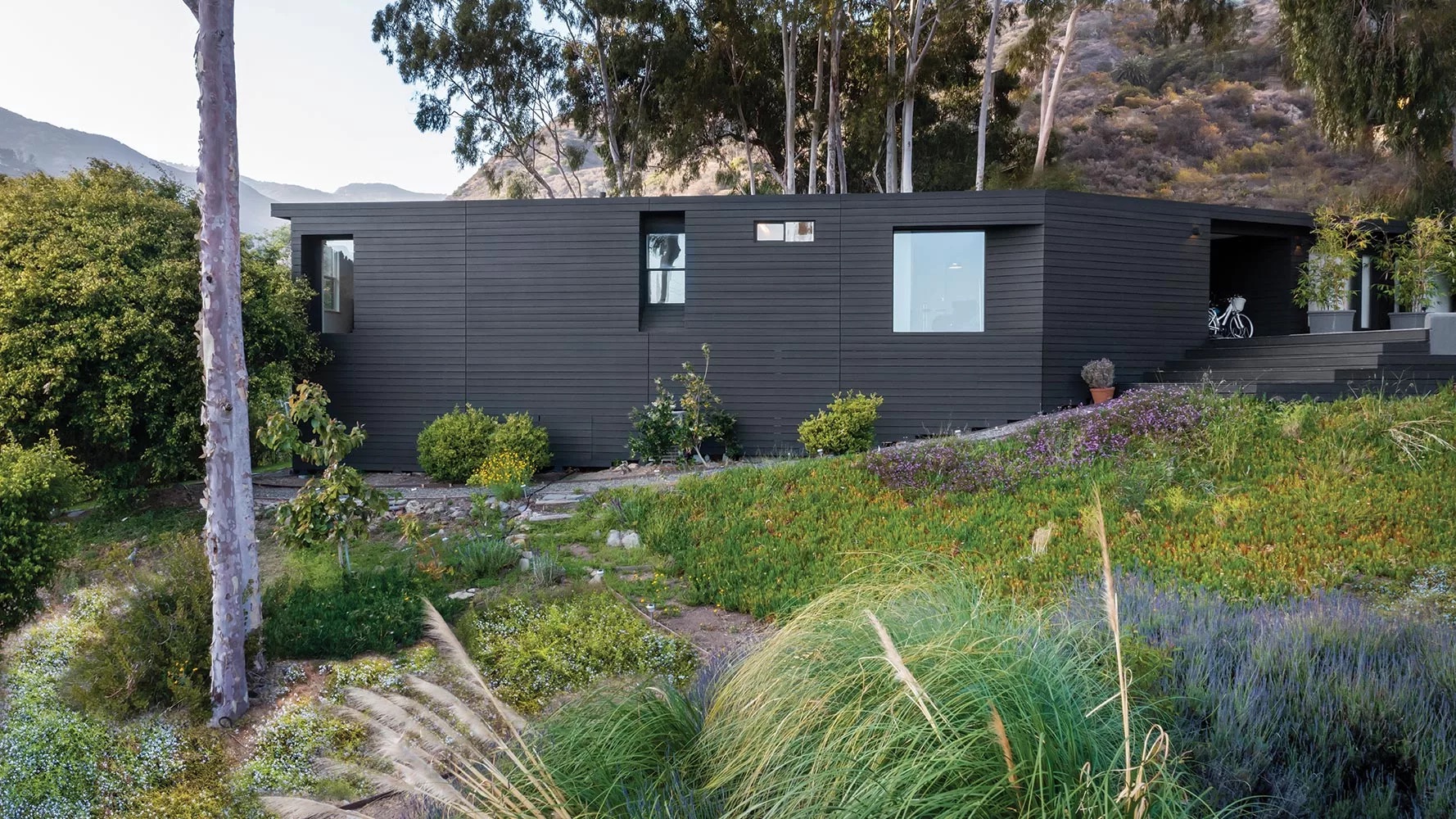
Highgrove House. Photo © Here and Now Agency
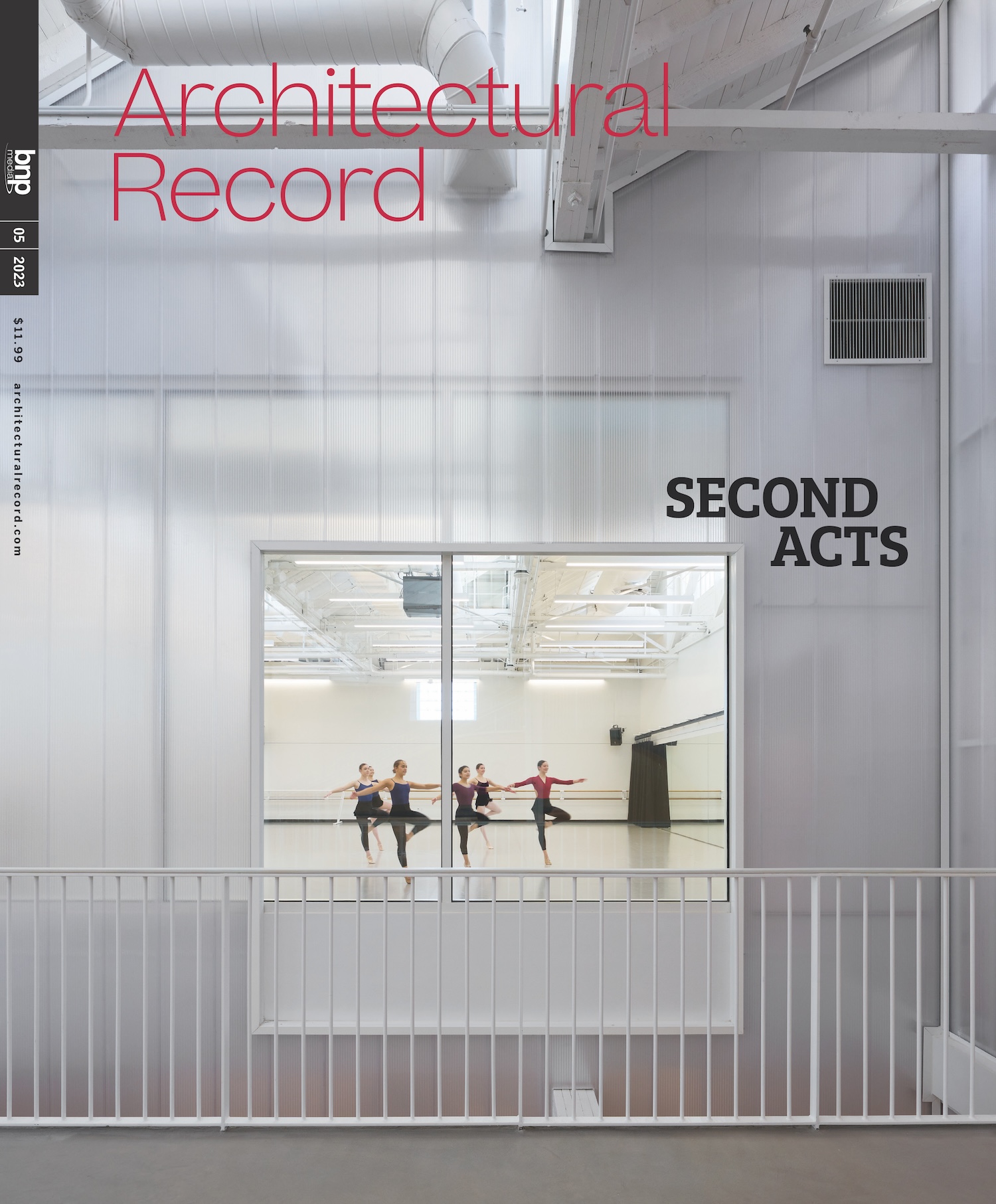
Sandi Simon Center for Dance at Chapman University on the May 2023 cover of RECORD. Image © Architectural Record
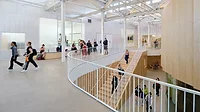
O’Herlihy’s body of work comprised commercial, cultural, infrastructural, and educational projects as well, including the adaptive reuse of a citrus-packing facility as a dance center for Chapman University in Orange County, California, featured on the May 2023 cover of RECORD.
In late March, LOHA announced it was adopting a collective ownership model. The firm has built over 100 projects across three continents, and has been recognized with over 200 awards, including the AIA California Council Distinguished Practice Award. In 2004, the Architectural League of New York selected Lorcan O’Herlihy as one of that year’s eight Emerging Voices in North America. In 2009, he was elevated to the prestigious College of Fellows of the American Institute of Architects. The man—and his firm—has left an indelible mark on the city he called home, a guiding light and exemplar of what architecture could be that was extinguished much too soon.
Looking for a reprint of this article?
From high-res PDFs to custom plaques, order your copy today!