Prefab Pavilions by Zaha Hadid, Sou Fujimoto, Lenny Kravitz, and More
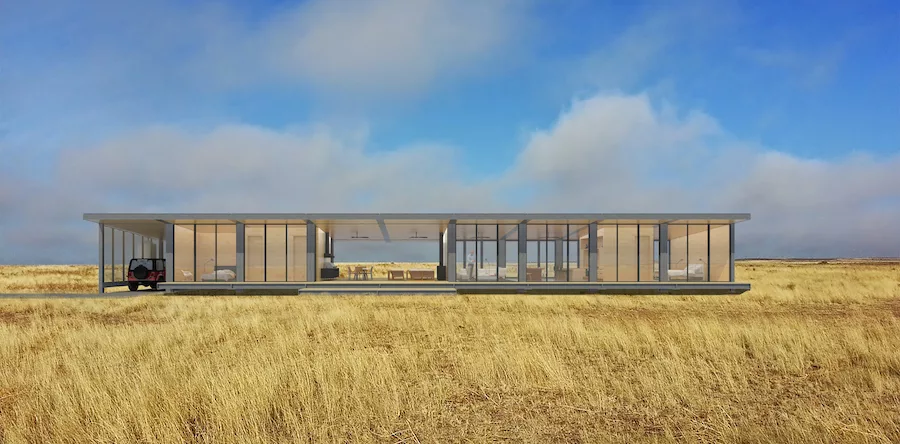
Artist David Salle and Brooklyn-based firm AA Studio collaborated on Desert Art House, a modular pavilion that will function as an artist studio.
Image courtesy Revolution Precrafted Properties
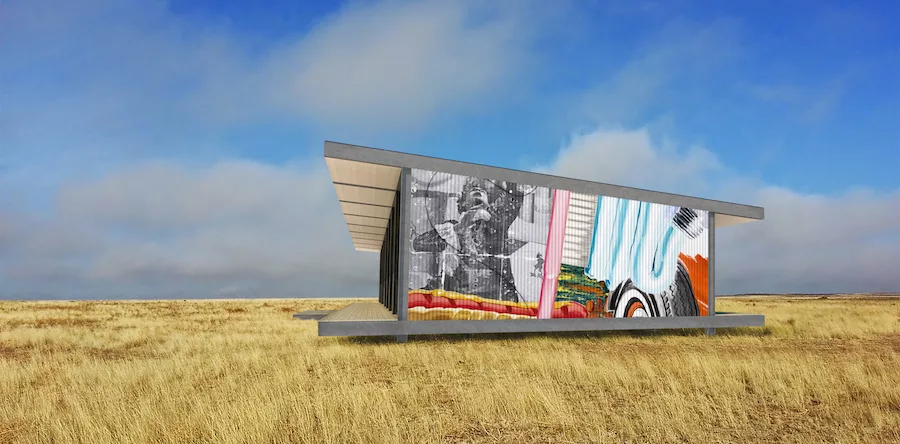
Artist David Salle and Brooklyn-based firm AA Studio collaborated on Desert Art House, a modular pavilion that will function as an artist studio.
Image courtesy Revolution Precrafted Properties
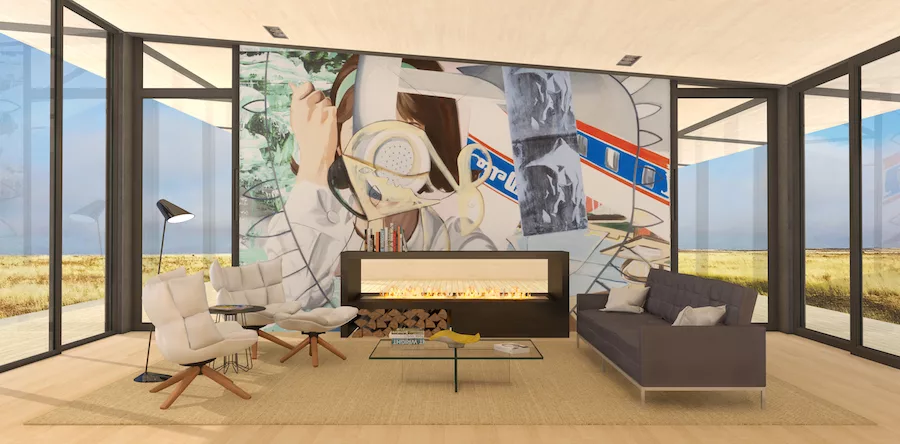
Artist David Salle and Brooklyn-based firm AA Studio collaborated on Desert Art House, a modular pavilion that will function as an artist studio.
Image courtesy Revolution Precrafted Properties

Brazilian brothers Fernando and Humberto Campana of Estudio Campana designed a light-framed bamboo structure that can be transported anywhere, as if it were a piece of furniture.
Image courtesy Revolution Precrafted Properties

Sou Fujimoto’s Infinity Ring design rotates to create multiple spatial possibilities.
Image courtesy Revolution Precrafted Properties

Fujimoto’s Sphere Greenhouse, meanwhile, engulfs users in a plant-covered environment.
Image courtesy Revolution Precrafted Properties
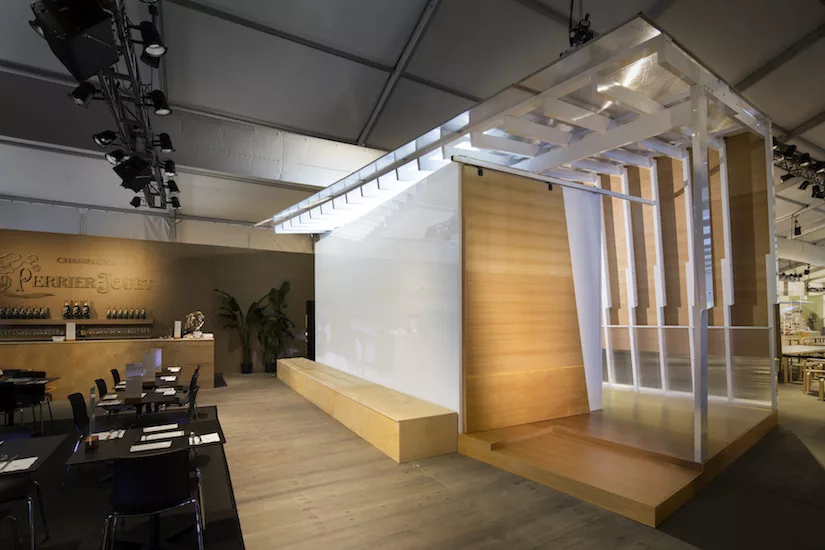
Gluckman Tang designed a mobile, modular art pavilion. It was unveiled at Design Miami this month.
Photo © Mark Butler
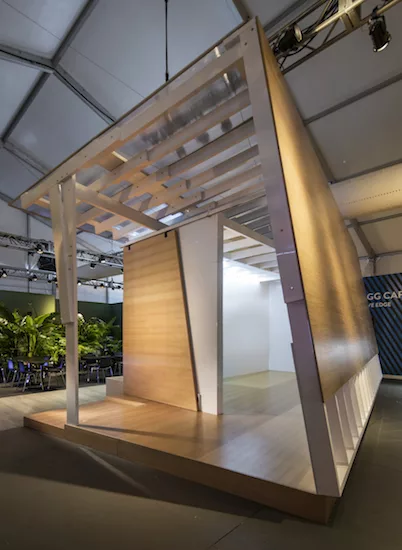
Gluckman Tang designed a mobile, modular art pavilion. It was unveiled at Design Miami this month.
Photo © Mark Butler
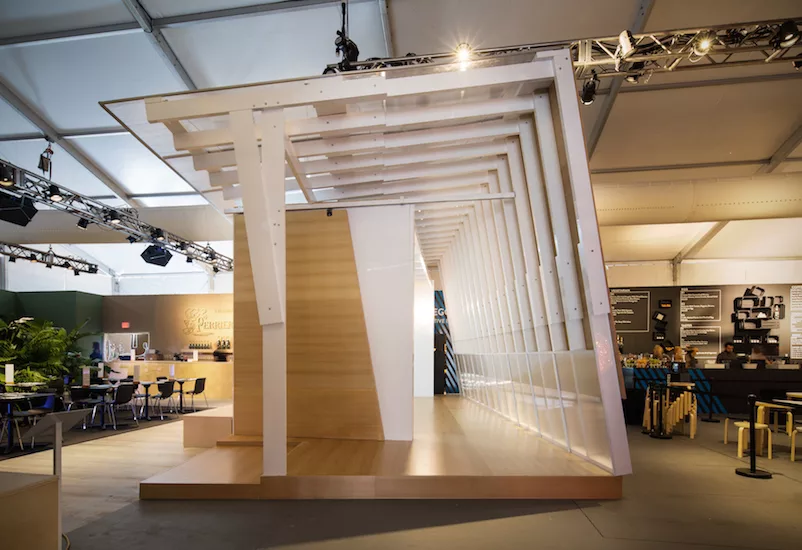
Gluckman Tang designed a mobile, modular art pavilion. It was unveiled at Design Miami this month.
Photo © Mark Butler
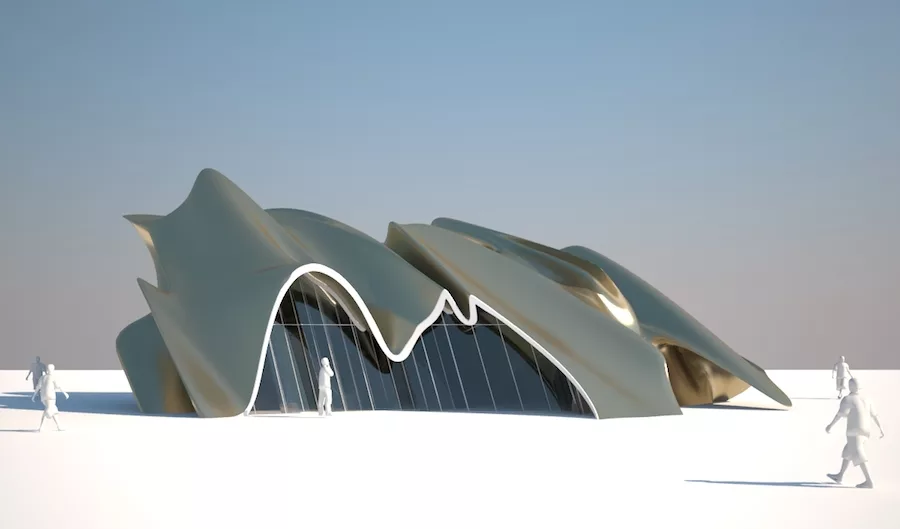
Daniel Libeskind’s proposal.
Image courtesy Revolution Precrafted Properties
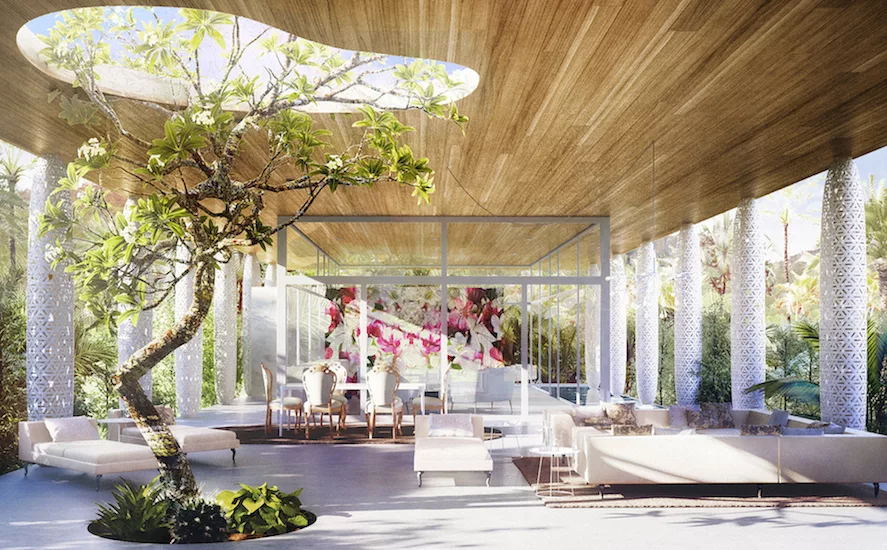
Marcel Wanders’ Eden prefabricated house comes in a variety of finishes, including signature textiles.
Image courtesy Revolution Precrafted Properties
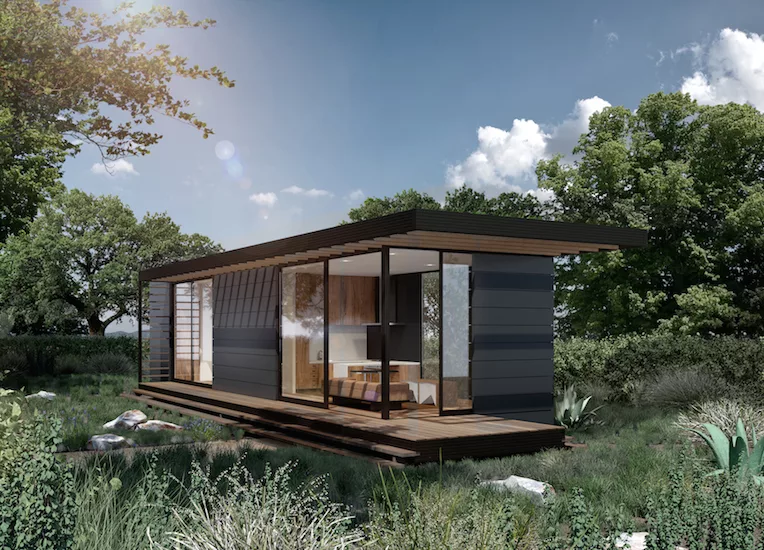
The Instrumental Home by Marmol Radziner blurs indoor and outdoor spaces. The architects teamed up with music icon Lenny Kratvitz and his company Kravitz Design Inc. for the interiors.
Image courtesy Revolution Precrafted Properties
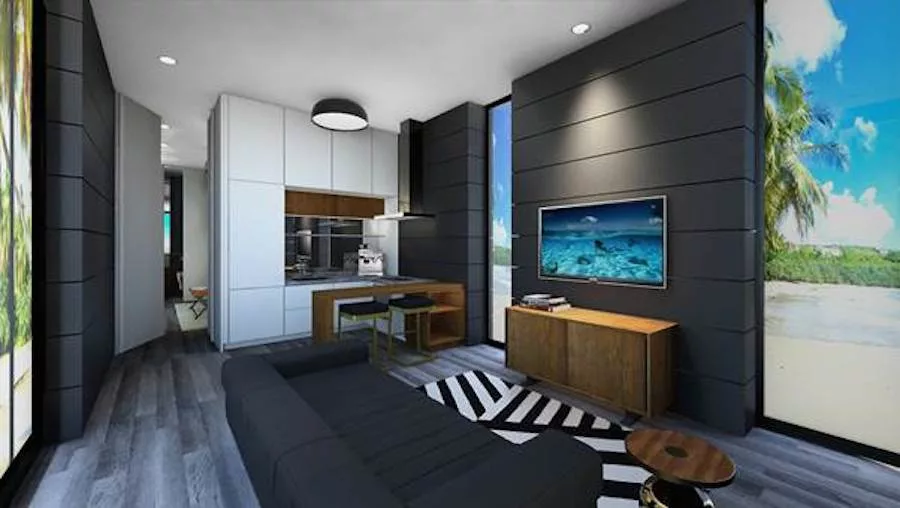
The Instrumental Home by Marmol Radziner blurs indoor and outdoor spaces. The architects teamed up with music icon Lenny Kratvitz and his company Kravitz Design Inc. for the interiors.
Image courtesy Revolution Precrafted Properties
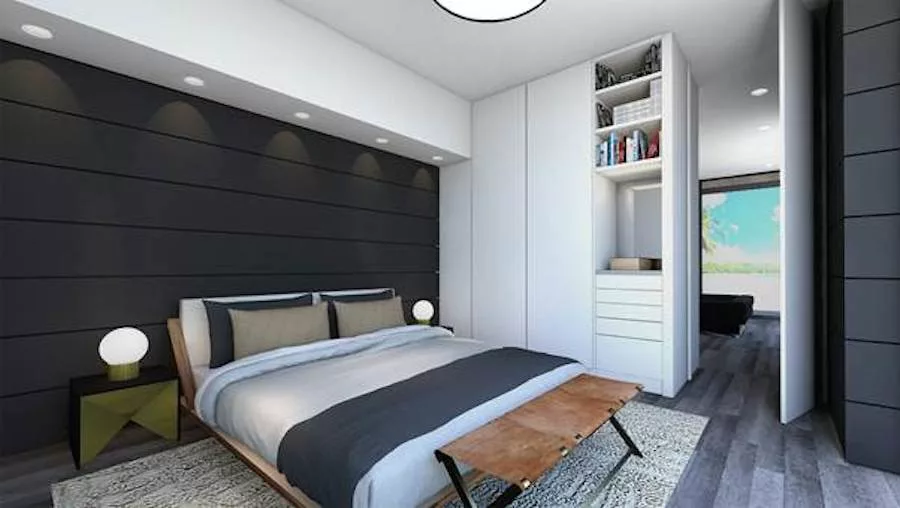
The Instrumental Home by Marmol Radziner blurs indoor and outdoor spaces. The architects teamed up with music icon Lenny Kratvitz and his company Kravitz Design Inc. for the interiors.
Image courtesy Revolution Precrafted Properties
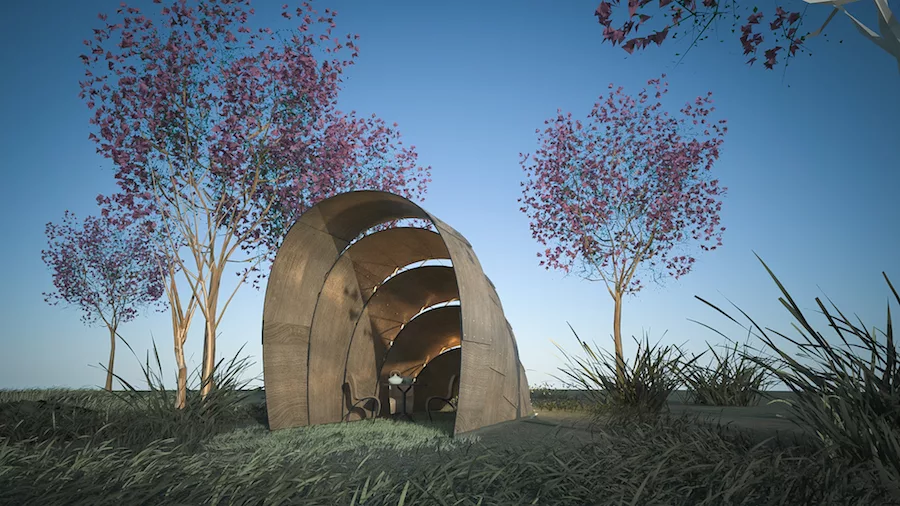
Ron Arad designed the Armadillo Tea Canopy, made of five reconfigurable modular shells.
Image courtesy Revolution Precrafted Properties
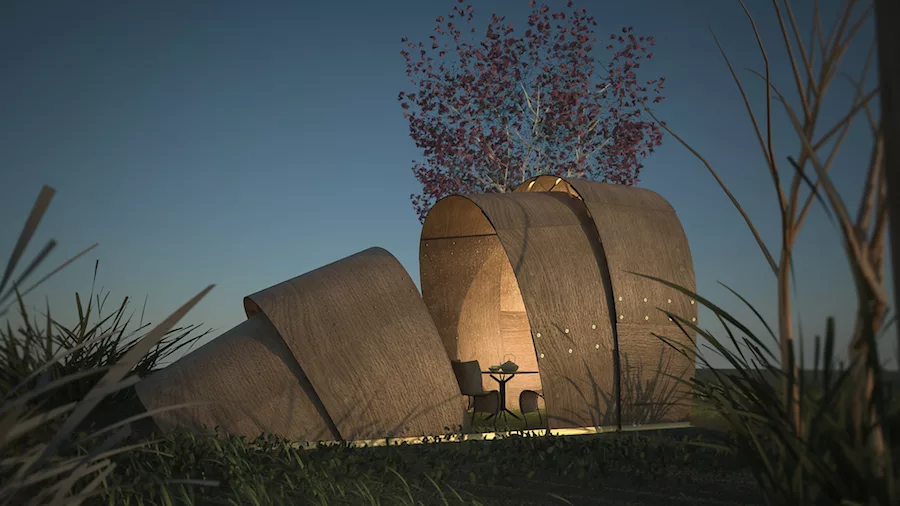
Ron Arad designed the Armadillo Tea Canopy, made of five reconfigurable modular shells.
Image courtesy Revolution Precrafted Properties
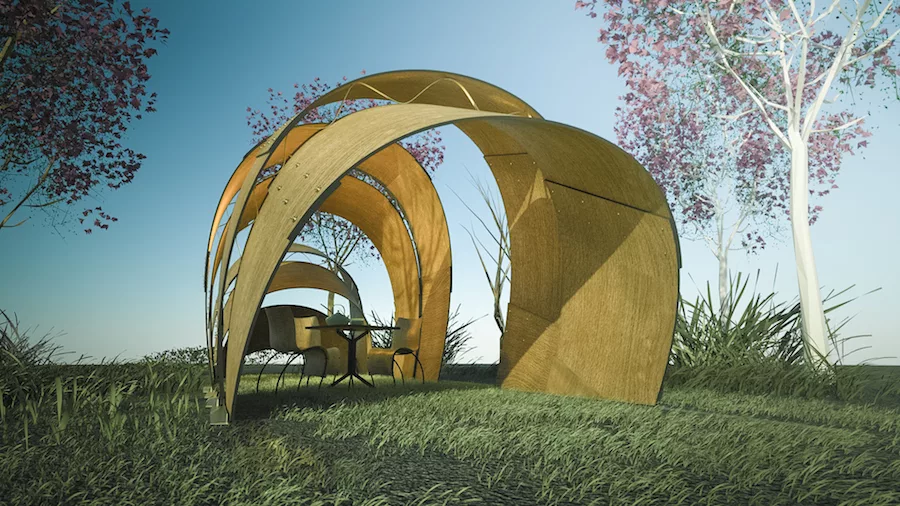
Ron Arad designed the Armadillo Tea Canopy, made of five reconfigurable modular shells.
Image courtesy Revolution Precrafted Properties
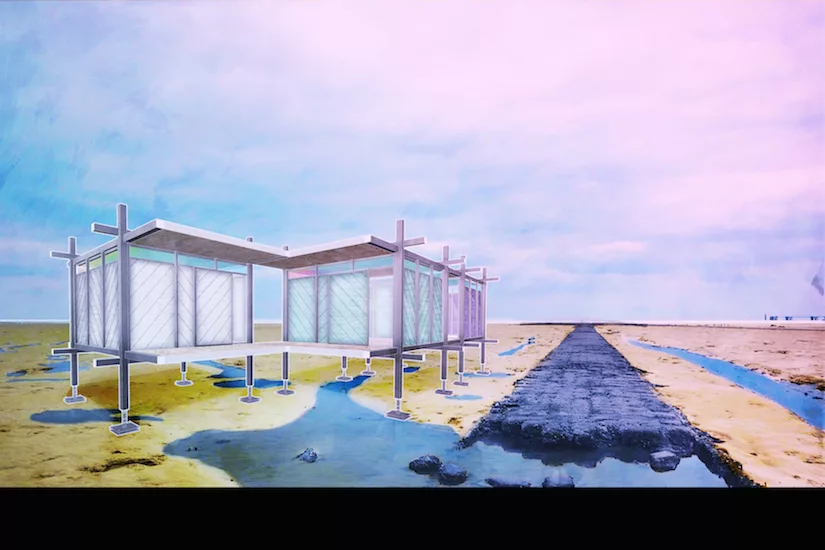
Tom Dixon drew from science fiction and Polynesian architecture for his aluminum BLOCK house—“more industrial project than an attempt at architecture.”
Image courtesy Revolution Precrafted Properties
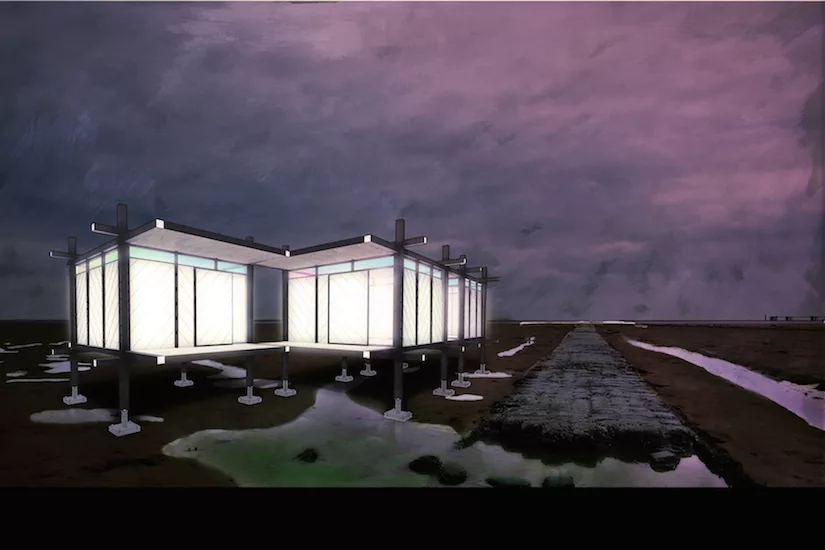
Tom Dixon drew from science fiction and Polynesian architecture for his aluminum BLOCK house—“more industrial project than an attempt at architecture.”
Image courtesy Revolution Precrafted Properties
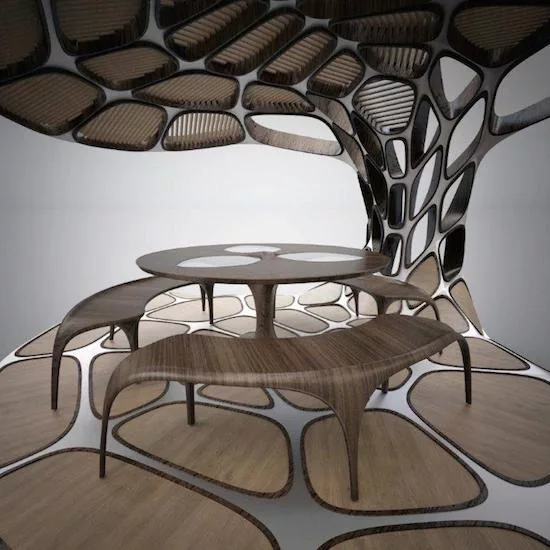
Zaha Hadid’s lightweight VOLU dining pavilion was digitally designed and optimized. The pavilion was unveiled at Design Miami.
Image courtesy Revolution Precrafted Properties
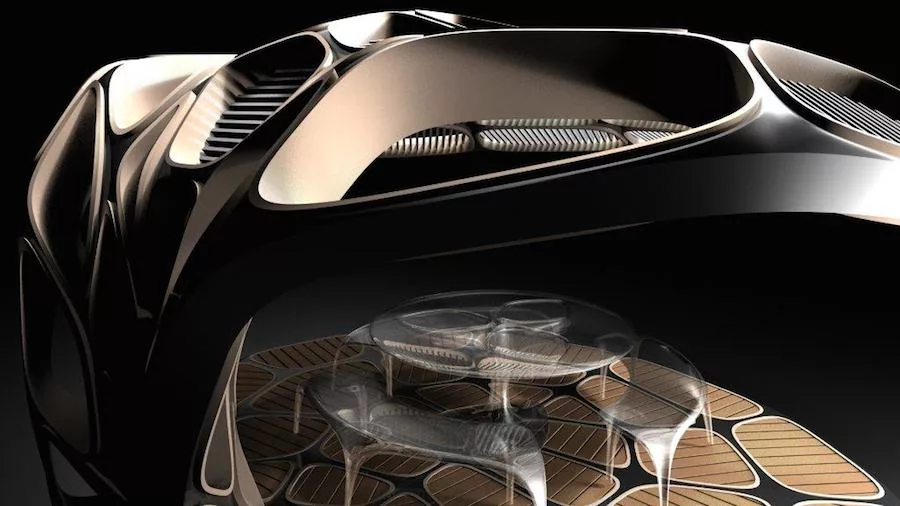
Zaha Hadid’s lightweight VOLU dining pavilion was digitally designed and optimized. The pavilion was unveiled at Design Miami.
Image courtesy Revolution Precrafted Properties
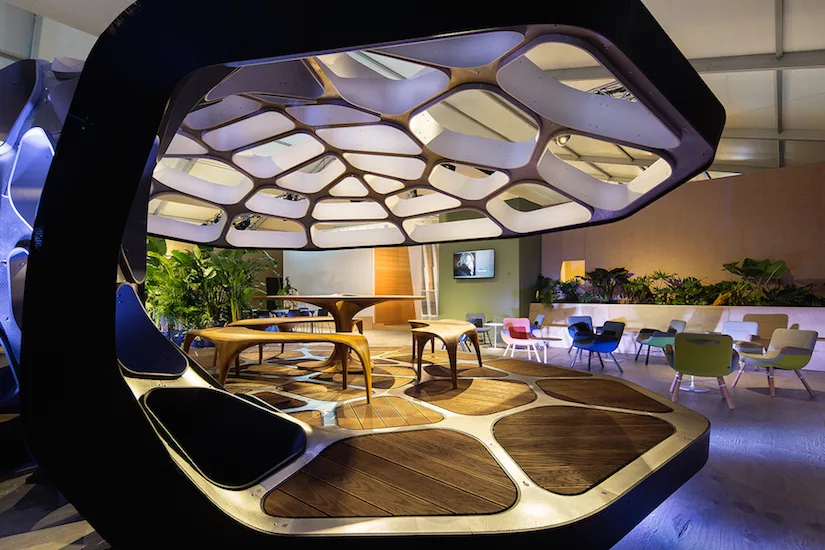
Zaha Hadid’s lightweight VOLU dining pavilion was digitally designed and optimized. The pavilion was unveiled at Design Miami.
Image courtesy Revolution Precrafted Properties

Developer Robbie Antonio, founder of Revolution Precrafted Properties, a new company rolling out limited edition collections of factory-built houses and pavilions.
Image courtesy Revolution Precrafted Properties
Architects & Firms
According to real estate developer Robbie Antonio, “You buy prefab for two reasons—it’s fast and less expensive.” But could a building type defined by affordability also be prized as a collectible? Antonio is staking Revolution Precrafted Properties on that premise. The new company is rolling out limited edition collections of factory-built houses and pavilions. Burnishing their pedigree, the structures were conceived by who’s-who in architecture—Ben van Berkel, Sou Fujimoto, Michael Maltzan, and others—as well as eminent product designers and artists.
Antonio likens the Revolution purchase process to ordering high-end Italian furniture, in that residences and pavilions are manufactured on demand and delivered several months thereafter. In that vein, he also acknowledges that his price point for the pavilions—starting at $35,000 and approaching half a million dollars, not including necessary corollary expenses—does not reflect economies of scale.
“I’m not in the business of producing widgets,” he counters, observing that the brand still democratizes high design for a certain consumer. “I wanted to give 10 to 20 people the privilege of collecting a particular designer or architect. If those people were to build a permanent custom home, it would cost three to five times more and take two years longer, so I think it’s a pretty solid value proposition.”
Also driving cost: Antonio’s pursuit of uniqueness. The Manila-based 38-year-old has previously leveraged well-known designers to differentiate permanent commercial developments. In turn, “I wanted to benefit the end user by emancipating architects and designers [from creating] simple shapes that fit in one container and install in X number of days.” The self-admitted design fan notes that he was familiar with Revolution’s roster of talent through these commissions, as well as personal studio visits.
Richard Gluckman, whose firm Gluckman Tang designed the $120,000 Model Art Pavilion (MAP) for Revolution, concurs that Antonio encouraged creative license, within limits. While Gluckman Tang decided to devote its pavilion to art display, “We were told that it had to be constructed by semi-skilled labor in the Philippines for $25,000 and ship in a 40-foot container,” Gluckman says. The 156-square-foot result is “something I could make myself.” The assembly of lacquered solid wood, plywood, and translucent polycarbonate nests into itself inside a shipping container, and unfolds on site.
Antonio officially launched Revolution in early December, by installing prototypes of Gluckman Tang’s MAP and Zaha Hadid’s VOLU Dining Pavilion—whose futuristic, coffered clamshell form is wildly disparate from the angular MAP—at Design Miami. He says he will continue targeting the collector market by unveiling further prototypes in 2016 at the Salone del Mobile, Frieze London, and other events, and market the brand separately to other developers for large orders.
Looking for quick answers on architecture and design topics?
Try Ask RECORD, our new smart AI search tool.
Ask RECORD →
Looking for a reprint of this article?
From high-res PDFs to custom plaques, order your copy today!