Architectural Record
search
cart
facebook twitter linkedin youtube
  • Sign In
  • Subscribe
  • Sign Out
  • My Account
Architectural Record
  • NEWS
    • Latest News
    • Awards
    • Interviews
    • Obituaries
    • Podcasts
      • Design:Ed Podcast
      • Sponsored Podcasts
  • OPINION
    • Book Reviews / Excerpts
    • Exhibition Reviews
    • Forum
  • EXCLUSIVES
    • Videos
    • Design Vanguard
    • Top 300 Firms
    • Sponsored Content
    • Sponsored eBooks
    • From the Archives
  • CONTINUING ED
    • Editorial Continuing Ed
    • CE Center
    • CE Academies
  • PROJECTS
    • Buildings By Type
    • Reuse & Renovation
    • Museums & Arts Centers
    • Colleges & Universities
    • Multifamily Housing
    • Interiors
    • Lighting
    • Kitchen & Bath
  • HOUSES
    • Record Houses
    • House of the Month
    • Featured Houses
  • PRODUCTS
    • Products by Category
    • Record Products of the Year
    • Latest Products
  • EVENTS
    • Dates & Events
    • Record on the Road
    • Innovation Conference
    • Sustainability in Practice
    • Women In Architecture
    • Webinars
    • Ad Excellence Awards
    • Submit an Event
  • CONNECT
    • Ask RECORD AI
    • Newsletters
    • Contact
    • Advertise
    • Editorial Calendar
    • Store
    • Customer Service
  • SUBMIT
    • Submission Guidelines
    • RECORD Competitions
  • MAGAZINE
    • Subscribe
    • My Account
    • Digital Edition
    • Current Issue
    • Firm Pass
    • Historic Archive
Opinion

Book Review Roundup: Architecture's Evolution and the Importance of Traditions
By Anna Shapiro
The Importance of Traditions

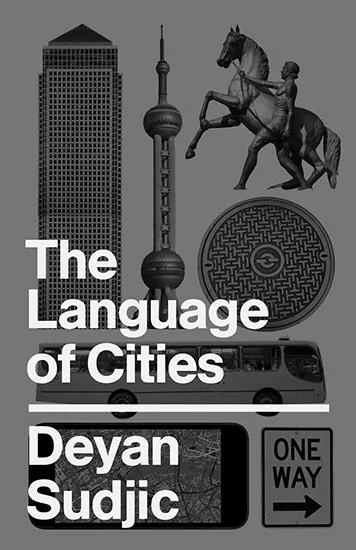
The Language of Cities, by Deyan Sudjic. Allen Lane/Penguin, 230 pages, $39.95.

In the creation of cities, is Corbusian purity better than hodgepodge development? Does the unrestrained market produce the best results for its denizens? What about restrictions on building sizes or types, limits on cars or human population? Sudjic, head of the Design Museum in London and acclaimed author of The Language of Things: Understanding the World of Desirable Objects, asks the questions but, for the most part, offers random examples and diffuse meanderings by way of response. Exceptions include, as an instance, the history of Docklands. If only he had stuck to one topic—the role of streets and roads, which he touches on—and dug in.
The Importance of Traditions

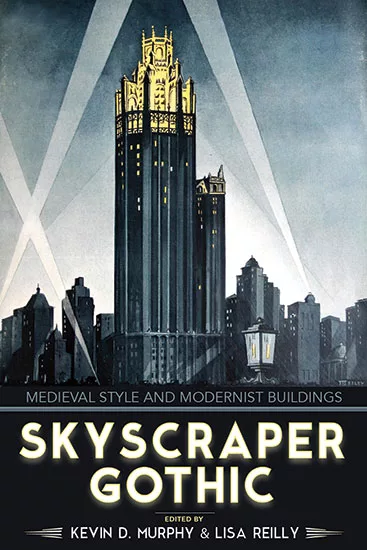
Skyscraper Gothic: Medieval Style and Modernist Buildings, edited by Kevin D. Murphy and Lisa Reilly. University of Virginia Press, 228 pages, $39.50.

That architectural oxymoron, the medieval style of early skyscrapers, seems like a great idea for a book. But the flair of these eight scholarly essays by academics and consultants (including the editors) does not come close to that of their subject in their sober docketing of the structural similarities between European cathedrals and steel-frame design. They also take on the role that attitudes played— both toward the “moral” aspect of Medieval architecture and toward corporate branding—and how these changed in the journey from Cass Gilbert’s Woolworth Building in 1913 to Raymond Hood’s Radiator Building in 1924.
The Importance of Traditions

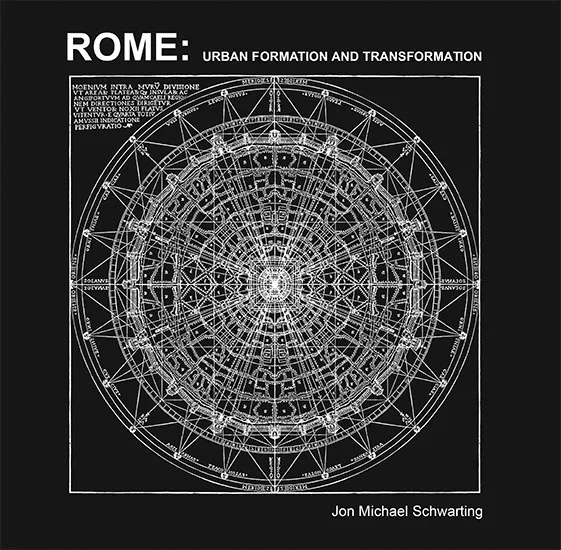
Rome: Urban Formation and Transformation, by Jon Michael Schwarting. Applied Research + Design Publishing, 211 pages, $45.

In this oversize volume of painstaking reconstruction and deconstruction—through visual analysis, measuring, and, primarily, architectural drawing—architect, urban designer, and Prix de Rome–recipient Schwarting invokes this magnificent (and confusing) city as an exemplar of planning. The drawings show the ways that particular locations, such as the Piazza Navona and the Campidoglio, incarnate ideal forms while integrating with and enhancing preexisting structures. Piazzas of this kind also act as organizing voids for the larger network of roads. Throughout, the way Roman architecture takes its forms from conceptual paragons while making a virtue of practical realities is visually and verbally demonstrated.
The Importance of Traditions

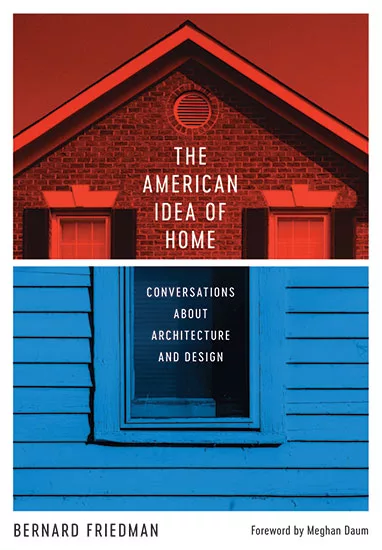
The American Idea of Home: Conversations About Architecture and Design, by Bernard Friedman; foreword by Meghan Daum. University of Texas Press, 227 pages, $27.95.

The author, who made a documentary along these lines in 2012 after restoring and adding to his Midcentury Modern L.A. house, presents Q&A’s with 30 distinguished architects on designing houses so that they feel like homes. Some articulate specific principles (Elizabeth Plater-Zyberk, Jeremiah Eck, and Sarah Susanka, among others), and most rail against houses scaled to impress, sited indifferently, or ecologically insensitive, but the conversations tend toward wide abstractions. The foreword, by novelist and literary nonfiction writer Daum, on the other hand, beautifully grapples with the idea of homes as “not just showplaces but hiding places.”

The Importance of Traditions
November 1, 2017

RECORD reviews four books that examine the importance of traditions as cities and buildings evolve.

Looking for quick answers on architecture and design topics?
Try Ask RECORD, our new smart AI search tool.
Ask RECORD →

KEYWORDS: Book Reviews / Excerpts

Share This Story

Looking for a reprint of this article?
From high-res PDFs to custom plaques, order your copy today!
Anna Shapiro is a novelist and an essayist on the arts.

Post a comment to this article

Report Abusive Comment

Subscription Center
  • Create an Account
  • Start a Subscription
  • Manage My Account
  • Sign Up for Newsletters
  • Visit Customer Service
  • Update Preferences

More Videos

Sponsored Content

Sponsored Content is a special paid section where industry companies provide high quality, objective, non-commercial content around topics of interest to the Architectural Record audience. All Sponsored Content is supplied by the advertising company and any opinions expressed in this article are those of the author and not necessarily reflect the views of Architectural Record or its parent company, BNP Media. Interested in participating in our Sponsored Content section? Contact your local rep!

close
  • cold storage facility
    Sponsored byCarlisle SynTec Systems

    How Architects Can Design More Continuous Cold Storage Envelopes

  • TAMLYN XtremeTrim Exterior Trim
    Sponsored byTamlyn

    Designing Cleaner Panel Facades: Why Exterior Trim Details Matter

  • Building with Vapor Barriers
    Sponsored byReef Industries, Inc.

    Vapor Barriers Help Control Moisture in Tighter Building Designs

DESIGN:ED Podcast
Listen to Architectural Record’s DESIGN:ED Podcast

Events

June 25, 2026

Designing Glass Railing Systems that Enhance Aesthetics and Meet Code

Credits: 1 AIA LU/HSW; 1 AIBD P-CE; 0.1 ICC CEU

Upon course completion, participants will possess a deeper understanding of glass railings to help ensure that safety, aesthetic, and performance objectives are achieved.

June 30, 2026

Generator Selection and Sizing for Outage-Ready Homes

Credits: 1 AIA LU/HSW; 1 AIBD P-CE; 0.1 ICC CEU

Explore how propane-powered systems and whole-home generators can improve energy resilience, reduce electrical loads, and lower long-term residential costs.

View All Submit An Event

Products

2026 Architect's Square Foot Costbook

2026 Architect's Square Foot Costbook

See More Products

Popular Stories

Obama Presidential Center, Chicago

The Obama Presidential Center Opens on Chicago’s South Side

Lorcan O' Herilhy

California Architect Lorcan O’Herlihy Has Died, Age 66

Spoonbill Ranch

Johnsen Schmaling Architects Integrates Spoonbill Ranch into a Pristine Landscape

Image of Bruce Springsteen Center for American Music

The CookFox-designed Bruce Springsteen Center for American Music Opens in New Jersey

Kìwekì Point, Ottawa, Canada

Perched High Above the Ottawa River, Kìwekì Point Showcases Sweeping Views of the Canadian Capital Region

Designing Glass Railing Systems that Enhance Aesthetics and Meet Code - Free Webinar - June 25, 2026

Related Articles

  • Elements of Style

    Book Review: Ward Bennett

    See More
  • Tech Book Review

    See More
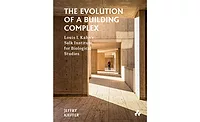
  • The Evolution of a Building Complex: Louis I. Kahn's Salk Institute for Biological Studies

    Review of 'The Evolution of a Building Complex: Louis I. Kahn's Salk Institute for Biological Studies'

    See More

Related Products

See More Products
  • arch concept.jpg

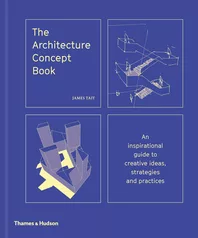
    The Architecture Concept Book

  • reuse.jpg

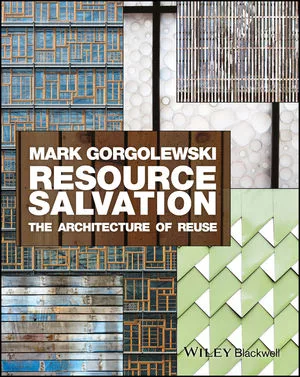
    Resource Salvation: The Architecture of Reuse

  • experience of arc.jpg

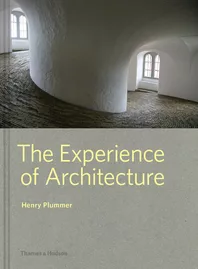
    The Experience of Architecture

See More Products

Events

View AllSubmit An Event
  • April 6, 2016

    The Evolution of Interior Design: NYSID Alumni Panel Discussion

    The Evolution of Interior Design, a panel discussion to be held April 6 at the New York School of Interior Design Auditorium, will bring together four NYSID alumni to discuss the evolution of the interior design profession and their experiences working at their respective firms - residential, commercial, large and small.
View AllSubmit An Event
×

The latest news and information

#1 Source for Architectural Design, News and Products

SUBSCRIBE
  • RESOURCES
    • Advertise
    • Contact Us
    • Submit
    • Store
  • ACCOUNT CENTER
    • Create an Account
    • Start a Subscription
    • Manage My Account
    • Sign Up for Newsletters
    • Visit Customer Service
    • Update Preferences
  • PRIVACY
    • PRIVACY POLICY
    • TERMS & CONDITIONS
    • DO NOT SELL MY PERSONAL INFORMATION
    • PRIVACY REQUEST
    • ACCESSIBILITY
  • SERVICES
    • Marketing Services
    • Reprints
    • Market Research
    • List Rental
    • Survey/Respondent Access
  • STAY CONNECTED
    • Linkedin
    • Facebook
    • Instagram
    • YouTube
    • X (Twitter)

Copyright ©2026. All Rights Reserved BNP Media, Inc. and BNP Media II, LLC.

Design, CMS, Hosting & Web Development :: ePublishing