A Second Life for London’s Battersea Power Station
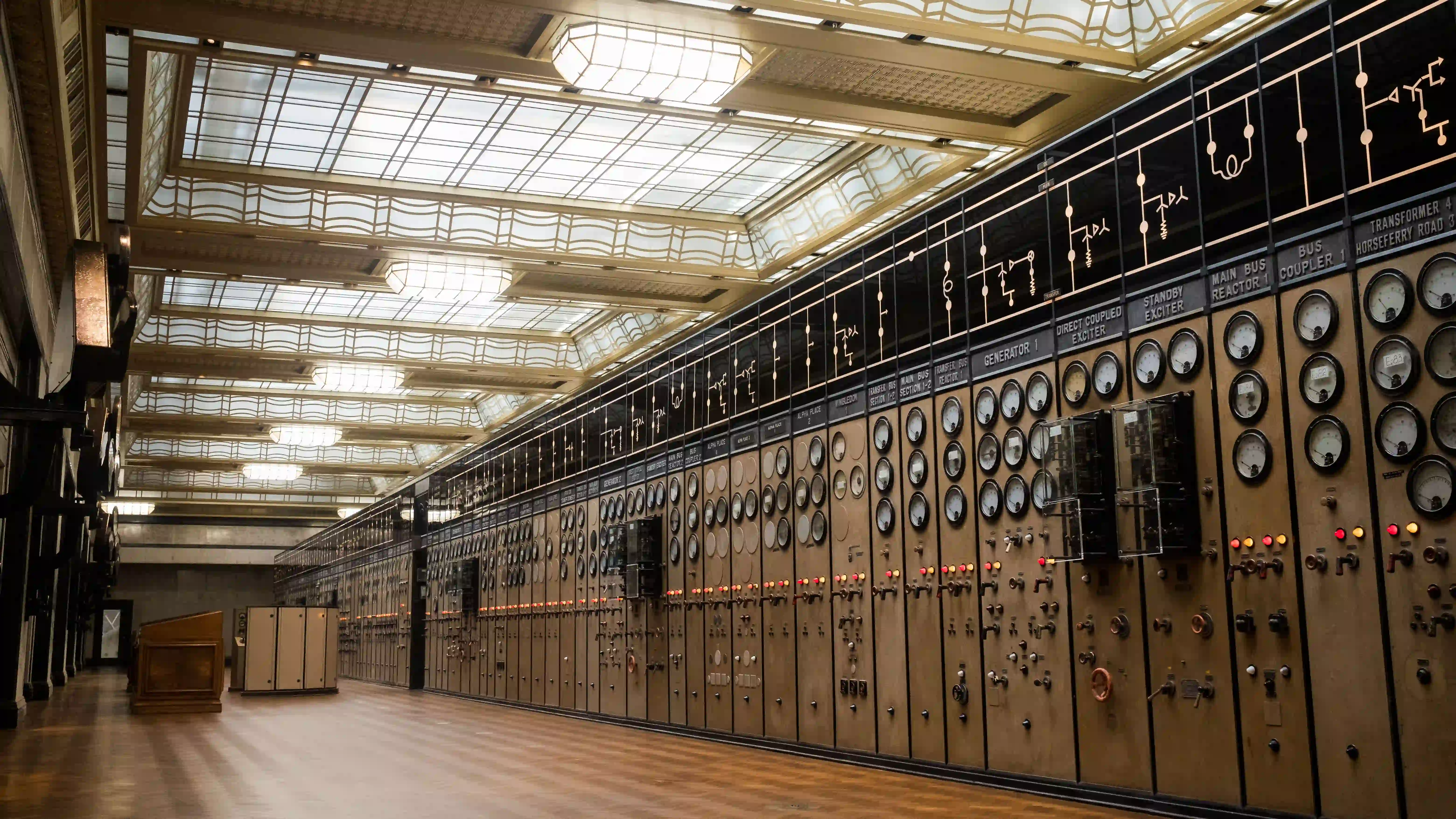
The power station's control rooms have been preserved, with one transformed into a functioning bar. Photo © James Parsons
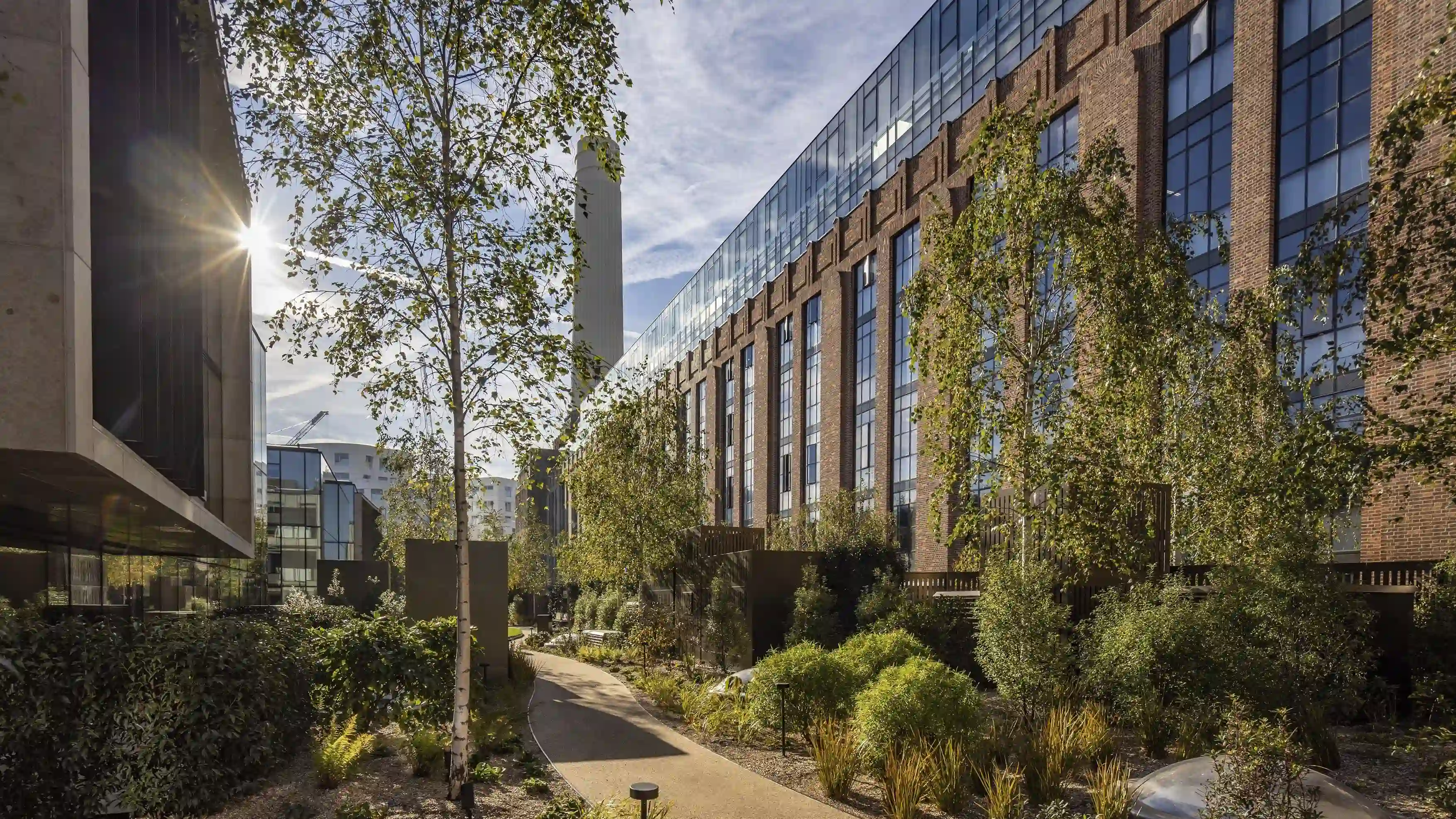
Photo by John Sturrock
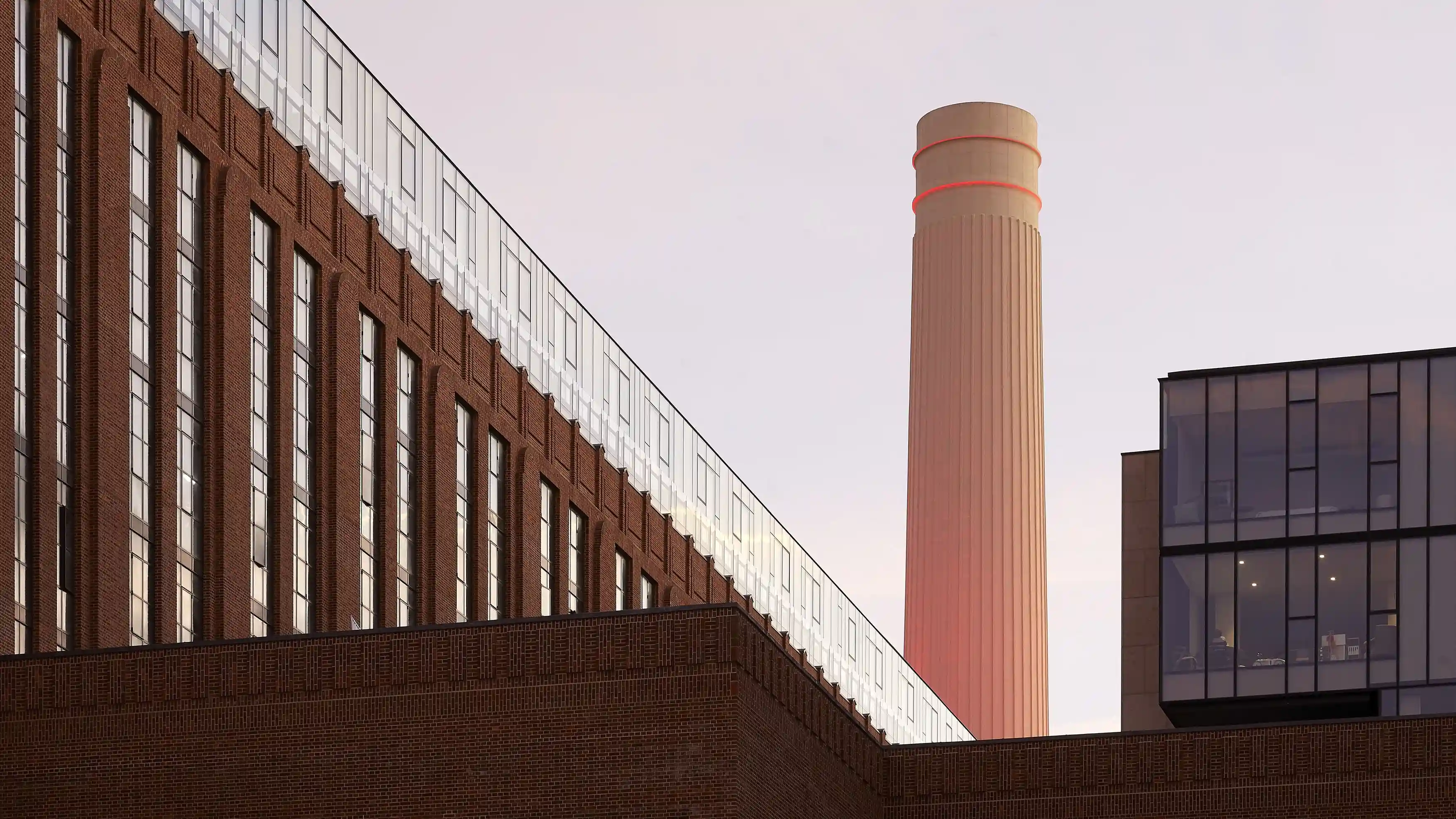
Photo by Hufton and Crow
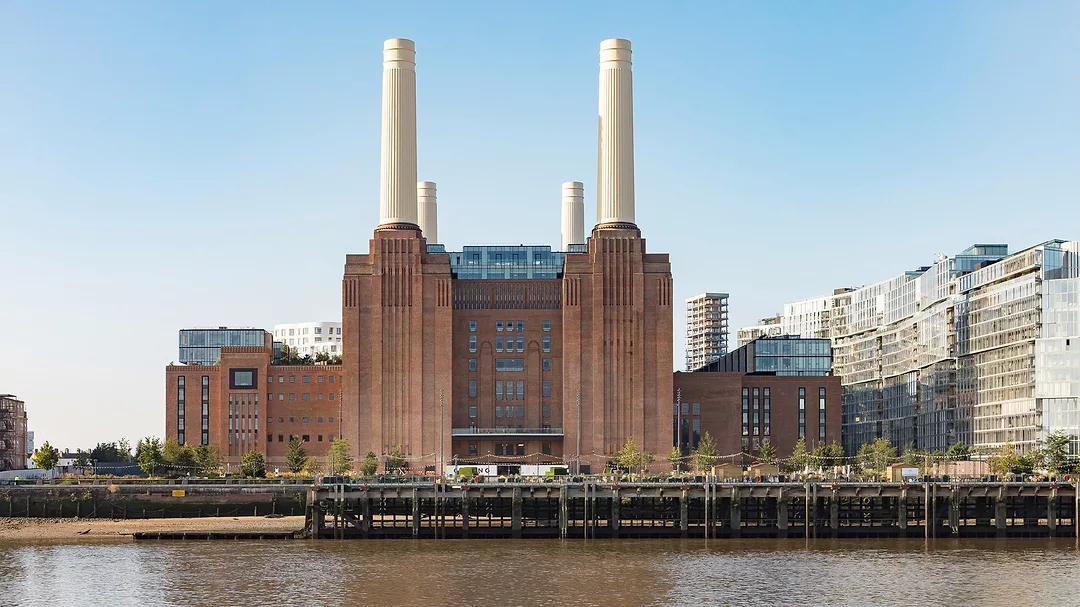
London-based practice WilkinsonEyre thoughtfully updated the Battersea Power Station, which has reopened to the public as a multi-use venue after nearly 40 years. Photo by Peter Landers
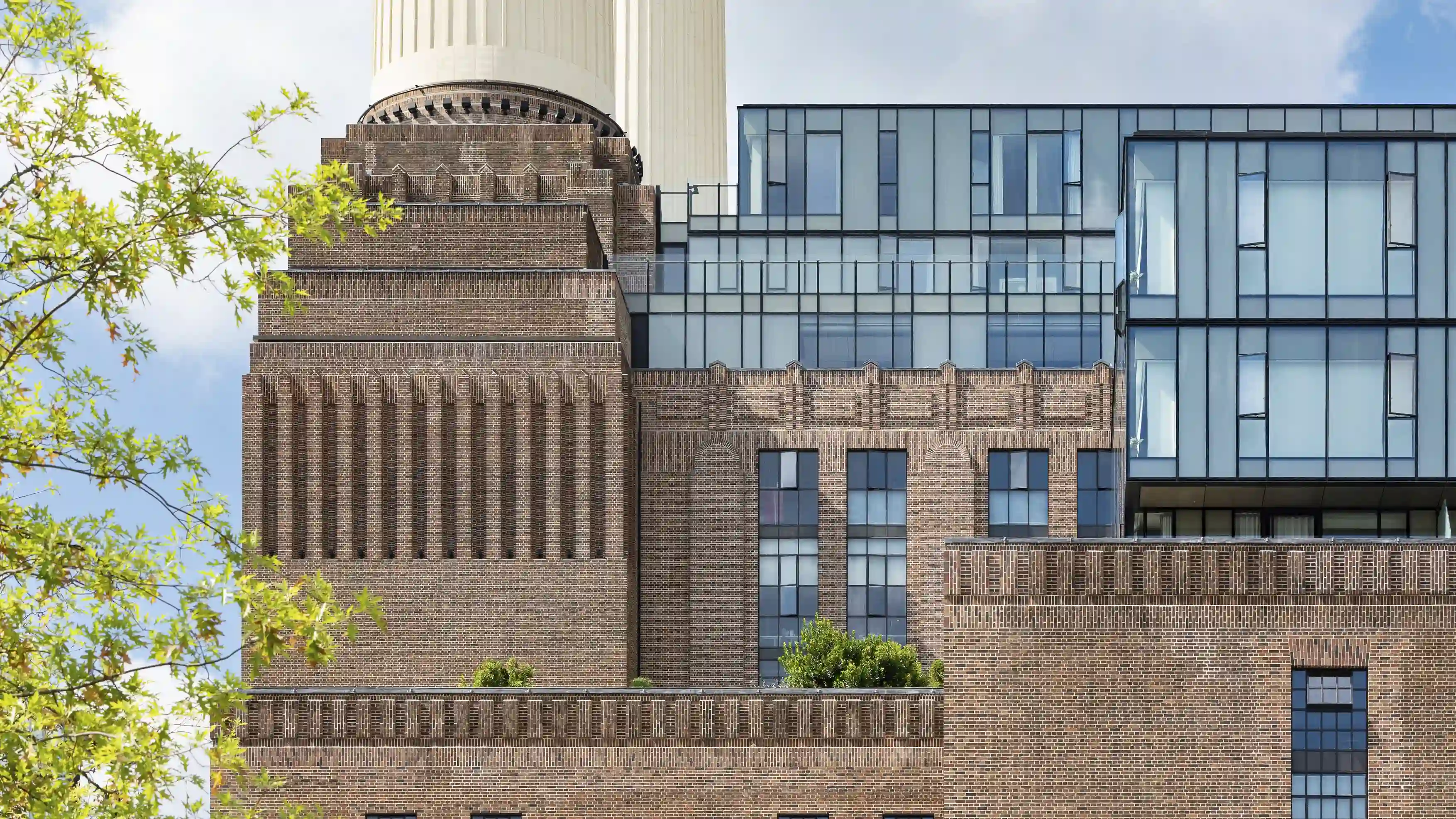
Photo © Peter Landers
Architects & Firms
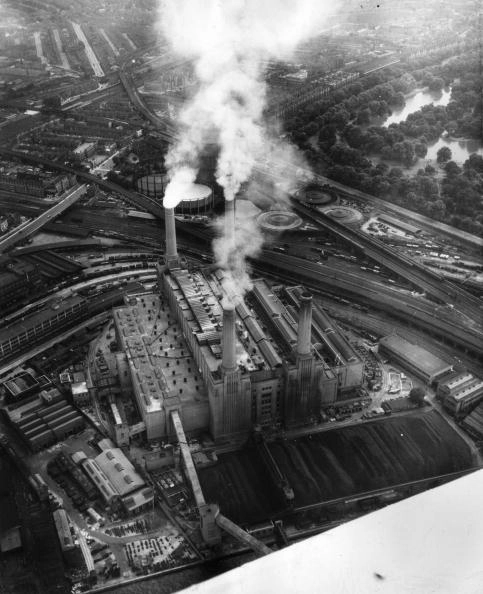
Almost 40 years after London’s Battersea Power Station closed its doors, its soaring turbine halls and boiler house have at last reopened to the public. In the years since 1989, when the building’s roof was removed in a failed attempt to turn it into a giant theme park, it has been a slightly ridiculous presence on the south bank of the Thames, its 160-foot-high brick walls propped up with steel bracing. Redevelopment efforts stalled repeatedly, despite the success of the Tate Modern—which opened upriver in another converted power station in 2000—and the unveiling of an extensive master plan for the site by Rafael Viñoly in 2008. By 2011, several newspaper editorials had called for the building’s demolition.
Yet the historically listed power station, designed by Giles Gilbert Scott and constructed between 1929 and 1955, remained a powerful reminder of London’s industrial heyday and a symbol of the city’s identity, cemented in no small part by its placement on the cover of the Pink Floyd album “Animals” (1977). In 2012, the organization SAVE Heritage commissioned Allies and Morrison to create a proposal reimagining it as an event space. And later that year, a Malaysian consortium won a competitive bid to redevelop the 42-acre site while preserving the building envelope, at last ensuring that it would remain standing.
1
_result2.webp)
2
Battersea Power Station when it was active in the 1960s. Photo (1) © Getty Images; (2) © Ian Lidell
In total, the development cost around $10 billion, of which $1.28 billion covered the renovation of the station itself. Over $1.23 billion in public money went toward building an underground line to Battersea, though the developers are contributing to that sum. In today’s project there remain strong traces of Viñoly’s uncompromising plan in the circular perimeter road and massing of the adjacent residential buildings. These blocks, designed by Frank Gehry and Norman Foster, share little visual language with the power station and overly crowd it, maximizing profit but blocking sightlines from the south and east.
But the renovation of the 290,000-square-foot building is largely a triumph. The Malaysian group, currently led by the state-owned firm Permodalan Nasional Berhard, wisely brought in WilkinsonEyre, which was already renovating another Gilbert Scott-designed building, the Weston Library in Oxford. The resulting restoration is sometimes extravagant in its faithfulness—the replacement of four 338-foot chimneys that once belched out smoke across London with hand-poured concrete replicas alone cost $54 million. But once one accepts the premise of inserting into the station the program of an entire town center—offices, apartments, retail space, an observation deck, and even a large auditorium—a masterpiece of renovation and adaptive re-use is revealed.
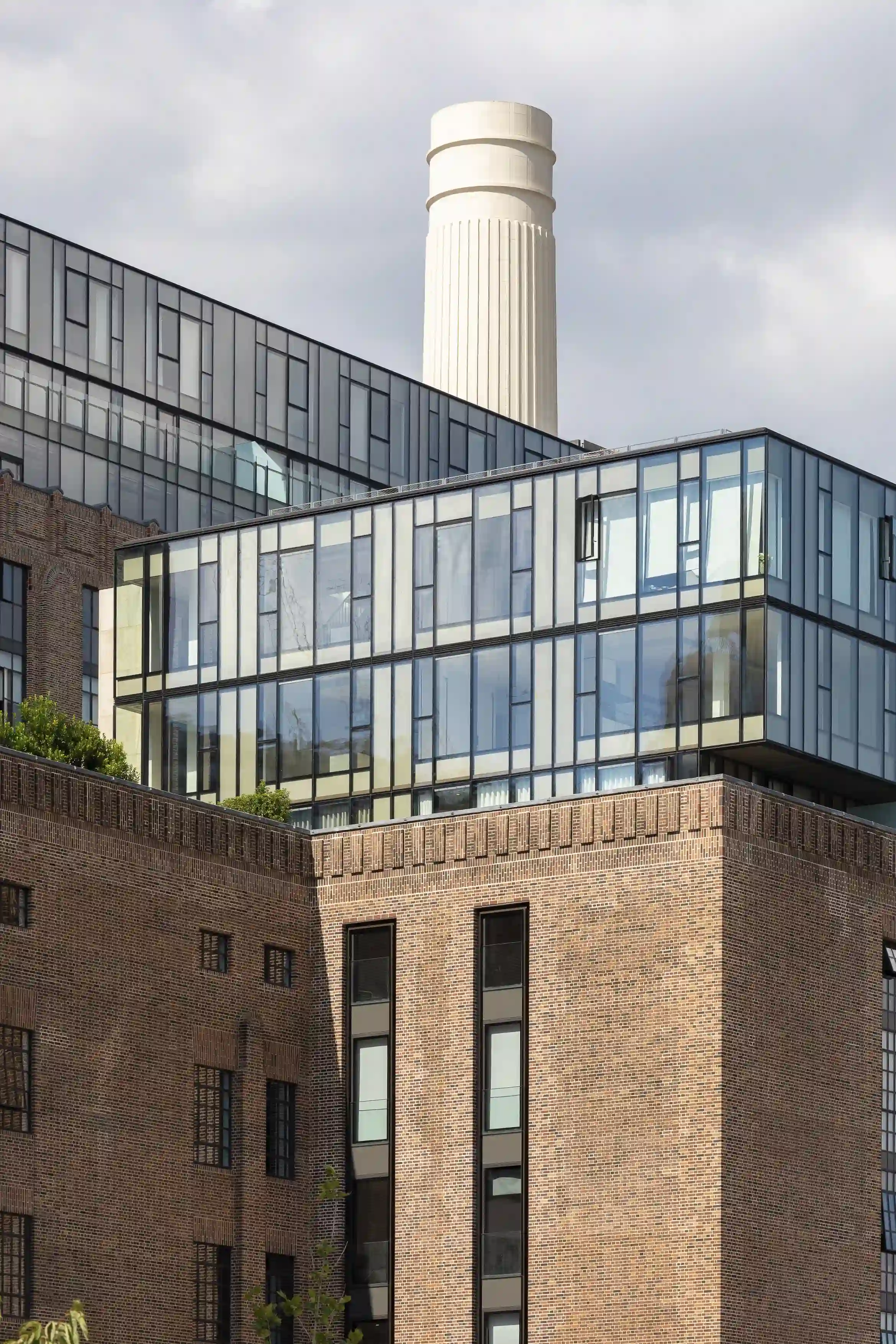
Photo © Peter Landers
A variety of strategies have been used to bring the structure back to life, from a meticulous reconditioning of the control rooms (one of which is now a bar) to the subtle knitting in of over one million new bricks within the existing walls. Others are less subtle. The brick south atrium wall is supported by a bow-string array of cables and lightweight steel beams—a bit of renovation theater that recalls how little of the building once stood and creates an interplay of two dominant strains of British architecture: early Foster meets Gilbert Scott.
WilkinsonEyre has divided the new program by volume. The central boiler house contains offices in what is effectively a box within a box, from the fifth to the eleventh floors; workers enter the building through the main ground-floor entrances to the north and south and travel by elevator to a lobby where a glazed wall reveals the six office floors. Apple has leased 500,000 square feet of this space, which is supported by two five-story steel “trees” that are WilkinsonEyre’s main structural intervention. On either side, the former turbine halls contain over 100 shops, and the outer flanks that once housed the switchgear, laboratory, battery, and assembly rooms now contain hundreds of apartments. And on the fourth floor, sandwiched between retail below and offices above, is a 1,400-seat auditorium.
The turbine halls are the stars of the show. In both, the architects have inserted two-floor steel structures that add square footage without touching the original walls and create a set of interior “streets” fronted by glass-and-steel storefronts. The effect is elegant and generous—altogether not dissimilar to that of the single turbine hall at the Tate Modern, which is disconcerting until one remembers how that earlier conversion changed perceptions of what vast industrial spaces can become. Battersea merely adds to the possibilities.
The Art Deco Turbine Hall A, built in the 1930s, is of a higher quality in design and materiality, and its original marble-faced columns have been meticulously cleaned and restored.
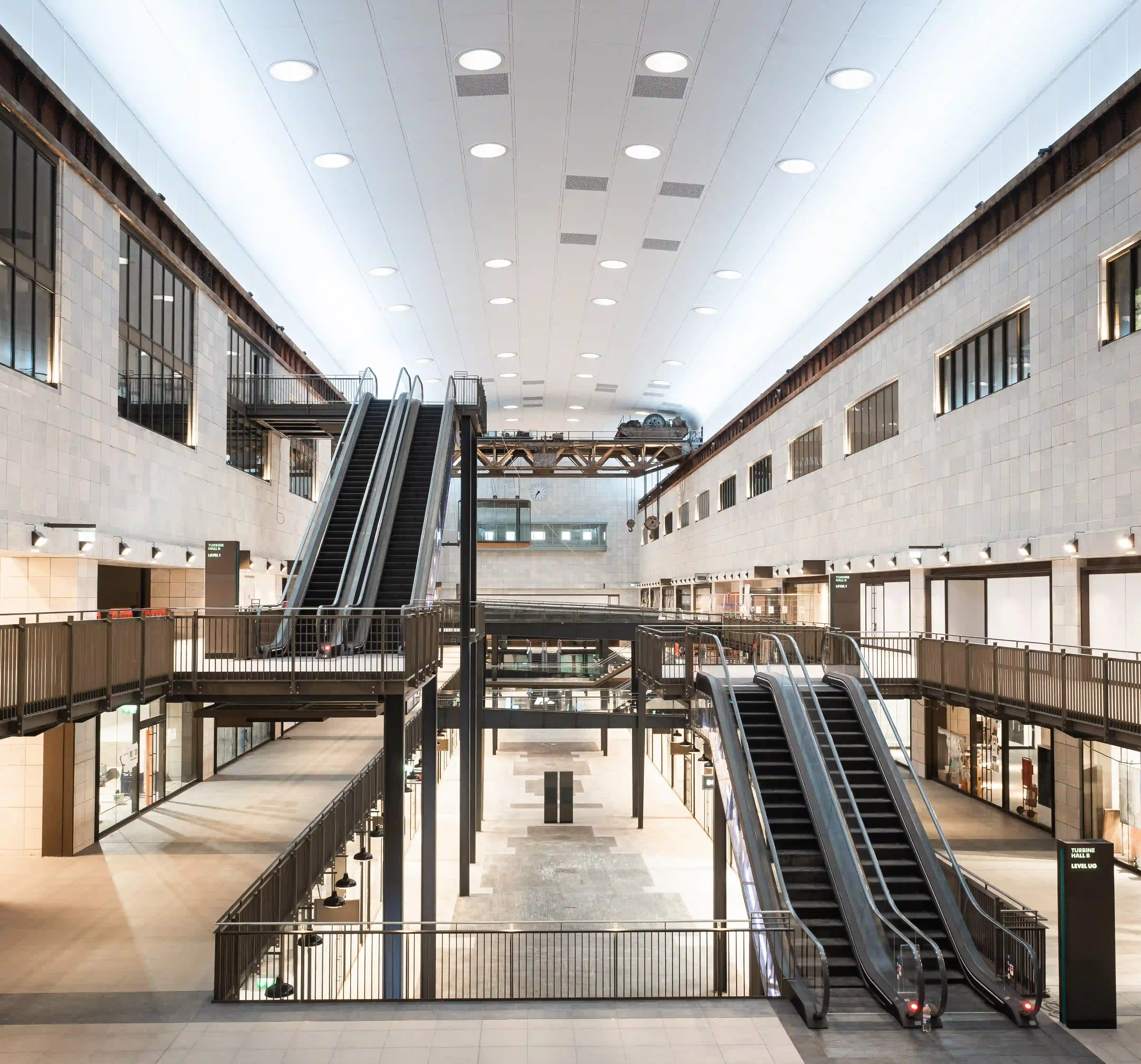
Turbine Hall B. Photo © Backdrop Productions
WilkinsonEyre has tried to animate the more mundane interior of Turbine Hall B, which was built after World War II with a more functionalist design, by adding a glass-box event space that can be raised and lowered by a refurbished gantry crane—a fun touch. But fortunately, most of the interventions demand less attention. For example, flat steel details on the balustrades quietly disappear, allowing the Art Deco capitals and friezes to draw the eye as one looks across the halls. If this sounds simple and obvious, one might ask why retail environments in historic buildings are so often compromised by commercial dictates.
Looking for quick answers on architecture and design topics?
Try Ask RECORD, our new smart AI search tool.
Ask RECORD →
The residential component, which opened in 2021, benefited most from the open-minded attitude of Historic England, the public body charged with overseeing historically-designated buildings like the station. It would have been impossible to insert 254 residential units if the agency had not granted the architects permission to cut over 40 windows into the switch house facades and place glazed additions atop them. It’s a pity, though, that the social housing the developers were required to provide is located off site and makes up just nine percent of the total.
Yet so artfully and subtly has the restoration work been done that the original structure, so insubstantial in its ruined state, becomes a visual feast appropriate to the wide array of new uses housed within. Although mixed-use developments are now common in London, they were much less so when the developers bought the building. It’s fortunate that they nonetheless took the risk: a single-use redevelopment would have turned the power station into dead space for much of the day. Battersea now has an intense, diverse program that may be aimed at the luxury market but nonetheless creates an unusual and compelling part of the city.
Looking for a reprint of this article?
From high-res PDFs to custom plaques, order your copy today!