On Naoshima Island, Tadao Ando Digs into the Earth to Explore the Ways Time and Light Shape Architecture

Architects & Firms
For 37 years, architect Tadao Ando has guided the unlikely metamorphosis of Japan’s Naoshima Island from a place scarred by metals-smelting operations into a global art destination. Working with a single client—Soichiro Fukutake, who runs the Benesse Corporation, a major publishing company—Ando has designed a remarkable series of museums and hospitality projects that burrow into, sit alongside, and embrace the mountainous terrain. Piece by piece, the two men have crafted a vision that entwines architecture, art, and landscape in an effort to revive the fortunes of a small island in the Seto Inland Sea that had been battered by industrialization in the early 20th century and then by the flight of young people to Japan’s booming cities after World War II.
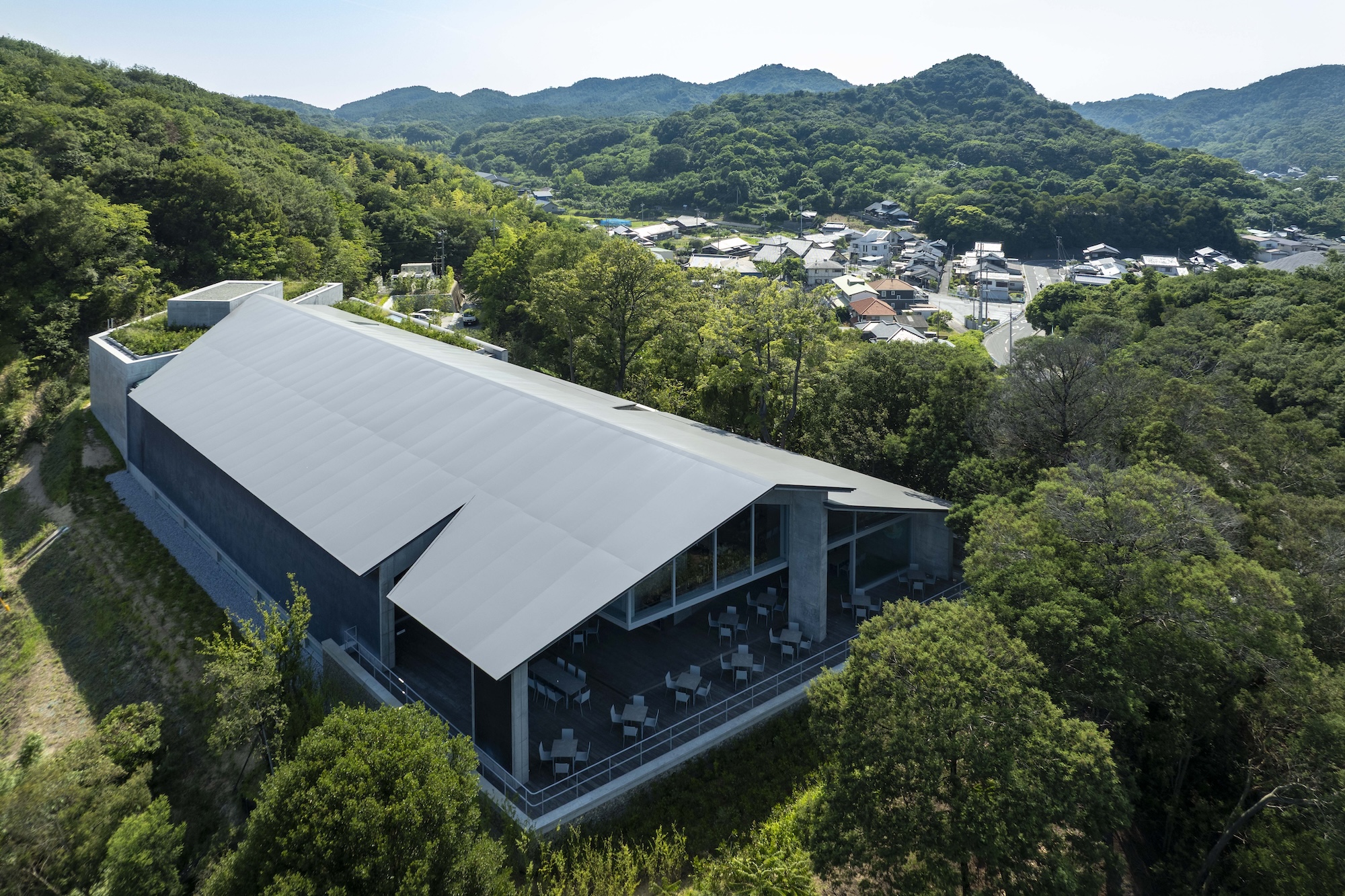
Photo © Shigeo Ogawa
Opened in 2025, the Naoshima New Museum of Art is the tenth project Ando has designed on the island, the culmination of a building campaign that began in 1989 with a summer camp that included new construction as well as yurts moved from Mongolia. Milestones along the way include the Benesse House Museum (1992), the Chichu Art Museum (2004), the Lee Ufan Museum (2010), and the Ando Museum (2013). Ando has also contributed to the Art House Project, which pairs various architects and artists in renovating old wood structures that had been abandoned in the post-war years, and has helped inform a multitude of art triennials and projects that have enlisted the work of artists such as Yayoi Kusama, Dan Graham, and Niki de Saint Phalle and architects such as Ryue Nishizawa and Hiroshi Sambuichi.
“The most important lesson I have learned,” says Ando, looking back at his work on Naoshima, “is that a place is not something to be ‘made,’ but something that must be cultivated over time. [Architecture] emerges through an accumulation of dialogue: with the people who live there, with the land and climate, and ultimately with time itself.”
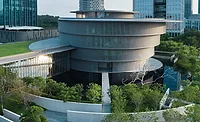
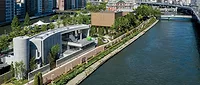
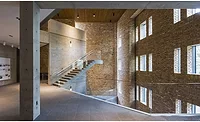
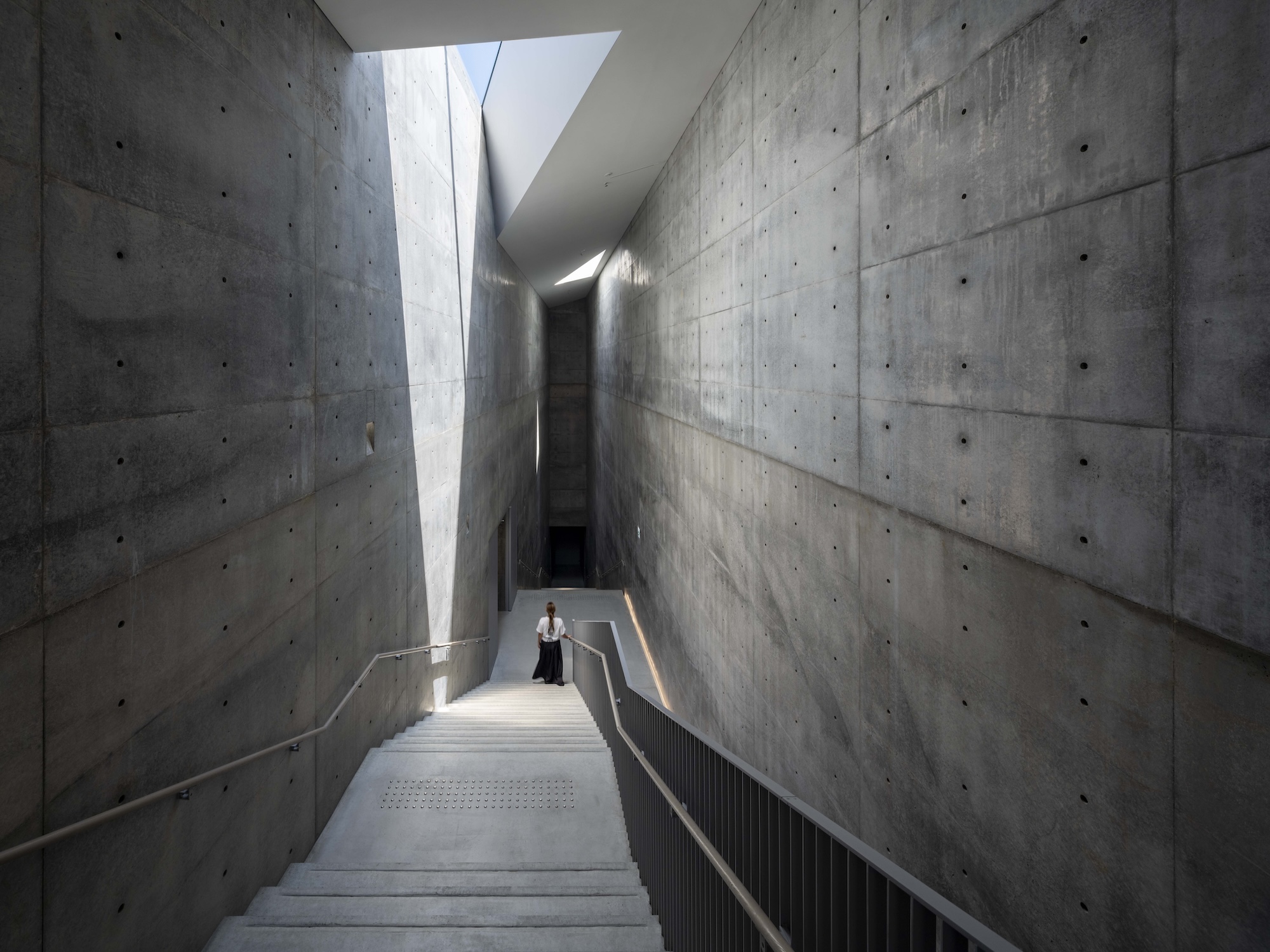
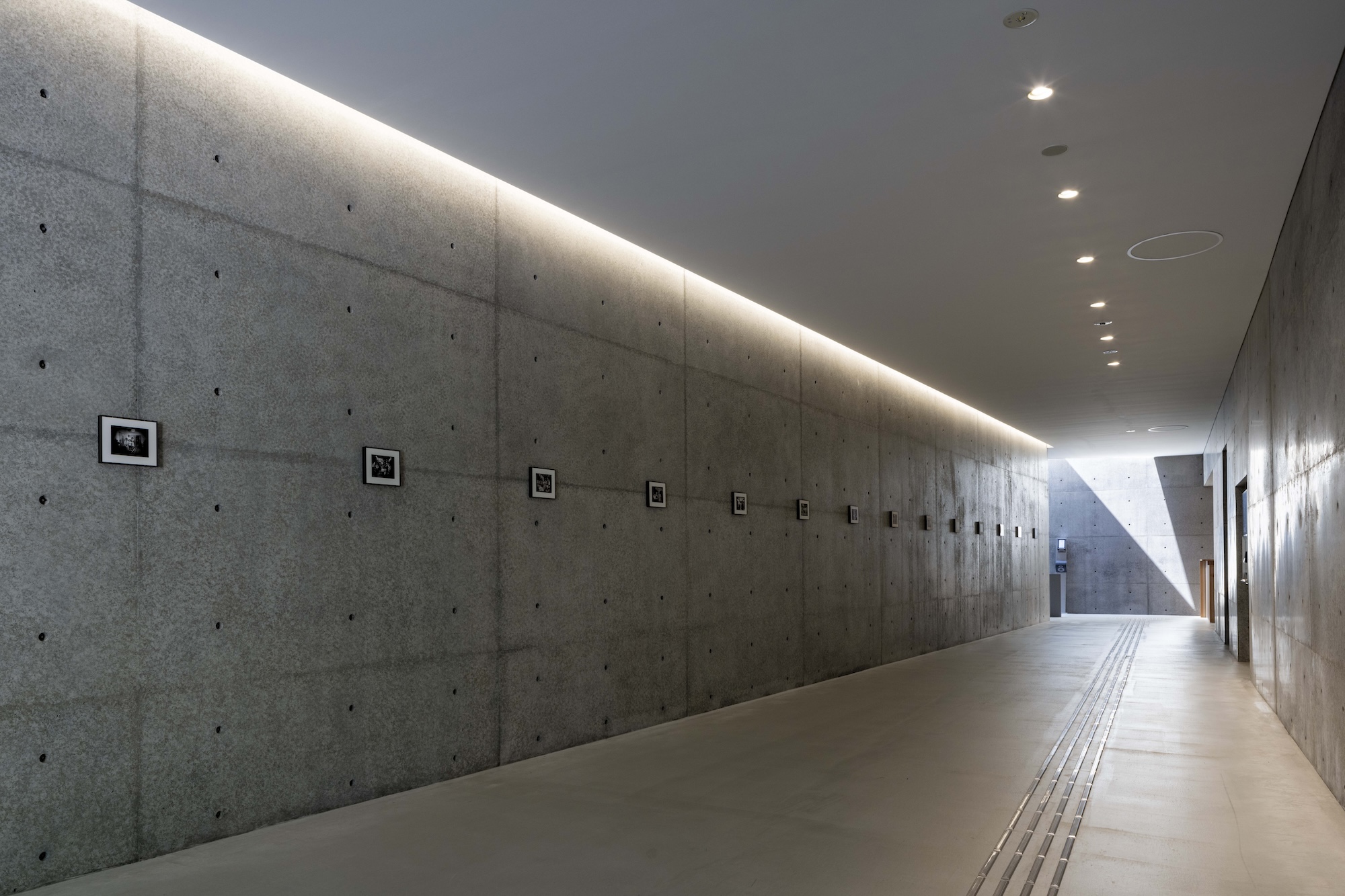
Like the Chichu and Ando museums, the Pritzker Prize–winning architect’s latest project digs into the earth, carving out a wedge-shaped “stepped atrium” at its center that recalls Indian stepwells. Visitors approach the museum from a sloping path defined by retaining walls made of concrete and small river stones whose earthen tones and smooth surfaces attest to the passage of time and the slow-but-persistent effect of water on geology. They enter the three-story building on the top level, then make their way down the stepped atrium, a canyon-like space that’s illuminated by a skylight above and gets tighter the farther they go. As a piece of underground architecture, the museum must address the question of “how to shape light” and how light shapes space, says Ando.
Photos © Shigeo Ogawa
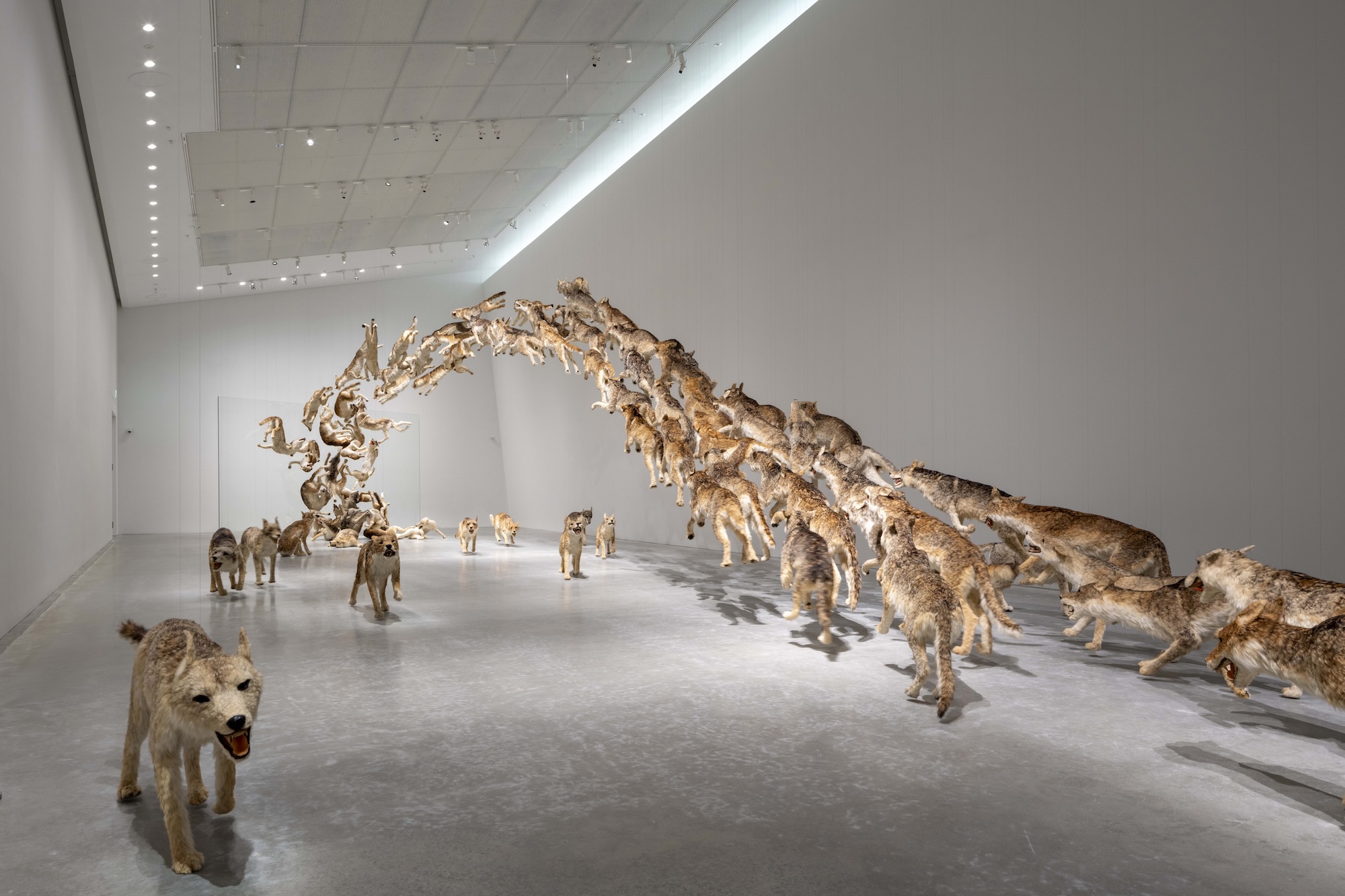
Ando is a master at squeezing and then releasing space. While the walls of the atrium close in on visitors as they descend, the bottom floor offers a cavernous gallery with perhaps the most striking piece of art in the museum: Cai Guo-Qiang’s Head On, an installation featuring 99 wolves running, leaping, and tumbling through the two-story room. As he did at the Chichu with pieces by James Turrell, Walter De Maria, and Claude Monet, Ando was able to design the bottom-floor gallery for a specific artwork, a luxury afforded him by the collecting acumen and deep pockets of Fukutake. All the art at the Naoshima New Museum comes from Japan and across Asia.
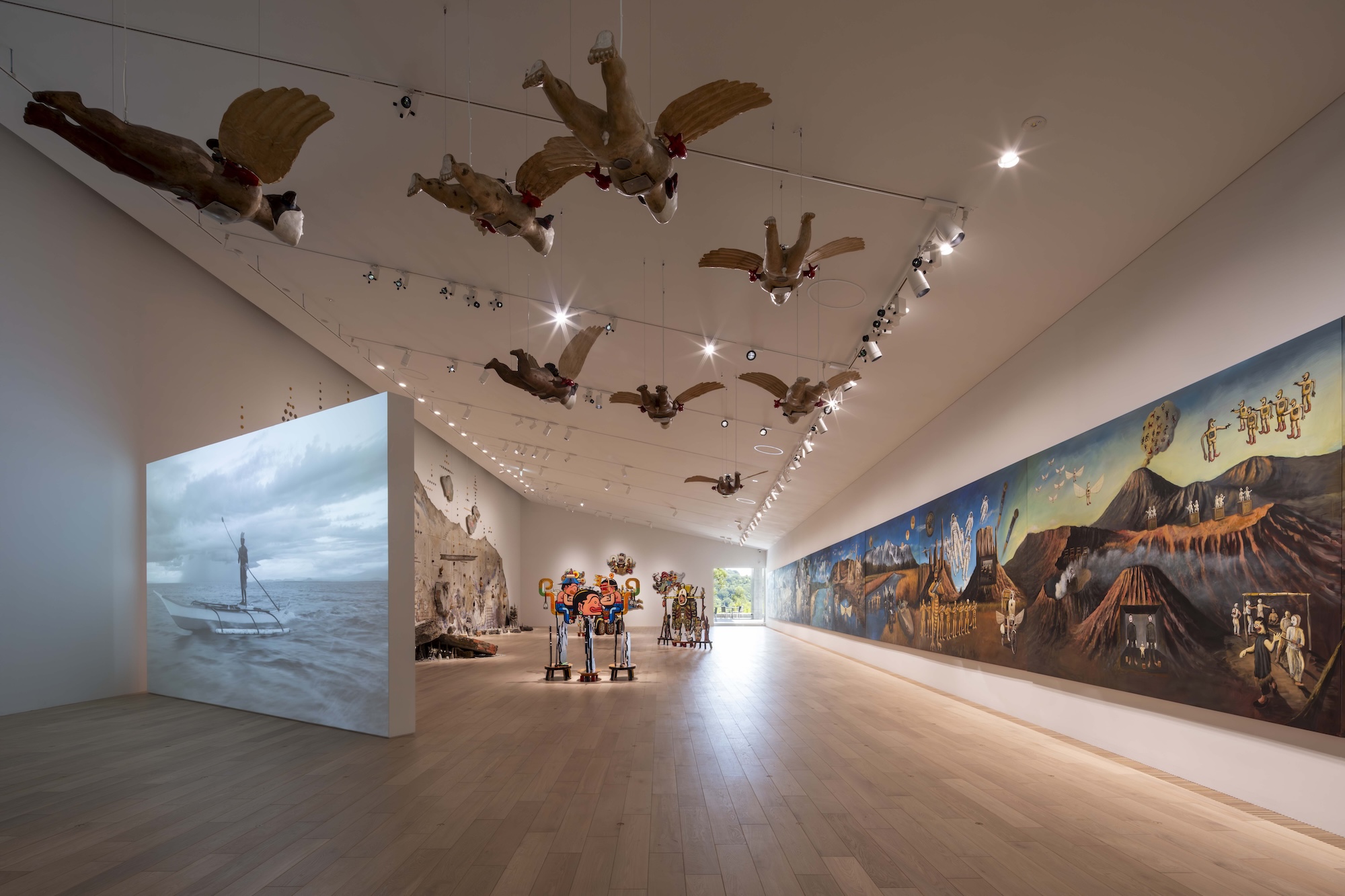
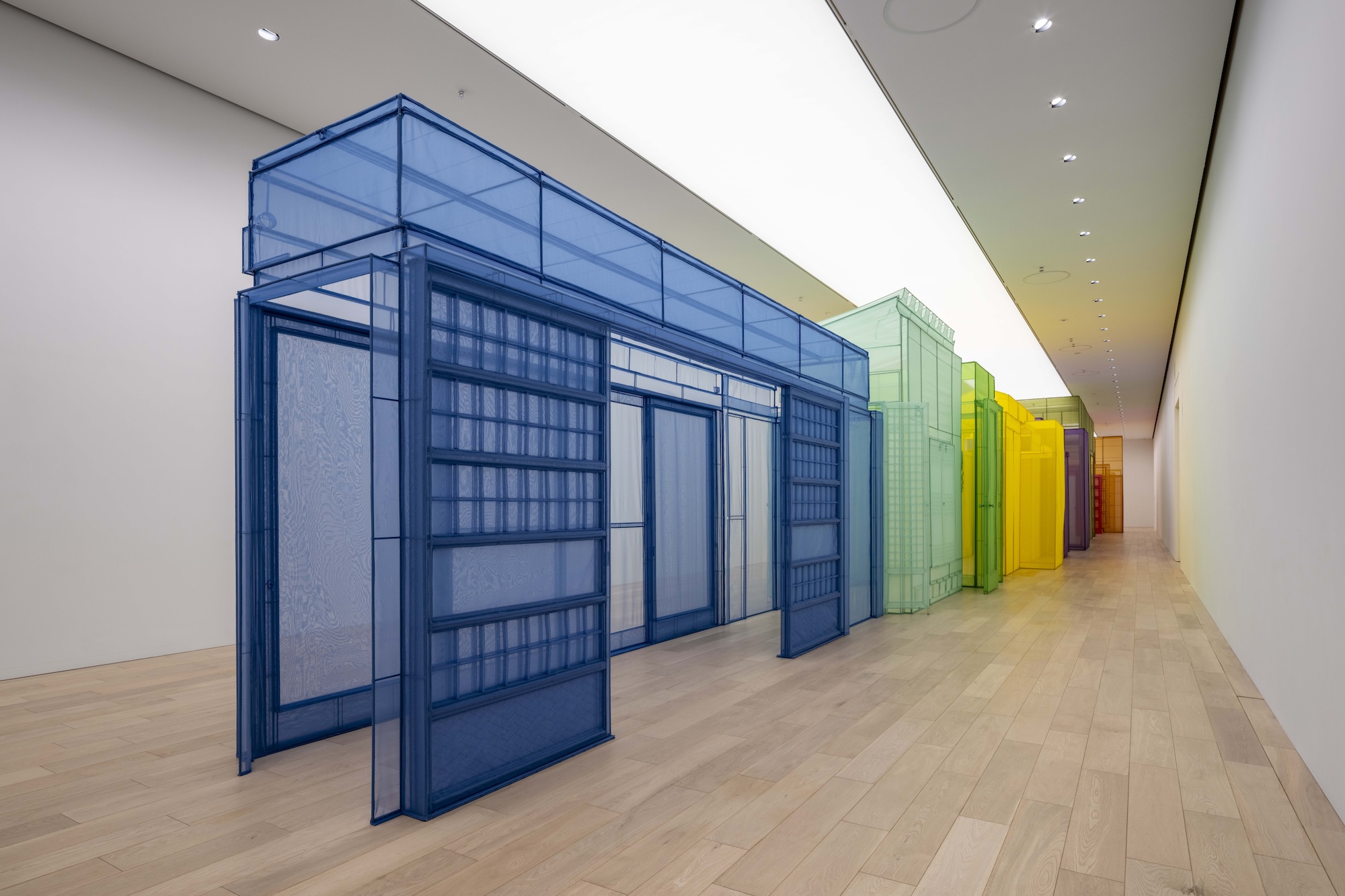
Photos © Shigeo Ogawa
On the top floor, Ando once again executes a wonderful expansion-and-compression maneuver. Either before or after they explore the tight 35-foot-tall atrium and the introspective galleries, museum goers can enjoy a contrasting spatial experience—an airy café that occupies the north side of the building and sweeps out to grand views of the island and the Seto Inland Sea. Corner-less sliding doors provide a seamless progression from indoors to out, similar to a traditional Japanese engawa or veranda.
Building on a small island posed a series of challenges, such as transporting materials by ferry and bringing them to a narrow site on a hill with limited access. Careful coordination of deliveries and construction was essential. Ando credits Kajima Corporation, which built all the Benesse projects on Naoshima, with making it possible.
Looking for quick answers on architecture and design topics?
Try Ask RECORD, our new smart AI search tool.
Ask RECORD →
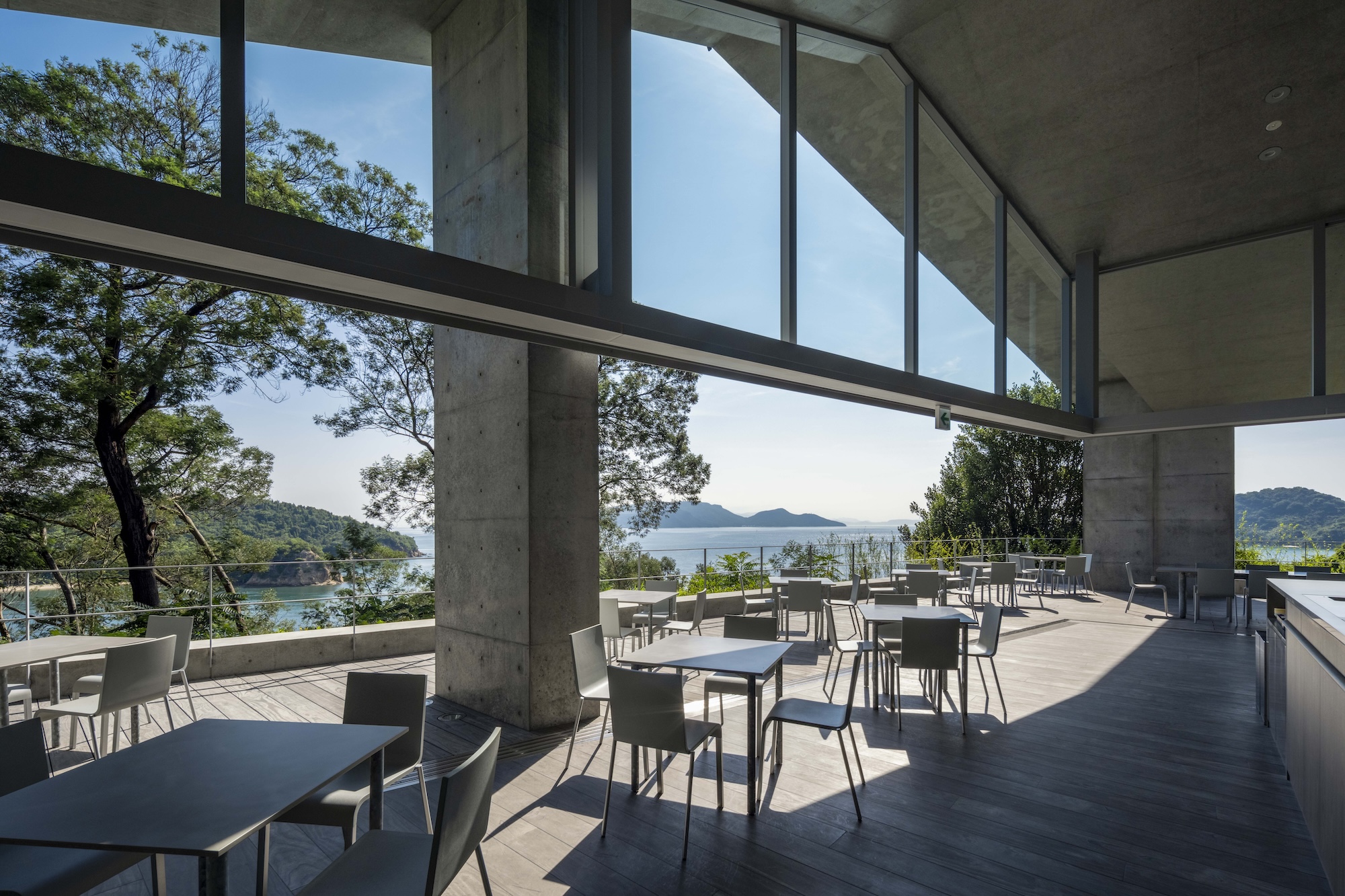
Photos © Shigeo Ogawa
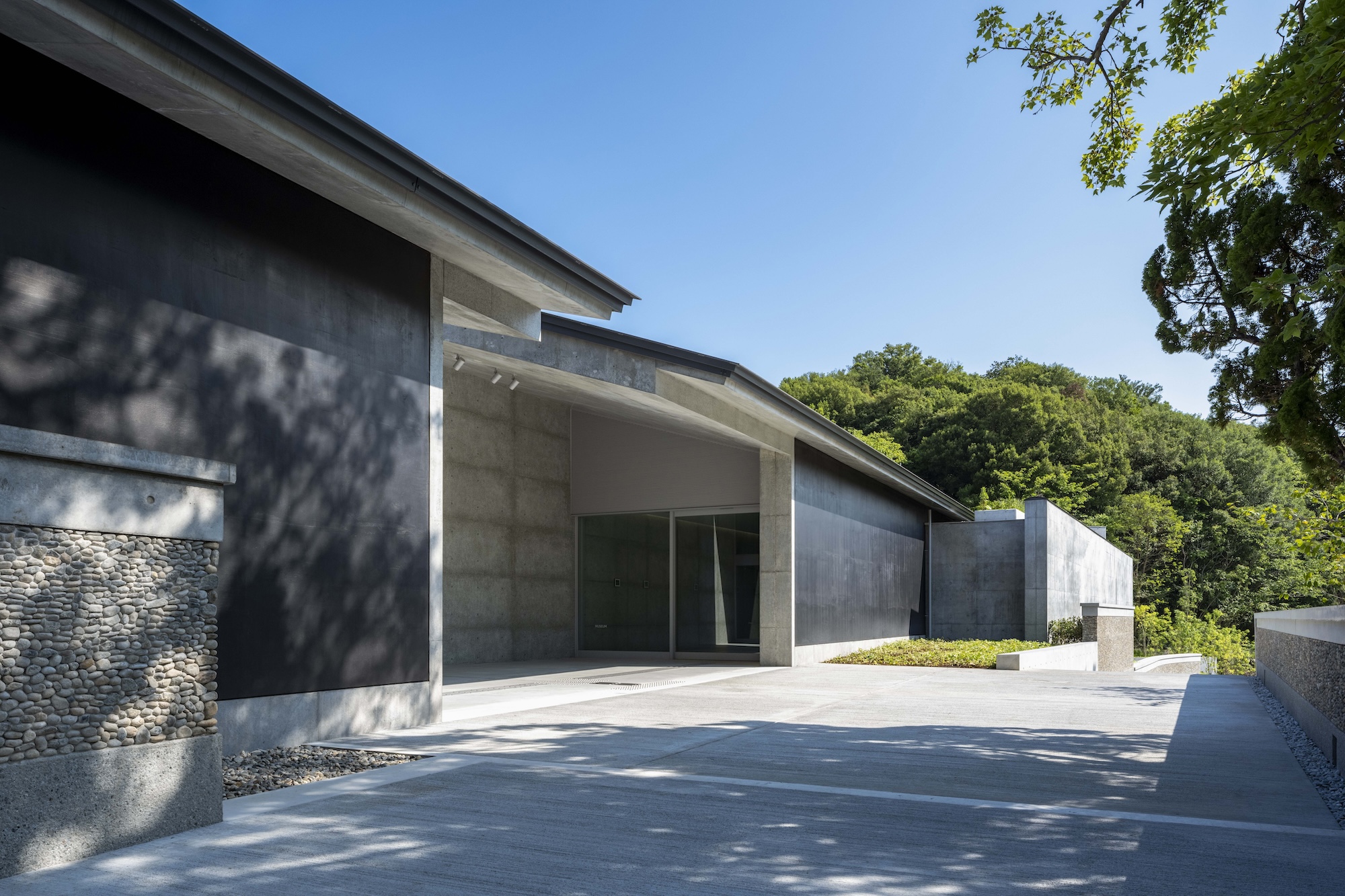
The first full-scale museum located in Honmura, one of the island’s traditional villages, the Naoshima New Museum “required a different architectural stance,” says Ando. While it employs “the vocabulary of contemporary architecture, particular attention was paid to visual continuity with the surrounding environment,” explains Ando. “The roof form, the white plaster exterior walls, and the details of the landscape walls are all intended to resonate with the existing townscape rather than assert autonomy.”
He also used black concrete for part of the entry facade, alluding to the charred cedar board found on traditional Japanese houses. Honmura is also the site of the Art House Project where ancient wood structures converted into art installations animate the wending streets.
Memory—both geological and cultural—plays a key role in the Naoshima New Museum of Art. Its architecture takes you on a journey into the earth where daylight barely trickles in and sound becomes increasingly muted. You seem to shift from today’s timeframe to a more ancient era with a large cave-like space and all those pouncing wolves. By choreographing your approach, your descent, and then your release at the top-floor café and terrace, Ando weaves you and the building into the fabric of the village where it sits and, indeed, the island as a whole.
Looking for a reprint of this article?
From high-res PDFs to custom plaques, order your copy today!