Studio Modh Designs a Modern New Home for Thomas Jefferson University’s Medical Archives

Architects & Firms
“It looks like a pasta maker,” says architect Philip Ryan, pointing to one of the many medical artifacts now on display at the new home of Thomas Jefferson University’s Medical Archives in Philadelphia. The hand-cranked metal device is actually a U.S. Army–issued World War II skin grafter—just one of many objects newly visible following Studio Modh’s renovation of the collection’s home.
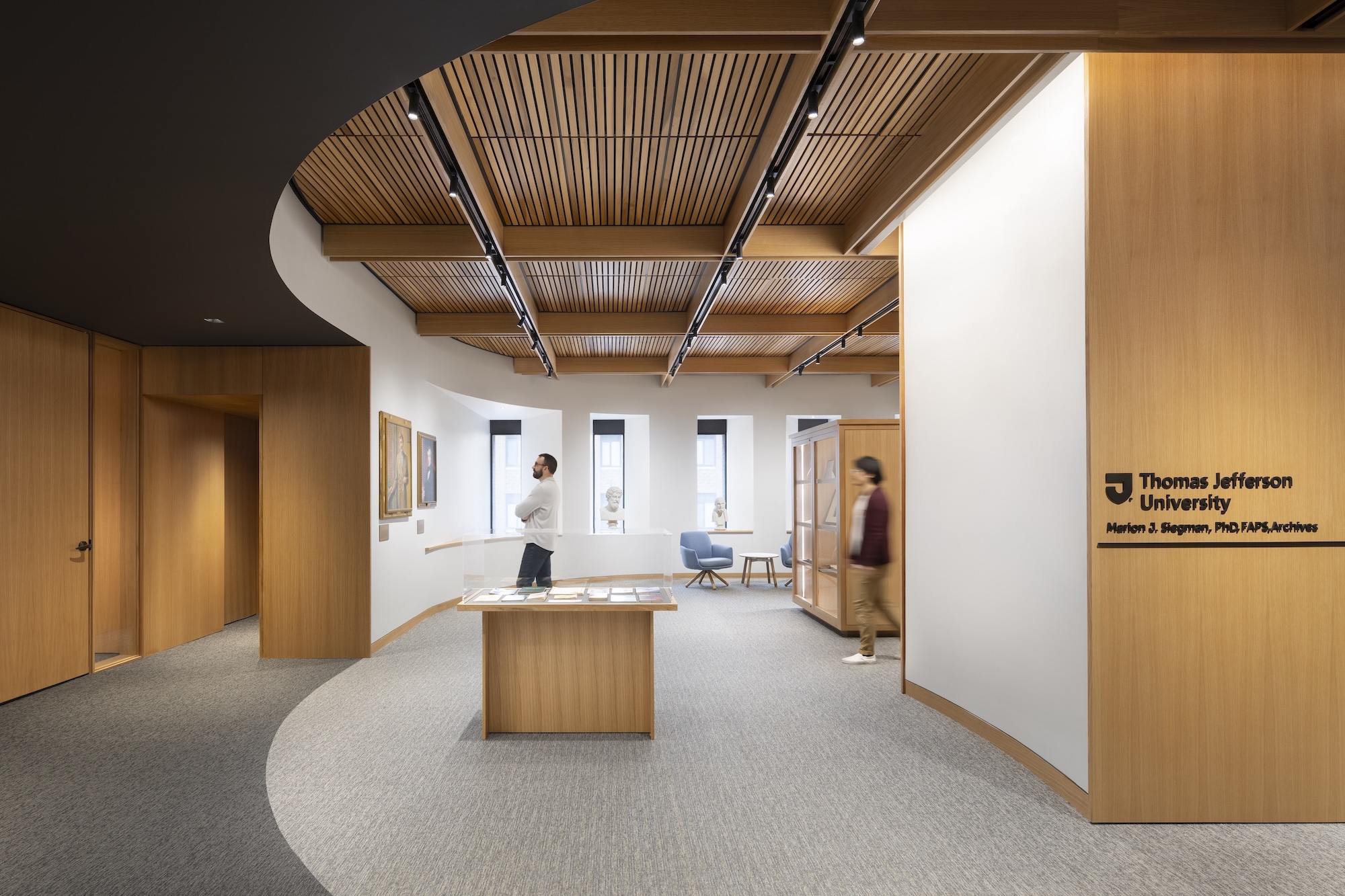
Photo © Devon Banks
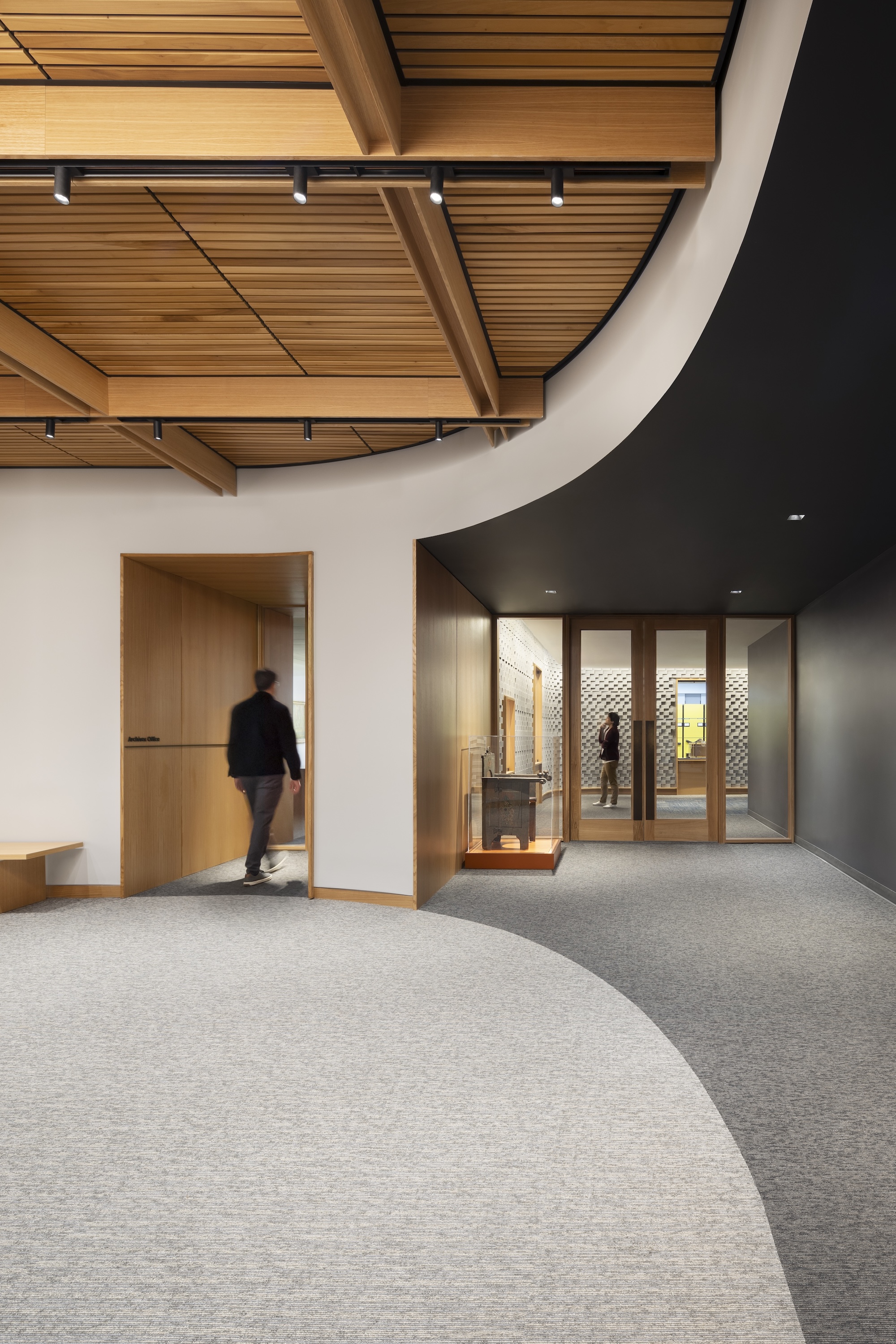
Photo © Devon Banks
Until its reopening in 2024, the archives occupied a 1,500-square-foot suite on the fourth floor of the Scott Memorial Library, a 1970 building by Harbeson, Hough, Livingston and Larson at the research university’s Center City campus. Tucked behind a locked door, the collection was largely inaccessible. Studio Modh, the Brooklyn-based architecture practice Ryan founded 12 years ago, expanded the archive to 7,000 square feet on the same floor, introducing natural light, exhibition space, and a more active learning environment for future healthcare professionals. The project is named for benefactor and longtime faculty member Marion Siegman, who challenged the architects to rethink the archive’s role. “How can we create a space where we’re merging the digital and the analog from a pedagogical perspective?” asked Ryan. “Instead of trying to do everything in one room, we started to think in parts—spaces that each do one thing well but speak to each other.”
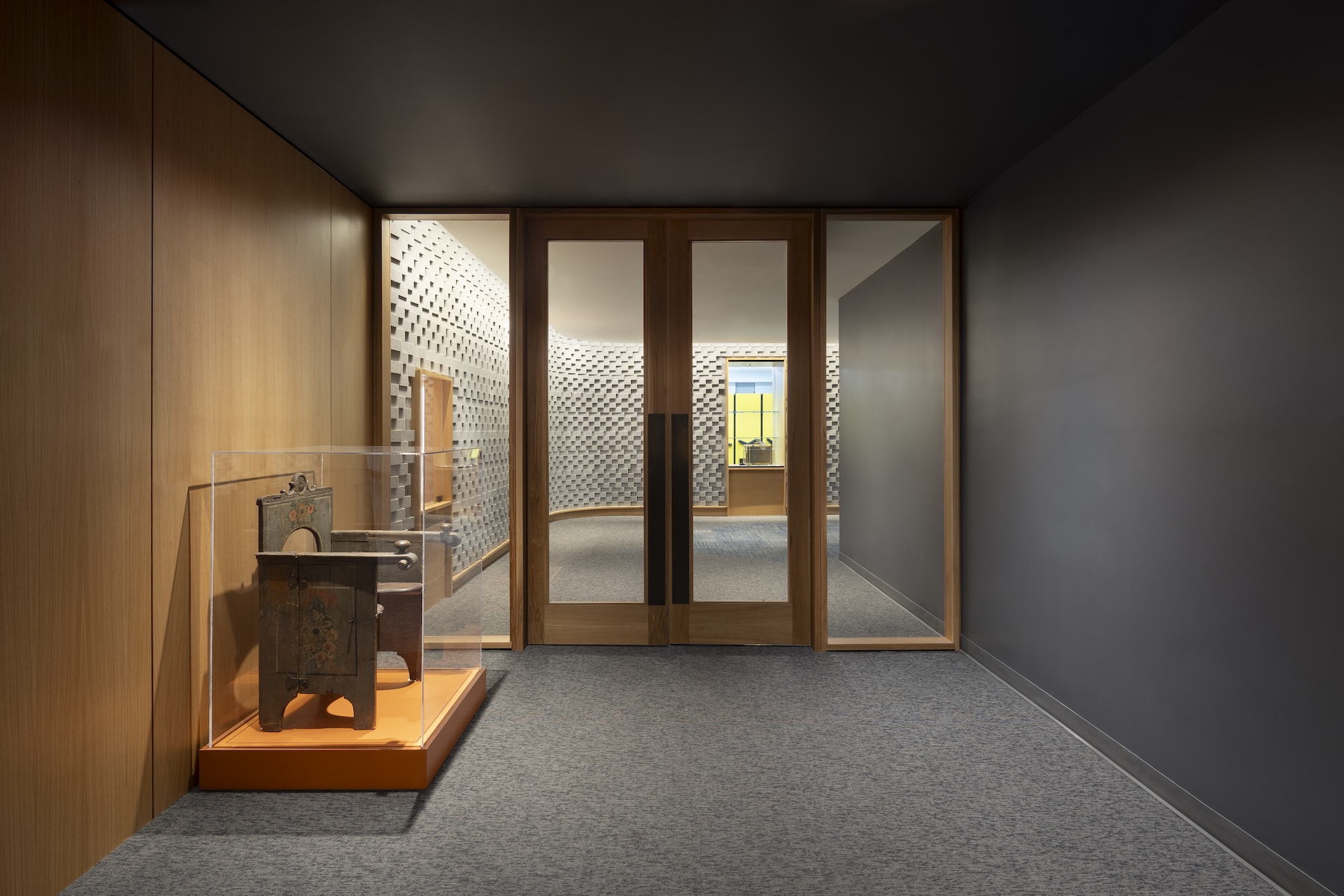
The new archives are organized into four areas: the Chamber, the Forum, the Vault, and the Medicine Cabinet. Located off the main elevator core, the Chamber serves as a lobby and exhibition space, using architectural elements to display the collection. Deepened windowsills hold plaster busts, while a curved millwork wall hides a structural column and serves as a vertical display for surgical instruments. The architects increased ceiling height with the integration of a wood-battened coffer, which conceals air distribution systems and acoustic panels while also supporting a continuous track lighting system for flexible exhibition illumination.
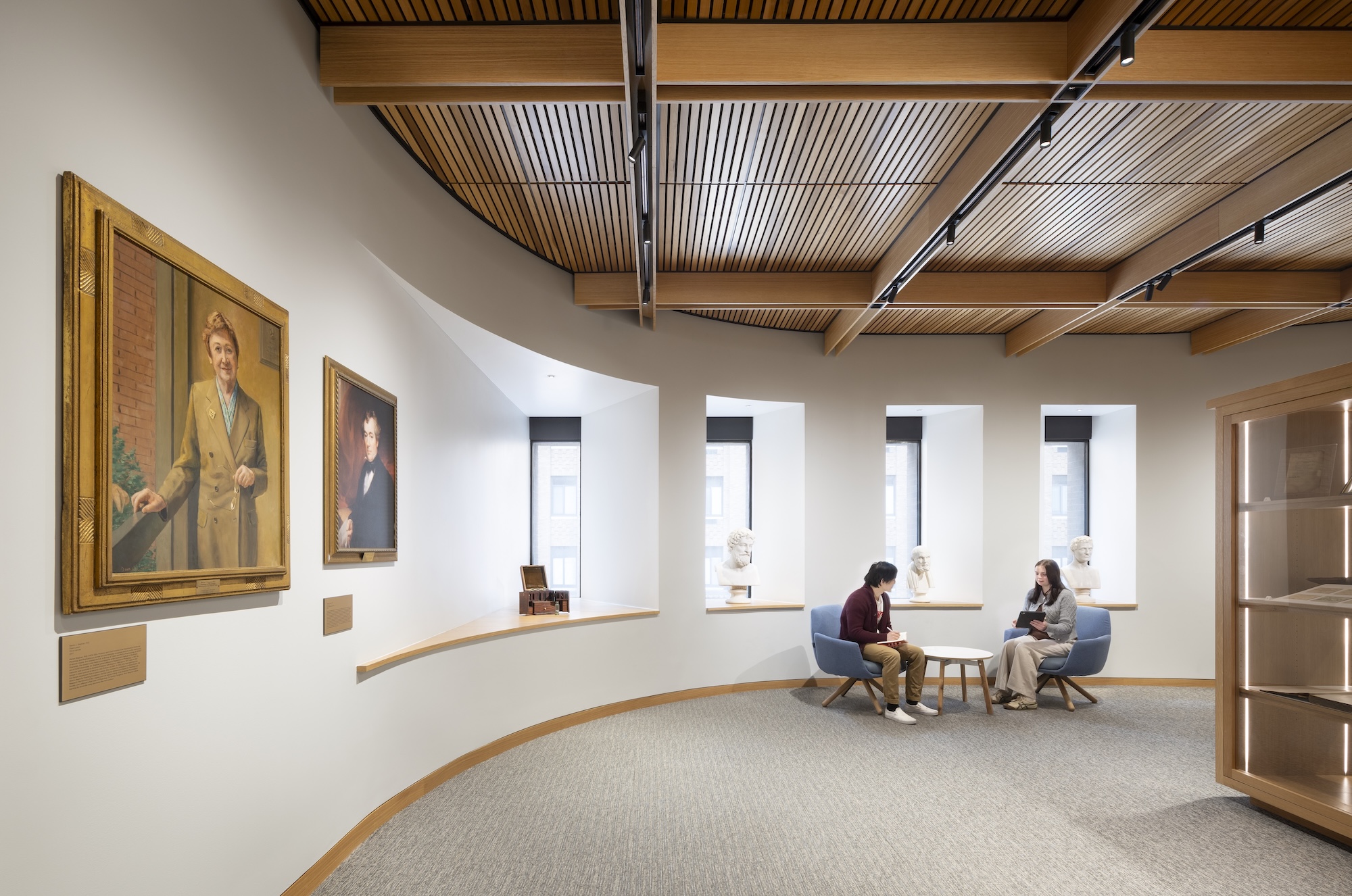
Photo © Devon Banks
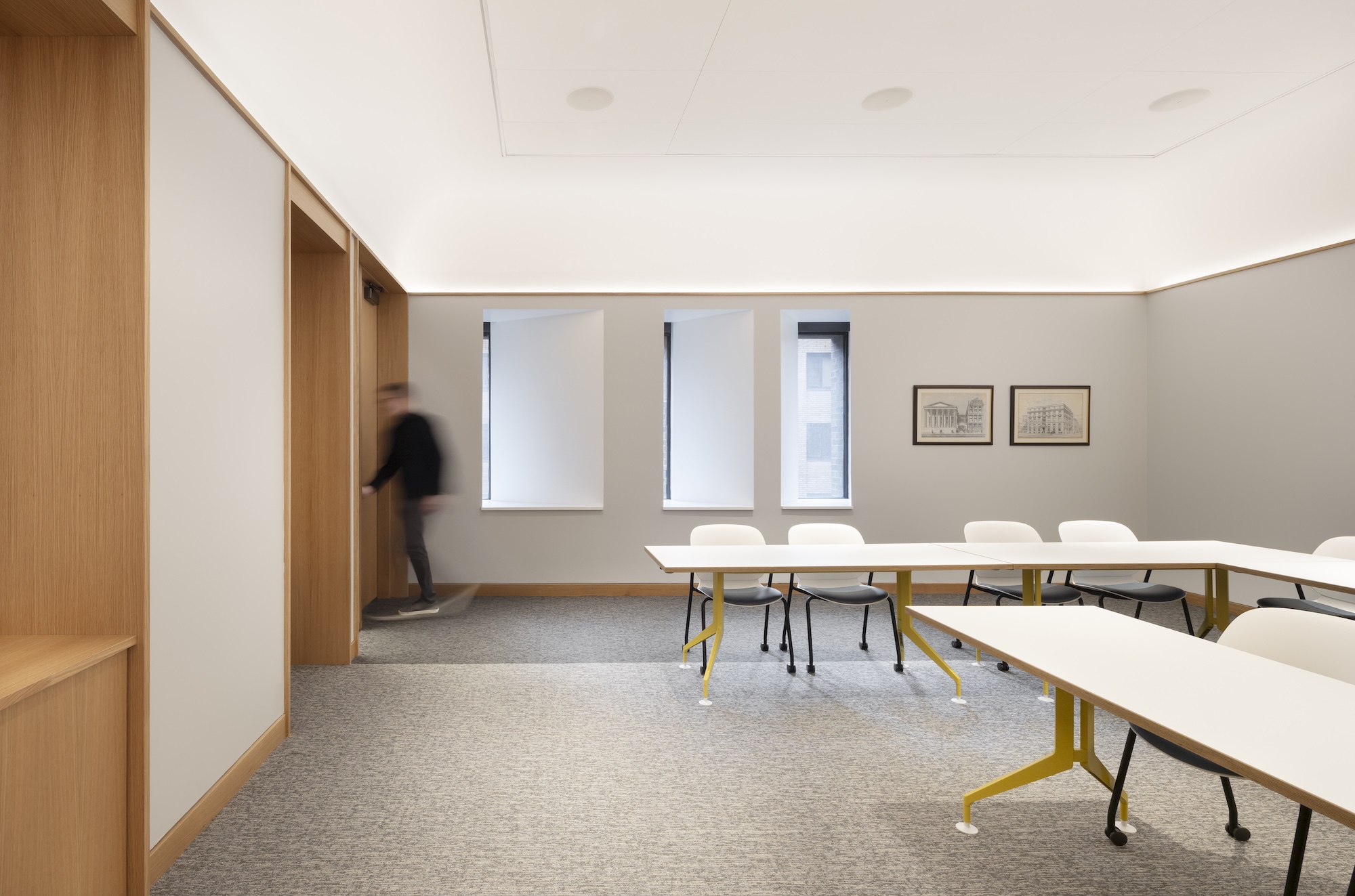
Photo © Devon Banks
To the west of the Chamber, the Forum is a flexible classroom designed to support digital and hands-on learning with projection technology and custom, mobile vitrines for artifacts. (For instance, Ryan says, an image of the spleen could be projected alongside physical surgical tools from the past three centuries.) Part of the construction budget went toward upgrading climate controls and security measures for the space to create a stable environment for archival items. Faceted window apertures diffuse light reflected from a building facade directly to the north, creating ambient light along with a continuous light cove overhead.

Photos © Devon Banks
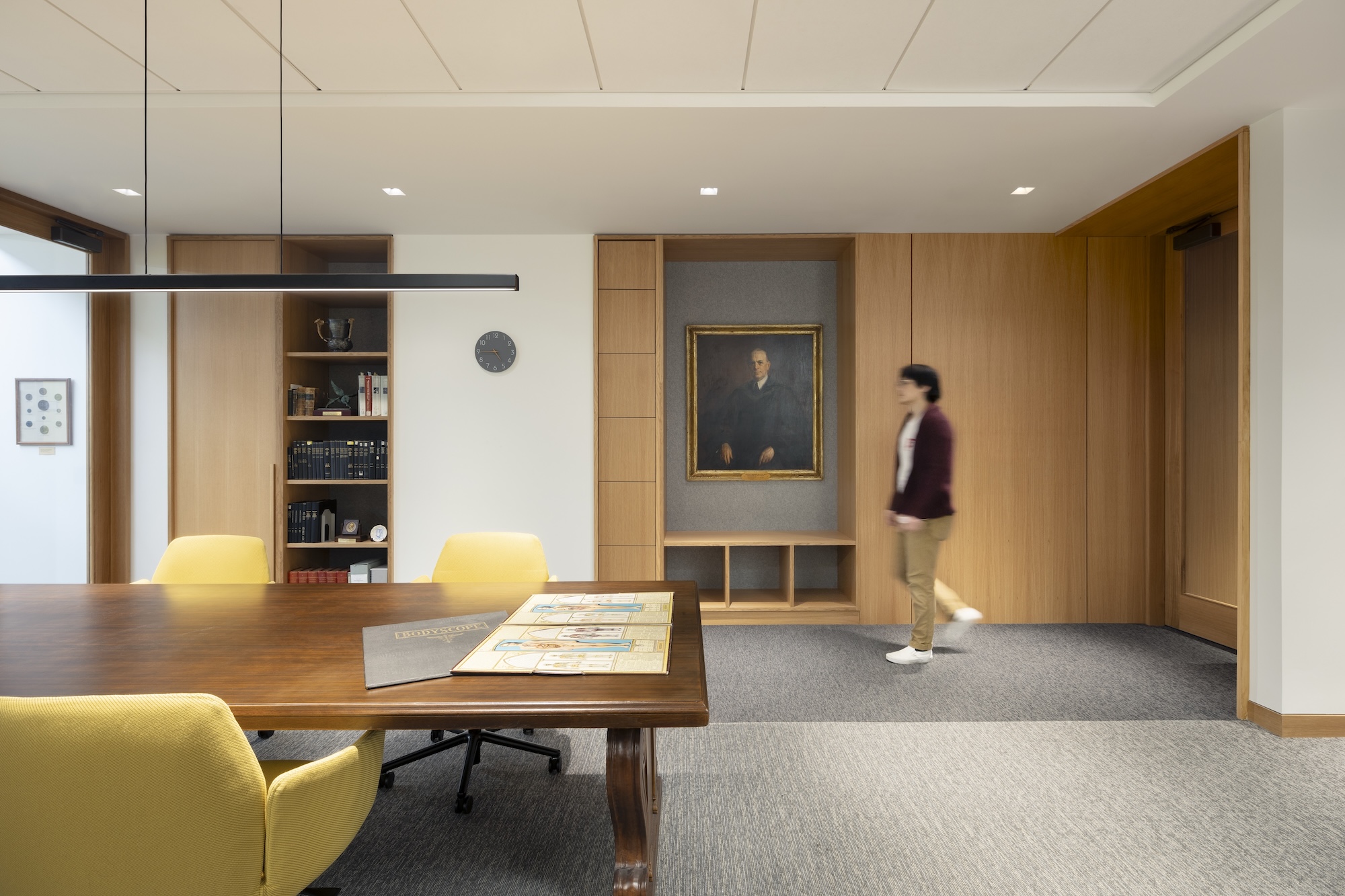
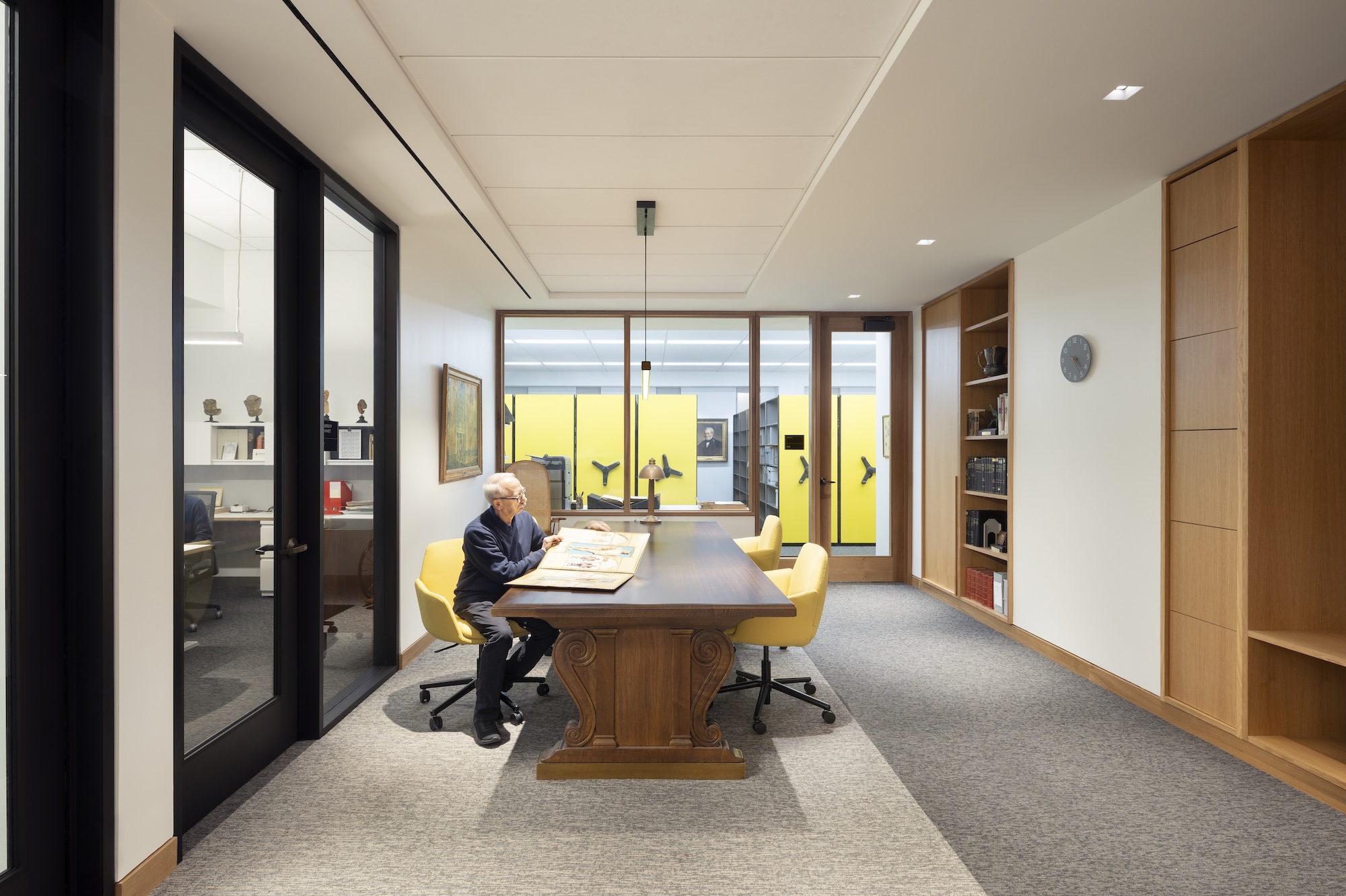
On the opposite side of the Chamber, the Vault houses research areas, offices, and high-density storage. A structural analysis revealed that the original shelving exceeded the slab’s load capacity; by mapping the deck’s rebar reinforcement, the team expanded the shelving system horizontally while reducing its height to safely accommodate the growing collection.
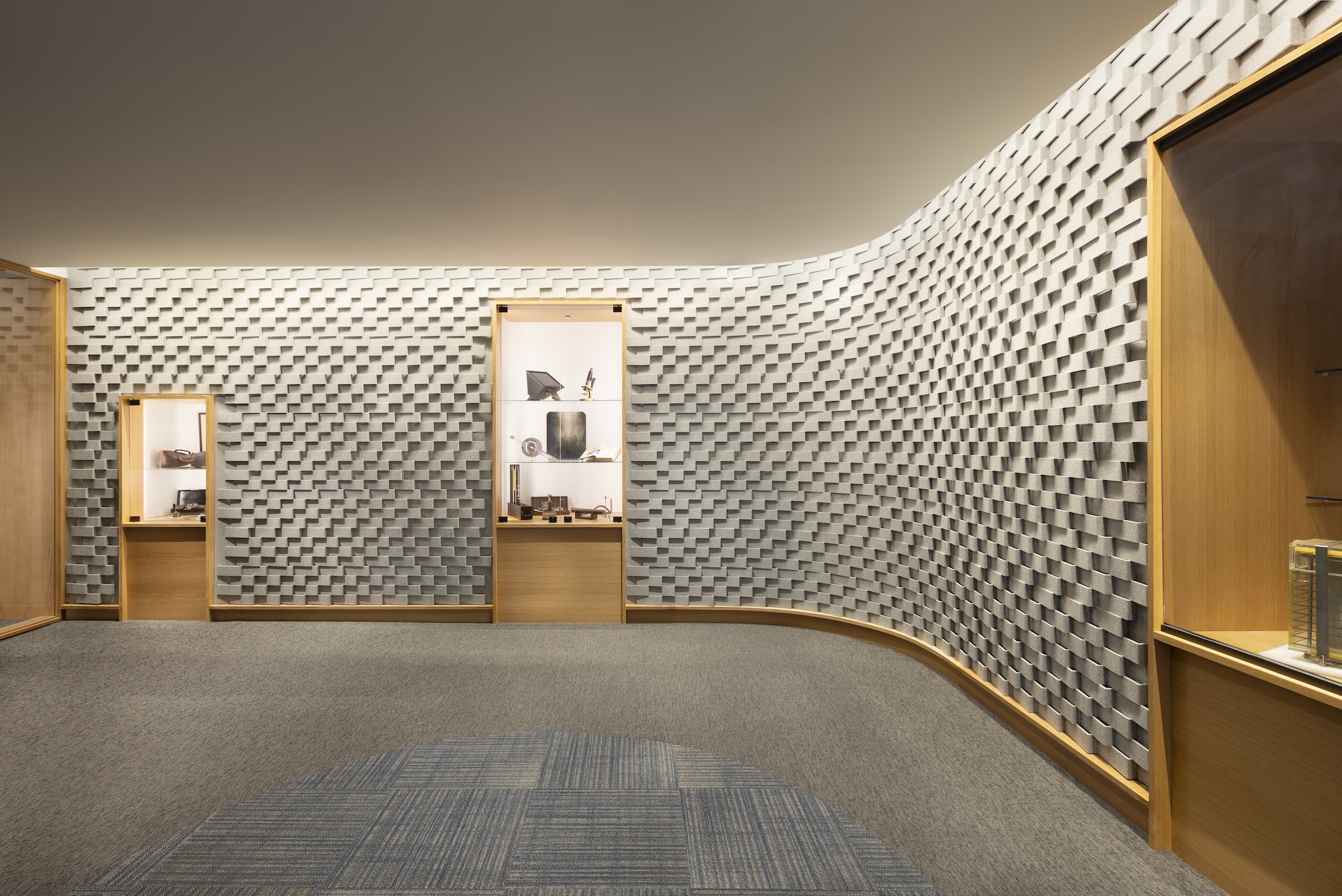
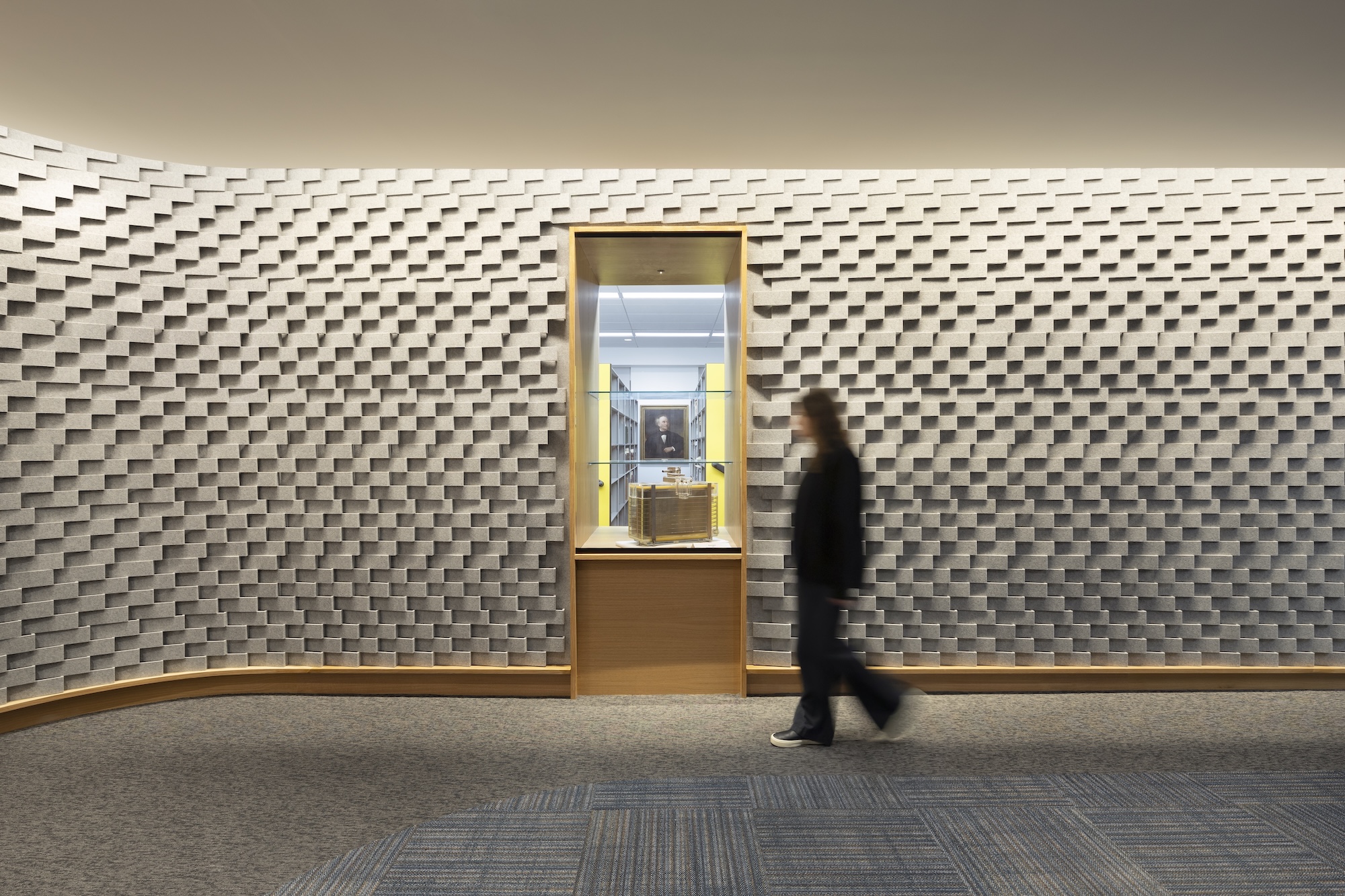
A continuous L-shaped interior wall, known as the Medicine Cabinet, faces a fourth-floor study area and binds the three interior spaces together. This is where Studio Modh’s inspiration of the Wunderkammer is most clearly realized, inspired by cabinets of curiosities including Philadelphia’s own Mütter Museum of medical history and science. “We were trying to recognize the remarkable objects and books within this collection,” says Ryan. “Things that the students, through casual engagement with the archive, could get something out of as well as more formal, intentional teaching methods.”
Photos © Devon Banks
The architects collaborated with Texas-based fabricator Artizin to create a facade of scored and folded PET panels, a surface that diffuses sound and also features a series of embedded display cases and windows into the archive. Even to those passing by for the first time, the importance of history in modern teaching practices becomes clear at first glance.
Looking for quick answers on architecture and design topics?
Try Ask RECORD, our new smart AI search tool.
Ask RECORD →
Looking for a reprint of this article?
From high-res PDFs to custom plaques, order your copy today!