Kéré Architecture Completes the Goethe-Institut Dakar

Architects & Firms
Established in 1951, the Munich-headquartered cultural nonprofit Goethe-Institut houses its many worldwide locations in a dizzying array of significant buildings: a magnificent art nouveau former bank in Prague; a historic shopping arcade in Riga, Latvia; and a restored 18th-century Georgian residence on Dublin’s Merrion Square, just to name a select few. Yet the organization has never occupied a purpose-built space throughout its entire 75-year history—until this month’s opening of the new Goethe-Institut Dakar, designed by Berlin-based Kéré Architecture. Located in a leafy residential pocket of the Senegalese capital, the Goethe-Institut’s newest outpost dedicated to facilitating international cultural exchange joins more than 150 other locations spread across 100 countries on six continents. Dakar joins African cities with Goethe-Institut locations including Johannesburg, Cairo, and Accra, Ghana.
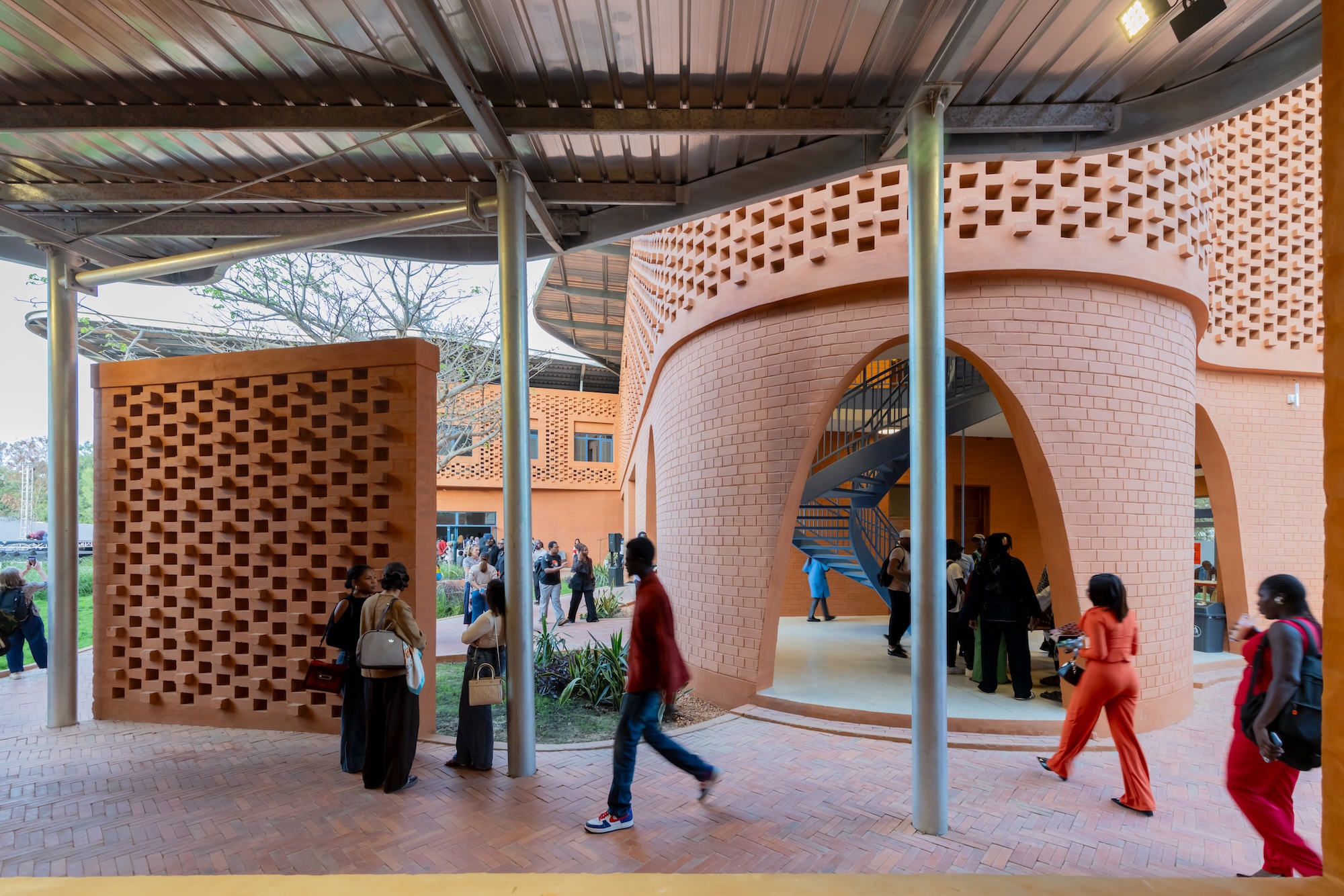
Photo © Iwan Baan
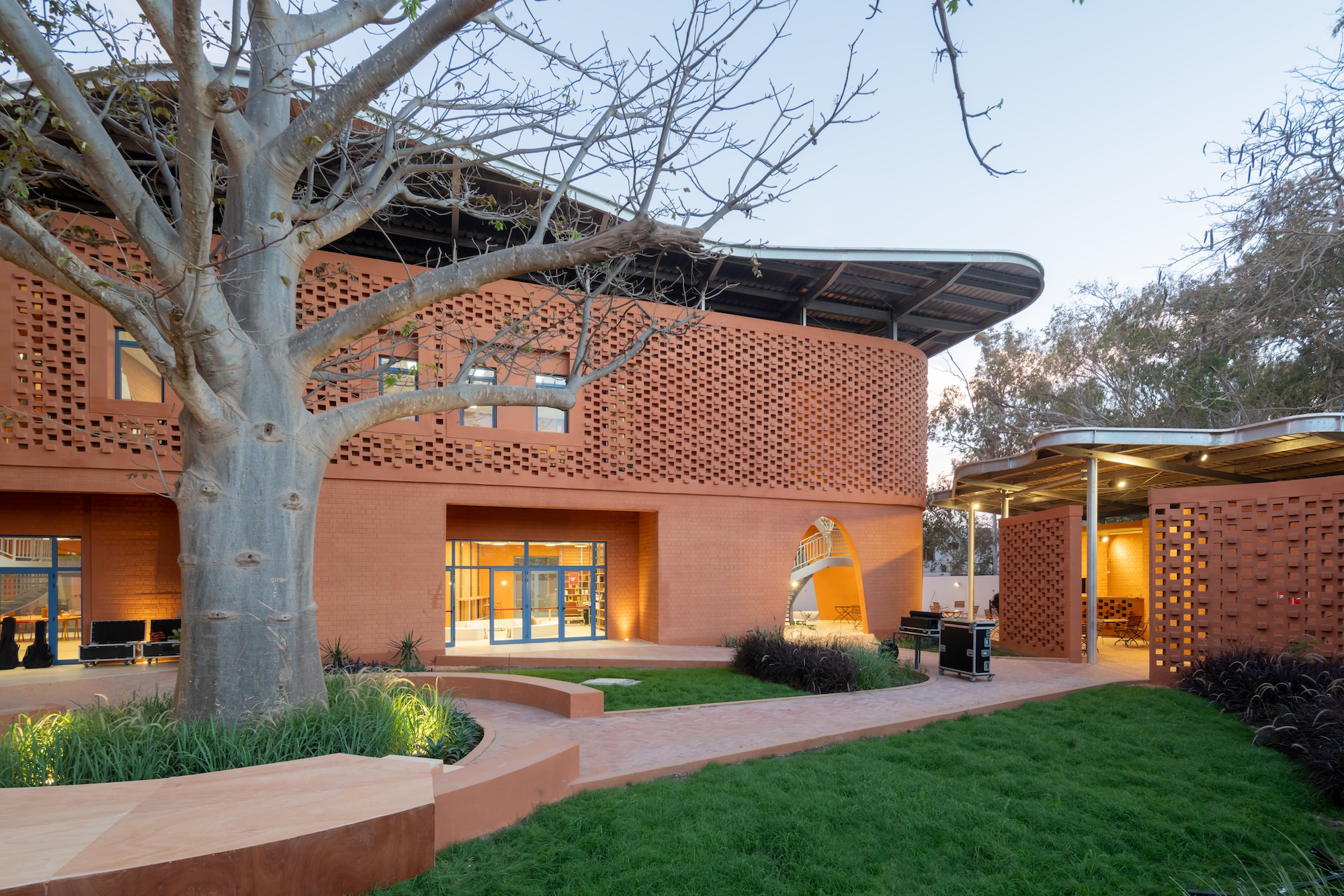
Photo © Iwan Baan
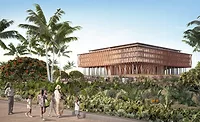
As noted in a press announcement, the decision to commission Kéré Architecture, led by Pritzker Prize–winning, Burkina Faso–born architect Diébédo Francis Kéré, for the organization’s inaugural ground-up location is reflective of Goethe-Institut Dakar’s “ambition to define what cultural exchange looks like in the 21st century.” Anchored by a ground-floor auditorium, library, and café with administrative offices and classrooms located above on a second level, the low-slung, garden-studded cultural hub will host exhibitions, small concerts, German language courses, and other gatherings.
Said Kéré in a statement: “My first building was a school. I have always understood that where people come to learn, they also come to meet, and where people meet is where culture is made. The Goethe-Institut exists to create spaces that facilitate meeting and learning across the world.”
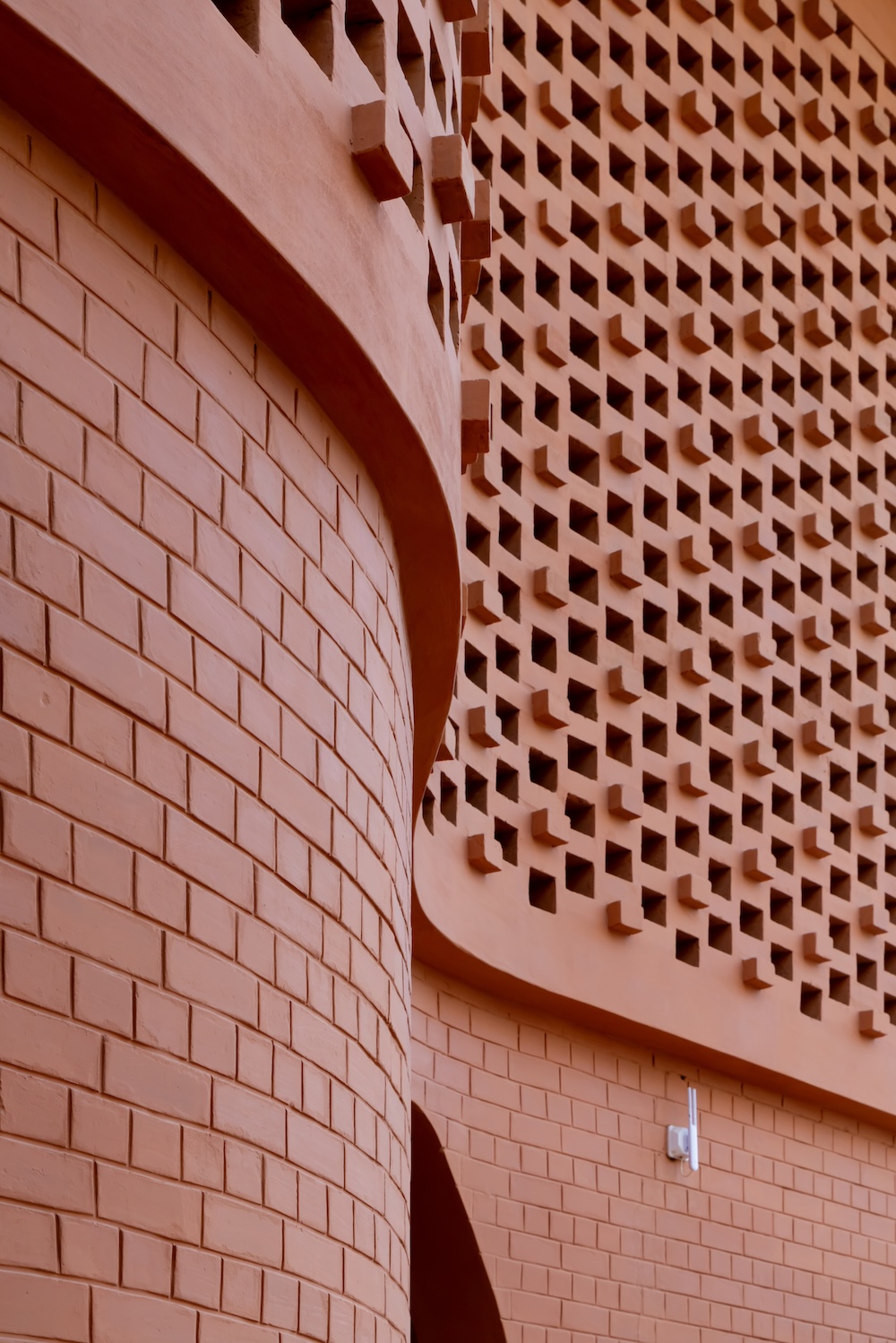
Photos © Iwan Baan
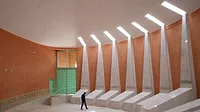
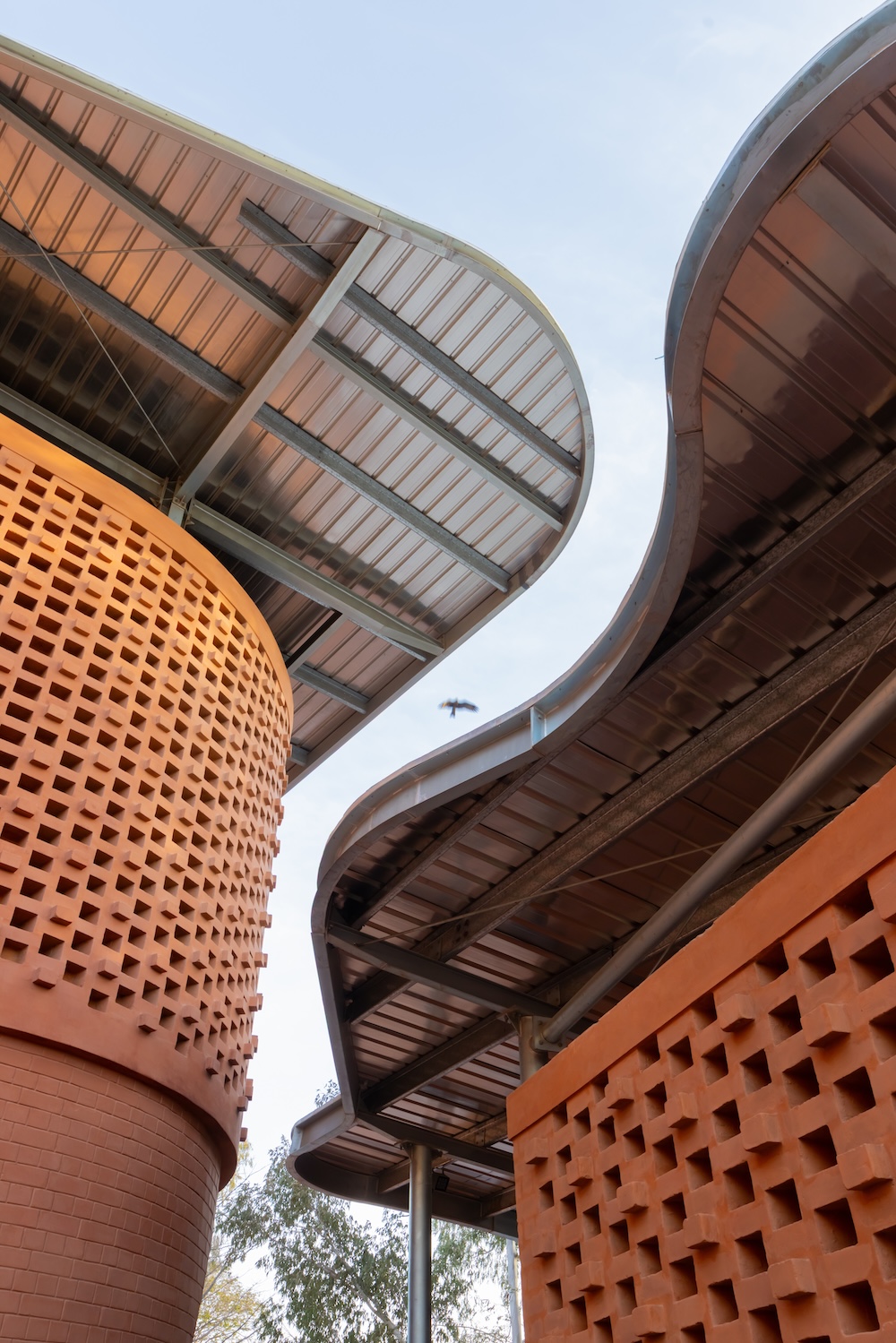
Constructed from locally sourced brick, the roughly 14,000-square-foot building is situated adjacent to a house-museum honoring Senegalese poet and statesman Léopold Sédar Senghor. Its curving, organic form echoes the canopy outline of the compact site’s existing trees while the massing “acts as a shield, protecting neighboring residents from noise while insulating visitors from street traffic.” A similarly curving canopy roof with integrated solar panels tops the structure, improving thermal performance and shielding the open interior from the elements. As elaborated in the announcement, the design of the institute “prioritizes a sustainable approach, making sure the building leaves a minimal footprint beyond the space it physically occupies.”
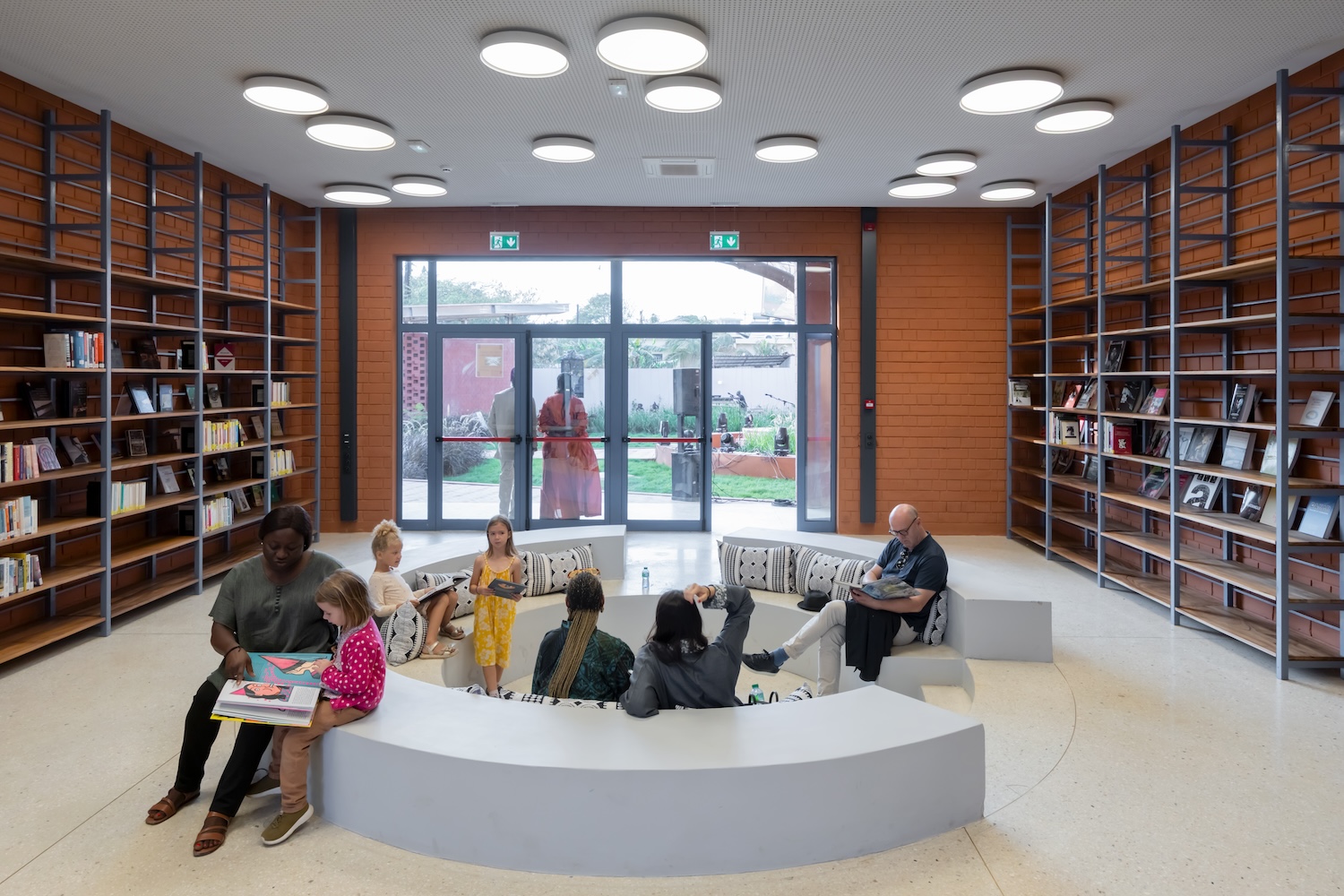
Photo © Iwan Baan
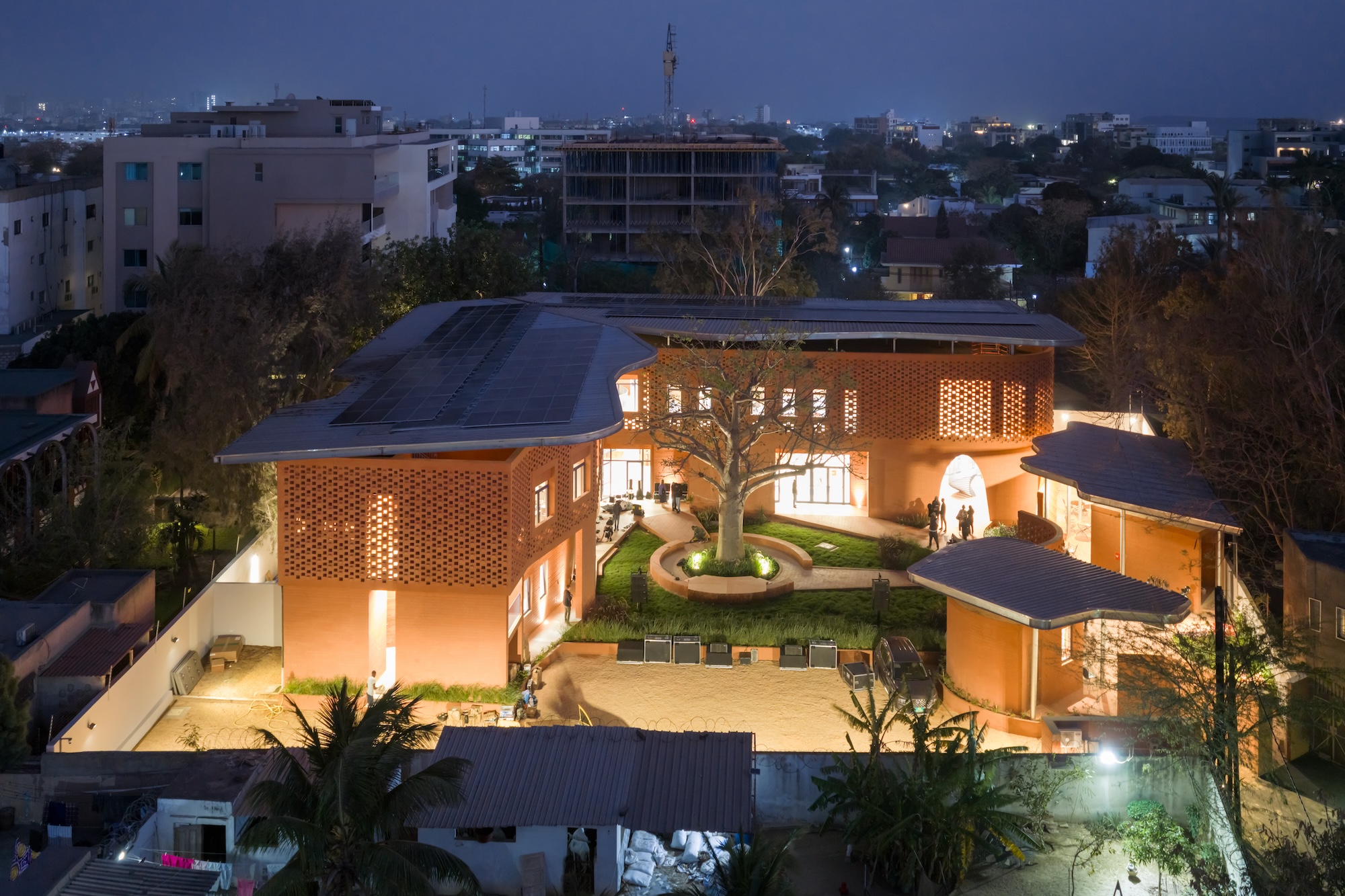
Photo © Iwan Baan
“In Dakar, one of the great cultural cities of the African continent, I wanted this building to be open and safe, rooted and flexible, and very much alive,” added Kéré.
The design phase of Goethe-Institut Dakar began in 2018, with construction commencing four years later in 2022. Among Kéré Architecture’s collaborators on the project was 2024 Design Vanguard firm Worofila, acting as architect of record.
Looking for quick answers on architecture and design topics?
Try Ask RECORD, our new smart AI search tool.
Ask RECORD →
Looking for a reprint of this article?
From high-res PDFs to custom plaques, order your copy today!