TenBerke Designs Mass-Timber Career Development and Leadership Hub for Smith College
Architects & Firms
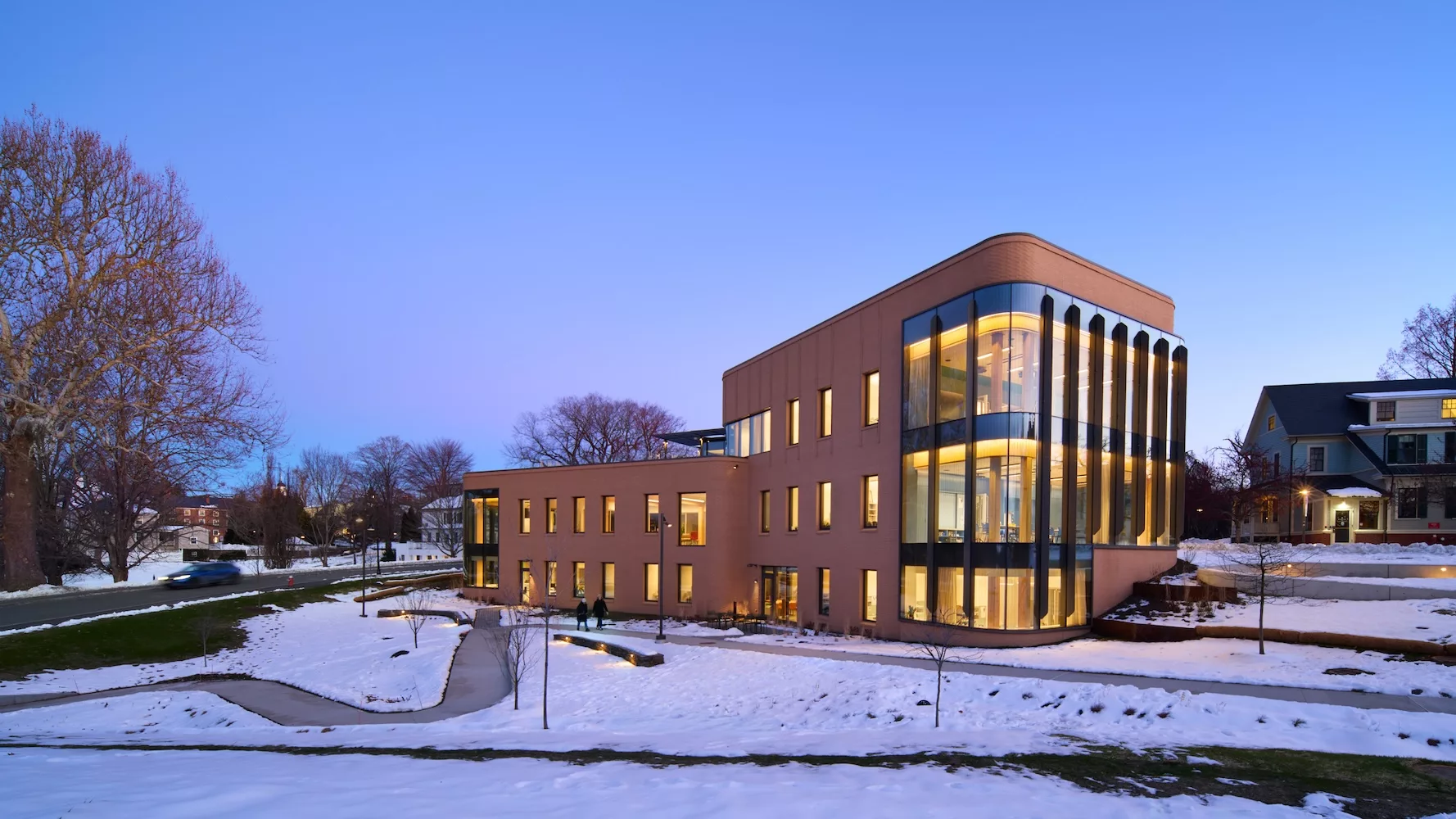
Last year, as part of the Construction Institute’s annual Women Who Build Summit, Smith College hosted a standing-room-only discussion on its expanding sustainability initiatives. Attendees in hard hats then toured Kathleen McCartney Hall, a 15,000-square-foot mass timber building that ties into the Northampton, Massachusetts school's campus-wide geothermal energy project. A photograph from the day captures the women-led architecture and construction team, including TenBerke, Consigli, and Thornton Tomasetti, assembled outside the center. Opened in fall 2025, the building now combines the Lazarus Center for Career Development and the Wurtele Center for Collaborative Leadership, two programs critical for fostering Smith students’ current and future ambitions, under one roof.
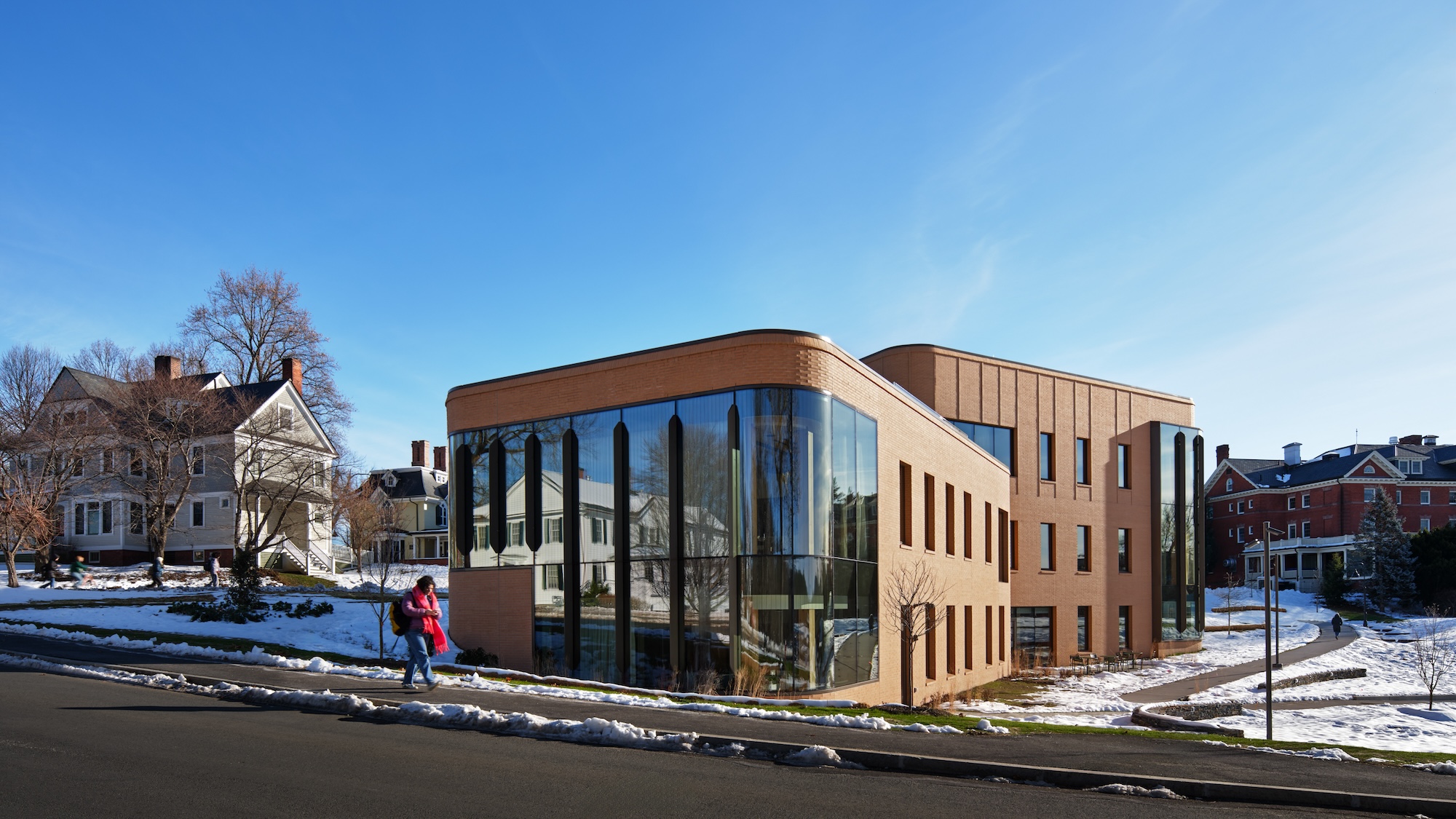
Photo © Chris Cooper
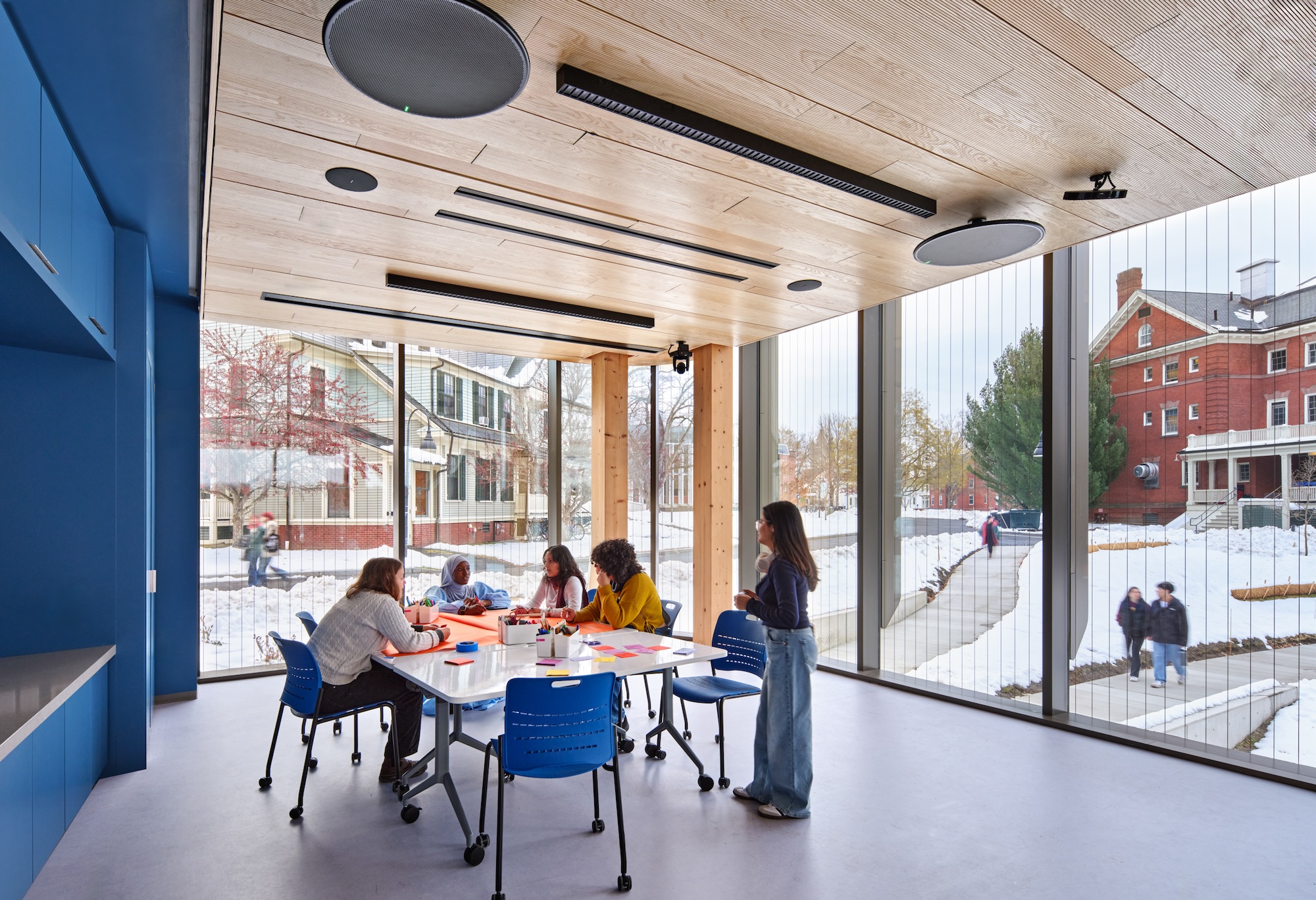
Photo © Chris Cooper
Smith’s pedagogy remains at the core of the project’s architecture. “The idea of putting career development and collaborative leadership under one roof was to help students find their voice and articulate their leadership skills in the realm of career preparedness,” says TenBerke senior principal Arthi Krishnamoorthy, who led the project. The two centers, previously housed in separate buildings, now teach students, “You don’t need positional power to lead,” Krishnamoorthy says. “Even personally, I found that idea meaningful.”
Getting career advice or seeking mentorship can be intimidating, so the architects worked to reduce both physical and psychological barriers to entry. The landscape surrounding the building eliminates formal thresholds. Set on a steeply sloping site overlooking Paradise Pond, the center replaces a parking lot with gently graded paths and terraces that extend the campus circulation system across the site. TenBerke collaborated with project landscape architect MNLA, which also developed Smith’s 20-year Campus Landscape Masterplan. No path exceeds a five-percent slope, allowing universal access while transforming the approach into a gradual, exploratory experience.
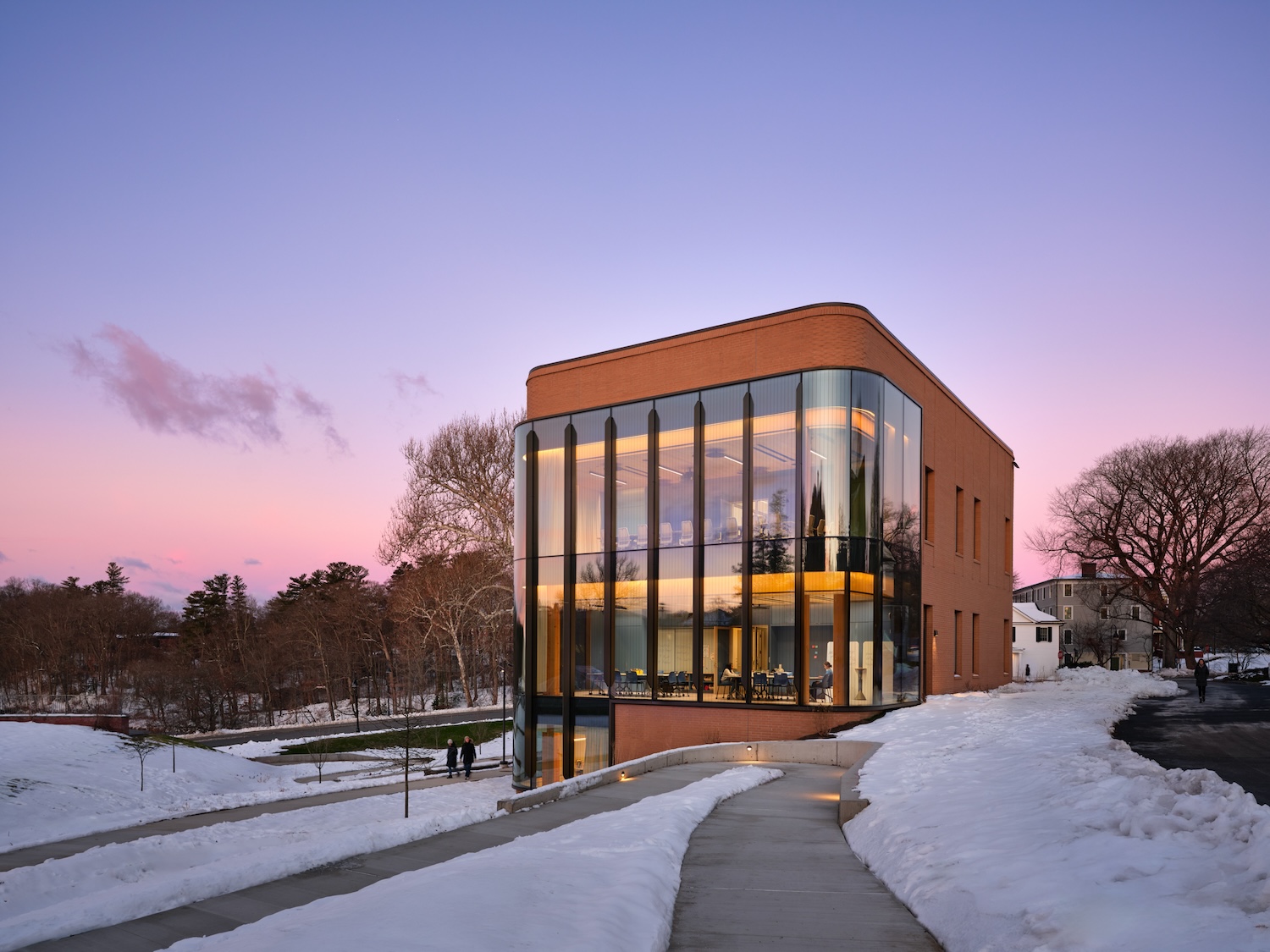
Photo © Chris Cooper
“Because the building is experienced in the round, we wanted it to feel nestled in the landscape and soft as you move around it,” Krishnamoorthy says. Curved glass and exterior fins were developed through daylight and glare studies to support interior comfort, while fritted glazing protects birds. Maturing trees will provide additional shade over time. The building’s brick facade, a nod to traditional buildings on campus, is detailed with a one-third Flemish bond developed with the project mason to continue its curved lines at the corners.
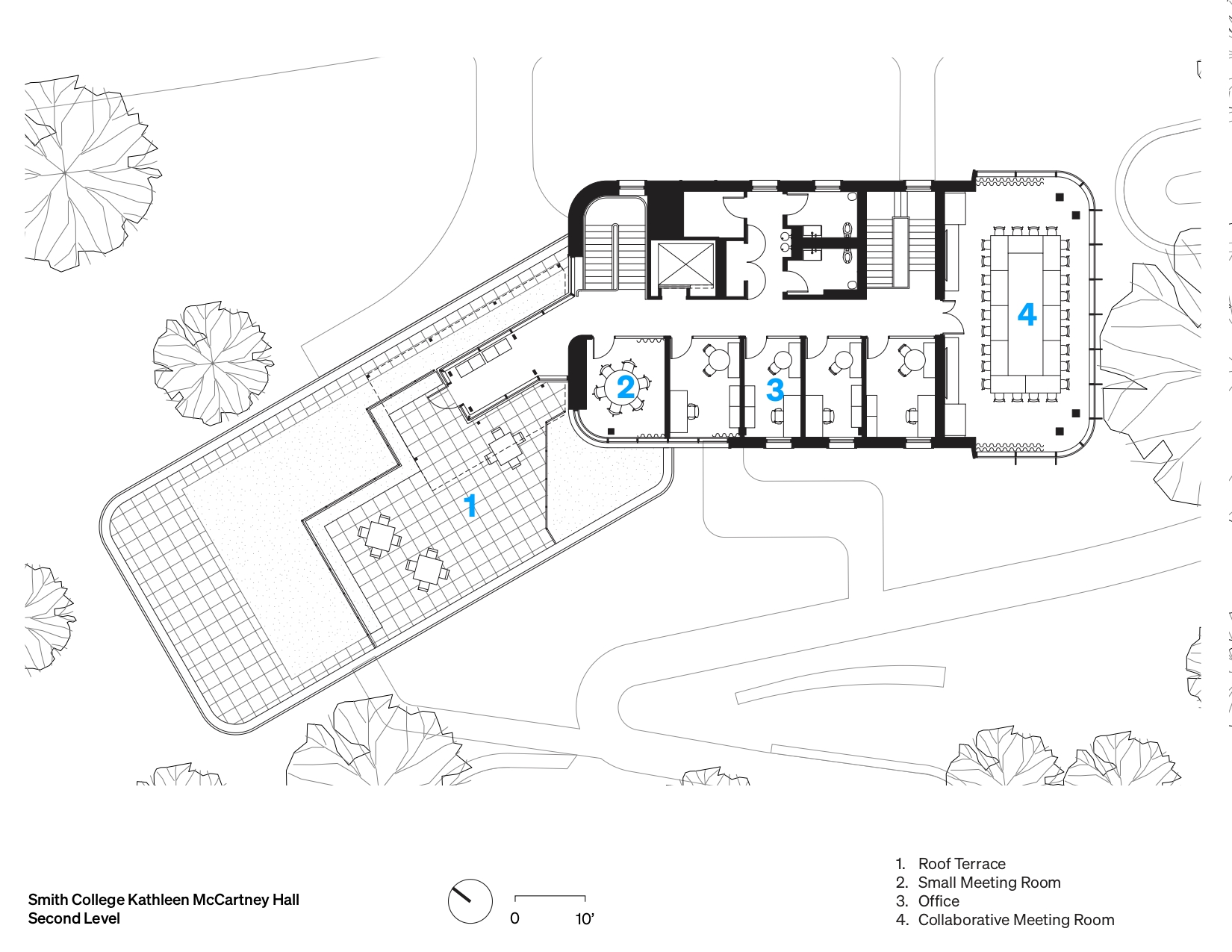
The architects placed collaborative workspaces around the building’s perimeter. From the outside, passersby see peers engaged with one another, a strategy intended to encourage participation.
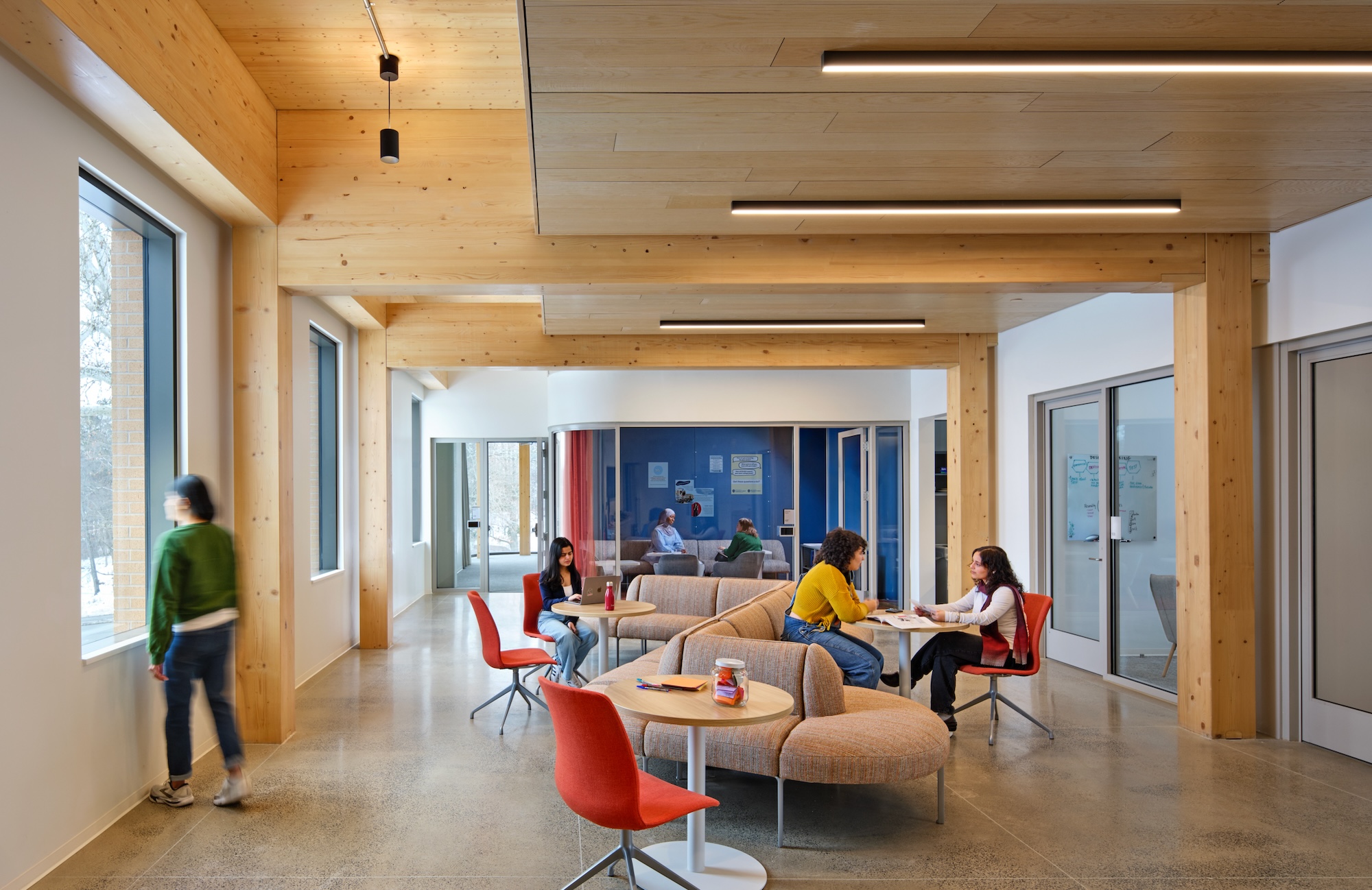
Photo © Chris Cooper
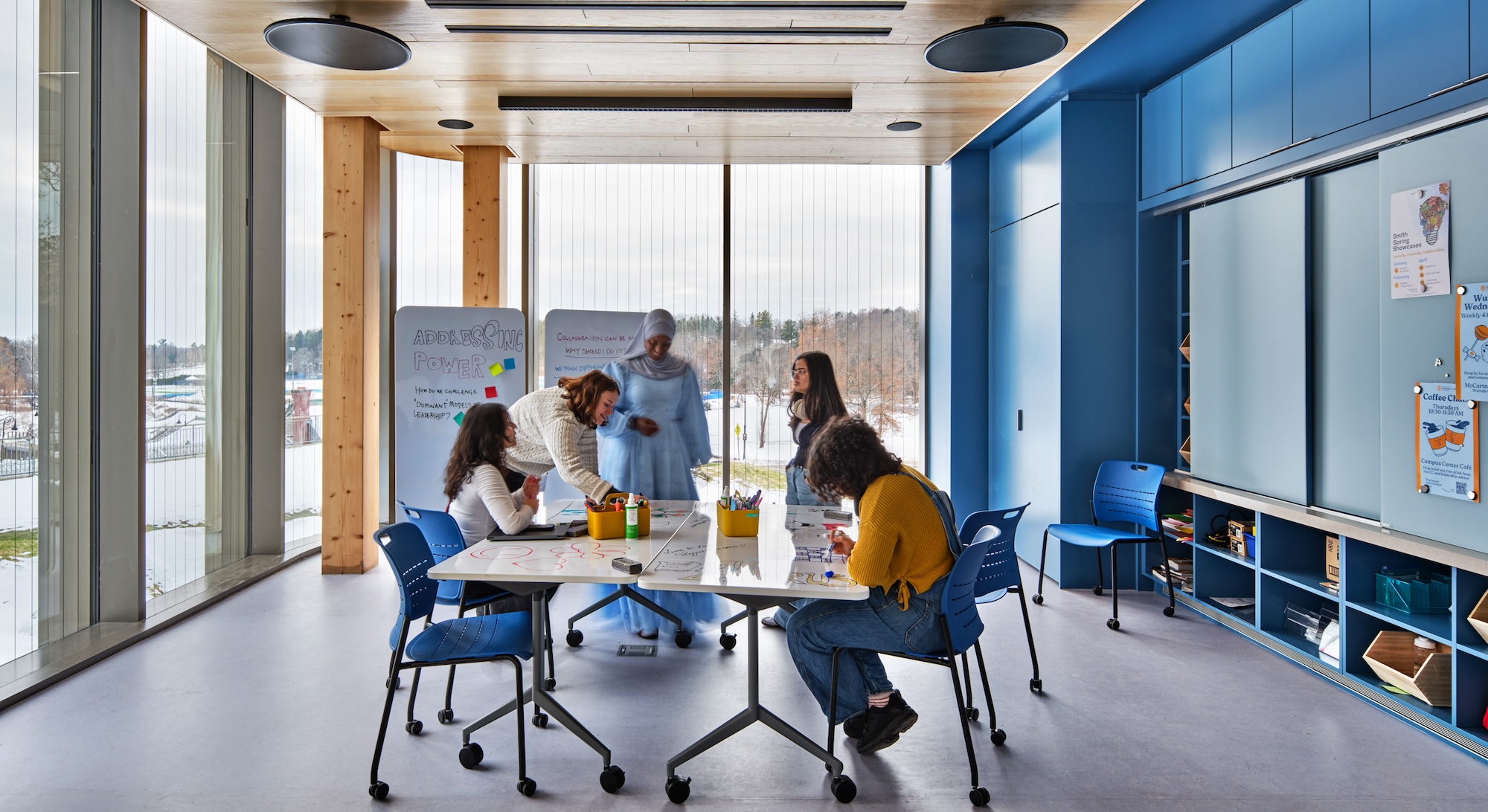
Photo © Chris Cooper
The entry level is anchored by a peer advising area, where students can speak informally with trained classmates in an open space or in a glazed room with optional curtains, before engaging staff. Flexible workshop rooms allow students to rearrange furniture or use tabletop whiteboards for impromptu creativity. In addition to bringing warmth to the interiors, the exposed structure of mass timber enables an open-floor plan. It will also allow various spaces to be repurposed for decades to come, an important consideration for a campus adapting to evolving needs.
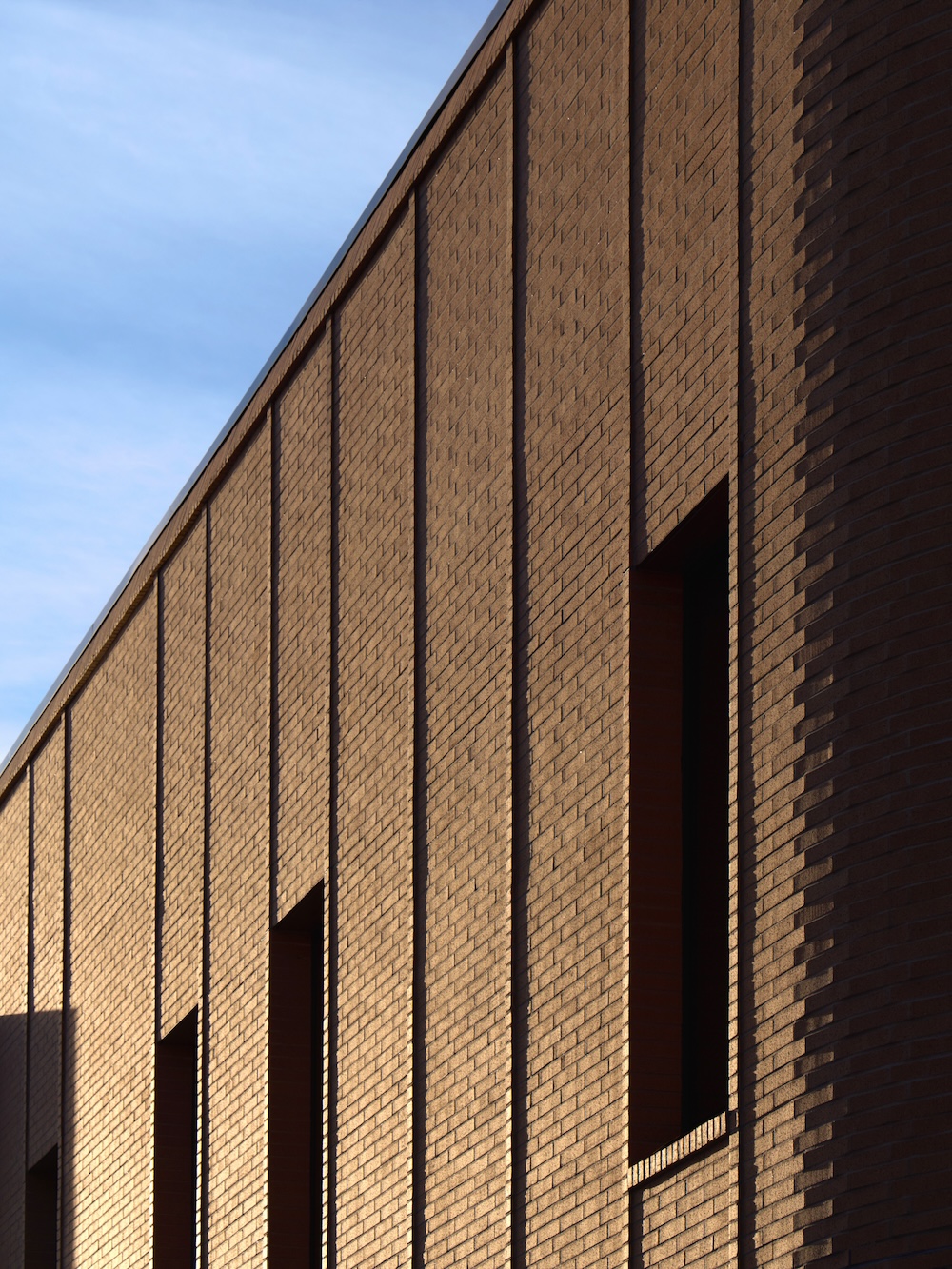
Photo © Chris Cooper
At the building’s center, the stair and elevator are paired to simplify wayfinding and ensure users of both arrive at the same place together. The largest workshop room accommodates more than 75 people and is visible from the admissions building across College Lane, offering prospective students a glimpse of the school’s supportive career development culture.
Looking for quick answers on architecture and design topics?
Try Ask RECORD, our new smart AI search tool.
Ask RECORD →
That emphasis on belonging extends beyond the building envelope. A roof terrace planted with native species and ground-level outdoor rooms create multiple vantage points overlooking the pond, while the geothermal system and stormwater strategies tie the project into Smith’s broader environmental agenda. The college is on track to become carbon neutral by 2030.
During her decade-long tenure, president emeritus Kathleen McCartney worked with trustees to launch the college’s ambitious geothermal initiative, which will replace its fossil-fuel-fired steam system and reduce carbon emissions by 80 percent. Together with the new center that bears her name, the project signals what collective action can achieve. Students, in turn, have made the building their own—gathering there and, in the ultimate sign of adoration, calling it “K-Mac,” the same nickname they bestowed on McCartney during her influential presidency.
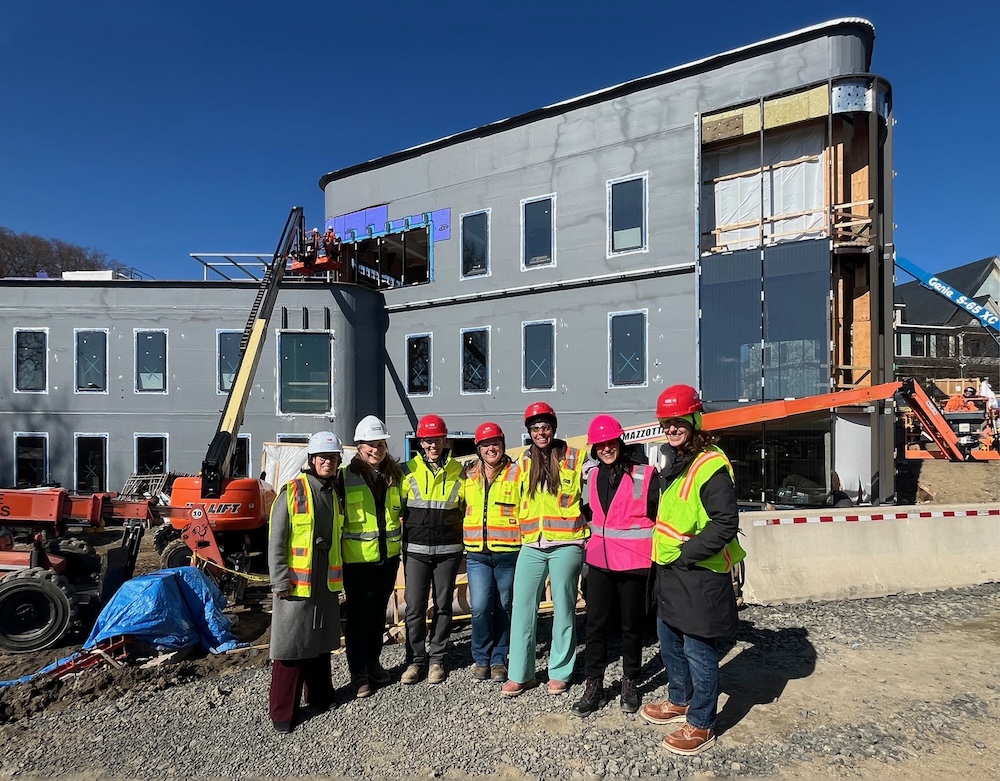
Photo courtesy TenBerke
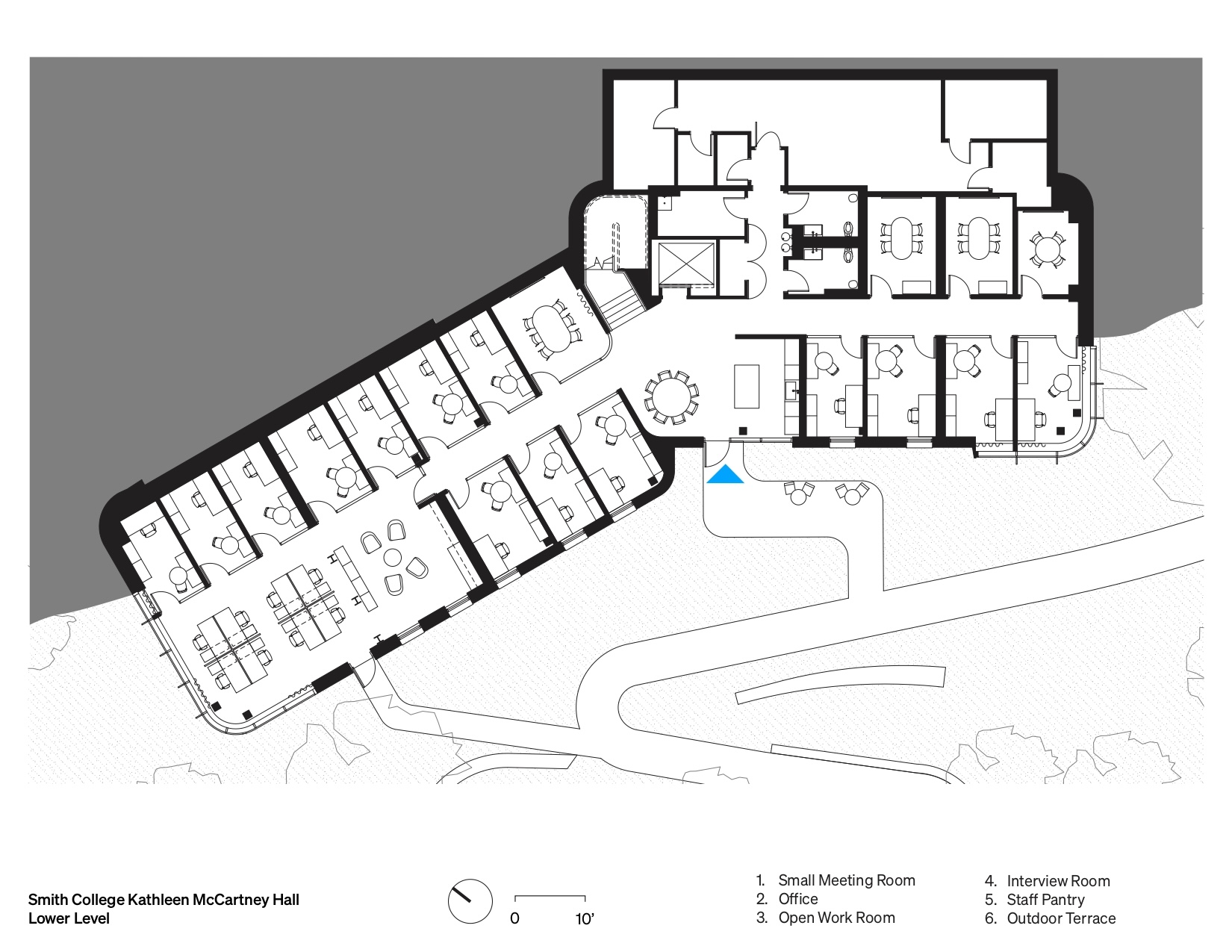
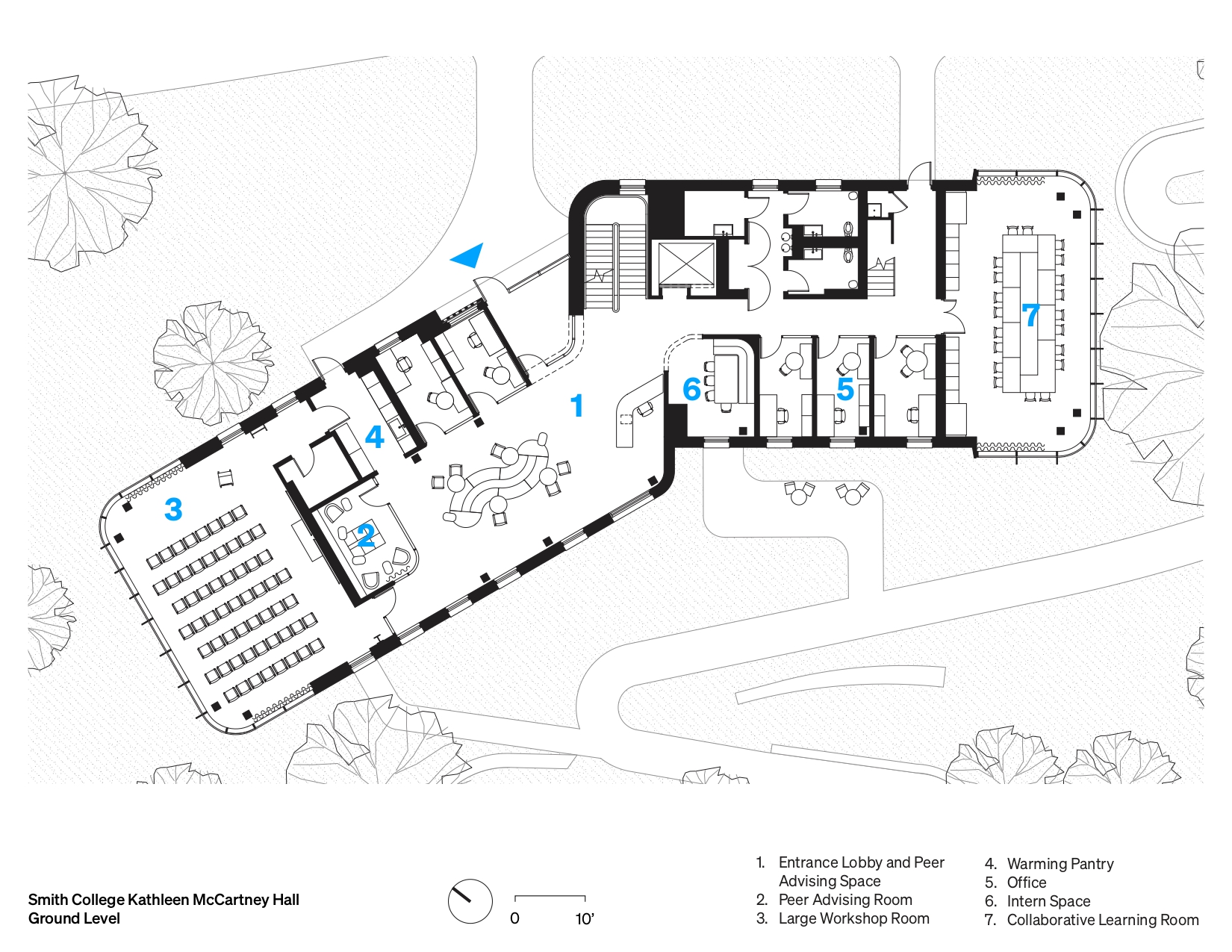
Images courtesy TenBerke
Looking for a reprint of this article?
From high-res PDFs to custom plaques, order your copy today!
.webp?height=200&t=1780070751&width=200 "KRESA by DLR")