World Monuments Fund Reveals Irreplaceable America List
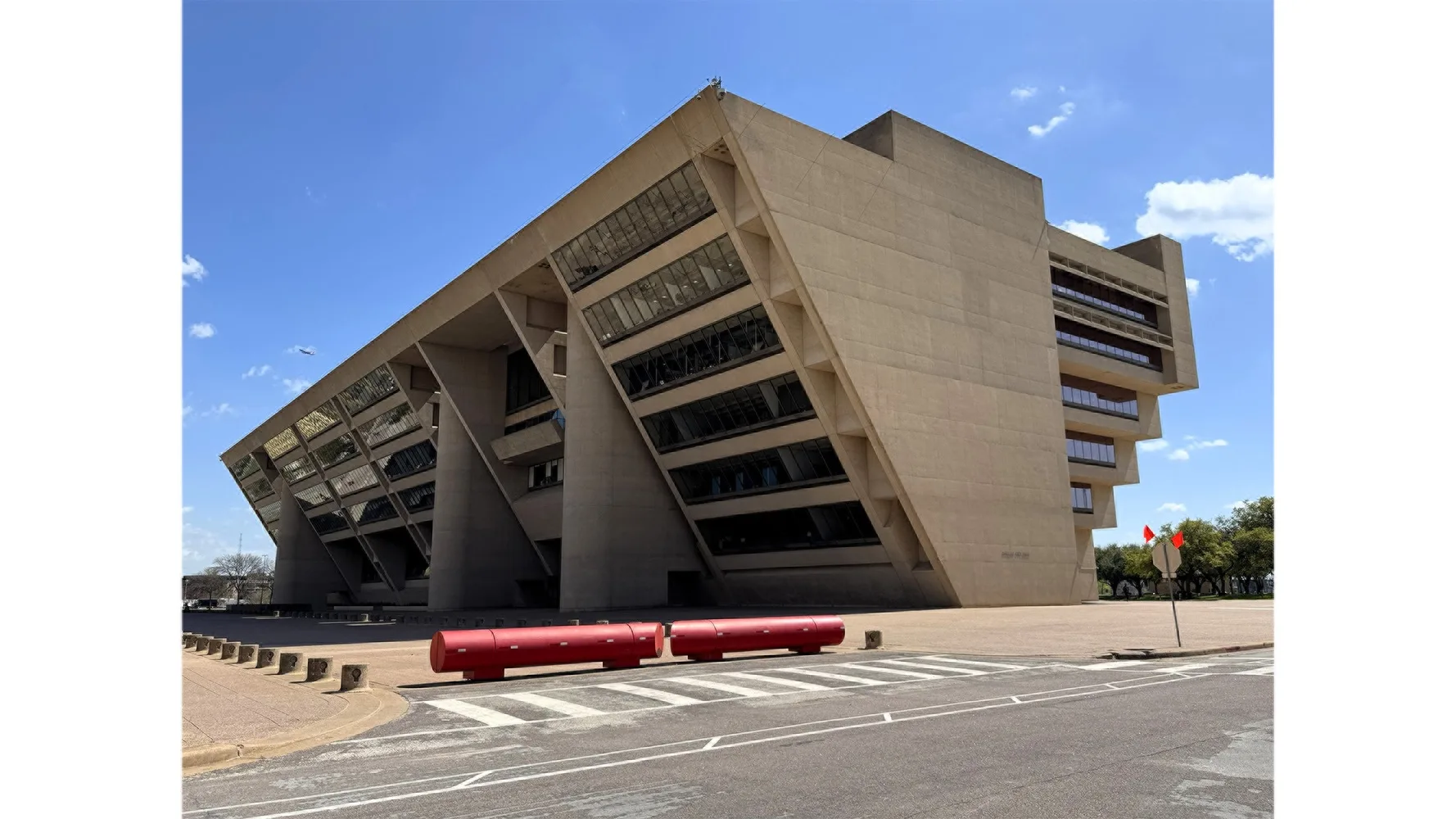
Dallas City Hall (1978) by I.M. Pei.
Just ahead of the 250th anniversary of the adoption of the Declaration of Independence, cultural heritage preservation nonprofit World Monuments Fund (WMF) has revealed its first Irreplaceable America list. The new awareness-raising program recognizes 10 individual places across the United States whose “preservation is essential to the richness and complexity of American history.” Included are houses of worship, towering works of folk art, and an I.M. Pei–designed civic landmark from the late 1970s that’s garnered recent headlines due to the looming threat of demolition.
While based in New York, WMF is best known for its global advocacy efforts through programs like the biennial Watch list and the World Monument Fund/Knoll Modernism Prize, which earlier this year was awarded to the restoration of the United Nations’ Africa Hall in Addis Adaba, Ethiopia. Since its inception in 1965, WMF has worked to protect more than 700 sites in 112 countries. It’s unclear if the Irreplaceable America List will continue beyond this year with some regularity or is a one-off tied to the semiquincentennial.
“After decades of work, WMF has seen what communities gain when they can protect the places that matter and what is lost when they cannot,” said the organization’s president and CEO, Bénédicte de Montlaur, in a statement. “As the nation approaches its 250th anniversary, Irreplaceable America is a call to protect the places that reflect the richness of that history, and the role heritage plays in education, community memory, and civic life.”
WMF received 75 nominations for at-risk sites for potential inclusion on the Irreplaceable America list; these nominations were then reviewed by an independent panel that included Charles A. Birnbaum, president and CEO of The Cultural Landscape Foundation; Charles L. Davis II, associate professor of Architectural History and Criticism and program director of the architecture PhD program at the University of Texas at Austin; author and architecture critic Paul Goldberger; Anthea M. Hartig, Elizabeth MacMillan Director of the Smithsonian’s National Museum of American History; Frank Sanchis, retired regional director for North America at WMF; and Francisco Uviña Contreras, professor of Architecture and Planning and director of the historic preservation and regionalism graduate certificate program at the University of New Mexico. Each nomination was assessed based on “cultural significance, urgency of conservation needs, and the potential community benefit of preservation.” In addition to the 10 places spotlighted in the Irreplaceable America list, the panel has also recognized the National Park Service with a special designation for its role in “shaping preservation standards and stewarding more than 430 sites across the United States.”
Below is the full Irreplaceable America list, with brief descriptions detailing their cultural significance—and the threats that they face—provided by WMF.
New York's Smallpox Hospital Ruin | Roosevelt Island, New York
The first U.S. facility built to treat epidemic disease, this nineteenth-century smallpox hospital, designed by architect James Renwick Jr., remains a rare landmark in the history of medicine. After decades of neglect, the structure is dangerously unstable and at immediate risk of collapse without urgent stabilization.
Looking for quick answers on architecture and design topics?
Try Ask RECORD, our new smart AI search tool.
Ask RECORD →
Bartram’s Garden | Philadelphia
The oldest surviving botanical garden in the United States, Bartram's Garden helped shape American natural history and global plant exchange. Today, climate pressures, encroaching development, and a projected tripling in visitation threaten this irreplaceable cultural landscape.
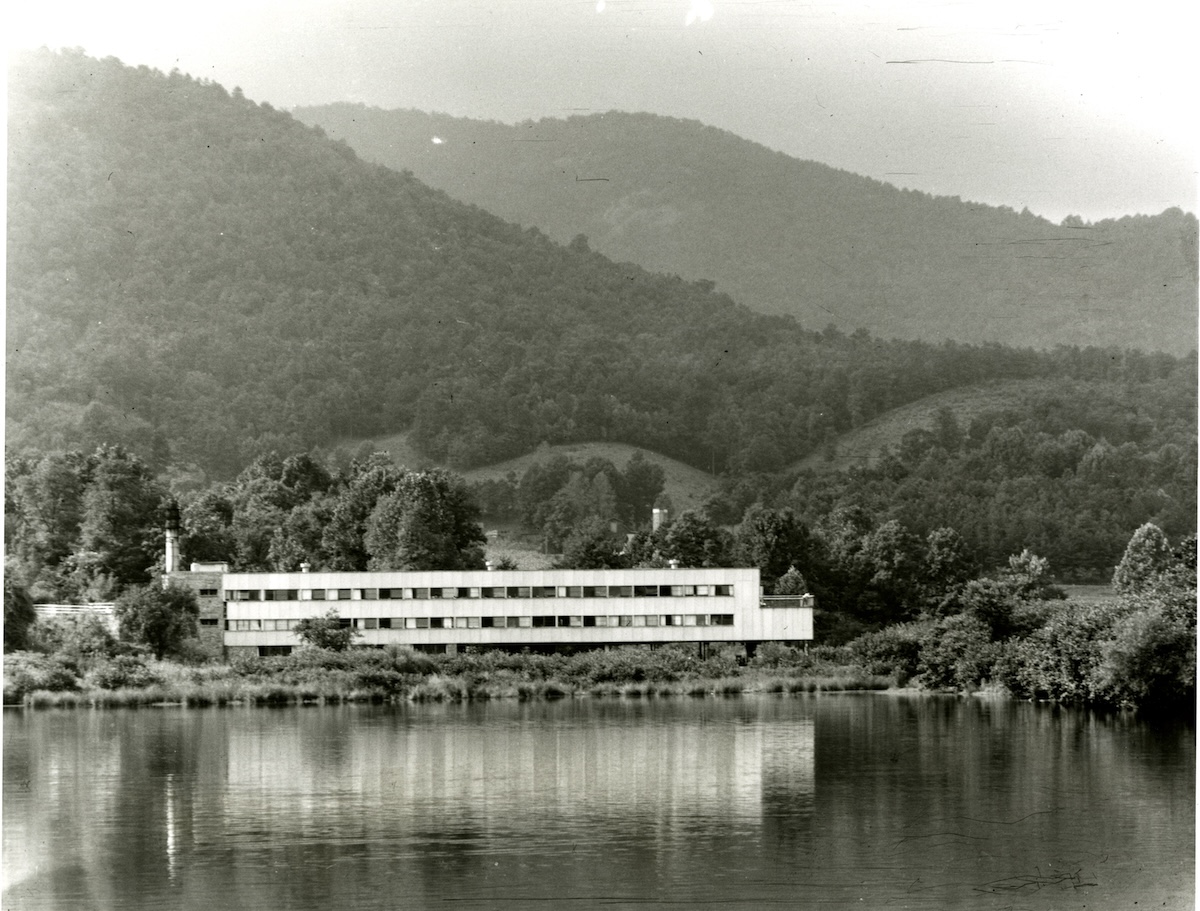
Studies Building at Black Mountain College. Photo courtesy State Archives of North Carolina
Black Mountain College Studies Building | North Carolina
At the heart of Black Mountain College, this building represents one of the most influential experiments in American art and education. Severe deterioration, water infiltration, and climate-related damage now threaten its survival.
Boston African Meeting House
The oldest surviving Black church in the United States, Boston African Meeting House helped anchor the early abolitionist movement. Now funding gaps put this irreplaceable civil rights landmark at risk when preservation is most urgent.
City of New Orleans
Shaped by Indigenous, African, European, and Caribbean influences, the historic neighborhoods of New Orleans form one of America’s most distinctive cultural landscapes. Rising seas, land loss, and mass population relocation now threaten that heritage.
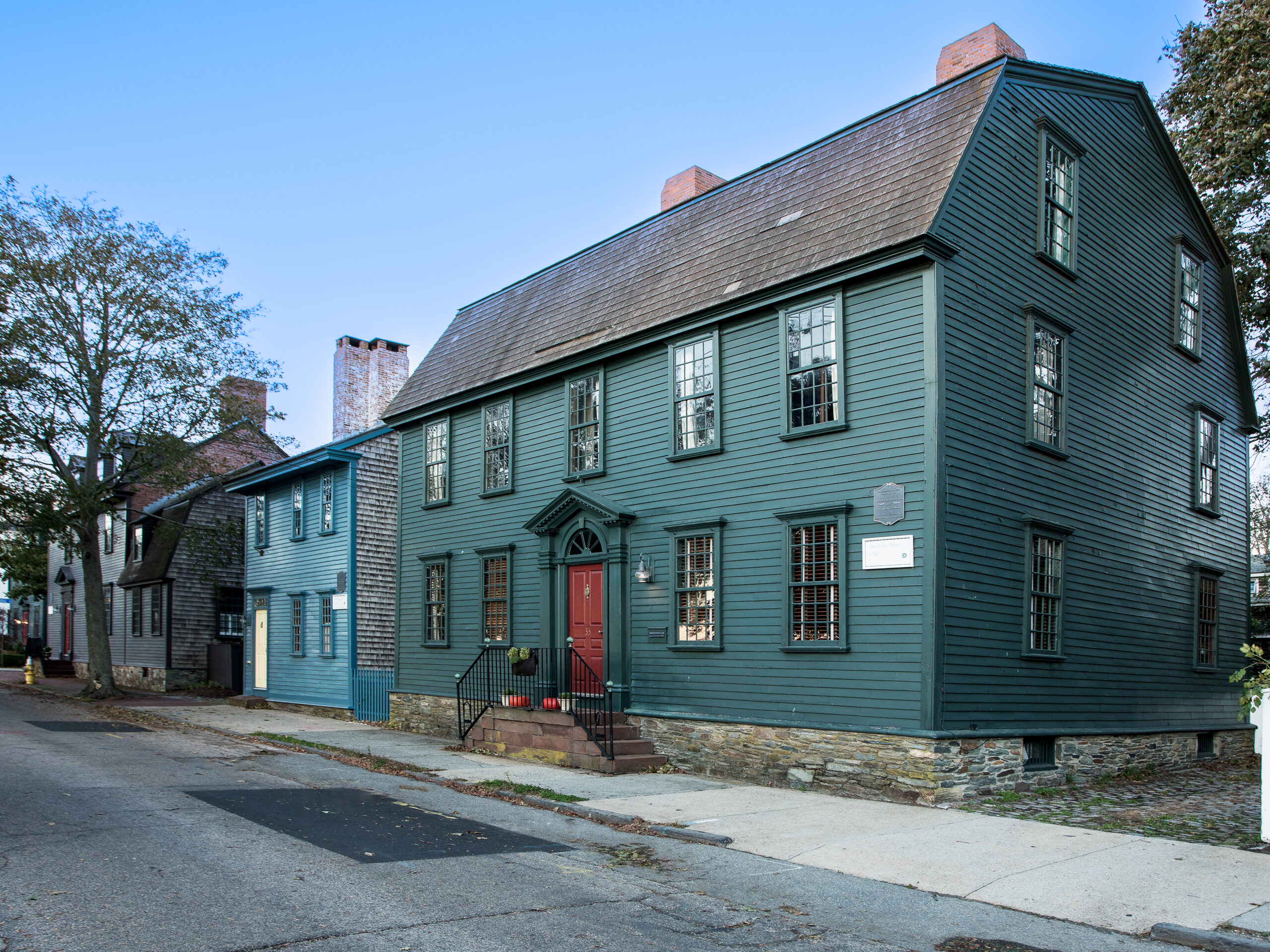
A colonial home in Newport, Rhode Island. Photo courtesy the Newport Restoration Foundation
Colonial Homes of Newport | Rhode Island
Newport’s extraordinary concentration of colonial-era architecture survives as a living neighborhood, not a museum. Now rising seas and accelerating climate threats put a significant share of this historic fabric at risk, demanding urgent action to protect it.
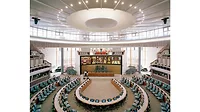
Dallas City Hall
Designed by I. M. Pei, Dallas City Hall is one of the most significant works of civic architecture and modernism in America. Now pressure from private developers and inflated rehabilitation estimates create an immediate risk of abandonment or demolition.
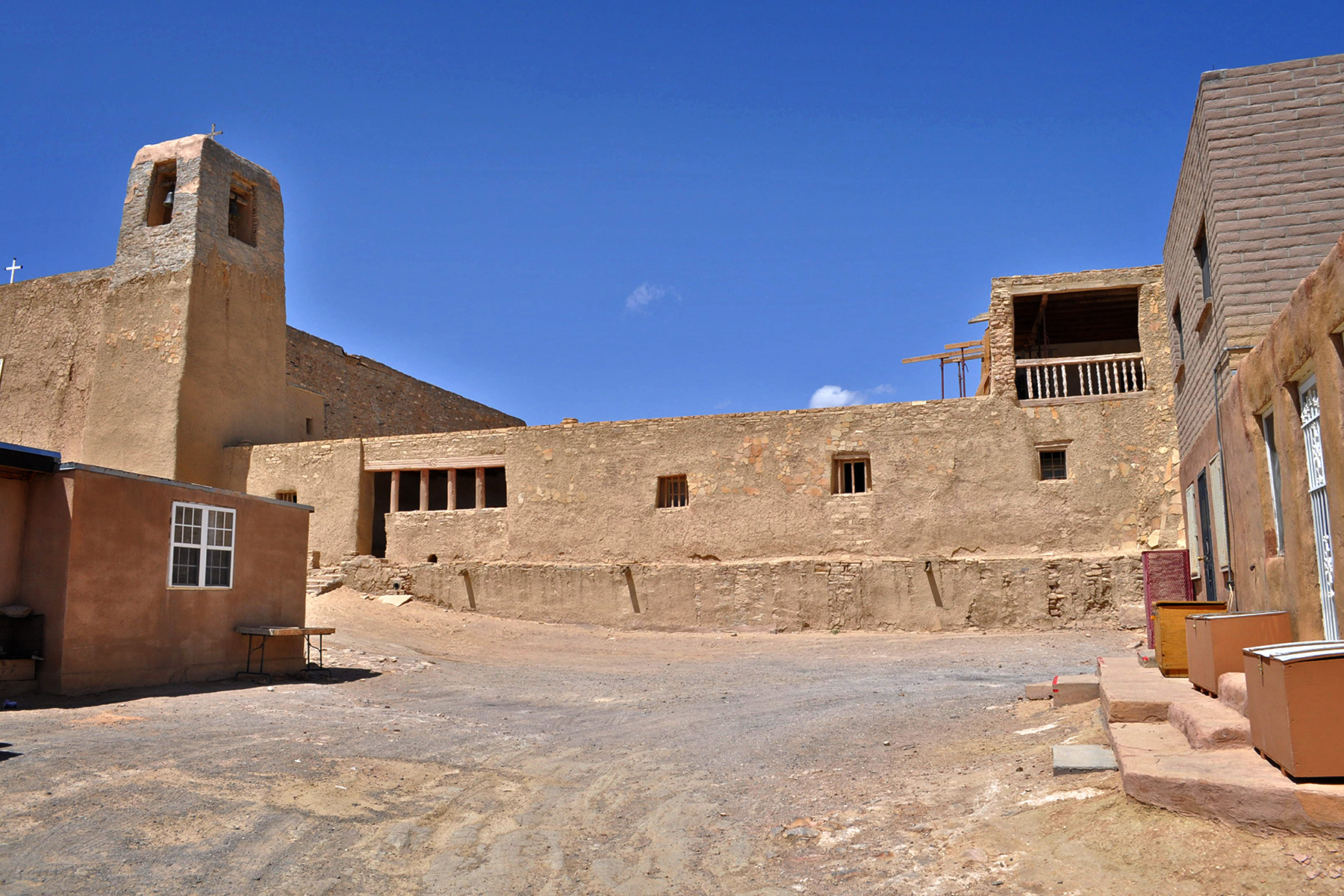
San Esteban Convento, New Mexico. Photo by Jon Buono, courtesy WMF
Mission Churches of Acoma and Laguna Pueblos | New Mexico
Built by Indigenous communities and still active today, these Pueblo-Franciscan mission churches remain vital centers of spiritual and cultural life. Funding shortfalls and the loss of traditional building knowledge now put them at risk.
Watts Towers | Los Angeles
Italian immigrant Simon Rodia spent more than three decades building these soaring sculptures by hand, producing one of the most singular works of folk art in American history. Now environmental stress, seismic risk, and dwindling resources threaten their stability.
Wright Brothers Sites | Dayton, Ohio
In the workshops and fields of Dayton, Wilbur and Orville Wright developed the technology that made powered flight possible. Now years of deferred investment and limited resources threaten their long-term preservation and public interpretation.
Looking for a reprint of this article?
From high-res PDFs to custom plaques, order your copy today!