Brick Award 2026 Winners Honored in Vienna
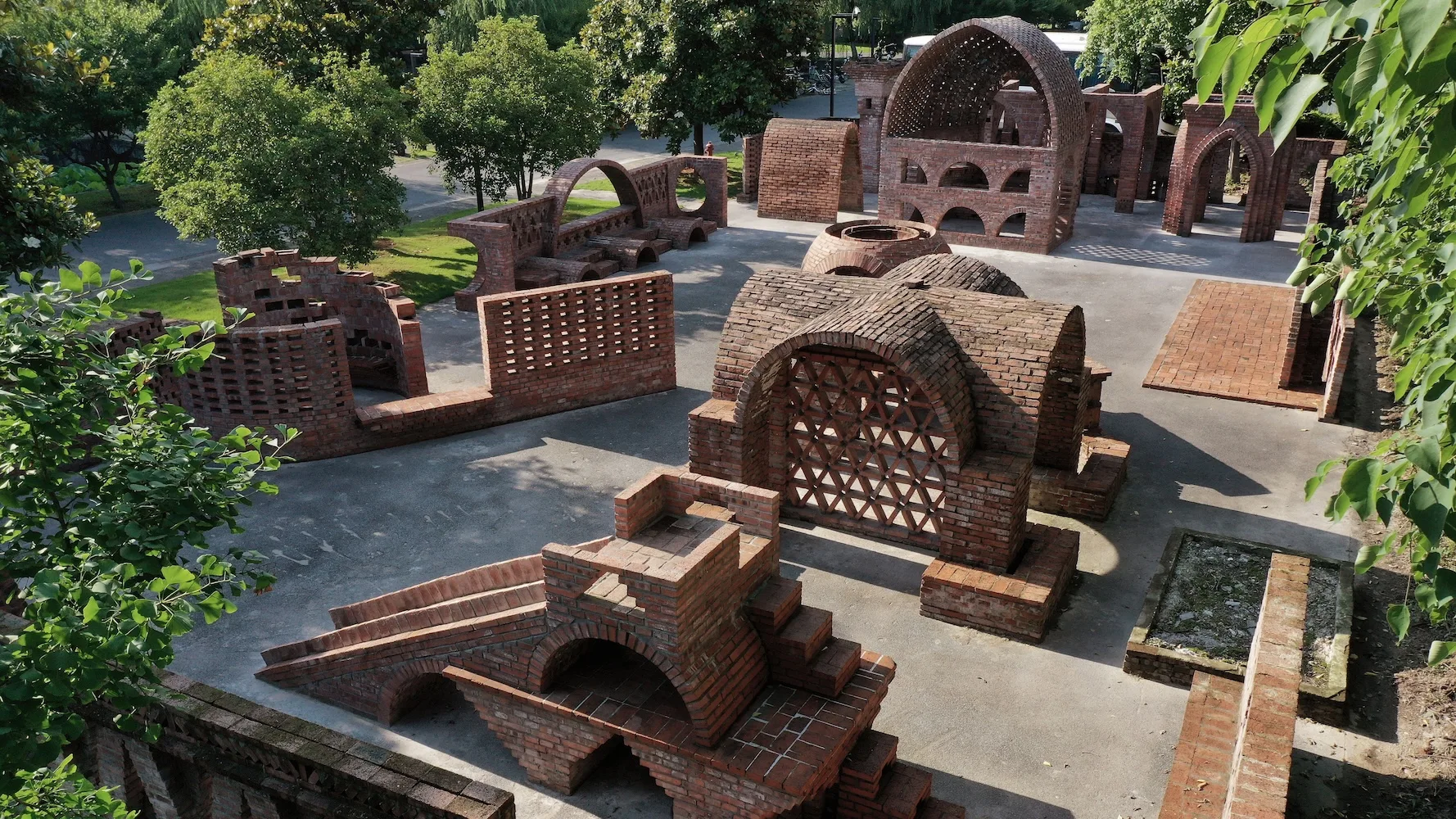
The awards program, hosted by Austria-based manufacturer Weinerberger, highlights exemplary brick projects, like the Endless Brick Playground, in Hangzhou, China.
Last month, architects and designers from around the globe flocked to Vienna’s 19th-century Marx-Halle for the 2026 Brick Award, the internationally renowned biennial prize that honors outstanding buildings constructed of the title material. This year marked the competition’s 12th cycle since its founding in 2004 by Weinerberger, the world’s largest producer of brick.
Six winners—one each in five different categories plus a special commendation—were announced, all chosen by a jury from a short list of 50 projects that were also exhibited during the award ceremony. (Of the 21 countries represented, Spain, Belgium, Mexico, and the Netherlands fared best.) Award categories included “Feeling at Home” for single-family houses and small projects; “Living Together” for residential developments in urban contexts; “Working Together” for commercial and industrial buildings; “Sharing Public Spaces” for communal architecture; and “Building Outside the Box” for inventive use of the material. Gabriella Carrillo of Colectivo C733, Jens Linnet of BOGL, and Traudy Pelzel of MAP Studio, among others, served as jurors.
“Even after more than 30 years working in this industry, I continue to be inspired by the incredible innovation taking the application of brick and ceramic materials to new heights,” said Wienerberger CEO Heimo Scheuch. The honorees, he continued, “show the versatility of these timeless materials to address the most pressing needs of climate change and modern living while creating a sense of wonder and beauty for the users of the buildings they create.”
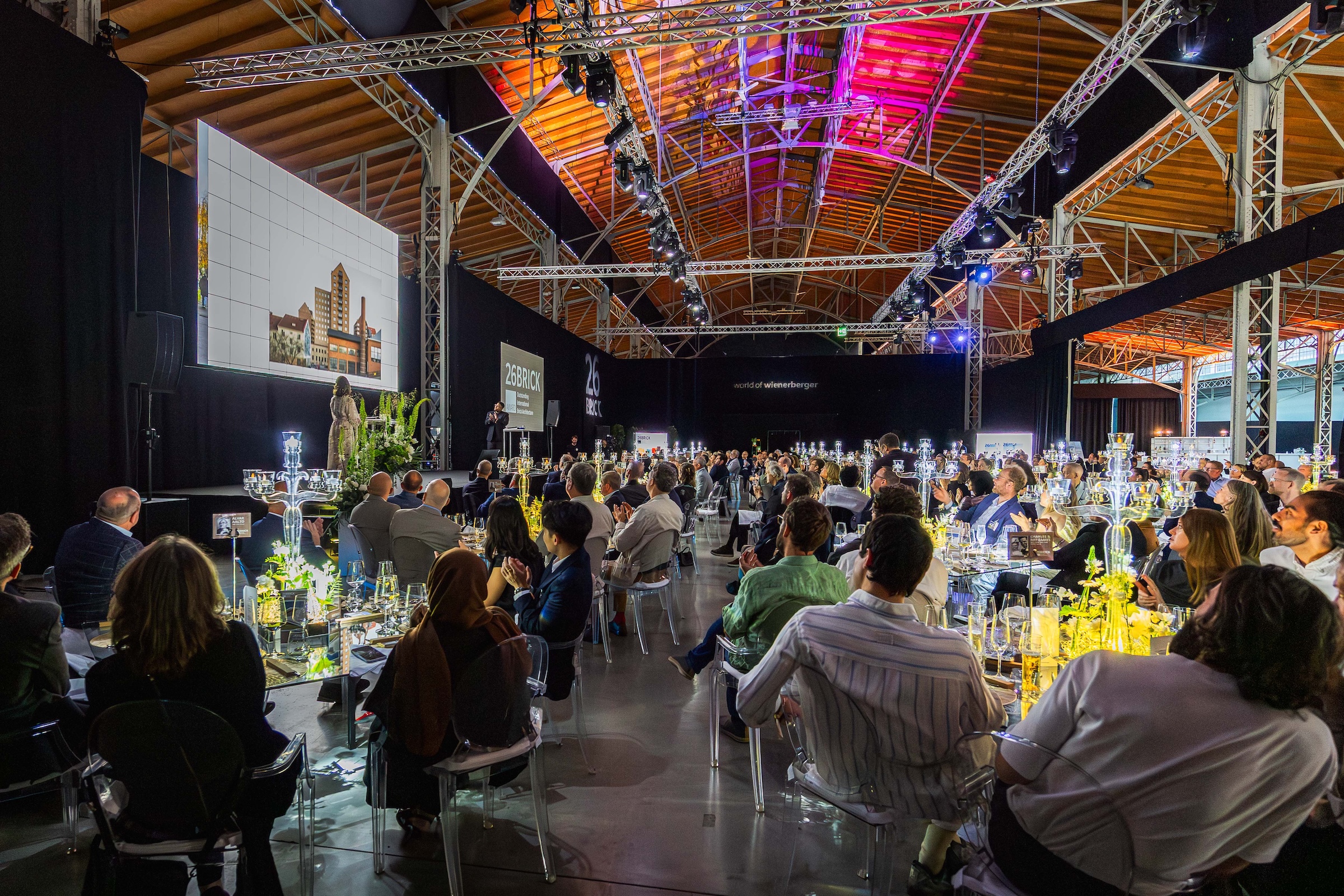
The 2026 Brick Award ceremony was hosted in Vienna. Photo © Daniel Hinterramskogle
Several Design Vanguards were among this year’s nominees, including Studio RAP (2024) for its robotically produced ceramic facade that emulates brick; Erbar Mattes (2022) for its masonry intervention at a protected 19th-century building in the Regent’s Canal Conservation Area of London; and Atelier Ars (2015), which won in the “Working Together” category for its La Hacienda Jalisco, a saw-toothed tequila distillery that elegantly combines rosy brick, gray stone, and paprika-colored steel into a series of piers, buttresses, and vaults. The sole nominee from the United States was KPF’s 64 University Place, a terraced housing project in New York City faced in stepped arches of hand-laid brick.
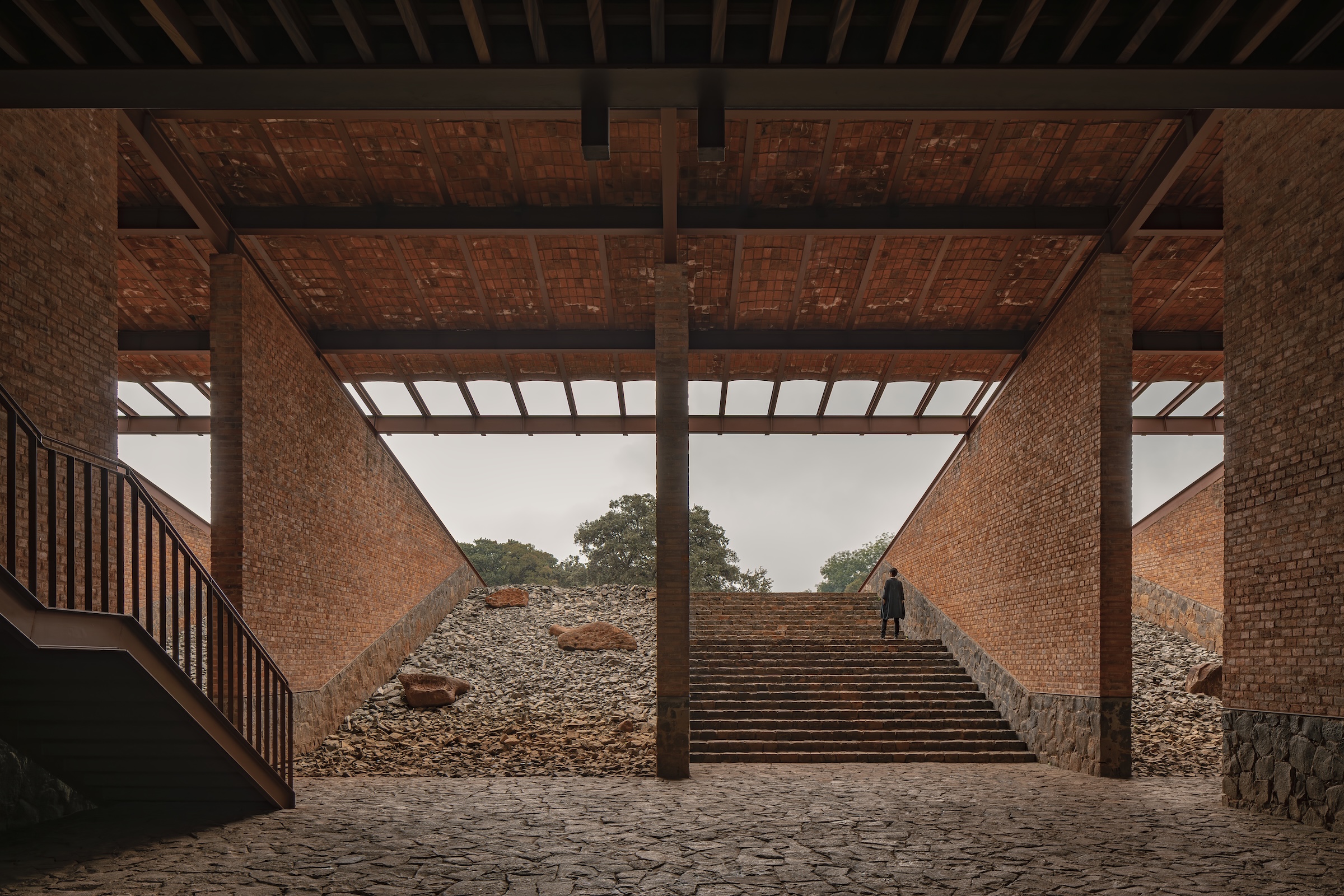
La Hacienda Jalisco, designed by Atelier Ars, won the “Working Together” category. Photo © Cesar Bejar .
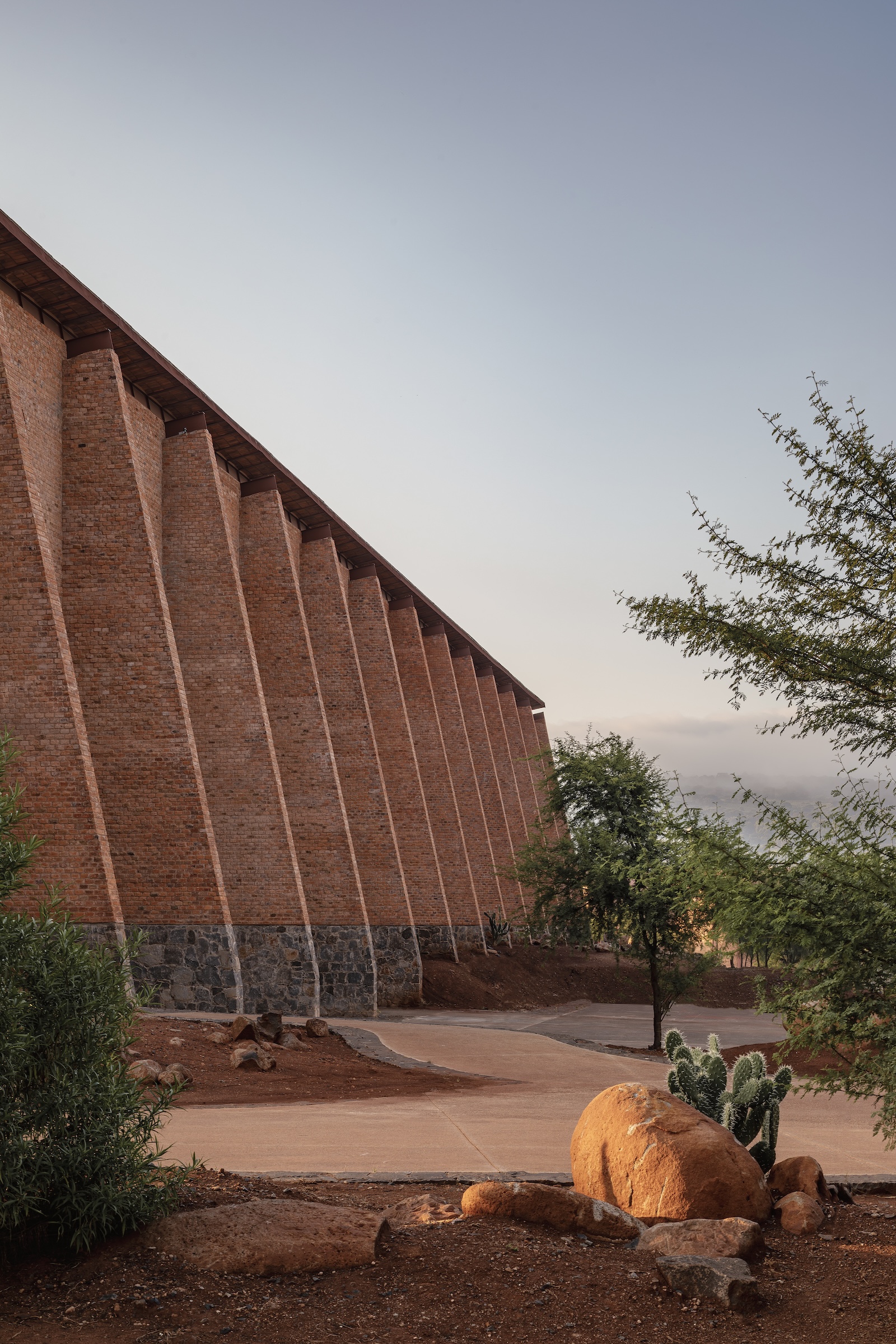
The distillery combines rosy brick, gray stone, and paprika-colored steel into a series of piers, buttresses, and vaults. Photo © Cesar Bejar
A few short-listed projects have previously featured in RECORD’s pages, including Kerstin Thompson Architects’ Melbourne Holocaust Museum (February 2024) and Peris+Toral’s Borrassà social housing project, which appeared on the cover of the October 2023 issue and went on to win in the “Living Together” category. While Kerstin Thompson Architects’ museum is cloaked in a tapestry of varied masonry textures, Peris+Toral’s building in Barcelona is organized around an atrium that doubles as a solar chimney, driving natural ventilation through vents and beige-brick lattice walls.
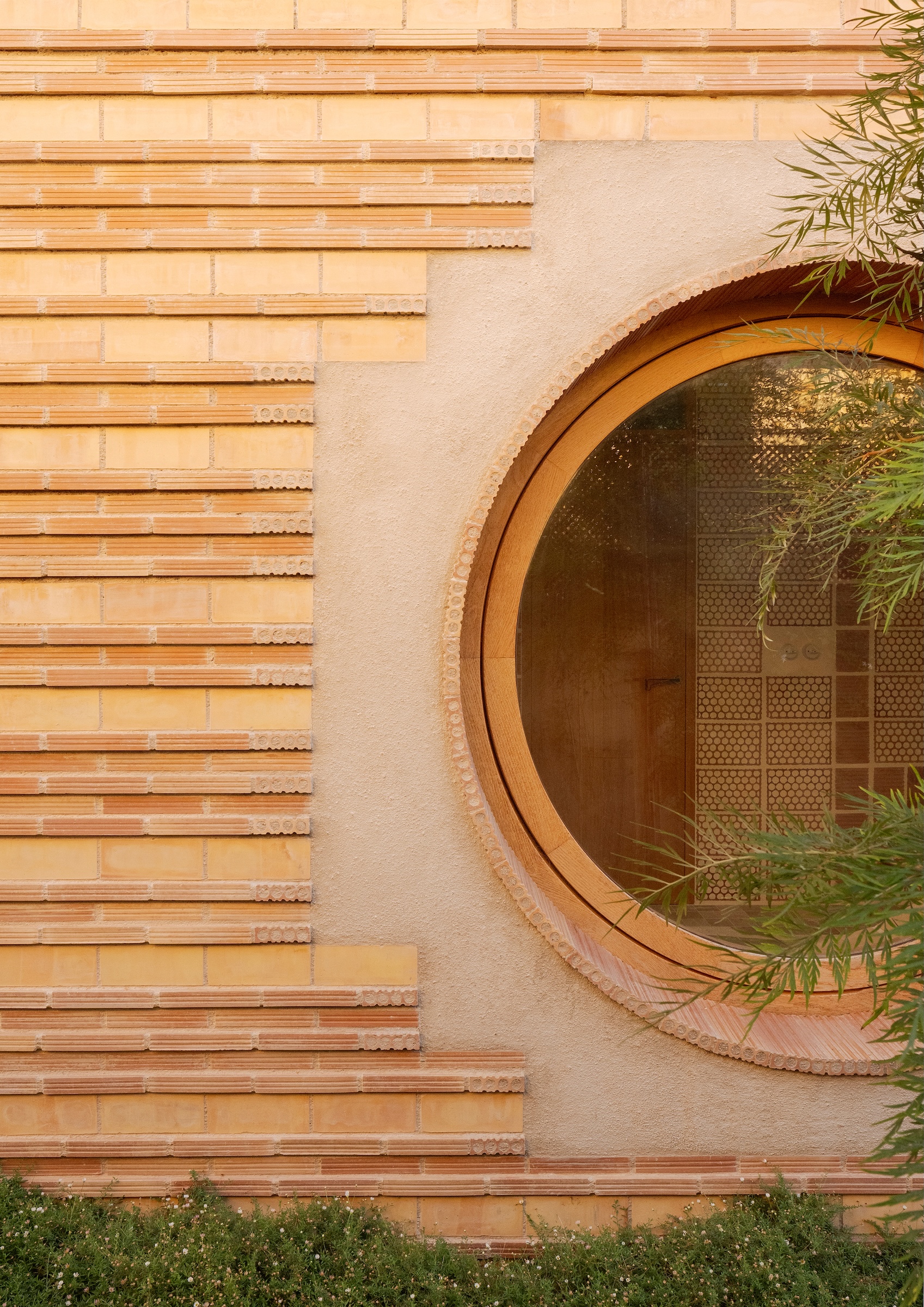
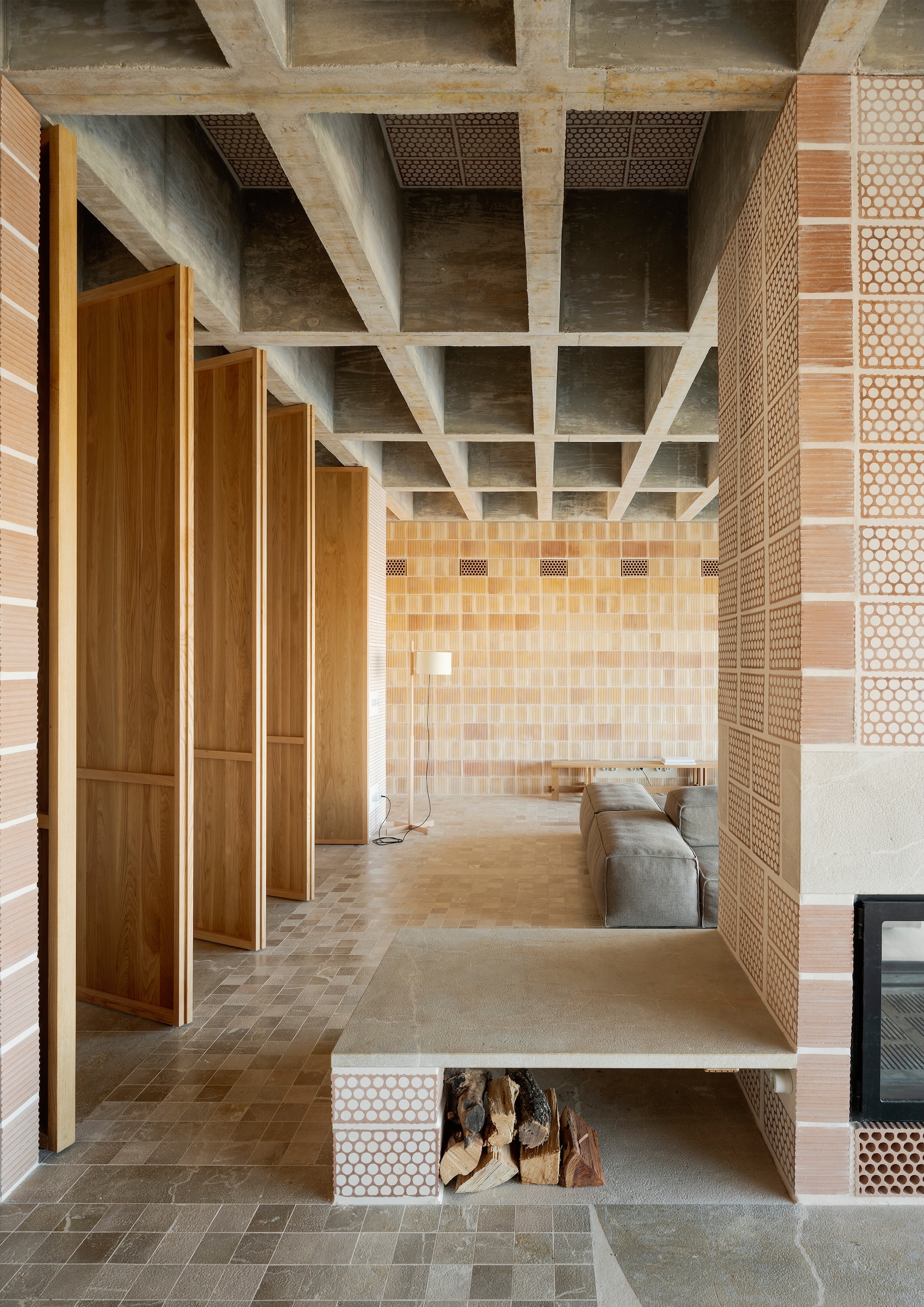
The Ted’A Architectes-designed Ca na Birgit features tan, extruded clay bricks. Photos © Luis Diaz
Also from Spain, Ted’A Architectes claimed the prize in the “Feeling at Home” category for its Ca na Birgit, a house perched on the picturesque cliffs of Ses Penyes Rotges on the island of Mallorca. Ted’A cofounders Irene Pérez and Jaume Mayol enlivened the abode by cleverly manipulating extruded clay blocks, at times turning the material on its side to reveal internal cavities. These spaces were then left open in some cases for ventilation or filled with white plaster in others for visual contrast.
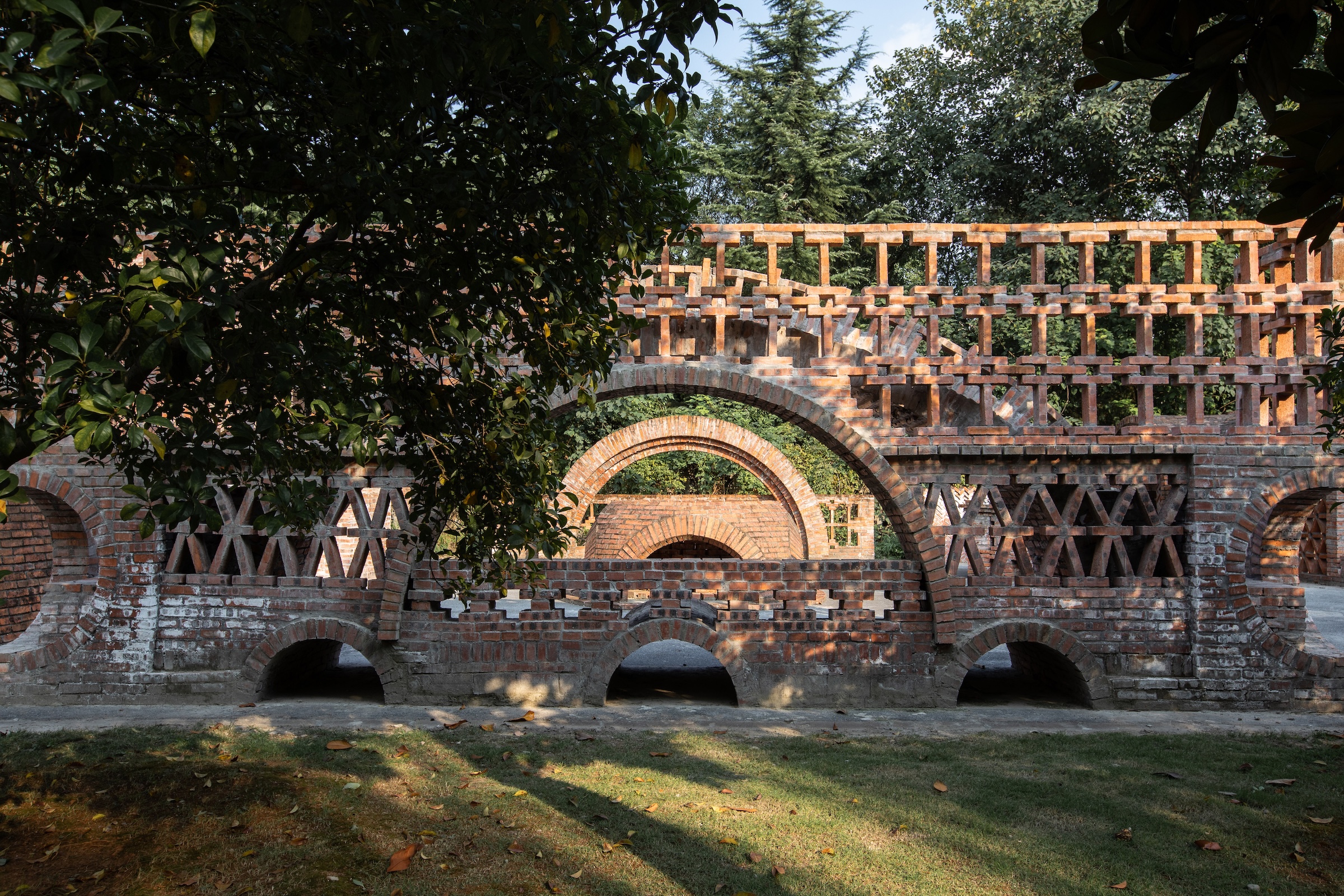
A playground in Hangzhou, designed by the School of Architcture at the China Academy of Art, won the “Building Outside the Box” category. Photo © China Academy of Art
The winner of “Building Outside the Box” was the School of Architecture at the China Academy of Art, in Hangzhou, for its Endless Brick Playground—a landscape of dozens of fantastical redbrick follies constructed between 2014 and 2024 by students in its Fundamentals of Masonry class. Accepting the award on the school’s behalf was Lichao Chen, current chair of the department established by Pritzker Prize–winning architect Wang Shu and partner Lu Wenyu.
Looking for quick answers on architecture and design topics?
Try Ask RECORD, our new smart AI search tool.
Ask RECORD →
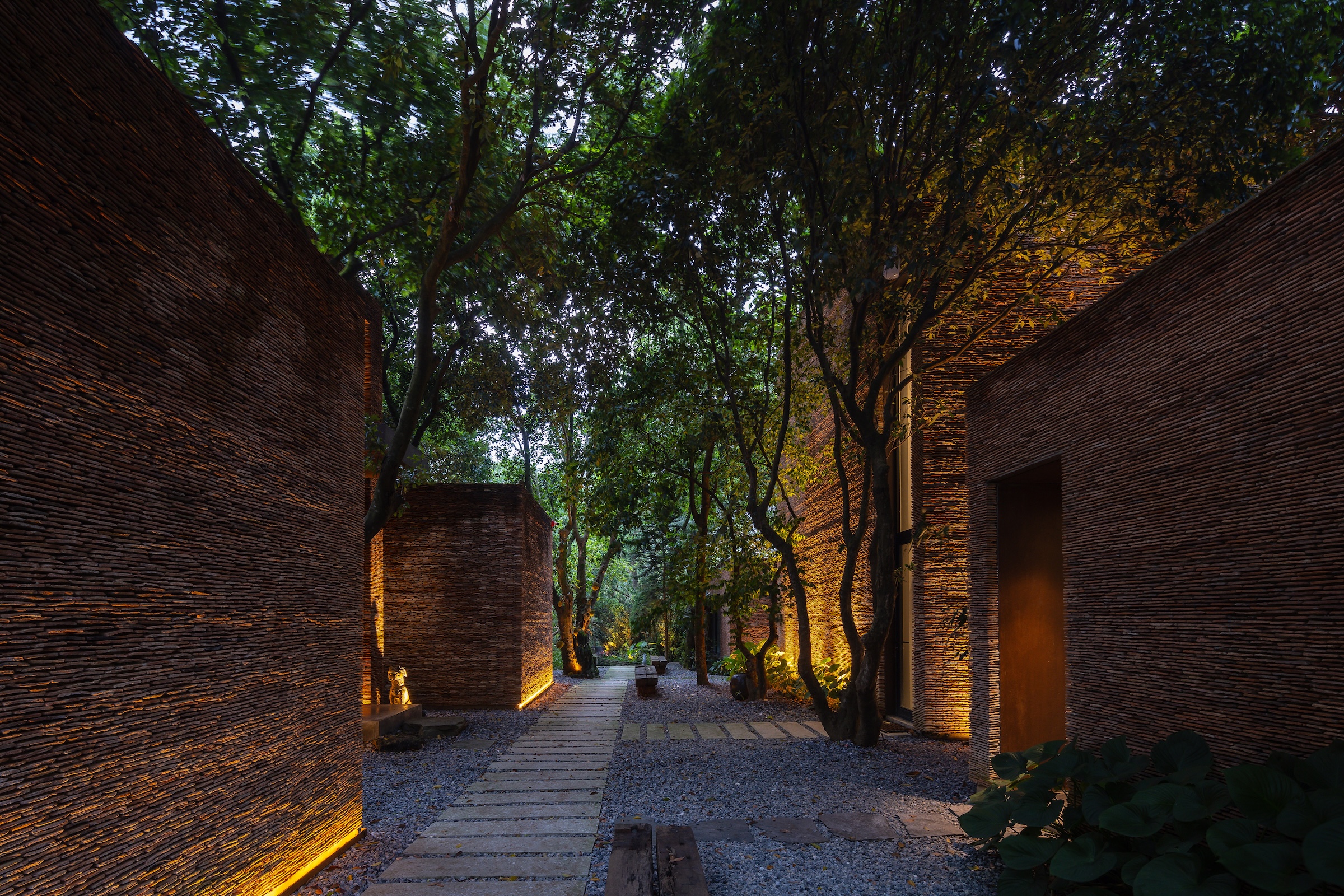
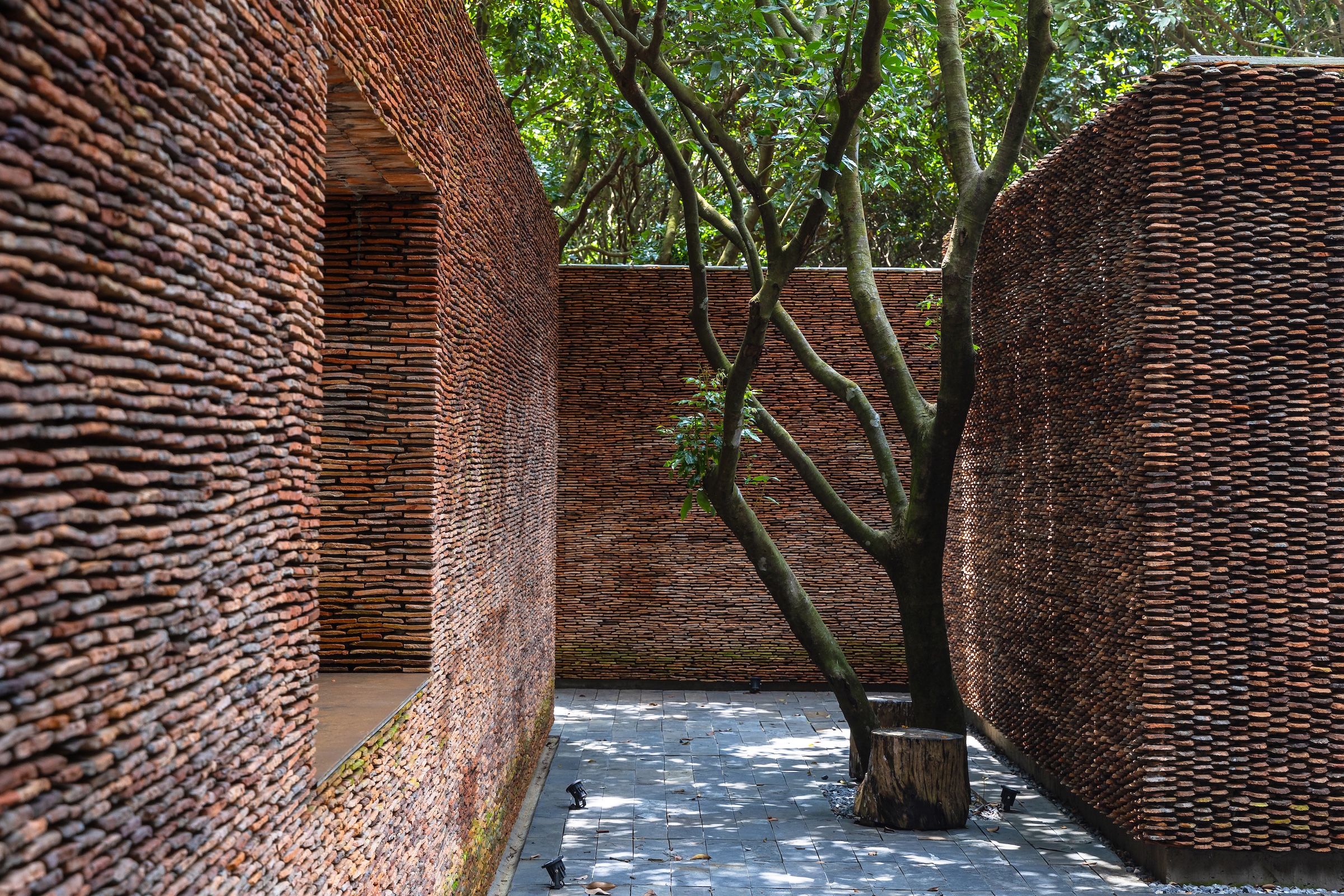
The Đạo Mẫu Temple and Museum, designed by ARB Architects, recycles six million clay tiles. Photos © Trieu-Chien
ARB Architects, hailing from Vietnam, won the “Sharing Public Spaces” award as well as the evening’s grand prize. Over a period of several years, founder Nguyen Há collected six million clay tiles from disused structures and houses, which were then repurposed for the construction of the Đạo Mẫu Temple and Museum, north of Hanoi. A long linear wall, punctuated by openings and several angular towers, leads visitors down a passageway to a museum at the far end of an orchard of lychee trees, “creating an atmosphere of serenity and mystery,” in the words of jury member Christine Conix. The project was one of several presented in greater detail during an accompanying symposium the following day at MAK, Vienna’s museum of applied arts.
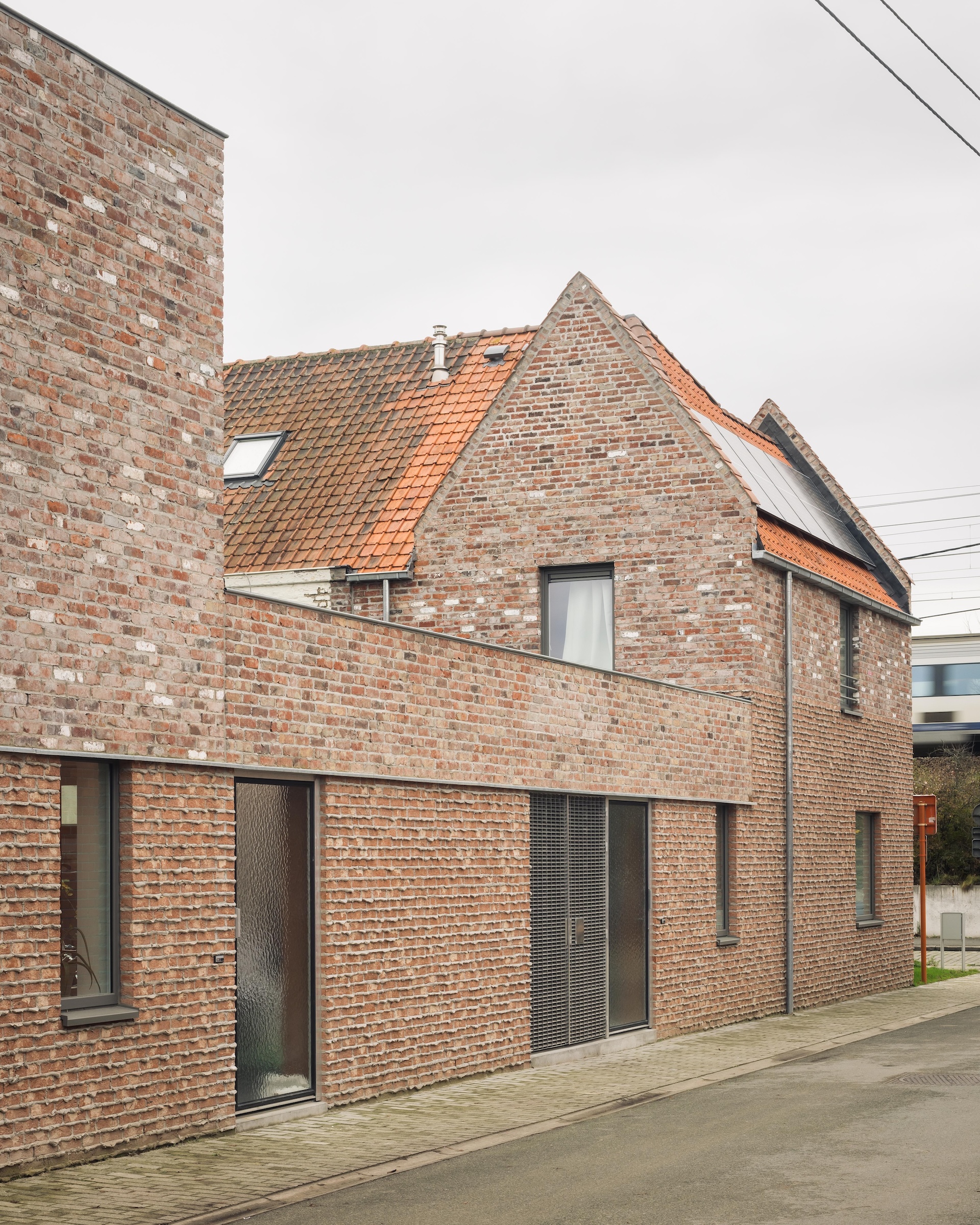
Tuighuisstraat, an infill project in Belgium that incorporates reclaimed brick, received a special commendation. Photo © Stijn Bollaert
The evening’s special commendation—an unannounced surprise during the program—went to Maker Architecten for its Tuighuisstraat infill project in Kortrijk, Belgium, a building whose use of reclaimed brick is inscribed within the facade’s horizontal bands. Each strip denotes a single kind of brick with disparate dimensions, varying colors, and sourced from a different structure. The recognition, alongside ARB’s, no doubt reflects a growing interest in the adaption of a material that, when produced using energy-intensive kilns or when sourced from irresponsibly dug clay pits, has the potential to have a large carbon footprint.
Like several of the projects honored as part of the Brick Award this year and in the past, Wienerberger (in North America, the company operates through its subsidiary General Shale) was keen to highlight its own in-roads with sustainability. During a factory tour with members of the press, the conglomerate noted its transition to more energy efficient electric kilns at several of its plants across Europe and its future goal of procuring 100 percent of its electricity from renewable sources. Wienerberger also highlighted its partnership with transportation operator Wiener Linien and the city of Vienna, which is expanding its U-Bahn metro system with a new line, to process, filter, and use excavated clay-rich soil for brick production. The strategy, the Wienerberger says, reduces the need to create additional clay pits, prevents polluted soil from ending up in landfills, and has so far produced 2.8 million bricks.
Weinerberger will begin accepting applications for the next cycle of the Brick Award early next year. Architects may enter, free of charge, with projects that incorporate either new or repurposed brick, clay block, pavers, roof tiles, or other clay building products. The use of Wienerberger products is not a prerequisite.
Looking for a reprint of this article?
From high-res PDFs to custom plaques, order your copy today!