Architectural Record
search
cart
facebook twitter linkedin youtube
  • Sign In
  • Subscribe
  • Sign Out
  • My Account
Architectural Record
  • NEWS
    • Latest News
    • Awards
    • Interviews
    • Obituaries
    • Podcasts
      • Design:Ed Podcast
      • Sponsored Podcasts
  • OPINION
    • Book Reviews / Excerpts
    • Exhibition Reviews
    • Forum
  • EXCLUSIVES
    • Videos
    • Design Vanguard
    • Top 300 Firms
    • Sponsored Content
    • Sponsored eBooks
    • From the Archives
  • CONTINUING ED
    • Editorial Continuing Ed
    • CE Center
    • CE Academies
  • PROJECTS
    • Buildings By Type
    • Reuse & Renovation
    • Museums & Arts Centers
    • Colleges & Universities
    • Multifamily Housing
    • Interiors
    • Lighting
    • Kitchen & Bath
  • HOUSES
    • Record Houses
    • House of the Month
    • Featured Houses
  • PRODUCTS
    • Products by Category
    • Record Products of the Year
    • Latest Products
  • EVENTS
    • Dates & Events
    • Record on the Road
    • Innovation Conference
    • Sustainability in Practice
    • Women In Architecture
    • Webinars
    • Ad Excellence Awards
    • Submit an Event
  • CONNECT
    • Ask RECORD AI
    • Newsletters
    • Contact
    • Advertise
    • Editorial Calendar
    • Store
    • Customer Service
  • SUBMIT
    • Submission Guidelines
    • RECORD Competitions
  • MAGAZINE
    • Subscribe
    • My Account
    • Digital Edition
    • Current Issue
    • Firm Pass
    • Historic Archive
Projects

Inner-City Arts, Phase III

Standing out in a gritty locale.

By Christopher Hawthorne
February 19, 2009
 

One thing that often surprises first-time visitors to downtown Los Angeles is the proximity of its gleaming clutch of skyscrapers and cultural facilities to the homeless encampments in the area known as Skid Row. From the front doors of Frank Gehry’s exuberant Walt Disney Concert Hall, it takes about 15 minutes to walk—or 2 or 3 minutes to drive—the mile or so downhill to a landscape full of quiet but marked desperation, a place where social-services agencies, single-room occupancy hotels, and liquor stores serve a stubbornly large homeless population. (From the steps of City Hall or the wide plaza in front of Thom Mayne’s Caltrans headquarters, the trip is even shorter.) It is on the edge of this neighborhood that the Los Angeles architect Michael Maltzan has spent a decade and a half—or nearly his entire career as the principal of his own firm, Michael Maltzan Architecture, which he founded after leaving Gehry’s office in 1993—working on a campus of buildings for the nonprofit arts-education organization Inner-City Arts (ICA).


Maltzan is no stranger to well-heeled clients. Many miles to the west of Skid Row he is finishing work on a sizable new house for the former Hollywood power broker and art collector Michael Ovitz that is as much museum as private residence. But the ICA project, on which he has worked pro bono, is one that seems to have fully engaged him from the start. Perhaps the central reason is that the ICA’s 1-acre site, built up in three phases since 1994, has allowed Maltzan to execute a strategy that slides almost imperceptibly from architecture to urbanism and back again. The result is a family of new buildings that interacts with its context in a complex range of ways, emerging finally as a kind of protected beacon.

The buildings closest to ICA are mostly single-story warehouses selling fish, produce, or automobile parts. Clad in drab cement-block and topped by loops of razor wire, they reflect the risks inherent in doing business in a neighborhood where violent crime is rare but petty thievery is not. (When Maltzan was working with the Los Angeles firm Marmol Radziner on the project’s first phase, they regularly lost construction equipment and materials to theft.) Maltzan’s design is hardly naive about that reality: The fact that ICA brings public school students into this neighborhood—most of them by bus—means that its buildings, like the others on the block, turn a necessarily blank and security-conscious face to the city.

But this is no fortress. By the standards of Los Angeles, gated-community capital of the world, a place as full as ever of protected oases, it shows a marked curiosity about the outside world. Each of the newest buildings—which line the eastern and southern edges of the site, completing the complex as an urban object—is creased or folded back at one or more edge. Those seemingly minor architectural gestures change the whole personality of the campus’s exterior, turning what could have loomed as a series of protective walls into something more pliant—plaster into origami. They provide visual connections and bring light from outside to inside and vice versa. The pair of towers that crown the ceramics studio at the center of the campus are similarly symbolic, suggesting a desire to be seen by and look out toward the larger city.

Those efforts to make the campus appear luminous and visible are boosted by the decision to paint the whole complex white. In a neighborhood where grime is everywhere, to make a building white means signing up for a lifetime’s worth of upkeep. (White is also the color of temptation for taggers, though Maltzan says that they tend to point their spray-paint cans elsewhere out of respect for ICA’s mission.) But there is another series of messages in the choice of palette. The campus, like each group of students brought to ICA for the first time, is a blank slate, a fresh canvas, always ready for the first brushstroke. Perhaps most important of all, in a neighborhood full of people and buildings that are essentially invisible, reluctant to do much more than line up in anonymous bunches, the proudly conspicuous ICA is teaching kids to stand up and eventually stand out.


KEYWORDS: Los Angeles

Share This Story

Looking for a reprint of this article?
From high-res PDFs to custom plaques, order your copy today!
Christopher Hawthorne was the architecture critic of the Los Angeles Times from 2004 to 2018 and served as Los Angeles's first Chief Design Officer.

Post a comment to this article

Report Abusive Comment

Subscription Center
  • Create an Account
  • Start a Subscription
  • Manage My Account
  • Sign Up for Newsletters
  • Visit Customer Service
  • Update Preferences

More Videos

Sponsored Content

Sponsored Content is a special paid section where industry companies provide high quality, objective, non-commercial content around topics of interest to the Architectural Record audience. All Sponsored Content is supplied by the advertising company and any opinions expressed in this article are those of the author and not necessarily reflect the views of Architectural Record or its parent company, BNP Media. Interested in participating in our Sponsored Content section? Contact your local rep!

close
  • TAMLYN XtremeTrim Exterior Trim
    Sponsored byTamlyn

    Designing Cleaner Panel Facades: Why Exterior Trim Details Matter

  • Building with Vapor Barriers
    Sponsored byReef Industries, Inc.

    Vapor Barriers Help Control Moisture in Tighter Building Designs

  • Duct Interior with Prodeq System
    Sponsored byHenry, a Carlisle Company

    Designing Resilient Water Containment Systems

DESIGN:ED Podcast
Listen to Architectural Record’s DESIGN:ED Podcast

Events

June 10, 2026

Rethinking Stormwater – The Power of Porous Paving

Credits: 1 AIA LU/HSW; 1 AIBD P-CE; 0.1 ICC CEU

Learn how porous paving systems support stormwater management, reduce heat island effects, and enhance sustainable site design performance.

June 11, 2026

Very Early Warning Fire Detection for Mission-Critical Facilities

Credits: 1 AIA LU/HSW; 1 AIBD P-CE; 0.1 ICC CEU

Examine advanced fire detection strategies that support uptime and enhance safety in data centers and other mission-critical facilities.

View All Submit An Event

Products

2026 Architect's Square Foot Costbook

2026 Architect's Square Foot Costbook

See More Products

Popular Stories

Practice Matters illustration

What’s in a (Firm’s) Name? Thinking About Succession and Legacy

Coronado Bridge

The Architect’s Guide to San Diego

Practice Matters illustration

By the Numbers: Counting America's Architects

House on a Hill

Design Vanguard 2026: Forma

Crane Cove, ONO

Design Vanguard 2026 Winners

Broader Sustainability of CMU - Free Webinar - May 21, 2026

Related Articles

  • Inner-City Arts, Phase III Project Portfolio

    See More
  • Inner-City Arts, Phase III

    See More
  • Inner-City Arts

    See More

Related Products

See More Products
  • WC_-SCA.png

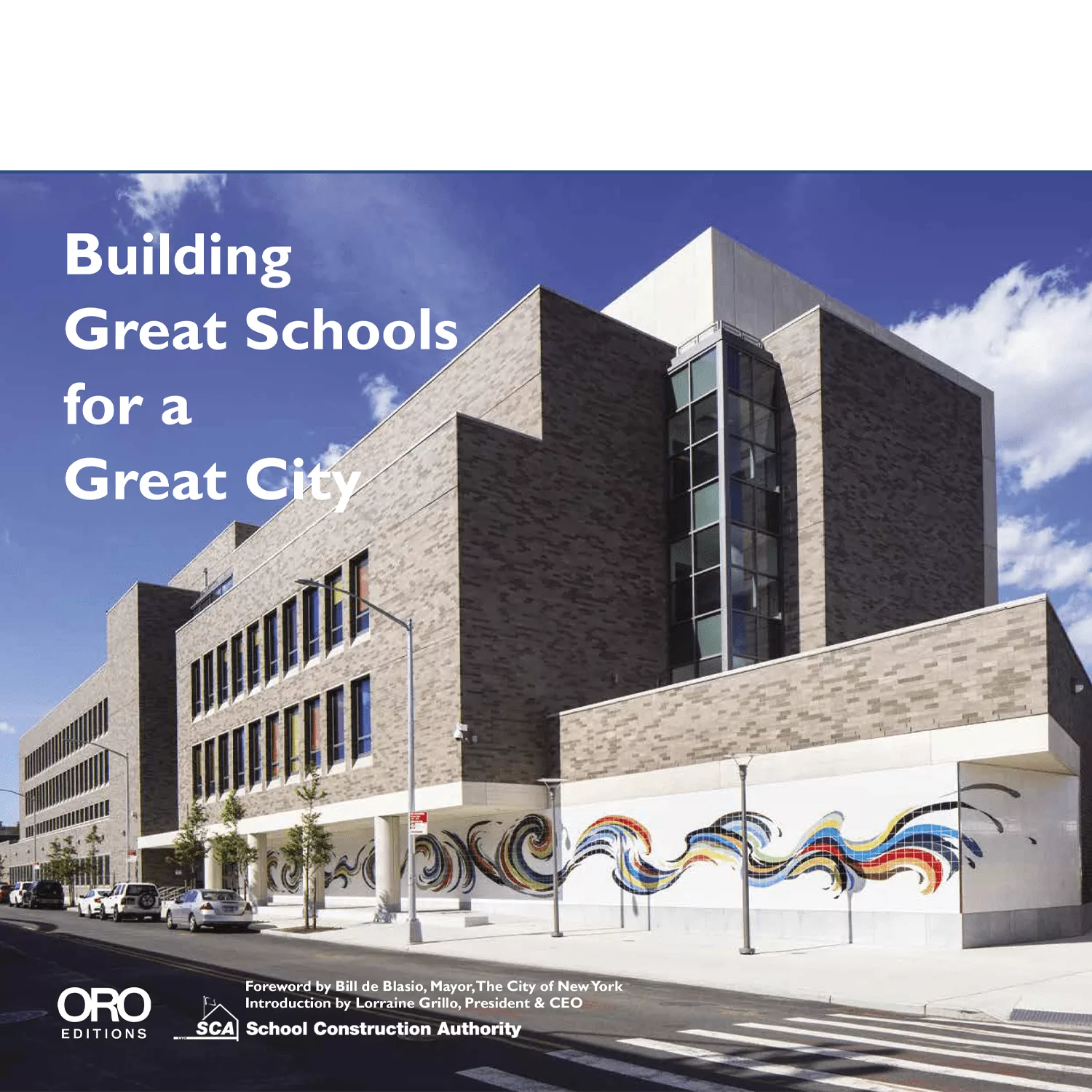
    Building Great Schools for a Great City

  • Architectural Record - October 2025

    Architectural Record October 2025 Issue

See More Products

Events

View AllSubmit An Event
  • July 22, 2025

    Improving Building Efficiency and Reducing Operational Carbon with Phase Change Material

    NOW ON DEMANDCredits: 1 AIA LU/HSW; 1 AIBD P-CE; 0.1 ICC CEU; 0.1 IACET CEUAttendees will learn how integrating phase change materials (PCMs) improves energy efficiency, reduces costs, and enhances occupant comfort.
View AllSubmit An Event
×

The latest news and information

#1 Source for Architectural Design, News and Products

SUBSCRIBE
  • RESOURCES
    • Advertise
    • Contact Us
    • Submit
    • Store
  • ACCOUNT CENTER
    • Create an Account
    • Start a Subscription
    • Manage My Account
    • Sign Up for Newsletters
    • Visit Customer Service
    • Update Preferences
  • PRIVACY
    • PRIVACY POLICY
    • TERMS & CONDITIONS
    • DO NOT SELL MY PERSONAL INFORMATION
    • PRIVACY REQUEST
    • ACCESSIBILITY
  • SERVICES
    • Marketing Services
    • Reprints
    • Market Research
    • List Rental
    • Survey/Respondent Access
  • STAY CONNECTED
    • Linkedin
    • Facebook
    • Instagram
    • YouTube
    • X (Twitter)

Copyright ©2026. All Rights Reserved BNP Media, Inc. and BNP Media II, LLC.

Design, CMS, Hosting & Web Development :: ePublishing