Design Vanguard 2025: HCCH Studio
Shanghai
Architects & Firms
Fast, cheap, and smart: that’s the way Shanghai-based HCCH Studio tends to work when creating its spatially dynamic and programmatically adaptive projects. Like many emerging firms, the husband and wife team of Chenchen Hu and Hao Chen, both 38, has excelled at working with limited time and money to explore novel ways of using materials and crafting form. Crushed bricks, stacked sheets of polycarbonate, and 3D-printed recycled plastic have played key roles in some of the firm’s projects, which tend to be small in scale and eye-catching in intent.
1
2
PRISM Coffee and Reading Space
(1, 2, and top of page)
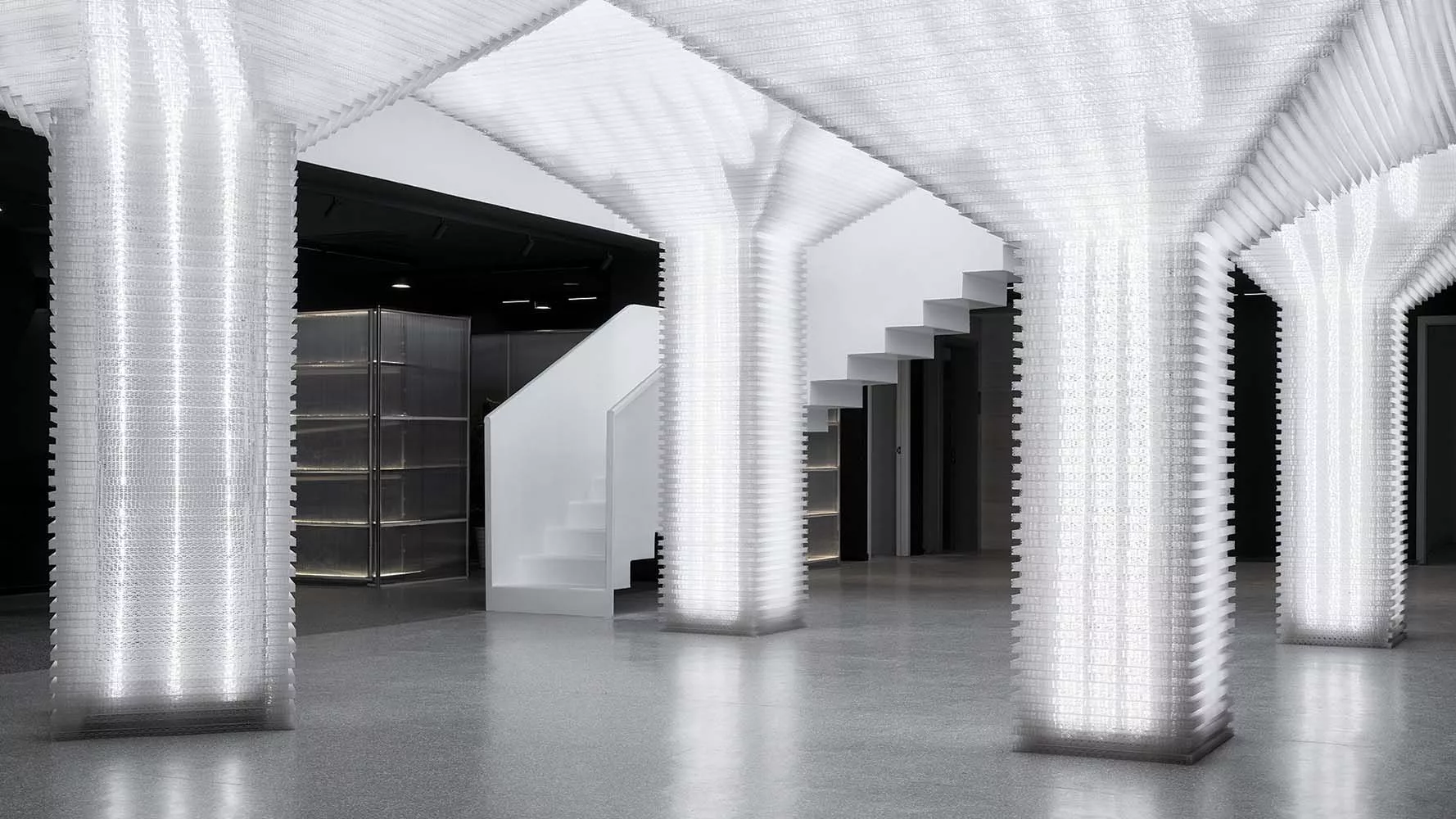
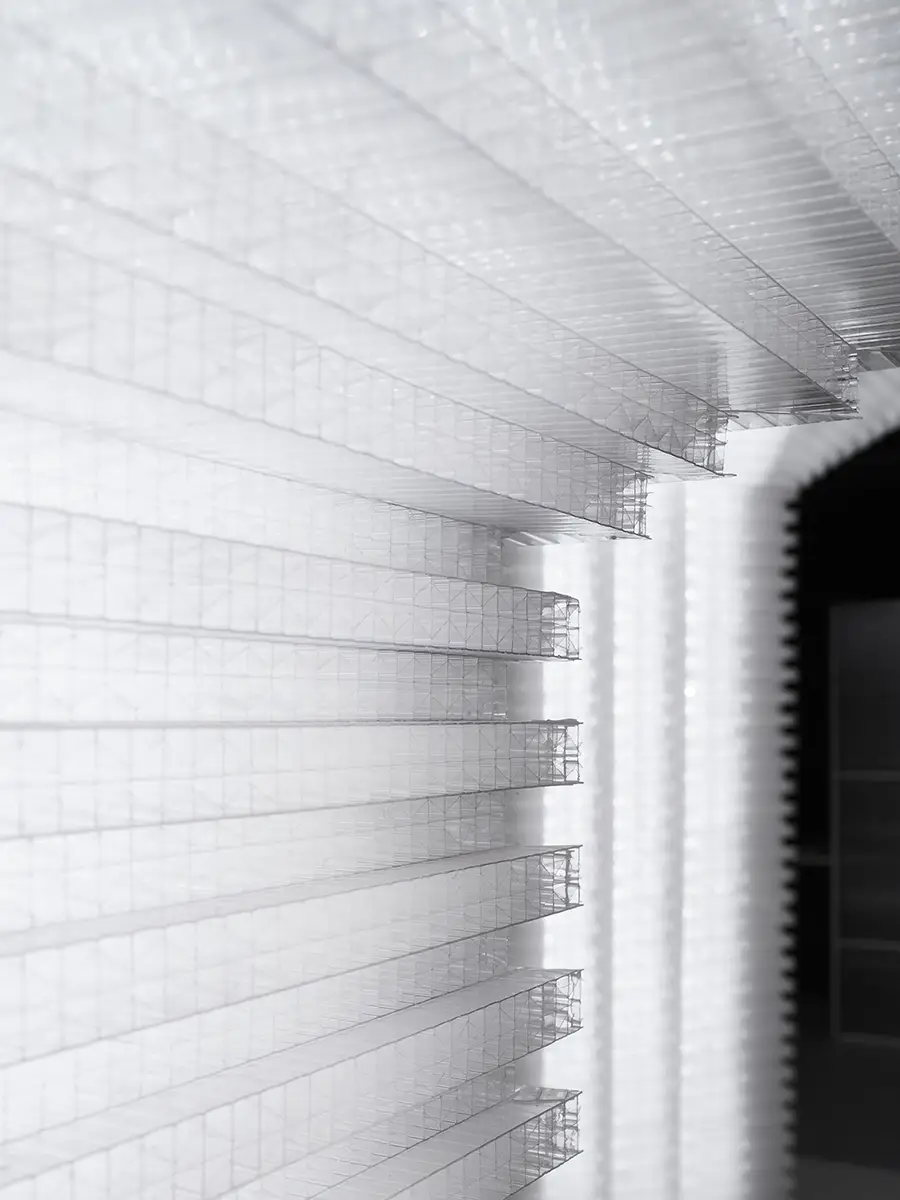
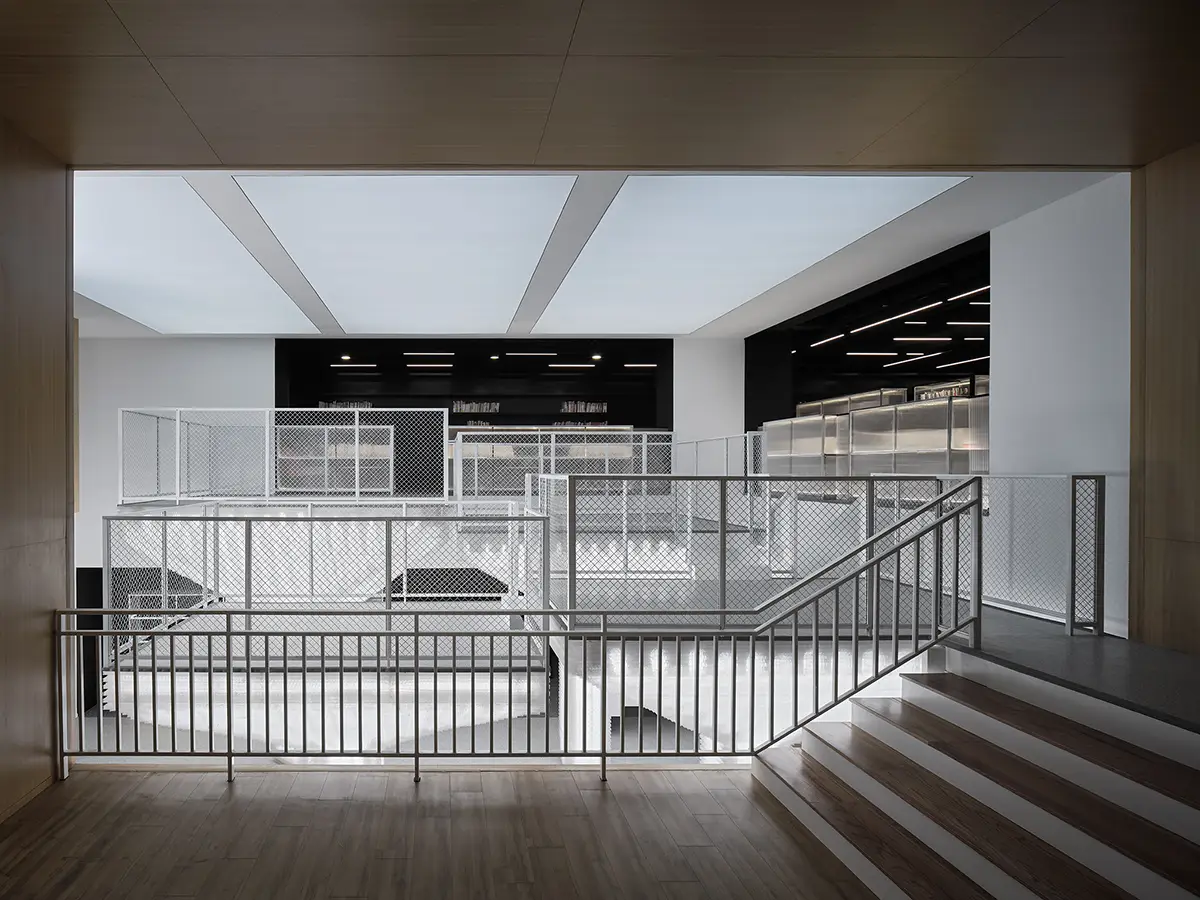
Set within a large aeronautics factory, this interior project stacks polycarbonate panels to create four umbrella-like platforms at various levels. LEDs inserted between the panels add a futuristic glow to the café, which seems appropriate for an aerospace campus. Using humble materials and simple construction kept the project within its tight budget. Photo © Qingyan Zhu, click to enlarge.
The couple met at Tongji University in Shanghai, spent a year at the Vienna University of Technology, and overlapped while earning master’s degrees at Harvard. Chen worked at MADA s.p.a.m and Standardarchitecture—two Design Vanguard firms based in China—as well as OMA in New York, while Hu interned at Yung Ho Chang’s Atelier FCJZ in Beijing and SOM in Chicago. Both spent time at Atelier Deshaus in Shanghai, also a Design Vanguard, before launching HCCH in 2018.
Rather than look to the work of current Chinese architects, HCCH has found inspiration in mid-20th-century iconoclasts of the United States and Japan. “We’re really fascinated by the utopian, space-age ideas of the 1950s and ’60s and people like Buckminster Fuller,” says Chen. “We love inflatable buildings and also the Metabolists in Japan,” adds Hu.
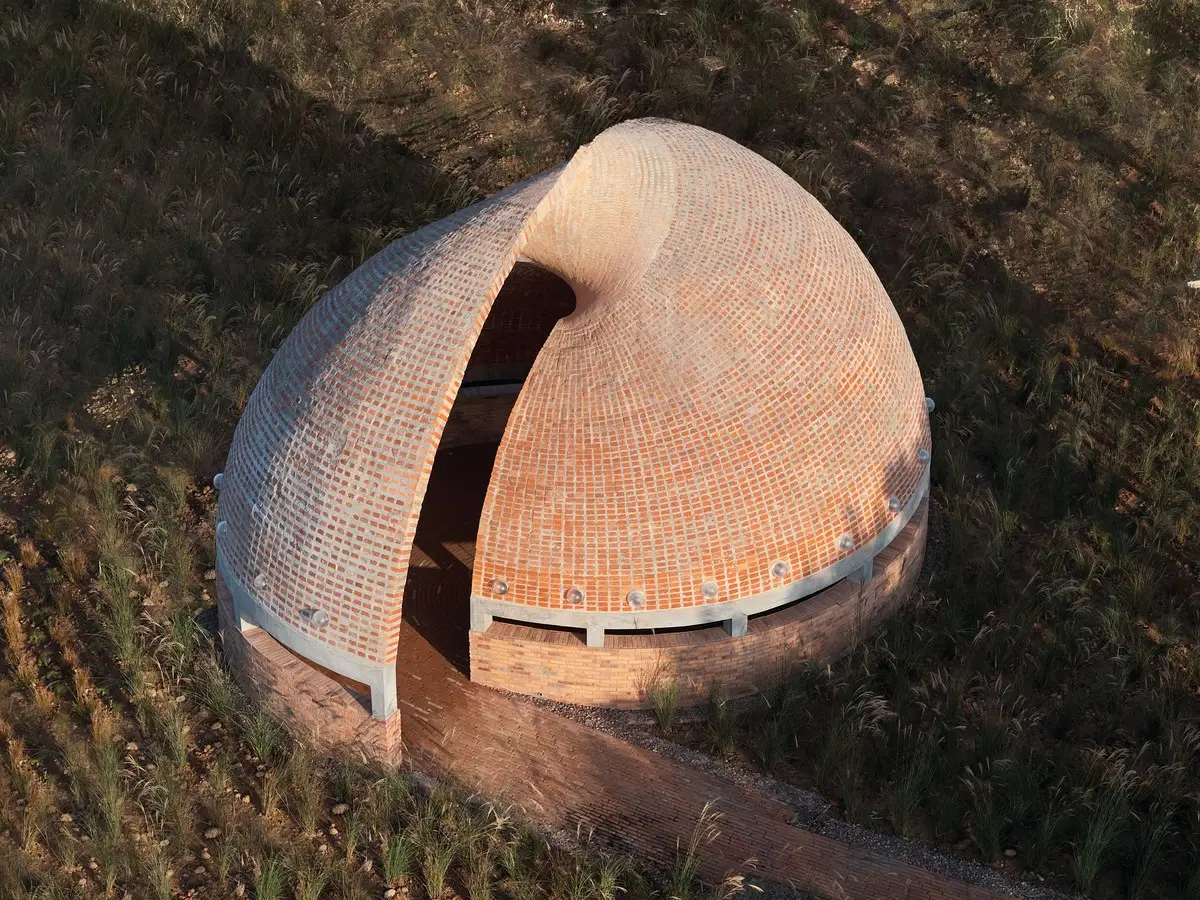
Hu and Chen like to challenge the static nature of architecture, injecting a sense of motion into otherwise stable structures. For a site along a river in Zhejiang province, they designed a twisted brick shell that lures people inside with its intriguing play of shadow and light and its curling opening to the sky. Made of 12,000 bricks of 12 different widths inserted within a prefabricated laser-cut steel lattice and then bonded with concrete mortar, it adds a sense of spin to a simple enclosure. Built by local farmers in just 50 days, it can function as a pop-up library or a quiet place to enjoy views of the riverside where a developer invited 30 young designers (architects, landscape architects, and artists) to create a series of pavilions aimed at attracting tourists and locals.
3
Twisted Brick Shell (3 & 4)
Built in just 50 days by local farmers in Zhejiang province, this pavilion uses common materials in inventive ways. Instead of being stacked in courses, bricks are inserted in a laser-cut steel lattice and then bonded with concrete. The project serves as a retreat for tourists and local residents and can host pop-up events. Photo © Qingyan Zhu, click to enlarge.

4
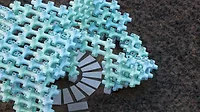
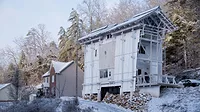
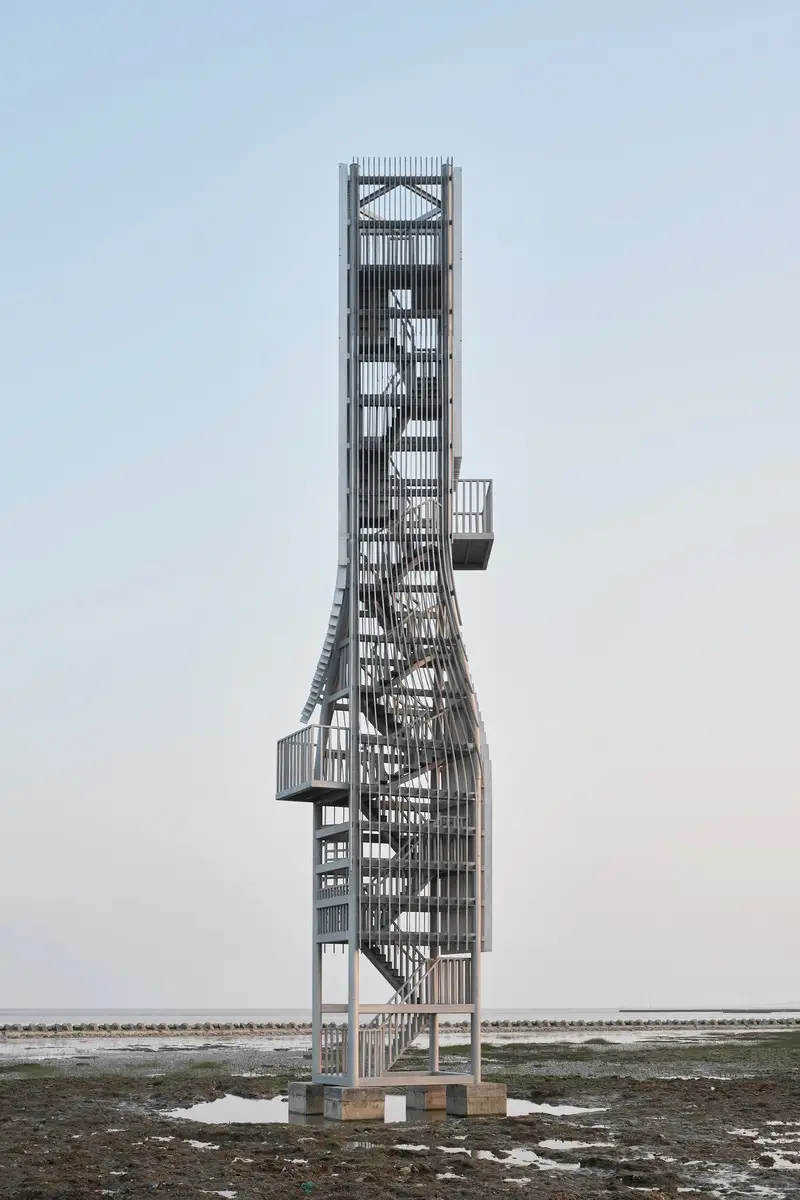
Beside an 11-mile-long coastal site near Shanghai, the architects designed a pair of ecological monitoring structures—one a twisting tower, the other a spiraling pavilion—that wrap scientific functions in sculptural forms. For the same area, they also created a trio of low-budget pavilions made of quirky materials such as Lego-like pieces of recycled plastic and fabric membranes—each erected in just two weeks.
5

6
Twisting Tower by the Sea (5 & 6)
Part of a series of ecological infrastructure projects along the coast of Shanghai, this tower twists so its three platforms face different directions and monitoring equipment can sample carbon in the air. Both sculptural and practical, the lookout calls attention to the need to collect data on the environment. Photo © Qingyan Zhu
Relay Factory Renovation
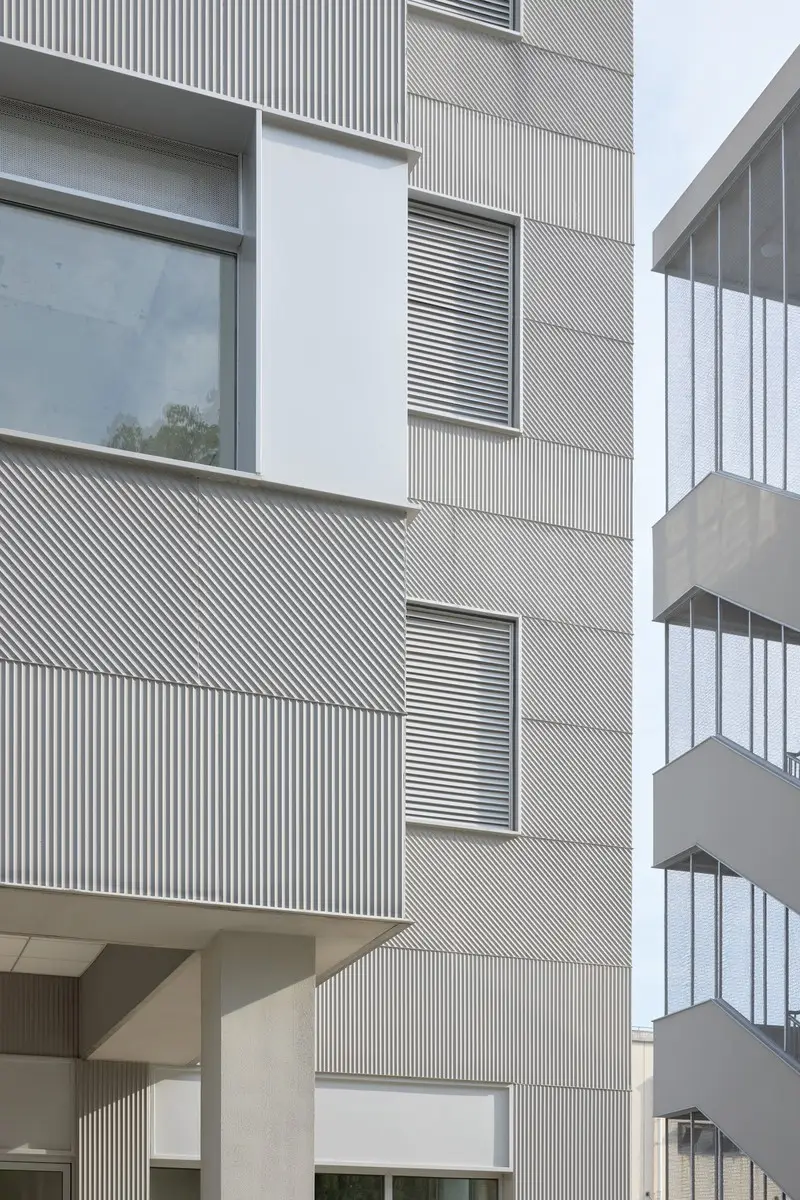
HCCH converted an old relay factory into an office and retail complex, retaining the basic form and structural elements of the existing buildings and wrapping them with new facades made of inexpensive materials such as cement board, tile, and paint. By bending, perforating, and grooving the materials, the architects were able to create visual diversity with a simple palette. Photo © Qingyan Zhu
Much of the firm’s larger-scale work involves transforming and rethinking existing buildings. In Shanghai, for example, HCCH converted a 19th-century brick factory into a venue for shops, cafés, and cultural activities by making it more porous, to its surroundings and to daylight. Using a strategy of subtraction, the architects removed part of the building’s roof to create a long skylit central atrium and opened an internal kiln flue to enhance circulation. Other projects feature clever new facades and envelopes for buildings, such as an unfinished performance hall on the West Bund in Shanghai, a collective housing complex, and an old relay factory.
Using what they find—whether it’s an abandoned structure or discarded bricks—Hu and Chen have realized projects that are ecologically responsible and intellectually nimble. Their ability to do a lot with very little—by simply applying a great deal of creativity—reveals a sly optimism that ties them to the boundary-breaking designers of yesteryear that the couple so closely admire.
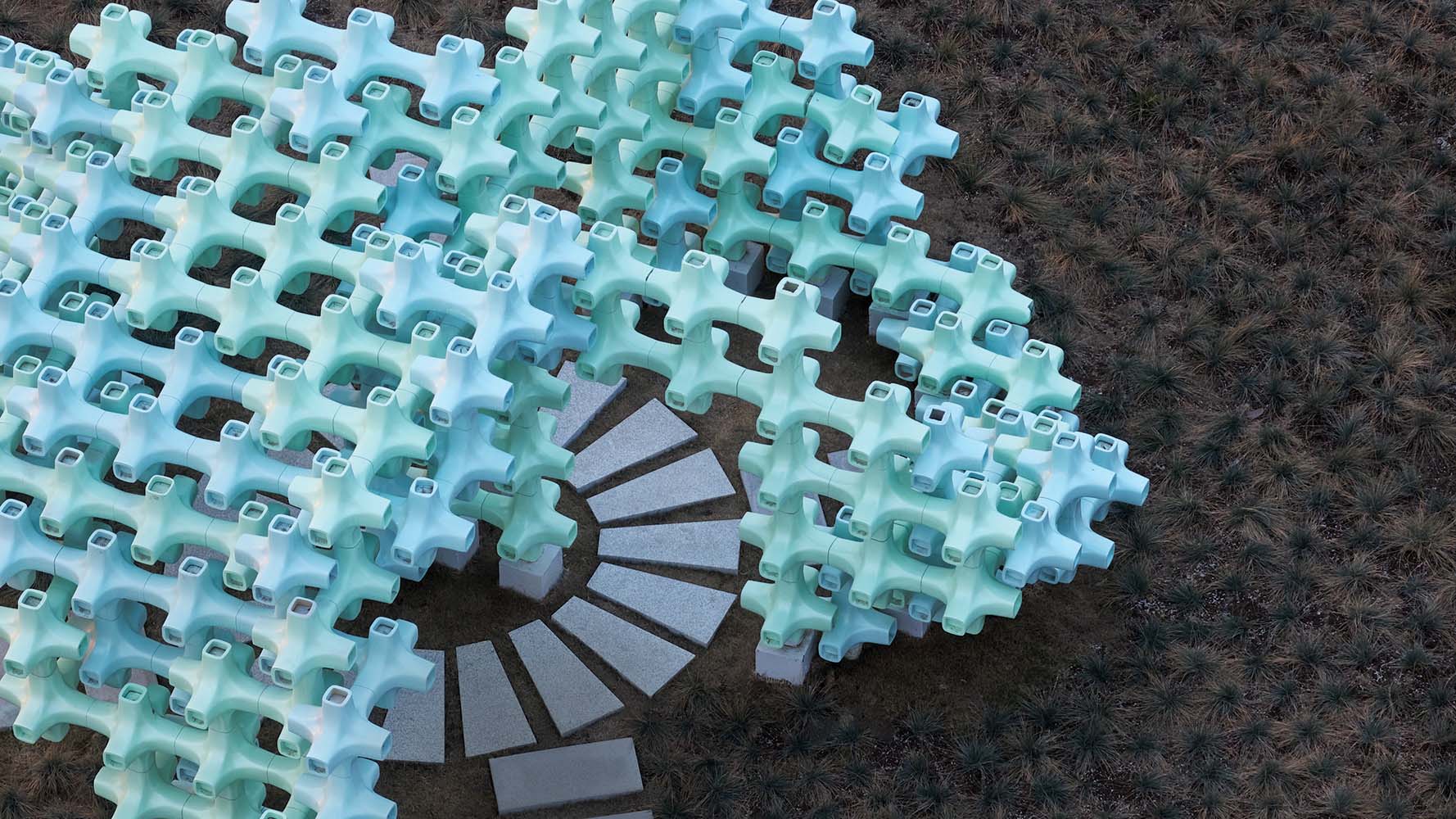
Ecological Pavilion by the Sea. Photo © Qingyan Zhu

Hao Chen, Chenchen Hu. Photo © Fangfang Tian
FOUNDED: 2018
DESIGN STAFF: 6-8
PRINCIPALS: Hao Chen, Chenchen Hu
EDUCATION:
Chen: Harvard Graduate School of Design, M.AUD., 2014; Tongji University, M.Arch., 2011; B.Arch., 2009
Hu: Harvard Graduate School of Design, M.AUD., 2013; Tongji University, B.Arch., 2009
WORK HISTORY:
Chen: Atelier Deshaus, 2015–18; OMA, 2014; Standardarchitecture, 2013; MADA s.p.a.m., 2008
Hu: Atelier Deshaus, 2016–18; Abalos- Sentkiewicz, 2013–16; SOM, 2012; Atelier FCJZ, 2008
KEY COMPLETED PROJECTS:
Westbund Dream Center, 2024; Renovation of Relay Factory, 2024; 5 Ecological Infrastructures Along the Coast, 2023; PRISM, 2021 (all in Shanghai); Twisted Brick Shell, 2023, Zhejiang, China
KEY CURRENT PROJECTS:
Deer Hut, Chongqing; Riverview Pavilion, Hangzhou; Mountainview Pavilion, Guangdong; Collective Housing Renovation, Shanghai; Renovation of Machine Tool Plant, Shanghai (all in China)
Looking for quick answers on architecture and design topics?
Try Ask RECORD, our new smart AI search tool.
Ask RECORD →
Looking for a reprint of this article?
From high-res PDFs to custom plaques, order your copy today!