Architectural Record
search
cart
facebook twitter linkedin youtube
  • Sign In
  • Subscribe
  • Sign Out
  • My Account
Architectural Record
  • NEWS
    • Latest News
    • Awards
    • Interviews
    • Obituaries
    • Podcasts
      • Design:Ed Podcast
      • Sponsored Podcasts
  • OPINION
    • Book Reviews / Excerpts
    • Exhibition Reviews
    • Forum
  • EXCLUSIVES
    • Videos
    • Design Vanguard
    • Top 300 Firms
    • Sponsored Content
    • Sponsored eBooks
    • From the Archives
  • CONTINUING ED
    • Editorial Continuing Ed
    • CE Center
    • CE Academies
  • PROJECTS
    • Buildings By Type
    • Reuse & Renovation
    • Museums & Arts Centers
    • Colleges & Universities
    • Multifamily Housing
    • Interiors
    • Lighting
    • Kitchen & Bath
  • HOUSES
    • Record Houses
    • House of the Month
    • Featured Houses
  • PRODUCTS
    • Products by Category
    • Record Products of the Year
    • Latest Products
  • EVENTS
    • Dates & Events
    • Record on the Road
    • Innovation Conference
    • Sustainability in Practice
    • Women In Architecture
    • Webinars
    • Ad Excellence Awards
    • AIA 2026 Videos
    • Submit an Event
  • CONNECT
    • Ask RECORD AI
    • Newsletters
    • Contact
    • Advertise
    • Editorial Calendar
    • Store
    • Customer Service
  • SUBMIT
    • Submission Guidelines
    • RECORD Competitions
  • MAGAZINE
    • Subscribe
    • My Account
    • Digital Edition
    • Current Issue
    • Firm Pass
    • Historic Archive
Architecture News

UNESCO World Heritage Sites in Iran Damaged by U.S.-Israeli Airstrikes

By Grace Kuth
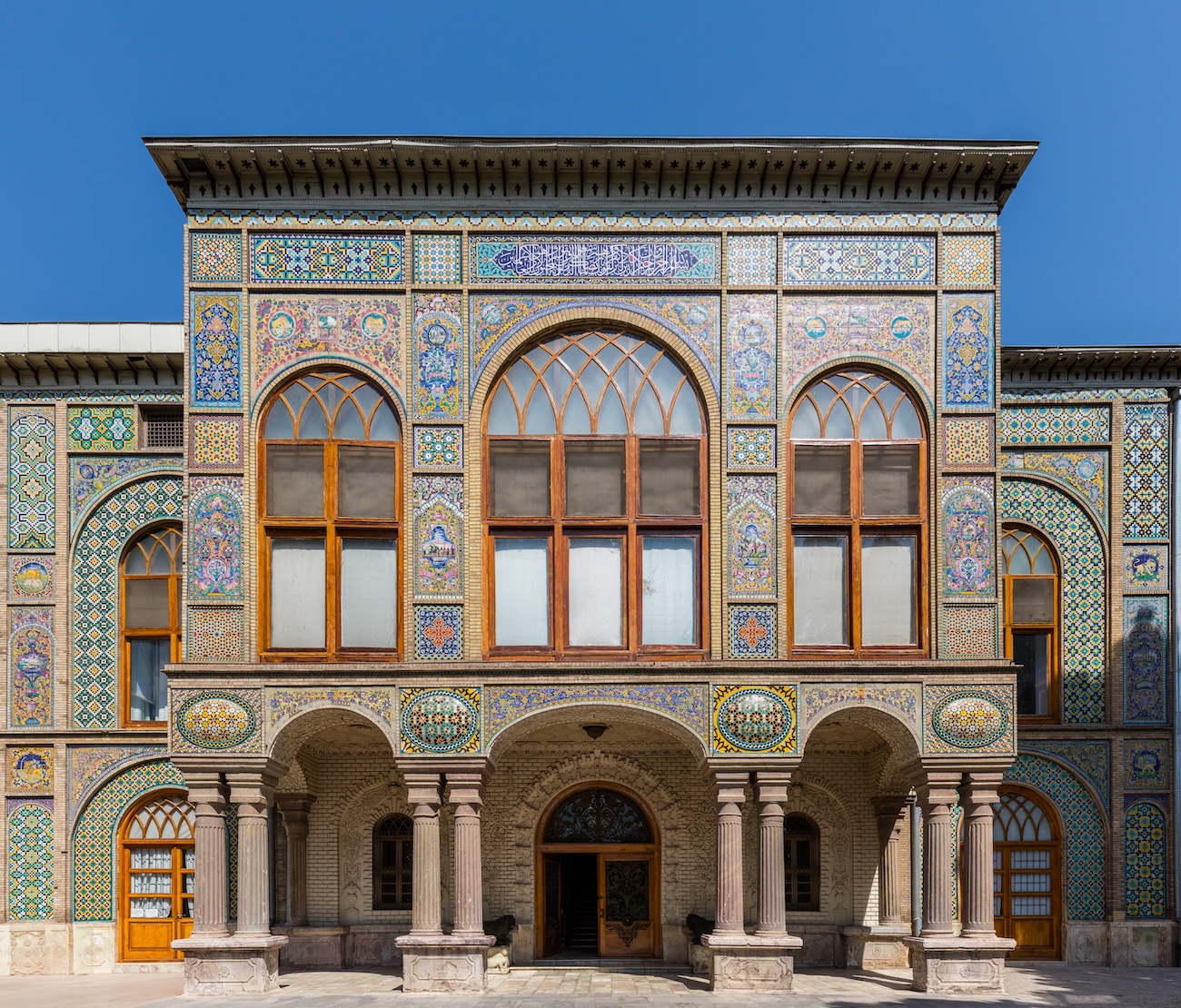
Golestan Palace in Tehran, Iran
Photo by Diego Delso via Wikimedia Commons
Golestan Palace in Tehran, Iran.
March 24, 2026
✕
Image in modal.
Golestan Palace in Tehran, Iran

Golestan Palace. Photo by Diego Delso via Wikimedia Commons

United States-Israeli strikes on Iran have caused significant damage to multiple UNESCO World Heritage Sites. These locations are legally protected by international law under the 1954 Hague Convention for the Protection of Cultural Property in the Event of Armed Conflict and the 1972 Convention concerning the Protection of the World Cultural and Natural Heritage.

“Any damage to cultural property, irrespective of the people it belongs to, is a damage to the cultural heritage of all humanity, because every people contributes to the world's culture,” reads the preamble to the 1954 Hague Convention.

On March 2, Tehran’s Golestan Palace, was damaged—its Hall of Mirrors shattered—by shock and debris following an airstrike to Arag Square. The walled palace, which dates back hundreds of years, is one of the oldest monuments in the Iranian capital. It received most of its characteristic features in the 19th century, during the influential Qajar era, when it became the residence and seat of power of the ruling family.

“Golestan Palace represents a unique and rich testimony of the architectural language and decorative art during the Qajar era…parts of the palace complex can be seen as the origins of the modern Iranian artistic movement,” UNESCO stated.

Images and videos from the Associated Press reveal broken windows, archways, and molding following the attacks. Shattered glass covers the palace’s floors.

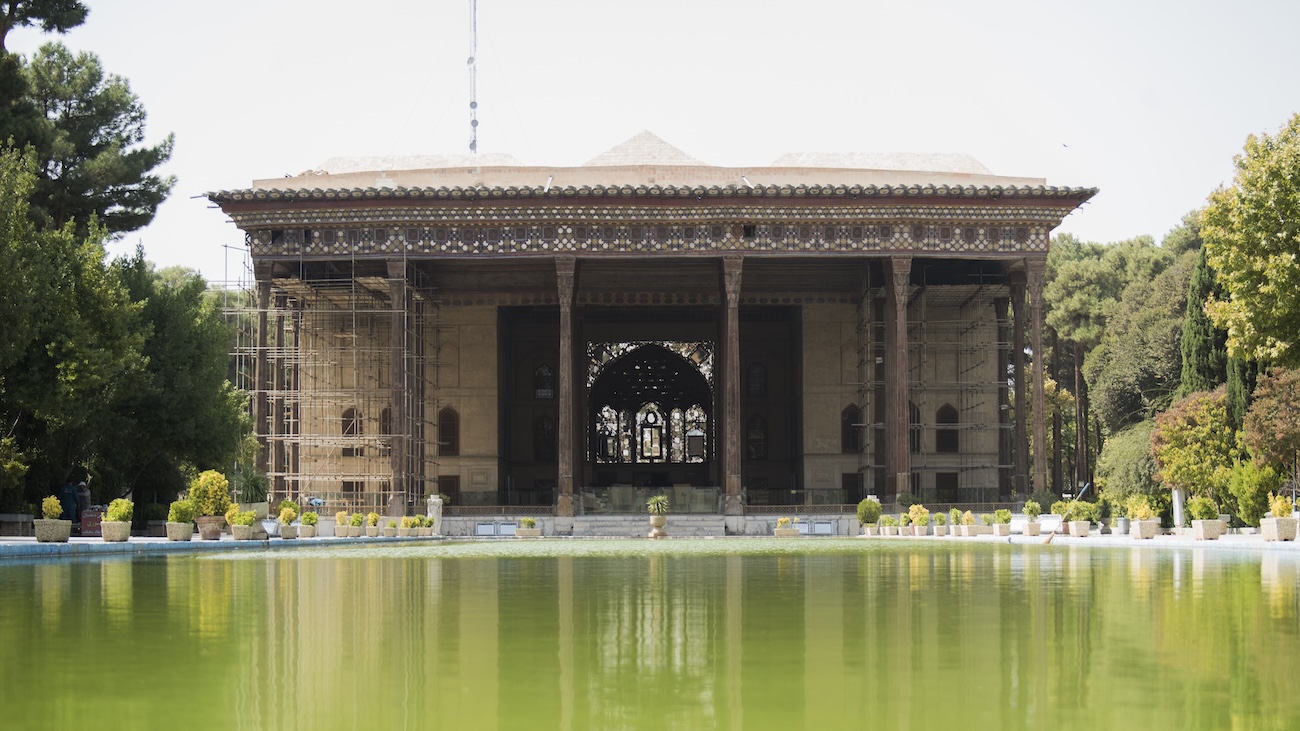
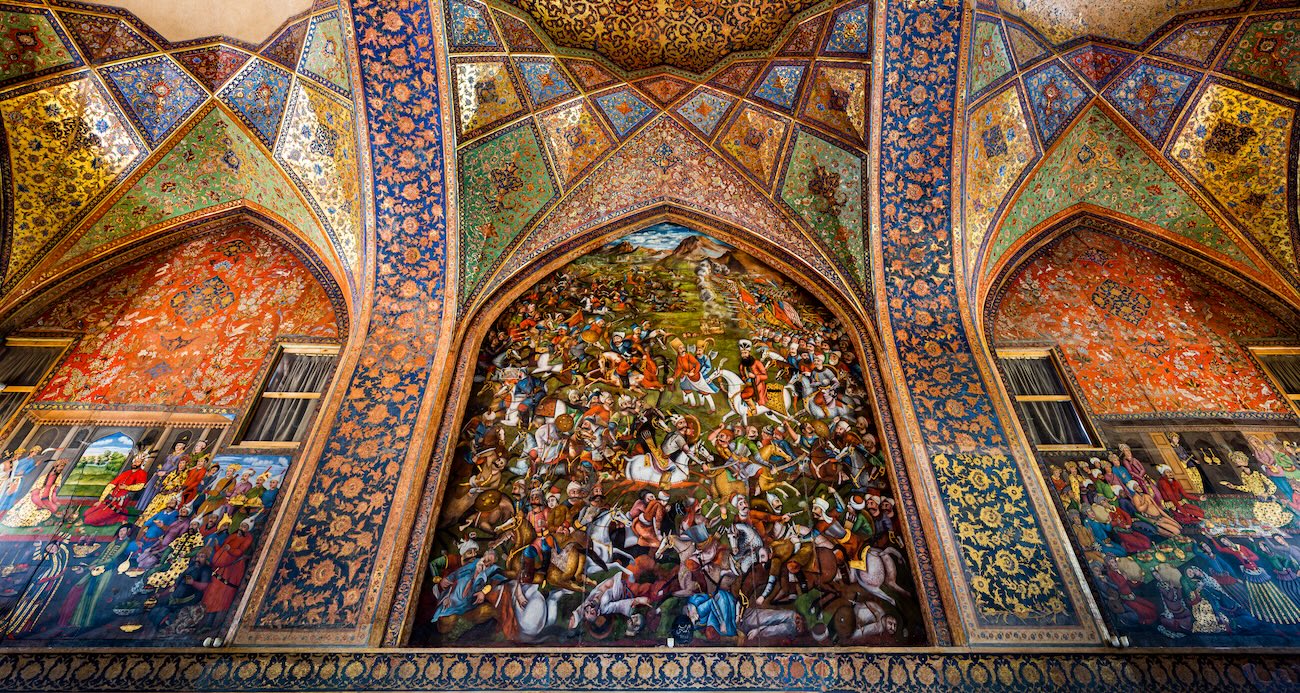
Chehel Sotoun pavilion in Isfahan, Iran

1

Chehel Sotoun pavilion in Isfahan, Iran

2

Chehel Sotoun. Photos by Amir Pashaei via Wikimedia Commons (1), Pegaay al via Wikimedia Commons (2)
On March 4, the U.S. Committee of the Blue Shield—an organization dedicated to protecting cultural property—released a statement urging the U.S. government and Israeli Defense Forces to “take immediate and concrete steps to identify, map, and protect cultural sites throughout the region, especially in Iran, in full compliance with international humanitarian law.”

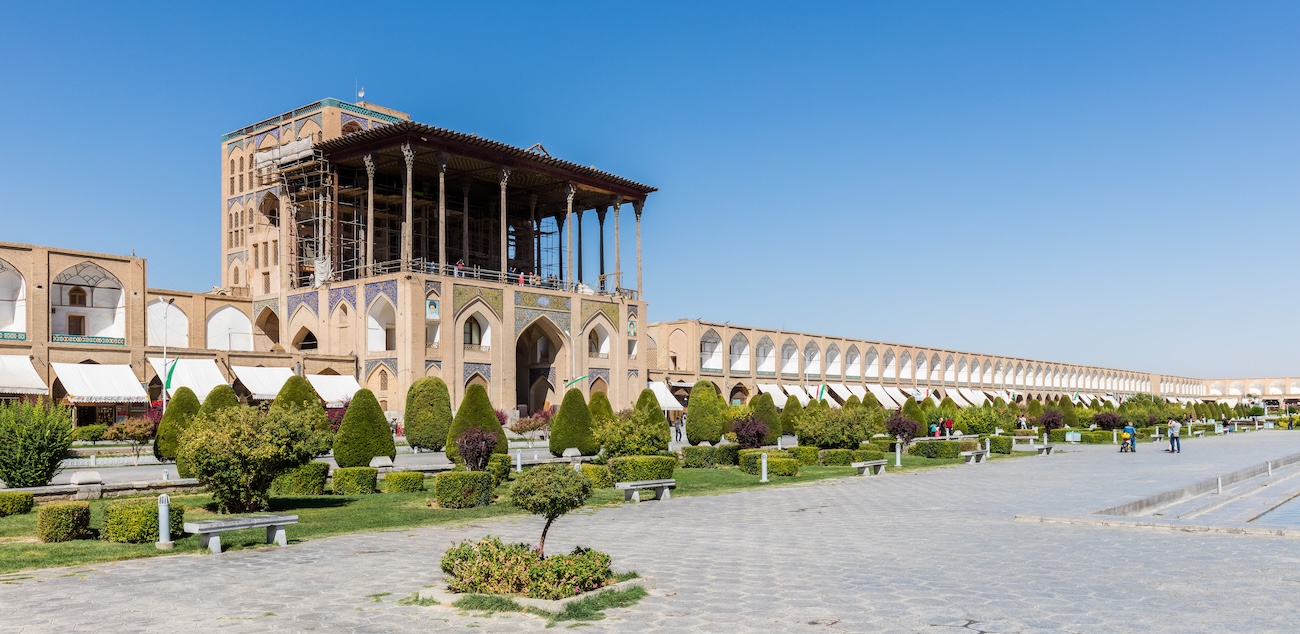
Ali Qapu Palace in Isfahan, Iran

Ali Qapu Palace. Photo by Diego Delso via Wikimedia Commons
Per the New York Times, Israeli strikes targeting the governor’s building in Isfahan impacted the Ali Qapu Palace and Chehel Sotoun palace and garden, both situated on the Naqsh-e Jahan Square—all three of which are UNESCO World Heritage sites dating back to the 16th and 17th centuries.,

The Chehel Sotoun pavilion, which is decorated with intricate murals depicting Persian court life and historical scenes, sustained critical damage. Videos released by Iranian state media show blown-out windows, cracked walls, and damage to the muqarnas, a type of ornamental vaulting in Islamic architecture.

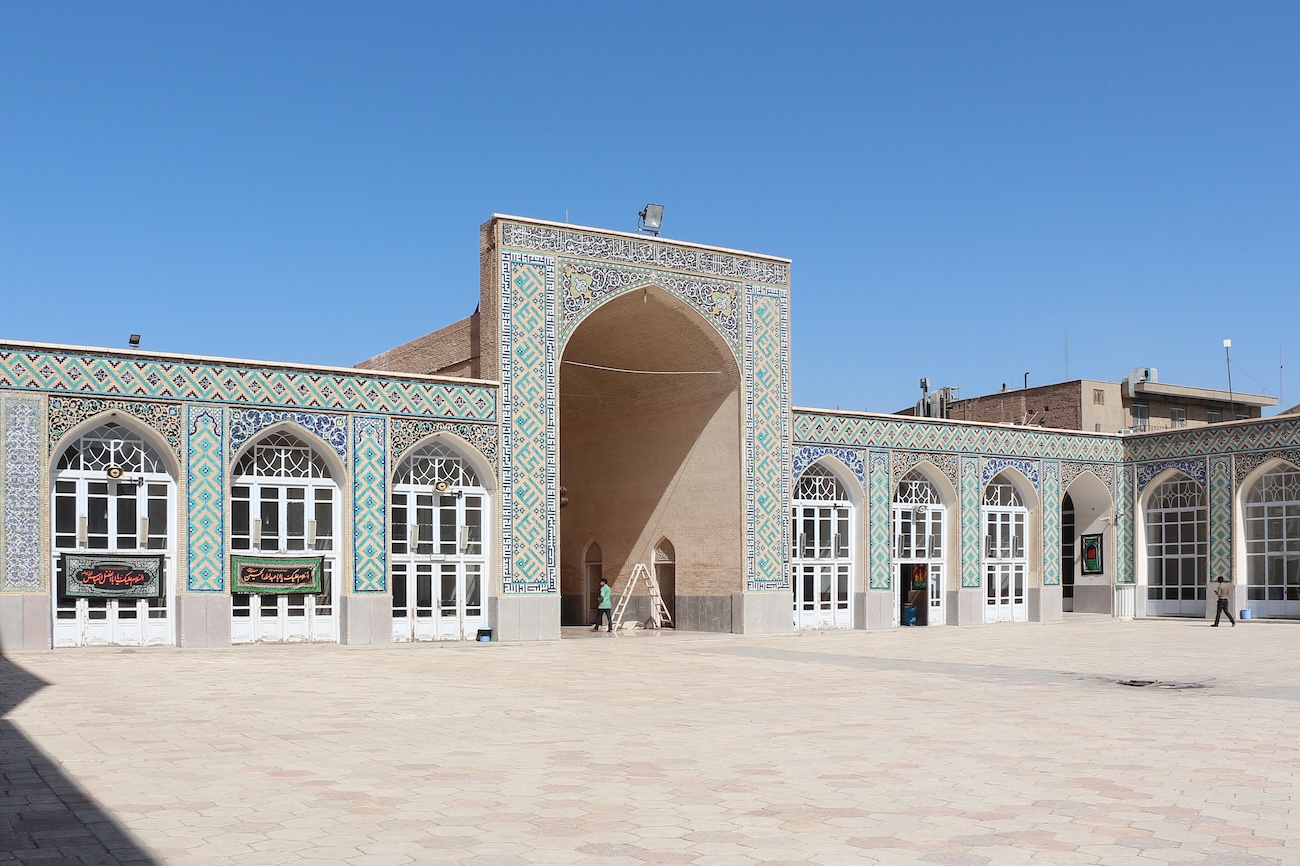
The strikes on Isfahan caused injury to another UNESCO-listed site, the Jameh Mosque, which dates back to the 8th century.

Jameh Mosque in Isfahan, Iran

Jameh Mosque. Photo by Bernard Gagnon via Wikimedia Commons
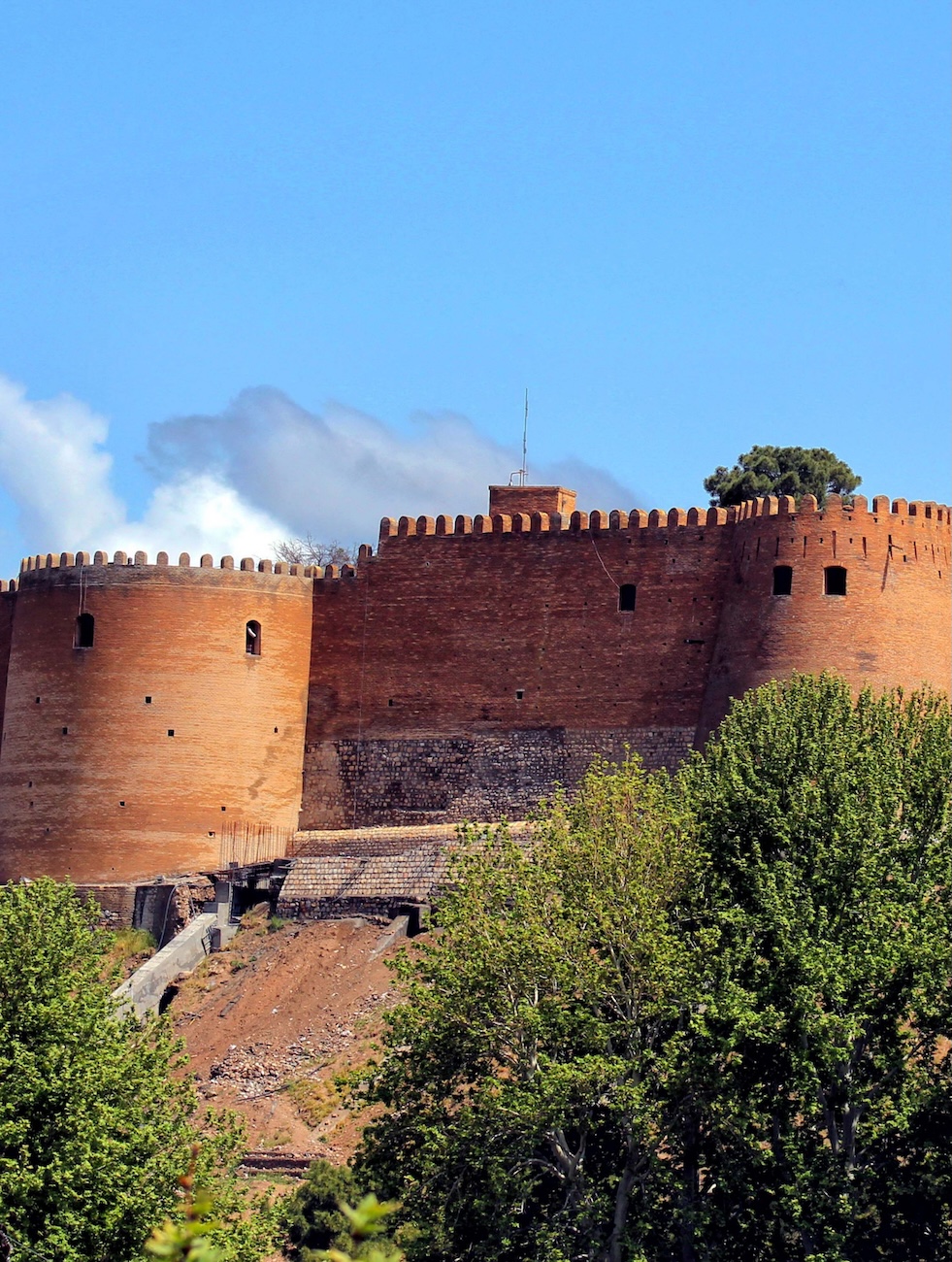
Two days prior to the attacks on Isfahan, U.S.-Israeli forces hit the perimeter of the Falak-ol-Aflak Castle, a UNESCO site in the city of Khorramabad, according to the head of the province’s heritage department Ata Hassanpour. Fortunately, the castle remains intact, though offices associated with the heritage department and adjacent archeological and anthropological museums were destroyed, per the Guardian.

Jameh Mosque in Isfahan, Iran

Falak-ol-Aflak Castle. Photo by Ovid via Wikimedia Commons

“War advocates say that whatever is destroyed, we will build a better one later. Okay, build a new Ali Qapu and Chehel Sotun and Golestan Palace,” wrote Iranian scholar Mojtaba Najafi in an X post. “For me, ancient monuments are as important as human lives. Because they connect me to my past, and their destruction means that my memory is destroyed. The lost life of a citizen cannot be rebuilt.”

“These are extensions of people’s histories. Their significance has to do with the cultural identity of a people and place,” says Boston-based Iranian architect Nader Tehrani. “These are to Iran what the Palazzo Vecchio or the entire Piazza della Signoria is to Florence, Italy. They have amazing structures, tilework, and crafts that frankly don’t exist today and would be very difficult to reconstruct. I liken it to when the Taliban destroyed the Buddhas of Bamiyan or a Russian missile struck the Transfiguration Cathedral in Odesa, Ukraine.”

As the bombing continues, the number of historic sites damaged in Iran has risen, with reports at press time of over a hundred cultural heritage sites impacted.

KEYWORDS: Iran

Share This Story

Looking for a reprint of this article?
From high-res PDFs to custom plaques, order your copy today!

Grace Kuth is a former editorial assistant at Architectural Record.

Post a comment to this article

Report Abusive Comment

Subscription Center
  • Create an Account
  • Start a Subscription
  • Manage My Account
  • Sign Up for Newsletters
  • Visit Customer Service
  • Update Preferences

More Videos

Sponsored Content

Sponsored Content is a special paid section where industry companies provide high quality, objective, non-commercial content around topics of interest to the Architectural Record audience. All Sponsored Content is supplied by the advertising company and any opinions expressed in this article are those of the author and not necessarily reflect the views of Architectural Record or its parent company, BNP Media. Interested in participating in our Sponsored Content section? Contact your local rep!

close
  • 3D configurator
    Sponsored byDoorBird

    How DoorBird’s 3D Configurator Is Redefining Customization Across Residential and Commercial Design

  • interior of modern office
    Sponsored byCurrent

    The Downlight's Second Life: Why Below-Ceiling Serviceability Is the Specification Detail That Matters Most

  • cold storage facility
    Sponsored byCarlisle SynTec Systems

    How Architects Can Design More Continuous Cold Storage Envelopes

DESIGN:ED Podcast
Listen to Architectural Record’s DESIGN:ED Podcast

Events

July 29, 2026

Adaptive Reuse Reimagined: Designing Multifamily Housing from Existing Buildings

Credits: 1 AIA LU/HSW; 1 AIBD P-CE; 0.1 ICC CEU; 1 IIBEC CEH

Examine adaptive reuse envelope strategies that improve energy performance, preserve architectural character, and transform existing buildings into high-performing multifamily housing.

July 30, 2026

Constructing Exterior Walls to Avoid Moisture Issues

Credits: 1 AIA LU/HSW; 1 AIBD P-CE; 0.1 ICC CEU

Examine exterior wall and air barrier system strategies that improve moisture control, energy efficiency, durability, and indoor environmental quality.

View All Submit An Event

Products

Architectural Detailing: Function, Constructibility, Aesthetics, 4th Edition

Architectural Detailing: Function, Constructibility, Aesthetics, 4th Edition

See More Products

Popular Stories

Goldring Woldenberg Park

Continuing Education: Postindustrial Waterfronts

House of the Month - Casa BL

In Chile, Alejandro Beals and Loreto Lyon Revive a 1960s House Designed by a Le Corbusier Disciple

Nieuw Bergen, Eindhoven

MVRDV’s Nieuw Bergen Brings ‘Mountainous’ Housing to a Low-Rise District in the Dutch City of Eindhoven

Temple-Emanu-El, San Francisco

AIA California Announces 2026 Design Award Recipients

Caserne Exelmans, Paris

Brunnquell André Architectes Converts Former Military Barracks in Paris into a Social Housing Hub

Adaptive Reuse Reimagined: Designing Multifamily Housing from Existing Buildings - Free Webinar - July 29, 2026

Related Articles

  • Finlandia Hall

    Finland Proposes Alvar Aalto Sites for UNESCO World Heritage Tentative List

    See More
  • UK Failing to Protect Its World Heritage Sites?

    See More
  • CAPA PRINCIPAL_CINE ESTÚDIO_NAMIBE_©WALTER FERNANDES_GOETHE INSTITUT_MG_6193_BR - Cópia.jpg

    World Monuments Fund Releases 2025 Watch List of At-Risk Cultural Heritage Sites

    See More

Related Products

See More Products
  • book3.jpg

    If Architecture is a Language, Then a Building is a Story

See More Products
×

The latest news and information

#1 Source for Architectural Design, News and Products

SUBSCRIBE
  • RESOURCES
    • Advertise
    • Contact Us
    • Submit
    • Store
  • ACCOUNT CENTER
    • Create an Account
    • Start a Subscription
    • Manage My Account
    • Sign Up for Newsletters
    • Visit Customer Service
    • Update Preferences
  • PRIVACY
    • PRIVACY POLICY
    • TERMS & CONDITIONS
    • DO NOT SELL MY PERSONAL INFORMATION
    • PRIVACY REQUEST
    • ACCESSIBILITY
  • SERVICES
    • Marketing Services
    • Reprints
    • Market Research
    • List Rental
    • Survey/Respondent Access
  • STAY CONNECTED
    • Linkedin
    • Facebook
    • Instagram
    • YouTube
    • X (Twitter)

Copyright ©2026. All Rights Reserved BNP Media, Inc. and BNP Media II, LLC.

Design, CMS, Hosting & Web Development :: ePublishing