The underlying causes of the trouble at San Francisco’s 4.5-block-long Salesforce Transit Center are coming into focus as investigators continue to scrutinize the building.
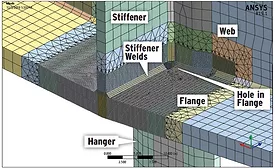
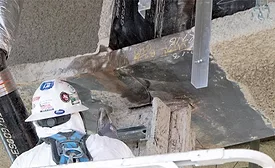
The proposed bypass fix for the troubled Fremont Street girders of San Francisco’s Salesforce Transit Center calls for bolting 20-in.-wide steel cover plates above and below the area around each fractured bottom flange, like a 14-ft-long double splint.
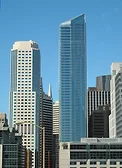
San Francisco officials and the city’s team scrutinizing permit applications for shoring the 645-ft-tall Millennium Tower—which has settled 17 in. and tilted 4 in. over more than a decade—say the review will last several months.
After calling for a “complete structural evaluation” of San Francisco's Salesforce Transit Center, the Transbay Joint Powers Authority now says the problems with girders are localized.
The Transbay Joint Powers Authority, after closing its recently dedicated Salesforce Transit Center, is investigating the cause of cracked built-up plate girders supporting the roof garden.
The long-awaited multimodal Salesforce Transit Center, which opened for its first weekday commute Monday, elevates an oft-mundane building type with a 5.4-acre public park—one of the largest accessible green roofs in the country.