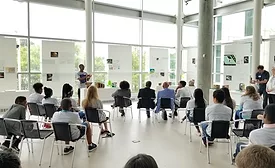
Mentorship programs like the Atlanta Center for Creative Inquiry are taking steps to broaden and diversify the pipeline of young people interested in architecture.
This year's annual report includes early findings from a survey on equity, diversity, and inclusion in licensure conducted with the National Organization of Minority Architects.
The collection includes some 35,000 plans and 10,000 original drawings of built and unbuilt work and will become a cornerstone of the Getty’s African American Art History Initiative.
The ranks of architects must open up to many more African Americans in education, practice, and leadership—and must collaborate with Black communities to push for real change in the built environment.
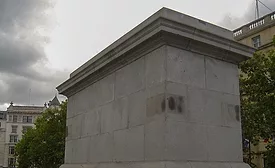
As citizens and officials remove statues across the country, RECORD speaks with architectural historians and preservationists about the role of such artifacts.
In architecture, where demographics skew toward white male homogeneity, many are beginning to interrogate the ways that systemic racism has shaped the profession and the built environment.
“You've got to do the reading, you’ve got to have the tears—by yourself," says the Chicago-based artist, who trained as an architect, about the long road ahead.