This website requires certain cookies to work and uses other cookies to help you have the best experience. By visiting this website, certain cookies have already been set, which you may delete and block. By closing this message or continuing to use our site, you agree to the use of cookies. Visit our updated privacy and cookie policy to learn more.
This Website Uses Cookies By closing this message or continuing to use our site, you agree to our cookie policy. Learn MoreThis website requires certain cookies to work and uses other cookies to help you have the best experience. By visiting this website, certain cookies have already been set, which you may delete and block. By closing this message or continuing to use our site, you agree to the use of cookies. Visit our updated privacy and cookie policy to learn more.
Drawing comparisons to an M.C. Escher composition, a pinecone, or even an insect’s exoskeleton, Thomas Heatherwick’s Vessel is a 16-story steel pavilion with 80 viewing platforms, 154 flights of stairs, and almost 2,500 steps.
“People thought New York was finished,” says Architectural Record editor in chief Cathleen McGuigan, thinking back on the days after September 11, 2001. “People didn't understand how a city could go on.” But in the decade that followed, the city and country did carry on, spurred by tragedy into new conversations about politics, security, and architecture.
Rising above a gritty swath of rail lines leading to and from the Porta Garibaldi Station in Milan, an eyecatching urban landmark has made another comeback from a state of disrepair.
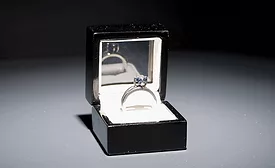
Brooklyn-based conceptual artist Jill Magid spent years plotting the perfect proposal—the location, the rock, the words—but what she had in mind was a bit different from most.
New Haven–based architects Svigals + Partners worked with the community to create an inviting, colorful, and secure new campus filled with light and art.
In 1958, the Institute of Personality Assessment and Research (IPAR) at the University of California, Berkeley, set out to study the personalities of creative people—specifically, 40 top architects living or working in the U.S. A July 2016 issue of the podcast 99% Invisible reexamines the IPAR study.