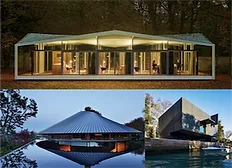
Looking back at the projects covered in Architectural Record during 2015, the editors have selected five pavilions—places intended for contemplation, meditation, and reflection—that thoughtfully consider both context and programmatic needs.
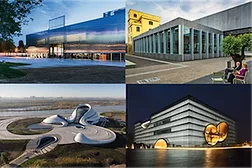
These fine and performing arts centers by Rem Koolhaas, Bureau V, MAD, Thomas Phifer and Partners, Zaha Hadid, SOM, Renzo Piano, Tadao Ando, and Carme Pinós earned their places in our year-end roundup.
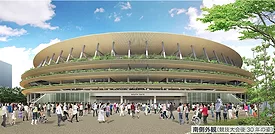
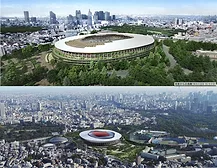
Government officials in Japan have selected Kengo Kuma’s plan for the 2020 Tokyo Olympic Stadium. The architect submitted the winning proposal along with construction and support firms Taisei Corp. and Azusa Sekkei Co.
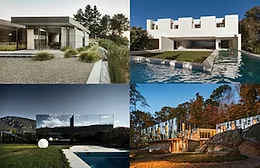
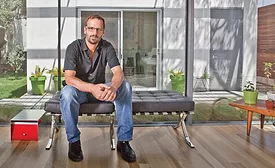
From Spain to Japan and California to New York, the ten best houses covered by Architectural Record this year bring elegance and innovation to the art of residential architecture.
The Japan Sport Council has revealed two new designs for the 2020 Tokyo Olympic stadium. The council did not identify the architects' offices behind the proposals, which are being referred to as A and B, but plans to select the winner this month.
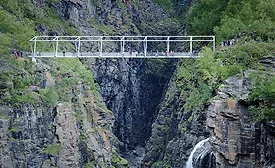
in the the northern Norwegian village of Birtavarre, the Sabetjohk Pedestrian Bridge spans 147 feet across the 500-foot-deep Gorsa Gorge—northern Europe’s deepest canyon.
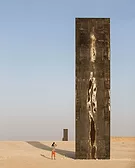
In the middle of the desert in Qatar, four enormous steel plates rise from the bleak landscape, oriented along an east-west axis over a half-mile stretch.