This website requires certain cookies to work and uses other cookies to help you have the best experience. By visiting this website, certain cookies have already been set, which you may delete and block. By closing this message or continuing to use our site, you agree to the use of cookies. Visit our updated privacy and cookie policy to learn more.
This Website Uses Cookies By closing this message or continuing to use our site, you agree to our cookie policy. Learn MoreThis website requires certain cookies to work and uses other cookies to help you have the best experience. By visiting this website, certain cookies have already been set, which you may delete and block. By closing this message or continuing to use our site, you agree to the use of cookies. Visit our updated privacy and cookie policy to learn more.
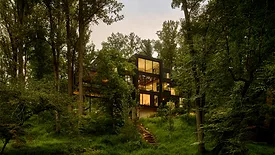
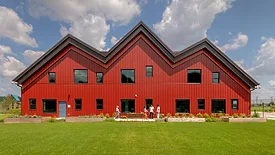
For this tranquil forest refuge, the architects worked from the inside out—configuring the house’s interiors according to views of nature, with the exterior form following suit.
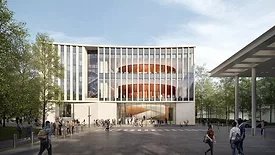
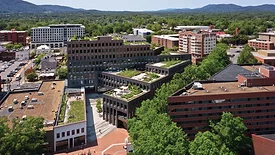
Dubbed CODE, the new building and its plaza enliven Charlottesville, Virginia’s historic pedestrian mall with an eye toward the community—and the future.
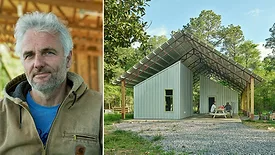
British-born Freear joined the design-build program at Auburn University in 2000, and has made scalable, low-cost housing solutions for impoverished rural communities a primary focus.
As citizens and officials remove statues across the country, RECORD speaks with architectural historians and preservationists about the role of such artifacts.
"We need an understanding of how architecture is very much complicit in injustice," says Mabel Wilson, one of the Memorial's designers. See new images from the demonstration in this updated story.