Daniel Libeskind on the Art of Architecture in Film
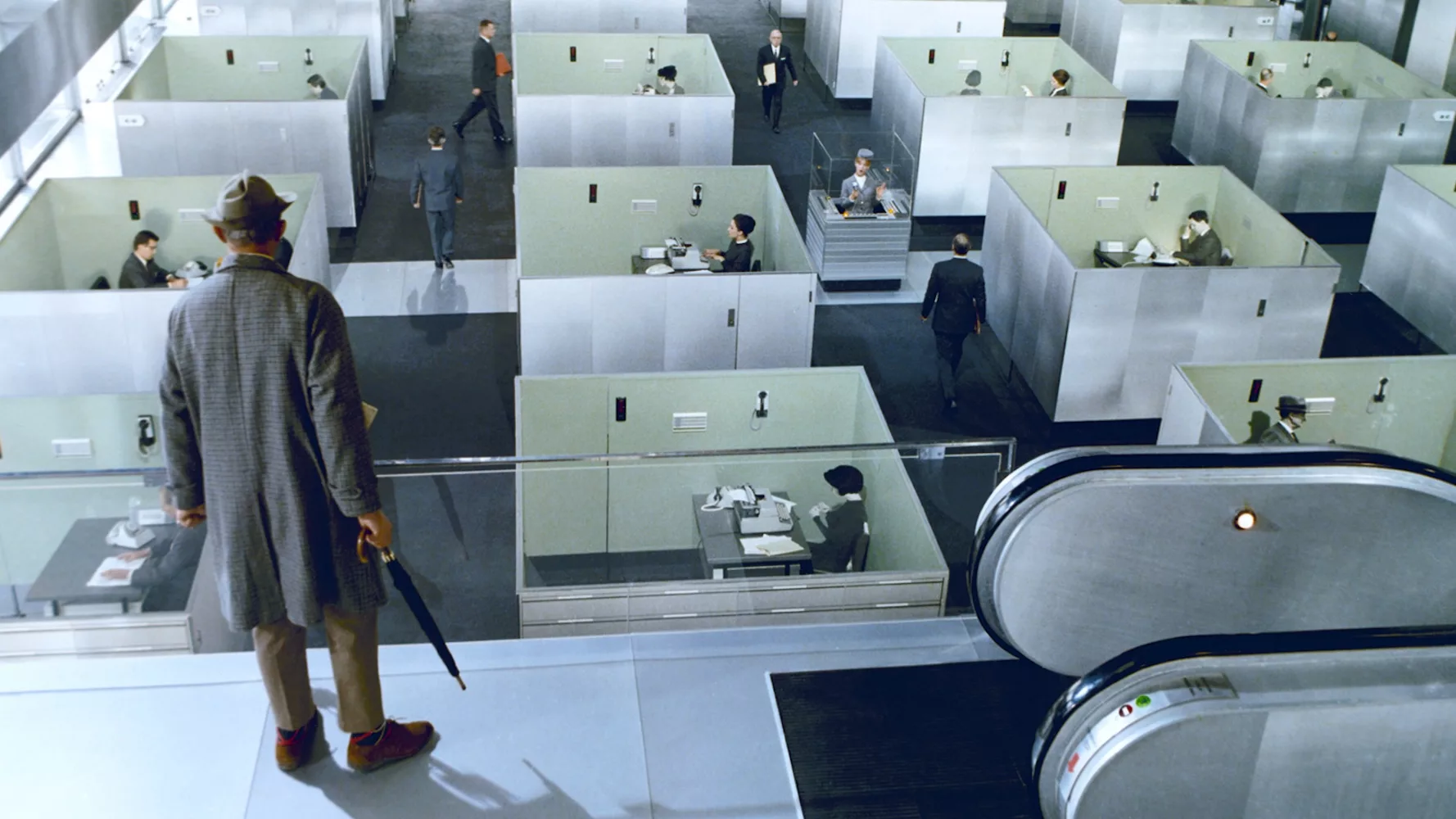
Jacques Tati’s gloriously choreographed, nearly wordless comedies about confusion in an age of high technology reached their apotheosis with Playtime (1967). Film still courtesy Janus Films
Architecture doesn’t often intersect with narrative film. But it had a good year at the movies in 2024, with two major releases—Francis Ford Coppola’s Megalopolis and Brady Corbet’s The Brutalist—explicitly dealing with the work of shaping the built environment. But for Daniel Libeskind, you don’t need a film directly about architecture to talk about their interconnectivity.
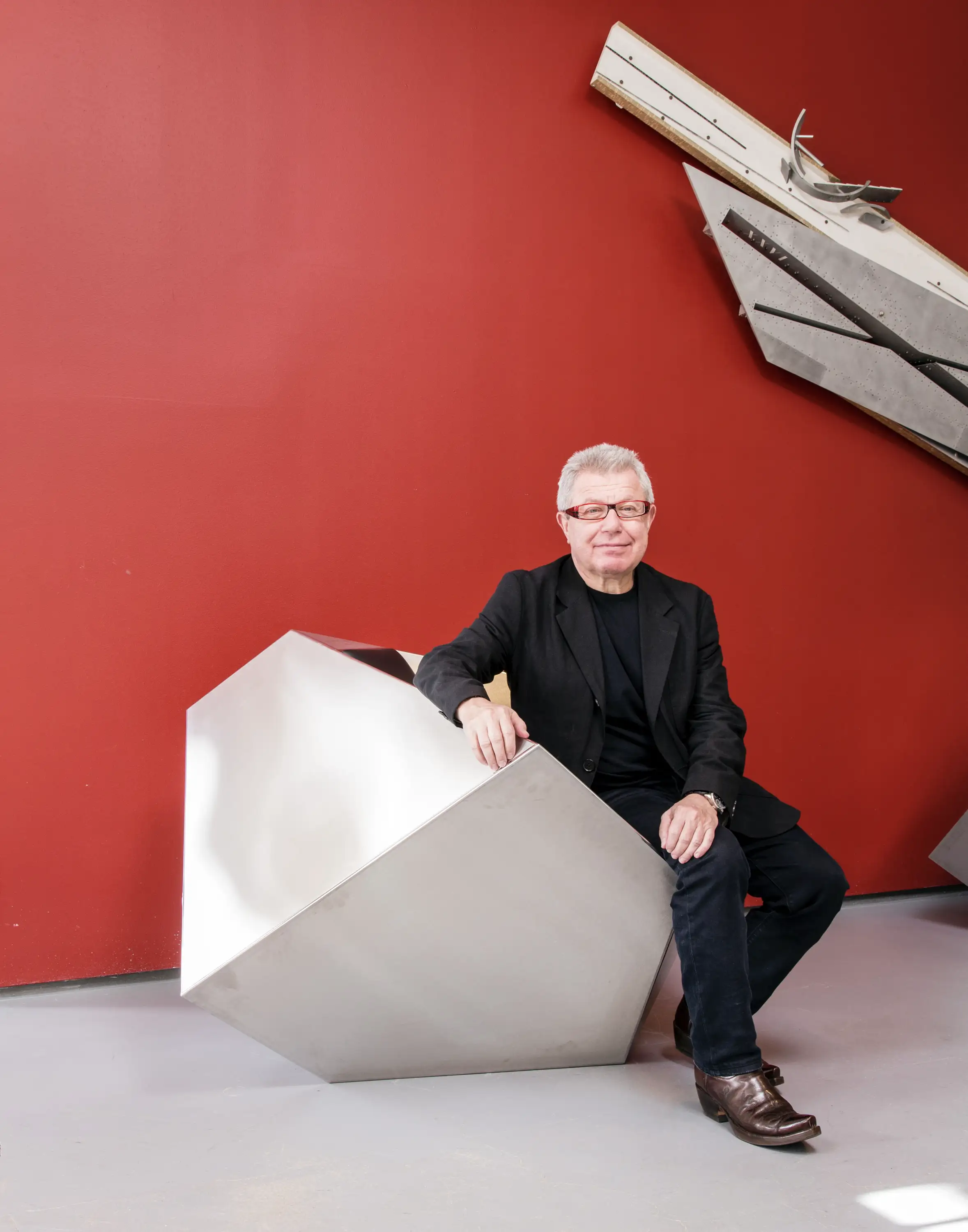
Daniel Libeskind. Photo © Stefan Ruiz
On December 17, the Polish-American architect appeared at New York Historical, formerly the New-York Historical Society, with moderator Antonio Monda for a discussion about the art of architecture in film. It’s fair to say Libeskind is a true cinephile who speaks as expertly and excitedly about the subtextual meanings behind the films of Robert Weine (The Cabinet of Dr. Caligari) and Alfred Hitchcock (Rear Window) as he does about buildings and architectural movements.
The day after the New York Historical event, Libeskind spoke with RECORD about his love of cinema, from his earliest movie memories to his feelings on The Brutalist; the intersection between architecture and film; and why everyone—but especially architects—should know and study film. There are also, of course, lots of viewing recommendations.
What came first: movies or architecture?
I think movies. I saw movies as a kid in Poland, and films were way ahead of architecture in my conscious experience. The world of film is so rich with emotion and content that it has had a big influence on everybody’s mind, certainly on mine.
Do you remember your first experience with a movie?
Yes. It was shown in Poland as a kind of black and white propaganda film about the evils of America, about poverty, set in a tenement, and there was a dog that kept on barking and terrorizing poor people, something of that sort. It must have been in the early 1950s. I’ve been trying to figure out what movie it is, but I can't remember. It left an indelible mark on me because I remember it so well. And, of course, the Jacques Tati films were shown in Poland in the '50s.
Is there a film you remember seeing and recognizing its architecture or the way it treats the built environment?
I think really the films by the masters, whether it’s Ingmar Bergman’s Persona, Federico Fellini’s Juliet of the Spirits, Michelangelo Antonioni’s La Notte—those are kind of classic films. The very early films by D.W. Griffith and silent films by Chaplin and Buster Keaton had a big impact on me.
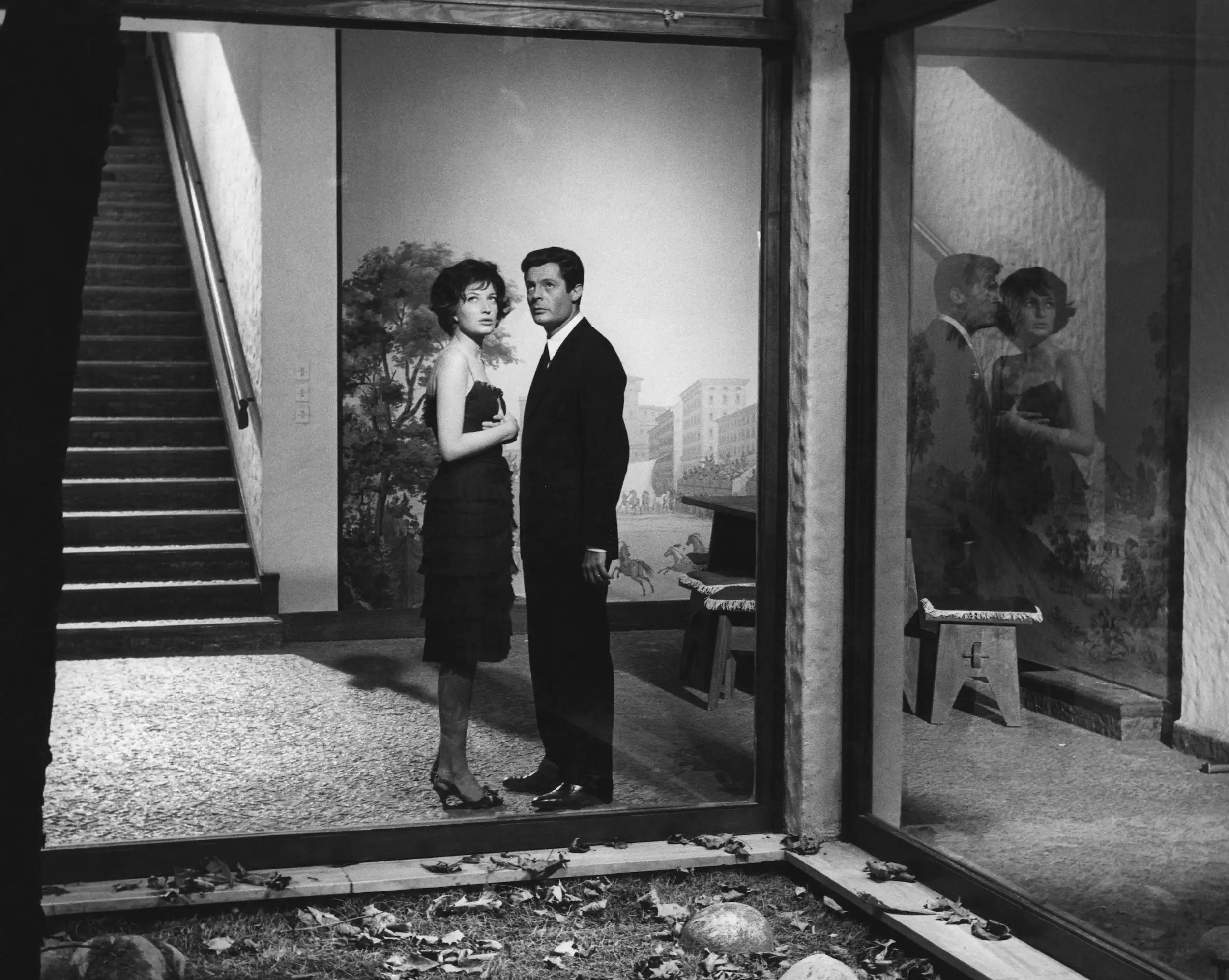
Monica Vitti and Marcello Mastroianni in Michelangelo Antonioni’s La Notte (1961). Film still courtesy Rialto Pictures
You said in your conversation at New York Historical that filming architecture is very difficult. Why?
The two-dimensional image, by definition, cannot really show you or give you the full three-dimensional spatial experience of a building. There's always something dimensionless, no matter how well formed it is, because you cannot go from the inside to the outside in a way that mimics or resembles the actual experience in space. The great filmmakers resorted to different techniques to try to convey that. As an architect, I can see that film is such a different medium because it's two dimensional and it's light—it's only light. There's no darkness in cinema because the minute you turn off the lights, the film itself goes black.
At the event, you said that it’s impossible for cinema not to appear in one's work, if you're an architect or not. Can you point to one or two examples where it has manifested in something that you've designed or built?
I think you can see it in my buildings as certain angles, geometries, and perspectives are, in some ways, also cinematic. They frame the viewer in a particular sort of position to look at the horizon of what's in front of her or him. So, yes, I think I’ve learned a lot from cinematic ideas—especially the idea of the focus going from a large picture to a detail that is very architecturally inspired, as we discussed at the event in Alfred Hitchcock’s Rear Window.
You’re talking about interconnectivity in the arts. What’s the argument you’d make to a young architect or someone studying architecture, that they should know film or some other art, too?
I think it’s that they’ll never be good architects. People who think they will find architecture in architecture will never do a single meaningful thing because architecture is about culture. It’s about symbolism. It's about having a sense of being. Without integrating the other arts—film, poetry, painting, literature—architecture is nothing. It’s just a technological, bureaucratic procedure to create meaningless material forms.
If you could give a young architect—or any architect—a list of movies that they need to see, what's on it?
That is an incredibly difficult question to answer at a moment’s notice! But, I would go to the silent films of Chaplin, of the great Buster Keaton, and so on. I would move into Griffith, the kind of invention of history in film, and into the sort of early era of cinema, Abel Gance, Napoleon, all those. And then I would move into the masters in the '50s: Rossellini, Fellini, Antonioni, Bergman, Dreyer—there’s a lot. You can learn so much and be inspired as a young architect to see that the world is such an interesting and wondrous place and that you might be missing the point if you don’t get involved in cinema and architecture. If you look at La Dolce Vita, you know more about Rome than reading 1,000 historians’ writing about it.
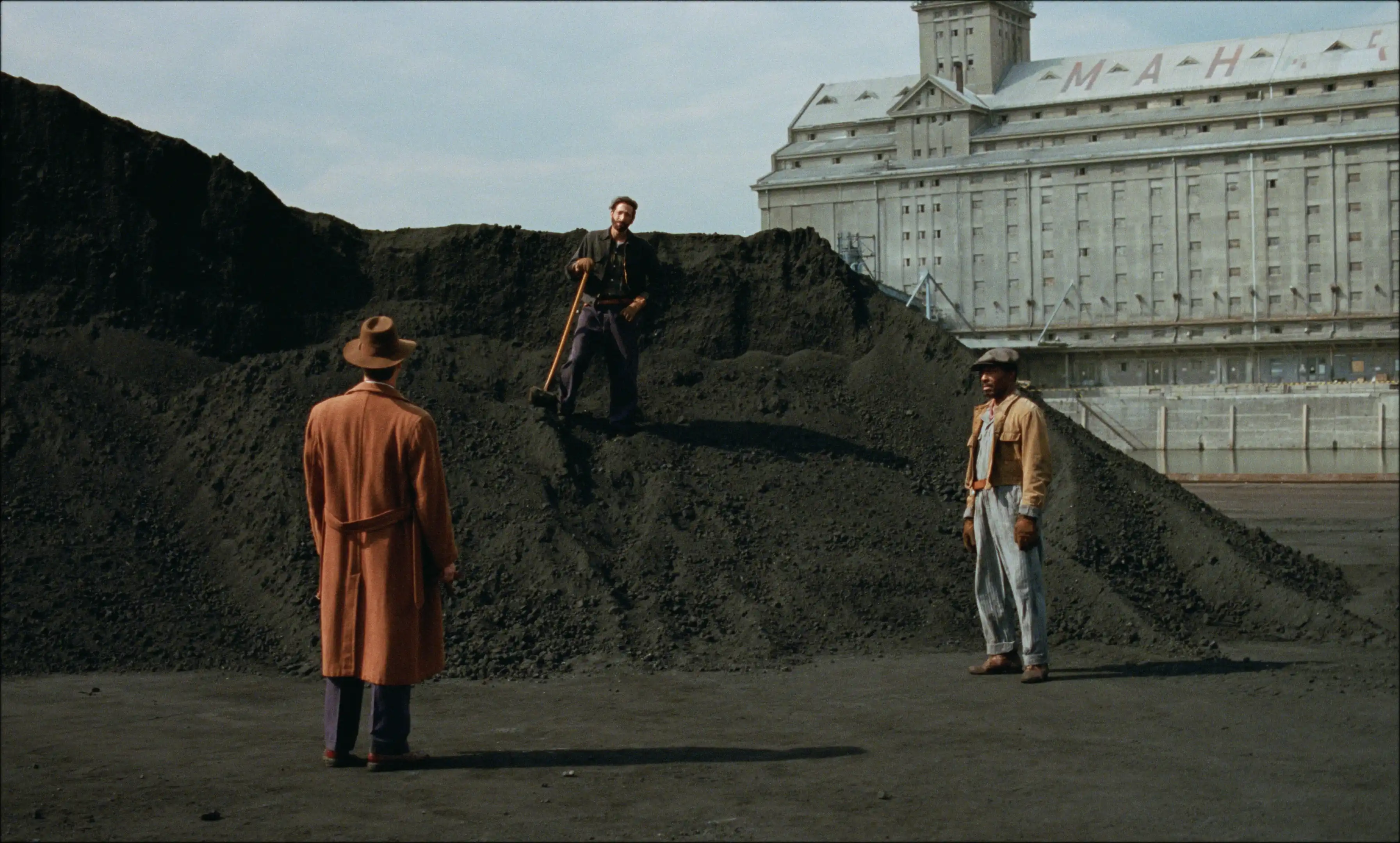
Still from The Brutalist (2024). Photo © Lol Crawley/A24
You mentioned you had seen The Brutalist and wrote about it for the Forward. I know the filmmakers say they weren’t inspired by any one architect, but you can see a lot of Marcel Breuer in László Tóth. Did you see anybody you know or worked with reflected in the character?
I think the genius of the film—and I really loved it—is that I didn’t feel that the character was a collage of identities. I think they created a character, poetically, who really sort of focused all the rays, like in a crystal, on the idea of what a Brutalist is. Even though I knew about Breuer and Louis Khan, I didn't feel that it was a film that referred to them in any way. They created a powerful kind of talisman in László Tóth that was fresh and unique.
The conversation has been edited for length and clarity.
Looking for quick answers on architecture and design topics?
Try Ask RECORD, our new smart AI search tool.
Ask RECORD →
Looking for a reprint of this article?
From high-res PDFs to custom plaques, order your copy today!