Getty Foundation Reveals Latest Recipients of Conserving Black Modernism Grants
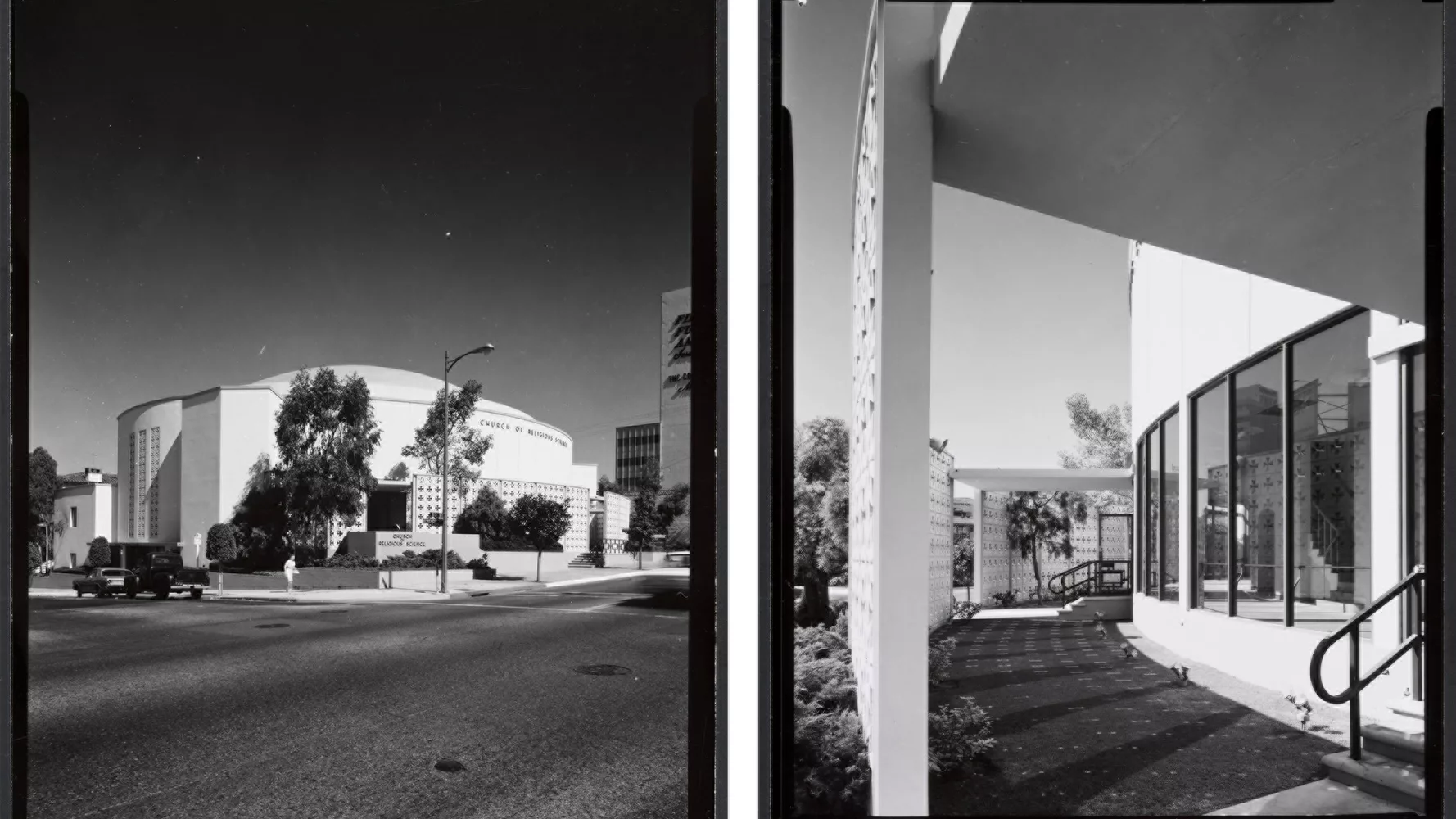
Archival photos of Founders Church of Religious Science by Paul R. Williams. Photos © J. Paul Getty Trust. Getty Research Institute, Los Angeles (2004.R.10)
Conserving Black Modernism, a $4.6 million grant program of the Getty Foundation in partnership with the National Trust for Historic Preservation, has added five new buildings to its growing roster of sites that will receive critical funding meant to safeguard and sustain key works by pioneering Black architects and designers who contributed to the Modernist architecture movement. An offshoot of Getty’s Keeping it Modern initiative and part of the National Trust’s African American Cultural Heritage Action Fund, Conserving Black Modernism has now recognized a total of 21 sites across three rounds of grants. The previous grant awardees—including works by architects such as Robert T. Coles, J. Max Bond Jr., and Robert Kennard—were announced in 2022 and 2024. As noted by Getty Foundation, this most recent round spotlights, for the first time, projects in Chicago and in the Pacific Northwest. W
“The Conserving Black Modernism program is ensuring the historic contributions Black designers have made to this field are celebrated and can inspire current and future generations,” said Brent Leggs, executive director of the African American Cultural Heritage Action Fund and senior vice president at the National Trust, in a statement. “This year's cohort includes sites by architectural giants, and names the world may be learning about for the first time.”
Below is a list of the five 2025 recipients, including, as provided by the Getty Foundation, brief descriptions of the sites and details about how the grant funding will be used.
Founders Church of Religious Science | Los Angeles
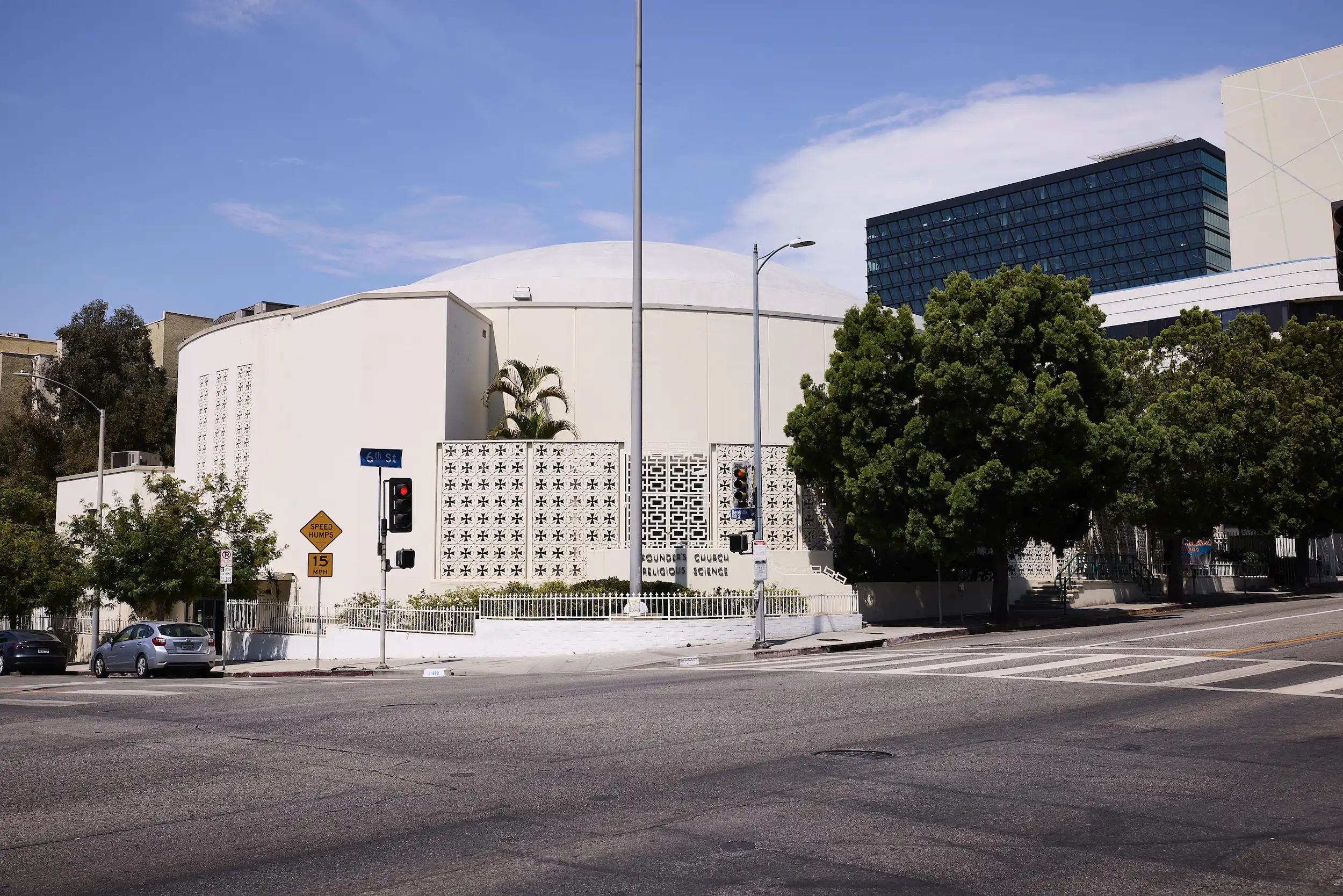
Founders Church of Religious Science. Photo by Mark Clennon
Dedicated in 1960, the Founders Church of Religious Science was designed by Paul R. Williams, the first Black member of the American Institute of Architects. Its sleek, elliptical design was inspired by geometric forms that represented congregation founder Dr. Ernest Holmes’ teachings of wholeness, unity, and positivity. The nearly 20,000-square-foot reinforced concrete building has a grand steel-framed dome and concrete screen, and the interior design notably featured closed-circuit television—a brand-new technology at the time—that allowed churchgoers to watch and hear services outside the main auditorium. The site was designated as a Los Angeles Historic-Cultural Monument in 2002 and was listed in the National Register in 2020. An accessibility plan will enable more efficient use of the religious landmark and the potential to develop community engagement spaces.
ITC Administration Building | Atlanta
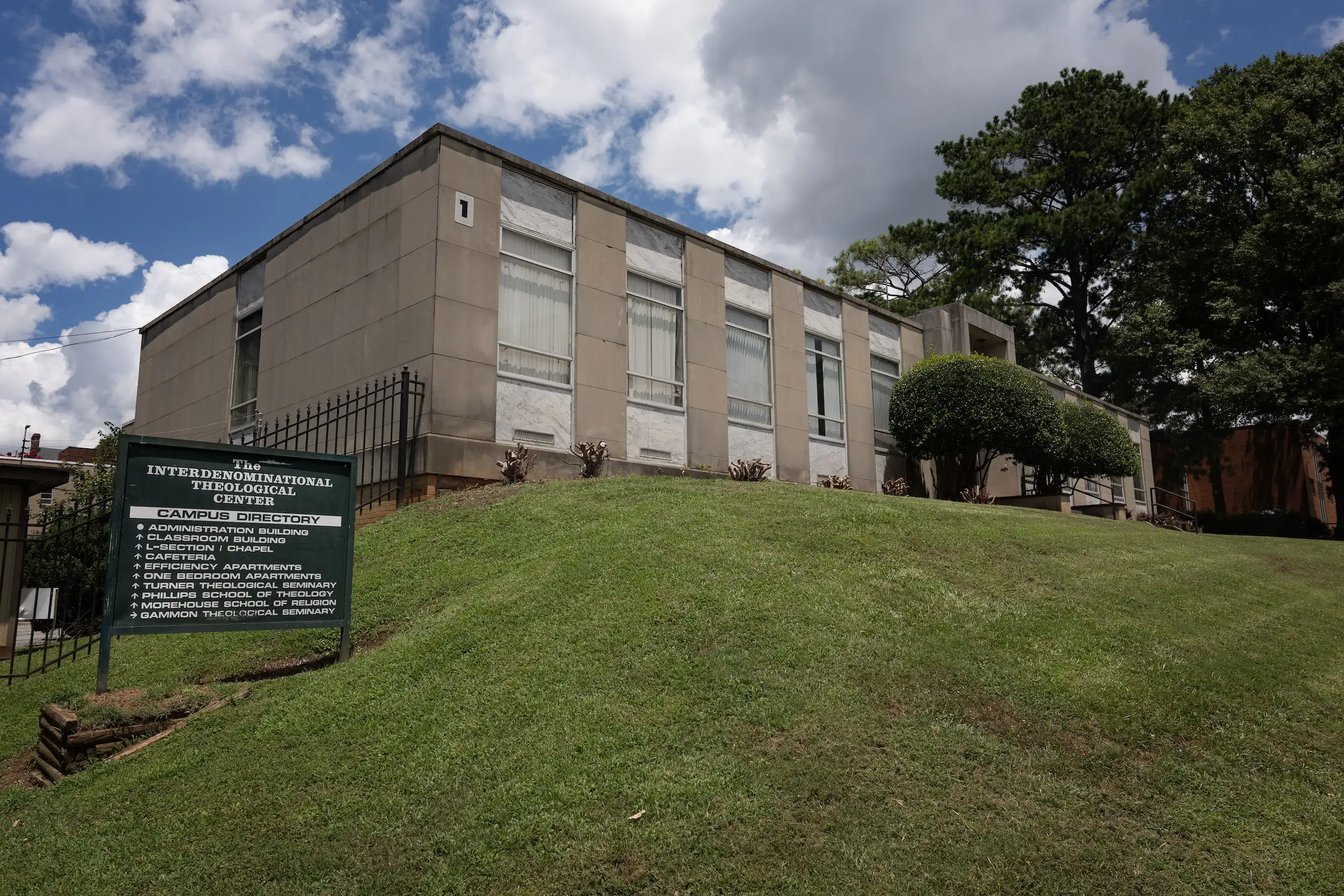
ITC Administration Building. Photo by Sheila Pree Bright
Georgia’s first licensed Black architect Edward C. Miller designed the Administration Building at the International Theological Center, a graduate school of theology composed of five predominantly Black denominational Christian seminaries. Completed in 1961, it is the oldest building on the center’s campus and features a modern brick facade. Funding will support a historic structures report, building assessments, and a reuse study to determine optimal future uses for the building, in addition to greater historical documentation of Miller’s groundbreaking career.
Looking for quick answers on architecture and design topics?
Try Ask RECORD, our new smart AI search tool.
Ask RECORD →
First Church of Deliverance | Chicago
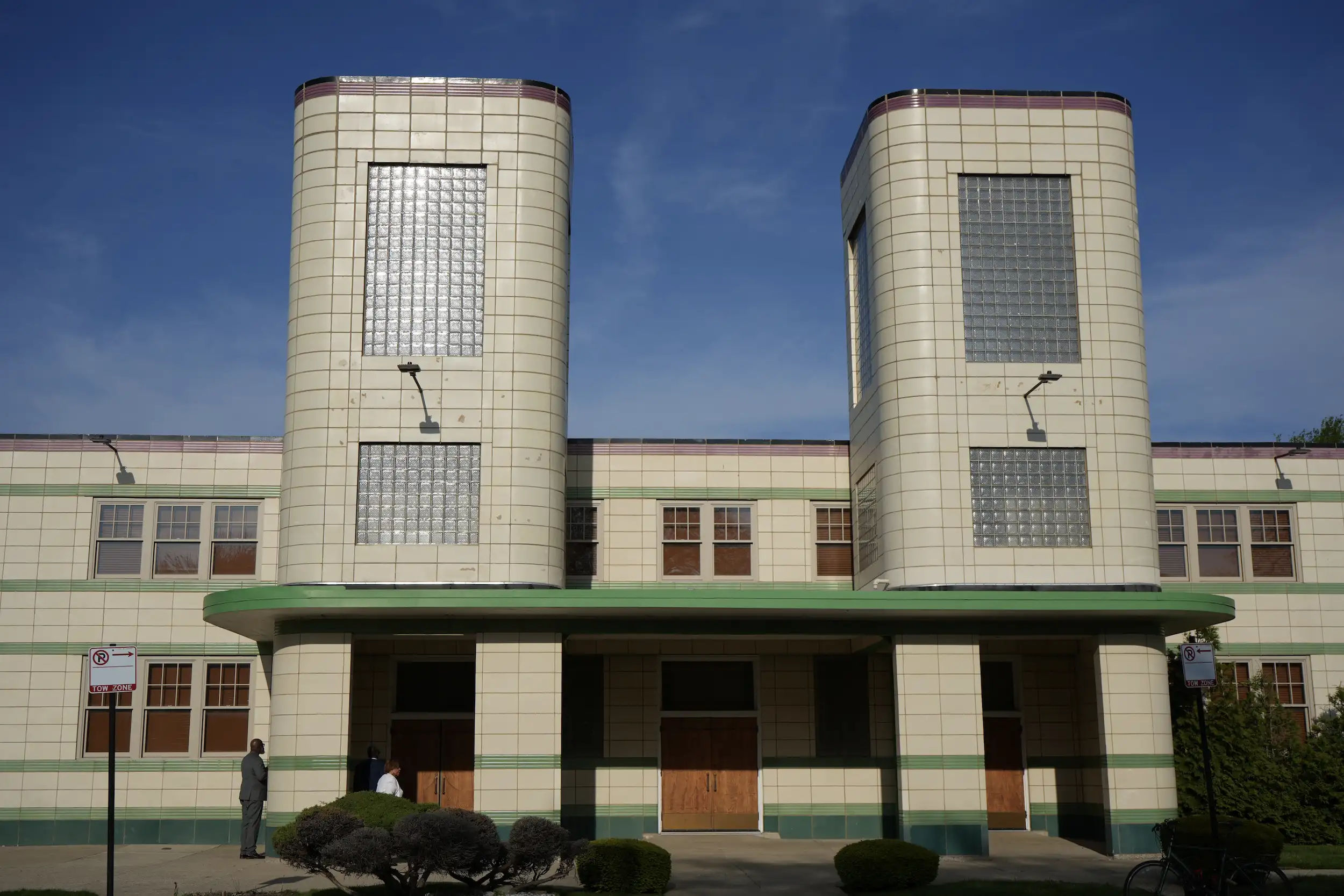
First Church of Deliverance. Photo by Morgan Forde
A former hat factory, the First Church of Deliverance represents an innovative adaptive reuse project with an Art Moderne style that boldly departed from the architecture typically seen in places of worship. In 1939, the building was redesigned by Walter T. Bailey, the first licensed Black architect in Illinois. Its smooth surfaces, continuous lines, terracotta tiles, and glass blocks accentuate its streamlined form. The colorful glazed tiles represent one of the last major architectural installations of terra-cotta in Chicago. The interior was designed with functionality in mind, featuring a low ceiling and original acoustical plaster to augment the church’s radio broadcasts and gospel music. A Getty grant will support the Chicago landmark’s first comprehensive preservation plan and campus stewardship plan.
McKenzie Hall | Eugene, Oregon
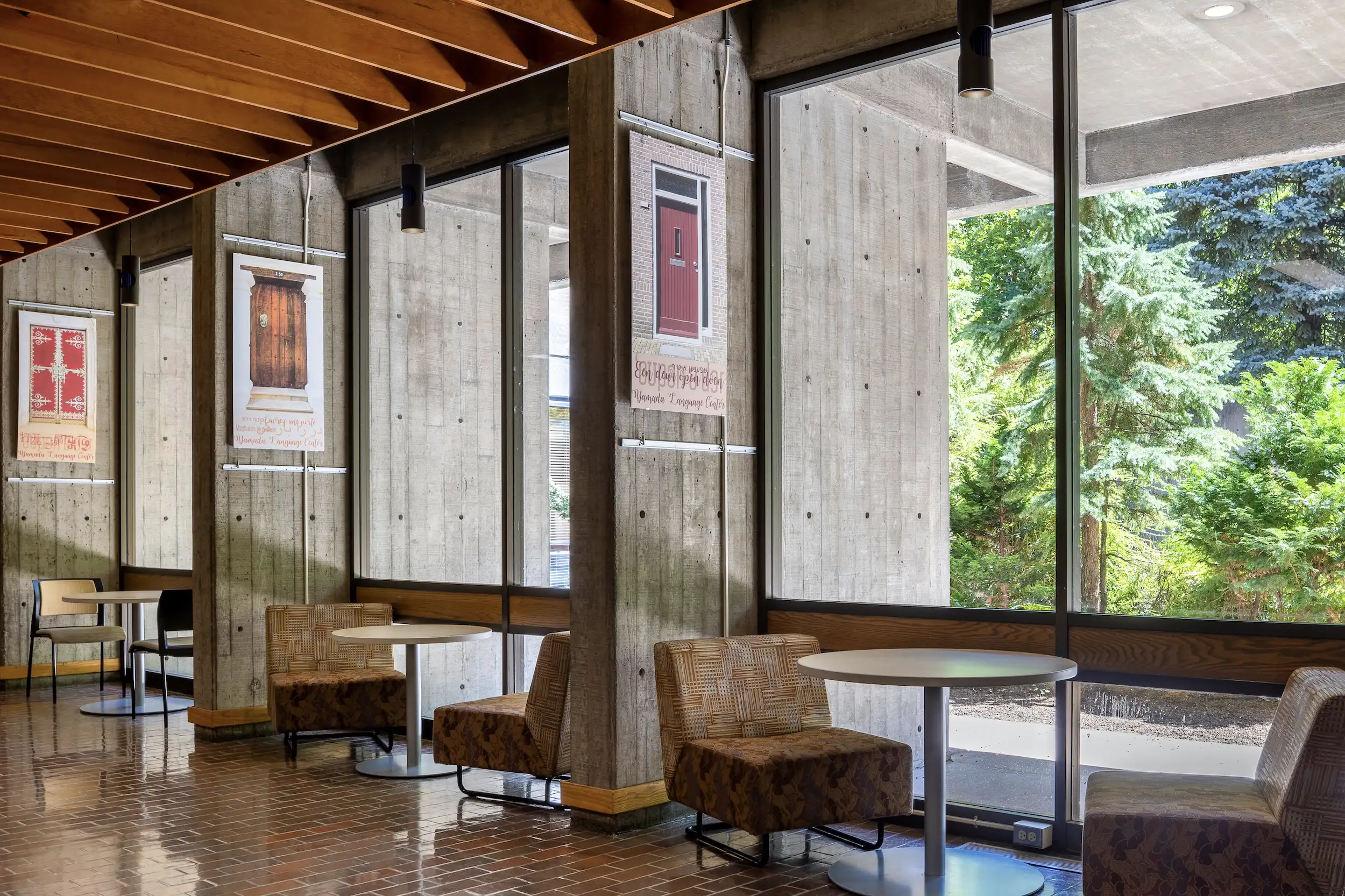
McKenzie Hall.Photo by Brian Davies
The University of Oregon’s McKenzie Hall was designed in 1968 by DeNorval Unthank Jr., the first Black graduate of the university’s architecture school. Unthank was an architecture professor at UO and contributed to Eugene’s architectural heritage through the design of schools, public buildings, and business facilities including residence halls at the university and Lane County Courthouse. McKenzie Hall’s geometric, brick and exposed concrete construction is exemplary of the Brutalist style. A preservation and interpretation plan will inform the future conservation of the building as a historic resource, support educational events for the university and its local community, and recognize Unthank’s contribution to the campus’s design through an interpretive display.
Vassar College’s 2500 New Hackensack Building | Poughkeepsie, New York
_2.webp "2500 New Hackensack Building")
2500 New Hackensack Building. Photo by Myles Studio Photography
The 2500 New Hackensack Building on Vassar College’s campus was designed by Jeh Vincent Johnson and completed in 1963. Johnson is a co-founder of the National Organization of Minority Architects, served on President Lyndon B. Johnson’s National Commission on Urban Problems, and chaired the National Committee on Housing for the American Institute of Architects. The building is exemplary of Black architects’ contributions to the modernist style and features a minimalist brick, steel, and glass construction. The project marked a pivotal moment in Johnson’s career, coinciding with his long-standing tenure as a professor of architectural design in the college’s art department. Funds will support a facilities management and preservation plan and deeper engagement with Johnson’s legacy on campus.
Looking for a reprint of this article?
From high-res PDFs to custom plaques, order your copy today!